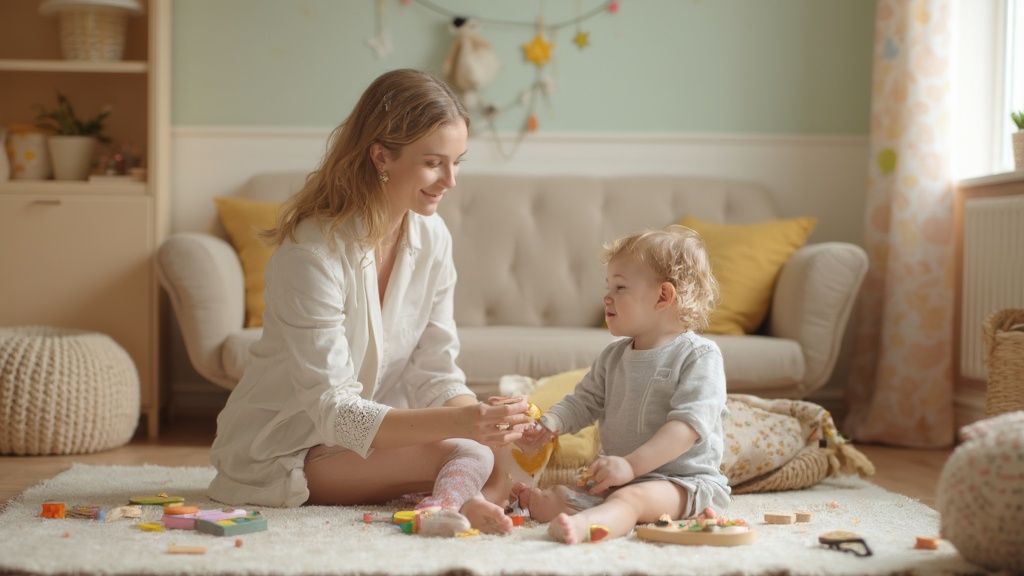
Maximizing a child's potential on the autism spectrum starts with recognizing that each child is unique. They need tailored support to truly thrive. 🌟 Personalized autism care not only boosts communication and social skills but also nurtures independence and well-being through targeted interventions.
But how can families navigate the complexities of autism care? It’s all about ensuring your child receives the most effective, individualized strategies. Let’s explore the many benefits of personalized approaches together! This journey can lead to meaningful growth and development for children with autism.
We’re here to help you every step of the way!
Meeting the unique needs of each child on the autism spectrum is essential for maximizing potential through personalized autism care. Research shows that tailored treatment strategies can really boost communication skills, social interactions, and daily living abilities. For example, kids who receive customized interventions often see greater improvements in social skills compared to those in standard programs. In fact, there's evidence that Applied Behavior Analysis (ABA) therapy has over an 89% success rate in helping children reach their developmental milestones!
At Rori Care, we take pride in our personalized approach. Each behavioral strategy we create is designed to fit your child's unique needs, strengths, challenges, and goals. We set clear, measurable objectives for behavior change and skill development, giving you a transparent way to track progress. Our behavior analysts use evidence-based strategies, like positive reinforcement and structured teaching, all based on the latest research. This ensures we're using the most effective methods for behavior change.
We continuously assess and adjust the treatment strategy, allowing us to keep a close eye on your child's progress and responsiveness. This way, we can make necessary tweaks to improve outcomes. Early intervention is key! Starting therapy at a young age can really enhance overall quality of life and daily functioning. By focusing on each child's unique strengths and challenges, our clinicians can create effective strategies for maximizing potential through personalized autism care, promoting independence and well-being.
This tailored approach not only supports the individual but also invites families to actively participate in the therapeutic process. Together, we can create a that encourages growth and development. Let’s explore this journey together!

Effective strategies for supporting individuals with autism begin with understanding their unique strengths, challenges, and preferences, ultimately focusing on maximizing potential through personalized autism care. Board Certified Behavior Analysts (BCBAs) are dedicated to maximizing potential through personalized autism care by crafting treatment strategies in ABA therapy, all based on detailed evaluations of each child's abilities and hurdles. Tools like the Autism Care Questionnaire play a vital role here, helping clinicians gather essential information that shapes these treatment plans.
For example, a tailored support strategy might focus on specific goals aimed at enhancing communication skills through fun social interactions and play-based learning activities. And let’s not forget the importance of family involvement! Their insights are invaluable in making sure therapy goals are not only relevant but also achievable.
Our behavior care system is always evolving, refining treatment strategies based on report data to keep actions effective. Research shows that when suggested hours are fully implemented with active caregiver participation, about 90% of youngsters make significant progress. Regular evaluations and adjustments to these strategies are key to ensuring they remain relevant and effective as the individual grows.
In fact, over 89% of studies highlight significant improvements in youth undergoing ABA therapy, demonstrating the effectiveness of maximizing potential through personalized autism care. A case study from Applied Behavior Analysis International showcased how individuals with customized support plans achieved remarkable developmental milestones, highlighting the importance of maximizing potential through personalized autism care.
Let’s explore this together! Your journey in is important, and we’re here to help you every step of the way!

When it comes to autism care, a is key! It’s all about teamwork among psychologists, speech therapists, occupational therapists, and educators. This collaboration ensures that every part of a young person’s development gets the attention it deserves.
For instance, when speech and occupational therapists join forces, they can work on communication skills while also boosting fine motor abilities. This kind of teamwork leads to more holistic development, which is something we all want for our kids!
Research shows that young people receiving this kind of support make significant strides in areas like socialization and adaptive functioning. In fact, a whopping 86.5% of community-based providers have referred patients for support services, highlighting just how valuable these coordinated efforts can be.
By keeping the lines of communication open among team members and actively involving families in the care process, practitioners can create personalized care plans aimed at maximizing potential through personalized autism care. Let’s explore this together! We’re here to help you every step of the way!

Family engagement is so important for effective autism support! Involving families in therapy sessions, goal-setting, and progress monitoring can really boost treatment outcomes. For instance, parent-mediated programs that let caregivers practice skills at home have shown to significantly improve kids' communication and social skills.
Research shows that young people whose families actively participate in their therapy see greater gains in adaptive functioning. In fact, studies reveal an effect size of 0.55 for parent-implemented interventions! Caregiver training is a key part of this process, helping caregivers understand ABA principles and strategies better. This knowledge empowers them to make informed decisions that positively impact their child's development.
So, what are some effective ways to engage families? Offering training sessions, keeping regular communication about progress, and creating spaces for families to share insights and concerns are great starts. By building a collaborative relationship between families and clinicians, we can create a supportive environment that focuses on maximizing potential through personalized autism care, enhances family dynamics, and empowers caregivers. Together, we can for each child! Let’s explore this journey together!

Maximizing a child's potential through personalized autism care isn’t just a goal; it’s a necessity. Tailored interventions that focus on each child’s unique strengths and challenges can really make a difference. They’ve been shown to enhance communication, social skills, and daily living abilities significantly. By using evidence-based strategies and involving families in the therapeutic process, caregivers can create a nurturing environment that fosters growth and independence.
This article highlights how important individualized treatment plans are, especially those crafted by Board Certified Behavior Analysts (BCBAs). They use tools like the Autism Care Questionnaire to ensure that every child gets the support they truly need. Plus, the collaborative efforts of multidisciplinary teams - think psychologists, speech therapists, and occupational therapists - really boost the effectiveness of these interventions. Engaging families in the treatment process not only empowers caregivers but also leads to better outcomes for children. It’s amazing to see the profound impact of personalized autism care!
In conclusion, supporting a child with autism is a journey that requires dedication, understanding, and a comprehensive approach. By prioritizing personalized care and fostering strong family involvement, we can make significant strides in maximizing each child's potential. It’s essential for caregivers and practitioners to work together, using tailored strategies and collaborative efforts to create a brighter future for children on the autism spectrum. Let’s continue to advocate for personalized autism care, ensuring that every child receives the support they deserve. We’re here to help you every step of the way!
Why is personalized autism care important?
Personalized autism care is essential for meeting the unique needs of each child on the autism spectrum, maximizing their potential through tailored treatment strategies that enhance communication skills, social interactions, and daily living abilities.
How does personalized care compare to standard programs?
Research indicates that children who receive customized interventions often show greater improvements in social skills compared to those in standard programs.
What is the success rate of Applied Behavior Analysis (ABA) therapy?
ABA therapy has over an 89% success rate in helping children reach their developmental milestones.
How does Rori Care approach personalized autism care?
Rori Care creates individualized behavioral strategies tailored to each child's unique needs, strengths, challenges, and goals, setting clear, measurable objectives for behavior change and skill development.
What methods does Rori Care use in their treatment strategies?
Rori Care uses evidence-based strategies such as positive reinforcement and structured teaching, all based on the latest research to ensure effective behavior change.
How does Rori Care monitor and adjust treatment strategies?
Rori Care continuously assesses and adjusts treatment strategies to closely monitor a child's progress and responsiveness, allowing for necessary tweaks to improve outcomes.
Why is early intervention crucial in autism care?
Early intervention is key because starting therapy at a young age can significantly enhance a child's overall quality of life and daily functioning.
How does the personalized approach involve families in the therapeutic process?
The tailored approach invites families to actively participate in the therapeutic process, creating a nurturing environment that encourages growth and development for the child.