Chaining procedures, a cornerstone of Applied Behavior Analysis (ABA) therapy for autism, are key to facilitating skill acquisition by breaking down complex activities into sequential, manageable steps. These procedures align with current enhancements in ABA standards, emphasizing high-quality, individualized interventions for diverse autism profiles. Research highlights the importance of tailored interventions, as generic approaches often fall short in addressing the unique needs of individuals across the autism spectrum.
By incorporating chaining procedures, therapists can create personalized interventions that respect the personhood and abilities of those with autism, fostering equitable opportunities for skill development and mental health. In this article, we will explore the different types of chaining procedures, the benefits of backward and forward chaining, the importance of planning for generalization, strategies for effective chaining, and common challenges and solutions in implementing these procedures. By understanding and implementing these techniques, parents can empower their children with autism to thrive and reach their full potential.
, a cornerstone of for autism, facilitate by breaking down complex activities into sequential, manageable steps. This approach aligns with current enhancements in ABA standards, as outlined in the latest guidelines from the Council of Autism Service Providers. These guidelines emphasize the imperative of , a sentiment echoed by experts who recognize the necessity of .
Research underscores the importance of these tailored interventions, with studies indicating that generic approaches fall short in addressing the unique needs of individuals across the autism spectrum. By employing chaining procedures within ABA therapy, therapists are equipped to tailor interventions that respect the personhood and abilities of those with autism, fostering equitable opportunities for skill development and mental health.
Chaining procedures in , specifically , are essential techniques that cater to the diverse needs of children with autism, adapting to their individual learning styles and abilities. Backward chaining begins with the therapist assisting the child through every step of a task except the last one, allowing the child to complete the final action independently, thus reinforcing their capability to finish tasks. Conversely, forward chaining starts with the child performing the first step on their own and the therapist guiding them through the remaining steps, progressively teaching independence from the beginning of the activity.
These methods are not only about teaching tasks but also about . The selection of backward or forward chaining is , ensuring a fair and supportive approach akin to the philosophy of , who emphasized the importance of equitable participation in all life domains for children with disabilities. The goal is to reduce stress and provide the necessary resources for healthy development, which is particularly critical for autistic children who may face additional emotional and behavioral challenges.
Moreover, as the prevalence of , with current estimates as high as 1 in 36 individuals, the significance of refining these ABA techniques grows. Technology solutions are being developed to aid providers and health plans, aiming for coordinated care that adheres to best practices, acknowledging that every child deserves the opportunity for meaningful social participation and mental well-being.
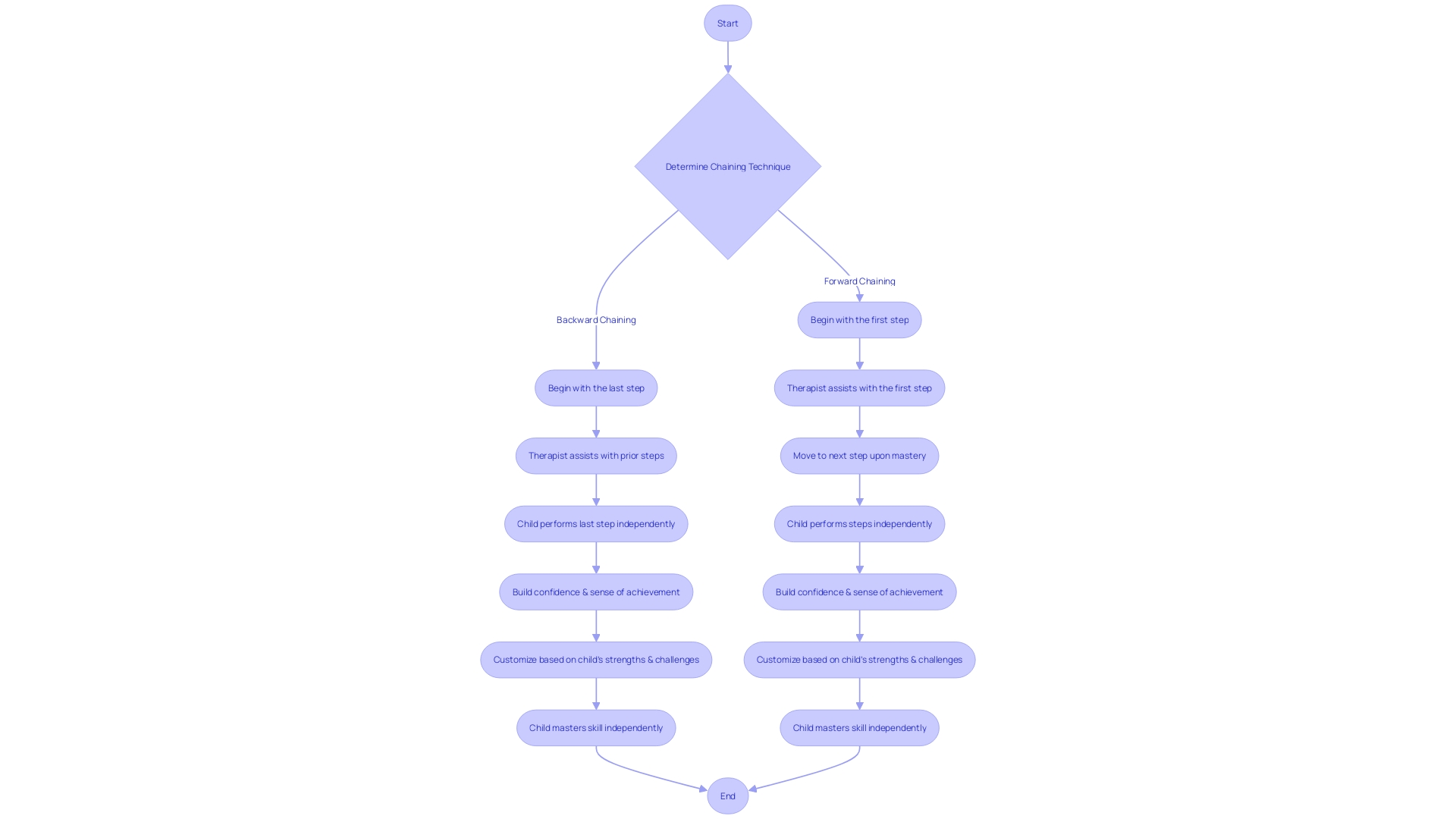
is an effective instructional strategy where the teaching process begins with the last step of a task, moving progressively to the first. This method allows individuals to complete the task's final step with the who performs the preceding steps. The sense of accomplishment from successfully completing the last step serves as immediate , which can be particularly motivating.
As individuals master each concluding segment, they are introduced to the preceding step, thereby learning the skill in reverse order. This approach can be especially beneficial for activities that have a distinct, rewarding outcome, as it helps individuals with disabilities, such as autism, feel a sense of achievement and belonging, contributing positively to their mental health and reducing stress. The strategy aligns with the ethos of creating equitable opportunities for all children to thrive in their communities by addressing unmet needs and leveraging their strengths.
Clinicians, including , emphasize the importance of that are personalized to meet the , ensuring coordinated care and support that extends beyond the individual to the family as a whole.
is a therapeutic technique that begins with the first step of an activity, continuing through the steps in order. Therapists provide initial assistance, which is gradually reduced as the individual gains proficiency. This method celebrates each , fostering .
Particularly valuable for those at the beginning stages of learning a task, forward chaining aligns with the principle of for , enhancing their . By recognizing early successes, forward chaining mirrors the ethos of creating a fair start in the 'race' of development, as emphasized by Dr. David (Dan) R. Offord, a renowned child psychiatrist. This approach ensures that all children, including those with autism who may have additional emotional and behavioral challenges, can partake in the full experience of learning and growth from the outset.
In the realm of , that extends the impact of learned behaviors beyond the clinical setting. This involves the application of acquired skills across various environments, individuals, and stimuli. Proactive planning for generalization should be woven into the fabric of ABA from the outset, particularly when implementing .
A practical approach to fostering generalization is through the deliberate introduction of variety in the environment, the materials used, and the people participating in the therapeutic process. By doing so, individuals are gradually acclimatized to diverse conditions, empowering them to adapt their acquired skills to new and broader contexts.
Adhering to this methodology, clinicians are encouraged to leverage their wealth of experience to create and refine technology solutions that support these practices. This ensures that the care delivered is not only of the highest quality but is also coordinated and streamlined across different healthcare platforms. The rise in and the evolving understanding of the spectrum necessitate such .
With the prevalence of autism now at 1 in 36, it's clear that a one-size-fits-all approach is no longer viable. The diversity within the autism spectrum means that interventions must be as unique and dynamic as the individuals receiving them. Therefore, embracing , as well as in the work models for behavior analysts, can lead to enhanced outcomes and better quality of life for those with autism.
In the realm of Autism Spectrum Disorder (ASD) therapy, stands as a cornerstone, providing a structured framework to support individuals with autism. A key component in this framework is the use of ',' which help in teaching complex tasks by . To optimize the success of these procedures, it is essential to apply a which involves a clear articulation of steps, the use of visual aids like task analysis sheets or schedules, and the strategic application of prompts that gradually diminish as the individual gains proficiency.
Equally important is the provision of to bolster the learning process. This approach is geared towards fostering skill acquisition and promoting independence. Moreover, with the evolving landscape of autism understanding, as noted by Dr. Jan Blacher, it is crucial for therapists to tailor these strategies to the diverse needs and abilities of those on the spectrum, ensuring a .
The importance of such , which now occur in 1 out of every 36 individuals, according to Dr. Blacher's observations. This statistical revelation not only emphasizes the need for refined therapeutic approaches but also for innovations within the domain of ABA therapy. This includes the integration of technology solutions that streamline care coordination and enhance the quality of intervention, as highlighted by a New York state-licensed and Board-Certified Behavior Analyst with extensive experience across various treatment settings.
Such advancements are instrumental in setting the stage for a fair 'race' in the lives of children with autism, as envisioned by Dr. David (Dan) R. Offord, allowing them to engage peacefully and with adequate support in all aspects of their lives, thereby laying a foundation for mental health and societal equity.
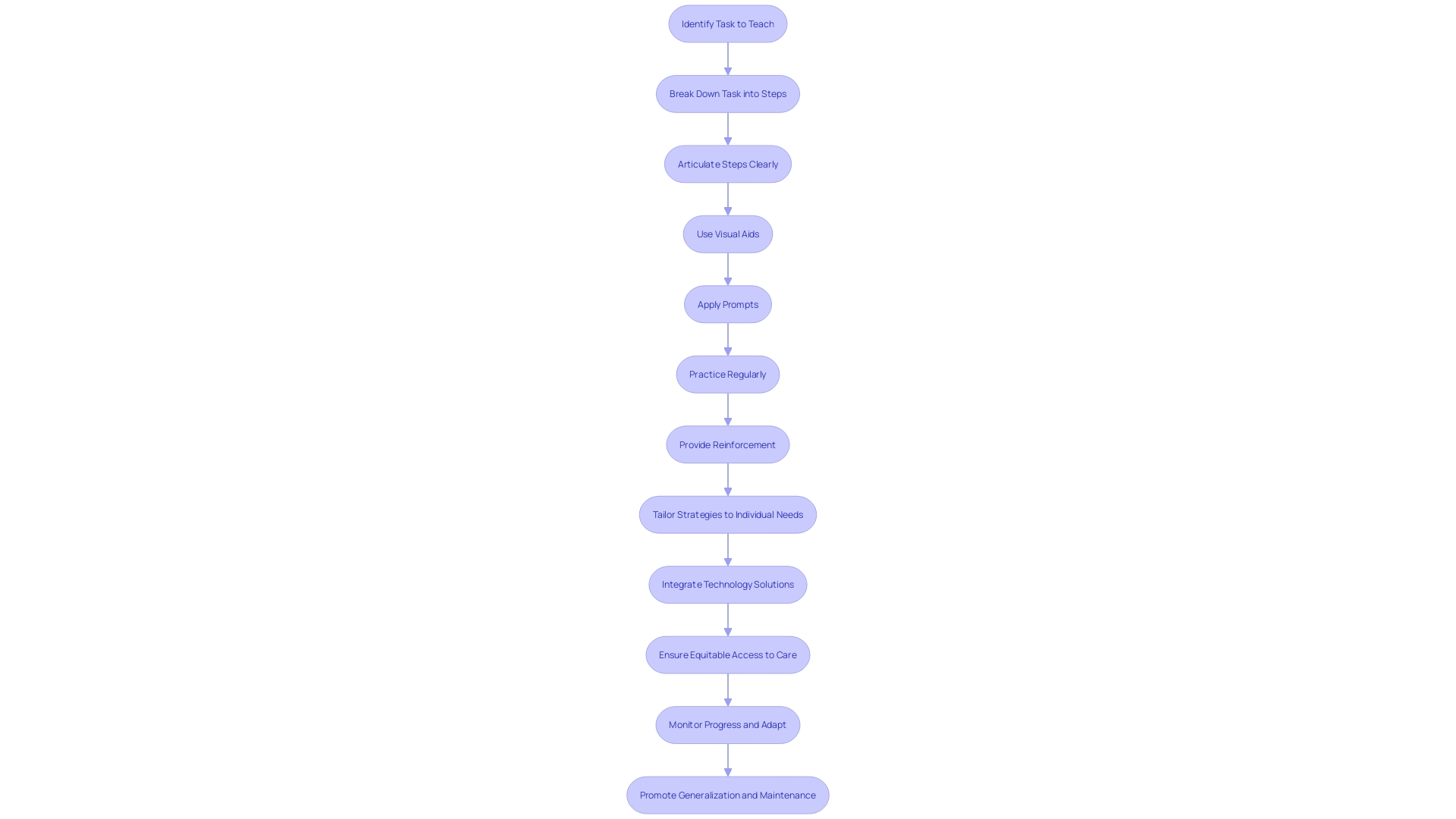
Consider the experience of a child with autism learning to tie their shoes, a task that can pose a significant challenge. Through the lens of , this endeavor is approached by breaking it down into smaller, manageable steps, such as crossing the laces, looping them, and pulling tight the final knot. Starting with , a therapist would complete all but the last step, giving the child the opportunity to focus solely on tying the knot.
leads to a gradual increase in the child's independence, culminating in their ability to tie their shoes unassisted.
This method aligns with the overarching goal of for children with disabilities, as emphasized by Dr. David (Dan) R. Offord. It is a pursuit of mental health through engagement and support, ensuring that all children can partake in 'the race' on a level playing field. In this context, the efficacy of ABA is further underscored by recent guidelines from the Council of Autism Service Providers, which advocate for .
Moreover, the , a concept explored in research from January 2018 to June 2023, involves arranging independent schedules concurrently to evaluate intervention preferences. This model provides a structure for understanding how various interventions can be tailored to the unique needs of each child, reflecting a commitment to best practices and high-quality, coordinated care within the field of autism support.

In the realm of ABA therapy, offer a structured approach to learning by breaking them down into manageable steps. However, these procedures are not without their challenges, especially for individuals with autism who may find certain steps daunting or the overall task overwhelming. is key to , which may include further subdividing the steps, enhancing , fine-tuning the level of prompting, or integrating more engaging reinforcements.
Such customization is vital as it helps individuals , enabling them to progress and achieve in their therapeutic journey.
Chaining procedures in ABA therapy are essential for skill acquisition in individuals with autism. These procedures align with current ABA standards, emphasizing individualized interventions. Backward and forward chaining break down complex activities into manageable steps, fostering confidence and achievement.
Planning for generalization ensures skills can be applied in various contexts.
To ensure effective chaining, clear articulation of steps, visual aids, and gradual reduction of prompts are crucial. Regular practice and reinforcement support skill acquisition and independence. Customization is key to overcoming challenges, such as subdividing steps and incorporating engaging reinforcements.
By understanding and implementing these techniques, parents can empower their children with autism to thrive. Personalized interventions are necessary to address the unique needs of individuals on the spectrum. Embracing flexibility in therapy and utilizing technology solutions can enhance the quality of care and promote mental health and equity.
In conclusion, chaining procedures in ABA therapy provide a structured approach to skill development in autism. By tailoring interventions, fostering independence, and planning for generalization, individuals with autism can reach their full potential. It is crucial for parents and therapists to embrace these techniques to promote the well-being and success of individuals with autism.
What are chaining procedures in ABA therapy?
Chaining procedures are techniques used in Applied Behavior Analysis (ABA) therapy that involve breaking down complex tasks into sequential, manageable steps, allowing individuals with autism to learn skills in a structured manner.
Why are chaining procedures important in ABA therapy for autism?
Chaining procedures are important because they allow therapists to tailor interventions to the unique needs of individuals across the autism spectrum, respecting their personhood and abilities, and providing equitable opportunities for skill development and mental health.
What are the two main types of chaining procedures?
The two main types of chaining procedures are backward chaining and forward chaining. Backward chaining begins with the therapist assisting through all steps but the last, while forward chaining starts with the child performing the first step independently, with the therapist guiding the remaining steps.
How do backward chaining and forward chaining differ?
Backward chaining focuses on having the individual complete the final step independently, reinforcing their capability to finish tasks. Forward chaining allows the individual to perform the first step independently, teaching independence from the beginning of the activity.
What is the goal of using chaining procedures in ABA therapy?
The goal is to nurture confidence, foster a sense of achievement, reduce stress, and provide necessary resources for healthy development, especially for autistic children who may face additional emotional and behavioral challenges.
How does backward chaining work?
In backward chaining, the therapist assists the individual with all steps except the last one, allowing them to complete it independently, thus providing immediate positive reinforcement and building their sense of accomplishment.
What is the starting point in forward chaining?
In forward chaining, the starting point is the first step of an activity, which the individual performs on their own, with the therapist providing assistance for the subsequent steps.
What is generalization in the context of ABA therapy chaining procedures?
Generalization refers to the application of learned skills across different environments, individuals, and stimuli, ensuring that the impact of ABA therapy extends beyond the clinical setting.
How can generalization be incorporated into chaining procedures?
Generalization can be fostered by introducing variety in the environment, materials, and people participating in therapy, helping individuals adapt their skills to new contexts.
What strategies can enhance the effectiveness of chaining?
Effectiveness can be enhanced by clearly articulating steps, using visual aids, applying strategic prompts that diminish over time, providing regular practice, and offering reinforcement to support learning and promote independence.
Why is individualized attention important in chaining procedures for autism therapy?
Individualized attention is important because the diversity within the autism spectrum requires interventions to be as unique and dynamic as the individuals receiving them, ensuring personalized and effective intervention.
How does technology contribute to the implementation of chaining procedures?
Technology solutions are being developed to aid providers and health plans, aiming for coordinated care that adheres to best practices, enhancing the quality of intervention, and streamlining care coordination.
Can you provide an example of how chaining procedures are used in ABA therapy?
An example is teaching a child with autism to tie their shoes by breaking the task into smaller steps, such as crossing the laces and looping them. The therapist begins with backward chaining, completing all steps but the last, and gradually increases the child's independence.