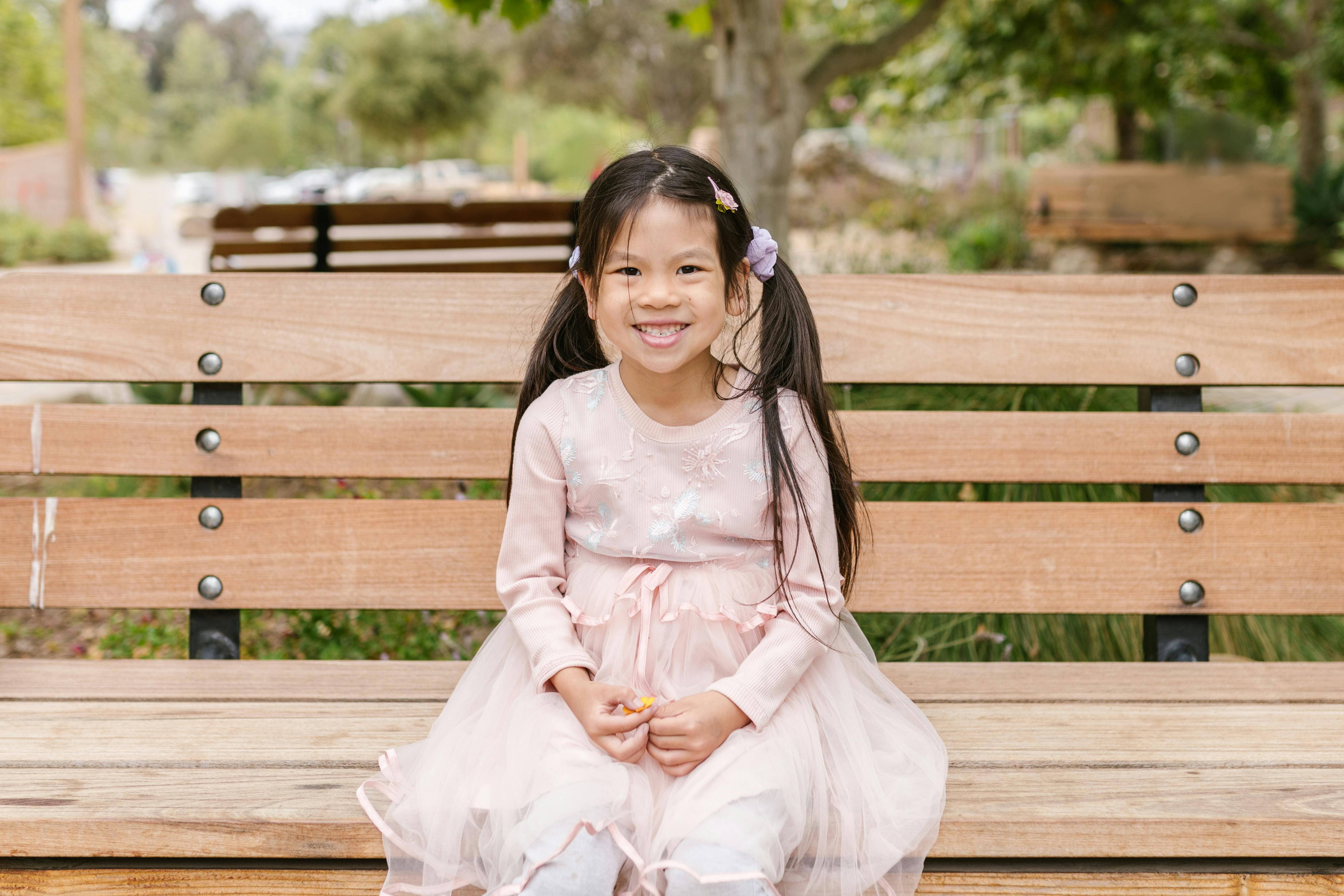
Mindfulness has become a wonderful practice, especially for children on the autism spectrum. It offers a way for them to improve their emotional regulation and self-awareness. By engaging in mindfulness activities, these kids can learn to navigate their thoughts and feelings more effectively, which can lead to better social interactions and less anxiety.
But how can caregivers implement these techniques in a way that truly resonates with each child's unique needs? 🤔 In this article, we’ll explore four key mindfulness practices tailored for autistic children. We’ll dive into their profound benefits and practical applications, all aimed at fostering a supportive environment. Let’s explore this together!
Mindfulness is all about being fully present and engaged in the moment. It’s about noticing your thoughts, feelings, and surroundings without any judgment. For kids on the autism spectrum, mindfulness activities can be a game-changer! It helps them improve self-awareness and , which is so important.
When young people practice mindfulness, they can better , boost their concentration, and enhance their social interactions. Imagine them observing their thoughts and feelings, leading to greater independence and better behavior. Research shows that can significantly help lower anxiety and improve emotional health, making them a valuable tool.
Plus, implementing mindfulness activities can enhance and coping strategies, creating a more rewarding experience for both kids and their families. At Rori Care, we believe in . Our of each young person. We also keep track of progress to see how well these practices are working.
Our clinical leadership team is passionate about neurodiversity and dedicated to nurturing youth success. This commitment is crucial for overcoming challenges and fostering growth through expertise and compassion. Let’s explore this together! We’re here to help you every step of the way!

provide a world of benefits. Research shows that these awareness techniques can really help with , ease anxiety, and . For example, kids who participate in [mindfulness activities for children on the autism spectrum](https://mastermindbehavior.com/post/the-benefits-of-mindfulness-techniques-for-children-with-autism), like breathing exercises or mindful walking, often become more self-aware and develop great when things get tough.
These practices not only help young ones manage their emotions but also enhance their ability to recognize and respond to others' feelings, which is key for building . As a result, they tend to have better interactions with peers and adults, ultimately improving their overall quality of life. Plus, studies suggest that incorporating mindfulness activities for children on the autism spectrum can lead to lasting improvements in emotional awareness and social functioning, making it a fantastic part of autism support strategies.
And here’s something special: Rori Care’s empower families by giving them the tools and knowledge they need to provide consistent support at home. This connection with therapeutic strategies really boosts the effectiveness of mindfulness techniques, leading to and a more unified approach to youth development. Rori Care also offers group and individual therapy, which further supports families on their journey to help their children thrive.
Let’s explore this together! We’re here to help you every step of the way!

To effectively implement mindfulness techniques for children with autism, let’s explore some engaging practices together:
Engaging in can be a great way to bond with your child while helping them navigate their feelings. Remember, we’re here to help you every step of the way!

Integrating into daily life can be a wonderful journey! Here are some friendly strategies to consider:
By incorporating mindfulness activities for children on the autism spectrum into everyday activities, these children can build self-awareness, emotional insight, and resilience. As one expert wisely said, " Tailoring mindfulness routines based on individual goals, sensory preferences, and cognitive abilities promotes engagement and benefits." Remember, it’s all about adapting these practices to fit each child’s unique needs to make them truly effective.
Let’s explore this together! We’re here to help you every step of the way!

Mindfulness can be a game-changer for kids on the autism spectrum. It helps them really connect with the present moment, boosting their self-awareness and emotional regulation. By weaving mindfulness activities into their daily lives, these children can see real improvements in managing anxiety, sharpening their focus, and building social skills. This all adds up to a better quality of life!
Throughout this article, we’ve explored various mindfulness techniques, like:
Each of these practices is tailored to meet the unique needs of autistic children, helping them develop emotional awareness and resilience. Plus, we can’t forget the role of family involvement and caregiver education! When families work together, the benefits of mindfulness really shine.
Incorporating mindfulness into everyday routines not only nurtures emotional and social growth but also strengthens the bond between children and their caregivers. By making mindfulness a regular part of life, families create a supportive environment where kids can truly thrive. Embracing these techniques can lead to greater independence and emotional well-being, making mindfulness an essential tool for supporting children on the autism spectrum.
Let’s explore this together! We’re here to help you every step of the way!
What is mindfulness?
Mindfulness is the practice of being fully present and engaged in the moment, noticing thoughts, feelings, and surroundings without judgment.
Why is mindfulness important for autistic children?
Mindfulness is important for autistic children because it helps improve self-awareness and emotional control, which are crucial for their development.
How can mindfulness activities benefit children on the autism spectrum?
Mindfulness activities can help children on the autism spectrum handle anxiety better, boost concentration, enhance social interactions, and lead to greater independence and improved behavior.
What does research say about mindfulness for autistic children?
Research indicates that mindfulness activities can significantly lower anxiety and improve emotional health for children on the autism spectrum.
How do mindfulness activities impact social skills and coping strategies?
Implementing mindfulness activities can enhance social skills and coping strategies, creating a more rewarding experience for both children and their families.
How does Rori Care approach mindfulness for autistic children?
Rori Care tailors mindfulness approaches to meet the unique needs of each young person and tracks their progress to evaluate the effectiveness of these practices.
What is the commitment of the clinical leadership team at Rori Care?
The clinical leadership team at Rori Care is dedicated to neurodiversity and nurturing youth success through expertise and compassion, helping to overcome challenges and foster growth.