Navigating the transition to adulthood for autistic individuals can feel like a daunting journey for parents. It’s a path filled with unique challenges that might leave you feeling overwhelmed and uncertain. From education and employment to community integration, this critical phase requires a solid grasp of the life skills and support systems your child will need.
So, how can you empower your child to not just face these hurdles but truly thrive in their newfound independence? Let’s explore this guide together! We’ll uncover essential strategies and resources designed to make this transition smoother, ensuring that your child is ready to embrace adulthood with confidence and resilience.
You’re not alone in this - many parents share similar experiences, and together, we can navigate these waters. Let’s dive in and discover how to support your child every step of the way!
Navigating the transition to adulthood for autistic individuals can feel like a winding road, filled with unique challenges. From education to employment and community integration, it’s a journey that requires understanding and patience. Parents, it’s important to recognize the hurdles your child might face - like difficulties with social interactions, communication, and adapting to new environments. This transition, which is crucial for navigating the transition to adulthood for autistic individuals, often kicks off in the teenage years and continues into early adulthood, so familiarizing yourself with the typical milestones can be incredibly helpful. Think about things like developing independent living skills, pursuing vocational training, and building social connections.
At Rori Care, we’re all about empowering your young one with the skills they need to navigate the world independently. Our compassionate Applied Behavior Analysis treatment is designed to support them every step of the way. Our clinical leadership team is made up of dedicated professionals who truly understand neurodiversity and are here to guide you through this process. Here are some key components to consider:
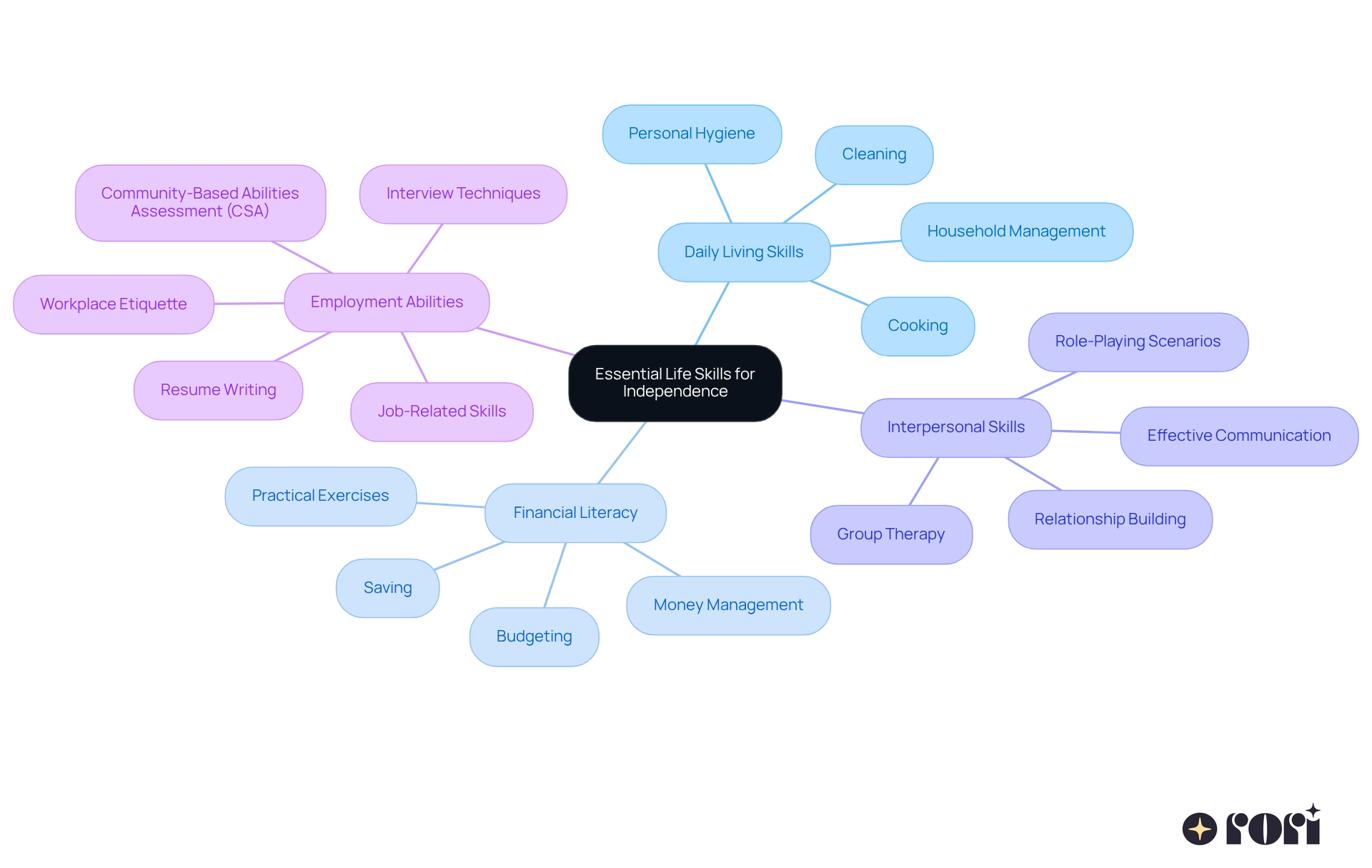
We also offer group therapy for interpersonal skills, led by trained therapists, to help improve interactions and communication. Plus, we provide caregiver education to ensure everyone is on the same page. This program is designed for individuals with Autism Spectrum Disorders, ADHD, Social Communication Disorders, Anxiety Disorders, and more - anyone looking to boost their social competence and confidence.
By understanding these elements and recognizing the milestones, you can better prepare your child for the changes ahead. Remember, as Temple Grandin wisely states, "Acceptance is the key to unlocking the potential of every person." Let’s create an environment where autistic individuals can truly thrive! We’re here to !

To ensure a smooth transition to adulthood for autistic individuals, it is essential to build a variety of that promote independence. Let’s dive into some key areas that can make a big difference:
By focusing on these essential life skills and emphasizing the importance of caregiver education, parents can empower their children who are autistic to navigate the transition to adulthood for autistic individuals with confidence. Caregiver education not only enhances support but also leads to informed decision-making and better behavioral outcomes, ultimately fostering independence and improving quality of life.
Let’s explore this together! We’re here to help you every step of the way!
Creating a tailored plan is essential for navigating the transition to adulthood for autistic individuals. Let’s take a look at a structured approach to developing an effective transition plan:
By following these steps, you can create a strong plan that empowers your child in navigating the transition to adulthood for autistic individuals and sets them up for success. Remember, as Temple Grandin said, "I am different, not less." This highlights the importance of recognizing and . Let’s explore this journey together!

Community resources and support systems are essential for navigating the transition to adulthood for autistic individuals. Let’s explore some effective ways to tap into these resources:
By actively seeking out and utilizing these community resources, parents can significantly enhance their child's experience navigating the transition to adulthood for autistic individuals. It’s all about ensuring they receive the support they need to thrive in adulthood, particularly in navigating the transition to adulthood for autistic individuals, backed by the expertise and compassionate approach of Rori Care. We’re here to help you every step of the way!

Navigating the transition to adulthood for autistic individuals can feel like a winding road, filled with unique challenges. But don’t worry! With understanding, support, and a bit of proactive planning, this journey can lead to wonderful destinations. This guide shines a light on the importance of recognizing the hurdles autistic youth face and the vital role parents play in nurturing independence and self-advocacy. By equipping their children with essential life skills and crafting personalized transition plans, parents can truly enhance their young adults' ability to thrive in their communities.
Let’s talk about some key insights! Developing daily living skills, financial literacy, interpersonal abilities, and employment readiness are all crucial. Plus, tapping into community resources and support systems can make a world of difference during this transition. Programs like vocational rehabilitation services and local autism organizations are here to provide tailored support, ensuring that autistic individuals have the tools they need to succeed.
Ultimately, this transition isn’t just about overcoming challenges; it’s about celebrating strengths and potential! By creating an environment filled with acceptance and support, families can empower their children to navigate this critical phase with confidence. As Temple Grandin beautifully said, "I am different, not less." Embracing this perspective enriches the lives of autistic individuals and inspires a more inclusive society.
So, let’s explore this journey together! Remember, you’re not alone in this. We’re here to help you every step of the way!
What is the transition process for autistic individuals?
The transition process for autistic individuals involves navigating the shift to adulthood, which includes challenges in areas like education, employment, and community integration. This journey typically begins in the teenage years and continues into early adulthood.
What challenges might autistic individuals face during this transition?
Autistic individuals may experience difficulties with social interactions, communication, and adapting to new environments during their transition to adulthood.
What are some key milestones to consider during the transition?
Key milestones include developing independent living skills, pursuing vocational training, and building social connections.
How can parents support their autistic children through this transition?
Parents can support their children by encouraging self-advocacy, setting realistic and achievable goals, and identifying resources and support networks, such as educational programs and mentorship opportunities.
What services does Rori Care offer to assist with this transition?
Rori Care offers compassionate Applied Behavior Analysis treatment, group therapy for interpersonal skills, and caregiver education to help improve social competence and confidence for individuals with Autism Spectrum Disorders and related conditions.
Why is self-advocacy important for autistic individuals?
Self-advocacy is crucial as it encourages autistic individuals to express their needs and preferences, helping them shape their identity and navigate their lives more effectively.
How does goal setting benefit autistic individuals?
Working together to set realistic and achievable goals fosters a sense of ownership and motivation in autistic individuals, empowering them during their transition to adulthood.
What is the significance of acceptance in the transition process?
Acceptance is key to unlocking the potential of every person, as highlighted by Temple Grandin. It creates an environment where autistic individuals can thrive and feel supported during their transition.