Introduction
Navigating mealtime with a child on the autism spectrum can feel like an uphill battle for many families. Sensory sensitivities, selective eating, and behavioral challenges often make dining a daunting experience. But here’s the good news: the expertise of an autism care specialist can help turn these tough moments into opportunities for growth and connection.
So, what can parents do to ease the stress of mealtimes and foster healthier eating habits? Let’s explore this together! This guide dives into effective strategies and essential insights that promise to transform how families experience meals together.
Imagine sitting down for dinner, and instead of the usual chaos, there’s laughter and connection. It’s possible! With the right tools and support, mealtime can become a cherished part of your family’s day. We’re here to help you every step of the way!
Understand Mealtime Difficulties in Autism
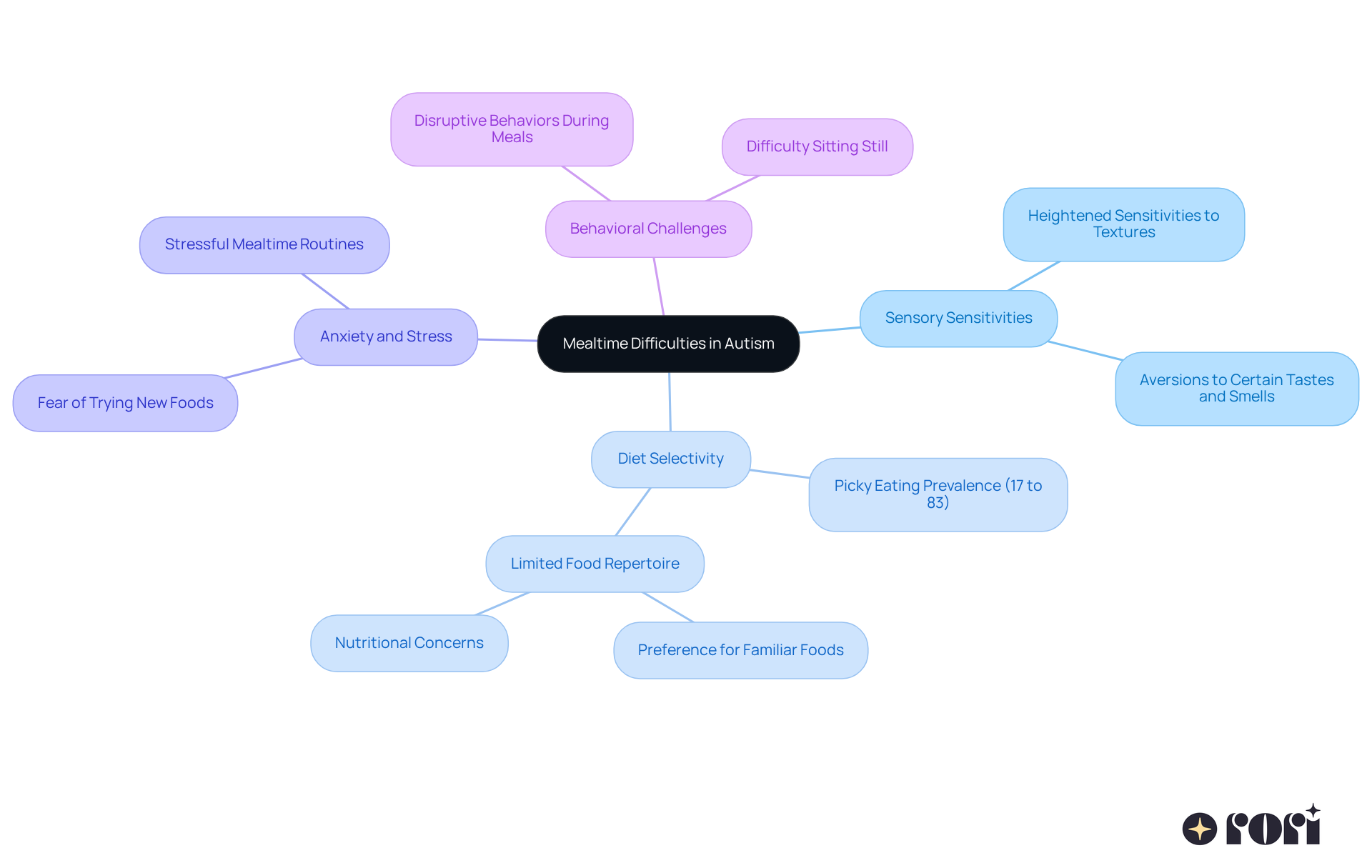
For families with children on the autism spectrum, mealtime can be quite a challenge, which is why working with an autism care specialist to overcome mealtime difficulties can help address the various factors that shape their eating habits. Let’s take a closer look at some common hurdles:
- Sensory Sensitivities: Many kids with autism have heightened sensitivities to textures, tastes, and smells. This can lead to strong aversions to certain foods. For instance, a child might refuse to eat anything with a particular texture or a strong scent, making it tough to introduce new foods into their diet.
- Diet Selectivity: Research shows that picky eating is pretty common among children with autism, with estimates ranging from 17% to 83%. This selectivity often results in a limited diet, as kids may stick to just a few familiar foods. Imagine a child who only wants chicken nuggets and turns their nose up at fruits and veggies-this can raise nutritional concerns.
- Anxiety and Stress: Trying new foods or changing up routines can trigger anxiety, making mealtime stressful for both the child and their family. Introducing new dishes might lead to meltdowns or outright refusals to eat, complicating the dining experience.
- Behavioral Challenges: It’s not uncommon for kids to exhibit disruptive behaviors during meals, like getting up from the table or refusing to sit still. These behaviors might stem from discomfort with the food or the dining environment, so it’s crucial for parents to understand what’s behind them.
Recognizing these challenges is key to creating a supportive mealtime atmosphere that meets the unique needs of each child, and working with an autism care specialist to overcome mealtime difficulties can help achieve this. By understanding how sensory sensitivities, food selectivity, and behavioral issues interact, parents can better advocate for their child’s dietary health and overall well-being. Let’s explore this together!
Choose the Right Autism Care Specialist
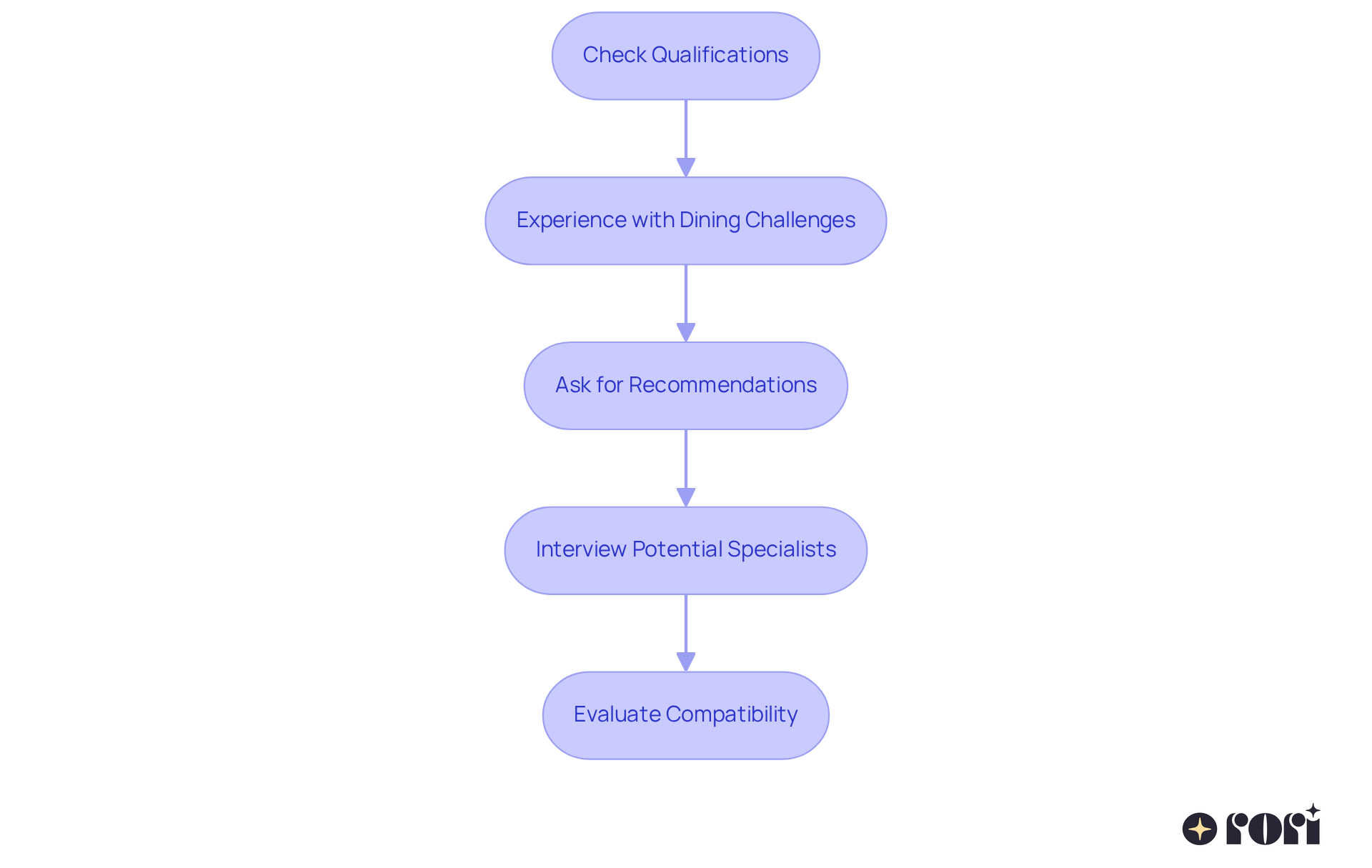
Choosing the right Autism Care Specialist is essential when working with an autism care specialist to overcome mealtime difficulties and enhance your little one’s dining experience. Here’s a friendly guide to help you through the selection process:
- Check Qualifications: Look for specialists with recognized certifications like Board Certified Behavior Analyst (BCBA) or Certified Autism Specialist (CAS). These credentials show they have a solid foundation in autism care.
- Experience with dining challenges shows that working with an autism care specialist to overcome mealtime difficulties is essential for addressing the needs of kids with autism. This expertise is key for effective intervention.
- Ask for Recommendations: Don’t hesitate to gather referrals from other parents, pediatricians, or autism support groups. They can help you identify reputable specialists who have successfully assisted others in similar situations.
- Interview Potential Specialists: Prepare some focused questions to understand their strategies for handling mealtime challenges. Ask about their methods for addressing sensory sensitivities and food selectivity, which are common in individuals with autism.
- Evaluate Compatibility: Take note of how well the specialist communicates with both you and your child. Building a good rapport is essential for effective collaboration and ensuring your child feels comfortable during therapy.
By following these steps, you can find a specialist who truly understands your child’s unique needs and is skilled in working with an autism care specialist to overcome mealtime difficulties. This way, you’ll be enhancing the dining experience for everyone involved. Let’s explore this together!
Implement Effective Mealtime Strategies
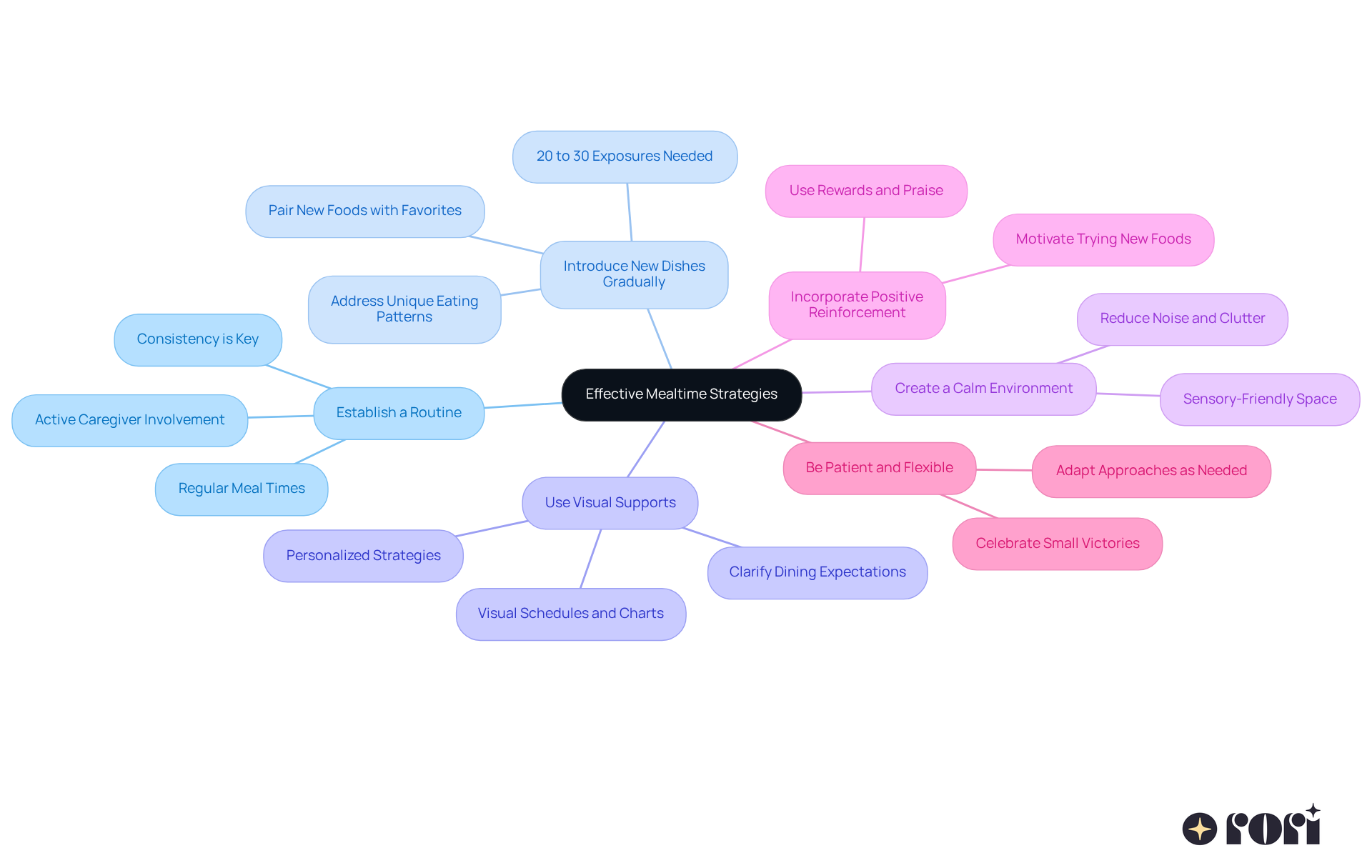
Creating a positive mealtime experience for your child with autism can feel challenging, but working with an autism care specialist to overcome mealtime difficulties can help make it enjoyable for everyone involved. Let’s explore this together! Here are some tips that align beautifully with the principles of Applied Behavior Analysis (ABA) therapy:
- Establish a Routine: Consistency is key! Having regular meal times helps your child anticipate and prepare for meals, which can really nurture a sense of security. Research shows that working with an autism care specialist to overcome mealtime difficulties can significantly improve eating behaviors in kids with autism. In fact, about 90% of children show remarkable progress when these routines are consistently followed with active caregiver involvement.
- Introduce New Dishes Gradually: When it comes to new foods, start small! Pairing tiny portions of new items with familiar favorites can ease anxiety and encourage exploration. Studies suggest it often takes 20 to 30 exposures for a child to accept a new food. Given that around 70% of individuals with autism have unique eating patterns, working with an autism care specialist to overcome mealtime difficulties is essential for promoting healthier habits.
- Use Visual Supports: Visual schedules or charts can be game-changers! They clarify dining expectations and can really enhance understanding, making it easier for your child to engage with the mealtime process. This approach aligns well with the flexible nature of ABA therapy, which includes working with an autism care specialist to overcome mealtime difficulties by emphasizing personalized strategies for each child’s unique needs.
- Create a Calm Environment: A sensory-friendly space can make all the difference. Reducing noise and visual clutter during meals helps your little one focus on eating, which is crucial for developing healthy habits.
- Incorporate Positive Reinforcement: Who doesn’t love a little praise? Using rewards and encouragement can motivate your child to try new foods or display desired behaviors at the table. This positive reinforcement helps create enjoyable mealtime experiences, making cooperation feel natural. It’s a core principle of ABA therapy, empowering you to support your child’s goals.
- Be Patient and Flexible: Remember, progress takes time. Celebrate those small victories and stay flexible in your approach. Patience and consistency are vital in helping your child build a foundation for improved nutrition that lasts well into adulthood.
By applying these strategies and working with an autism care specialist to overcome mealtime difficulties, you can create a more enjoyable and less stressful mealtime experience for both your child and your family. And remember, you’re not alone in this journey-Rori Care is here to support you every step of the way!
Maintain Communication with Your Care Specialist
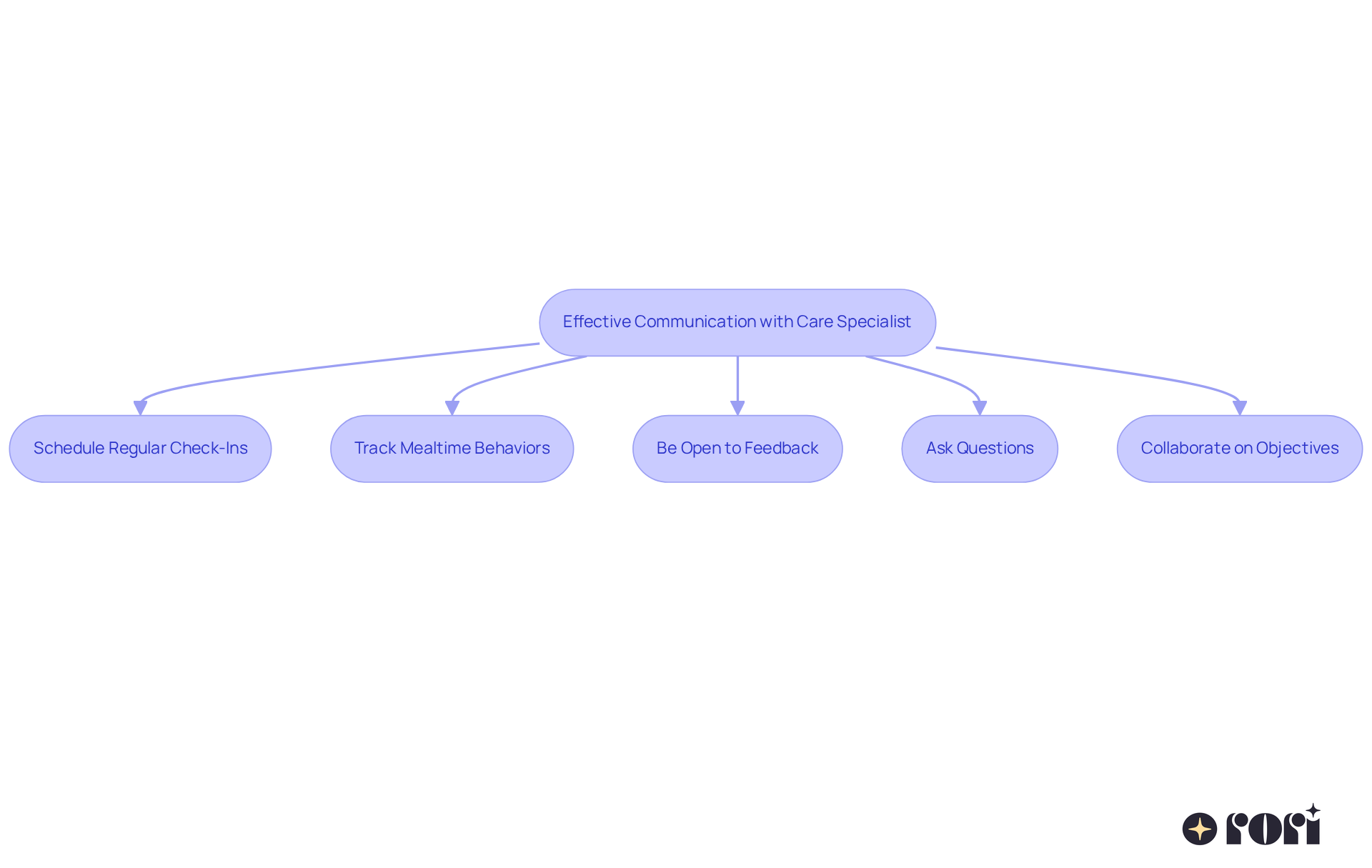
Effective communication is essential when working with an autism care specialist to overcome mealtime difficulties for your loved one's success. Here are some friendly strategies to strengthen that relationship:
- Schedule Regular Check-Ins: Setting up consistent meetings can really help you discuss your child's progress, challenges, and any necessary tweaks to the treatment plan. Regular check-ins can make a big difference! Studies show that ongoing communication often leads to better outcomes. This aligns with the idea of Enhanced Support, making sure you’re equipped to provide the right help at home.
- Keep track of your child's mealtime behaviors and share those insights while working with an autism care specialist to overcome mealtime difficulties. This info is super important for tailoring plans that address specific challenges. Personalized methods have been shown to yield better results. By staying engaged and learning about ABA principles, you can make informed choices that positively impact your child's progress. It’s all about Informed Decision-Making!
- Be Open to Feedback: Listen actively to the specialist's recommendations and be ready to try their suggestions at home. Research shows that parents who adapt their approaches based on expert advice often see significant improvements in their child's behavior. This flexibility is a vital part of empowered caregiving, leading to Improved Behavioral Outcomes.
- Ask Questions: Don’t hesitate to ask for clarification on strategies or voice any concerns about your child's progress. Engaging in conversation creates a collaborative atmosphere, which is crucial for effective treatment. The more you understand ABA principles, the better you can support your child.
- Collaborate on objectives by working with an autism care specialist to overcome mealtime difficulties and establish realistic and achievable goals for your child's dining behavior. When you and the specialist are on the same page, it boosts the chances of success. Active involvement from caregivers, along with alignment on therapeutic strategies, often leads to more effective and lasting behavioral improvements.
By fostering open communication, you create a supportive environment that enhances your child's mealtime experience and overall development. As one parent shared, "Regular check-ins with our specialist have made a world of difference in understanding and addressing my child's needs." Let’s explore this together!
Conclusion
Navigating mealtime challenges can be tough for families dealing with autism, and that’s where working with an autism care specialist comes in. By understanding factors like sensory sensitivities, picky eating, and behavioral hurdles, parents can create a more supportive mealtime environment. This teamwork not only makes dining more enjoyable but also helps kids develop healthier eating habits and overall well-being.
Choosing the right autism care specialist is crucial. Look for someone with the right qualifications, experience, and a good fit for your family. It’s also helpful to explore effective strategies for improving mealtime routines - think consistency, gradually introducing new foods, and creating a calm dining atmosphere. Keeping the lines of communication open with your specialist is key; it fosters collaboration and ensures that your child’s unique needs are met with tailored interventions.
When families tackle mealtime challenges with the help of a specialist, they often see significant improvements in behavior and nutrition. Remember, you’re not alone in this journey! Taking proactive steps to find the right support and implementing effective strategies can make a world of difference. By prioritizing these efforts, you can create a positive mealtime experience that benefits not just your child, but your whole family. Let’s explore this together!
Frequently Asked Questions
What are common mealtime difficulties faced by children on the autism spectrum?
Common mealtime difficulties include sensory sensitivities, diet selectivity, anxiety and stress, and behavioral challenges.
How do sensory sensitivities affect a child's eating habits?
Children with autism may have heightened sensitivities to textures, tastes, and smells, leading to strong aversions to certain foods and making it difficult to introduce new foods into their diet.
What is diet selectivity and how prevalent is it among children with autism?
Diet selectivity refers to picky eating habits, which are common among children with autism, with estimates ranging from 17% to 83%. This often results in a limited diet consisting of only a few familiar foods.
How can anxiety and stress impact mealtime for children with autism?
Trying new foods or changing routines can trigger anxiety, making mealtime stressful and potentially leading to meltdowns or refusals to eat.
What behavioral challenges might children with autism exhibit during meals?
Children may display disruptive behaviors such as getting up from the table or refusing to sit still, which may result from discomfort with the food or dining environment.
How can parents create a supportive mealtime atmosphere for their child?
Recognizing the unique challenges each child faces is key to creating a supportive mealtime atmosphere, and working with an autism care specialist can help address these difficulties effectively.
List of Sources
- Understand Mealtime Difficulties in Autism
- Fact 3: Up to 96% of individuals with ASD have sensory processing differences. (https://handsinautism.iu.edu/education/asd/asd-facts-and-misconceptions/asd-fact-3.html)
- Sensory Processing Disorder Inspirational Quotes for Parents (https://sensoryprocessingdisorderparentsupport.com/inspirational-quotes-for-special-needs-parents)
- Food Selectivity in Children with Autism Spectrum Disorder: A Statistical Analysis in Southern Italy (https://mdpi.com/2227-9067/10/9/1553)
- Food Selectivity in Children with Autism Spectrum Disorders and Typically Developing Children - PMC (https://pmc.ncbi.nlm.nih.gov/articles/PMC2936505)
- Choose the Right Autism Care Specialist
- Autism Therapy: Key Statistics (https://ambitionsaba.com/resources/autism-therapy-statistics)
- The Numbers Don't Lie: Revealing Autism Therapy Statistics | Above and Beyond Therapy (https://abtaba.com/blog/autism-therapy-statistics)
- Autism statistics and facts | Autism Speaks (https://autismspeaks.org/autism-statistics-asd)
- Implement Effective Mealtime Strategies
- Introducing New Foods To Autistic Children Successfully (https://newpatternsaba.com/blog/introducing-new-foods-to-autistic-children-successfully)
- Beyond Picky Eating: Supporting Lifelong Health in Autistic Children (https://autismspectrumnews.org/beyond-picky-eating-supporting-lifelong-health-in-autistic-children)
- Managing Mealtime Behavior in a Young Child With Autism Spectrum Disorder (ASD) Using the Mealtime PREP Intervention: A Single-Case Experimental Design (https://research.aota.org/ajot/article/74/4_Supplement_1/7411515415p1/9465/Managing-Mealtime-Behavior-in-a-Young-Child-With)
- Quotes About Autism (https://usevisualstrategies.com/quotes-about-autism)
- Maintain Communication with Your Care Specialist
- Prevalence and Early Identification of Autism Spectrum ... (https://cdc.gov/mmwr/volumes/74/ss/ss7402a1.htm)
- Facts About Autism: Comprehensive Overview for 2025 (https://abacustherapies.com/facts-about-autism-comprehensive-overview-for-2024)
- ‘Autism Epidemic Runs Rampant,’ New Data Shows 1 in 31 Children Afflicted (https://hhs.gov/press-room/autism-epidemic-runs-rampant-new-data-shows-grants.html)
- Autism Society of America Responds to New CDC Report on Updated Autism Prevalence Rates | Autism Society (https://autismsociety.org/autism-society-of-america-responds-to-new-cdc-report-on-updated-autism-prevalence-rates)