Play therapy has become a wonderful way for children, especially those on the autism spectrum, to express themselves and grow emotionally. By tapping into the magic of play, parents can help their kids discover their potential, navigate tricky feelings, and build important social skills. But here’s the question: how can caregivers effectively use play therapy techniques to encourage positive behavior and emotional balance?
In this article, we’ll explore some best practices for parents, sharing insights and strategies that can really enhance the therapeutic journey for their children. Let’s dive in together!
is a wonderful way to help kids express themselves, especially for those who might find it tough to share their thoughts and feelings with words. At Rori Care, we see how plays a crucial role in helping children connect with their emotions, build , and navigate friendships. It’s all about creating a safe and encouraging space where kids can explore their world and communicate in their own way, which is crucial for those on the autism spectrum and can be supported through .
Therapists can utilize play therapy for behavior management in children with autism by using toys and games to foster interactions that promote self-regulation and positive behavior changes. Research shows that . In fact, studies have highlighted a fantastic in improving communication skills and . For instance, kids who participate in these fun activities often make great strides in their social interactions and understanding of feelings. This really underscores how vital play therapy for behavior management in children with autism is in the treatment of autism.
At Rori Care, we also offer that enrich these recreational activities, ensuring we meet each child’s unique needs. Developmental psychologists remind us that . That’s why play therapy for behavior management in children with autism is such a valuable tool in .
Let’s explore this together! We’re here to !

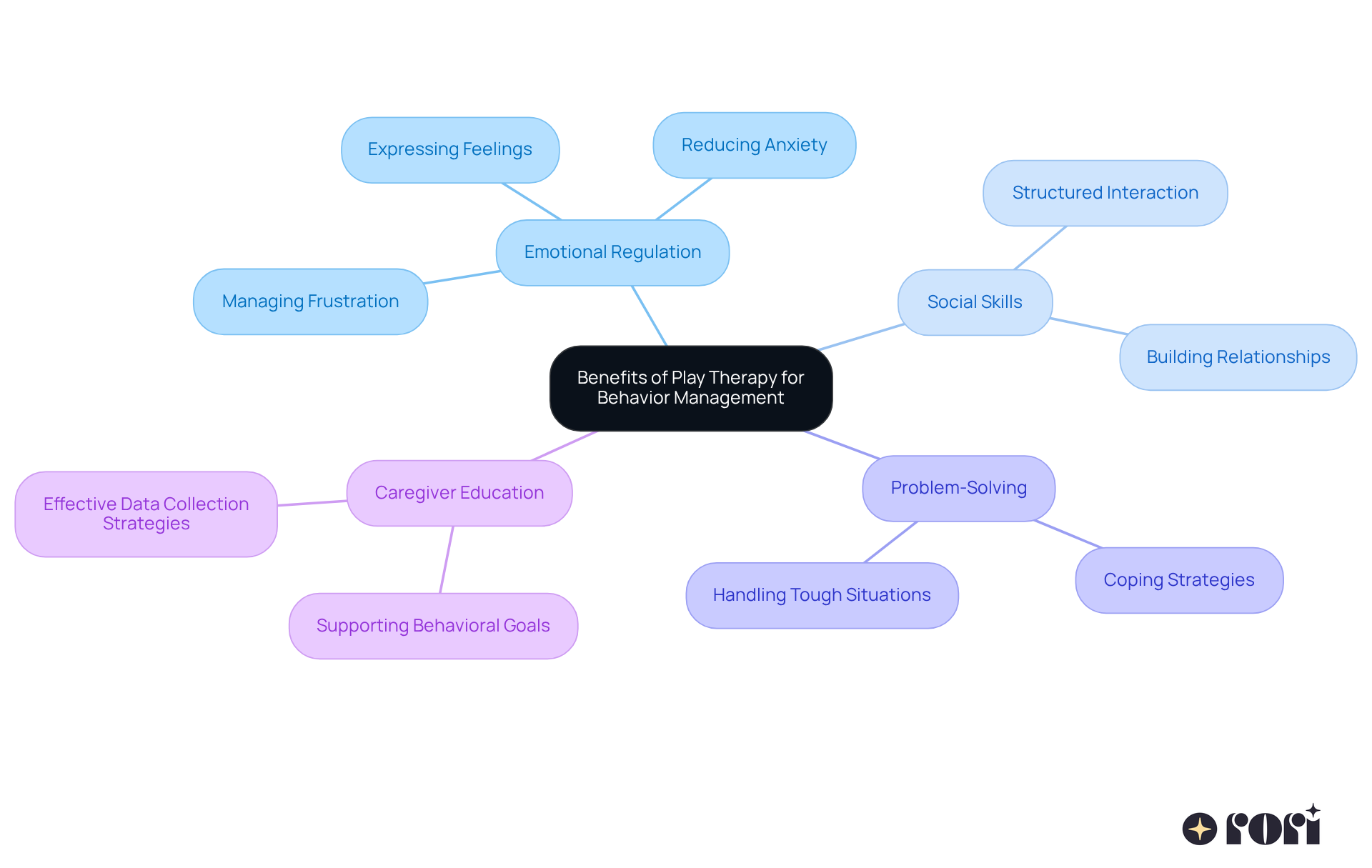
At Rori Care, our clinical leadership team focuses on , offering fantastic benefits and promoting neurodiversity to help young individuals thrive. To start, is a great way for kids to express their feelings, allowing them to share emotions they might not fully understand yet. This can really help with and can even reduce anxiety and frustration.
But that’s not all! Engaging in also boosts . Kids get the chance to interact in a structured environment, which can lead to better relationships with their peers and family. Plus, helps them develop and coping strategies, making it easier for them to handle tough situations.
At Rori Care, we also emphasize the importance of . By equipping parents with the knowledge and skills to support their child’s behavioral goals - like effective data collection strategies - we create a consistent and nurturing environment that maximizes the impact of our interventions. Research shows that kids involved in recreational therapy often show fewer behavioral issues, increased self-esteem, and improved communication skills. It’s truly an effective approach like play therapy for behavior management in children with autism!
So, let’s explore this together! We’re here to help you every step of the way!
When it comes to making therapy sessions effective, parents can embrace a few strategies that really help for their little ones. One key approach is to set up a safe and welcoming space for activities that sparks exploration and creativity. Think about offering a variety of toys and materials that cater to your child's interests. This not only encourages them to get involved but also helps them during playtime.
Another important technique is to join in on . Letting your child take the lead and choose activities that resonate with them empowers them and gives them a sense of control, which is so important for their emotional growth. Research shows that can really boost the effectiveness of therapy, as they align with what kids naturally enjoy and are drawn to.
Incorporating storytelling and role-playing can also work wonders. These activities help kids process their emotions and experiences in a way that feels relatable. It’s all about , allowing them to share their feelings and ideas freely.
Plus, using during these activities can really encourage the behaviors you want to see, strengthening the connection between these fun moments and positive outcomes. By actively engaging in these techniques, you can enhance your child's involvement in in children with autism, which supports their therapeutic progress and overall development and well-being.
Let’s explore this together! Your journey as a parent is important, and we’re here to !

Customizing to fit your child's needs is so important for making therapy more effective. Start by observing how your little ones play and what sparks their interest. For example, if your child loves art, adding creative activities like drawing or painting can really boost their engagement and joy in the process.
It’s also vital to keep an with therapists about any specific challenges or goals you have in mind. This way, treatment methods can be adjusted to better suit your child's unique needs. Plus, involving your child in the planning gives them a voice in their therapeutic journey, which can really empower them and foster a sense of ownership.
Research shows that in children with autism can lead to , with kids demonstrating improved emotional regulation and social skills. By tailoring the , you can create a that not only addresses your child's challenges but also .
Incorporating strategies from qualified behavior analysts, such as and ongoing evaluations, can significantly enhance in children with autism. And don’t forget, helps provide the right support at home, complementing professional interventions and ensuring consistency. Remember, warmth, compassion, and love in therapy can really enhance these personalized approaches.
Let’s explore this together! Your journey in is important, and we’re here to help you every step of the way!

Play therapy is such a vital approach for managing behavior in children with autism. It offers a unique platform for self-expression and emotional growth. Through play, kids can explore their feelings and social interactions in a safe, engaging environment, which really helps their development and well-being.
As we look at the key practices that highlight the effectiveness of play therapy, a few stand out:
By integrating these techniques, parents can boost their child's involvement and progress in therapy, leading to better communication skills, emotional regulation, and social relationships.
As you support your child with autism, embracing play therapy can truly be transformative. It empowers children to express themselves and gives parents the tools to create a supportive environment. By committing to these practices, you can make a significant impact on your child's development, paving the way for a brighter future filled with understanding and connection.
Let’s explore this together! Remember, you’re not alone on this journey. We’re here to help you every step of the way!
What is play therapy and how does it help children with autism?
Play therapy is a play-based treatment that helps children express themselves, especially those who struggle to share their thoughts and feelings verbally. It plays a crucial role in helping children with autism connect with their emotions, build social skills, and navigate friendships in a safe and encouraging environment.
How do therapists use play therapy for behavior management in children with autism?
Therapists utilize toys and games during play therapy to foster interactions that promote self-regulation and positive behavior changes. This approach helps enhance adaptive behaviors and improves communication skills and emotional expression in children with autism.
What are the benefits of recreational interventions in play therapy?
Research shows that recreational interventions in play therapy significantly enhance adaptive behaviors. Children who participate in these activities often make notable progress in their social interactions and understanding of feelings.
What additional services does Rori Care offer alongside play therapy?
Rori Care offers program development and personal counseling services that complement recreational activities, ensuring that each child’s unique needs are met during their treatment.
Why is play considered important in the context of therapy for children with autism?
Developmental psychologists emphasize that play is not just about fun; it is a key part of learning and emotional growth. This makes play therapy an invaluable tool in supporting youth with autism.