Promoting independence in self-care for children with autism isn’t just a goal; it’s a journey that can truly enhance their quality of life. By focusing on essential self-care skills like personal hygiene, dressing, and health management, caregivers can empower children to take charge of their daily routines. This not only fosters confidence but also builds self-reliance.
But let’s be real - the path to achieving this independence can be challenging. How can caregivers effectively teach these vital skills while keeping the child engaged and motivated? It’s a question many parents face, and you’re definitely not alone in this! Let’s explore this together!
Practices that focus on can really make a difference in their daily lives. These activities contribute to promoting independence in self-care for children with autism by enhancing , as well as assisting with . Let’s take a look at some key :
By clearly outlining these abilities, caregivers can pinpoint specific areas where their children might need a little extra help, which is essential for promoting independence in self-care for children with autism. This focus allows them to concentrate their teaching efforts on these important tasks. Research shows that when caregivers are actively involved and recommended hours are fully implemented, about 90% of youth show progress. That really highlights the need for targeted interventions!
Plus, professional insights remind us that nurturing these skills is vital for promoting independence in self-care for children with autism, which in turn improves their everyday life and enhances their overall quality of life. Empowering caregivers with knowledge and strategies boosts their ability to support their children’s development, leading to better behavioral outcomes and informed decision-making.
So, let’s explore this together! We’re here to !

To effectively foster independence in for children with autism, let’s explore some friendly strategies together:
By applying these friendly approaches, families can effectively support their children in in self-care for children with autism, which helps in developing vital personal management skills and paving the way for greater confidence. Remember, we’re here to help you every step of the way!

To effectively monitor progress and adjust strategies for , let’s consider a few friendly steps:
Let’s explore this together! Remember, you’re not alone in this journey, and we’re here to help you every step of the way!

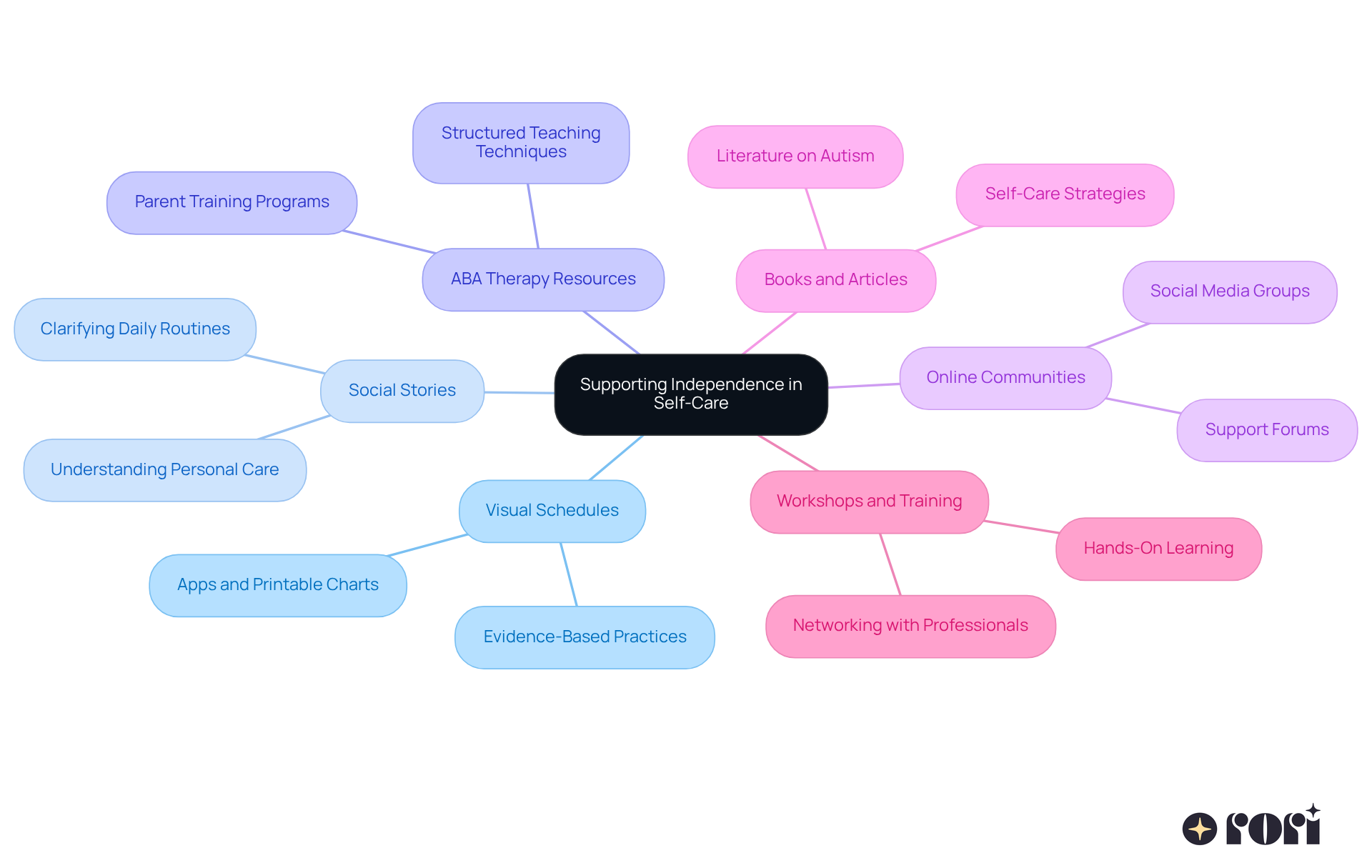
To support for children with autism, let’s explore some helpful resources and tools together! Engaging in can really boost your effectiveness, too. Here are a few ideas:
Let’s take this journey together! We’re here to help you every step of the way!
Promoting independence in self-care for children with autism is so important for their overall growth and happiness. By focusing on essential self-care skills like personal hygiene, dressing, eating, and health management, caregivers can really boost their kids' confidence and dignity in daily life. This empowerment not only nurtures independence but also helps improve self-esteem and overall quality of life.
Let’s dive into some practical strategies to help cultivate these vital skills!
These strategies can make a world of difference. By incorporating these techniques, caregivers can create a supportive environment that encourages children to practice self-care in everyday situations, leading to greater independence. Plus, keeping an eye on progress and making adjustments ensures that the approach stays effective and meets each child's unique needs.
As caregivers embark on this journey, it’s essential to remember that every small step toward independence is a big win! Engaging with resources, communities, and ongoing education can enrich this process even more. By fostering a collaborative approach and staying committed to nurturing self-care skills, caregivers can truly make a positive impact on their children's lives, equipping them with the tools they need for a brighter, more independent future. Let’s explore this together!
What are self-care skills for children with autism?
Self-care skills for children with autism are practices that promote independence in daily activities such as personal hygiene, dressing, eating, bathroom needs, and health management.
Why is personal hygiene important for children with autism?
Personal hygiene activities, like brushing teeth and washing hands, are crucial for maintaining health and boosting self-esteem.
How does learning to dress independently benefit children with autism?
Learning to put on and take off clothing independently promotes confidence and enhances self-care skills.
What role does eating play in self-care for children with autism?
Eating involves self-feeding skills, such as using utensils and managing mealtime routines, which are essential for promoting independence.
Why is understanding bathroom needs critical for children with autism?
Understanding bathroom needs enhances dignity and self-reliance, which are important aspects of self-care.
How does health management contribute to self-care for children with autism?
Recognizing when to seek help for health-related issues empowers children to advocate for their own well-being.
How can caregivers help children with autism develop self-care skills?
Caregivers can identify specific areas where children need extra help, allowing them to focus their teaching efforts on important self-care tasks.
What impact does caregiver involvement have on the development of self-care skills in children with autism?
Research shows that when caregivers are actively involved and recommended hours are fully implemented, about 90% of youth show progress in developing self-care skills.
Why is nurturing self-care skills important for children with autism?
Nurturing these skills improves everyday life, enhances overall quality of life, and leads to better behavioral outcomes for children with autism.