Recognizing the early signs of Autism Spectrum Disorder (ASD) in toddlers is so important for parents who want to give their little ones the best start in life. Did you know that nearly half of all autism diagnoses happen by the age of three? Understanding these warning signs can lead to timely interventions that really make a difference in developmental outcomes.
But what if you’re not quite sure what to look for or how to start the evaluation process? Don’t worry! This guide is here to help you navigate this complex journey with confidence and clarity. Let’s explore this together and empower you with the essential indicators of autism in toddlers!
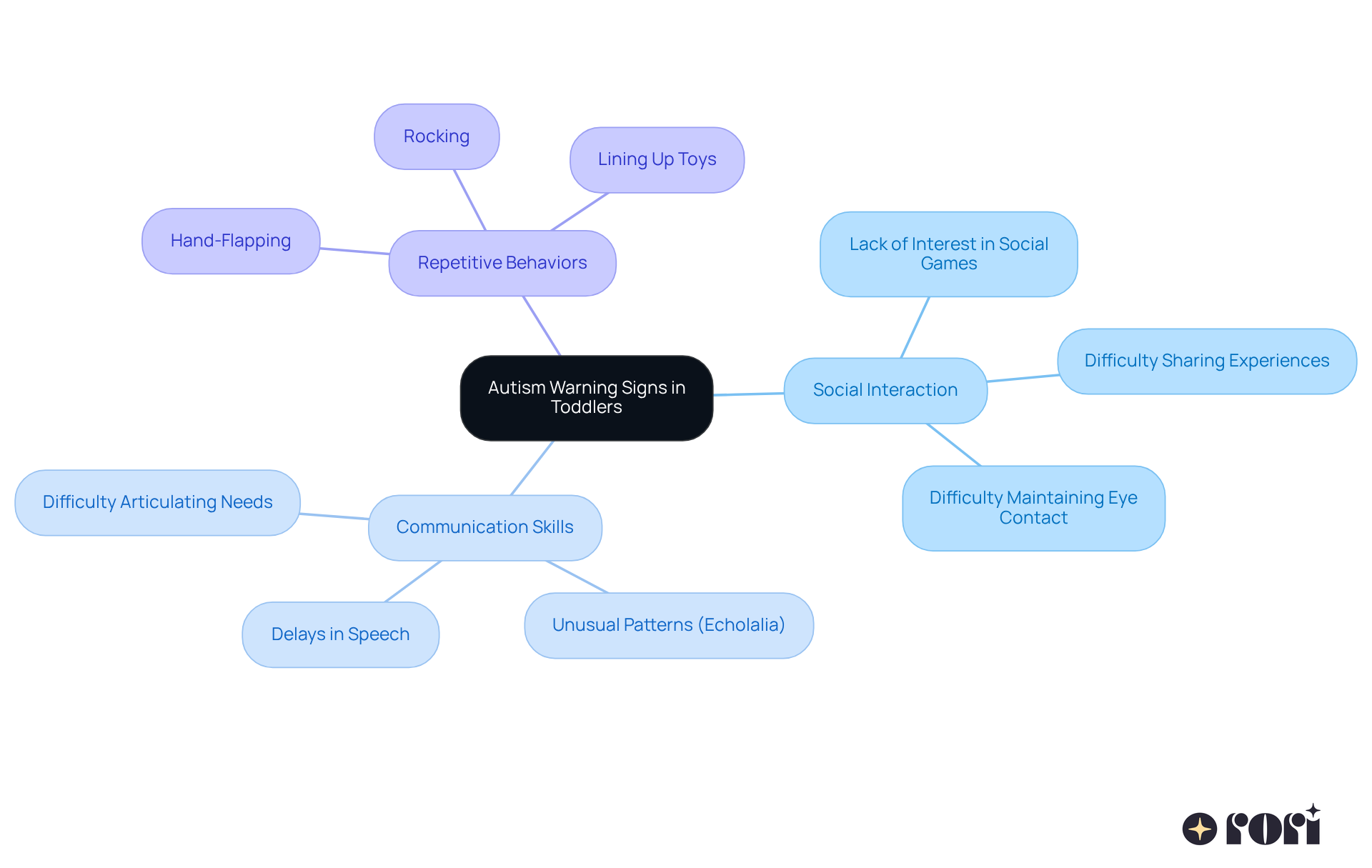
Autism Spectrum Disorder (ASD) is a complex neurodevelopmental condition that can really affect how kids communicate, behave, and interact socially. It’s often possible to spot before a child turns three, which is why being aware is so important for getting timely help. Here are some common early indicators to look out for:
Did you know that studies show about are ? This highlights just how crucial it is for parents and pediatricians to recognize at an early stage. Experts agree that spotting autism warning signs in toddlers can lead to more effective interventions, significantly improving outcomes for kids with ASD.
At Rori Care, our clinical leadership team is dedicated to helping families navigate this journey. We believe that educating caregivers is key to providing better support and making informed decisions. When families fully engage in suggested hours of , around 90% of kids show significant progress!
It’s also worth noting that the rate of has jumped by about . This makes it even more important for parents to stay alert and proactive in seeking evaluations and support. Unfortunately, there are disparities in diagnoses among different racial and ethnic groups, with non-White children often being identified later. This underscores the need for fair access to early intervention services.
Understanding autism warning signs in toddlers can empower parents to seek further assessment and support, which opens doors to a brighter future for their children. Let’s explore this together! We’re here to help you every step of the way!

Recognizing can feel overwhelming, but you’re not alone in this journey! As parents, it’s essential to keep a close eye on your toddler’s behavior. Here are some key indicators to look out for:
Recording these observations can provide valuable insights when you talk to . It helps create a more informed dialogue about your child’s development. Remember, you’re not alone in this - let’s explore this together!
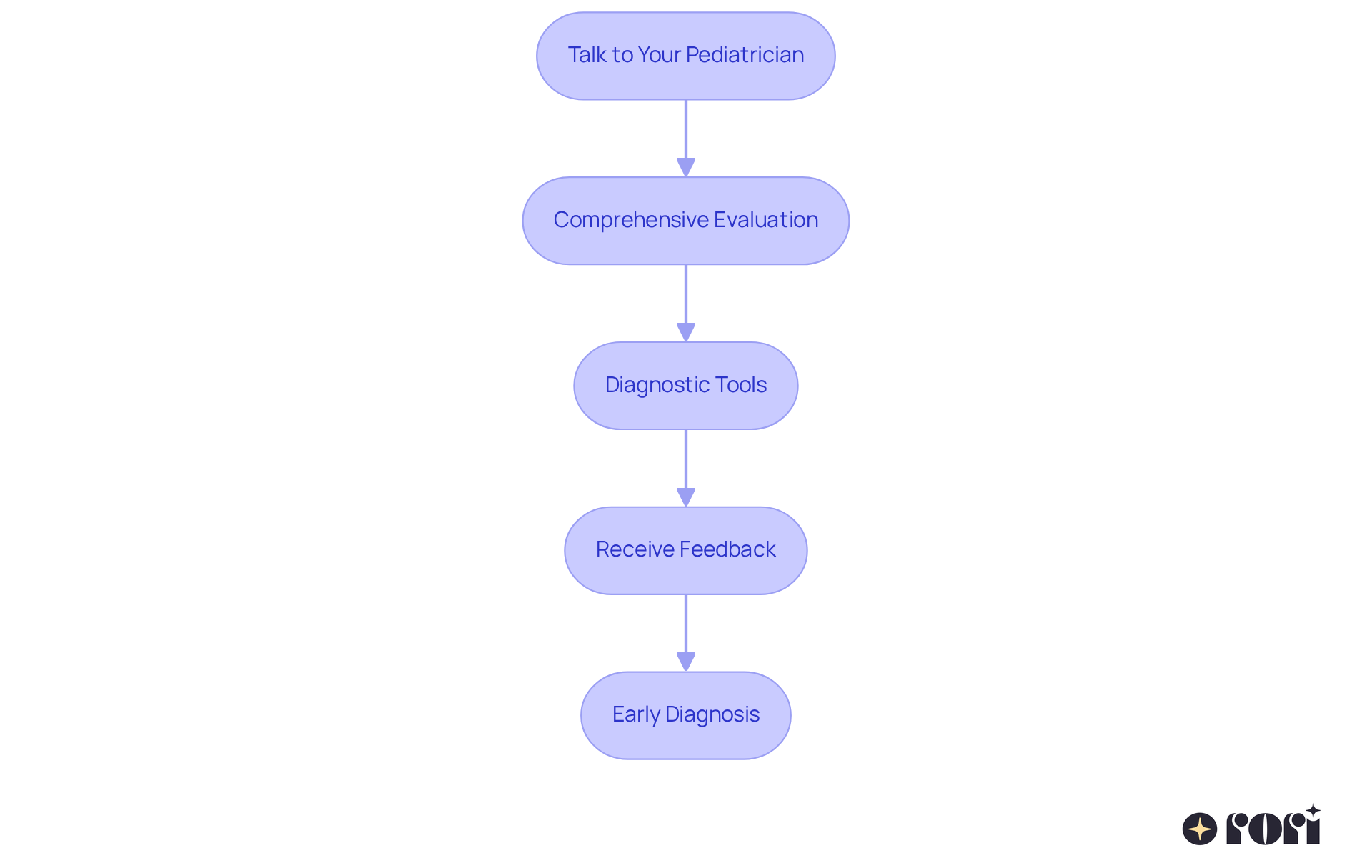
If you think your little one might have autism, it's super important to recognize and get a . Here’s how to take that first step:
Let’s explore this together! We’re here to help you every step of the way!
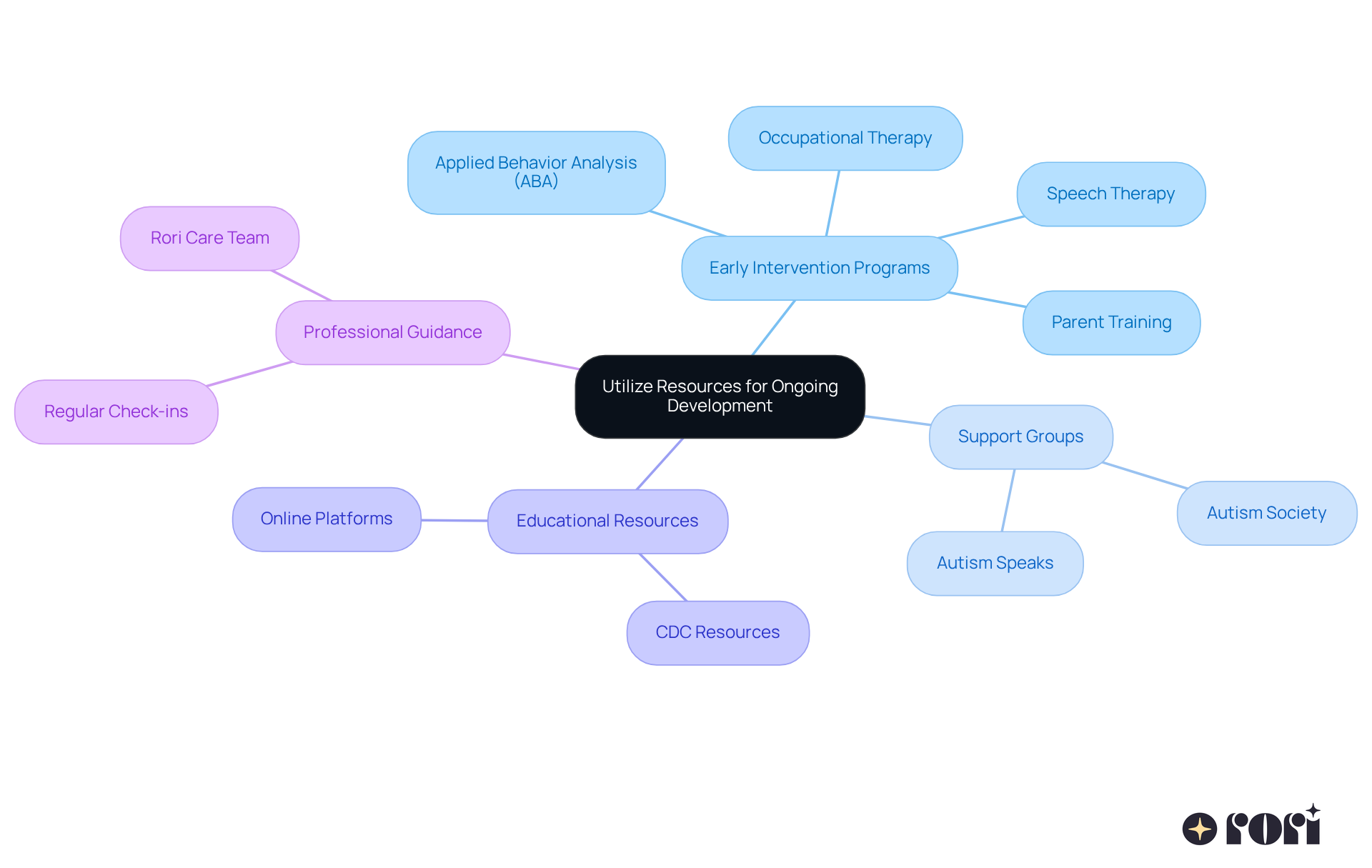
Once a diagnosis is made, it’s so important to tap into the resources and support systems available to help your child thrive. At Rori Care, our caring clinicians are here to walk alongside your family, offering comprehensive and compassionate . Let’s take a look at some valuable resources that can make a difference:
Let’s explore this journey together!
Recognizing the warning signs of autism in toddlers is so important for early intervention and support. By staying informed and vigilant, parents can take meaningful steps to ensure their child gets the evaluations and resources they need. Understanding Autism Spectrum Disorder and its early indicators empowers families to seek help, paving the way for better developmental outcomes.
In this guide, we’ve highlighted key behaviors like:
as important signs to keep an eye on. Engaging with healthcare professionals and utilizing available resources can truly make a difference in the lives of children with autism. The importance of early diagnosis and intervention can't be stressed enough - timely support can dramatically enhance a child's growth and learning potential.
As families navigate this journey, remember, you’re not alone! Leaning on support groups, educational resources, and professional guidance can create a strong network for both parents and children. Taking action today by recognizing autism warning signs and seeking evaluation can lead to a brighter future for toddlers and their families, fostering a nurturing environment where every child can thrive. Let’s explore this together!
What is Autism Spectrum Disorder (ASD)?
Autism Spectrum Disorder (ASD) is a complex neurodevelopmental condition that affects how children communicate, behave, and interact socially.
At what age can autism warning signs typically be spotted?
Autism warning signs can often be identified in toddlers before they turn three years old.
What are some common early indicators of autism in toddlers?
Common early indicators include limited eye contact, delayed speech development, and lack of joint attention.
Why is it important to recognize autism warning signs early?
Recognizing autism warning signs early can lead to more effective interventions, significantly improving outcomes for children with ASD.
What percentage of kids diagnosed with autism are evaluated by 36 months?
Studies show that about 49% of kids diagnosed with autism are evaluated by the age of 36 months.
How does Applied Behavior Analysis (ABA) therapy impact children with ASD?
When families engage in suggested hours of ABA therapy, around 90% of kids show significant progress.
What has been the trend in developmental disorder diagnoses over the past two decades?
The rate of developmental disorder diagnoses has increased by about 300% in the last two decades.
Are there disparities in autism diagnoses among different racial and ethnic groups?
Yes, non-White children are often identified later than their peers, highlighting the need for fair access to early intervention services.
How can understanding autism warning signs empower parents?
Understanding these signs can encourage parents to seek further assessment and support, paving the way for a brighter future for their children.