Finding the right support for a child with autism spectrum disorder can feel overwhelming, can’t it? Especially when it comes to choosing a qualified autism care specialist for group therapy. These professionals are key players in creating personalized treatment plans that truly cater to each child's unique needs, making their expertise absolutely invaluable.
But with the growing demand for qualified specialists, how can parents be sure they’re making the best choice for their child's development? This guide is here to help! We’ll explore essential steps for identifying and selecting the right autism care specialist, equipping families with the knowledge they need to navigate this important journey together. Let’s dive in!
s are dedicated professionals who truly care about helping youth with autism spectrum disorder (ASD). At Rori Care, our passionate clinicians are here to guide your family through a journey filled with . They focus on understanding each child's unique needs, crafting , and using to promote . This includes tailored , with a strong emphasis on educating caregivers so families can effectively support their child's behavioral goals.
Our experts work hand-in-hand with families, educators, and healthcare providers to create a well-rounded approach to therapy, ensuring every aspect of the young person's development is taken into account. Rori Care's behavior care engine plays a vital role by conducting for target behaviors and skills, generating automatic progress reports for clinician review. Understanding the role of these specialists helps parents appreciate the importance of finding a to address their child's unique challenges.
Let’s explore this together! We’re here to !
Finding the right caregiver for your child with developmental disorders can feel overwhelming, right? It’s essential to look for specific qualifications and credentials that show expertise in this field. A master’s degree in psychology, special education, or a related area is a great starting point. This education provides a solid foundation for understanding the complexities of these conditions.
Certifications like the and are also key indicators of a specialist’s commitment to professional standards and ongoing education. The BCBA credential, in particular, means that the individual has undergone extensive training in . This research-supported practice is known for its effectiveness in improving communication, social skills, and behavior management in children with developmental disorders.
Experience is another crucial factor. Working directly with young individuals on the can make a world of difference. Research shows that can lead to . In fact, up to 90% of children see substantial gains when therapy starts before they turn five!
To ensure you’re choosing the right expert, you can verify or state licensing boards. This way, you can feel confident that the caregiver meets the necessary standards. With the in the next eight years, finding a is more important than ever for effective support and intervention.
Let’s explore this together! You’re not alone in this journey, and we’re here to !

Finding a can feel overwhelming when trying to find the right caregiver for children with developmental disorders, can’t it? Start by gathering insights from trusted sources like pediatricians, educators, and fellow caregivers. They often have valuable suggestions that can guide you in the right direction. , such as those from Autism Speaks and local autism organizations, are fantastic resources too! These platforms usually have filters that assist you in for group therapy who specializes in your child's specific needs.
Once you’ve compiled a list of potential caregivers, it’s super important to and areas of expertise. This step ensures that the expert you select is capable of addressing your child’s unique needs, which is crucial when finding a [qualified autism care specialist for group therapy](https://supportivecareaba.com/statistics/autism-therapy-statistics). Many parents have shared success stories about using these online directories, highlighting how they found who truly made a difference in their child’s development. One parent even said, "Finding the right expert was a game changer for us; it opened doors we never knew existed!"
By tapping into these resources and , you can make informed choices that support your child’s journey toward growth and independence. Let’s explore this together! We’re here to !

Once you’ve identified potential care professionals, it’s time to set up some interviews. This is your chance to chat about their ! During these conversations, asking focused questions can really assist you in finding a qualified for and assessing if they’re a good fit for your child’s needs. Here are some key questions to consider:
These questions not only help you evaluate the expert's skills but also their . As Dr. O. Ivar Lovaas wisely said, 'If they can’t learn the way we teach, we teach the way they learn.' This really highlights how important it is to . By participating in these conversations, you’ll gain insight into the expert's techniques and ensure that finding a for group therapy meets your child's unique needs. Let’s explore this together!

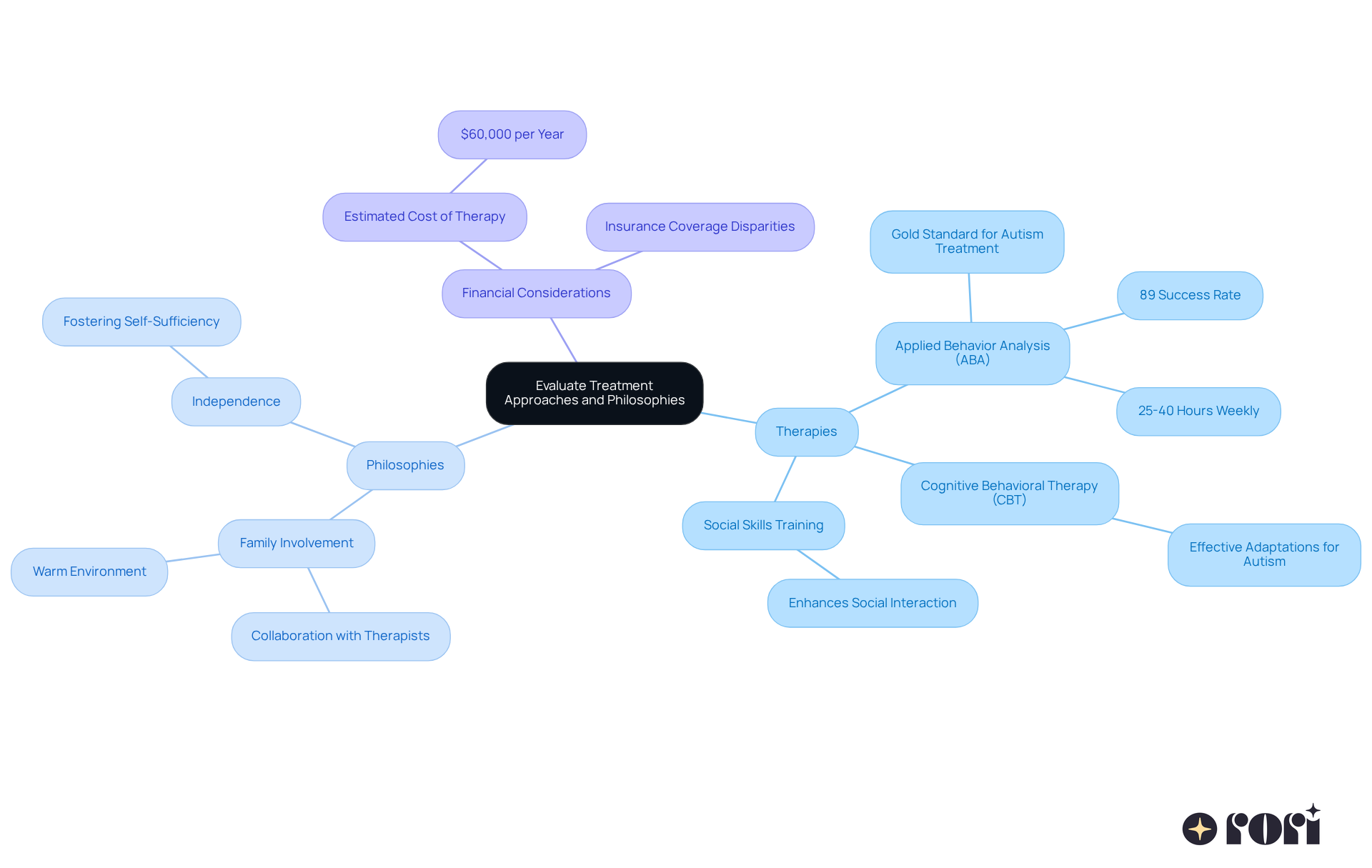
Choosing the right care provider for your child with developmental disorders can feel overwhelming, but who truly understands your needs is crucial. Start by asking about the specific therapies they use, like , cognitive behavioral therapy (CBT), and . Did you know that ABA therapy is often considered the gold standard for autism treatment? It’s impressive to see that in kids who undergo this intervention! Understanding how these methods are tailored to fit your child’s unique needs is key to .
It’s also crucial to think about whether the specialist’s philosophy matches your own values when it comes to therapy. For instance, if you value family involvement and fostering independence, you’ll want to find someone who emphasizes these aspects. Specialists who prioritize these factors often create a warm environment that encourages collaboration between families and therapists, leading to better outcomes for children with autism. At Rori Care, our qualified craft and evidence-based strategies to promote positive behavior changes and skill development. We believe in to meet each child’s evolving needs. Plus, we offer a to help you make informed decisions!
Let’s not forget about the financial side of things. , with estimates around $60,000 per year. That’s why choosing the right specialist is so important! By aligning treatment philosophies with your values and considering the financial implications, finding a qualified autism care specialist for group therapy can lead to a more cohesive and effective approach to your child’s care. Remember, you’re not alone in this journey, and we’re here to help you every step of the way!
Finding a qualified autism care specialist for group therapy is such an important step in supporting children with autism spectrum disorder. It’s a journey that requires a thoughtful approach, focusing on the unique needs of each child and the qualifications of potential caregivers. By understanding the role of autism care specialists and recognizing their expertise, families can make informed decisions that lead to positive outcomes for their loved ones.
Throughout this article, we’ve highlighted some key points, like the significance of relevant qualifications and the necessity of thorough research. It’s crucial to conduct interviews with potential specialists, too! Emphasizing credentials like a master’s degree in psychology or certifications such as the BCBA helps ensure that families select professionals who are truly equipped to provide effective care. Plus, engaging with community resources and asking targeted questions during interviews can help identify specialists who align with a child’s specific needs and family values.
Ultimately, the journey to finding the right autism care specialist is one that shouldn’t be faced alone. By leveraging available resources and taking the time to evaluate potential caregivers, families can significantly enhance their child’s therapy experience. This commitment not only empowers children with autism but also fosters a supportive environment that encourages their growth and independence. Taking these steps can lead to transformative changes, paving the way for brighter futures for children and their families. Let’s explore this together!
What is the role of autism care specialists?
Autism care specialists are dedicated professionals who help youth with autism spectrum disorder (ASD) by providing comprehensive and compassionate Applied Behavior Analysis (ABA) treatment. They create personalized treatment plans, use evidence-based strategies, and focus on promoting positive behavior and enhancing social skills.
How do autism care specialists work with families?
Autism care specialists work closely with families, educators, and healthcare providers to create a well-rounded approach to therapy. They educate caregivers to effectively support their child's behavioral goals and ensure every aspect of the child's development is considered.
What qualifications should I look for in an autism care specialist?
Look for a specialist with a master’s degree in psychology, special education, or a related field. Certifications like Certified Autism Specialist (CAS) and Board Certified Behavior Analyst (BCBA) are key indicators of expertise. The BCBA credential signifies extensive training in Applied Behavior Analysis (ABA).
Why is experience important for autism care specialists?
Experience is crucial because working directly with children on the autism spectrum can significantly impact their development. Research indicates that early intervention through ABA therapy can lead to substantial improvements, especially when therapy begins before the age of five.
How can I verify the credentials of an autism care specialist?
You can verify credentials through professional organizations or state licensing boards to ensure the caregiver meets necessary standards and has the appropriate qualifications.
What is the expected demand for autism care specialists in the future?
The demand for Board Certified Behavior Analysts (BCBAs) is expected to rise by over 20% in the next eight years, highlighting the importance of finding qualified autism care specialists for effective support and intervention.