Navigating the educational journey for children with autism can feel overwhelming, but there’s hope! Applied Behavior Analysis (ABA) offers tailored strategies that not only boost communication and social skills but also pave the way for academic success. Of course, there are bumps along the way, like needing steady support from both caregivers and teachers.
So, how can families make the most of ABA techniques to help their child thrive in school despite these challenges? Let’s explore this together!
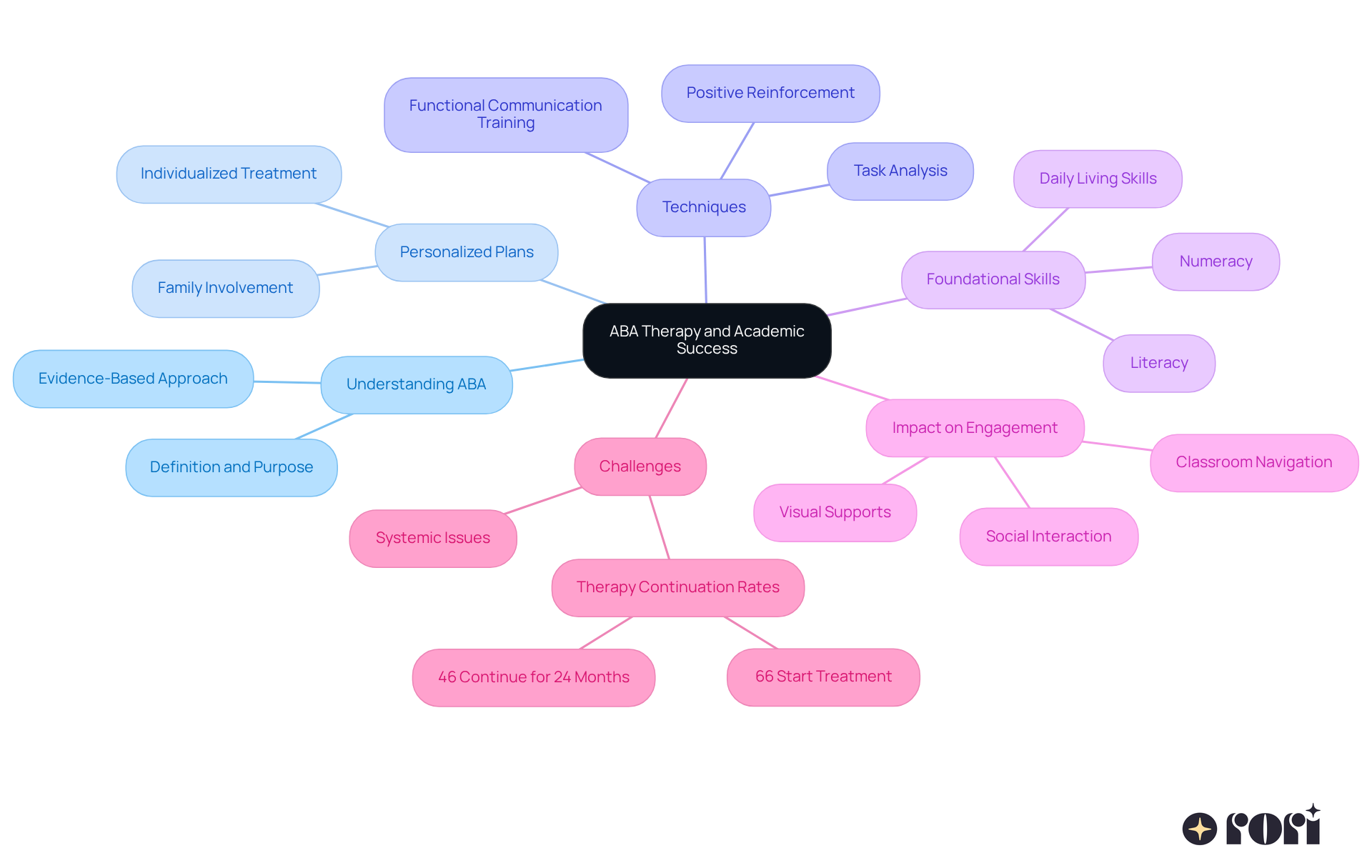
Navigating the world of education for children with autism can feel overwhelming, but there’s hope with Applied Behavior Analysis (ABA). This approach helps kids with autism build important skills like communication, social interaction, and self-regulation, making education more accessible.
ABA is all about understanding how behaviors work. Every child is unique, so we create personalized plans that cater to their specific needs and strengths. This ensures they get the best care possible. Techniques like positive reinforcement and task analysis help encourage good behaviors while reducing those that aren’t so helpful.
In schools, ABA strategies really shine. They break down complex tasks into smaller, manageable steps, making learning easier for kids. For example, using systematic phonics instruction can help teach reading skills, reinforcing each sound until it clicks. Kids who get at least 25 hours of ABA support each week tend to do better, showing just how important regular help is.
The focus on foundational skills like literacy and numeracy is crucial for educational success. Organized teaching techniques allow young learners to gain skills in reading, writing, and math, which are essential for overall success. It’s encouraging to see that about 66% of kids referred for ABA therapy start treatment and stick with it for at least a year, showing their commitment to building these skills.
Schools that use ABA strategies often notice big improvements in students' engagement and success. For instance, visual supports and consistent routines can help kids with autism navigate classrooms more effectively. Plus, research shows that kids who play together during ABA sessions develop better social skills and connections. We keep a close eye on each child’s progress, adjusting plans as needed to make sure they’re getting the most out of their therapy. And with the help of advanced technology, we can save time on reports, allowing us to focus more on direct treatment.
However, it’s important to remember that only about 46% of young individuals continue their ABA therapy sessions for 24 months. This highlights the challenges some families face in maintaining therapy, which can impact long-term success. Understanding the importance of consistent support can make all the difference in your child's educational journey.
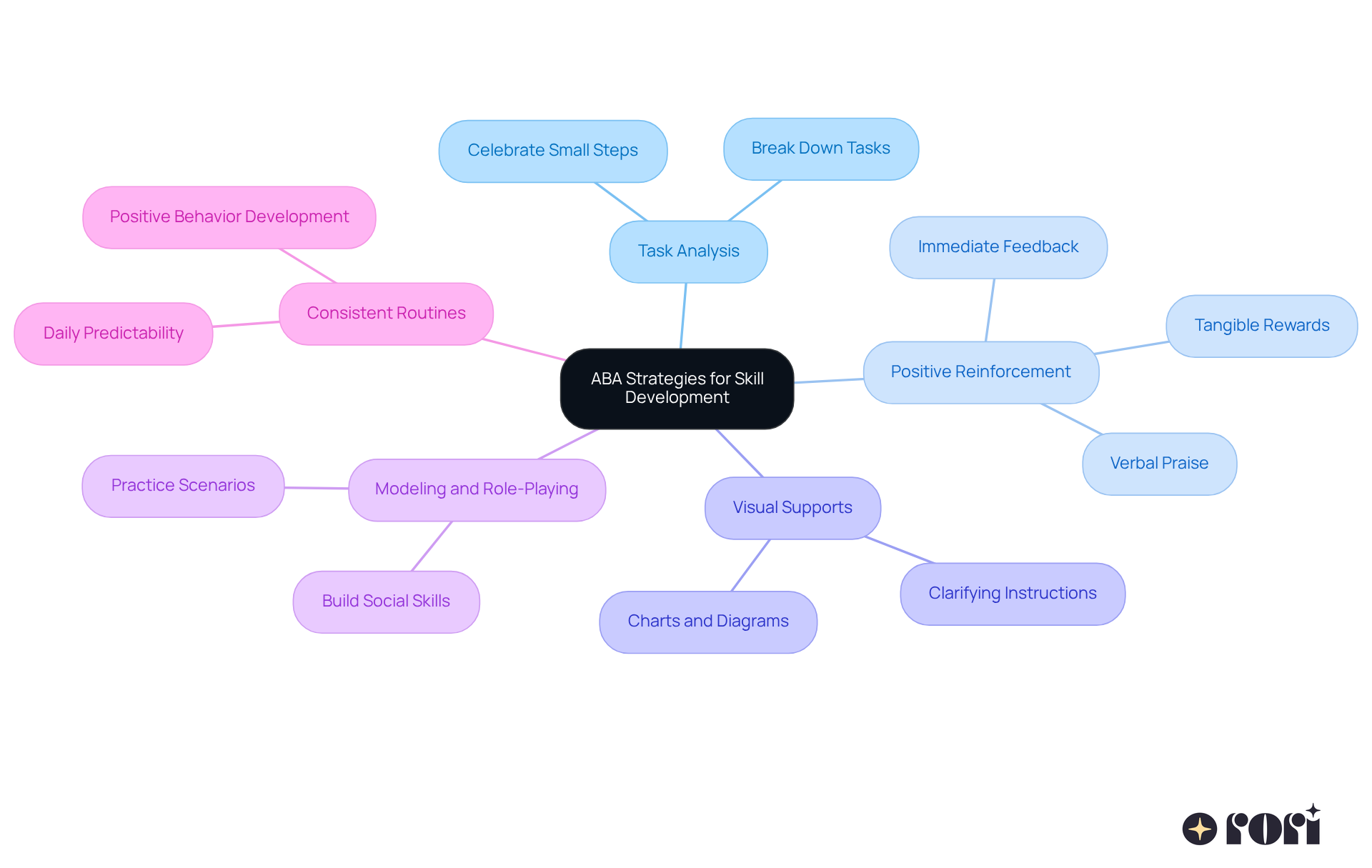
It can sometimes feel like a puzzle when supporting academic success in children with autism with ABA strategies during their educational journey, right? Let’s explore some friendly strategies together! Here are some tips to help you out:
Remember, you’re not alone in this journey; there are resources and support available, including those focused on supporting academic success in children with autism with ABA strategies, waiting for you!
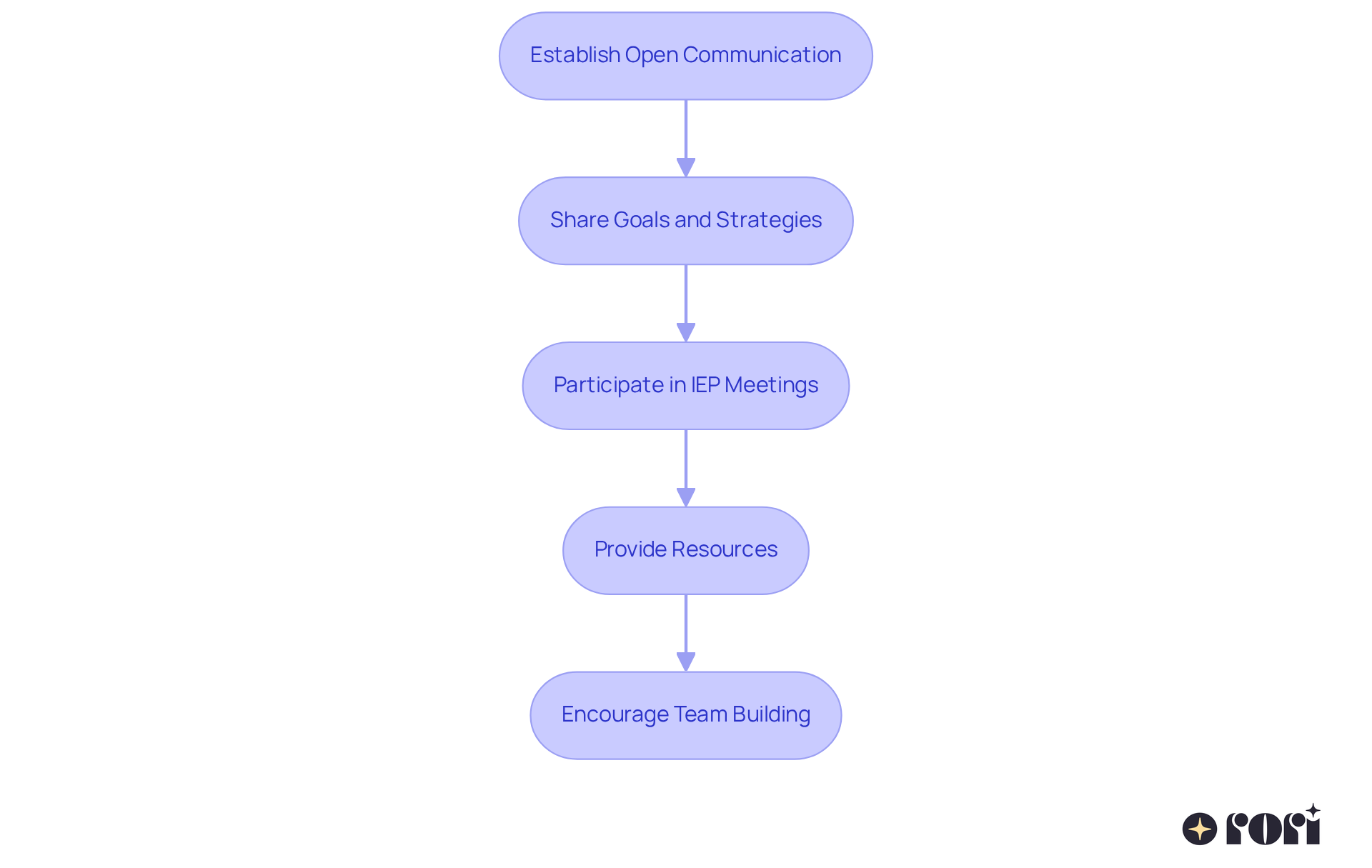
Navigating the world of autism support can feel overwhelming, but you’re not alone in this journey! Collaboration among parents, educators, and therapists is key to providing the best support for our kids. Here are some friendly steps to enhance that collaboration:
When you embrace these strategies, you’re setting your child up for success and happiness! The average effect size for expected behaviors and social skills in individuals with autism is 0.603, showing just how impactful effective collaboration can be. Plus, when caregivers are empowered with ABA principles and strategies, it leads to better behavioral outcomes. Active involvement is crucial for making significant progress in 90% of children receiving ABA therapy. Imagine the difference it could make when everyone is on the same page, cheering your child on!
Many parents wonder how to ensure their child is benefiting from ABA therapy in supporting academic success in children with autism with ABA strategies. To really make a difference, it’s all about keeping track of progress and making adjustments based on what you see. Here’s a friendly approach to help you navigate this journey:
By staying engaged and proactive, you can help your child thrive in their learning journey. Let’s explore this together!

Navigating the world of education for children with autism can be a bit overwhelming, can’t it? Applied Behavior Analysis (ABA) stands as a powerful tool in fostering academic success for our kids. When we tailor our approaches to fit each child's unique needs, we’re not just helping them learn to communicate and socialize; we’re also making their whole educational experience better! Through personalized strategies, children can engage more effectively in learning, leading to meaningful progress in their academic journeys.
We’ve talked about some key strategies to implement ABA effectively, like:
Collaborating with educators and therapists is crucial, as it creates a consistent learning environment that reinforces the skills being taught. Plus, keeping track of progress through data collection helps us make informed adjustments to interventions, ensuring that each child's specific needs are met so they can thrive academically.
But when we work together, we can unlock amazing possibilities for their growth! Supporting academic success in children with autism through ABA strategies is truly a team effort. By embracing these techniques and fostering teamwork among parents, educators, and therapists, we can build a solid foundation for our children to achieve their fullest potential. Sure, the journey can be tough, but with a little commitment and the right support, your child can make amazing strides in their learning and personal growth!
What is ABA therapy and how does it help children with autism?
ABA therapy, or Applied Behavior Analysis, helps children with autism build important skills such as communication, social interaction, and self-regulation, making education more accessible.
How are ABA therapy plans created for children?
ABA therapy plans are personalized to cater to each child's unique needs and strengths, ensuring they receive the best care possible.
What techniques are commonly used in ABA therapy?
Techniques such as positive reinforcement and task analysis are used to encourage good behaviors while reducing less helpful ones.
How does ABA therapy benefit learning in schools?
ABA strategies break down complex tasks into smaller, manageable steps, making learning easier for children, such as using systematic phonics instruction to teach reading skills.
How many hours of ABA support are recommended for better outcomes?
Children who receive at least 25 hours of ABA support each week tend to perform better in their educational pursuits.
What foundational skills does ABA therapy focus on for educational success?
ABA therapy focuses on foundational skills like literacy and numeracy, which are essential for overall success in reading, writing, and math.
What percentage of children referred for ABA therapy continue treatment for at least a year?
About 66% of children referred for ABA therapy start treatment and stick with it for at least a year.
What improvements do schools notice when using ABA strategies?
Schools using ABA strategies often see significant improvements in student engagement and success, with visual supports and consistent routines helping children navigate classrooms more effectively.
How does ABA therapy support the development of social skills?
Research shows that children who play together during ABA sessions develop better social skills and connections.
What challenges do families face in maintaining ABA therapy?
Only about 46% of young individuals continue their ABA therapy sessions for 24 months, highlighting the challenges some families face that can impact long-term success.