Understanding the differences between autism meltdowns and tantrums is so important for parents navigating the complexities of Autism Spectrum Disorder (ASD). While they might look similar at first glance, the reasons behind these behaviors and how we manage them can be quite different. This really affects how caregivers respond in those critical moments.
Let’s dive into some effective support and resources available for parents. It’s all about recognizing triggers and implementing strategies that create a calming environment. How can we turn meltdowns into opportunities for growth and understanding, instead of letting them become a source of frustration?
We’re here to help you every step of the way! Let’s explore this together!
Meltdowns and tantrums might seem similar at first glance, but they actually come from different places. A tantrum is usually a behavioral response aimed at getting something specific, like attention or a toy. On the other hand, a meltdown is an involuntary reaction to feeling overwhelmed or distressed, often leading to a loss of control. Research shows that tantrums often happen when a child is denied something they want, while meltdowns can occur at any age and aren’t goal-driven; they’re often triggered by too much sensory input or emotional distress.
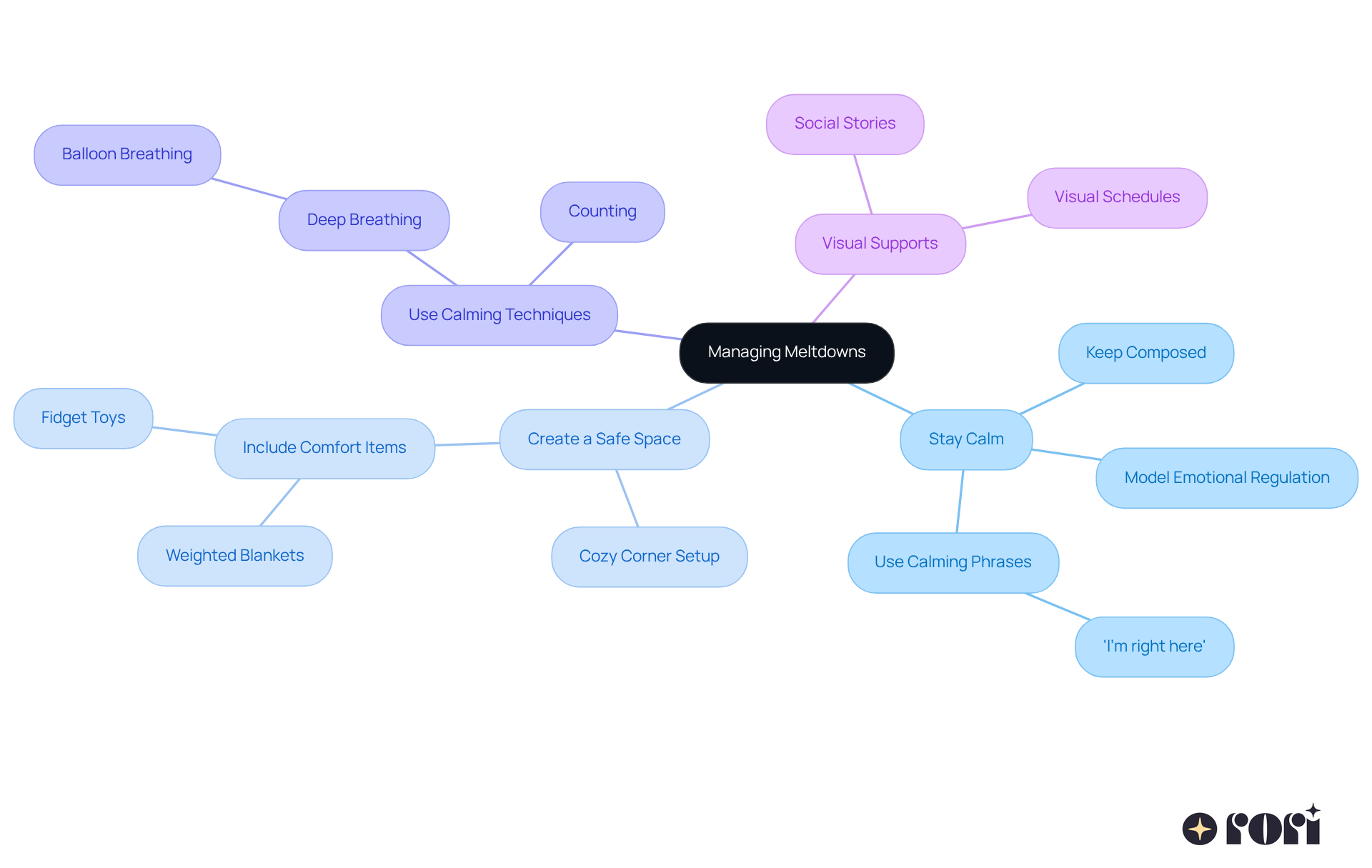
It is super important for parents to understand this difference, particularly in terms of finding [support and resources for parents of children with ASD during meltdowns](https://rori.care/insurance-covered-autism-services-step-by-step). It can really shape how you respond in those moments. For example, during a tantrum, offering choices or distractions can help calm a child down quickly. But when it comes to a meltdown, the focus should be on creating a safe space, along with support and resources for parents of children with ASD during meltdowns, to reduce sensory overload. This might mean lowering noise levels, dimming lights, or letting your child retreat to a quieter area. Recognizing these differences can make a big difference in how you manage your child’s behavior and emotional needs, ultimately creating a more supportive environment for their growth.
Real-life examples can really illustrate these strategies. Picture this: a child throwing a tantrum in a store might respond well to a distraction, like a toy or a snack. In contrast, a child in the midst of a meltdown may need some time to recover and could benefit from tools like noise-canceling headphones or a weighted blanket. Common triggers for autism meltdowns include sensory overload, unexpected changes in routine, and emotional overwhelm. By understanding what’s behind these reactions and how to respond appropriately, you can better utilize support and resources for parents of children with ASD during meltdowns to help your child through these tough moments.
Incorporating principles from Applied Behavior Analysis (ABA) therapy can also empower parents in these situations. ABA is a flexible, child-centered approach that’s shown to be effective for treating autism, with significant progress seen in 90% of kids when the recommended hours are fully implemented with active caregiver involvement. Early intensive behavioral intervention (EIBI) is especially crucial for boosting learning, verbal, and social skills in children with autism. You can use ABA strategies by observing your child’s triggers, setting clear expectations, and using positive reinforcement to encourage the behaviors you want to see. As Natalie Schad wisely points out, "Understanding the difference between tantrums and autism crises helps us respond with greater compassion and effectiveness." This insight really emphasizes the importance of tailored responses to each situation, ensuring that our kids feel supported and understood. Let’s explore this together!

Meltdowns in kids with autism can often stem from a few common triggers, like too much stimulation, sudden changes in routine, or emotional distress. For instance, loud noises, bright lights, or crowded places can lead to sensory overload, making it tough for a child to cope. Research shows that many autistic individuals process sensory information more intensely, which can lead to quicker overloads.
Changes in routine, such as unexpected schedule shifts or surprises, can ramp up anxiety and lead to breakdowns. Plus, emotional turmoil from feelings like frustration, sadness, or confusion can make things even tougher.
As a parent, keeping a detailed record of your child's meltdowns can be super helpful. By identifying patterns and specific triggers, you can create strategies to prevent or minimize these situations. This proactive approach can help foster a calmer environment and improve your child's self-regulation.
Look out for early warning signs, like increased stimming behaviors or verbal outbursts. These can be key indicators that allow you to step in before a crisis escalates. Remember, you’re not alone in this journey! Let’s explore this together!

Handling meltdowns can be tough for parents, but there are friendly strategies that offer support and resources for parents of children with asd during meltdowns 😊
By weaving these approaches into your parenting, you can create a supportive environment that empowers your child to navigate their emotions more effectively. Let’s explore this together! We’re here to help you every step of the way!
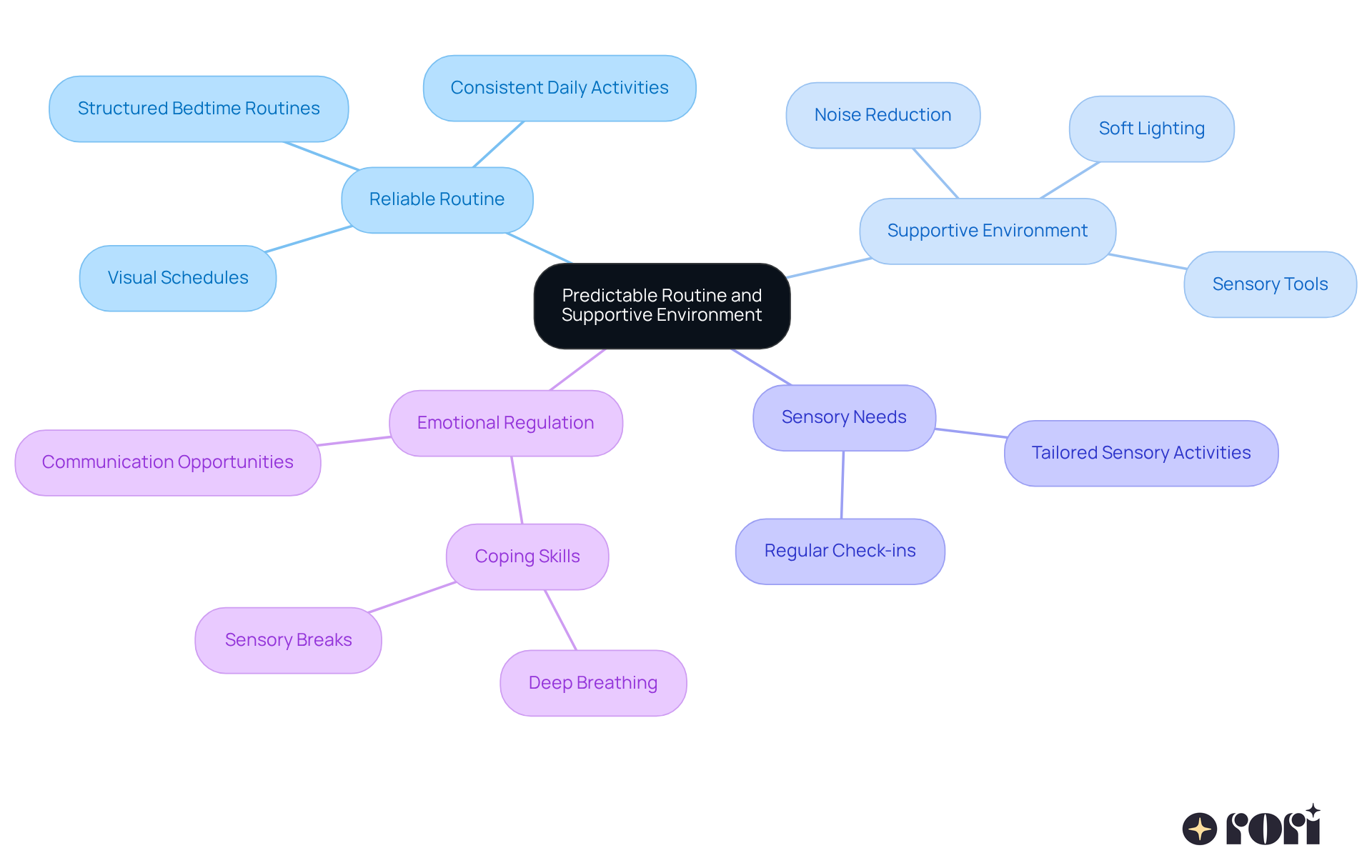
Establishing a reliable routine is so important for individuals with autism. It means setting consistent times for daily activities like meals, homework, and bedtime. Visual schedules can be a game-changer! They help kids see what’s coming next, which can really ease the anxiety that often comes with transitions.
Creating a supportive environment tailored to each child’s sensory needs is key. This might mean reducing noise, using soft lighting, or providing sensory tools that help with self-regulation. Regular check-ins to talk about feelings and any upcoming changes to the routine can make a world of difference. It’s all about making sure your child feels prepared and supported.
Fostering a structured and nurturing environment can provide support and resources for parents of children with ASD during meltdowns, significantly reducing the chances of these occurrences and boosting your child’s overall well-being. Research shows that predictable routines not only help kids manage anxiety but also promote emotional regulation, leading to better behavior and independence.
Children of all ages, especially those with Autism Spectrum Disorders, ADHD, and learning disabilities, can really benefit from these strategies. By putting these practices into action, you’re creating a more stable and supportive atmosphere for your child. Let’s explore this together and see how it can lead to better outcomes!
Understanding the differences between autism meltdowns and tantrums is so important for parents navigating the challenges of supporting a child with ASD. When you realize that meltdowns are involuntary reactions to overwhelming stimuli, not just goal-driven behaviors, it opens up new ways to create a nurturing environment that helps with emotional regulation and well-being.
Think about common triggers like sensory overload, changes in routine, or emotional distress. By implementing proactive strategies - like setting up a safe space, using calming techniques, and establishing predictable routines - you can really help reduce the frequency and intensity of meltdowns. Plus, resources like Applied Behavior Analysis (ABA) can empower you to better manage your child's emotional needs.
Creating a structured and supportive environment not only helps with meltdowns but also improves the overall quality of life for children with autism. Embracing these insights and strategies can lead to more compassionate interactions, making your child feel understood and supported on their journey. Let’s explore this together! By actively seeking out support resources, connecting with parent groups, and continuously learning about effective techniques, you can make a meaningful difference in your child’s life and foster a more harmonious home atmosphere.
What is the difference between a tantrum and a meltdown?
A tantrum is a behavioral response aimed at getting something specific, like attention or a toy, while a meltdown is an involuntary reaction to feeling overwhelmed or distressed, often leading to a loss of control.
When do tantrums typically occur?
Tantrums often happen when a child is denied something they want.
Can meltdowns occur at any age?
Yes, meltdowns can occur at any age and are not goal-driven.
What are common triggers for autism meltdowns?
Common triggers include sensory overload, unexpected changes in routine, and emotional overwhelm.
How should parents respond to a tantrum?
During a tantrum, offering choices or distractions can help calm a child down quickly.
What should parents focus on during a meltdown?
The focus during a meltdown should be on creating a safe space and reducing sensory overload, which may involve lowering noise levels, dimming lights, or allowing the child to retreat to a quieter area.
What tools can help a child during a meltdown?
Tools like noise-canceling headphones or a weighted blanket can be beneficial for a child experiencing a meltdown.
How can Applied Behavior Analysis (ABA) therapy help parents manage these situations?
ABA therapy is a flexible, child-centered approach that can empower parents by helping them observe triggers, set clear expectations, and use positive reinforcement to encourage desired behaviors.
What is Early Intensive Behavioral Intervention (EIBI)?
EIBI is a crucial approach within ABA that boosts learning, verbal, and social skills in children with autism, showing significant progress in 90% of kids when properly implemented with caregiver involvement.
Why is it important to understand the difference between tantrums and meltdowns?
Understanding the difference helps parents respond with greater compassion and effectiveness, ensuring children feel supported and understood during challenging moments.