Introduction
Let’s face it, getting our autistic kids to sleep can sometimes feel like climbing a mountain, can’t it? Many parents find themselves dealing with challenges like:
- Difficulty falling asleep
- Frequent awakenings
- Sensory sensitivities
It’s no wonder that creating a peaceful nighttime routine becomes so important! We’re here to share some friendly tips and insights that can help you tackle these sleep challenges and create a peaceful bedtime routine for your little one. But what if what works for one child doesn’t quite fit another? Getting to know your child’s unique needs is so important, and finding the right approach can lead to those restful nights we all dream of!
Identify Common Sleep Challenges in Autistic Children
Have you ever watched your child toss and turn at night, wishing you could ease their worries? Here are some common sleep challenges they might face:
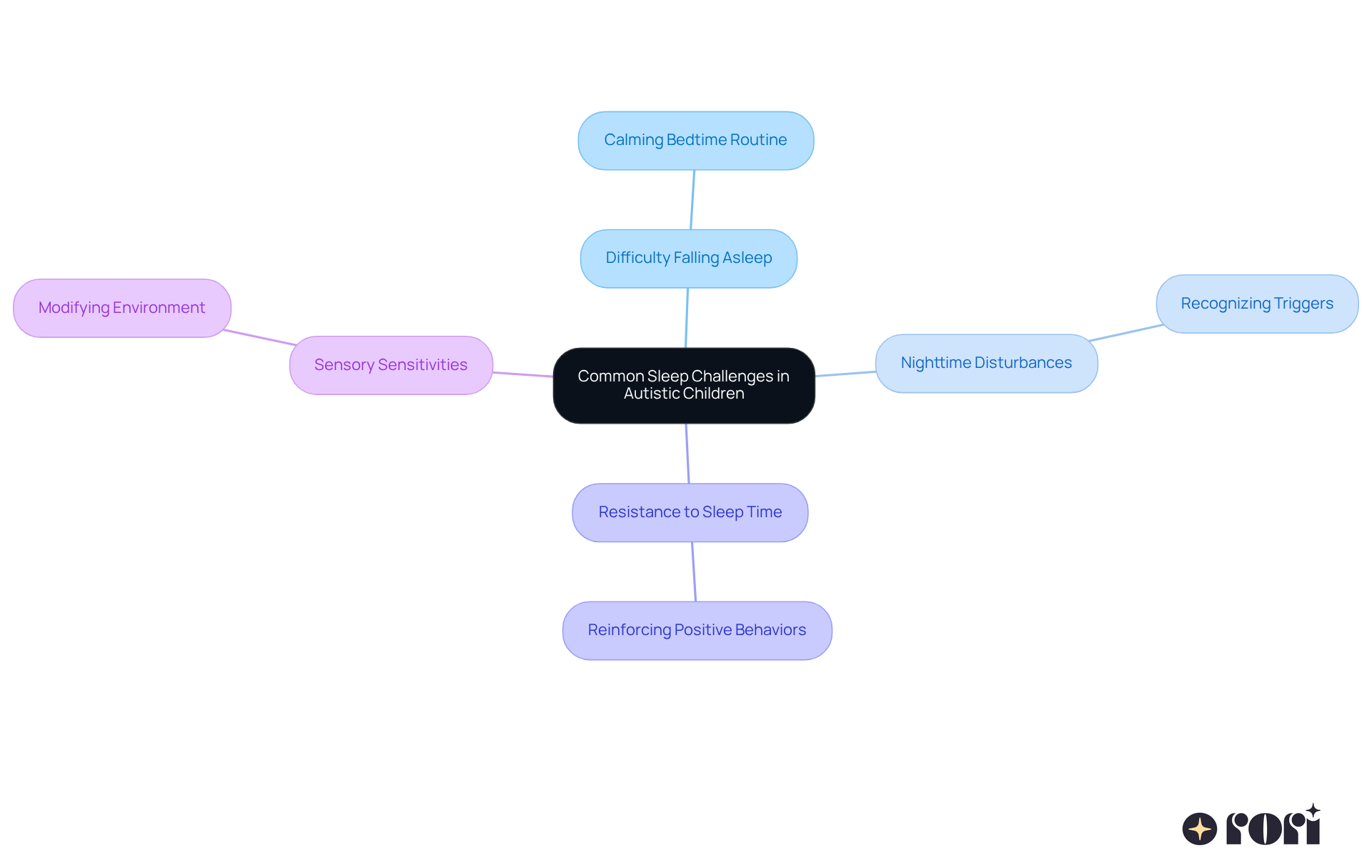
- Difficulty falling asleep: Autistic children may struggle to settle down at night due to anxiety or overstimulation. Caregivers can apply ABA principles by creating a calming bedtime routine that addresses these anxieties, helping your little one feel more secure.
- Regular nighttime disturbances: Many kids wake up several times throughout the night, interrupting their rest cycle. By gathering information on sleep patterns, caregivers can recognize triggers and apply strategies to reduce these awakenings.
- Resistance to sleep time: Some kids may show significant opposition to going to bed, often due to anxiety or discomfort. By employing ABA strategies, caregivers can reinforce positive bedtime behaviors, making the transition to sleep smoother.
- Sensory sensitivities: Issues like sensitivity to light, sound, or textures can make it tough for kids to relax and rest. Caregivers can modify the sleeping environment according to their child's sensory needs, ensuring a more suitable atmosphere for relaxation.
By understanding these challenges, you can take the first step toward creating a peaceful bedtime routine that provides support and guidance for parents dealing with sleep difficulties in autistic children, benefiting everyone in the family. We’re here to help you every step of the way!
Implement Effective Sleep Hygiene Practices
Are you finding it tough to help your child settle down for a good night's sleep, and do you need [support and guidance for parents dealing with sleep difficulties in autistic children](https://rori.care/post/supporting-autistic-adolescents-during-transition-a-parents-guide)? Here are some practices that can enhance sleep hygiene for your autistic child:
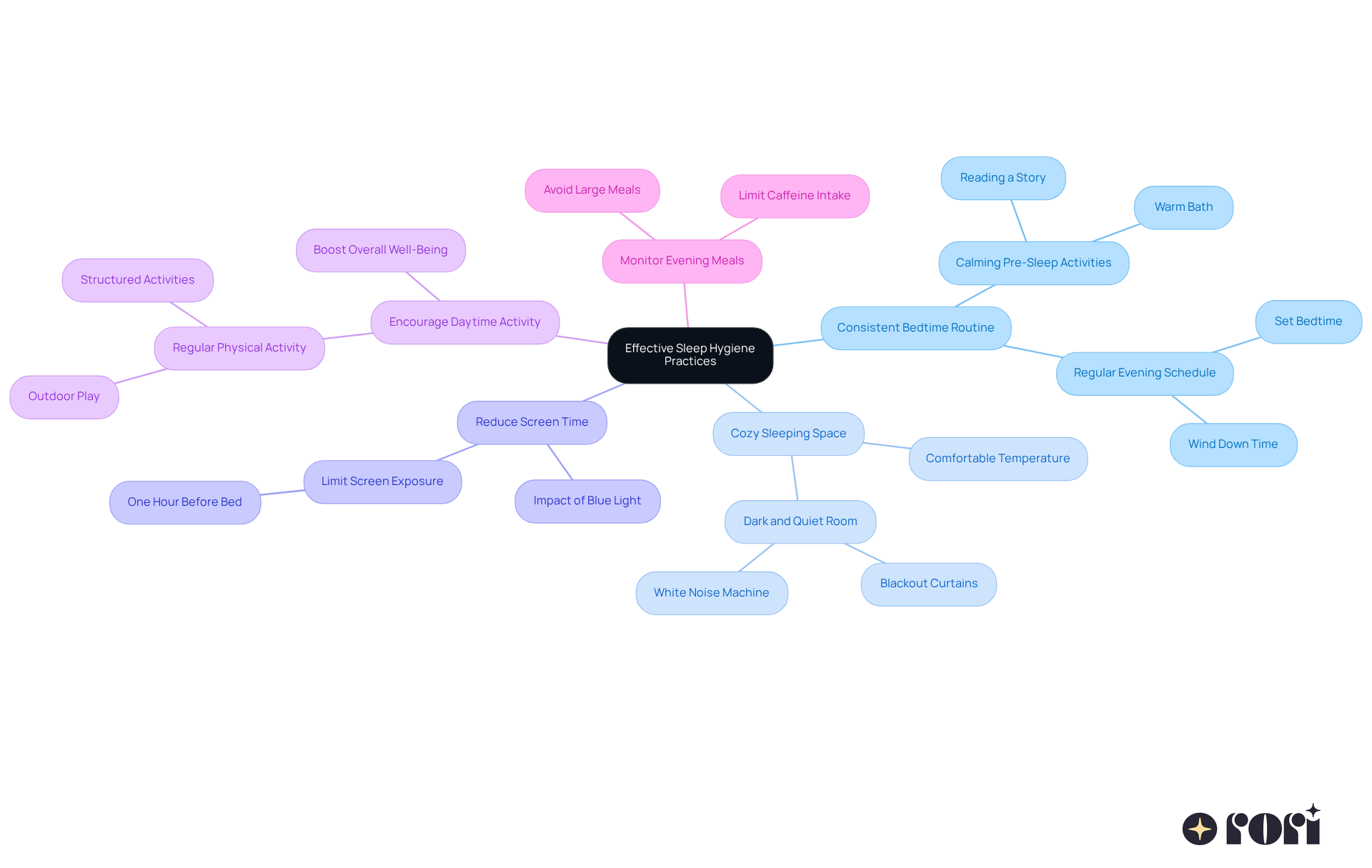
- Let’s start with a consistent bedtime routine that helps your child wind down. A calming pre-sleep routine, like reading a story or enjoying a warm bath, signals to your child that it’s time to relax. Studies show that kids with consistent evening schedules sleep longer and wake up less often. In fact, children with nightly bedtime routines slept over an hour longer on average than those without such routines.
- Think about creating a cozy sleeping space for your child. Make sure the bedroom is dark, quiet, and at a comfortable temperature. Using blackout curtains and white noise machines can really help reduce disturbances, leading to better sleep quality. As Dr. Timothy Morgenthaler says, "It’s essential that parents establish a regular resting schedule, calming evening routine, and soothing environment, which can provide support and guidance for parents dealing with sleep difficulties in autistic children, to assist their offspring in attaining healthy rest."
- How about cutting down on screen time before bed? Reducing exposure to screens at least one hour before bedtime is key, as blue light can disrupt melatonin production and disturb sleep patterns. This is especially important for young individuals with autism, as they may require support and guidance for parents dealing with sleep difficulties in autistic children, given their heightened sensitivity to environmental stimuli.
- Encouraging your child to be active during the day can really help at night! Regular physical activity helps your child use up energy, leading to better sleep. Plus, engaging in physical play can boost overall well-being and reduce anxiety, which may further enhance sleep quality.
- Let’s keep an eye on what your child eats as bedtime approaches. Avoid large meals and caffeine in the evening, as these can interfere with sleep cycles. Establishing a routine around meals can also help regulate your child’s overall schedule, contributing to better sleep hygiene. According to the National Health Interview Survey, young individuals with a regular bedtime were less likely to feel fatigued during the day compared to those with irregular bedtimes.
Alongside these practices, empowering caregivers through education on ABA principles can greatly improve their capacity to support their child’s behavioral goals. By understanding effective strategies and actively participating in their child’s development, caregivers can provide enhanced support, make informed decisions, and achieve improved behavioral outcomes, leading to better overall family dynamics. With these simple changes, you can create a peaceful bedtime routine that benefits the whole family!
Monitor and Adjust Sleep Strategies Based on Child's Needs
Ever feel like you're in a sleep puzzle with your child? Keeping a rest journal can really help you see how your child's sleep is going! By jotting down their bedtime, wake time, and any nighttime awakenings, you can spot trends and figure out what might need a little tweak. For instance, you might notice how certain activities during the day affect their sleep at night.
Let’s take a moment to see how those new sleep strategies are working out! If your little one is waking up less often after you’ve changed their bedtime routine, that’s a great sign! But if things aren’t improving, it’s totally okay to switch things up and try something new. Flexibility is key!
Getting your child involved in their sleep routine can make a big difference! Depending on their age, they can share how they feel about their sleep, and you can note that in the rest journal. This not only gives them a sense of control but also helps you understand their needs better.
If you’re still facing challenges, don’t hesitate to reach out for support and guidance for parents dealing with sleep difficulties in autistic children! They can offer tailored advice that fits your child’s unique situation. For example, a behavioral analyst might suggest specific changes to bedtime routines or the sleep environment that could really help.
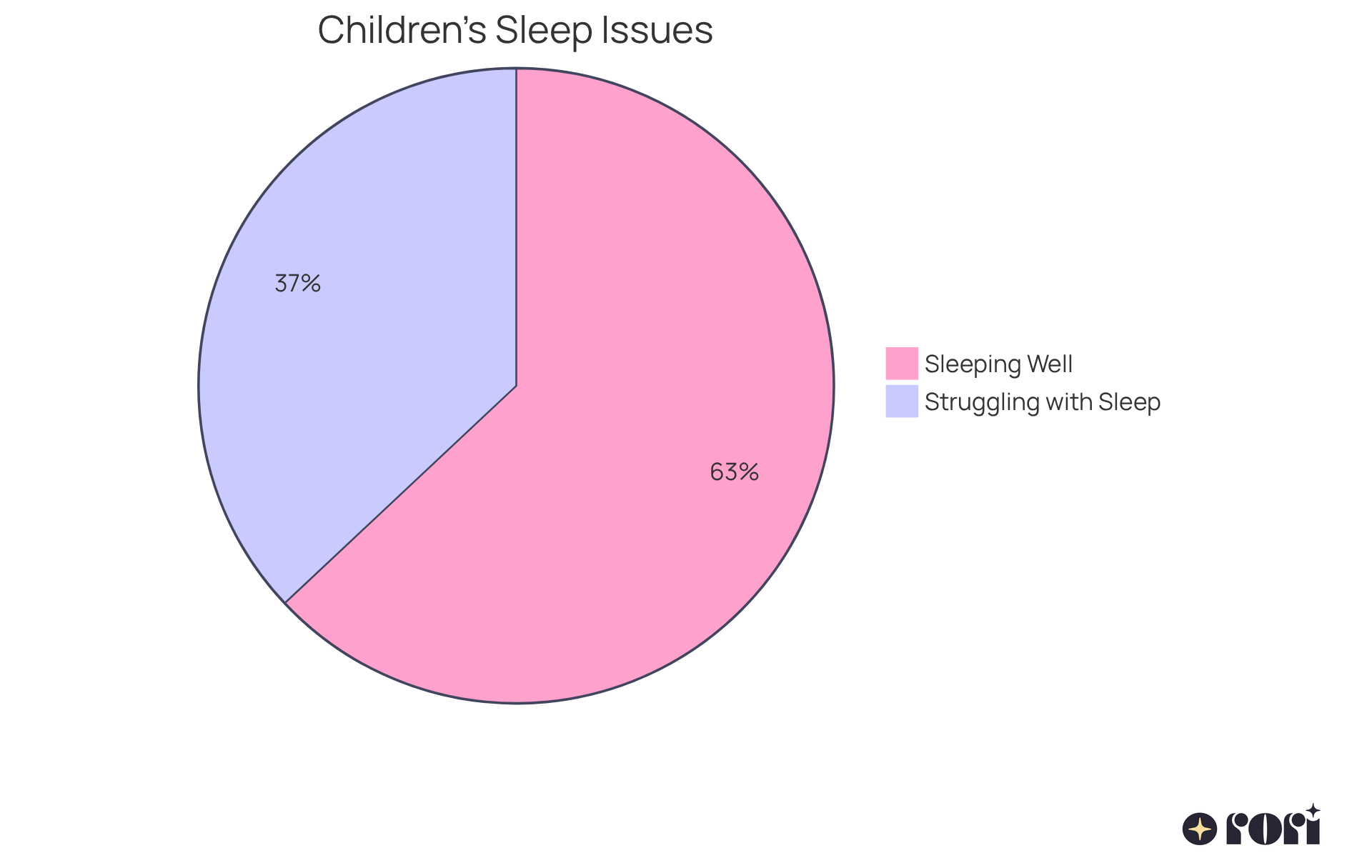
By actively tracking and adjusting your strategies, you can significantly improve your child’s sleep patterns, leading to happier days for everyone. With statistics showing that 37% of kids aged 4 months to 5 years struggle with sleep, it’s clear that managing rest is crucial. With the right tools and support, you can turn those sleepless nights into peaceful ones for your family.
Seek Professional Guidance and Additional Resources
Many parents find themselves exhausted and overwhelmed, underscoring the importance of support and guidance for parents dealing with sleep difficulties in autistic children. If sleep challenges persist, here are some friendly suggestions to consider:
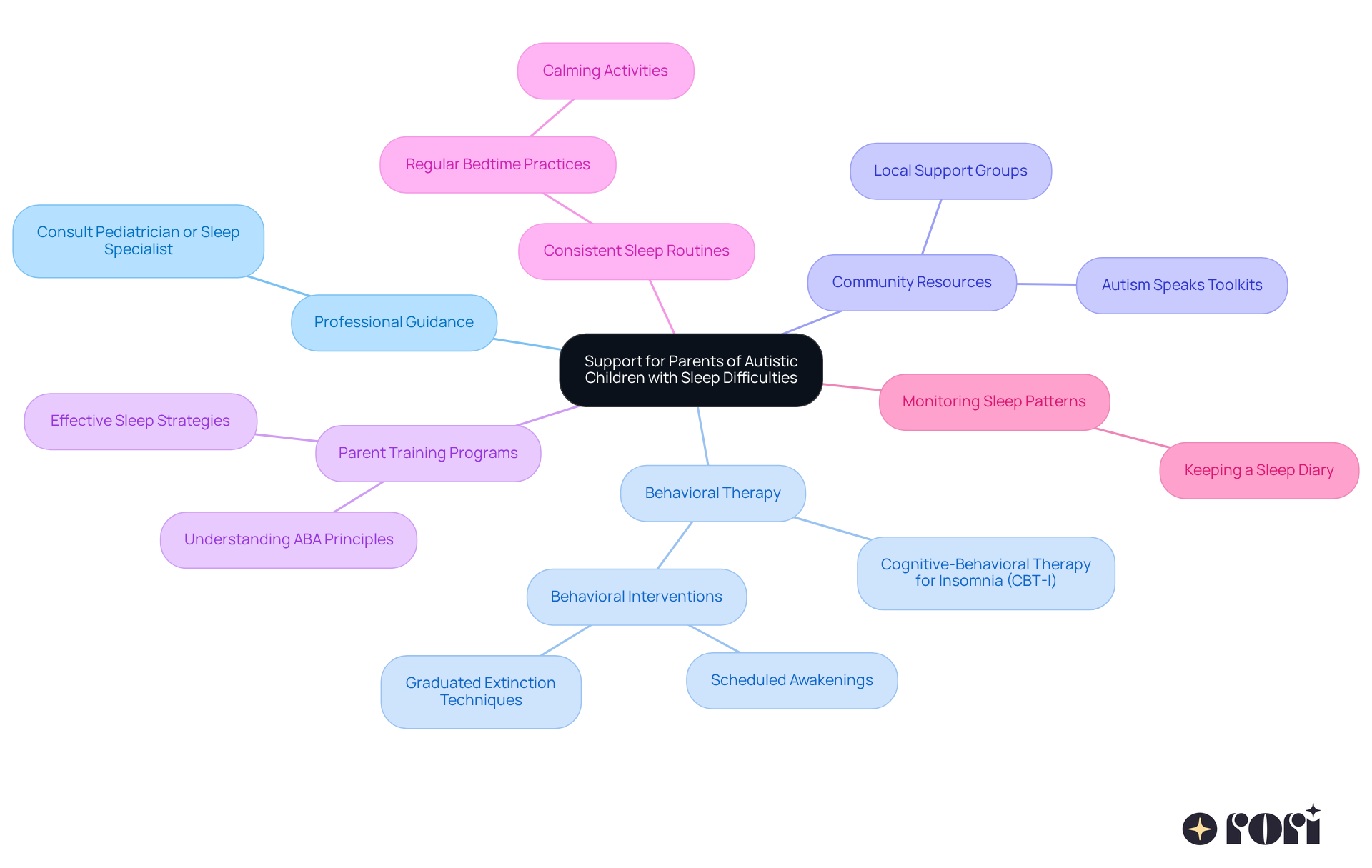
- Have you thought about chatting with your pediatrician or a sleep specialist? They can help uncover any underlying issues that might be affecting your child's sleep and recommend tailored interventions.
- Exploring behavioral therapy alternatives can be a game-changer! Cognitive-behavioral therapy for insomnia (CBT-I) has shown great results for kids with autism. Research suggests that these behavioral interventions are often the first choice for treating pediatric insomnia, leading to better sleep onset and fewer night wakings.
- Don’t forget about community resources! Organizations like Autism Speaks and local support groups offer toolkits and workshops that provide support and guidance for parents dealing with sleep difficulties in autistic children, giving them practical strategies.
- Consider joining parent training programs. These programs can empower you with effective sleep strategies and behavioral techniques, creating a nurturing environment for your child's sleep needs. Plus, they help you understand ABA principles, which can positively impact your child's progress.
- Implementing consistent sleep routines can work wonders! Establishing a regular bedtime practice signals to your little one that it’s time to wind down. Think calming activities like reading a story or listening to gentle music.
- Lastly, monitoring sleep patterns can be incredibly helpful. Keeping a sleep diary allows you to track your child's habits and identify patterns. This information can be invaluable when discussing strategies with healthcare providers. By taking these steps, you’re not just helping your child sleep better; you’re also creating a more peaceful home for everyone.
Conclusion
We all know how tough it can be when our little ones struggle to sleep, right? Navigating sleep challenges in autistic children can feel overwhelming, but understanding the common hurdles - like anxiety, sensory sensitivities, and those pesky nighttime awakenings - can really help us create a more peaceful bedtime routine. By tailoring our approaches to meet our child’s specific needs, we can promote better sleep for the whole family.
Key strategies to consider include:
- Establishing a consistent bedtime routine
- Creating a calming sleep environment
- Cutting down on screen time
- Encouraging some fun physical activity during the day
Plus, keeping an eye on sleep patterns and being flexible with routines can lead to some big improvements. Don’t hesitate to seek professional guidance or tap into community resources; they can be a game-changer in giving us the support we need.
Tackling these sleep challenges not only helps our kids but also brings our families closer together! Remember, you’re not alone in this journey. By actively seeking support and trying out these strategies, we can turn those sleepless nights into restful ones, paving the way for happier days ahead. Imagine the joy of waking up refreshed and ready to embrace the day together!
Frequently Asked Questions
What are some common sleep challenges faced by autistic children?
Common sleep challenges include difficulty falling asleep, regular nighttime disturbances, resistance to sleep time, and sensory sensitivities.
Why do autistic children struggle to fall asleep?
Autistic children may struggle to settle down at night due to anxiety or overstimulation.
How can caregivers help autistic children who have difficulty falling asleep?
Caregivers can apply ABA principles by creating a calming bedtime routine that addresses anxieties, helping the child feel more secure.
What are regular nighttime disturbances in autistic children?
Regular nighttime disturbances refer to many kids waking up several times throughout the night, which interrupts their rest cycle.
How can caregivers address nighttime disturbances in autistic children?
By gathering information on sleep patterns, caregivers can recognize triggers and apply strategies to reduce these awakenings.
What does resistance to sleep time mean for autistic children?
Resistance to sleep time means that some kids may show significant opposition to going to bed, often due to anxiety or discomfort.
What strategies can caregivers use to help with resistance to sleep time?
Caregivers can employ ABA strategies to reinforce positive bedtime behaviors, making the transition to sleep smoother.
How do sensory sensitivities affect sleep in autistic children?
Sensory sensitivities to light, sound, or textures can make it tough for kids to relax and rest.
What can caregivers do to accommodate sensory sensitivities at bedtime?
Caregivers can modify the sleeping environment according to their child's sensory needs, ensuring a more suitable atmosphere for relaxation.
List of Sources
- Identify Common Sleep Challenges in Autistic Children
- Autism in Children and Sleep | Sleep Health Foundation (https://sleephealthfoundation.org.au/sleep-topics/austism-in-children-and-sleep)
- Sleep and Autism: Current Research, Clinical Assessment, and Treatment Strategies | Focus (https://psychiatryonline.org/doi/full/10.1176/appi.focus.20230028)
- Frontiers | Sleep problems in autistic children and adolescents: an age-stratified approach (https://frontiersin.org/journals/psychology/articles/10.3389/fpsyg.2026.1715093/full)
- Sleep | Autism Speaks (https://autismspeaks.org/sleep)
- Implement Effective Sleep Hygiene Practices
- Consistent bedtime linked with better child emotion and behavior regulation | Penn State University (https://psu.edu/news/health-and-human-development/story/consistent-bedtime-linked-better-child-emotion-and-behavior)
- Products - Data Briefs - Number 437- June 2022 (https://cdc.gov/nchs/products/databriefs/db437.htm)
- Bedtime Routines for Children (https://sleepfoundation.org/children-and-sleep/bedtime-routine)
- Study shows that children sleep better when they have a nightly bedtime routine - American Academy of Sleep Medicine – Association for Sleep Clinicians and Researchers (https://aasm.org/study-shows-that-children-sleep-better-when-they-have-a-nightly-bedtime-routine)
- Monitor and Adjust Sleep Strategies Based on Child's Needs
- How to Improve Your Child’s Sleep with a Sleep Diary - Millpond (https://millpondsleepclinic.com/keeping-a-sleep-diary)
- FastStats: Sleep in Children (https://cdc.gov/sleep/data-research/facts-stats/children-sleep-facts-and-stats.html)
- Sleep Diary (https://sleepfoundation.org/sleep-diary)
- Creating and maintaining a sleep diary (https://cambspborochildrenshealth.nhs.uk/sleep/creating-and-maintaining-a-sleep-diary)
- Seek Professional Guidance and Additional Resources
- Sleep in pediatric primary care: A review of the literature (https://sciencedirect.com/science/article/abs/pii/S1087079215000167)
- Children and Sleep (https://sleepfoundation.org/children-and-sleep)
- Clinical and Experimental Pediatrics (https://e-cep.org/m/journal/view.php?number=20125555159)