Have you ever felt frustrated trying to understand your child’s needs when words just don’t seem to come? Augmentative and Alternative Communication (AAC) serves as a vital bridge for individuals with autism, empowering them to express thoughts and feelings when traditional verbal communication proves challenging. Let’s take a closer look at AAC and how it can help your child express themselves. This journey can feel overwhelming at times, but exploring the various systems - from low-tech options like picture boards to high-tech devices - can make a world of difference. By tackling these challenges head-on, we can find ways to make communication easier and more meaningful, fostering deeper connections within families.
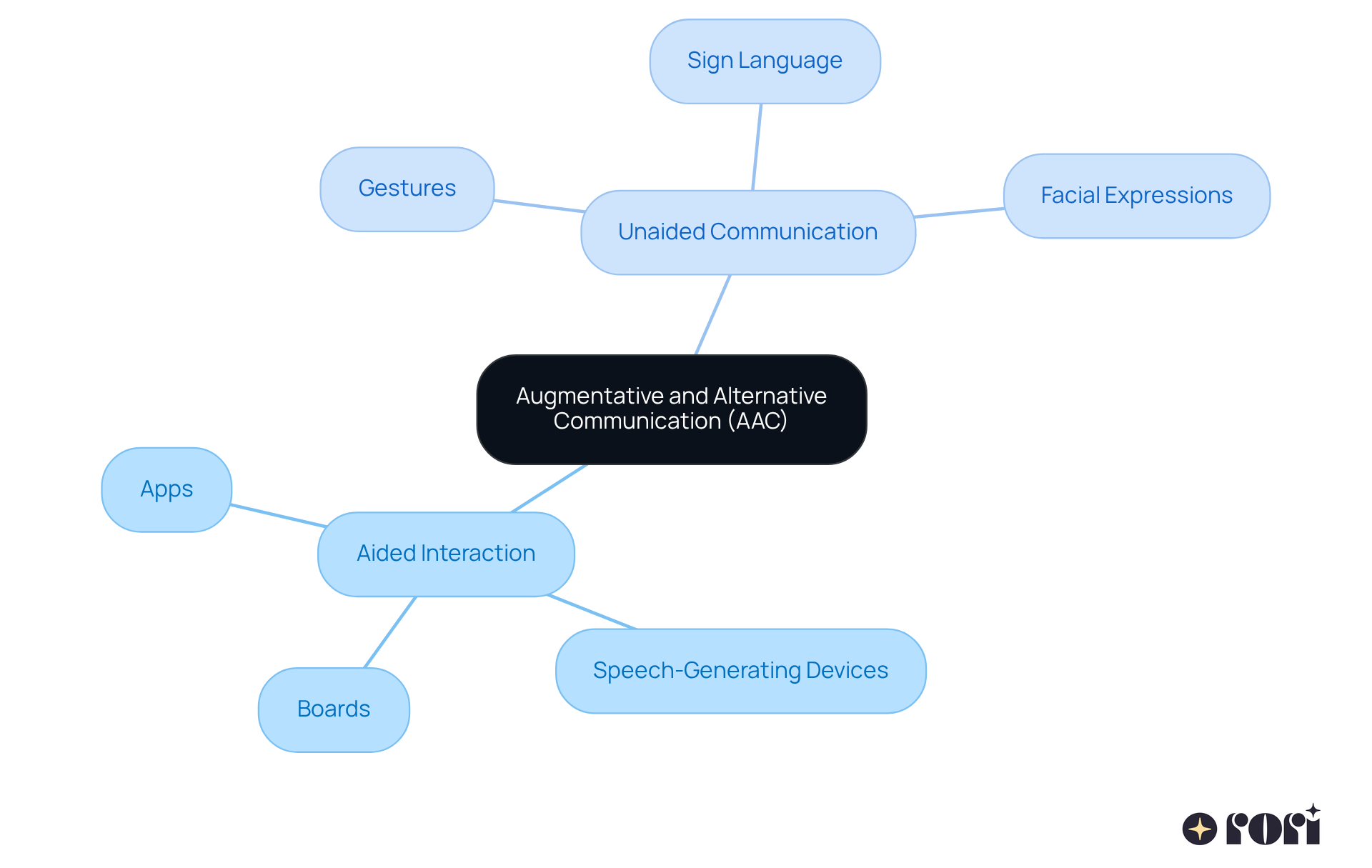
Have you ever felt frustrated trying to communicate with your child? Augmentative and Alternative Communication (AAC) focuses on supporting communication in autism with AAC to help individuals express themselves when verbal interaction is tough. There are two main ways to think about AAC:
Supporting communication in autism with AAC can really help you connect with your child. It empowers you to choose the right tools that are essential for supporting communication in autism with AAC, enhancing their ability to communicate effectively. Plus, when you learn about ABA principles, you’ll feel more confident in choosing the right AAC tools for your child. This knowledge not only boosts how AAC tools are used but also creates a supportive environment that leads to better communication outcomes for your little ones. Let’s explore this together!
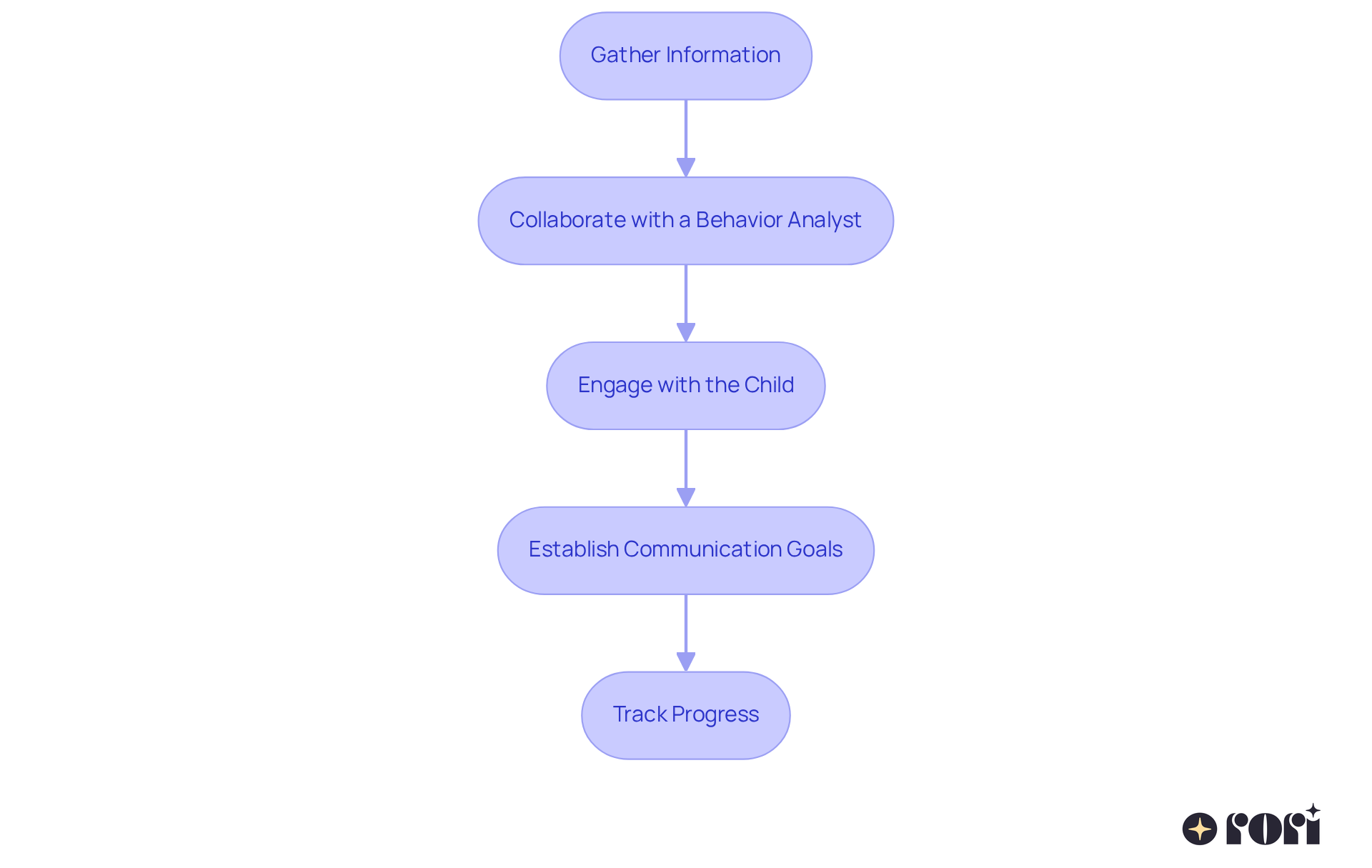
Navigating the world of AAC can feel overwhelming for parents, especially when trying to understand their child's unique needs. To effectively assist a youth with autism by supporting communication in autism with AAC, it’s essential to evaluate their interaction needs. Let’s break it down into some simple steps:
By taking these steps, you’re not just helping your child communicate; you’re opening doors to a world of connection and understanding.
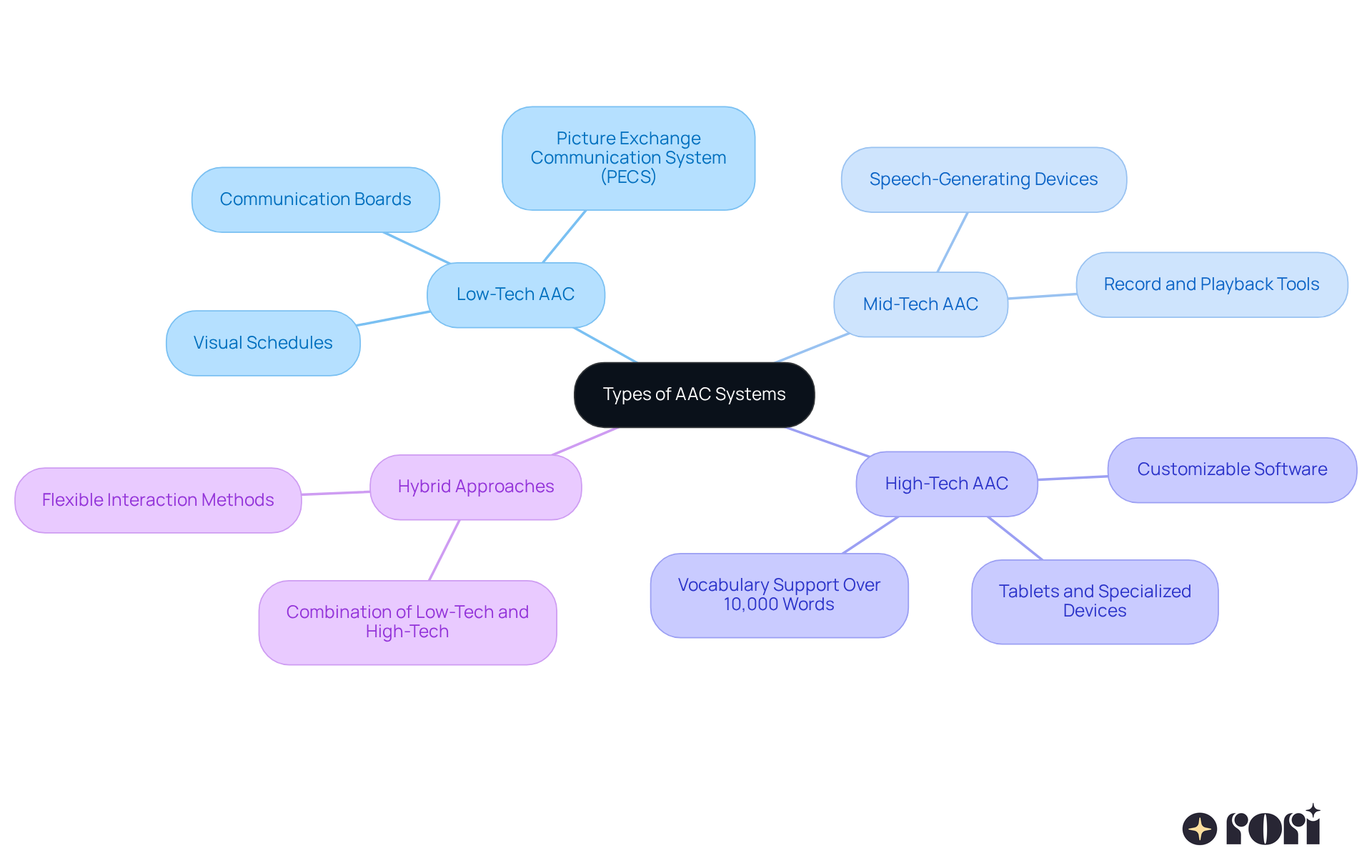
For many parents, navigating the world of AAC systems can feel overwhelming, but understanding the different types is essential for supporting communication in autism with AAC and can make a big difference! These systems are essential tools designed to meet diverse communication needs, and they come in several forms:
By knowing these categories, you can find the right AAC solution that is effective in supporting communication in autism with AAC and truly fits your child's unique needs! Let’s explore this together!
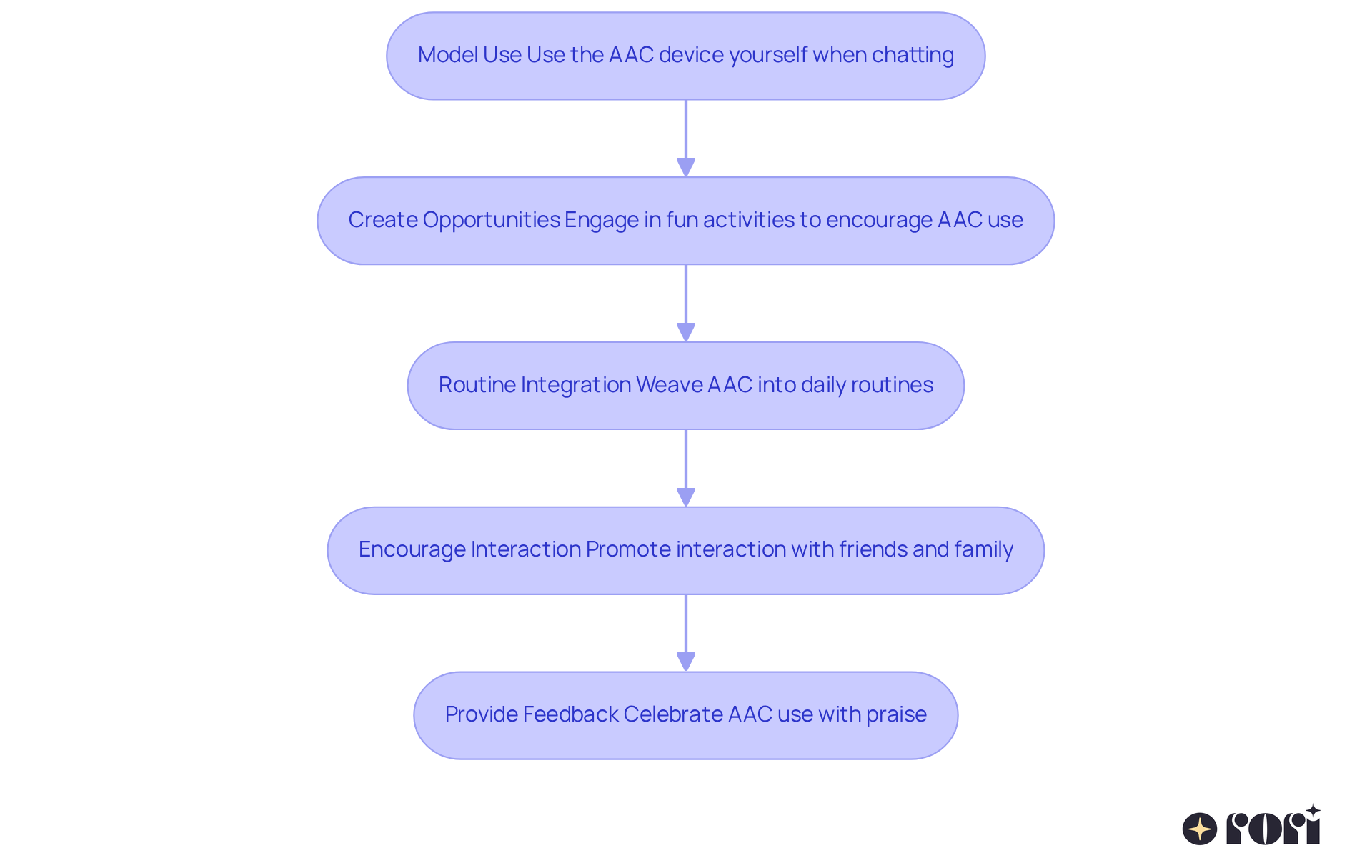
For many parents, integrating AAC into daily life for supporting communication in autism with AAC can feel like a daunting task, but it doesn’t have to be! Here are some friendly strategies to help you along the way:
By embracing these strategies for supporting communication in autism with AAC, you are not just helping your child communicate; you are opening doors to a world of connection and understanding.
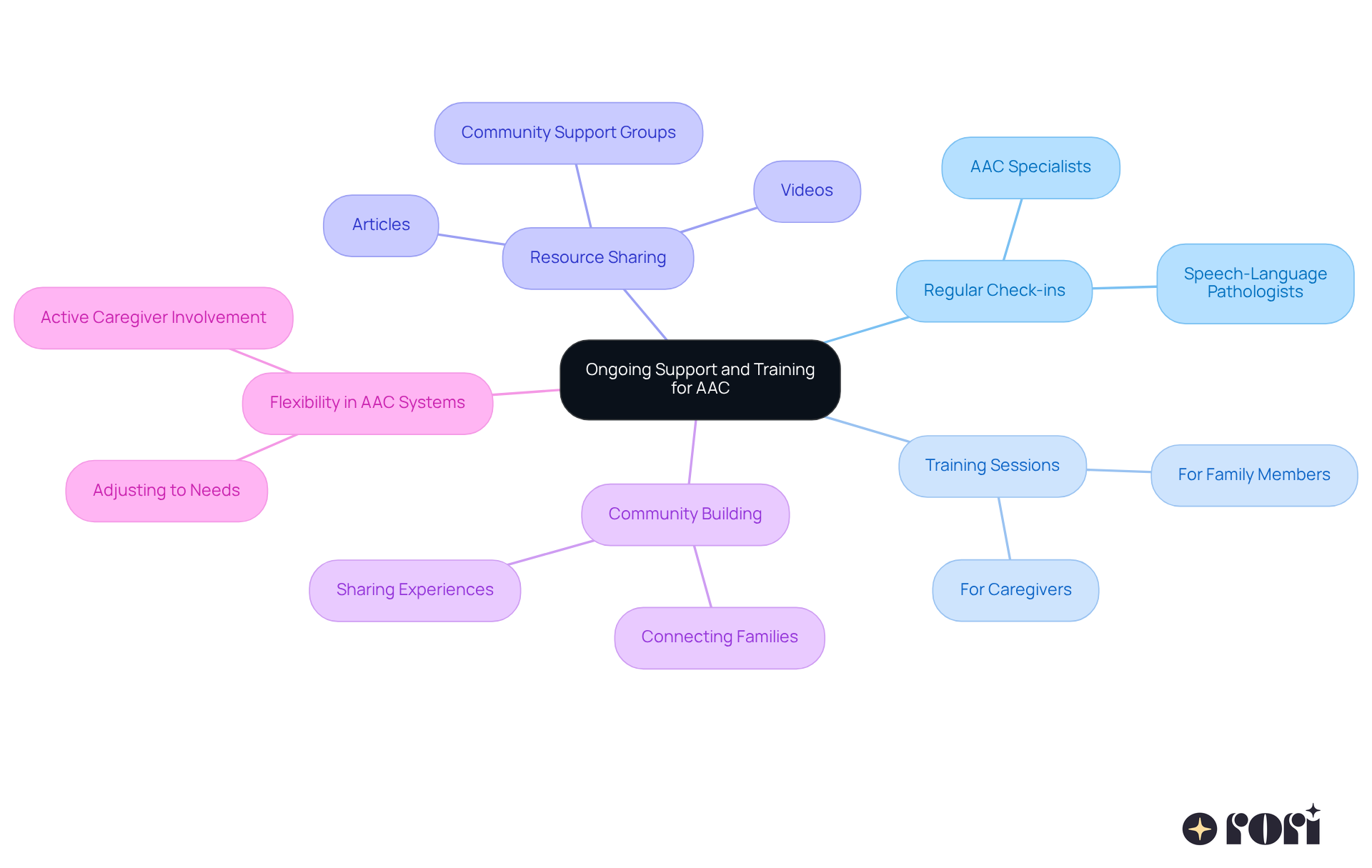
Navigating the world of AAC can feel overwhelming for many families, but you’re not alone in this journey! Ongoing support and training are essential for supporting communication in autism with AAC to ensure its successful use. Let’s set up regular check-ins with speech-language pathologists or AAC specialists to see how things are going and tweak the AAC setup as needed!
How about joining some training sessions for caregivers and family members? It’s a great way to get a better grasp of the AAC framework, which is essential for supporting communication in autism with AAC and learning effective interaction techniques! This aligns with Rori Care's commitment to empowering caregivers with ABA principles, helping them support their child’s behavioral goals effectively.
Let’s share some helpful resources like articles, videos, and community support groups that focus on supporting communication in autism with AAC, to keep families in the loop about AAC best practices and ABA strategies! This knowledge fosters informed decision-making and enhances support at home.
Let’s connect families with other AAC users and their caregivers so they can share experiences, challenges, and successes. It’s all about building a supportive community!
Stay flexible and ready to adjust the AAC system for supporting communication in autism with AAC as your child’s communication needs change. It’s all about making sure it works for them! Active caregiver involvement and alignment with therapeutic strategies often lead to more effective and lasting behavioral improvements.
Navigating communication challenges in autism can feel overwhelming, but there’s hope with Augmentative and Alternative Communication (AAC). This journey empowers individuals to express themselves when verbal communication poses challenges, creating a space where children can truly thrive.
Throughout this guide, we’ve explored key concepts like:
Each section highlighted the importance of tailored approaches and ongoing support, showing how caregivers play a vital role in fostering effective communication skills.
It might take some time and effort, but the joy of seeing your child connect and express themselves is truly worth it. By actively engaging with AAC systems and incorporating them into everyday routines, families can unlock new avenues for interaction and expression.
So, let’s take that first step together! By embracing AAC, you’re not just helping your child communicate; you’re opening doors to a world of connection and understanding. The journey may have its challenges, but the rewards are invaluable, making a lasting impact on the lives of children and their families.
What is Augmentative and Alternative Communication (AAC)?
AAC focuses on supporting communication in individuals with autism, helping them express themselves when verbal interaction is difficult. It includes two main types: aided interaction, which uses tools like boards and speech-generating devices, and unaided communication, which involves methods like gestures, sign language, or facial expressions.
How can AAC help children with autism?
AAC empowers children with autism to communicate effectively, enhancing their ability to express themselves. It also helps parents connect with their children and choose appropriate tools to support their communication needs.
What steps should I take to assess my child's communication needs for AAC?
Start by observing how your child currently communicates, including their verbal skills and gesture use. Collaborate with a behavior analyst to create a personalized plan, and, if possible, discuss with your child what they like and need. Establish clear, measurable communication goals that fit your child's unique situation.
Why is it important to involve caregivers in the AAC process?
Involving caregivers is crucial as it enhances the effectiveness of communication goals and empowers them to provide consistent support, which positively impacts the child's progress in communication.
How can understanding ABA principles help in choosing AAC tools?
Learning about Applied Behavior Analysis (ABA) principles boosts confidence in selecting the right AAC tools for a child, leading to better usage and creating a supportive environment that improves communication outcomes.