Introduction
Understanding that every child learns differently is key to making ABA therapy work effectively. By tailoring these approaches to fit individual learning styles, we can really boost engagement and outcomes. But how can parents pinpoint and adapt to their child's unique learning preferences while navigating the ins and outs of ABA therapy?
Let’s explore this together! This article dives into some best practices for recognizing those unique learning styles and using personalized strategies that not only promote growth but also strengthen the bond between parent and therapist.
Imagine a scenario where your child lights up during a particular activity - this could be a clue to their learning style! By tuning into these moments, you can create a more engaging and supportive environment. We’re here to help you every step of the way!
Recognize Unique Learning Styles in Children
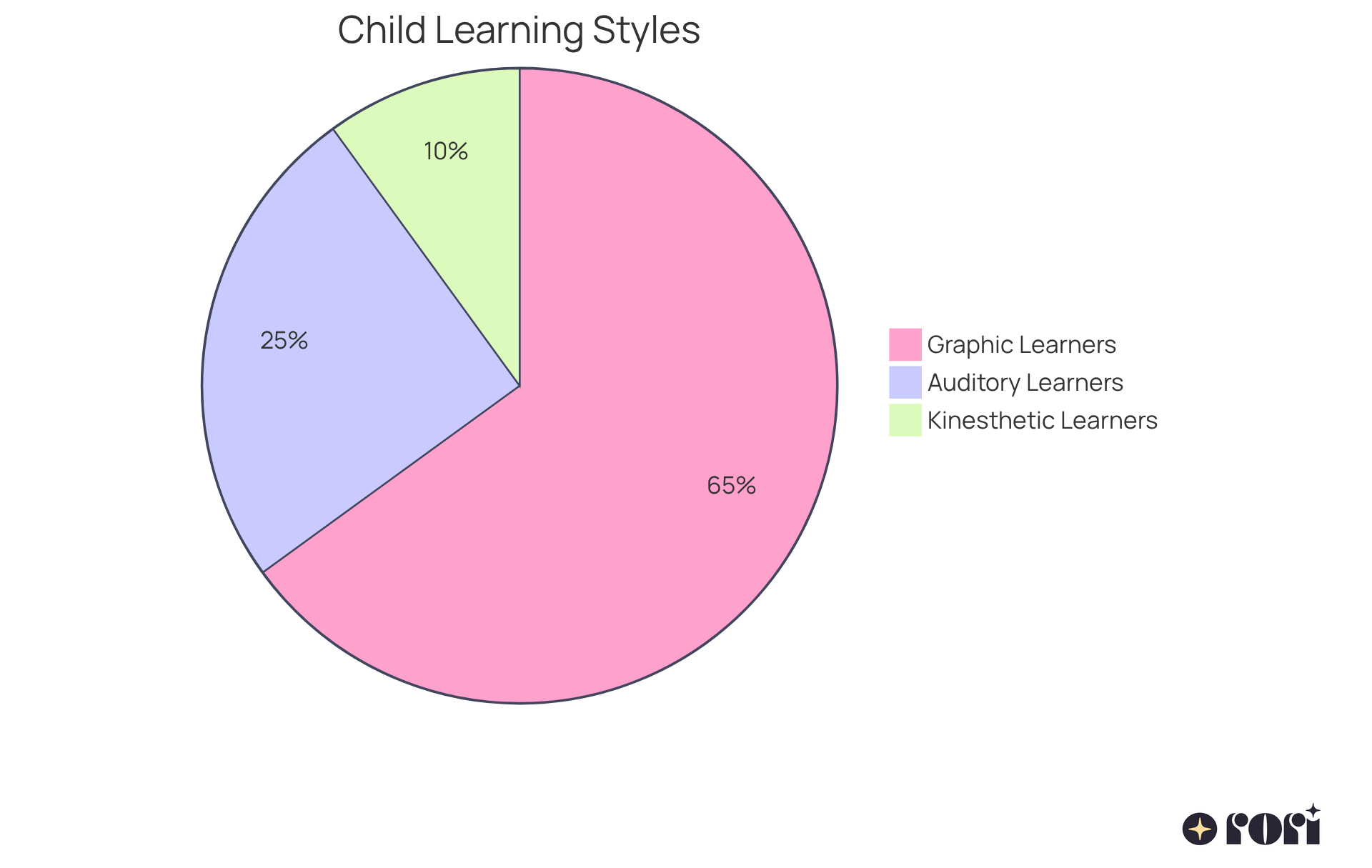
Understanding your child's unique learning style is essential for ensuring that tailored ABA therapy for unique learning styles works effectively for them. Learning styles usually fall into three main categories: graphic, auditory, and kinesthetic.
- Graphic Learners: These kids really shine when they can see things visually. They benefit a lot from tools like charts, pictures, and videos. For instance, using visual schedules can help them grasp daily routines better. Did you know that around 65% of people identify as visual learners? That’s why this approach can be super effective!
- Auditory Learners: If your child learns best through listening, they’re likely an auditory learner. They respond well to verbal instructions and discussions. Incorporating storytelling or songs into therapy can really boost their engagement. About 20-30% of the population falls into this category, so techniques like recording instructions or using rhythmic patterns can make a big difference.
- Kinesthetic Learners: These kids learn best through hands-on experiences. They often need physical activities to really understand concepts. Think about role-playing or using manipulatives - these can be fantastic ways to teach new skills! Research shows that kinesthetic learners make up about 10-20% of students, highlighting how important it is to include movement in their learning.
By recognizing these styles, you can collaborate with therapists to implement tailored ABA therapy for unique learning styles, creating a more engaging and effective therapy environment that suits your child’s natural inclinations. This personalized approach not only boosts educational outcomes but also strengthens the bond between your child and the therapy process. Let’s explore this together!
Adapt ABA Techniques for Individual Learning Preferences
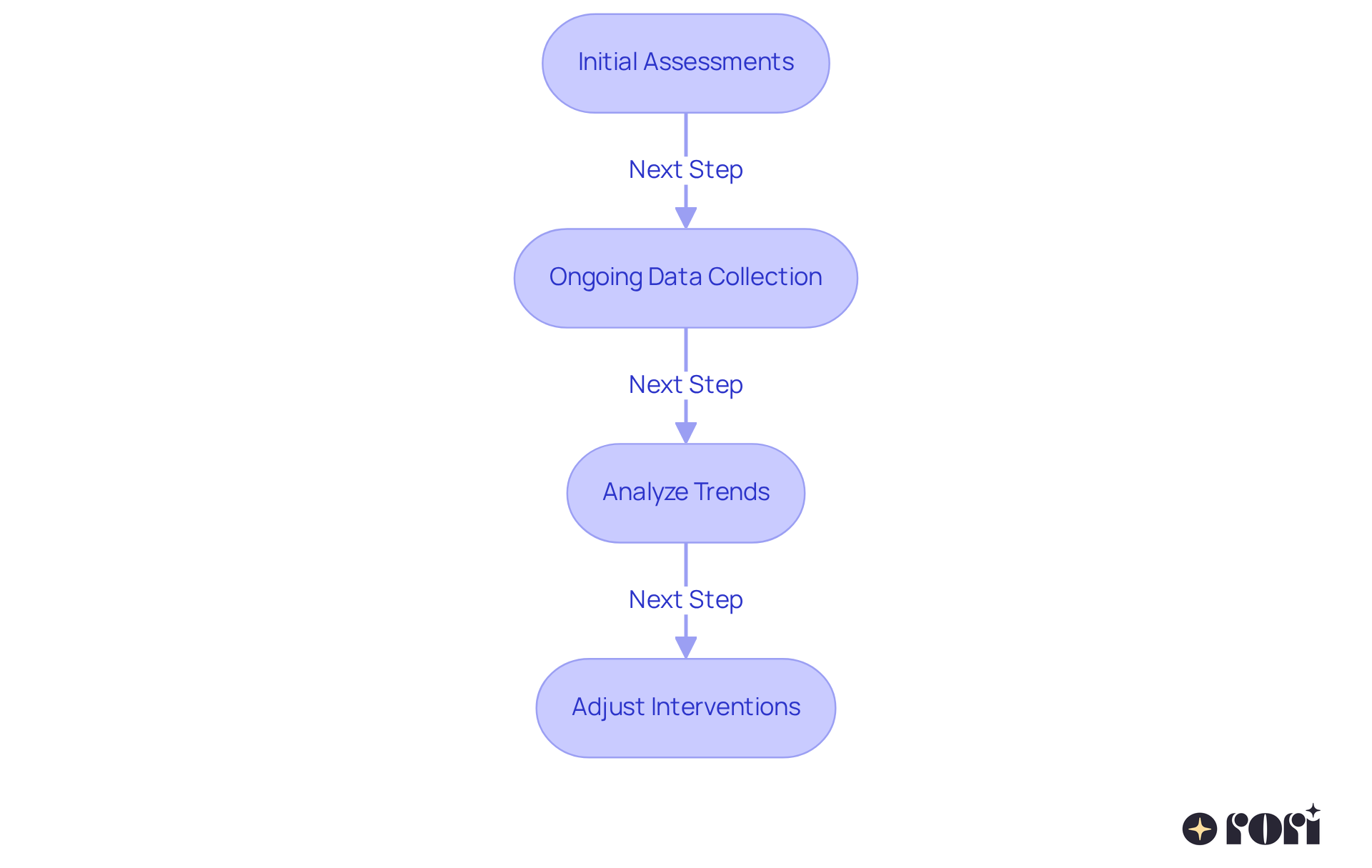
To effectively adapt ABA techniques for individual learning preferences, let’s consider some friendly strategies:
- Supports: If your child benefits from imagery, think about using diagrams, charts, and color-coded materials to illustrate concepts. Research shows that graphical supports, like picture schedules and social stories, can really boost communication and participation for individuals with autism. These visual cues help make abstract ideas more tangible, leading to smoother transitions and less anxiety.
- Auditory Reinforcement: For those auditory learners out there, why not incorporate verbal praise, storytelling, and discussions into your sessions? Studies indicate that auditory learners retain over 75% of what they hear, so using songs or rhymes can create engaging and memorable educational experiences. Interactive stories and audio recordings can also enhance how they process information.
- Hands-On Activities: If your child is a kinesthetic learner, consider adding movement to their education. Activities like building with blocks or playing interactive games allow them to grasp concepts through physical involvement. Implementing tailored ABA therapy for unique learning styles not only boosts engagement but also supports emotional health, which is crucial for individuals with autism.
- Flexible Teaching Methods: Be ready to switch things up based on how your child responds. For instance, if a young learner struggles with a visual approach, mixing in more auditory or kinesthetic elements might work wonders. Keeping an eye on how things are going and adjusting your teaching methods is key to successful education, ensuring that each child’s unique needs are met.
By adjusting methods to suit personal preferences, you can create a more efficient and enjoyable experience for your child. Let’s explore this together!
Utilize Data-Driven Assessments for Personalized Therapy
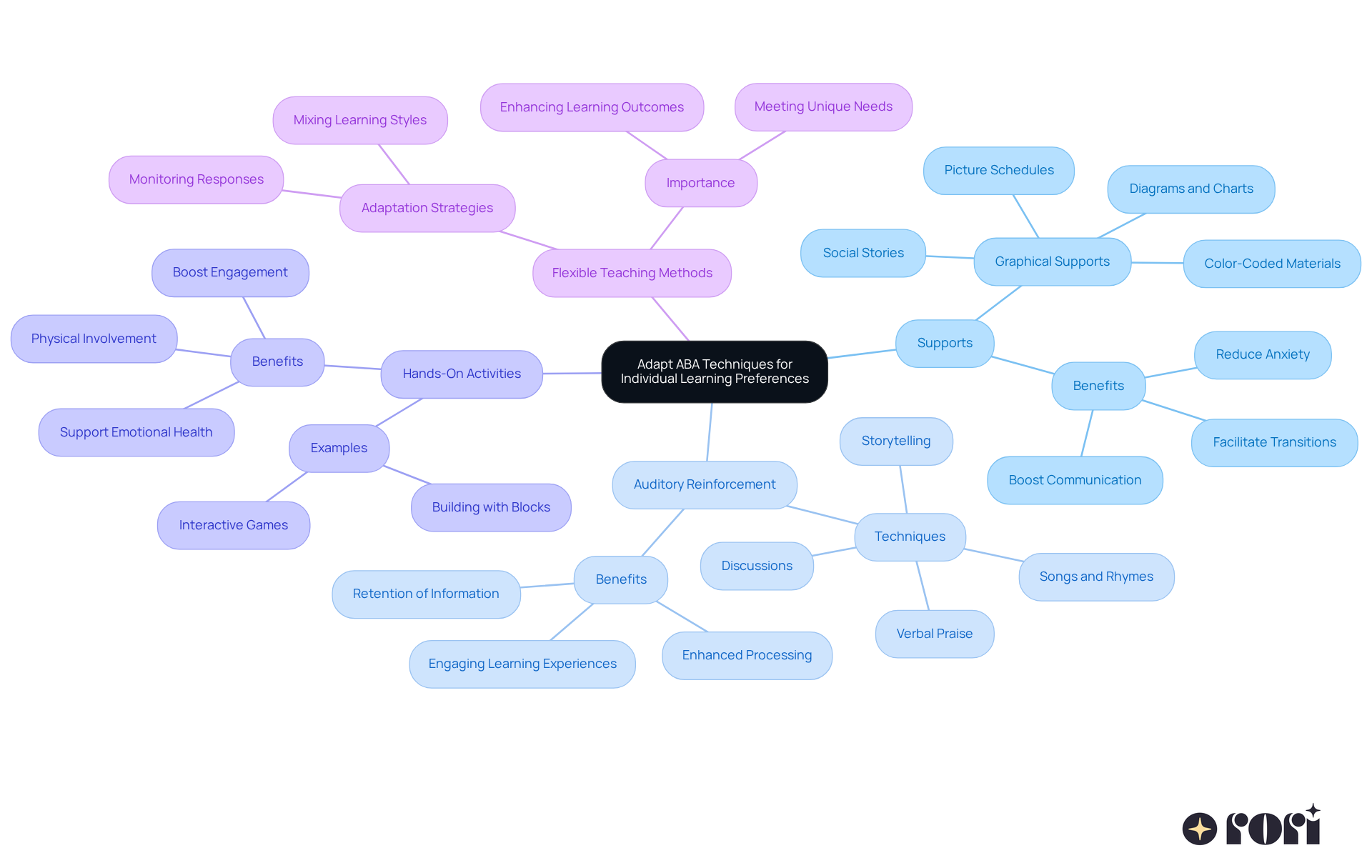
Data-driven assessments are super important for crafting personalized ABA therapy plans. Let’s break down some essential steps to make this process effective:
- Initial Assessments: Start with thorough evaluations to set a baseline. This means looking at your child’s strengths, challenges, and preferred learning styles. It’s all about understanding where they’re at!
- Ongoing Data Collection: Keep gathering data on how your child is progressing. Focus on specific behaviors, skill acquisition, and how they respond to different interventions. Digital tools and visual aids like charts can really help track this info. At Rori Care, we use cutting-edge AI technology to automate data collection during sessions, ensuring that sensitive information is stored securely and anonymously.
- Analyze Trends: Regularly check the data to spot patterns. For instance, if your child thrives with visual aids but struggles with verbal instructions, that’s a key insight for future strategies. Our AI-driven behavior care engine even generates automatic progress reports for clinicians, saving therapists time on paperwork so they can focus more on your child.
- Adjust Interventions: Use the data to make smart decisions about treatment techniques. If something isn’t working, be flexible and try new approaches that fit your child’s evolving needs. Remember, it’s not about how many hours are spent in sessions, but the quality of those interventions. By freeing up 50% more time for direct youth treatment, Rori Care helps therapists concentrate on what truly matters: personalized support that maximizes growth and development.
By embracing data-informed evaluations and innovative AI solutions, parents can ensure that their child receives tailored ABA therapy for unique learning styles, leading to better outcomes. However, we know that collecting and analyzing data can be time-consuming. When patterns of limited progress emerge, Rori Care's ABA therapists employ tailored ABA therapy for unique learning styles, adjusting strategies or teaching methods to ensure your child receives the personalized support they need to thrive.
Let’s explore this together! We’re here to help you every step of the way!
Engage Families in the Tailoring Process
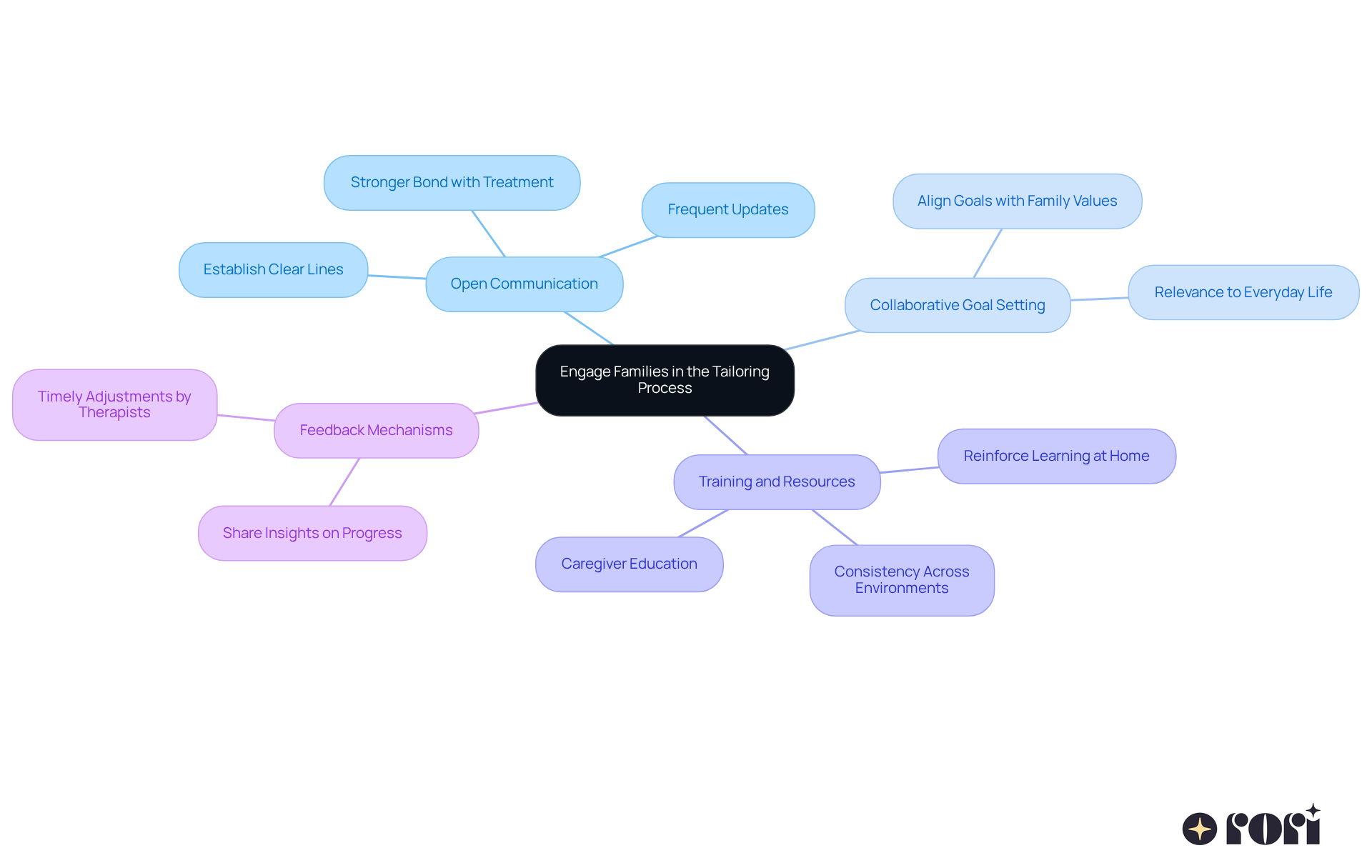
Family involvement is truly a cornerstone of effective ABA treatment! Let’s dive into some friendly strategies to help families get involved in the tailoring process:
- Open Communication: It’s all about establishing clear lines of communication between therapists and families. Frequent updates on advancements and obstacles are key! Studies show that kids with involved parents tend to improve faster, creating a stronger bond with the treatment process.
- Collaborative Goal Setting: Why not involve families in setting treatment goals? This way, the goals align with the family’s values and priorities, making the treatment more relevant to the child’s everyday life.
- Training and Resources: Providing families with training on ABA techniques can be a game-changer! Many ABA providers, like Rori Care, offer caregiver education as part of their programs. This empowers caregivers to reinforce learning at home, ensuring consistency across different environments and boosting their ability to support their child’s behavioral goals.
- Feedback Mechanisms: Creating opportunities for families to share their input on the treatment process is so important! Parents have valuable insights into their child’s needs and progress, allowing therapists to make timely adjustments based on real-world experiences, which ultimately enhances the treatment’s effectiveness.
By engaging families in the tailoring process and equipping them with knowledge and strategies, parents can foster a supportive environment that boosts the effectiveness of ABA therapy and paves the way for long-term success for their child. Let’s explore this together!
Conclusion
Recognizing and adapting ABA therapy to fit a child’s unique learning style is so important for creating effective educational experiences. When parents and therapists understand whether a child learns best through visuals, sounds, or hands-on activities, they can tailor interventions that resonate with those natural preferences. This not only boosts engagement but also leads to better outcomes!
The article highlights how personalized approaches in ABA therapy can make a real difference. For instance, using visual aids can really help graphic learners, while storytelling can captivate auditory learners. And let’s not forget our kinesthetic learners - engaging them through hands-on activities can spark their interest! Plus, with data-driven assessments, therapy can be adjusted based on each child’s progress, ensuring a responsive and effective treatment plan. Family involvement is key here, too! Open communication and collaborative goal setting can significantly enhance a child’s success in therapy.
In conclusion, embracing tailored ABA therapy supports the diverse learning preferences of children and strengthens the partnership between families and therapists. By actively participating in the process and using effective strategies, parents can create an enriching environment that promotes growth and development. Let’s prioritize these practices to ensure every child gets the personalized support they need to thrive. We’re here to help you every step of the way!
Frequently Asked Questions
Why is it important to recognize unique learning styles in children?
Recognizing unique learning styles is essential for ensuring that tailored ABA therapy works effectively for children, leading to better engagement and educational outcomes.
What are the three main categories of learning styles?
The three main categories of learning styles are graphic, auditory, and kinesthetic.
What characteristics define graphic learners?
Graphic learners excel when they can see information visually and benefit from tools like charts, pictures, and videos. For example, visual schedules can help them understand daily routines better.
How prevalent are graphic learners among the population?
Approximately 65% of people identify as visual learners.
What defines auditory learners?
Auditory learners learn best through listening and respond well to verbal instructions and discussions. Techniques like storytelling or songs can enhance their engagement.
What percentage of the population are auditory learners?
About 20-30% of the population are auditory learners.
What are the key traits of kinesthetic learners?
Kinesthetic learners learn best through hands-on experiences and often require physical activities to understand concepts. Methods like role-playing and using manipulatives are effective for them.
How common are kinesthetic learners?
Kinesthetic learners make up about 10-20% of students.
How can recognizing learning styles improve ABA therapy?
By recognizing learning styles, parents can collaborate with therapists to implement tailored ABA therapy, creating a more engaging and effective therapy environment that aligns with the child's natural inclinations.
What are the benefits of a personalized approach to therapy?
A personalized approach not only boosts educational outcomes but also strengthens the bond between the child and the therapy process.
List of Sources
- Recognize Unique Learning Styles in Children
- Learning style preference and the academic achievements of medical students in an integrated curriculum - PMC (https://pmc.ncbi.nlm.nih.gov/articles/PMC10994608)
- Understanding Learning Styles in Children and Teens - CWC (https://cwcpediatrics.com/2026/03/17/understanding-learning-styles-in-children-and-teens)
- Inspiring and Insightful Autism Quotes | Advanced Autism Services (https://advancedautism.com/post/autism-quotes)
- Visual Learning: Understanding the 65% Prevalence Rate (https://nikkiwordsmith.com/visual-learning)
- Inspiring Autism Quotes That Celebrate Uniqueness - Hello ABA Therapy (https://helloaba.com/inspirational-autism-quotes)
- Adapt ABA Techniques for Individual Learning Preferences
- Inspirational ABA and Autism Quotes - Mrs. Moe's Modifications (https://mrsmoesmodifications.com/inspirational-aba-and-autism-quotes)
- Auditory Learning Techniques for Autism | Bluebell ABA (https://bluebellaba.com/blog/auditory-learning-techniques-for-autism)
- Auditory Learner: Characteristics & Benefits (https://bau.edu/blog/auditory-learner)
- Using Visual Aids in Autism (https://crossrivertherapy.com/articles/using-visual-aids-in-autism)
- The Effectiveness of Visual Supports for Students with Autism Spectrum Disorder - (https://naset.com/publications/autism-spectrum-disorders-series/the-effectiveness-of-visual-supports-for-students-with-autism-spectrum-disorder)
- Utilize Data-Driven Assessments for Personalized Therapy
- The role of data in customizing ABA therapy plans (https://crossrivertherapy.com/articles/the-role-of-data-in-customizing-aba-therapy-plans)
- The Benefits of Data-Driven Decision Making in ABA Therapy | Advanced Autism Services (https://advancedautism.com/post/the-benefits-of-data-driven-decision-making-in-aba-therapy)
- Data-Driven Progress: How ABA Tracks Your Child’s Growth | Axis Therapy Centers (https://axistherapycenters.com/2025/04/11/data-driven-progress-aba-tracks-child-growth)
- The Importance of Data-Driven Decision-Making in ABA Therapy (https://ambitionsaba.com/resources/the-importance-of-data-driven-decision-making-in-aba-therapy)
- Data-driven, client-centric applied behavior analysis treatment-dose optimization improves functional outcomes - PMC (https://pmc.ncbi.nlm.nih.gov/articles/PMC9672611)
- Engage Families in the Tailoring Process
- The Impact of ABA Therapy on Families (https://magnetaba.com/blog/the-impact-of-aba-therapy-on-families-f83d2)
- How Parent Involvement Can Enhance the Effectiveness of ABA Therapy (https://buildingblockstherapy.org/blog/how-parent-involvement-can-enhance-the-effectiveness-of-aba-therapy)
- Parent-Led Applied Behavior Analysis to Impact Clinical Outcomes for Individuals on the Autism Spectrum: Retrospective Chart Review - PMC (https://pmc.ncbi.nlm.nih.gov/articles/PMC11540247)
- Maximizing ABA Therapy Outcomes: The Importance of Parental Involvement - Cultivate BHE (https://cultivatebhe.com/maximizing-aba-therapy-outcomes-the-importance-of-parental-involvement)
- Unlocking Potential: How Parental Engagement Enhances ABA Therapy Outcomes | Step Ahead ABA (https://stepaheadaba.com/blog/the-importance-of-parent-involvement-in-aba-therapy-sessions)