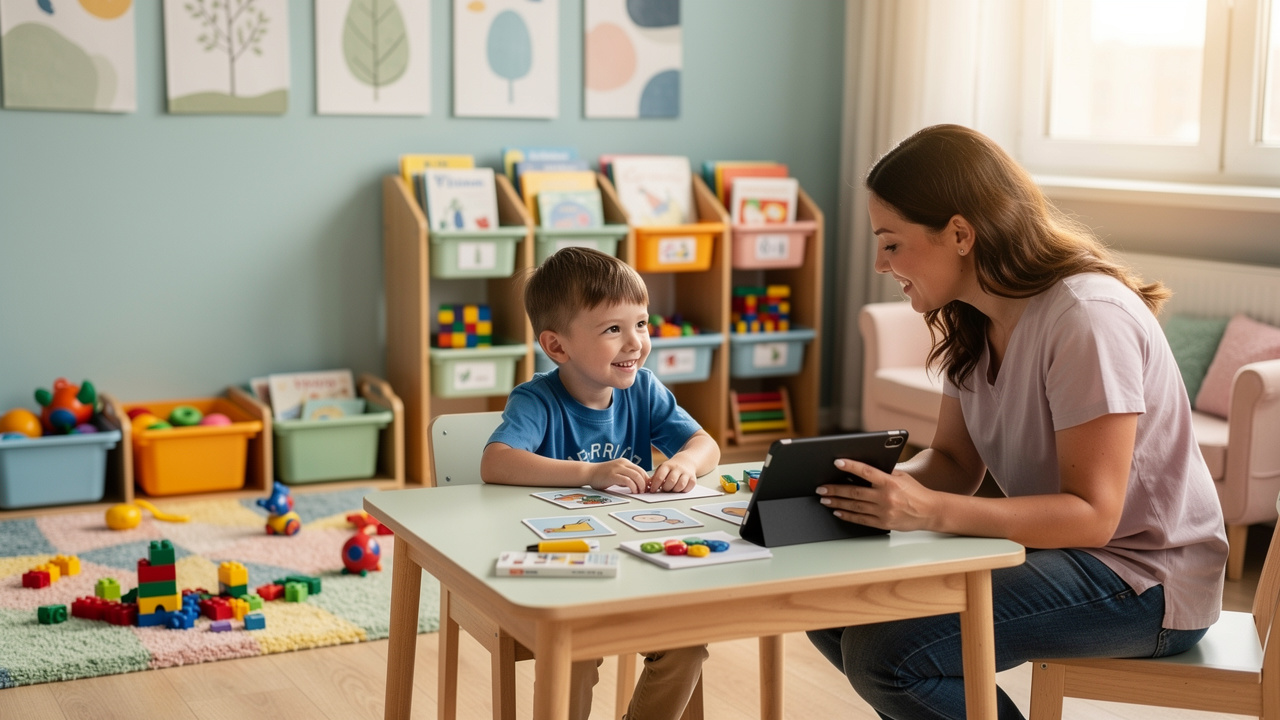
Sensory play is a captivating and educational activity for children that engages their senses and fosters their development. From exploring diverse textures to creating colorful rice, sensory play offers a wide range of experiences that benefit children's cognitive, language, and motor skills. It is particularly valuable for children with autism and sensory processing disorders, helping them expand their sensory awareness and develop coping strategies. In this article, we will delve into the world of sensory play, exploring its benefits, its role in child development, and how parents can incorporate it at home. We will also discuss the importance of sensory play for children with autism and highlight resources and success stories that exemplify its transformative power. Additionally, we will explore the future potential of integrating technology into sensory play, opening up new avenues for exploration and learning. Join us as we embark on a journey of discovery and understanding of the power of sensory play in a child's life.
is a type of activity that stimulates a child's senses: touch, smell, taste, sight, and hearing. These activities are designed to support by encouraging them to explore and naturally use their senses. can involve any activity that engages these senses, from playing with sand and water to and materials. It's a fun and engaging way for children to learn about their world and .
Sensory play plays a crucial role in . It helps children to build cognitive, linguistic, and creative skills. It also supports physical development, including and coordination. Sensory play can also help children to understand their senses and how to use them. This understanding can help children to navigate their world, understand their bodies, and develop a .
For children with Autism Spectrum Disorder (ASD), can be particularly beneficial. Many children with ASD have and may find certain textures, sounds, or smells overwhelming. can help these children to explore their senses in a safe and controlled environment, helping them to manage their sensitivities and develop . It can also support , as many sensory play activities are and communication with others.
We Rock the Spectrum Lubbock is a unique facility that offers a range of for children with autism. The center features a variety of , including swings, a trampoline, and a zip line. These features are designed to provide a safe and fun environment for children to explore their senses and engage in sensory play. The center also offers a range of programs and activities that incorporate sensory play, providing children with a variety of opportunities to and develop their skills.
There are numerous success stories from families who have benefited from the at We Rock the Spectrum Lubbock. One such story is of a young boy with ASD who, after regular visits to the center, showed in his and ability to manage his . Another success story involves a girl with ASD who developed her and coordination through regular sensory play at the center. These stories highlight the for children with autism.
Parents can also incorporate into their child's routine at home. This can be as simple as providing a for your child to explore, such as sand, water, or play dough. Parents can also create sensory bins filled with for their child to explore. Additionally, everyday activities, like , can provide opportunities for . The key is to provide a for your child to and learn through play.
When encouraging for , it's important to consider the child's and preferences. Some children may be sensitive to certain textures or sounds, so it's important to introduce new gradually and in a controlled manner. It can also be helpful to incorporate into a routine, as many thrive on predictability. Finally, remember that the goal of sensory play is to provide a fun and for your child, so follow their lead and let them explore at their own pace.
Looking to the future, there is great potential in integrating technology into sensory play. Companies like Rori Behavioral Innovations Inc. are exploring the use of to each child's . This could involve using technology to and progress, or using virtual reality to . As technology continues to advance, the possibilities for are endless.
In conclusion, sensory play is a captivating and educational activity for children that engages their senses and fosters their development. It offers a wide range of experiences that benefit children's cognitive, language, and motor skills. Sensory play is particularly valuable for children with autism and sensory processing disorders, helping them expand their sensory awareness and develop coping strategies. It also plays a crucial role in language development and enhances small motor skills and coordination. Sensory play offers a healthy outlet for children to diffuse tension and soothe emotional upsets.
The benefits of sensory play extend beyond the immediate joy of play. It lays a strong foundation for children's development, helping them understand the world through their senses. Sensory play is an essential tool for children with autism, offering them a safe and controlled environment to explore their senses, manage sensitivities, and develop social skills. Resources like Sensory Lifestyle provide valuable support and guidance for parents seeking to incorporate sensory play into their child's routine. Additionally, innovative advancements in technology, such as social companion robots like Moxie, hold great potential for enhancing sensory play experiences in the future.
To provide your child with the transformative benefits of sensory play, start incorporating it into your daily activities at home. Introduce a variety of textures, create sensory bins filled with different materials, and engage your child in everyday tasks that offer sensory experiences. Embrace the mess and the learning opportunities that come with it. Remember to consider your child's unique preferences and pace when introducing new sensory experiences. By creating a safe and nurturing environment for sensory play, you can support your child's cognitive, social, emotional, and physical development.