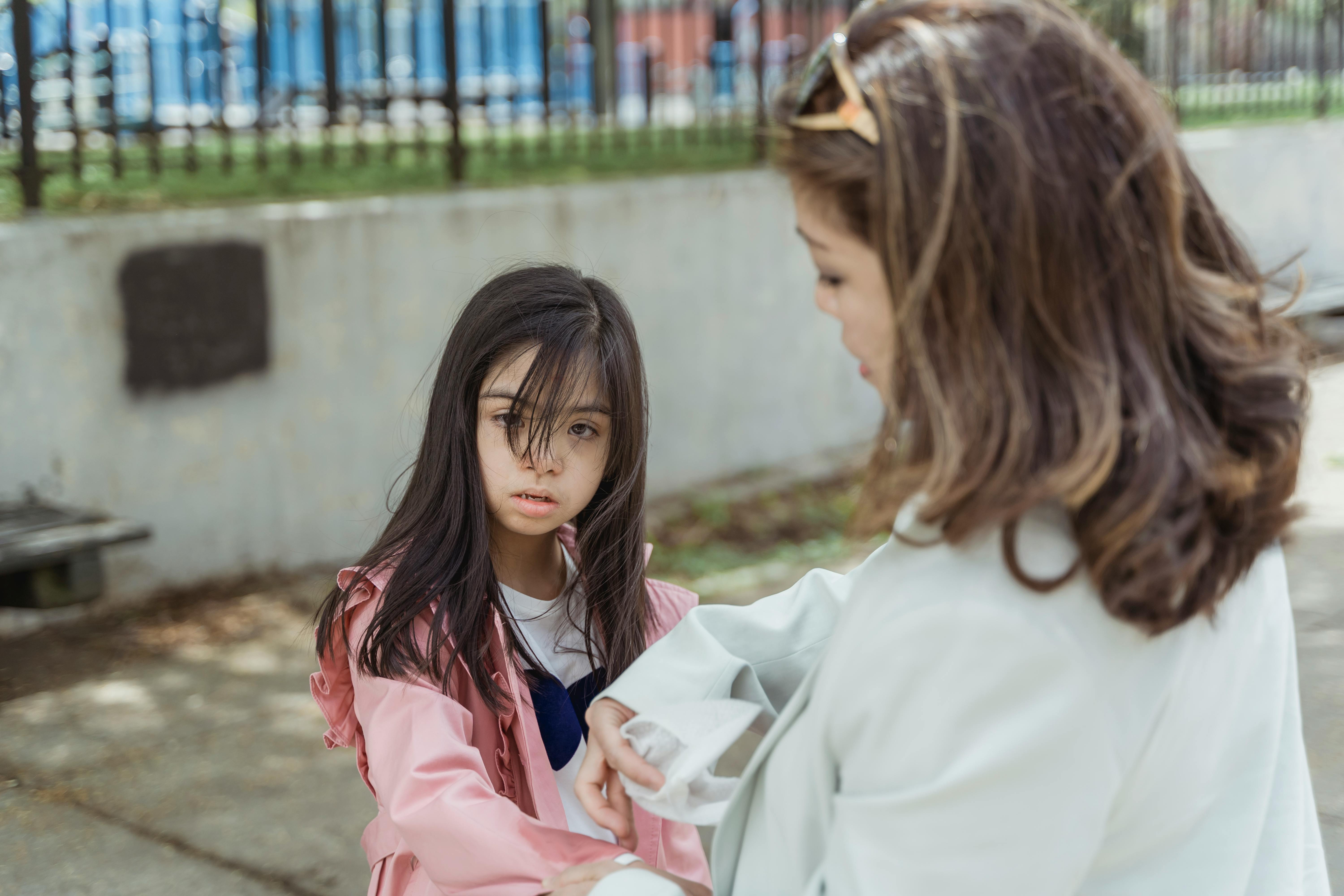
Autism Spectrum Disorders (ASD) encompass a variety of neurodevelopmental challenges that affect communication, social interactions, and behavior. Understanding ASD is crucial for effectively supporting children with autism and tailoring interventions to meet their unique needs. The intersection between mental health and social participation is particularly important for children with ASD, who may experience additional emotional and behavioral problems.
Recent shifts in autism research methodologies emphasize the need for robust evidence to guide clinical interventions, highlighting the importance of high-quality research in evaluating the impact of interventions on autistic children and their families. The personal accounts of researchers engaged with young children with autism demonstrate the profound impact interventions can have on their progress, especially in communication skills. In Australia, the comprehensive assessment for ASD diagnosis and the National Disability Insurance Scheme exemplify the structured approach to supporting children with autism.
As our understanding and support mechanisms for children with autism continue to advance, it is crucial to ground interventions in rigorous research, compassionate care, and a commitment to providing equal opportunities for every child.
Autism Spectrum Disorders (ASD) encompass a variety of neurodevelopmental challenges that manifest in communication, social interactions, and behavioral patterns. To effectively support children with autism, a profound comprehension of ASD is crucial, as it informs the selection of interventions tailored to each child's unique needs. The intersection between mental health and social participation is especially salient for children with disabilities, including those with ASD, who may experience additional emotional and behavioral problems (EBP).
Equity in opportunities for engaged, peaceful, and well-supported involvement in educational, domestic, and leisurely activities is vital for these children's mental health and overall well-being.
Recent shifts in autism research methodologies, such as the transition from quasi-experimental studies to randomized controlled trials, underscore the importance of robust evidence to guide clinical interventions. This evolution in study approaches reflects a growing recognition of the need for high-quality research that can effectively evaluate the impact of interventions on autistic children and their families.
Moreover, the critical evaluation of nonpharmacological intervention studies has highlighted common design flaws, emphasizing the necessity for research that not only assesses effectiveness but also considers potential risks and the extent of meaningful change. The role of autistic individuals in advocating for further underlines the significance of respect in research involving people with autism.
The personal accounts of researchers engaged with young children with autism reveal the profound impact that interventions can have on the children's progress, especially in communication skills. The ongoing dialogue between scientific discovery and real-world application is crucial for keeping caregivers informed and up-to-date on therapeutic approaches and medications, thereby enabling them to make well-informed decisions for their children's care.
In Australia, the comprehensive assessment for ASD diagnosis by a multidisciplinary team and the National Disability Insurance Scheme (NDIS) exemplify the structured approach to supporting children with autism. Early intervention programs, which concentrate on communication, social skills, and behavior management, play an essential role in enhancing developmental outcomes. The collective efforts of governmental and non-governmental organizations contribute to the support network available to families navigating the complexities of autism.
As we continue to advance our understanding and support mechanisms for children with autism, it is imperative to ensure that our interventions are grounded in rigorous research, compassionate care, and a commitment to making 'the race fair' for every child.
For children with autism, the ability to communicate effectively is a critical aspect of their development and overall well-being. It empowers them to articulate their needs, preferences, and feelings, which can lead to stronger social connections and a decrease in frustration. Through research, we understand that , such as those targeting communication skills, are not only valuable but necessary.
Studies have highlighted that these interventions often face methodological challenges, which can obscure their true impact and potential downsides. However, when applied correctly, they can respect and support the unique needs of autistic children, contributing to a more equitable society as envisioned by Dr. David (Dan) R. Offord, who advocated for fair opportunities for all children.
The Interagency Autism Coordinating Committee (IACC) furthers this vision by fostering collaboration across federal agencies and with stakeholders from the autism community, ensuring a comprehensive approach to autism research and services. The IACC emphasizes the importance of keeping up with the latest research and interventions to provide the best support for children with autism.
Additionally, the integration of gestures with spoken language has been recognized as a valuable tool in enhancing communication for individuals with speech and language difficulties. This 'gesture-speech integration' can enrich the communication experiences of autistic children, providing them with additional ways to express themselves in both clear and complex environments.
In light of these insights, it is clear that caregivers play a pivotal role in understanding and managing interventions for their children. They must balance the benefits and risks of treatments, including medications, and remain informed about new therapeutic approaches. As one expert puts it, it is crucial for caregivers to verify information with professionals and discern what may be questionable or harmful, all while recognizing that research is an ongoing process.
This continuous learning and adaptation are vital in supporting the communicative growth and participation of children with autism in their daily lives.
Functional Communication Training (FCT) stands as a research-backed method that addresses the unique communication challenges faced by children with autism by introducing alternative ways to express themselves, effectively reducing problematic behaviors. Grounded in the well-established practices of Applied Behavior Analysis (ABA), FCT takes into account the underlying reasons for communication, aiming to fulfill the specific needs of each child. It aligns with the philosophy that every child, including those on the autism spectrum, deserves a 'fair race' in life, as articulated by the late Dr. David (Dan) R. Offord, a renowned Child Psychiatrist.
This approach mirrors the broader goal of fostering where children with disabilities can participate fully in educational, home, and recreational settings, which is essential to their mental health and societal equity.
Recent shifts in autism research towards more rigorous randomized controlled trials over quasi-experimental studies underscore the importance of credible interventions like FCT. These methodological improvements come at a critical time when the autism community has raised concerns over the quality and reporting of intervention research. Autistic individuals, whether as participants or researchers, have advocated for the integrity of studies in this field, underlining the intrinsic link between ethical research practices and the respect for individuals with autism.
Furthermore, the recognition of the higher risk of social exclusion for autistic children with co-occurring emotional and behavioral problems underpins the necessity for interventions that are both effective and sensitive to the complexities of their experiences. The aim is to empower caregivers with the necessary resources to nurture their children's development, thus supporting the family's overall well-being. As such, FCT is not just an intervention but part of a larger commitment to ensuring that children with autism are provided with the tools they need to thrive in their communities.
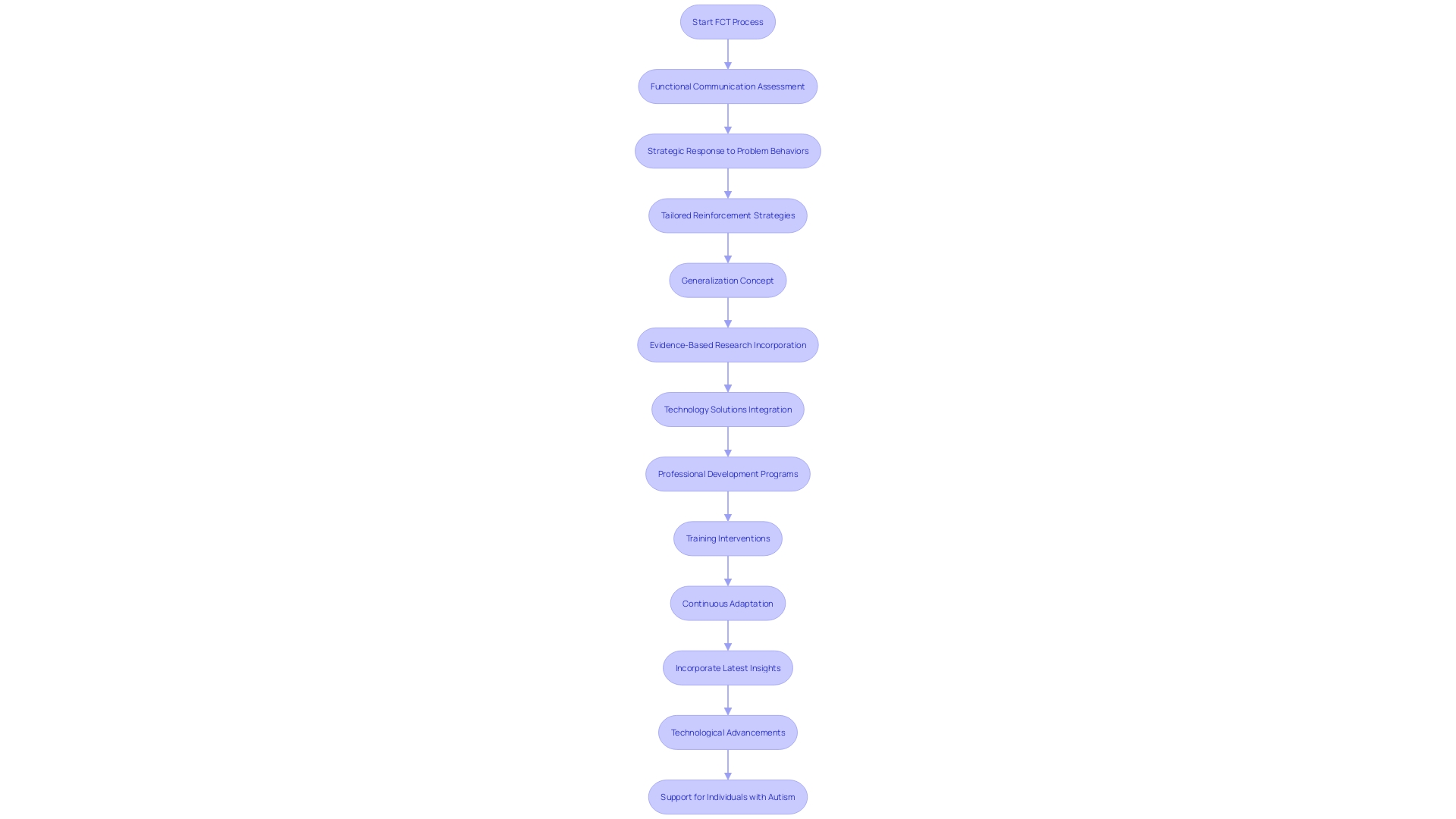
When establishing (FCT) for children with autism, a strategic and systematic approach is paramount. Initially, one must identify the communication objectives tailored to the child's needs. This is followed by an evaluation of the child's existing communication abilities to establish a baseline.
Choosing suitable communication methods is then crucial, whether it involves sign language, picture exchange systems, or technological aids.
Creating an environment that supports practice and the transfer of learned skills across various settings is also essential. This environment should be conducive to learning and free from distractions that might impede the child's progress. Moreover, integrating the child's interests and strengths can facilitate a more natural and motivating learning experience, promoting their engagement and the generalization of communication skills.
The key to FCT's success lies in its adaptability and responsiveness to the individual child, ensuring that the strategies employed resonate with their unique capabilities and challenges. The ultimate aim is to empower children with autism to communicate effectively and confidently in their daily lives, thereby enhancing their overall well-being and ability to participate in society.
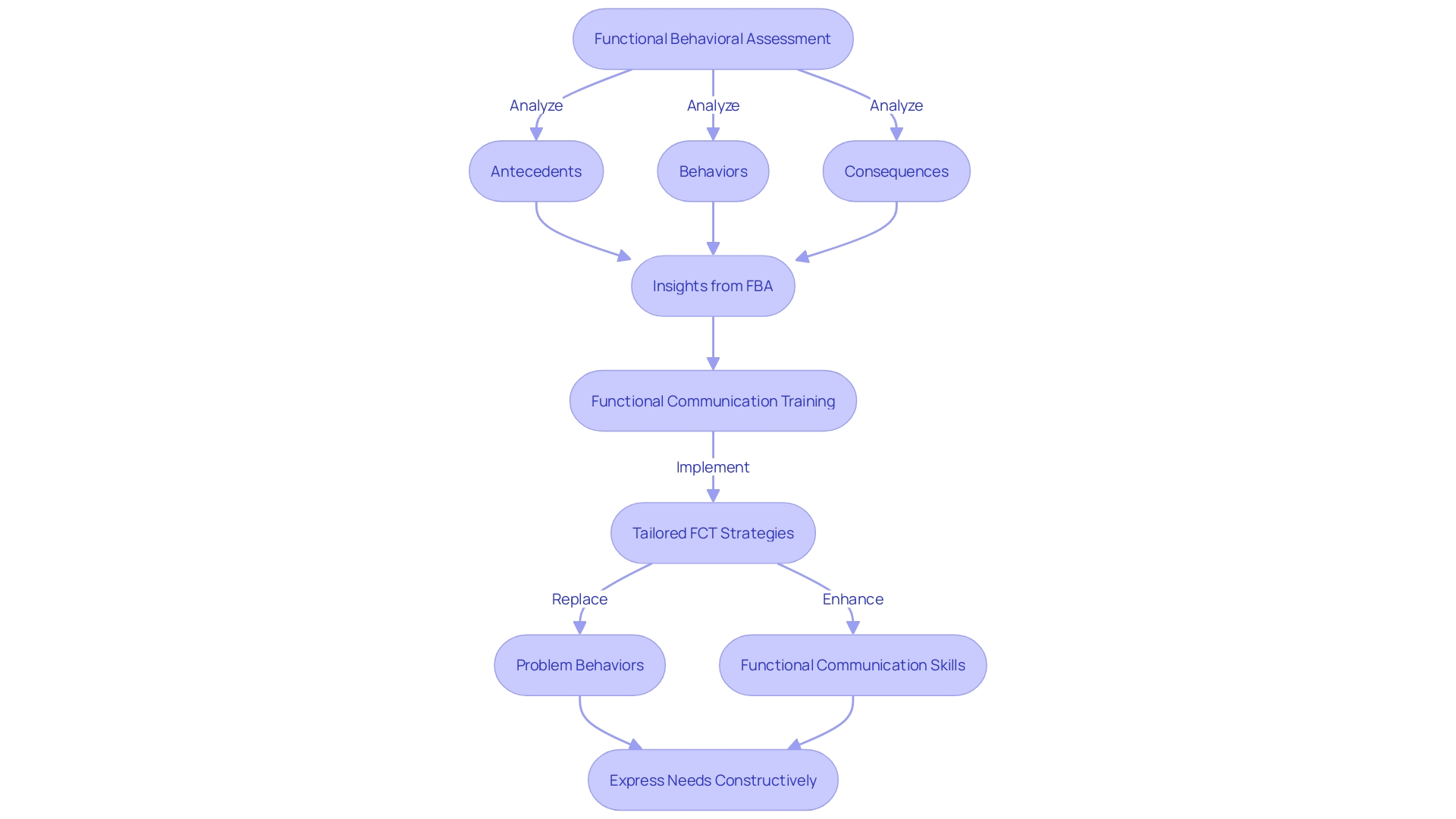
Innovations in technology are providing transformative tools for children with autism to communicate more effectively. Augmentative and alternative communication (AAC) devices, for example, are bridging gaps in functional communication, enabling children to express a wide range of emotions, from joy to surprise, paralleling the Wheel of Emotions which identifies both primary and complex emotional states. Speech-generating devices and comprehensive communication apps are also part of this technological advancement, offering customizable solutions that cater to individual needs, such as sensory sensitivities.
Highlighting the impact of these tools, a pioneering AR application was developed to help autistic patients during dental visits by translating tactile sensations into visual and auditory cues, thus reducing distress caused by sensory stimuli. This is just one example of how technology is being tailored to meet the unique challenges faced by the autism community. Furthermore, non-pharmacological interventions, while diverse, often feature technological components.
However, research indicates a need for more rigorous studies to better assess their effectiveness and safety. Echoing this sentiment, Meryl Alper, author of 'Kids Across the Spectrums', underscores the necessity of real-life research into the everyday uses of media and technology by autistic youth. Technology's potential to unlock communication pathways is further exemplified by initiatives like the one led by the founder of Neurodiversity in Business, who secured funding for in Peterborough, proving to be life-changing for non-speaking children.
As these technological interventions become increasingly accessible, they hold the promise of empowering children with autism to communicate with their world in new and profound ways.
For children with autism, traditional verbal communication can be a formidable challenge, but Augmentative and Alternative Communication (AAC) strategies offer a lifeline. These strategies encompass a range of methods, from picture exchange systems to visual schedules and even sign language, all aimed at bolstering the functional communication skills of children on the spectrum. Embracing AAC means not only enhancing their ability to express needs and thoughts but also fostering a vital sense of independence.
Case studies, like that of 17-year-old Lil transitioning from a specialized school environment to a community-based setting, highlight the profound impact of AAC. In the uncertainty of new places and routines, AAC can provide a consistent and comforting bridge to self-expression. Dr. David (Dan) R. Offord's assertion that every child deserves a 'fair race' resonates deeply here.
By equipping children with the tools to communicate, we level the playing field, allowing them to participate more fully in all life domains—be it school, home, or leisure.
Research has shown that the majority of studies on non pharmacological interventions for autistic children, including those focusing on AAC, suffer from design flaws that obscure their true effectiveness. Nonetheless, the value of AAC remains clear, particularly when considering the integral role of families as communication partners. Families are often primary communicators with children, who spend the majority of their waking hours at home.
This underlines the importance of supporting families in the use of AAC methods.
Recent advancements in access technology further underscore the importance of AAC, with services like AT-Newswire Press Release News Distribution Service bringing vital news to the disabled and neurodivergent community. In tandem with these technological strides, continued focus on improving research quality and reporting in AAC interventions is essential. This will ensure that strategies not only meet the needs of children with autism but also respect and honor their .

Navigating the journey of enhancing functional communication in children with autism can present unique challenges, yet it is a crucial endeavor to prevent the recurrence of difficult behaviors. Approaches to this include persistent surveillance and strengthening of communication abilities, along with identifying and overcoming any obstacles that may obstruct effective interaction. Recognizing the diverse ways autism spectrum disorder (ASD) manifests, it is imperative to understand and support each child's individual communication needs.
As underscored by Dr. David (Dan) R. Offord's words, ensuring that children with disabilities have an equitable 'race' in life necessitates acknowledging their specific needs and the strengths they contribute. This commitment to fairness aligns with mental health and equity, reducing stress and providing resources for caregivers to facilitate robust development and family well-being. For autistic children, especially those confronting co-occurring emotional and behavioral problems, this means fostering their social inclusion in educational and community settings.
Recent findings from a National Center for Special Education Research (NCSER) grant project, building on years of research, highlight the positive communication outcomes for young children with complex communication needs when educators are equipped with effective support strategies. These results reinforce the significance of dedicated training for those who assist children using alternative and augmentative communication (AAC) methods.
In addition, initiatives such as the Kevin and Avonte Program address severe challenges like wandering, emphasizing the importance of community awareness and preparedness. With Medicaid playing a vital role in providing care for many in the autism community, can significantly influence the accessibility and quality of services.
While intervention research for autistic children often reveals design flaws, the insights gained from these studies are invaluable. They point to the necessity for meticulous evaluation of interventions to comprehend their effectiveness, scope, and potential risks. This scrutiny is not only critical for the autism community but serves as a beacon for practices involving populations with hearing and speech needs.
In essence, supporting communication in children with autism is more than a clinical practice; it is an affirmation of respect and a step towards creating a society that values and uplifts every individual, recognizing their unique contributions and ensuring they have a fair chance in the 'race' of life.
Delving into the experiences of families and educators, we discover the transformative impact of functional communication for children with autism. Dr. David (Dan) R. Offord's poignant remark underscores the importance of equitable opportunities, including the need for effective communication strategies to foster mental health and social inclusion. These strategies are not merely beneficial but essential for the well-being and equitable treatment of children with disabilities.
Tales of triumph, such as a father's elation upon witnessing his son's first communication using an electronic device, exemplify the life-altering potential of such technologies. This breakthrough moment not only propelled his son's development but also spurred a commitment to advocate for .
The collaboration between Emirates, Dubai International Airport, and local communities to enhance travel experiences for neurodivergent individuals highlights the broader implications of understanding and supporting unique needs. The airline's initiative to create rehearsal flying experiences caters to the individual fascinations of children like Humza, whose passion for aviation was acknowledged and celebrated through a personalized and supportive journey.
Associate Professor Hala Annabi's insights from the Autism @ Work Playbook further emphasize the value of nurturing the growth and career development of neurodivergent individuals, acknowledging their unique contributions and advocating for their progression.
Amidst these inspirations, it's crucial to recognize the role of families as primary communication partners. Their involvement is pivotal, as children spend a significant portion of their waking lives at home. The constant modeling of Augmentative and Alternative Communication (AAC) usage at home is as vital as it is within educational settings, ensuring that the device becomes an integral part of the child's daily communication.
Collectively, these narratives and insights affirm the necessity of supporting functional communication as a cornerstone for fostering mental health, social participation, and equity for children with autism and other disabilities. The dedication of caregivers, educators, and communities to this cause can lead to profound changes in the lives of these children, allowing them to participate actively and equally in the race of life.
Fostering effective communication in children with autism is a multifaceted endeavor that demands consistent and informed efforts from parents and caregivers. To optimize the development of in these children, it is essential to establish an environment that is abundant in opportunities for communication, integrate visual aids that support understanding and expression, and apply steady positive reinforcement to encourage their progress.
The journey of Lil, a 17-year-old transitioning from special school to a post-16 destination, epitomizes the unique challenges faced by autistic youth during significant life changes. The uncertainty and unfamiliarity associated with new settings and routines can be particularly daunting. However, opportunities such as those offered by Friends of St James Park in Southampton, UK, which include a community café, skills development, and volunteering, illustrate the importance of providing supportive and familiar environments that foster both communication and community engagement.
Dr. David (Dan) R. Offord's poignant reflection on equity in the developmental 'race' of children underscores the necessity for equitable support for all children, including those with disabilities. This is achieved through acknowledging their strengths, alleviating persistent stressors, and ensuring that parents have the resources required to nurture their children's growth and the family's well-being. In line with this, it is vital for caregivers to remain informed about the latest research and medical advice regarding their child’s care, including understanding the implications of prescribed medications and being discerning about information sourced from the internet.
Autism Spectrum Disorder (ASD) presents early in life and is marked by social communication challenges and particular behavior patterns. For children with ASD, especially the 31–55% who also face intellectual disabilities, daily social participation in schools and the wider community can be significantly impacted. Therefore, parents' role in creating an inclusive environment and advocating for their child's unique needs is paramount in ensuring their child does not fall behind in the social race for developmental milestones and mental health equity.
In conclusion, understanding and supporting children with Autism Spectrum Disorders (ASD) is crucial for their well-being and development. Effective interventions, such as Functional Communication Training (FCT) and Augmentative and Alternative Communication (AAC) strategies, can significantly improve communication skills in children with autism.
Australia's comprehensive assessment for ASD diagnosis and the National Disability Insurance Scheme (NDIS) exemplify the structured approach to supporting children with autism. Early intervention programs focusing on communication, social skills, and behavior management play a vital role in enhancing developmental outcomes.
Technology, including AAC devices and communication apps, is transforming communication possibilities for children with autism. These tools empower them to express themselves effectively and participate more fully in various aspects of life.
Individualized approaches to functional communication training, tailored to each child's unique strengths and challenges, are essential. Creating inclusive environments, supporting families as communication partners, and providing equitable opportunities are crucial for the well-being and social inclusion of children with autism.
Case studies and success stories highlight the life-changing impact of functional communication interventions. Families play a vital role as primary communication partners, modeling AAC usage and supporting their child's development.
Parents and caregivers should create communication-rich environments, utilize visual aids, and provide positive reinforcement to foster effective communication. Staying informed about the latest research and medical advice is important, as is advocating for their child's individual needs.
In summary, supporting functional communication in children with autism is key to their mental health, social participation, and overall well-being. By equipping them with the tools they need to communicate effectively, we can create a more inclusive society that values and uplifts every individual, ensuring they have a fair chance in life.
What are Autism Spectrum Disorders (ASD)?
Autism Spectrum Disorders (ASD) are a range of neurodevelopmental challenges that affect communication, social interactions, and behavioral patterns.
Why is it important to understand ASD in children?
Understanding ASD is essential for selecting tailored interventions that meet each child's unique needs, which can help support their mental health, well-being, and participation in educational, domestic, and leisure activities.
How has autism research evolved recently?
Autism research has shifted from quasi-experimental studies to randomized controlled trials, emphasizing the need for high-quality research to evaluate the impact of interventions on autistic children and their families.
What is the significance of nonpharmacological interventions in ASD?
Nonpharmacological interventions, such as those targeting communication skills, are crucial for supporting the unique needs of autistic children and contribute to a more equitable society.
What is Functional Communication Training (FCT)?
FCT is a research-supported method that helps children with autism express themselves, thereby reducing problematic behaviors. It is grounded in Applied Behavior Analysis (ABA) and focuses on fulfilling the specific communication needs of each child.
How is FCT implemented for children with autism?
FCT implementation involves identifying communication objectives, assessing the child’s current abilities, selecting appropriate communication methods, and creating a supportive environment for practicing and transferring skills.
What role does technology play in enhancing functional communication for autistic children?
Technology provides tools like AAC devices, speech-generating devices, and communication apps to help children with autism communicate effectively. Innovations such as AR applications have also been developed to assist autistic individuals in specific situations, like dental visits.
What are Augmentative and Alternative Communication (AAC) strategies?
AAC strategies include methods like picture exchange systems, visual schedules, and sign language to support the communication of children with autism, especially when traditional verbal communication is challenging.
What should be done to prevent the resurgence of difficult behaviors in children with autism?
Persistent surveillance and strengthening of communication abilities are needed, along with identifying and overcoming any obstacles to effective interaction.
What are some success stories related to functional communication in autistic children?
Success stories include instances where autistic children achieve significant communication milestones through the use of technology and supportive environments, and initiatives that cater to the unique needs of neurodivergent individuals.
What are the best practices for parents and caregivers of children with autism?
Parents and caregivers should create communication-rich environments, use visual aids, apply positive reinforcement, stay informed about research and medical advice, and advocate for inclusive environments that acknowledge their child's strengths and unique needs.