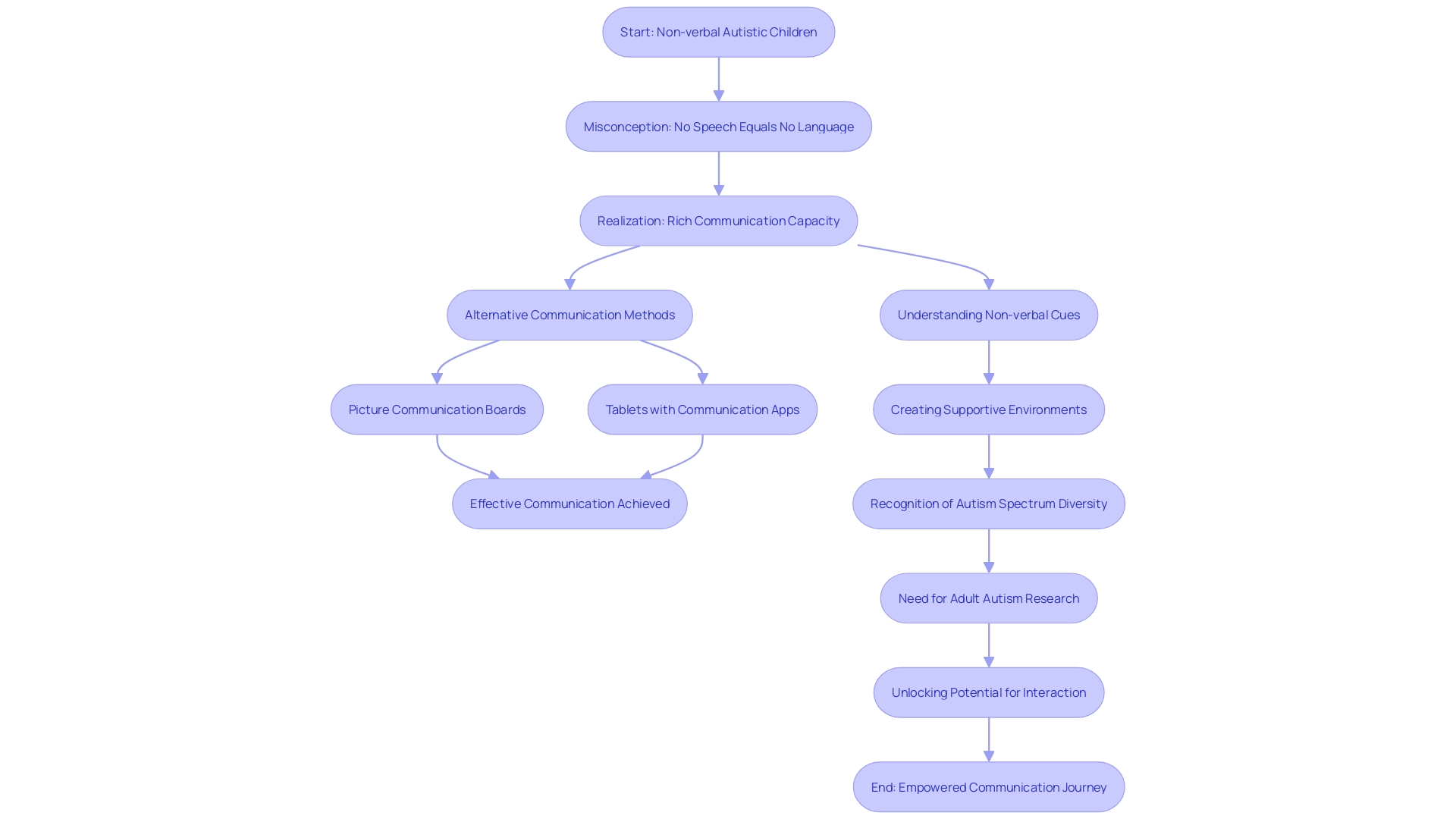
Children on the non-verbal end of the autism spectrum possess a rich and complex capacity for communication and understanding, despite not using spoken language. It is crucial to recognize that the absence of speech does not equate to an absence of language or cognitive ability. Recent incidents, such as a non-speaking autistic teenager using a preschool alphabet toy to communicate his pain, highlight the importance of finding alternative ways to support their communication.
Advancements in technology, like picture communication boards, have revolutionized communication for non-verbal autistic individuals. These tools, along with the inspiring story of Joshie using a tablet to communicate, demonstrate the transformative impact of such technology. Research on social communication and intergroup bias further emphasizes the need to understand the subtle non-verbal cues used by autistic individuals.
With the rise in autism diagnoses in adults, it becomes evident that more research focused on adult autism is necessary to ensure comprehensive support. The stories and statistics collectively underline the untapped potential within non-verbal autistic individuals and the importance of empowering parents with expert advice and valuable insights to promote their children's communication and interaction abilities.
Children on the non-verbal end of the autism spectrum may not use spoken language, but their capacity for communication and understanding can be rich and complex. It's a misconception to equate the absence of speech with an absence of language or cognitive ability. For example, there was a profound moment when a , previously thought to be unable to comprehend his surroundings, used a preschool alphabet toy to communicate his pain, typing 'help me it hurts.' This incident underscores the importance of recognizing the potential within these children and finding alternative ways to support their communication.
Advancements in technology have provided revolutionary tools for individuals. Picture communication boards, for instance, have been a game-changer in promoting . The story of Joshua, who used a , highlights the transformative impact such technology can have. His father's initiative to install 100 picture boards in Peterborough has set a precedent for using to facilitate communication, proving that with the right resources, children with non-verbal autism can make significant strides in their ability to express themselves.
Research into social communication has revealed that genuine smiles, which involve the involuntary activation of small muscles around the eyes, differ from posed smiles that lack this authenticity. This distinction is important as it emphasizes the need to understand the subtle non-verbal cues used by autistic individuals. Furthermore, studies on intergroup bias demonstrate that people favor those more similar to themselves, which can influence the interpretation of non-verbal signals like smiles. These insights can be particularly relevant when creating for non-verbal autistic children, who rely heavily on non-verbal forms of expression.
The increase in in adults from one to 20 per 100,000 in the UK over two decades illuminates the evolving understanding of the spectrum. It also highlights the necessity for more research focused on adult autism, as services for this demographic are not as developed as those for children. The stories and statistics collectively emphasize that non-verbal autistic individuals have a profound, often untapped, potential for communication and interaction, which, with the right support, can lead to fulfilling educational experiences and a greater quality of life.
Children with non-verbal autism face unique challenges in communication that can affect their social interactions and educational development. For these children, typical speech-based communication is not always an option, leading to alternative methods that can significantly enhance their ability to connect with others. For instance, have proven to be a lifeline, offering a visual means for expression. One notable example of this is the campaign by Mr. Harris, founder of Neurodiversity in Business, who secured funding for picture boards in Peterborough, aiding communication for non-verbal individuals. His son, Josh, found a voice through an electronic tablet, underscoring the transformative impact of technology. Such successes reveal the potential for non-verbal autistic children to reach previously unimagined.
Moreover, recent studies, like those by Professor Vikram Jaswal of the University of Virginia, delve into the cognitive capabilities of non-speaking autistic individuals. Jaswal's innovative research using a game-like interface demonstrated that non-verbal autistic individuals could understand and predict language patterns, a revelation that challenges long-held assumptions about their literacy. This finding is crucial as it highlights the need for that acknowledge and harness the of non-verbal autistic individuals.
Despite the potential, statistics show that around one-third of autistic individuals do not communicate effectively through speech, leading to significant limitations in their opportunities. The employment rate for working-age autistic individuals is strikingly low, with only about 3 in 10 being employed, compared to 8 in 10 non-disabled people. This disparity is partly due to a lack of access to effective language-based alternatives to speech. However, initiatives aimed at improving awareness and integrating neurodiverse individuals into the workforce are underway, with the goal of bridging these gaps over the coming years.
The journey towards inclusive communication and education for non-verbal autistic children is one of ongoing discovery and advocacy. Stories of personal triumph, like that of Mr. Harris's son, and academic research are paving the way for a future where every individual's potential can be recognized and supported, irrespective of their verbal abilities.
Supporting non-verbal autistic children effectively requires diverse communication strategies that transcend traditional speech. serve as a cornerstone of this approach, providing children with a clear and consistent way to comprehend routines and instructions. Through pictures, symbols, and visual schedules, they gain a foundation for understanding their world.
In the realm of , sign language, picture exchange communication systems (PECS), and speech-generating devices open new avenues for children to express themselves. These tools are not just about facilitating basic needs but also about enabling the sharing of thoughts and feelings.
Encouraging imitation through play activities and the use of toys and gestures can foster the development of . Not only does this promote interaction, but it also aids in the which is pivotal for children who do not rely on spoken language.
, with their narrative format, are instrumental in teaching about social cues, emotions, and expected behaviors in various situations. They provide a structured way for children to learn and predict social outcomes, which is essential for their integration into social contexts.
Behind these strategies is the profound impact they have on real lives. Elizabeth Bonker's initiative, , exemplifies the power of advocating for nonspeakers with autism, striving to grant them the opportunity to learn and communicate. Similarly, the breakthrough moment for Mr. Harris's son, who began to communicate through an electronic tablet, highlights the transformative impact of technology on non-verbal children's ability to engage with their environment.
Research, such as the study led by Professor Vikram Jaswal, further underscores the importance of recognizing the literacy capabilities of nonspeaking autistic individuals. Innovative methods like the 'Whac-a-Mole' style tablet games demonstrate that nonspeaking individuals can indeed process language in ways similar to their speaking counterparts, thereby challenging preconceived notions about their communication potential.
The integration of gesture and speech, as noted in scholarly work, also plays a significant role. Gestures enrich communication by conveying meaning beyond what is possible with speech alone, offering a nuanced and comprehensive approach to interaction.
These strategies and insights collectively underscore the imperative of supporting non-verbal autistic children in a manner that is not only empathetic and informed but also grounded in the latest research and real-world success stories.

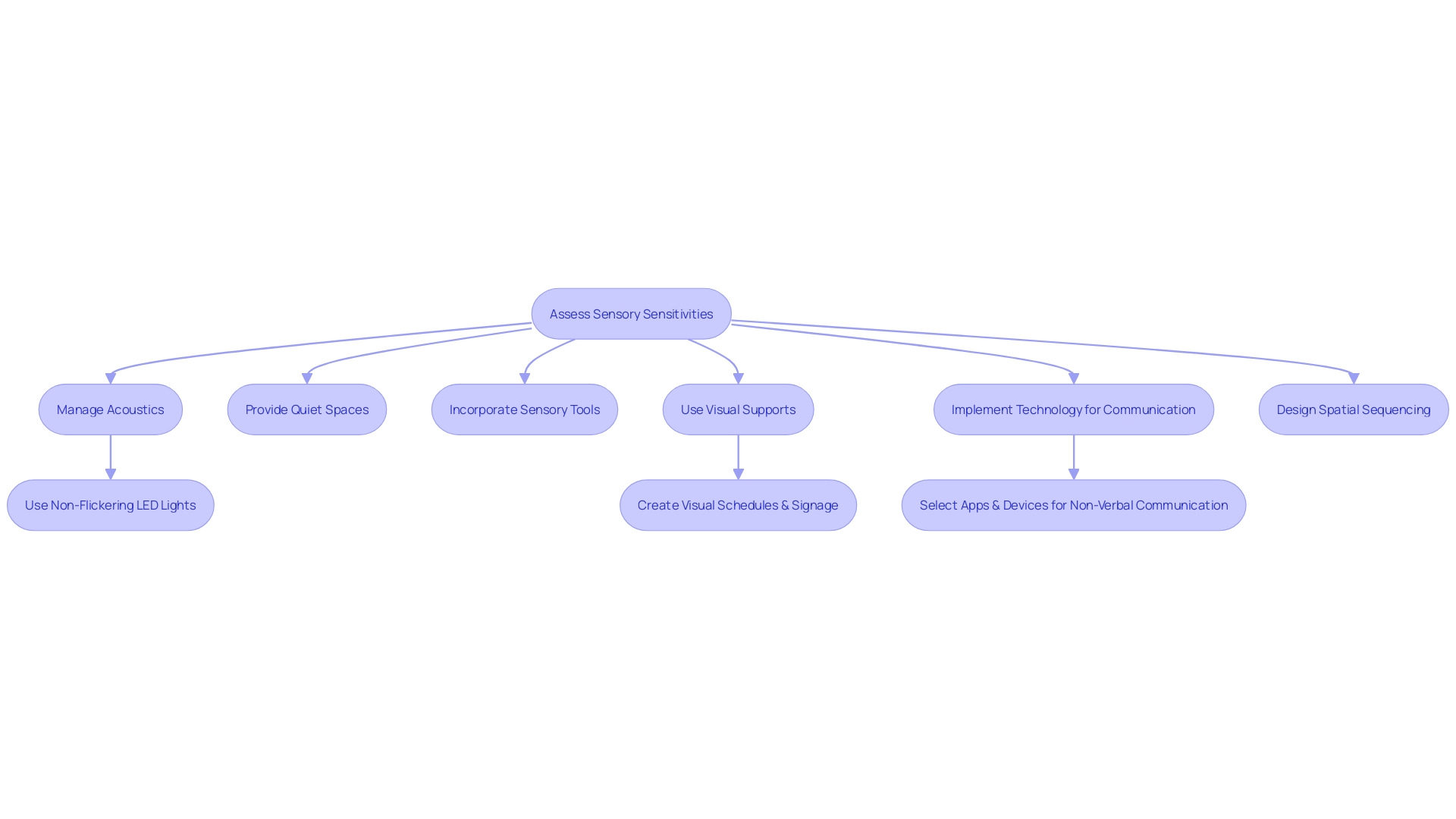
Establishing a sense of structure and predictability can be immensely reassuring for . Consistent routines allow these children to anticipate what comes next, reducing anxiety and helping them to navigate their day with more confidence. Creating , as well, is critical. By managing stimuli and providing quiet spaces and sensory tools, we can alleviate the sensory overload that often distresses non-verbal children on the spectrum.
, such as schedules and prompts that use images instead of words, are invaluable tools for non-verbal autistic children. They offer clear guidance on expectations and daily activities. Take, for example, the case of a six-year-old child with autism who found it challenging to engage with his classmates during a school project. Only when the activities included enactive and visual elements, like creating a statue or designing a garden with tangible materials, did he begin to participate, demonstrating the power of visual and sensory-friendly approaches.
Moreover, in supporting non-verbal communication. The story of Joshua, who began to communicate by pointing to pictures on a tablet, highlights the transformative impact technology can have. Joshie's father, Mr. Harris, successfully campaigned for picture boards in Peterborough, emphasizing the minimal investment required for a potentially life-changing communication aid.
In another poignant example, a non-speaking autistic teenager, presumed to be unable to understand, astoundingly reached out for help by typing on an alphabet toy, illustrating the profound need to recognize the capabilities and methods of communication that non-verbal autistic children possess.
In line with these insights, programs such as those provided by Emirates and Dubai International Airport have introduced rehearsal flying experiences. These initiatives help neurodivergent passengers familiarize themselves with the travel process, demonstrating a commitment to integrating into everyday life.
Such stories and initiatives underscore the importance of creating that cater to the unique communication needs of non-verbal autistic children. By doing so, we honor the notion that everyone deserves a fair race, as advocated by Dr. David Offord, ensuring that neurodivergent children are engaged, supported, and valued in all aspects of life.
Tailoring support to the individual needs of is paramount. A multifaceted approach is often most effective:
Supporting non-verbal autistic children effectively means recognizing their potential and working tirelessly to unlock it, much like the inspiring story of Mr. Harris' son who, with the aid of technology, managed to communicate in ways previously thought impossible. Such stories are not just accounts of personal triumphs; they serve as a beacon, illuminating the possibilities that lie ahead with the right support and understanding.

Children on the non-verbal end of the autism spectrum possess a rich capacity for communication and understanding, despite not using spoken language. Advancements in technology, like picture communication boards and tablets, have revolutionized communication for non-verbal autistic individuals, demonstrating their transformative impact. Research on social communication and intergroup bias highlights the need to understand the subtle non-verbal cues used by autistic individuals.
The rise in autism diagnoses in adults emphasizes the necessity for more research focused on adult autism to ensure comprehensive support. Supporting non-verbal autistic children effectively requires diverse communication strategies that transcend traditional speech, such as visual supports and technology. Creating a supportive environment with consistent routines and sensory-friendly spaces is critical.
Tailoring support to the individual needs of non-verbal autistic children through therapies, individualized education plans (IEPs), and parent support groups is paramount. By utilizing these strategies and approaches, we can unlock the untapped potential within non-verbal autistic individuals and promote their communication and interaction abilities, ultimately leading to a greater quality of life for these children.
What is non-verbal autism?
Non-verbal autism refers to individuals on the autism spectrum who do not use spoken language as a primary means of communication. This does not necessarily indicate a lack of language or cognitive ability.
Can non-verbal autistic children understand their surroundings?
Yes, they can. The absence of speech does not equate to an absence of comprehension. Non-verbal autistic individuals may have a rich and complex capacity for understanding and communication, as demonstrated by instances where non-speaking autistic individuals have communicated their thoughts or needs through alternative means.
What technologies have aided non-verbal autistic individuals?
Technologies such as picture communication boards and speech-generating devices like tablets have revolutionized communication for non-verbal autistic individuals. These tools provide alternative means for them to express themselves and interact with the world around them.
Why are visual supports important for non-verbal autistic children?
Visual supports like picture boards and visual schedules provide clear and consistent ways for non-verbal autistic children to understand routines, expectations, and instructions, which can enhance their communication and learning experiences.
How do non-verbal cues play a role in communication for autistic individuals?
Non-verbal cues, such as genuine smiles and gestures, are important forms of expression for non-verbal autistic individuals. They rely on these non-verbal forms to communicate, and understanding these cues is key to supporting their communication needs.
What challenges do children with non-verbal autism face in education and social interactions?
These children may encounter difficulties in traditional speech-based communication environments, potentially affecting their social interactions and educational development. However, alternative communication methods can greatly enhance their ability to connect with others and achieve educational milestones.
How can we support the development of non-verbal communication skills in autistic children?
Encouraging imitation through play activities, using toys and gestures, utilizing social stories, and providing augmentative and alternative communication (AAC) tools like PECS and speech-generating devices can all support the development of non-verbal communication skills.
What is the role of gesture in communication for non-verbal autistic individuals?
Gesture can enrich communication by conveying meaning and intention beyond what is possible with speech alone. It offers a nuanced approach to interaction that is crucial for non-verbal autistic children.
How important is creating a sensory-friendly environment for non-verbal autistic children?
It's very important. Sensory-friendly environments help mitigate sensory overload by managing stimuli and providing quiet spaces and sensory tools. This can make a significant difference in the comfort and ability of non-verbal autistic children to engage with their surroundings.
What professional support can help non-verbal autistic children?
A multifaceted approach including therapies (occupational, speech, ABA), individualized education plans (IEPs), and parent support groups can be effective in enhancing the communication skills of non-verbal autistic children and addressing their unique challenges.
Why is it necessary to tailor support to the individual needs of non-verbal autistic children?
Each non-verbal autistic child has unique needs and potentials. Tailoring support and educational strategies to their individual profiles ensures that they receive the most effective assistance in their development and communication abilities.