Applied Behavior Analysis (ABA) therapy has become a game-changer for children diagnosed with autism spectrum disorder. It offers a structured, evidence-based way to boost their communication and social skills. By tapping into the core principles of behaviorism, ABA not only encourages positive behavior through reinforcement but also tailors interventions to fit each child's unique needs. This means real, significant improvements in their daily lives!
But as families look for these life-changing therapies, it’s natural to have questions. How accessible is ABA therapy? How effective is it really? And what role does technology play in personalizing treatment? Let’s explore this together! What are the true benefits of ABA therapy, and how can we optimize it for every child’s journey toward independence?
We’re here to help you every step of the way!
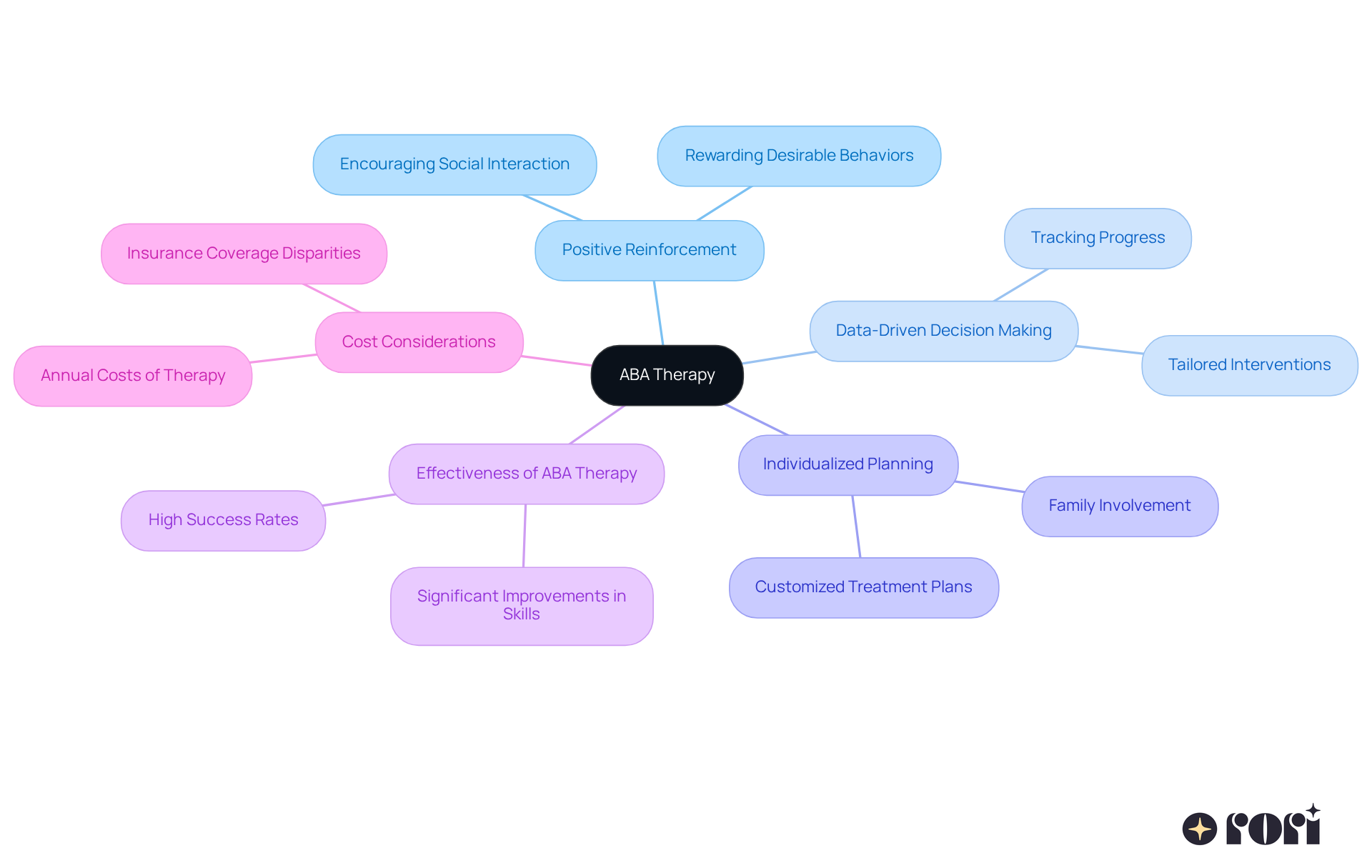
Applied Behavior Analysis (ABA) therapy is a fantastic approach for understanding and changing behaviors, especially in kids diagnosed with autism spectrum disorder (ASD). At the heart of ABA are the principles of behaviorism, which suggest that behaviors can be learned or unlearned through reinforcement and consequences. One key idea is - when we reward desirable behaviors, we’re more likely to see them again. For instance, if a child gets praise for starting a conversation, they might feel encouraged to engage socially more often in the future.
Another important part of ABA is . This means we systematically track a child’s progress to tailor interventions effectively. At Rori Care, we focus on , making sure each behavioral plan is crafted to fit the unique needs, strengths, challenges, and goals of the child. This personalized approach can lead to meaningful improvements in daily life, helping young people gain the skills they need for greater independence and social interaction.
Recent studies show that kids involved in ABA interventions often make . For example, children receiving intensive ABA therapy - typically 25 to 40 hours a week - often show remarkable improvements in language and cognitive skills, with success rates frequently exceeding 89%! The effect sizes for improvements in IQ and receptive language are 0.740 and 0.597, respectively, which really highlights how effective this therapy can be.
Our analysts also use , ensuring we apply the most effective methods for behavior modification. We set clear, measurable goals for behavior change and skill development, providing a transparent benchmark for progress. The structured nature of ABA intervention allows us to create personalized treatment plans that cater to each child’s unique needs. As Fayge Orzel puts it, "Creating individualized treatment plans is a fundamental aspect of ABA practice."
Plus, we enhance the efficiency of ABA interventions through AI-driven progress report automation, freeing up 50% more time for treatment! This ongoing assessment and adjustment process is crucial, as it ensures that interventions stay relevant and effective, adapting to the child’s changing needs. The growing demand for ABA support services reflects the increasing recognition of its .
Let’s explore this together! We’re here to !
The story of goes way back to the early 20th century, thanks to trailblazers like B.F. Skinner and O. Ivar Lovaas. At first, ABA was all about modifying behavior through reinforcement techniques, setting the stage for what was to come. Fast forward to the 1960s, and Lovaas made some incredible strides by applying ABA specifically for individuals with autism. He demonstrated that intensive behavioral interventions could result in in social and communication skills.
Over the years, ABA has transformed quite a bit. It’s moved away from rigid, punitive methods to more that focus on positive reinforcement and personalized care. Today, ABA therapy is recognized as an , always adapting to include the latest research and tech advancements. This evolution is crucial for meeting the diverse needs of individuals with autism. Studies show that can lead to , ultimately helping individuals gain independence and enhance their quality of life.
At Rori Care, we dream of a future where every young person can thrive. We’re integrating proven treatments with to empower families and therapists alike. This commitment to revolutionizing ABA practices ensures that it stays accessible and effective. With AI, we’re by automating progress report creation, freeing up to 50% more time for direct youth support, and helping caregivers actively engage in their child’s development.
The establishment of the was a game-changer, providing a dedicated platform for research and sharing ABA methodologies. It highlights the importance of to keep practices evidence-based. Let’s explore this journey together and see how we can support each other in this important work!

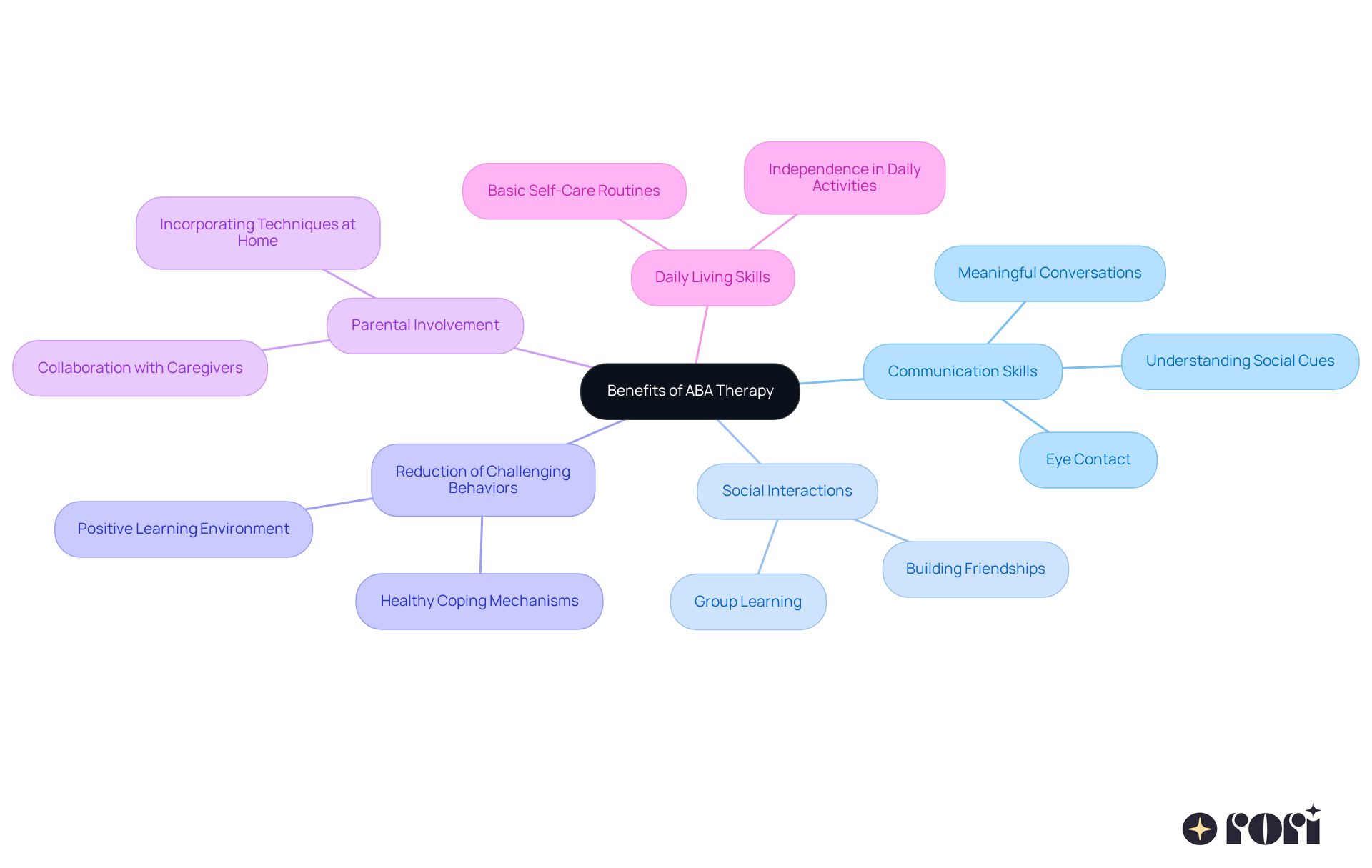
ABA treatment offers so many benefits for individuals with autism, especially when it comes to enhancing , social interactions, and everyday behaviors. Recent studies show that kids who go through often experience in their , which helps them express their needs more clearly. For example, children learn to make eye contact, engage in meaningful conversations, and understand social cues - skills that are crucial for building friendships.
Plus, ABA interventions have been linked to a reduction in challenging behaviors, which helps create a more . The personalized approach of ABA treatment means that each child's unique needs are taken into account, and greatly enhancing their overall quality of life. In fact, evidence suggests that over 89% of studies report notable improvements from ABA therapy in among children, showcasing its effectiveness as a primary treatment for autism spectrum disorder.
It's also important to highlight that the involvement of plays a vital role in the success of ABA therapy. When parents collaborate and strengthen the skills their children acquire, it leads to . Caregivers who understand ABA principles can make informed choices that positively influence their child's progress. For instance, they can incorporate ABA techniques into daily routines, like using visual schedules or positive reinforcement to encourage desired behaviors.
Daily living skills, including basic self-care routines, are also taught through ABA practices, further promoting independence. However, many families face , which is why exploring available funding options is so important. We want to ensure that every child can benefit from this life-changing treatment. Let’s explore this together!
Integrating technology into ABA treatment has really changed the game for how interventions are delivered and monitored. With , virtual reality, and , therapists can now . This means that can make , which is a huge win for everyone involved!
For instance, AI can and suggest tweaks to interventions based on how a child responds. This not only boosts the effectiveness of treatment but also reflects the improvements from ABA therapy, making it feel more tailored to each individual. Plus, have made it easier for families to get support right from their homes. How convenient is that?
This tech advancement doesn’t just increase involvement; it also promotes a . It ensures that each child’s unique journey is well-supported. And guess what? With technology continuing to evolve, the is only going to grow, promising even better care for children with autism. Let’s explore this together!
Applied Behavior Analysis (ABA) therapy is truly a game-changer for kids diagnosed with autism spectrum disorder (ASD). This approach, grounded in behaviorism, highlights the power of positive reinforcement and data-driven decisions to create tailored interventions that meet each child's unique needs. By focusing on personalized treatment plans, ABA therapy not only helps kids improve their communication and social skills but also encourages greater independence, allowing them to flourish in their everyday lives.
Throughout this journey, we see how ABA therapy has evolved. It’s fascinating to trace its roots from simple behavior modification to a compassionate, evidence-based practice that adapts to the latest research and tech advancements. The benefits of ABA are clear, with many children showing significant improvements in communication, social interactions, and daily living skills. Plus, the role of parents and caregivers is vital; their involvement reinforces the skills learned during therapy, leading to even better outcomes.
As technology continues to weave its way into ABA therapy, the possibilities for personalized and effective treatment are expanding. With real-time data tracking and AI-driven insights, treatment plans can be more responsive, ensuring that interventions are tailored to each child's unique journey. This ongoing evolution of ABA therapy reflects a commitment to providing accessible and effective support for children with autism. Embracing these advancements not only empowers families but also lights the path for a brighter future for our kids, showcasing the essential role of ABA therapy in their development.
So, let’s explore this together! If you’re a parent navigating this journey, remember that you’re not alone. We’re here to help you every step of the way!
What is ABA therapy?
Applied Behavior Analysis (ABA) therapy is an approach focused on understanding and changing behaviors, particularly in children diagnosed with autism spectrum disorder (ASD).
What are the core principles of ABA therapy?
The core principles of ABA therapy are based on behaviorism, emphasizing that behaviors can be learned or unlearned through reinforcement and consequences, particularly through positive reinforcement.
How does positive reinforcement work in ABA therapy?
Positive reinforcement involves rewarding desirable behaviors to increase the likelihood of those behaviors being repeated. For example, praising a child for starting a conversation can encourage them to engage socially more often.
How is progress tracked in ABA therapy?
Progress in ABA therapy is tracked systematically through data-driven decision-making, allowing for tailored interventions based on a child’s unique needs, strengths, challenges, and goals.
What is the typical duration of ABA therapy for children?
Children typically receive intensive ABA therapy for about 25 to 40 hours a week, leading to significant improvements in various skills.
What improvements can children expect from ABA therapy?
Children involved in ABA interventions often show significant strides in communication, social skills, and independence, with success rates frequently exceeding 89%.
What evidence supports the effectiveness of ABA therapy?
Recent studies indicate effect sizes for improvements in IQ and receptive language of 0.740 and 0.597, respectively, highlighting ABA therapy's effectiveness.
How are treatment plans created in ABA therapy?
Treatment plans in ABA therapy are individualized and crafted to meet each child's specific needs, ensuring a personalized approach to behavior modification.
What role does technology play in ABA therapy at Rori Care?
Rori Care enhances the efficiency of ABA interventions through AI-driven progress report automation, allowing for more time dedicated to treatment and ongoing assessment.
Why is there a growing demand for ABA support services?
The increasing recognition of ABA therapy's effectiveness in helping children with autism has led to a growing demand for ABA support services.