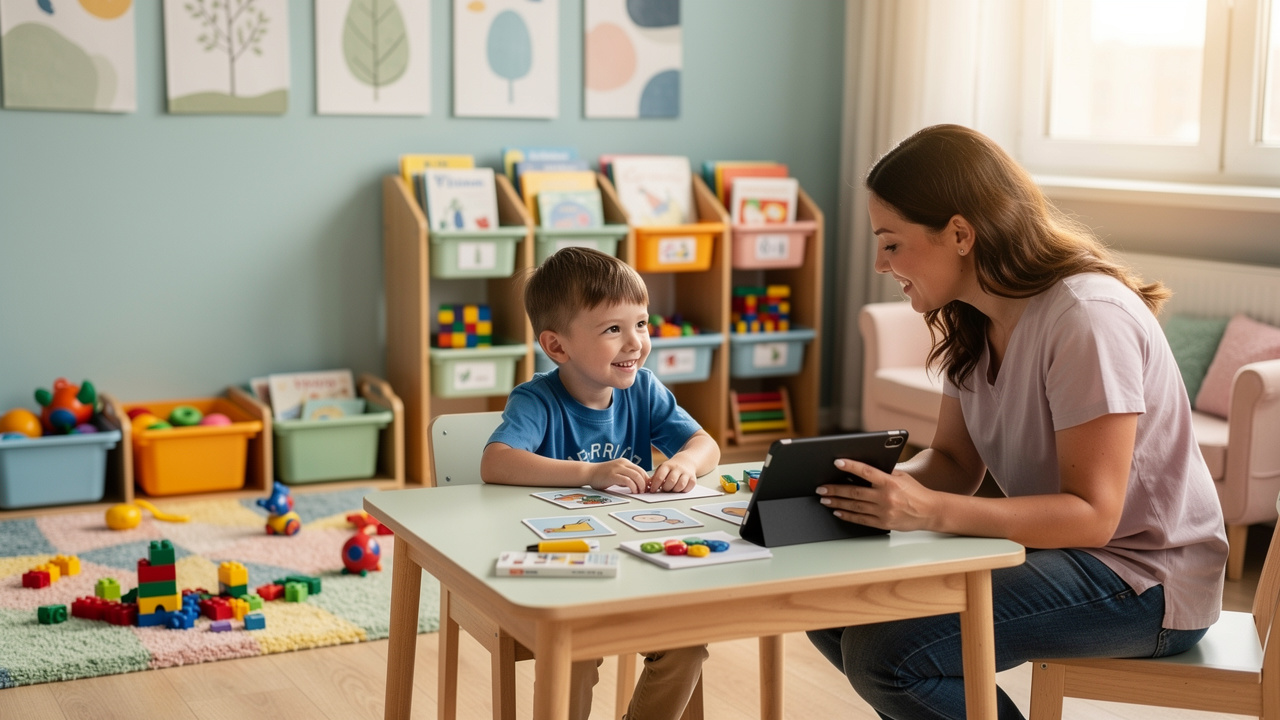
Social Communication Disorder (SCD) is a neurodevelopmental disorder that can significantly impact one's ability to effectively engage in verbal and nonverbal communication within social settings. Individuals with SCD may struggle with initiating and sustaining conversations, interpreting social nuances, and understanding the emotions and intentions of others. These challenges can lead to difficulties in forming and maintaining relationships.
While SCD is often associated with autism spectrum disorder, it can also stand alone and affect individuals regardless of cognitive abilities. The implications of social communication challenges are profound, with research highlighting the potential link between these difficulties and the risk of depression, particularly in autistic adolescents. The prevalence and influence of social media in today's society further intersect with the experiences of those living with SCD, presenting both challenges and opportunities for connection.
In light of these facts, it is critical to acknowledge the importance of robust social connections to both mental and physical health and to provide increased support and understanding for individuals with SCD.
Communication Disorder (SCD) is recognized as a condition that can hinder one's ability to effectively engage in verbal and nonverbal communication within settings. It is a neurodevelopmental disorder that can present considerable difficulties in starting and maintaining conversations, interpreting interpersonal subtleties, and understanding the emotions and intentions of others. This can lead to substantial difficulties in forming and maintaining relationships. For instance, the subtle application of speech in diverse situations can be confusing to people with SCD, and they may find it challenging to react suitably to cues from society. This lack of interaction is not only a characteristic of but also exists independently as SCD, affecting individuals regardless of cognitive abilities.
The consequences of such challenges in transmitting information are significant. Studies emphasize the possible connection between challenges in interpersonal interaction and the likelihood of depression, especially in autistic teenagers. For example, a lack of interpersonal connectedness can lead to feelings of isolation and may manifest in various forms, from distress to behavioral issues. Real-world cases, like that of Zoe, a 21-year-old who faced severe after disclosing her autism diagnosis to an unsupportive employer, underscore the gravity of these . Zoe's tragic tale, shared as part of a campaign to raise awareness, illustrates the dire consequences that can arise when the are misunderstood or ignored.
The prevalence and impact of media in today's society also intersect with the experiences of those living with SCD. With an average of two hours and 27 minutes spent on media platforms daily, individuals with SCD may find these environments both a challenge and an opportunity for connection. These platforms, used by billions worldwide, can be a double-edged sword, offering means to forge relationships but also presenting unique challenges in interpreting the often nuanced and non-literal communication found online.
Considering these facts, it is crucial to recognize the significance of strong to both mental and physical health. Solid can safeguard against illness and are linked with lengthier, healthier lives, underscoring the necessity for heightened assistance and comprehension for individuals with .

Understanding the complexities of communication is crucial when assisting individuals with , such as those found in (SCD) and (ASD). The fundamental factors to consider include verbal language abilities, nonverbal communicative behaviors like gestures and facial expressions, and cognitionârecognizing and interpreting interactions and cues. Challenges in any of these domains can significantly hinder one's ability to navigate the social world effectively.
Difficulties in exchanging information through speech often manifest as the use of simplified sentences and a limited vocabulary, making it challenging for listeners to deduce meaning. may present as an inability to read body language or facial expressions, further complicating interactions. involves comprehending others' intentions and emotions, which can be especially challenging for persons with SCD or ASD, resulting in misunderstandings or the impression of not listening or following instructions.
Moreover, the process of diagnosing conditions like (DLD), which affects understanding and producing language, is complex. It necessitates a thorough assessment to differentiate between normal language variation and impairment. The detailed nature of language development, which is highly personal and influenced by many factors, adds to the complexity of diagnosis and underscores the importance of accurate and timely identification for positive outcomes.
Research in neuroscience, such as the studies conducted at the University of Rochester, has provided insights into how brain regions, like the ventrolateral prefrontal cortex (VLPFC), process information related to society. As an instance, although separate neurons in the VLPFC may not react definitively to cues related to human society, as a whole, they create arrangements that can be deciphered to understand interactions among people, emphasizing the complex neural foundations of interpersonal interaction.
Comprehending figurative language is another challenge in interpersonal interaction for individuals with ASD, with research suggesting a tendency to interpret such language in a literal manner. The understanding of metaphors, idioms, and irony, which usually grows during childhood into adulthood, can be notably delayed in autistic individuals, affecting their interactions and relationships.
Considering these complexities, it's clear that interpersonal interaction involves a broad spectrum of abilities that are crucial for effective engagement. Weaknesses in these domainsâwhether in verbal or nonverbal interaction, or cognitive understandingâcan result in significant difficulties in establishing and sustaining interpersonal relationships, highlighting the importance of consciousness and tailored assistance.
Individuals with (SCD) experience a range of nuanced challenges that can impact their daily interactions. These may include a hesitancy or struggle to begin or keep a conversation going, as well as difficulties in interpreting and responding to nonverbal cues like facial expressions or body language. Additionally, understanding the nuances of sarcasm and idiomatic expressions can often be puzzling, alongside a broader difficulty in comprehending etiquette and norms. These obstacles can lead to a sense of seclusion, frequent misunderstandings, and a cycle of frustration or apprehension.
Recent studies emphasize the intricacy of and its link to friendships, especially in adolescents with autism. It's been observed that depression can present in various forms within this group, often intertwined with or behavioral issues. Research indicates that as many as 7% of adults in the US may suffer from in interpersonal situations—marked by an overpowering fear of being judged—which can be so severe it discourages individuals from participating in social environments entirely.
Statistics highlight the widespread influence of media in our lives, particularly among younger age groups who may spend an average of two hours and 27 minutes on platforms daily. This digital landscape further complicates interpersonal dynamics, as the can worsen feelings of anxiety and influence behavior.
Conversations, the art of meaningful exchange, are a critical aspect of . But for those grappling with SCD or , what many consider an everyday skill can feel like an insurmountable task. The significance of comprehending these obstacles cannot be emphasized enough, as it impacts not just individual welfare but also the capacity to establish relationships in a world where online platforms and digital interaction are progressively widespread.

Understanding the distinctions between and is vital for supporting those affected by these conditions. While both SCD and ASD involve , they vary in several crucial aspects. SCD is mainly distinguished by challenges in skills such as , utilizing language for social purposes, and adapting communication to diverse societal contexts. Unlike ASD, SCD doesn't include repetitive behaviors or restricted interests.
Individuals with SCD tend to have age-appropriate cognitive abilities and self-help skills, which means they can usually manage day-to-day tasks independently. On the other hand, ASD encompasses a wider array of developmental challenges, sometimes leading to global developmental delays. This includes the potential for difficulties in learning and intellectual disabilities, as well as issues with motor coordination and attention.
It's also important to note that ASD is a spectrum, with symptoms ranging in frequency, intensity, and type. This spectrum includes what was formerly known as Asperger syndrome, now classified within ASD as a higher-functioning form. Individuals with higher-functioning autism may have average or above-average intelligence and may not have significant language delays, but they still encounter challenges, particularly with interaction and sensory sensitivities.
Studies suggest that issues related to can have a notable effect on , especially in the teenage years. Research has discovered a connection between impaired , troublesome peer connections, and in teenagers with autism. Furthermore, difficulty with social communication can lead to moral distress and behavioral problems, which are often misunderstood expressions of underlying mental health issues.
As we advance our understanding of ASD and SCD, it becomes clear how complex and varied these conditions are. They impact people in distinctive ways, molding their experiences and the assistance they need. It's crucial to approach each person with a comprehension that their condition is more than merely a collection of symptomsâit's a portion of their unique life story, and it interacts with their environment and personal history in various ways.

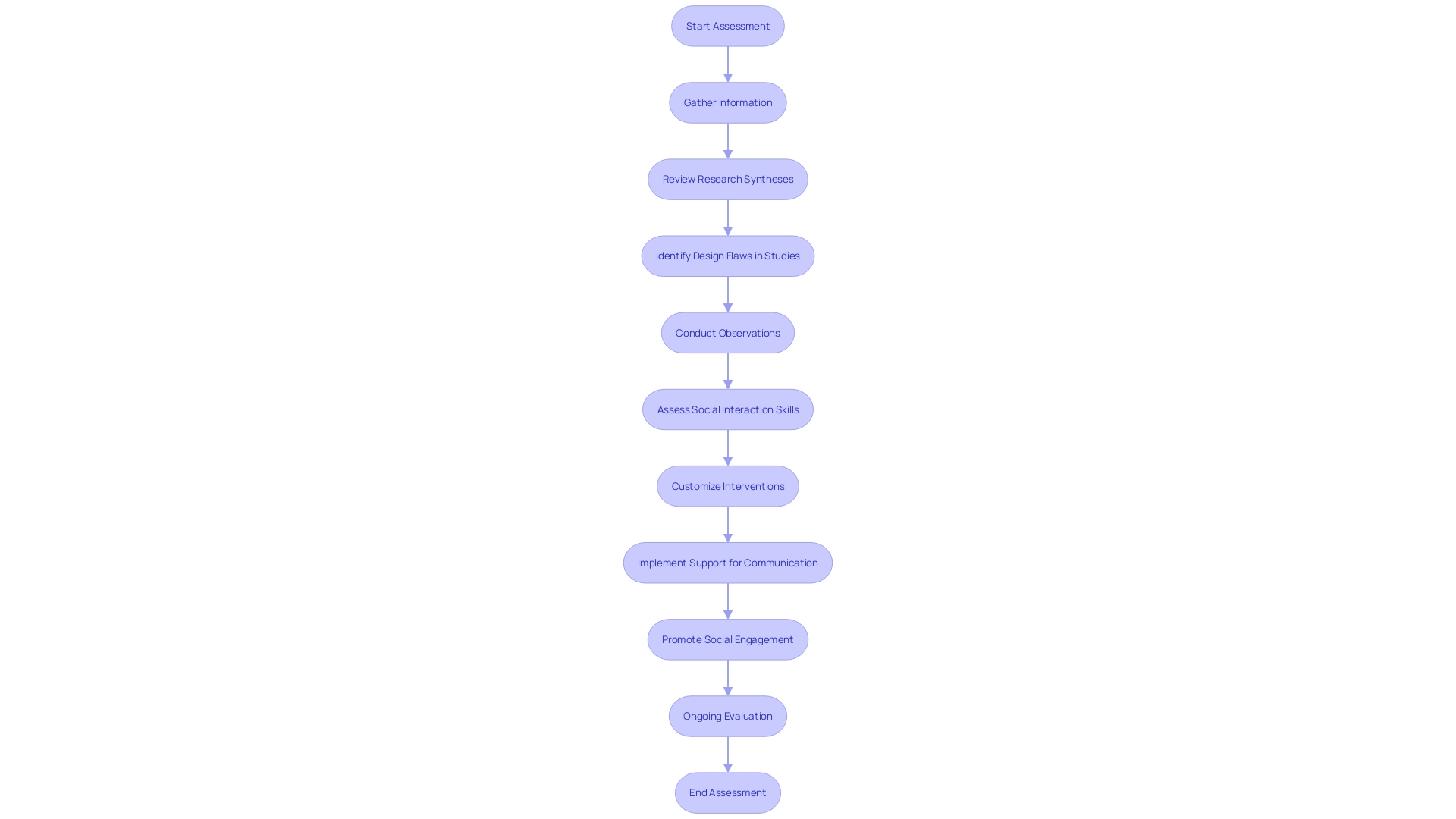
To comprehend and support people with difficulties in expressing thoughts, like those on the autism spectrum, it is crucial to engage in a . Typically conducted by professionals like speech-language pathologists or developmental pediatricians, this process includes from varied sources like parents and educators. It also entails firsthand observations of the person's skill to utilize and comprehend . This diverse method is essential to precisely detect the existence of and to customize interventions that target the distinct requirements of each person. play a crucial role by emphasizing the improvement of speech, language, voice, and fluency, thereby enhancing the person's ability to communicate effectively and engage socially. Meanwhile, the broader neurodivergent community embraces a spectrum of perspectives on diagnosis, recognizing the limitations and challenges of the medical testing model for autism, where many adults receive inconclusive results. For some, self-diagnosis is a sufficient acknowledgment of their identity, while others pursue formal diagnosis for personal validation or to facilitate understanding from others in their lives. Recent advancements, such as the Hikikomori Diagnostic Evaluation (HiDE), illustrate the ongoing efforts to refine , offering structured guidance and interview questions to clinicians for more accurate diagnoses of complex conditions. As the discussion about autism and grows, it is crucial to take into account both individual experiences and the changing environment of diagnostic techniques to assist those facing these difficulties.
While the exact origins of (SCD) remain a complex mystery, current research indicates an interplay of genetic, neurological, and environmental factors in its development. Family history of language disorders, prenatal exposure to harmful substances or infections, and associated neurodevelopmental conditions have been identified as potential risk contributors. In-depth studies are paramount to unravel the intricate causes and risk factors of SCD.
Adolescence signifies a developmental stage, filled with fresh experiences in society and more , where verbal and non-verbal interaction abilities are vital. The transition from parental guidance to peer influence requires a range of methods of interaction, including the utilization of technology like video chat, text messaging, , and video games. The proficiency in these can significantly impact relationships and mental health among teens, especially for those with autism who may face challenges such as mood disorders, anxiety in , and .
Recent global research highlights the prevalence of , affecting roughly one in eight people. These disorders can stem from various factors, including the consumption of unhealthy commodities. Comprehending the influence of these factors, including online networking, is crucial, considering the astonishing statistic that the average person dedicates more than two hours each day on these platforms, with a significant portion of the population exhibiting signs of dependency. This emphasizes the significance of recognizing and addressing the nuanced ways in which the use of online platforms can impact mental health and interpersonal interaction.

, central to Social Communication Disorder (SCD), can profoundly affect an individual's daily life. These challenges extend to forming and sustaining friendships, engaging in group activities, and understanding the subtleties of interpersonal interactions. Notably, adolescents with autism experiencing such difficulties may exhibit varying manifestations of mood disorders, ranging from moral distress to behavioral issues. As they navigate the intricacies of interpersonal connections, they may encounter heightened stress and diminished self-esteem, which can negatively impact their academic achievements and overall quality of life.
Research emphasizes the complex link between interpersonal interaction, peer connections, and mental well-being in autistic adolescents. For instance, a study centering on depression in this demographic discovered that impaired communication is a significant element. In addition, the emergence of media platforms has brought about fresh dynamics in interaction, with evidence indicating that excessive use can disturb important activities like rest and physical activity, which are vital for mental health. It also highlights that during the critical developmental window of adolescence, online platforms can influence emotional regulation and impulse control.
In light of these findings, creating both online and offline is crucial. Initiatives like the Resilient Roots Support Group offer virtual spaces for parents living with brain injuries to connect, underscoring the importance of accessibility and community for those with disabilities. Furthermore, considering that the mean person dedicates more than two hours per day on digital platforms, the possibility of online media dependency is an increasing worry, especially among youngsters and adolescents.
In response to these challenges, education systems are increasingly acknowledging the significance of (SES). These skills are not only teachable but also have a significant impact on life outcomes. To offer the essential assistance for people with SCD, to meet the distinct requirements of each person, considering their backgrounds and vulnerabilities. By prioritizing the development of emotional and interpersonal skills, we can support people with SCD in cultivating resilience and enhancing their quality of life.
Implementing is crucial for people with deficits in , as these techniques can greatly improve their capacity to engage and express themselves with ease. , a vital part of early intervention, seeks to enhance language comprehension, expression, and the use of pragmatic language in societal contexts. This type of treatment is crucial as it tackles the complex difficulties experienced by people with speech disorders, assisting them in navigating interpersonal connections more effectively and expressing their thoughts more clearly.
Furthermore, interventions like , , and support from educational and familial environments can have a significant impact on enhancing their interpersonal skills. Interpersonal abilities education can provide individuals with the essential resources to participate in meaningful exchanges, whereas can assist in managing the that may hinder interaction.
It's essential to recognize the individuality of each person with SCD and to customize interventions to their unique needs, ensuring that they receive the most beneficial support. This customized approach, strengthened by , can result in notable enhancements in their participation and quality of life.
Recent studies and expert opinions underscore the importance of such interventions. For example, research highlighted by the BMC Psychiatry journal indicates that early interventions can positively impact mental health outcomes. Additionally, perspectives from experts in , like Graham Bodie from the University of Mississippi, highlight the importance of cultivating listening abilities, which are essential to effective interpersonal exchange and interaction.
Integrating these interventions at an early phase not only promotes growth but also establishes the basis for more intricate interactions during adolescence and adulthood. As online platforms and technology continue to influence the way we interact, it becomes more and more crucial to guarantee that people with SCD possess the abilities and assistance required to engage fully in today's interconnected society.
Enhancing the interpersonal interaction abilities of individuals with (SCD) requires a collaborative and informed effort. This includes providing education to teachers, family members, and peers on the intricacies of SCD and the challenges in conveying information it entails. Using simple language, , and clearly defined norms are essential tactics in promoting improved interaction. It's also crucial to focus on and , enabling those with SCD to better manage social interactions.
Experts have been exploring the effectiveness of interventions aimed at assisting interaction in children with developmental disabilities. Research suggests that training paraeducators in the use of Augmentative and Alternative Communication (AAC) significantly enhances the outcomes for children with complex . Furthermore, educators gain advantages from enhanced techniques for promoting student interaction.
The 'I am' digital stories methodology, founded on Froebelian principles, is another inventive approach that maps out a young person's likes, strengths, and support needs. This method not only aids in creating a supportive educational atmosphere but also in recognizing and nurturing personal talents.
Moreover, initiatives like the partnership between Aetna Better Health of Kentucky and AvÄsis are pioneering . These models focus on training providers to comprehend the distinct requirements of people, encouraging ongoing communication within care teams, and executing comprehensive , all of which are crucial in supporting those with SCD.
A strengths-based perspective, originally conceptualized by social worker Bertha Reynolds, is particularly beneficial when applied to autism spectrum disorders. By emphasizing the varied talents and capabilities of people with autism instead of concentrating on their challenges, we can establish learning environments that utilize their interests and abilities, resulting in enhanced learning experiences and potential career trajectories.
In essence, every interaction with an individual using AAC is an opportunity for partnership and learning. Since families make up a substantial part of a child's network of interaction, it is crucial to equip them with the essential tools and strategies to effectively assist their children. The objective is to smoothly incorporate AAC into everyday life, ensuring continuous demonstration and accessibility of these devices.
The neurodiversity movement, similar to other significant social movements, has transformed perspectives and ethics regarding disability rights, emphasizing the importance of understanding and meeting the needs of individuals with disabilities when it comes to exchanging information. As we continue to embrace this movement, we are reminded that every person, irrespective of their communication abilities, is a valuable communication partner.

In conclusion, Social Communication Disorder (SCD) is a neurodevelopmental disorder that significantly impacts one's ability to effectively engage in verbal and nonverbal communication within social settings. It can lead to difficulties in initiating and sustaining conversations, interpreting social nuances, and understanding the emotions and intentions of others. These challenges can have profound implications for forming and maintaining relationships.
Research highlights the potential link between social communication challenges and the risk of depression, particularly in autistic adolescents. The prevalence and influence of social media further intersect with the experiences of those with SCD, presenting both challenges and opportunities for connection.
Understanding the intricacies of social communication, including verbal and nonverbal language abilities and social cognition, is crucial when supporting individuals with SCD. Differentiating between SCD and Autism Spectrum Disorder (ASD) is also important due to their distinct characteristics and challenges.
Thorough assessments conducted by professionals like speech-language pathologists or developmental pediatricians are essential for identifying and supporting individuals with SCD. Early intervention strategies such as speech-language therapy and social skills training can significantly enhance communication abilities.
Creating supportive environments both online and offline is crucial. Education, visual aids, and clear social norms play important roles in fostering better communication. Collaboration between professionals, educators, and family members is vital in providing tailored support for individuals with SCD.
Embracing a strengths-based perspective and recognizing the unique talents and capabilities of individuals with SCD can lead to optimized learning experiences and potential professional paths.
In conclusion, by acknowledging the challenges faced by individuals with SCD and providing the necessary support and understanding, we can empower them to navigate social interactions more successfully and improve their overall quality of life.
What is Social Communication Disorder (SCD)?
Social Communication Disorder is a neurodevelopmental disorder that impairs an individual's ability to effectively engage in verbal and nonverbal communication, often resulting in difficulties in starting and maintaining conversations, interpreting interpersonal cues, and understanding others' emotions and intentions.
How does SCD differ from Autism Spectrum Disorder (ASD)?
While SCD and ASD both involve challenges with interpersonal interaction, SCD is specifically characterized by difficulties in understanding and using verbal and nonverbal language for social purposes without the presence of repetitive behaviors or restricted interests that are typical in ASD.
What are the key components of social communication that are affected by SCD?
The key components include verbal language abilities (such as using simplified sentences and limited vocabulary), nonverbal communicative behaviors (like gestures and facial expressions), and social cognition (understanding others' intentions and emotions).
Can SCD affect individuals with normal cognitive abilities?
Yes, SCD can affect individuals regardless of their cognitive abilities. People with SCD may have age-appropriate cognitive and self-help skills but still struggle with social communication.
What are some common symptoms and challenges associated with SCD?
Common challenges include difficulty initiating or maintaining conversations, interpreting and responding to nonverbal cues, understanding sarcasm and idiomatic expressions, and comprehending social norms and etiquette.
What is the diagnostic process for SCD?
The diagnostic process involves collecting detailed information from various sources, such as parents and educators, as well as firsthand observations of the individual's social interaction skills. Professionals like speech-language pathologists or developmental pediatricians typically conduct this assessment.
What are the causes and risk factors of SCD?
While the exact causes are not fully understood, research suggests an interplay of genetic, neurological, and environmental factors. Family history of language disorders and prenatal exposure to harmful substances or infections are potential risk contributors.
How does SCD impact daily life?
SCD can profoundly affect daily life by making it difficult for individuals to form and maintain friendships, engage in group activities, and understand interpersonal interactions. It can lead to stress, reduced self-esteem, and negatively impact academic achievements.
Are there effective treatment and intervention strategies for SCD?
Yes, early intervention techniques such as speech-language therapy, interpersonal skills training, cognitive-behavioral therapy, and support from educational and familial environments can significantly improve communication skills and social engagement.
What can be done to support individuals with SCD?
Support can include educating those around the individual with SCD about the disorder, using simple language and visual aids, developing social skills and self-advocacy, and employing assistive communication tools like Augmentative and Alternative Communication (AAC).
How do media platforms affect individuals with SCD?
Media platforms can pose unique challenges for individuals with SCD by complicating the interpretation of nuanced and non-literal communication found online. However, they can also provide opportunities for connection. Excessive use may disrupt important activities and affect mental health.
What role does interpersonal interaction play in the mental health of individuals with SCD?
Interpersonal interaction is significantly linked to mental health, especially among adolescents with autism. Challenges in social communication can lead to isolation, depression, and various forms of distress, underscoring the need for understanding and support.