
Introduction
In a world where sensory experiences shape a child’s development, tactile stimulation truly shines as a vital element—especially for children on the autism spectrum. Whether it’s the simple act of exploring different textures or playing with specialized sensory toys, these experiences are essential for enhancing motor skills, emotional regulation, and overall cognitive growth. Research continues to reveal just how impactful touch can be on learning and behavior, making it clear that creating enriching environments filled with tactile opportunities is crucial.
This article invites you to explore the significance of tactile stimulation. We’ll delve into its benefits, the various types of sensory toys available, and practical strategies for weaving these experiences into daily routines. And let’s not forget the vital role of caregivers in supporting their child’s developmental journey. So, let’s explore this together and see how we can make a difference!
What is Tactile Stimulation and Why is it Important?
Touch, or , is so important for a young person’s development, especially for those on the autism spectrum. Engaging with different textures and sensations helps kids not only understand their surroundings but also boosts their motor skills and supports . For children with autism, is particularly vital because of their unique ways of processing information.
When parents understand touch stimulation and apply , they can really help their kids with and overall growth.
At Rori Care, our clinical leadership team is dedicated to empowering caregivers with the knowledge and strategies they need to support their children’s . Research shows that in the brain, which are crucial for learning and growth. For example, a longitudinal study found that infants who received regular physical stimulation were much more successful in reaching for targets on their bodies by seven months old compared to those who didn’t.
This discovery highlights how physical interaction encourages the development of adaptive abilities, allowing kids to explore sensorimotor relationships more effectively.
The American Academy of Pediatrics (AAP) emphasizes the importance of to ensure that active play isn’t sidelined, as it’s essential for children’s growth. As we look toward 2025, experts continue to affirm is key for children with autism, aiding in processing and fostering emotional and social development. In fact, statistics reveal that the frequency of palmar contacts during self-touch increases from around 12 weeks of age, showing the natural drive for .
As Burton D.G. McLaren notes, “A potential functional foundation for visual cortex reactions to touch is improved processing of physical stimulation in visual regions that already react to somatosensory inputs in sighted individuals.” This really emphasizes how interconnected our perceptual experiences are.
By creating rich environments filled with and actively involving caregivers, Rori Care helps families with autism navigate challenges and foster development with expertise and compassion. This proactive approach not only enhances perceptual exploration but also lays the groundwork for improved motor abilities and , all of which support a child’s journey toward independence and self-advocacy.
Moreover, through , caregivers gain valuable insights into informed decision-making and better behavioral outcomes. This equips them with the skills to implement effective strategies that align with their child’s therapeutic goals. Let’s explore this together! We’re here to help you every step of the way!

The Benefits of Tactile Sensory Toys for Children
are specially crafted to provide tactile stimulation, engaging the sense of touch and offering numerous benefits for children, especially those on the autism spectrum. These toys are vital in enhancing , improving perception, and fostering . For instance, activities like squeezing, rolling, or manipulating small objects can significantly boost hand strength and coordination, which are essential for everyday tasks.
Research shows that and dexterity, making them invaluable tools for skill enhancement. Engaging with toys that provide tactile stimulation not only aids in but also serves as , helping young individuals manage anxiety and stress. Exploring various textures and sensations can offer soothing tactile stimulation, especially for those who may feel overwhelmed by their surroundings.
As Arianna Esposito, Director of Lifespan and Supports at Rori Care, beautifully puts it, “It is also a toy that is designed so the young one can interact and use the toy in a way that is accessible to them.” This highlights the importance of accessibility in designing , ensuring they meet the unique needs of every child.
Incorporating into playtime creates a nurturing environment that encourages exploration and learning. This reflects Rori Care’s commitment to through . Real-world examples show how these toys, through tactile stimulation, have positively impacted motor skills in autistic individuals, demonstrating their potential to transform play into a therapeutic experience. Plus, using can , offering organized activities that engage youngsters while providing crucial relief for parents, aligning with Rori Care’s mission to empower families.
By emphasizing physical stimulation, parents can nurture independence and confidence in their children’s abilities, helping them to truly flourish. To discover more about can assist your little one, we invite you to schedule a meeting with our clinical leadership team. Their expertise is dedicated to improving youth growth and supporting families every step of the way!

Exploring Different Types of Tactile Sensory Toys
A wonderful assortment of is available, each designed to spark that nurtures different aspects of the tactile system and supports development. Let’s dive into some of the most effective types:
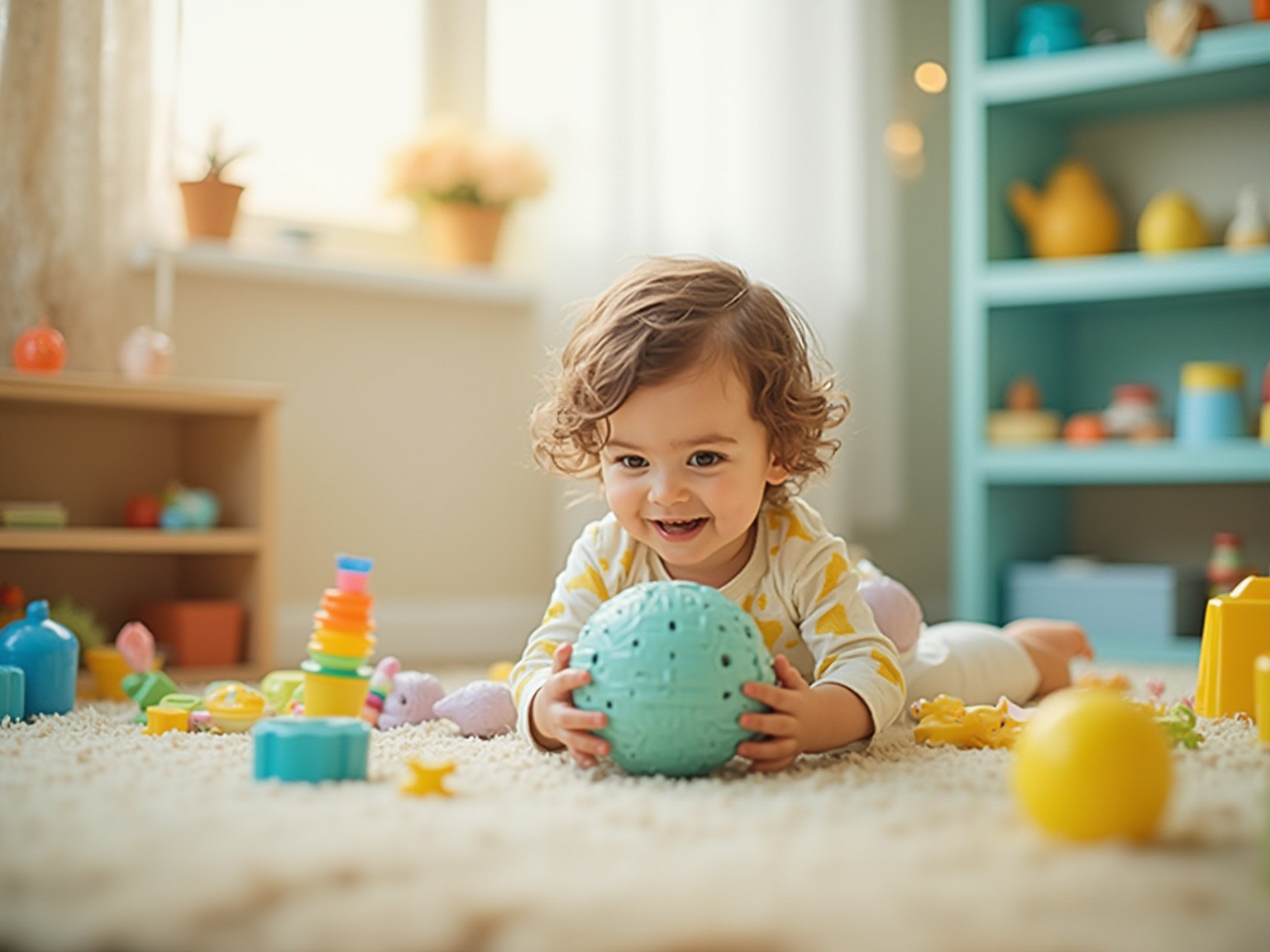
- Textured Balls: With various sizes and textures, textured balls provide a delightful way for children to explore different sensations. Not only do they enhance tactile exploration, but they also improve grip and coordination—skills that are essential for everyday tasks.
- Fidget Toys: Items like stress balls, fidget spinners, and textured rings are fantastic tools for kids to focus and manage anxiety. These toys offer , helping to regulate arousal levels and promote a sense of calm. As Ralph Moller puts it, ‘Engaging in sensory play helps young ones regulate their arousal levels.’
- Sensory Bins: Filled with materials like rice, sand, or water beads, sensory bins create an engaging space where kids can dig, pour, and explore various textures. They’re particularly effective in fostering and encouraging , both crucial for cognitive development.
- Weighted Toys: Designed to provide , weighted toys can help young ones feel more secure and focused. This input is beneficial for self-regulation, enabling children to better manage their emotions and behaviors.
Research shows that participating in activities that offer allows children to explore their environment through touch, sight, sound, and movement, significantly impacting their growth and development. For instance, from toys like textured blocks and kinetic sand has been shown to aid in developing , which are essential for daily tasks such as writing and buttoning clothes. The benefits of these toys extend beyond simple play; they encourage and enhance cognitive growth.
A case study on fine motor skill development highlights how specialized toys created for this purpose can greatly influence a child’s growth.
When it comes to selecting chew toys for kids, it’s important to choose options that are durable, non-toxic, and suitable for their age and chewing strength. This choice contributes to their overall well-being.
By understanding the different types of available, parents can make informed choices that align with their child’s unique needs and preferences. This ultimately supports their journey toward thriving and independence. Let’s explore this together!
How Tactile Stimulation Works: The Science Behind It
At Rori Care, is all about nurturing the success of young individuals through a heartfelt commitment to . Did you know that is vital for activating skin receptors? These receptors send signals to the brain, helping us interpret touch sensations. This intricate process is crucial for developing body awareness, refining motor skills, and fostering .
When kids engage in hands-on activities, they’re not just exploring their surroundings; they’re also strengthening those important neural connections that are essential for learning and overall growth.
Recent research highlights that sensory experiences can significantly boost and emotional health. For children with autism, who often face processing challenges, . It helps them improve their ability to process sensory information and respond appropriately to their environment.
In fact, have shown promise in various contexts. For example, studies involving preterm infants revealed that such stimulation was linked to reduced parental anxiety and . One study titled ‘Comparative Effects of SSC and TKS’ found that while both methods were associated with lower anxiety levels, SSC was more effective in alleviating anxiety, stress, and depressive symptoms.
Moreover, educational programs aimed at kids can enhance , even without adult presence. This underscores the importance of early physical interaction in cognitive development. allows parents to better support their children’s sensory needs. By providing opportunities for , parents can encourage positive behaviors and contribute to their children’s cognitive and emotional growth.
As Dr. Yang pointed out, ‘Unfortunately, this is also a very subjective study, so it’s not clear exactly why or how that truly was correlated.’ This perspective reminds us of the need for ongoing research in this area. Our clinical leadership team believes that by equipping families with the right tools and , we can help every individual thrive in their developmental journey.
We invite parents to explore Rori Care’s services to support their children’s growth and success. Let’s embark on this journey together!
Practical Tips for Incorporating Tactile Stimulation at Home
Incorporating into your little one’s daily routine can be both enjoyable and simple, especially when you base it on . Let’s dive into some practical tips to create an enriching perceptual experience that empowers caregivers and supports youth development:
- Create a Perceptual Space: Designate a cozy corner in your home where your young one can explore various textures and materials. You might fill this area with bins of rice or beans, textured fabrics, and an array of fidget toys. Research shows that . For instance, Vanderbilt University recently opened rooms focused on , aiming to support individuals with processing needs, including autism. These environments allow young individuals to engage in sensory experiences in a nurturing setting, maximizing the benefits of ABA-based interventions.
Engage in fun activities that promote , like finger painting, playing with playdough, or crafting sensory projects. Not only are these activities enjoyable, but they also serve therapeutic purposes, helping young individuals develop and emotional connections. By actively participating, caregivers can observe their children’s responses, aligning with ABA strategies to support . Tracking progress by noting changes in behavior or preferences during these activities reinforces strategy alignment.
- Use Everyday Objects: Encourage your child to explore common household items with different textures. Think about sponges, brushes, or even fruits and vegetables—these can provide rich sensory experiences that spark curiosity and learning. This exploration highlights the caregiver’s role in facilitating learning and behavioral growth through active involvement, allowing for valuable and reactions.
- Incorporate Movement: Activities that involve movement, like jumping on a trampoline or rolling on a soft mat, can enhance tactile experiences and provide additional perceptual input. Movement is essential for individuals with autism, as it helps them integrate sensory information more effectively, fostering independence and social skills. Caregivers can observe and record how different movement activities impact their child’s behavior, further aligning with .
- : It’s vital to recognize the varying priorities of parents of autistic individuals. Mothers often emphasize the importance of professional traits and rest, while fathers focus on social support. Understanding these dynamics can help parents create a more supportive atmosphere for their children. Rori Care’s clinical leadership team is dedicated to offering expertise and compassion to help families navigate these challenges, ensuring that caregivers feel empowered in their roles. The group provides resources and training aligned with program advancement, enabling parents to apply effective strategies in their daily routines.
By actively engaging in , parents can help their kids develop essential skills while nurturing a love for exploration and learning. As Swasti Dharmadhikari points out, ‘Our Research team and industry experts have anticipated and listed them under this section,’ highlighting the increasing recognition of the importance of experiential spaces. , ultimately contributing to an individual’s overall development. Let’s explore this together!

The Role of Technology in Enhancing Tactile Stimulation
Technology is truly changing how we think about , offering innovative tools that provide regulated input and encourage interaction with their surroundings. Let’s take a look at some key advancements that are making a difference:
- : These fantastic devices deliver tactile sensations through vibrations or pressure, allowing children to experience touch in a structured and manageable way. This regulated feedback significantly enhances their perceptual involvement through tactile stimulation, helping them interpret touch-related information better. Research by Kootz et al. (1981) shows that reaction times for nearby tactile stimuli are much quicker than for distant auditory or visual stimuli, highlighting the effectiveness of in therapy.
- : Designed to engage children through touch, sound, and visuals, these programs encourage exploration and learning. They provide a platform for kids to interact with various stimuli, promoting cognitive and emotional growth.
- : VR technology creates immersive environments that stimulate multiple senses, including touch. This unique approach not only helps integrate perceptions but also offers opportunities for children to practice in a safe and engaging setting.
can be a challenge for individuals with autism spectrum disorder (ASD). By leveraging these technological advancements, parents can support their children in managing sensory inputs more effectively. For instance, studies have shown that can improve reaction times to physical stimuli, making them a valuable resource in therapy.
At Rori Care, we’re committed to empowering youth with the skills they need to achieve independence, and this aligns beautifully with integrating technology into tactile stimulation practices. Our , made up of talented and compassionate professionals, plays a crucial role in guiding the implementation of these tools. As Metin Nacar, our COO, puts it, “These interventions empower users to build confidence and incrementally.”
By equipping families with the right tools and resources, Rori Care supports parents on their children’s developmental journeys.
Incorporating not only enhances sensory experiences through tactile stimulation but also supports the overall developmental goals of individuals with autism. This paves the way for greater independence and improved . Insights from the “Other Classroom Accommodations for Students with Autism” further illustrate that a holistic approach, including technology, can enhance engagement and support for children with autism. This reflects Rori Care’s dedication to fostering child development through expertise and compassion. Let’s explore this together!

Conclusion
Tactile stimulation is truly a cornerstone of child development, especially for our little ones on the autism spectrum. As we’ve explored in this article, engaging with various textures and sensations not only boosts motor skills but also plays a vital role in emotional regulation and cognitive growth. Think about those tactile sensory toys—like textured balls, fidget toys, and sensory bins—they offer children wonderful opportunities to explore and learn in a nurturing environment. These toys are thoughtfully designed to meet unique needs, ensuring every child can enjoy the benefits of sensory play.
Understanding the science behind tactile stimulation really highlights its significance in developing neural pathways and enhancing sensory processing. Plus, with the incorporation of technology, such as haptic feedback devices and interactive sensory apps, children are empowered to navigate their sensory experiences more effectively. This empowerment fosters greater independence and social skills, which is something we all want for our kids!
By implementing practical strategies for tactile engagement at home, caregivers can create enriching environments that support their child’s developmental journey. Organizations like Rori Care are committed to educating and empowering families, emphasizing the importance of collaboration in enhancing developmental outcomes for children with autism. Embracing tactile stimulation not only helps in overcoming challenges but also celebrates the unique potential of every child. Let’s pave the way for a brighter future filled with exploration, learning, and growth together!
Frequently Asked Questions
Why is tactile stimulation important for young people’s development, especially for those on the autism spectrum?
Tactile stimulation is crucial for development as it helps children understand their surroundings, boosts motor skills, and supports emotional regulation. For children with autism, it is particularly vital due to their unique processing of information.
How can parents help their children with sensory integration using tactile stimulation?
By understanding touch stimulation and applying ABA (Applied Behavior Analysis) principles, parents can aid their children in sensory integration and overall growth.
What role does physical experience play in a child’s learning and growth?
Research indicates that physical experiences shape neural pathways in the brain, which are essential for learning and growth. For instance, infants receiving regular physical stimulation are more successful in reaching for targets by seven months old compared to those who do not.
What does the American Academy of Pediatrics (AAP) say about active play and media use?
The AAP emphasizes the importance of healthy media use to ensure that active play is not sidelined, as active play is essential for children’s growth.
How does tactile stimulation support children with autism in terms of emotional and social development?
Tactile stimulation aids in processing sensory information and fosters emotional and social development, which is crucial for children with autism.
What are tactile toys, and how do they benefit children, particularly those on the autism spectrum?
Tactile toys are designed to provide tactile stimulation, enhancing fine motor skills, improving perception, and fostering emotional regulation. Activities like squeezing and manipulating these toys can boost hand strength and coordination.
How do sensory toys impact hand-eye coordination and dexterity?
Research shows that sensory toys can significantly improve hand-eye coordination and dexterity, making them valuable for skill enhancement in children.
What is the significance of accessibility in the design of tactile toys?
Accessibility in tactile toy design ensures that they meet the unique needs of every child, allowing for effective interaction and use.
How can incorporating tactile toys into playtime benefit children with autism?
Incorporating tactile toys creates a nurturing environment that encourages exploration and learning, helping to transform play into a therapeutic experience.
What is Rori Care’s commitment to families with autism regarding tactile stimulation?
Rori Care is dedicated to supporting families with autism by providing compassionate expertise and resources to help children navigate challenges and foster development through tactile stimulation.
List of Sources
- What is Tactile Stimulation and Why is it Important?
- sciencedirect.com (https://sciencedirect.com/topics/medicine-and-dentistry/tactile-stimulation)
- srcd.onlinelibrary.wiley.com (https://srcd.onlinelibrary.wiley.com/doi/10.1111/cdev.13891)
- publications.aap.org (https://publications.aap.org/pediatrics/article/142/3/e20182058/38649/The-Power-of-Play-A-Pediatric-Role-in-Enhancing)
- The Benefits of Tactile Sensory Toys for Children
- ouva.co (https://ouva.co/blog/the-complete-guide-to-autism-support-evidence-based-strategies-and-technologies-in-2025)
- goldenstepsaba.com (https://goldenstepsaba.com/resources/benefits-of-sensory-toys)
- autismspeaks.org (https://autismspeaks.org/blog/what-are-sensory-toys)
- Exploring Different Types of Tactile Sensory Toys
- goldenstepsaba.com (https://goldenstepsaba.com/resources/benefits-of-sensory-toys)
- trendymalldeals.com (https://trendymalldeals.com/blog/sensory-toys)
- abtaba.com (https://abtaba.com/blog/benefits-of-sensory-toys)
- How Tactile Stimulation Works: The Science Behind It
- sciencedirect.com (https://sciencedirect.com/topics/medicine-and-dentistry/tactile-stimulation)
- bmcpsychology.biomedcentral.com (https://bmcpsychology.biomedcentral.com/articles/10.1186/s40359-023-01510-x)
- health.choc.org (https://health.choc.org/the-effects-of-screen-time-on-children-the-latest-research-parents-should-know)
- Practical Tips for Incorporating Tactile Stimulation at Home
- cognitivemarketresearch.com (https://cognitivemarketresearch.com/regional-analysis/north-america-sensory-rooms-market-report?srsltid=AfmBOopzGyts7P5TFnOm8yM07PgGIrITVAelfUXdnwAjDcOMMjHo0myh)
- Autism Statistics You Need To Know in 2024 (https://autismparentingmagazine.com/autism-statistics)
- totalcareaba.com (https://totalcareaba.com/autism/autism-and-sensory-friendly-spaces)
- The Role of Technology in Enhancing Tactile Stimulation
- ouva.co (https://ouva.co/blog/the-complete-guide-to-autism-support-evidence-based-strategies-and-technologies-in-2025)
- sciencedirect.com (https://sciencedirect.com/science/article/pii/S1878929316301414)
- study.com (https://study.com/resources/assistive-technology-students-autism-spectrum.html)