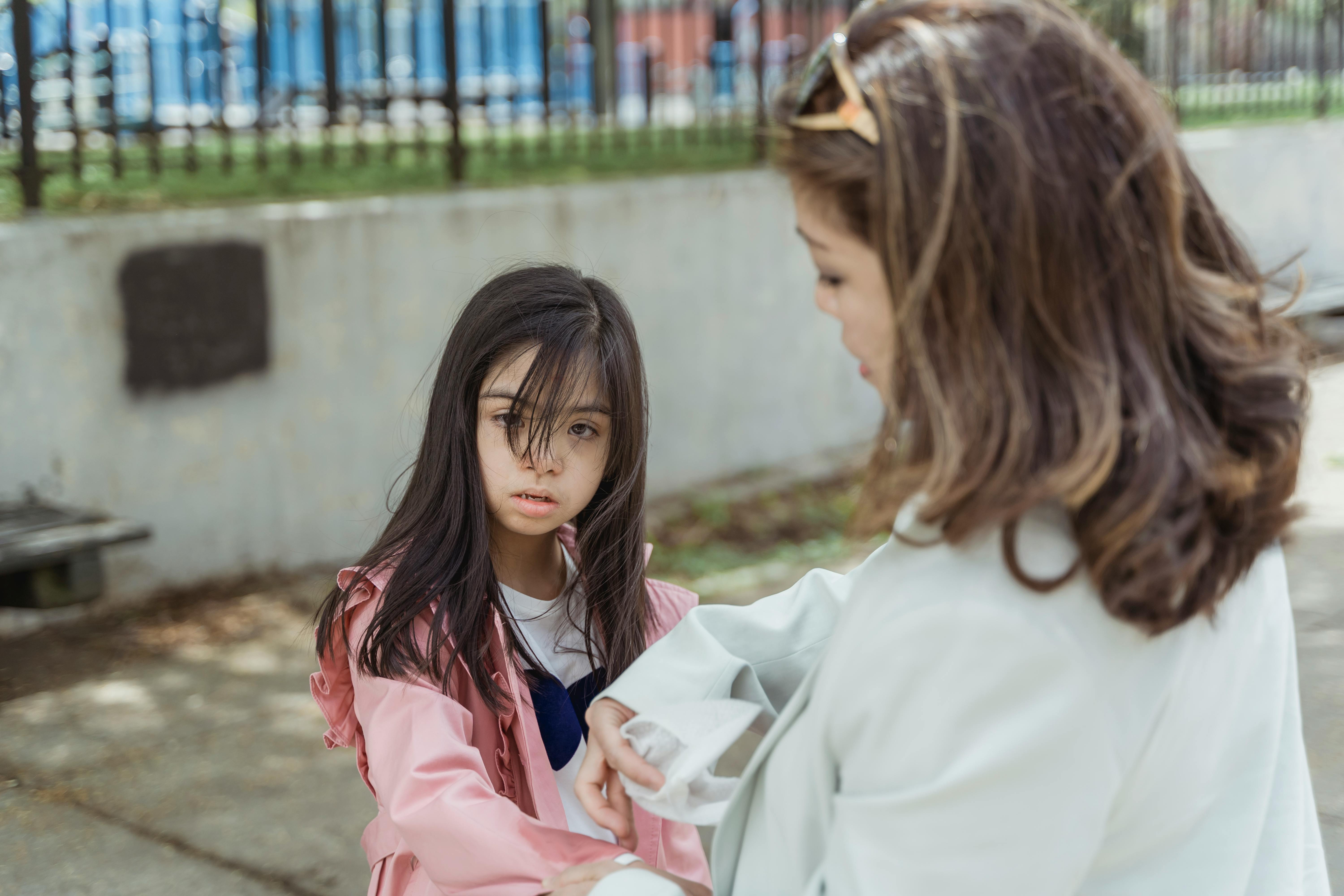
Autism Spectrum Disorder (ASD) poses unique challenges for both children and their families. The journey of raising a child with autism requires support, guidance, and access to effective interventions. In this article, we will explore the importance of early diagnosis in ASD, the symptoms and challenges associated with the disorder, the role of Applied Behavior Analysis (ABA) therapy in treatment, the impact of personalized treatment plans, the significance of parental involvement in ABA therapy, the integration of technology in behavior modification strategies, and the techniques and benefits of social skills training. By understanding these key aspects, we can better navigate the complexities of raising a child with autism and ensure that every child with ASD has the opportunity to thrive
Early diagnosis of Autism Spectrum Disorder (ASD) is a crucial step in ensuring effective autism spectrum treatment. It allows for the implementation of early intervention strategies, which have been shown to significantly improve the developmental outcomes for children with ASD. Early diagnosis can help identify the unique needs of each child, allowing for personalized care and treatment. It also provides parents with the opportunity to understand their child's condition better and equip themselves with the necessary knowledge and skills to support their child's development.
Autism Spectrum Disorder is characterized by a range of symptoms that can vary greatly from one child to another. These may include difficulties with social interaction, communication challenges, and repetitive behaviors. Children with ASD may also have unique strengths, such as attention to detail and the ability to focus on specific tasks for extended periods. Understanding these symptoms and challenges is key to providing effective care and support for children with ASD. It allows for the development of targeted strategies that address each child's specific needs and promote their overall development.
Applied Behavior Analysis (ABA) therapy plays a pivotal role in autism spectrum treatment. It is an evidence-based approach that uses principles of learning and behavior to improve socially significant behaviors in children with ASD. ABA therapy can help children develop a range of skills, including communication, social skills, and self-care abilities. It can also help reduce challenging behaviors that may interfere with learning or daily life. The effectiveness of ABA therapy is backed by extensive research, making it a widely accepted treatment for ASD.
Personalized treatment plans are a cornerstone of effective autism spectrum treatment. These plans are tailored to the unique needs and abilities of each child, ensuring that they receive the most appropriate and effective care. Personalized treatment plans can include a range of strategies and interventions, such as ABA therapy, speech therapy, occupational therapy, and social skills training. By addressing each child's specific needs, personalized treatment plans can help children with ASD make significant progress in their development and achieve their full potential.
Parents play a crucial role in their child's autism spectrum treatment. Their involvement in ABA therapy can significantly enhance the effectiveness of the treatment. Parents can learn strategies and techniques used in ABA therapy and apply them in everyday situations, providing consistent support for their child's development. Parental involvement also empowers parents, giving them the skills and confidence to support their child effectively. It also fosters a strong parent-child relationship, which is beneficial for the child's overall development.
The integration of technology in autism spectrum treatment is ushering in a new era of autism care. Technology-enhanced strategies for behavior modification, such as AI-powered technologies, can provide personalized and optimized treatment for each child. These technologies can analyze data to identify patterns and trends, allowing for the development of targeted interventions. They can also provide real-time feedback, helping children learn and apply new skills more effectively. This innovative approach to autism care has the potential to revolutionize the field and achieve unparalleled results.
Social skills training is an essential component of autism spectrum treatment. It helps children with ASD develop the skills they need to interact effectively with others and build meaningful relationships. Techniques used in social skills training can include role-playing, social stories, and video modeling. These techniques can help children learn and practice social skills in a structured and supportive environment. The benefits of social skills training can extend beyond social interactions, improving children's self-esteem, independence, and overall quality of life.
The ultimate goal of autism spectrum treatment is to ensure that every child with autism thrives. This involves not only addressing the symptoms and challenges of ASD but also nurturing each child's unique strengths and abilities. It requires a commitment to providing personalized, evidence-based care and a dedication to empowering parents and families. With the integration of innovative technologies and the continued advancement of research, the future of autism care holds great promise. Together, we can create a future where every child with autism has the opportunity to thrive and every family has the tools to make it happen.
In conclusion, raising a child with Autism Spectrum Disorder (ASD) requires understanding the importance of early diagnosis, the symptoms and challenges associated with the disorder, the role of Applied Behavior Analysis (ABA) therapy in treatment, the impact of personalized treatment plans, the significance of parental involvement in ABA therapy, the integration of technology in behavior modification strategies, and the techniques and benefits of social skills training. By understanding these key aspects, parents can navigate the complexities of raising a child with autism and ensure that every child with ASD has the opportunity to thrive.
Early diagnosis is crucial in ASD as it allows for immediate intervention and significantly enhances developmental outcomes. Parents should seek early screening and assessments to identify any signs of autism in their child.
Understanding the symptoms and challenges associated with ASD helps parents create personalized care plans. It is important to address social interaction difficulties, communication challenges, and repetitive behaviors through various strategies such as social skills training, visual supports, and speech therapy.
ABA therapy plays a pivotal role in treating ASD by focusing on behavior modification. Parents should actively participate in ABA therapy sessions to learn techniques that can be implemented at home. ABA therapy also emphasizes positive reinforcement and individualized treatment plans for each child.
The integration of technology in ASD care offers innovative solutions for behavior modification. Virtual reality programs, apps, and wearable devices can enhance learning experiences and provide immediate feedback for children with ASD.
Social skills training is essential for children with ASD to develop meaningful connections. Techniques such as role-playing, social stories, video modeling, and technology-enhanced strategies can help them practice social interactions within a controlled environment.
The future of autism care lies in evidence-based practices, empowering parents with knowledge and resources, and utilizing innovative technologies. Continual research and support are necessary to ensure that every child with autism has access to effective interventions and personalized care.
In this journey of raising a child with autism, parents need support, guidance, and relatable stories from an empathetic parent blogger who understands their challenges and emotions. They can find resources, education programs, support groups at Rori where they provide assistance to navigate the complexities of raising a child with autism. Start ABA therapy now!