An empathetic parent blogger who understands the challenges and emotions of being a parent. They provide support, guidance, and relatable stories to help parents navigate the complexities of raising a child with autism.
Recognizing mild autism traits in children is crucial for understanding their unique needs and providing appropriate intervention and support. Children with mild autism often struggle with social interactions, repetitive behaviors, and sensory sensitivities. However, it's important to remember that autism is a spectrum, and each individual may exhibit a range of behaviors and abilities. Early recognition of these traits can lead to early intervention, enhancing the child's quality of life and helping them thrive. Strategies such as technology-enhanced behavior modification, Applied Behavior Analysis (ABA) therapy, and creating sensory-friendly environments can play a significant role in addressing the challenges faced by children with mild autism. By understanding and supporting their social interactions, addressing repetitive behaviors, and providing sensory-friendly spaces, we can help children with mild autism develop their social skills, improve their communication abilities, and lead fulfilling lives
Children with mild autism, also known as high-functioning autism, often exhibit certain traits that distinguish them from their peers. These may include difficulties with , , and . They might struggle with , , or expressing their feelings. Recognizing these traits early on can be instrumental in seeking timely intervention and support.
The of can be a complex process, often involving a . It's important to understand that 'mild' does not mean the challenges faced are minor or insignificant. Rather, it refers to individuals who are often able to function independently but still face difficulties in certain areas. of can help in formulating .
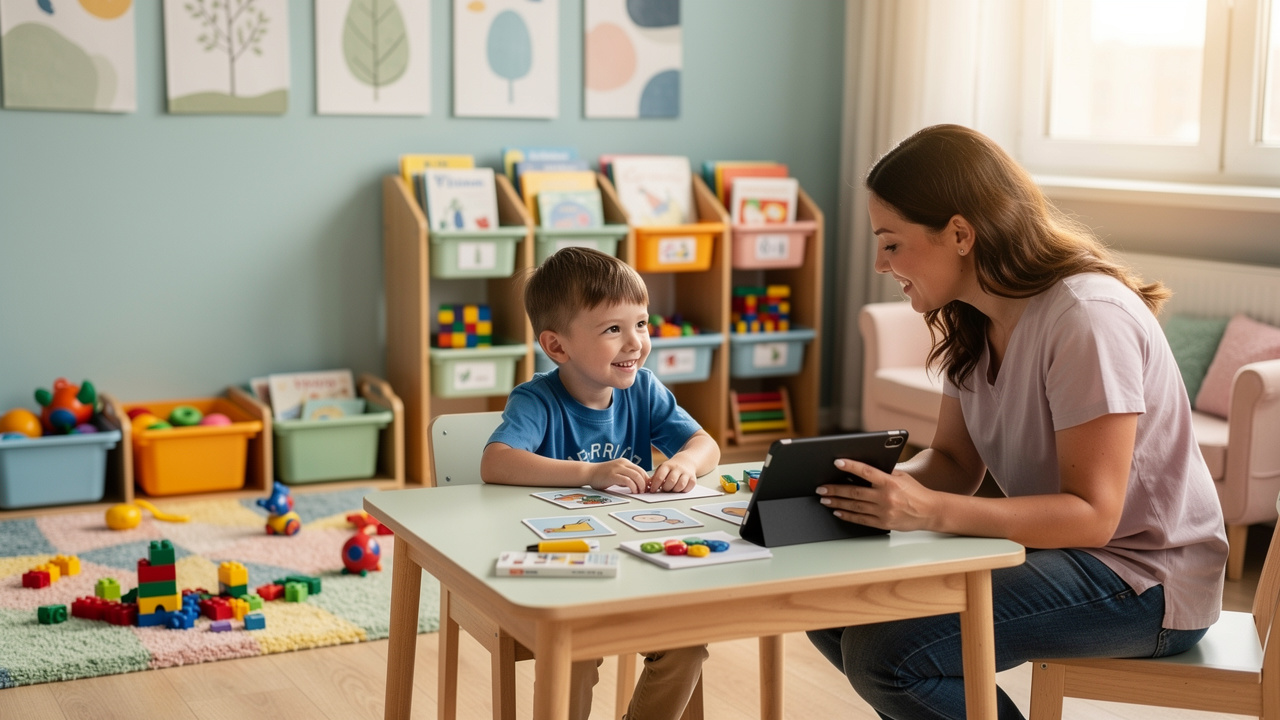
has been recognized as a powerful tool in addressing the traits of mild autism. It focuses on , such as , communication, and academics, as well as , such as fine motor dexterity, hygiene, grooming, domestic capabilities, punctuality, and job competence. ABA therapy can be particularly effective in managing the .
Every child with mild autism is unique, and so should be their treatment plan. involves tailoring therapy to meet the specific needs of each child. This could involve a combination of , , , and . are designed to help children with mild autism improve their skills and reach their full potential.
As a parent, you play a crucial role in . Your involvement can make a your child makes. You can help reinforce the and provide them with a at home. Remember, you are and your support is invaluable.
Technology has the potential to revolutionize in . From that personalize therapy plans to virtual reality systems that help children practice in a safe environment, technology is opening up new possibilities for treatment. These can complement and offer exciting new ways to address the challenges of .
One of the key goals of therapy for children with mild autism is to help them . This can involve teaching them how to , , and . By building these skills, children with mild autism can and ability to more independently.
The future of is promising, with ongoing research and advancements in technology paving the way for more . The goal is to ensure that every child with autism, including those with , has the . By continuing to push the boundaries of what is possible in , we can help create a future where and to reach their full potential.
In conclusion, recognizing mild autism traits in children is crucial for understanding their unique needs and providing appropriate intervention and support. Autism is a spectrum, and each individual may exhibit a range of behaviors and abilities. Early recognition of these traits can lead to early intervention, enhancing the child's quality of life and helping them thrive. Strategies such as technology-enhanced behavior modification, Applied Behavior Analysis (ABA) therapy, and creating sensory-friendly environments can play a significant role in addressing the challenges faced by children with mild autism. By understanding and supporting their social interactions, addressing repetitive behaviors, and providing sensory-friendly spaces, we can help children with mild autism develop their social skills, improve their communication abilities, and lead fulfilling lives.
The broader significance of the ideas discussed in this article lies in the empowerment of parents and caregivers to play an active role in their child's development and therapy. By recognizing the unique needs of children with mild autism and implementing personalized treatment plans, parents can create an inclusive and accommodating environment that promotes social, emotional, and academic growth. The advancements in technology-enhanced strategies further revolutionize behavioral modification for children with mild autism by providing innovative tools that supplement traditional therapies. It is essential for parents to collaborate with qualified professionals, seek resources, and engage in support networks to ensure the best outcomes for their child. By working together, we can ensure that every child with mild autism thrives.