Navigating the early signs of autism can feel like a tough journey for parents, especially when compared to the usual developmental milestones. As children grow, they show a variety of behaviors that reflect their social, communication, and emotional skills. But it's so important to tell the difference between typical development and signs of autism. Early intervention can really make a difference in a child's future!
So, what happens if those red flags slip by? And how can parents feel ready to spot these important early signs?
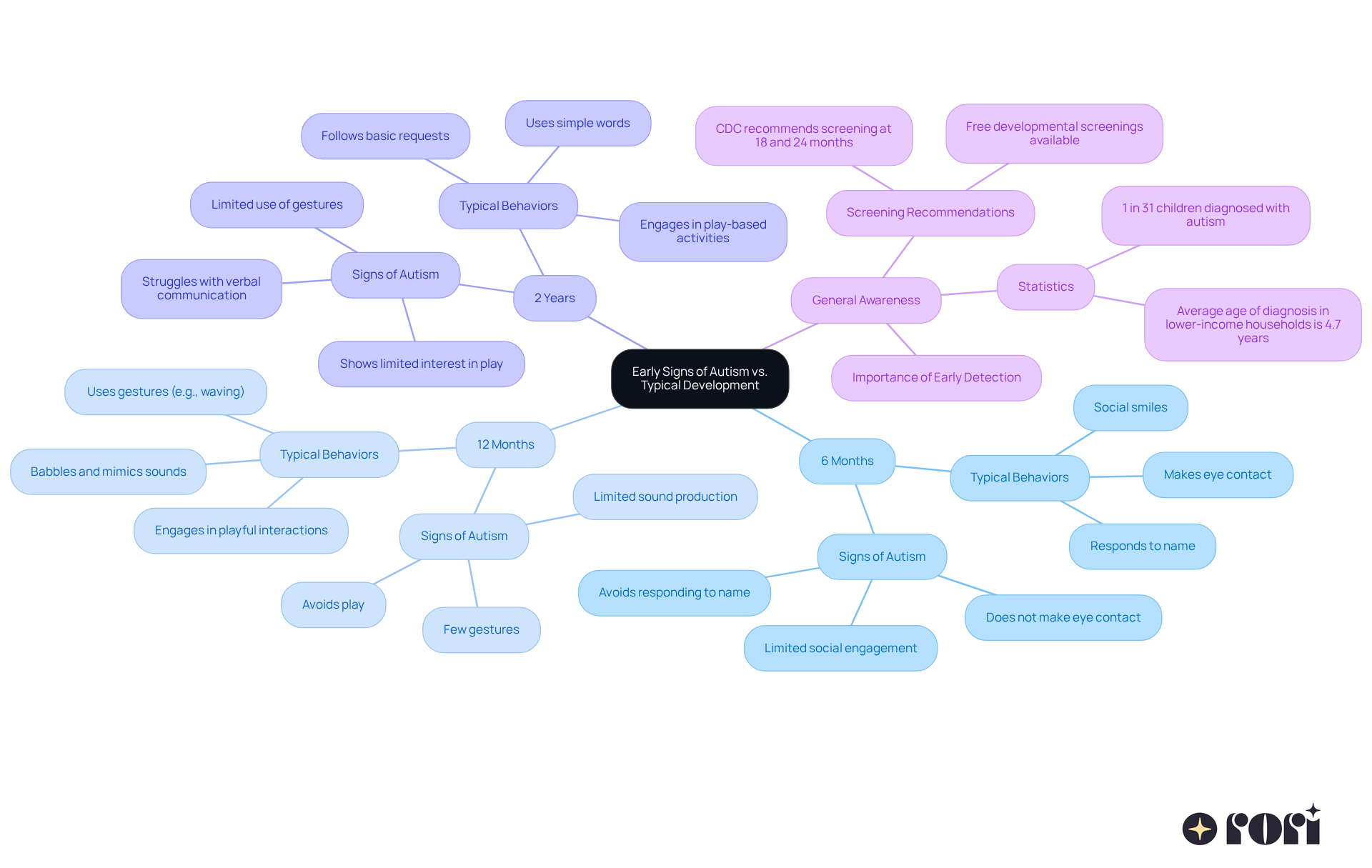
Noticing that your child isn't developing like their peers can be a tough pill to swallow. Initial signs of developmental challenges can show up in various ways, often looking quite different from what’s typical for their age. For example, by 6 months, most babies respond to their name and engage in playful interactions. But if your little one isn’t making eye contact or responding to social cues, it might be time to take a closer look.
You might notice your child showing signs that are quite different from what’s typical for their age. While an average child may babble and mimic sounds by 12 months, a child with developmental challenges might not make many sounds at all. By age 2, typical milestones include using gestures and saying simple words, but kids on the autism spectrum may struggle with verbal communication and gestures. It’s so important for parents to recognize these differences early on because getting help sooner can really make a difference for your child.
Caregiver education plays a vital role in this process. Learning about ABA principles and strategies can empower you to support your child at home and make informed decisions. The CDC recommends screening for autism at 18 and 24 months, which can help catch any issues early on. It’s also worth noting that children from lower-income households are often diagnosed later, at an average age of 4.7 years, which highlights the need for better access to timely intervention.
Being aware of understanding the early signs of autism is crucial. For instance, if your child isn’t responding to their name by 9 months, that’s something to pay attention to. Right now, about 1 in 31 kids are diagnosed with autism, which really shows how crucial it is to be aware and act quickly. As Christoph Ronacher points out, 'Despite the trickiness of diagnosing autism based on developmental milestones, there are some initial red flags that parents may want to be aware of.' Understanding the early signs of autism can enable you to identify these signs and pursue the necessary assistance for your child, ultimately leading to better outcomes. Let’s explore this together!
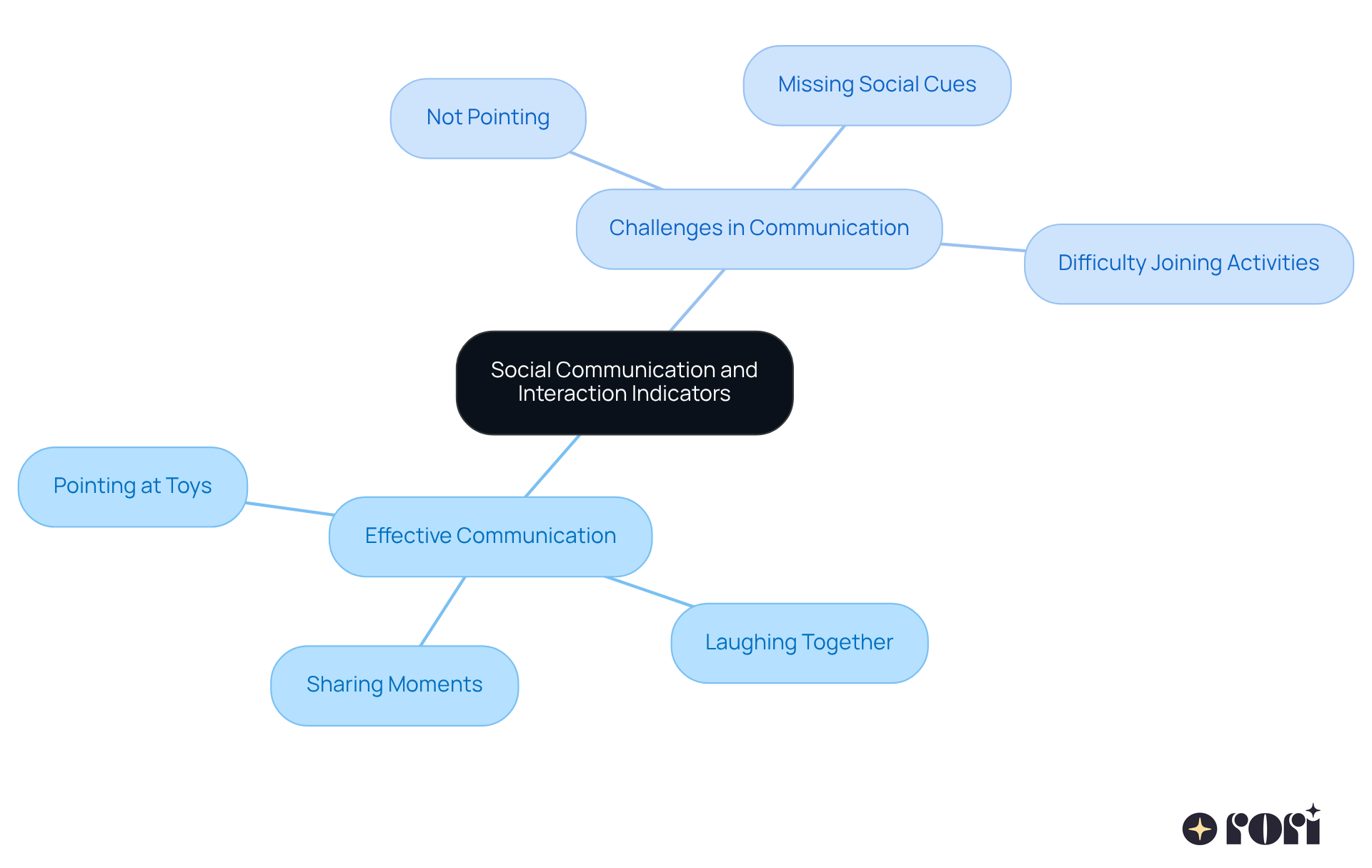
Have you ever noticed how some kids seem to connect effortlessly while others struggle to engage? Social communication skills play a huge role in early childhood development. Kids often share a moment, like pointing at a toy or laughing together, to show they’re interested in what’s happening around them. But some kids might find it tough to join in, like not pointing to show they’re excited or missing those little social cues from friends.
When kids can’t connect, it can make making friends and joining in on fun activities really hard. That’s why understanding the early signs of autism and spotting these challenges early is so important! With the right support, every child can learn to navigate social interactions and build meaningful connections. At Rori Care, we’re all about helping kids grow and thrive with programs designed just for them. We’re here to support families every step of the way!
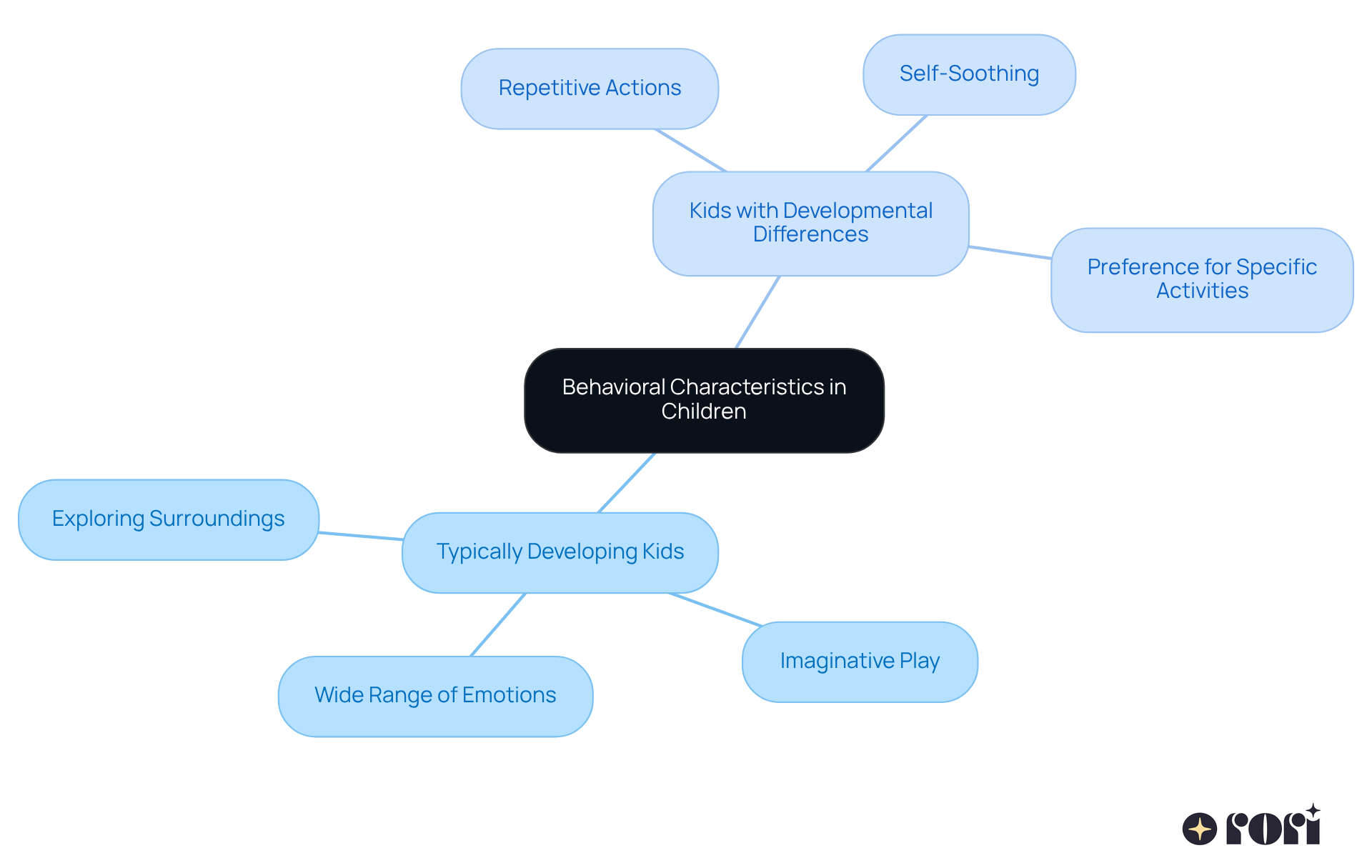
Have you ever noticed your child acting differently than their friends? Behavioral traits in kids can show all sorts of variations, especially when comparing those with developmental differences to their peers. Typically developing kids often explore their surroundings, engage in imaginative play, and express a wide range of emotions. On the flip side, kids with developmental disorders might display repetitive actions, like hand-flapping or rocking, which can serve as a way to self-soothe or express excitement. For example, while a typically developing child might enjoy a variety of play activities, a child with developmental differences may prefer to spin a toy over and over again.
It can be tough for parents to see their child acting differently from their friends, and that can leave you feeling confused or worried. Recent studies show that restricted and repetitive behaviors (RRBs) are common in kids with developmental disorders and can signal increased negative emotions. But when you spot these signs early, it can really help you get the right support for your child. Understanding the early signs of autism helps you recognize potential signs, allowing you to seek appropriate support early on.
At Rori Care, we believe that the child is at the center of everything we do. Our ABA therapy is tailored to meet each child's unique needs. We see amazing progress in 90% of kids when families get involved and follow the recommended hours of therapy. We equip caregivers with the knowledge and skills they need to support their child's behavioral goals, emphasizing ABA principles and strategy alignment. As Erin McKinney reminds us, recognizing both the challenges and the beauty in these experiences is essential for fostering understanding and support. By understanding these behaviors, you can take the first step toward supporting your child in a meaningful way.
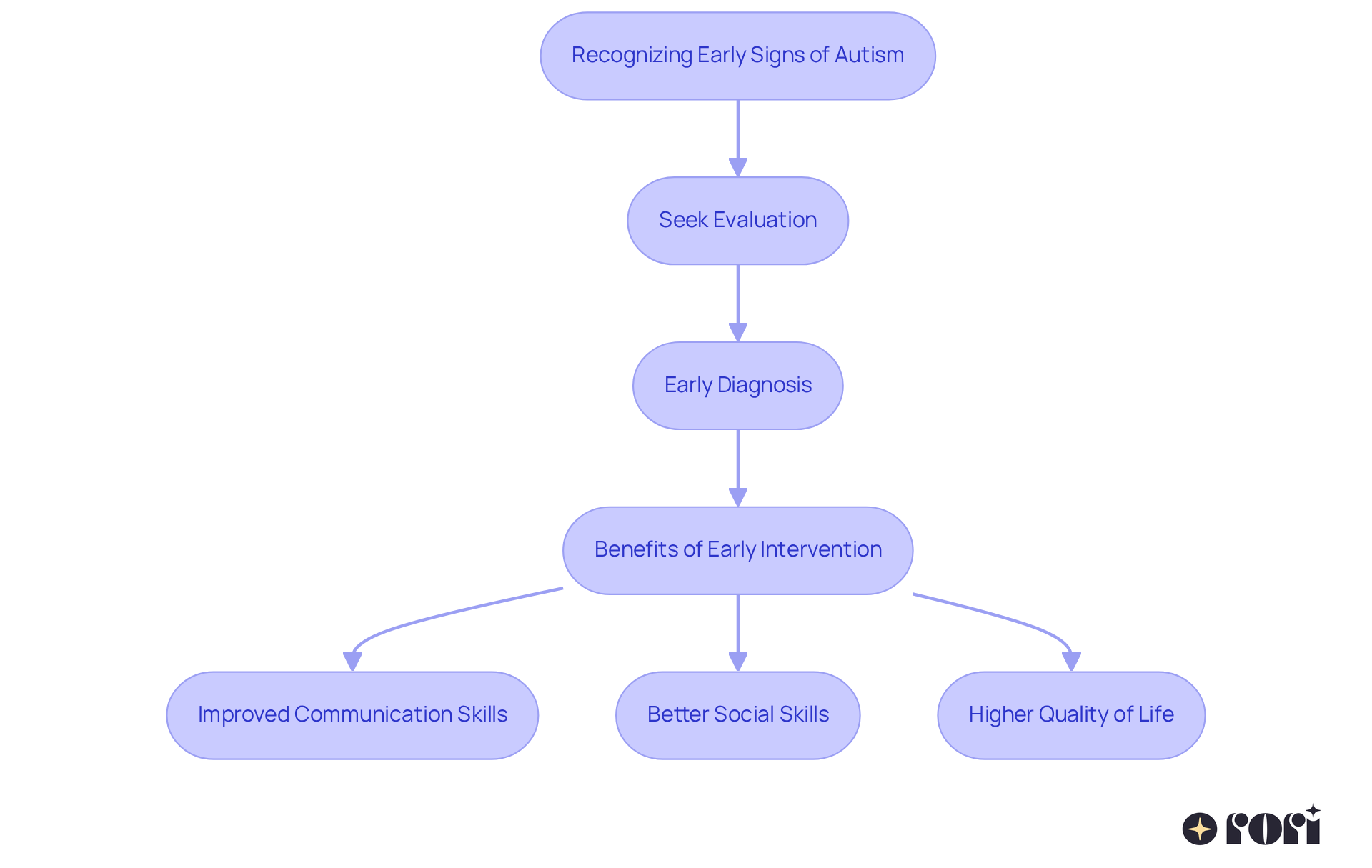
Did you know that understanding the early signs of autism can really change the game for your child? Early diagnosis is so important for effective intervention. Research shows that kids diagnosed before they turn 2.5 often make amazing strides in their communication and social skills compared to those diagnosed later.
Here at Rori Care, we’re all about helping your little one gain the skills they need to explore the world confidently with our friendly Applied Behavior Analysis (ABA) treatment. Early behavioral interventions can lead to significant improvements in essential skills, making it easier for kids to connect with their peers and navigate social situations.
The earlier your child gets support, the better their chances are of hitting those important developmental milestones and improving their overall quality of life. If you notice any early signs of autism, understanding the early signs of autism can encourage you to reach out for an evaluation, as getting help early can really make a difference! Current findings suggest that early intervention not only fosters skill development but also significantly impacts long-term success in various aspects of life, especially when caregivers are actively involved in the process. So, if you notice any signs, don’t hesitate to reach out - your child’s future could depend on it!
Spotting the early signs of autism can feel overwhelming for many parents, but it’s a crucial step in supporting your child. By understanding these differences, you can help ensure your family gets the timely intervention that can really make a difference.
The article highlights key aspects of early development, comparing typical milestones with signs of autism. It’s all about recognizing the importance of social interactions, noticing repetitive behaviors, and understanding how early diagnosis can lead to better outcomes. When you see these differences, it’s clear that early recognition can lead to effective strategies that enhance communication and social skills, ultimately improving your child's quality of life.
It can be tough to know what to look for when it comes to your child's development. If you notice any early signs of autism, seeking an evaluation can be a pivotal step. Remember, taking that first step toward understanding your child's needs can open doors to a brighter future for them. Let’s explore this together and make sure your child gets the support they deserve!
What are some early signs of autism in children?
Early signs of autism can include a lack of eye contact, not responding to their name by 9 months, and not engaging in playful interactions. By 12 months, a child may not babble or mimic sounds, and by age 2, they may struggle with verbal communication and gestures.
Why is it important to recognize early signs of autism?
Recognizing early signs of autism is crucial because early intervention can significantly improve outcomes for the child. The sooner help is sought, the better the support and resources available to assist the child's development.
What role does caregiver education play in recognizing autism?
Caregiver education is vital as it empowers parents to understand ABA principles and strategies, allowing them to support their child effectively at home and make informed decisions regarding their child's development.
When does the CDC recommend screening for autism?
The CDC recommends screening for autism at 18 and 24 months to help identify any developmental issues early on.
How does socioeconomic status affect autism diagnosis?
Children from lower-income households are often diagnosed later, with an average diagnosis age of 4.7 years, highlighting the need for better access to timely intervention for these children.
What is the current prevalence of autism diagnoses among children?
Currently, about 1 in 31 children are diagnosed with autism, emphasizing the importance of awareness and prompt action regarding early signs.