Motivating Operations (MOs) play a crucial role in Applied Behavior Analysis (ABA) therapy, influencing the value of reinforcers and the frequency of behaviors. By understanding and utilizing MOs effectively, behavior analysts can tailor interventions to meet the specific needs of children with autism. However, the use of MOs in ABA therapy raises ethical considerations and requires careful monitoring.
In this article, we will explore the different types of MOs, strategies for identifying and utilizing them, and their applications in ABA therapy. By examining the challenges and considerations in identifying MOs for individuals with autism, we can adapt strategies to ensure fair and supportive engagement, prioritize mental health, and foster meaningful social participation. With the integration of technology solutions and a focus on evidence-based practices, ABA therapists can provide high-quality, individualized care that enhances the lives of individuals with autism.
Let's delve into the world of MOs in ABA therapy and discover how they can empower both children and parents on their journey towards optimal development and well-being.
(Mos) are critical concepts within that refer to environmental factors affecting the value of a reinforcer and, consequently, the frequency of a behavior. These antecedent conditions can either increase or decrease the desirability of a consequence, thereby influencing the likelihood of a particular behavior to occur. For instance, an increase in the effectiveness of a reinforcer under certain conditions may lead to a heightened occurrence of the by that specific consequence.
The , which frames disability through a socio-political lens, suggests that our understanding of disability and behavior is deeply influenced by the context in which they are perceived. This model posits that disability should be viewed as a minority identity shaped by social injustice and discrimination. In alignment with this perspective, can be utilized to challenge and reshape traditional views of disability.
Instead of solely focusing on changing the behaviors of individuals with autism, the social model encourages modifications in societal expectations and structures to accommodate and value diversity in abilities.
By integrating the principles of the into ABA practices, therapists can advocate for , such as adapting interview processes to better align with the unique skills of autistic individuals. This shift moves away from the medical model, which historically conceptualizes disability as a deficit needing correction, to a more inclusive approach that recognizes the rights and identities of those with disabilities.
Furthermore, the adoption of , aimed at enhancing best practices and coordinated care, underscores the importance of evolving ABA methods to provide high-quality support tailored to the needs of autistic individuals. With technology playing a pivotal role in streamlining processes, it is essential for ABA professionals to stay apprised of advancements that improve service delivery and outcomes for those they support.

In the realm of , behavior analysts employ two principal types of to influence behavior: Establishing Operations (EOS) and Abolishing Operations (AOs). EOS have the effect of enhancing the desirability of a reinforcer, thereby increasing the probability of a particular behavior occurring. Conversely, AOs diminish the attractiveness of a reinforcer, which results in the corresponding behavior being less likely to happen.
Effective within ABA programs hinges on the strategic manipulation of these .
The application of this concept is not without its complexities. For instance, consider the situation of a French child in who exhibited behaviors such as head-banging or smearing, which are not only harmful or taxing for caregivers but also represent a departure from typical developmental patterns. The objective of ABA in such cases is to guide the child towards adapting their responses to their environment in a healthier manner.
However, this raises ethical questions, as some argue that while patients may appear more 'neurotypical,' it doesn't necessarily equate to an improvement in their well-being and could lead to mental health issues due to the pressure to conform.
Moreover, historical figures in ABA, like Ole Ivar Lovaas, have claimed remarkable successes with the therapy, suggesting that some autistic children became 'indistinguishable' from their peers after intensive treatment. At a time when autism often led to institutionalization, the prospect of a 'normal' life was groundbreaking. Yet, such claims have been met with scrutiny regarding the validity of the methods and the ethical implications of the treatments applied.
Contemporary behavior analysts, such as a New York state-licensed and Board-Certified Behavior Analyst with over a decade of experience, now focus on integrating technology solutions to enhance the quality and coordination of care, aiming for best practice approaches that are both high-quality and efficient. These professionals are dedicated to ensuring that ABA therapy is not only effective but also to the needs and well-being of individuals with autism.
Critics of ABA, including those within the neurodivergent community, have voiced concerns over the therapy's claims and its impact on patients' autonomy. They argue that the promise of ABA enabling autistic children to enter mainstream schools and achieve independence is often presented without solid evidence, and that the emphasis on compliance can inadvertently overlook the unique social skills that autistic individuals possess.
In light of these perspectives, it is evident that motivating operations in ABA therapy are a powerful tool, but they must be wielded with care, considering both the potential benefits and the ethical implications for the individuals involved.
In the nuanced field of , the discernment of constitutes a fundamental aspect of crafting effective interventions. engage in meticulous evaluations of both the environment and the individual's behavior to pinpoint the antecedent events that significantly influence behavioral outcomes. This investigative process is not only about identifying these operations but also encompasses a rigorous approach to and data collection.
By scrutinizing behavior patterns and employing these , analysts can isolate the specific at work. Such insights allow for the creation of bespoke interventions, adept at addressing challenging behaviors and fostering positive behavioral transformations.
The significance of this approach is mirrored in real-world applications, as seen in the case of a French child receiving in 2008. Here, the aim was to recalibrate the child's response to their environment which, at times, included behaviors that were harmful or particularly taxing for caregivers. Moreover, the broader implications of ABA therapy extend beyond immediate behavior modification.
Dr. Mary Barbera, an autism mom, BCBA-D, and author, notes the importance of ABA in improving the lives of children with autism, reducing stress for caregivers, and enhancing overall happiness.
ABA therapy's effectiveness is further underscored by its individual-centric methodology, as described by news sources. Each person's unique strengths and challenges are meticulously assessed, with interventions tailored to their specific needs. The systematic data collection and analysis intrinsic to ABA provide a clear picture of behavior patterns, progress, and the success of interventions.
This long-term, , championed by experts like Doreen Granpeesheh, CEO of the Center for Autism and Related Disorders, emphasizes consistency and continuity to achieve meaningful behavior change.
Additionally, the social and cultural models of disability offer a vital lens through which ABA's role can be examined. These models highlight disability as a construct shaped by social and cultural contexts, advocating for disabled individuals' rights and recognition within society. ABA's practices, when viewed through this perspective, can evolve to support autistic individuals more inclusively, emphasizing changes in societal attitudes alongside individual behavior modification.
Technology also plays a pivotal role in enhancing the efficacy of ABA therapy. New York state-licensed and Board-Certified are creating and refining technology solutions, ensuring coordinated care and optimized review processes. Such advancements in ABA underscore the field's commitment to high-quality, evidence-based care.
While the potential benefits of ABA interventions are considerable, it is essential to balance these against the possibility of due to inadequate monitoring, as highlighted by recent studies. With autism affecting a significant portion of the population, early interventions are crucial. These should be recommended by well-informed physicians, familiar with evidence-based practices and sensitive to the varying intensity and approaches of interventions across different countries.

Behavior analysts harness a variety of strategies to effectively incorporate within , tailoring environmental conditions to manage the value of reinforcers. This process includes the execution of to identify what is most reinforcing to the individual, as well as employing contrived , which are systematically introduced to alter the value of a reinforcer. Additionally, the integration of —those that occur spontaneously in the daily environment—plays a crucial role.
For instance, a behavior analyst might introduce a preferred toy or activity (a contrived motivating operation) to encourage a child to communicate a request, thereby increasing the value of the communication response. In contrast, might involve capitalizing on a child's hunger before mealtime to encourage them to use language to request their favorite food.
As noted by Dr. Mary Barbera, the understanding and application of these techniques are vital for shaping . In her work, she emphasizes the importance of addressing both the visible and invisible challenges of autism. The ultimate aim is to foster an while respecting the individual's neurodiversity.
Recent discourse, including those at professional conferences and among experienced practitioners, reflects an evolving understanding of how to effectively implement these strategies. The goal is not just to apply best practices but also to ensure that such interventions translate to real-world settings where the diverse needs of individuals with autism are met. These strategies are continually refined to provide high-quality, coordinated care, as highlighted by leading behavior analysts in the field.
This approach requires a careful balance, acknowledging the concerns raised by neurodivergent voices regarding the potential for ABA to prioritize neurotypical norms over individual well-being. As the conversation around ABA continues to evolve, it is essential to consider the full spectrum of implications, from the mental health of autistic individuals to the broader social and political context of autism support.
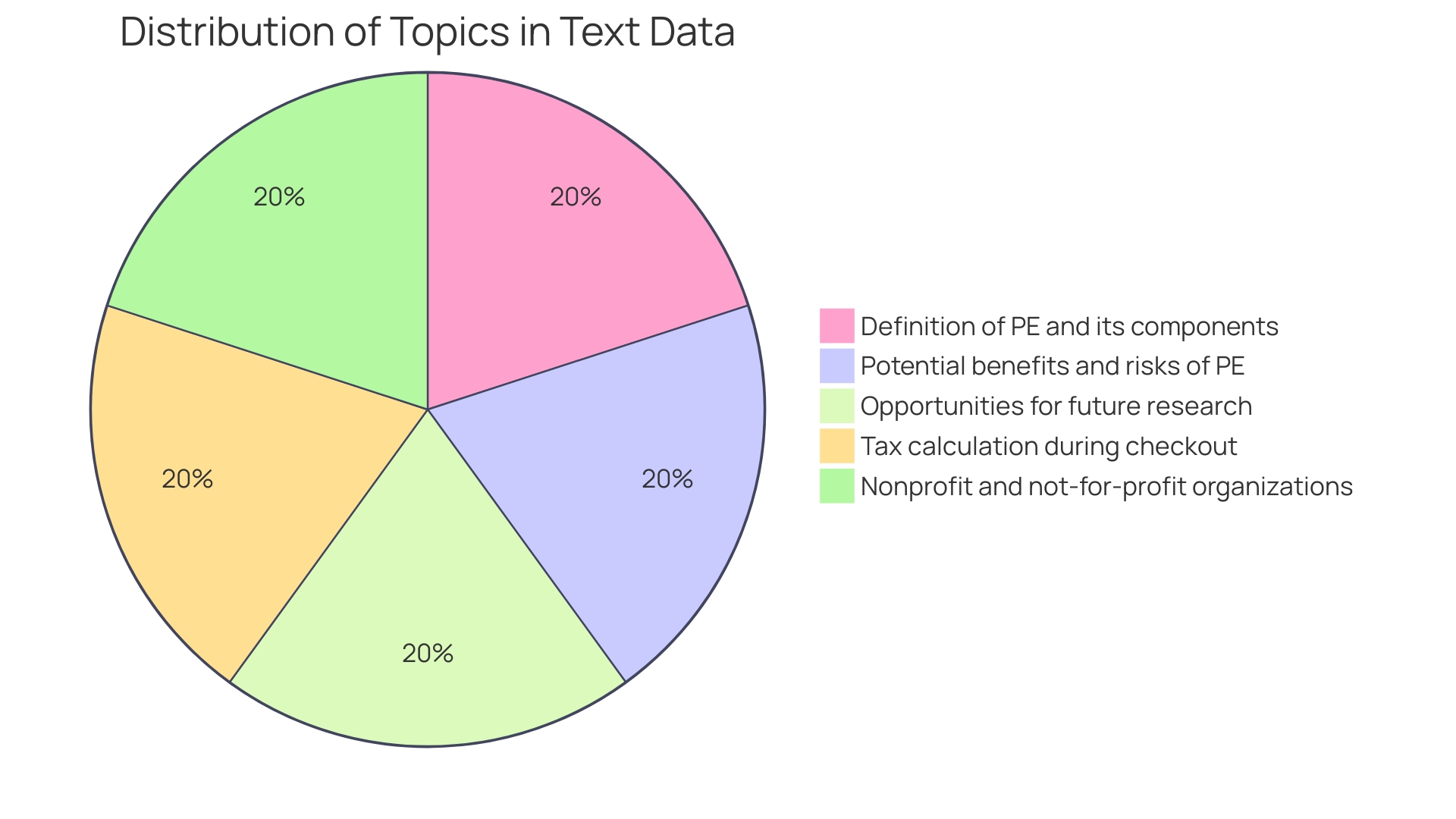
In , are critical for tailoring interventions to the specific needs of children with autism. They are instrumental not only in increasing desired behaviors and skill acquisition but also in reducing problematic behaviors. For instance, by altering the environment to affect the child's motivation, behavior analysts can enhance the child's desire to engage in social interactions or improve language development.
These operations are pivotal in , as evidenced by various case studies and expert insights. One striking example is the case of Jadon Chard, an autistic individual with an intellectual disability and ADHD. Jadon's challenging behaviors were addressed through a , which he attended intensively, highlighting the importance of customizing therapy to manage specific behaviors.
Furthermore, historic milestones in , such as the work of Ole Ivar Lovaas, who reported significant improvements in autistic children following intensive therapy, underscore the profound impact of these techniques. Lovaas's approach suggested that certain behaviors could be modified to the extent that some children became 'indistinguishable' from their typically developing peers.
Additionally, have been integrated into ABA practices, reflecting over a decade of clinical knowledge from experts like a New York state-licensed and Board-Certified Behavior Analyst specializing in technology solutions. These advancements ensure best practices and high-quality coordinated care, demonstrating the continuous evolution of ABA therapy to meet the complex needs of individuals with autism.
The application of in ABA therapy is backed by , the design of intervention outcome variables that index meaningful change, and transparency in reporting adverse events. This research is crucial for ensuring that interventions not only appear effective but also result in lasting, positive changes in the lives of individuals with autism.

Crafting effective ABA therapy interventions for individuals with autism necessitates a nuanced appreciation of their unique behavioral patterns, preferences, and communicative abilities. A extends beyond mere observation; it involves a deep dive into the individual's world, taking into account sensory sensitivities and environmental variables that could sway the . The use of and , like the Interview Informed Synthesized Functional Analysis (IISCA), aids in pinpointing the root cause of challenging behaviors, thereby enabling the creation of .
Drawing on extensive clinical expertise, behavior analysts are well-equipped to construct and refine . The pressing need for such individualized approaches is underscored by statistics revealing the employment challenges faced by autistic individuals, with only 3 in 10 finding work, compared to 8 in 10 non-disabled people. By tailoring interventions to address individual differences, behavior analysts strive to enhance the life outcomes and societal integration of those with autism.

Tailoring motivating operations in to the individual needs of children with autism is not just a matter of enhancing learning but also a step towards ensuring and societal equity. Dr. David (Dan) R. Offord, a prominent child psychiatrist, emphasized the importance of in all realms of life for children with disabilities, stating that "I do not mind if my children are in a race as long as the race is fair." This principle is especially relevant for autistic children who face additional challenges in social communication and may have co-occurring intellectual disabilities.
To create a fair race and foster meaningful social participation, ABA therapists can employ and sensory breaks, and . These methods align with current trends in , as researchers now favor well-designed randomized controlled trials over quasi-experimental studies to determine the effectiveness of interventions. By integrating technology solutions that coordinate care and streamline processes, therapists can ensure that best practices are employed in treatment settings, as highlighted by the expertise of a New York state-licensed and Board-Certified Behavior Analyst with extensive experience in the field.
Considering the complex landscape of autism intervention research, it is crucial to approach each child's therapy with adaptability and attentiveness to their unique needs. Implementing these targeted strategies is not just about optimizing the impact of motivating operations but also about contributing to a more equitable society where the developmental race is fair and every child's is prioritized.
Motivating Operations (MOs) are crucial in ABA therapy, influencing reinforcer value and behavior frequency. By understanding and utilizing MOs effectively, behavior analysts can tailor interventions to meet the specific needs of children with autism. Integrating the social model of disability into ABA practices promotes inclusivity while technology solutions enhance the quality and coordination of care.
Identifying MOs involves meticulous evaluations of the environment and behavior, using functional assessments and data collection. Strategies for utilizing MOs include preference assessments, contrived motivating operations, and natural motivating operations. These strategies manage reinforcer value and create a conducive learning environment while respecting neurodiversity.
Applications of MOs in ABA therapy involve tailoring interventions to enhance desired behaviors and reduce problematic ones in children with autism. Technology solutions further enhance the efficacy of ABA therapy, emphasizing evidence-based practices.
Challenges in identifying MOs for individuals with autism require a nuanced understanding of their unique behavioral patterns. Personalized, function-based strategies are crucial for enhancing life outcomes and societal integration.
To effectively use MOs in ABA therapy, therapists must tailor interventions to individual needs, ensuring mental health and societal equity. Fair and supportive engagement, along with customized strategies, contribute to a more equitable society. Integrating technology solutions ensures evidence-based practices and coordinated care.
Adapting strategies to each child's unique needs fosters optimal development and well-being.
What are Motivating Operations (MOs) in ABA therapy?
Motivating Operations (MOs) are environmental factors that affect the value of a reinforcer and the frequency of a behavior. They can increase or decrease the desirability of a consequence, thus influencing a particular behavior's likelihood to occur.
How do MOs relate to the social model of disability?
The social model of disability suggests that disability should be viewed through a socio-political lens as a minority identity shaped by social injustice. ABA therapy, when aligned with this model, focuses on societal changes to accommodate and value diversity rather than solely changing the behaviors of individuals with autism.
What are the two main types of MOs used in ABA therapy?
The two principal types of MOs in ABA therapy are Establishing Operations (EOs) and Abolishing Operations (AOs). EOs enhance the desirability of a reinforcer, increasing the likelihood of a behavior, while AOs diminish a reinforcer's attractiveness, making the behavior less likely to occur.
Why is identifying MOs important in ABA therapy?
Identifying MOs is crucial for creating effective interventions in ABA therapy. It involves understanding the antecedent conditions that significantly influence behaviors, allowing for tailored interventions to foster positive behavioral change.
How do behavior analysts incorporate MOs into ABA therapy?
Behavior analysts use strategies like preference assessments and the introduction of contrived and natural MOs to manage the value of reinforcers. This could involve using a preferred toy to encourage communication or utilizing a natural state like hunger to motivate a request for food.
What are some ethical considerations when using MOs in ABA therapy?
Ethical considerations include ensuring that interventions lead to genuine improvements in well-being, respecting the neurodiversity of individuals with autism, and considering the impact of therapy on mental health and patient autonomy.
Can technology play a role in ABA therapy involving MOs?
Yes, technology solutions are being integrated into ABA practices to enhance best practices and coordinated care. ABA professionals use technology to streamline processes and improve service delivery for autistic individuals.
How do MOs help with reducing problematic behaviors in ABA therapy?
By altering the environment to affect motivation, MOs help increase desired behaviors and skill acquisition while reducing problematic behaviors. For example, enhancing the child's motivation for social interaction can decrease undesirable behaviors.
What research backs the application of MOs in ABA therapy?
The application is supported by research that emphasizes the importance of evidence-based practices, meaningful change measurement, and reporting of adverse events to ensure interventions result in lasting positive changes.
How do ABA therapists adapt strategies to effectively use MOs for children with autism?
ABA therapists adapt strategies by employing visual aids, sensory breaks, and customized reinforcement strategies. They focus on fair engagement and meaningful social participation, contributing to a more equitable society where every child's developmental needs and mental health are prioritized.