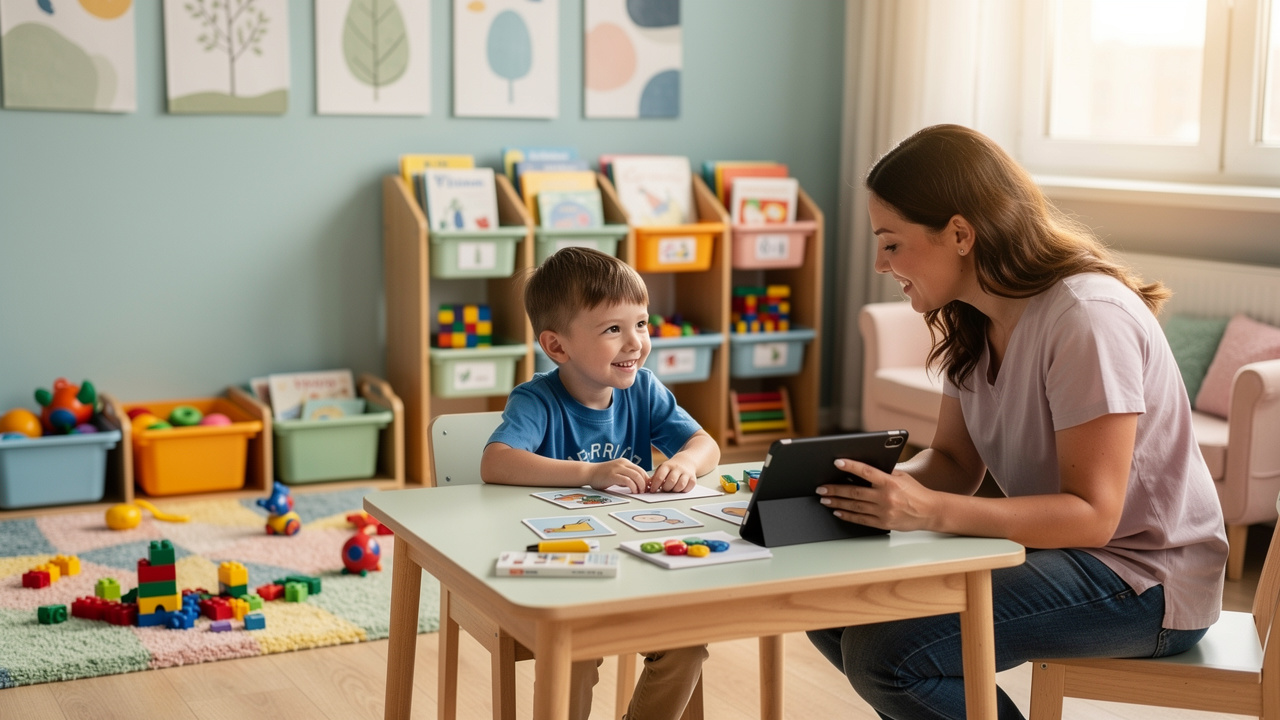
Watching movies can be a unique experience for children with autism due to their sensory sensitivities. The film 'Things Heard and Seen' is no exception, as the visual and audio elements may elicit different reactions from children with autism compared to neurotypical children. In this article, we will explore strategies to make movie-watching more comfortable for children with sensory sensitivities, including creating a tranquil viewing environment, providing sensory-friendly seating options, and offering a sensory-friendly version of the movie. We will also discuss the crucial role parents play in mediating media consumption, initiating dialogue about movies, and validating their child's emotional responses. By implementing these strategies, parents can help their children engage with movies in a way that is comfortable and enjoyable for them, fostering emotional intelligence and communication skills.
The movie 'Things Heard and Seen' is a thrilling drama that combines elements of mystery, horror, and the supernatural. It tells the story of a couple who move to a historic home in the Hudson Valley, only to discover that their marriage has a sinister darkness, one that rivals their new home's history. The film's intense visual and audio elements can be particularly impactful for , who often have .
Children with autism often experience , which can affect their perception and interpretation of sensory information. This can include to , such as bright lights, loud noises, or . These sensitivities can make watching movies like a for children with autism, as they may react differently to the film's visual and audio elements than neurotypical children.
The film 'Things Heard and Seen' is rich in visual and audio elements that can be particularly impactful for . The movie's intense visual scenes, combined with its dramatic soundtrack, can create a that may be overwhelming for some . It's important to be aware of these elements when deciding whether or not this movie is .
Certain scenes in 'Things Heard and Seen' may serve as for . These could include , , or . It's crucial to be aware of these and to prepare your child accordingly if you decide to watch the movie together.
As a parent, you play a crucial role in mediating your child's . This includes helping them understand and process the content they're viewing, and providing support if they become overwhelmed or distressed. When watching , it's important to , ready to pause the movie or discuss certain scenes if necessary.
If your child becomes distressed while watching 'Things Heard and Seen', there are several strategies you can use to manage their reactions. This could include , , or using such as deep breathing or sensory toys. Remember, every child is unique, and what works for one child may not work for another.
Despite its intense scenes, 'Things Heard and Seen' can also provide opportunities for . The movie's can serve as a basis for discussions about . These discussions can help better understand and navigate their own .
Watching and discussing movies like 'Things Heard and Seen' can also aid in for children with autism. By engaging with the movie's content, children can practice , , and . These skills are crucial for and .
In conclusion, the article highlights the unique challenges that children with autism face when watching movies, particularly due to their sensory sensitivities. The film 'Things Heard and Seen' serves as an example of how the visual and audio elements can elicit different reactions from children with autism compared to neurotypical children. To make movie-watching more comfortable for children with sensory sensitivities, strategies such as creating a tranquil viewing environment, providing sensory-friendly seating options, and offering a sensory-friendly version of the movie can be implemented. These strategies aim to allow children with autism to engage with movies in a way that is comfortable and enjoyable for them, fostering emotional intelligence and communication skills.
The broader significance of these ideas lies in the importance of understanding and accommodating the unique needs of children with autism. By implementing these strategies, parents can create an inclusive and supportive environment where their child can fully participate in movie-watching experiences. Moreover, this approach extends beyond movies and can be applied to various aspects of a child's life, promoting their overall well-being and social development. It emphasizes the crucial role that parents play in mediating media consumption, initiating dialogue about movies, and validating their child's emotional responses. By embracing these strategies, parents can foster a sense of acceptance and empowerment for their child with autism.