Navigating childhood fears can be tough for parents, especially when you want to help your child feel safe and secure. ABA therapy can be a great support, giving you and your child practical ways to tackle those worries together. But with so many options out there, how do you find the best path for your child?
Many parents feel overwhelmed when trying to find effective ways to support their child's anxiety, especially when it comes to understanding Applied Behavior Analysis (ABA). This approach is built on some key principles that illustrate the role of ABA therapy in helping children with autism manage fears.
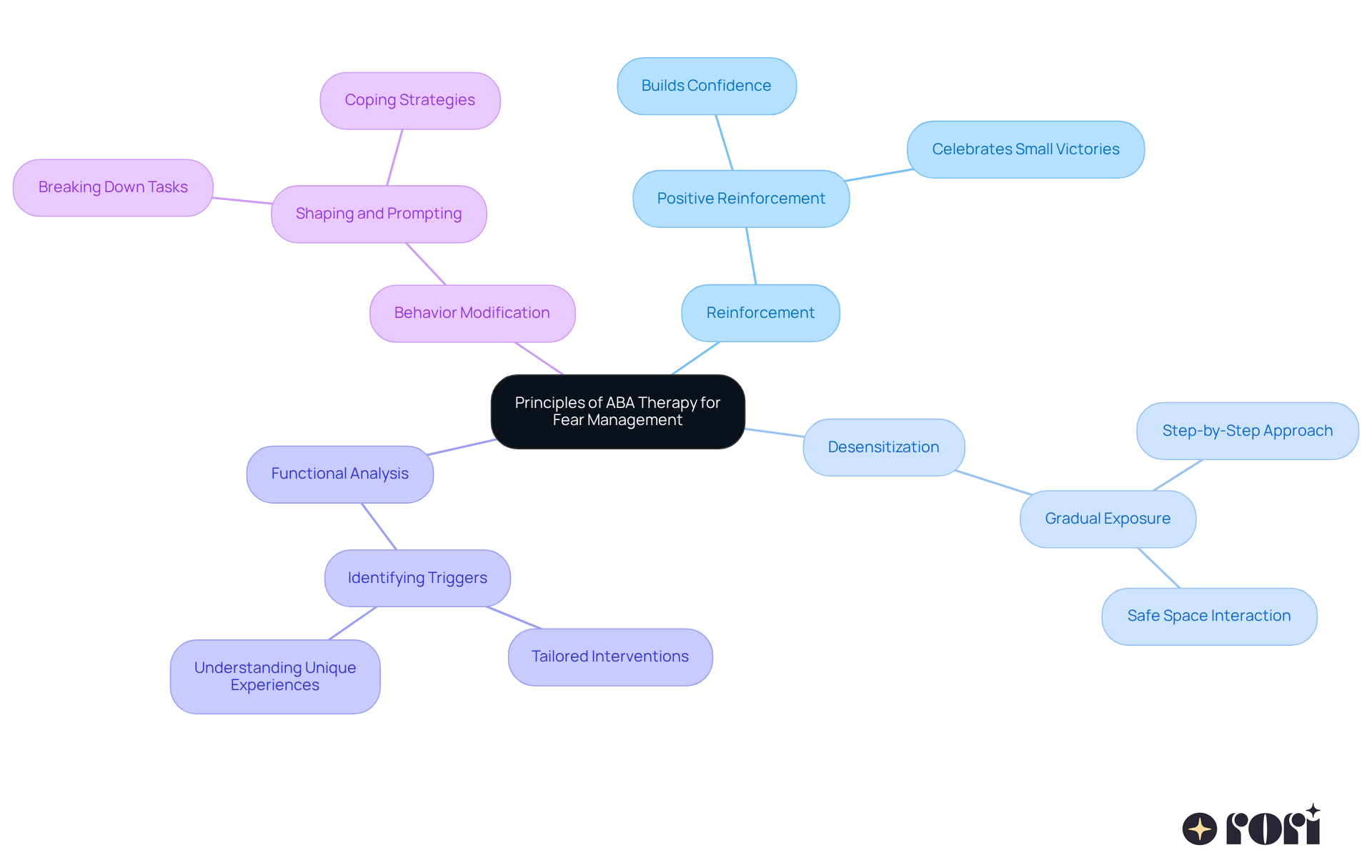
Reinforcement: Positive reinforcement is a game changer! When kids face a challenge and get rewarded for it, they start to build confidence and reduce their anxiety. It’s all about celebrating those small victories!
Desensitization: Gradual exposure to what they fear is another important technique in ABA therapy. Imagine a child who’s scared of dogs. They might start by looking at pictures of dogs before moving on to seeing them in a safe space. This step-by-step approach helps them feel more comfortable over time.
Functional Analysis: Understanding what triggers a child’s anxiety is crucial. By figuring out the specific reasons behind their reactions, therapists can create tailored interventions that really resonate with each child’s unique experiences.
Behavior Modification: Techniques like shaping and prompting help kids learn new ways to cope with their anxieties. By breaking down big tasks into smaller, manageable steps, they can gradually face their fears and feel a sense of achievement along the way.
At Rori Care, our behavior analysts conduct functional behavior analyses to pinpoint triggers and develop personalized plans that cater to each child's specific challenges and goals. We also set clear, measurable goals for behavior change, so parents can see the progress their child is making. Plus, our behavior care engine generates automatic progress reports for clinicians, ensuring that we’re always evaluating and adjusting the plans as needed.
When ABA therapists use these principles, they emphasize the role of ABA therapy in helping children with autism manage fears while creating a safe space for kids to explore and manage their anxieties. This leads to better emotional regulation, improved social interactions, and an overall higher quality of life for children with autism. Let’s explore this together and see how we can support our kids on their journey!
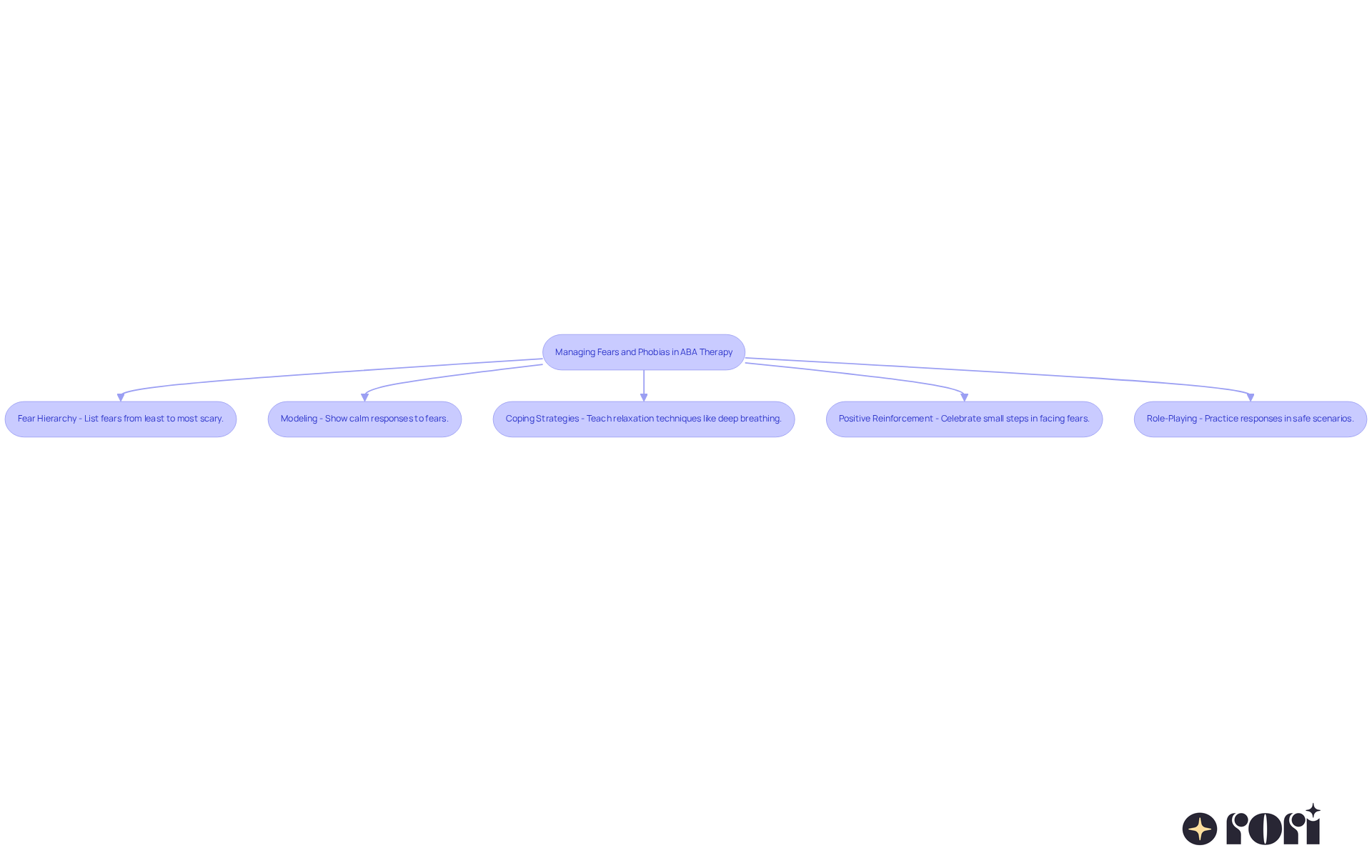
Watching your child grapple with fears can be heart-wrenching, especially when you feel helpless to ease their anxiety. To effectively manage fears and phobias in children with autism, ABA therapists can implement several key techniques that align with the principles of Applied Behavior Analysis (ABA) therapy:
These techniques can really help your child tackle their fears, illustrating the role of ABA therapy in helping children with autism manage fears, and they’ll feel so proud of themselves for doing it! By using these techniques, you’re not just helping your child face their fears; you’re also empowering them to thrive in their everyday life.
Navigating the world of ABA therapy can feel overwhelming for parents, especially when considering the role of ABA therapy in helping children with autism manage fears and phobias. Here are some effective strategies to engage parents:
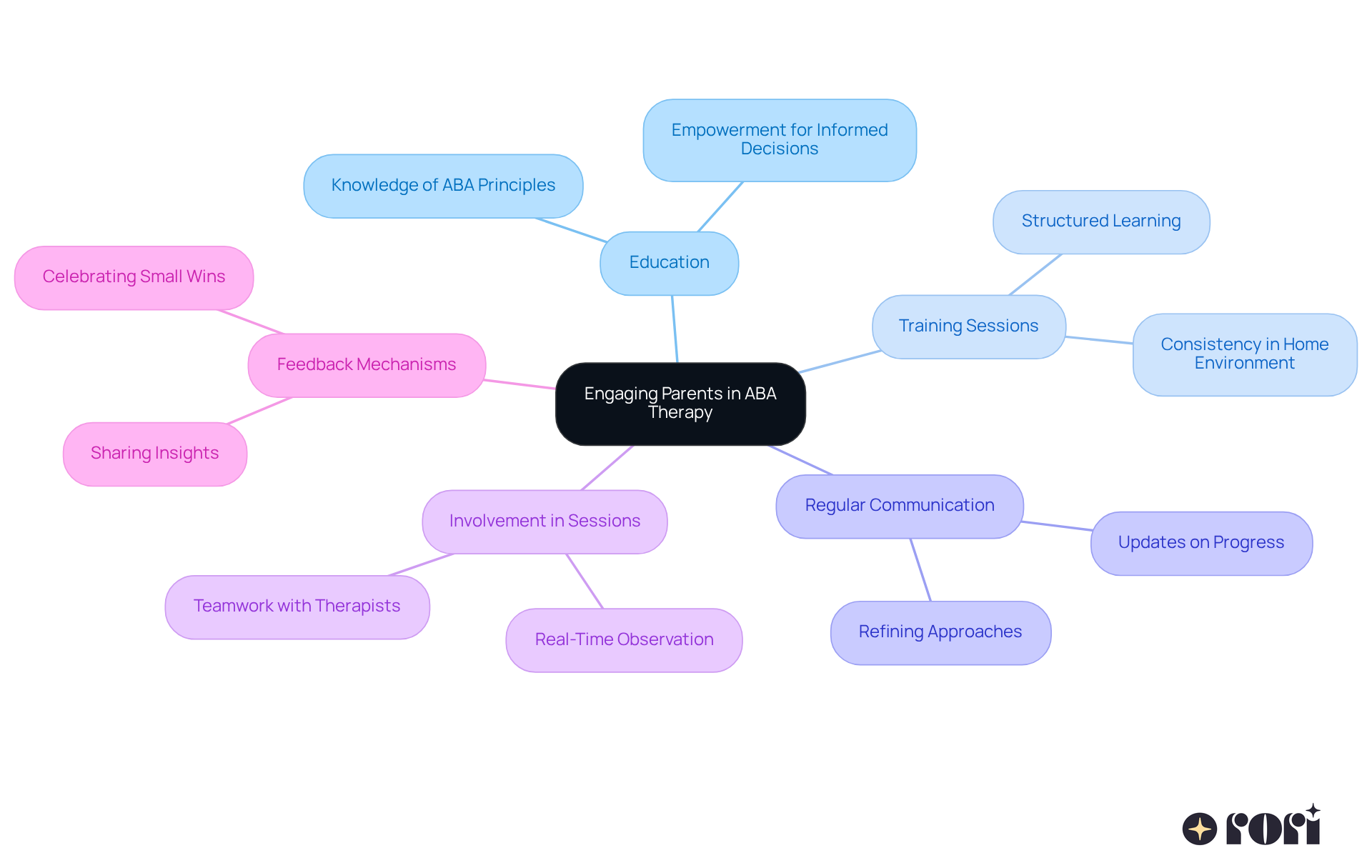
Education: Equip parents with knowledge about ABA principles and techniques. This understanding empowers them to support their child's progress effectively. When parents know what to look for, they can make informed decisions that lead to better outcomes for their kids.
Training Sessions: Offer structured training sessions that teach parents how to implement ABA strategies at home. Consistency between treatment and home environments is key! Kids thrive when parents apply skills in their everyday lives.
Regular Communication: Keep those lines of communication open! Regular chats about their child's progress and challenges help parents feel connected and informed. This ongoing conversation allows them to refine their approach and tackle any bumps in the road.
Involvement in Sessions: Encourage parents to actively participate in therapy sessions. Watching techniques in real-time lets them ask questions and gain insights into effective strategies. It’s all about teamwork!
Feedback Mechanisms: Create ways for parents to share their thoughts on their child's behavior and progress. This collaborative approach builds a nurturing network that emphasizes the role of ABA therapy in helping children with autism manage fears. Plus, celebrating small wins can inspire both parents and their children!
Did you know that when parents get involved, it can cut down behavioral issues by nearly 48%? That’s a huge win for everyone! By embracing these strategies, we can create a supportive community that fosters growth and resilience for our kids.
Navigating fears and phobias in children with autism can feel overwhelming for parents, but technology offers some hopeful solutions! Here are a few friendly strategies to consider:
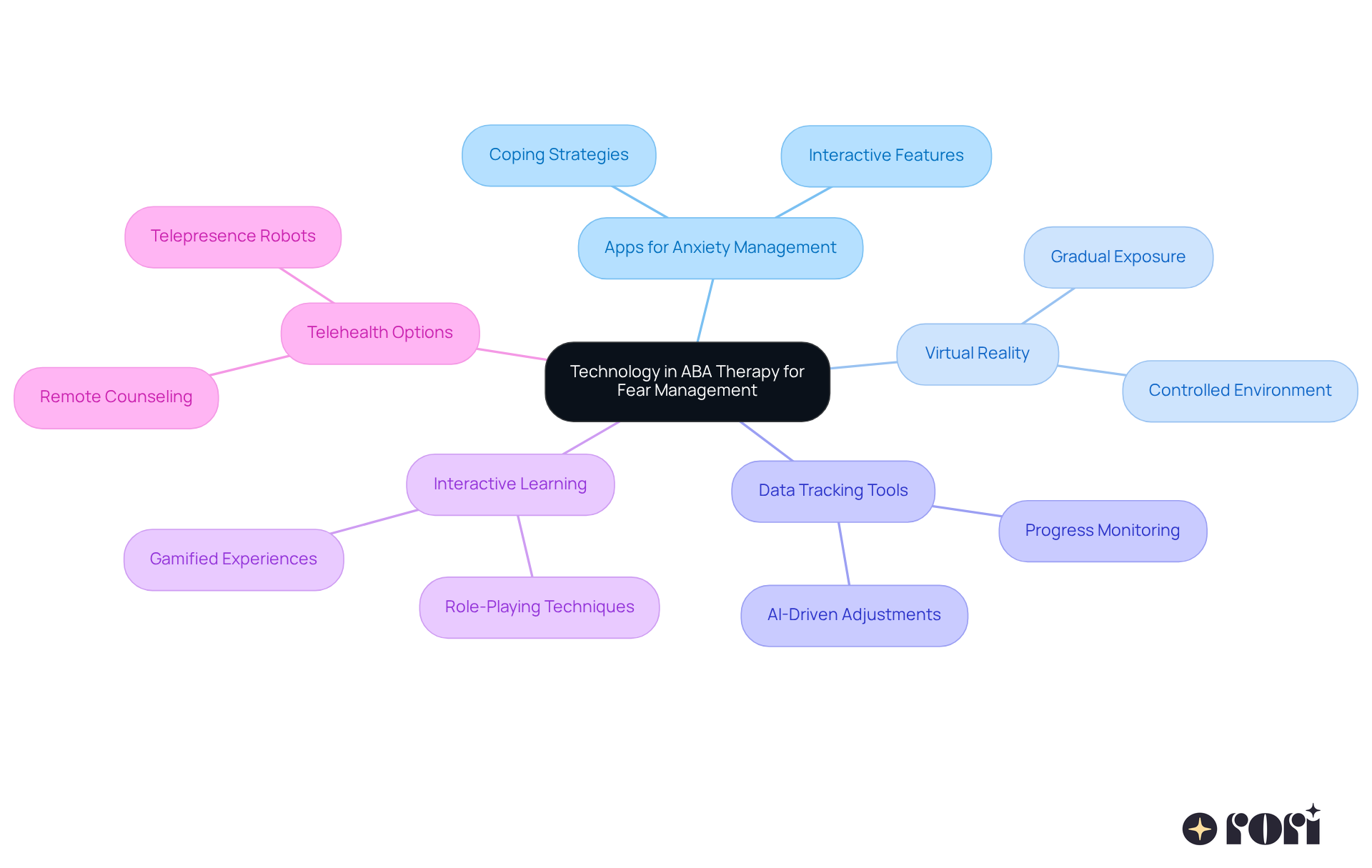
Apps for Anxiety Management: Mobile apps designed to teach coping strategies, like deep breathing and mindfulness, can empower your child to manage anxiety effectively. These apps often have fun, interactive features that keep kids engaged while they learn.
Virtual Reality (VR): Imagine your child stepping into a safe, controlled environment where they can gradually face their fears. VR technology makes this possible, allowing them to confront anxiety-inducing situations at their own pace, which can be a game-changer!
Data Tracking Tools: Let’s talk about data tracking tools! These handy digital helpers allow therapists to keep an eye on progress and tweak strategies as needed, making sure your child gets the best support possible. With AI-driven tools, Rori Care can save time and focus more on what truly matters-your child’s care.
Interactive Learning: Who says facing fears can’t be fun? Gamified learning experiences, like role-playing and using videos for gradual exposure, can make the process enjoyable. When kids engage with the material in a playful way, they’re more likely to practice coping strategies.
Telehealth Options: Remote counseling sessions offer flexibility and accessibility for families, ensuring consistent support no matter where you are. Plus, telepresence robots can make these sessions feel more personal and engaging, keeping the connection strong.
By embracing these tech tools, you’re not just helping your child face their fears; you’re also paving the way for a brighter, more confident future together! We’re here to help you every step of the way!
Navigating your child's fears can feel like a daunting task, but understanding ABA therapy can make a world of difference. This approach gives kids a solid way to tackle their fears while also helping them build the skills they need to face challenges head-on.
We’ve seen how important things like reinforcement and desensitization are in helping kids deal with their anxieties. Techniques like fear hierarchies and modeling create a supportive environment that makes a real impact. And when parents get involved, the benefits of therapy extend beyond just the sessions, creating a team effort that can lead to amazing outcomes.
By embracing these strategies and actively participating in the therapeutic journey, you’re helping your child grow stronger and more confident every day. Remember, it’s not just about managing fears; it’s about nurturing their emotional well-being and social skills. So, let’s explore this together! By taking these steps, you’re not just helping your child manage fears; you’re opening doors to a more confident and joyful life.
What is ABA therapy and how does it help with fear management in children?
ABA therapy, or Applied Behavior Analysis, helps children with autism manage fears by using key principles such as positive reinforcement, desensitization, functional analysis, and behavior modification to support their emotional regulation and social interactions.
What role does positive reinforcement play in ABA therapy?
Positive reinforcement encourages children to face challenges by rewarding them for their efforts, which helps build their confidence and reduce anxiety as they celebrate small victories.
How does desensitization work in ABA therapy?
Desensitization involves gradual exposure to feared objects or situations. For example, a child afraid of dogs might start by looking at pictures of dogs before eventually seeing them in a safe environment, helping them feel more comfortable over time.
What is functional analysis in the context of ABA therapy?
Functional analysis is the process of understanding what triggers a child's anxiety. By identifying the specific reasons behind their reactions, therapists can create tailored interventions that address each child's unique experiences.
What techniques are used for behavior modification in ABA therapy?
Techniques such as shaping and prompting are used to help children learn new coping strategies for their anxieties. These techniques break down larger tasks into smaller, manageable steps, allowing children to gradually face their fears and gain a sense of achievement.
How does Rori Care implement ABA therapy principles?
At Rori Care, behavior analysts conduct functional behavior analyses to identify triggers and develop personalized intervention plans. They also set clear, measurable goals for behavior change and generate automatic progress reports to evaluate and adjust plans as needed.
What are the overall benefits of ABA therapy for children with autism?
ABA therapy helps children with autism manage fears, leading to better emotional regulation, improved social interactions, and an overall higher quality of life. It creates a safe space for children to explore and manage their anxieties.