

Introduction
Ever felt like navigating autism treatment is like trying to solve a puzzle with missing pieces? It takes teamwork from parents, therapists, educators, and doctors to make it all fit together. But what happens when it feels like everyone’s speaking a different language or when time just slips away?
Exploring some friendly strategies can help us bridge those gaps and make sure our kids get the best care possible. By working together, we can create a brighter path for our children, one step at a time.
Define Collaboration in Autism Treatment
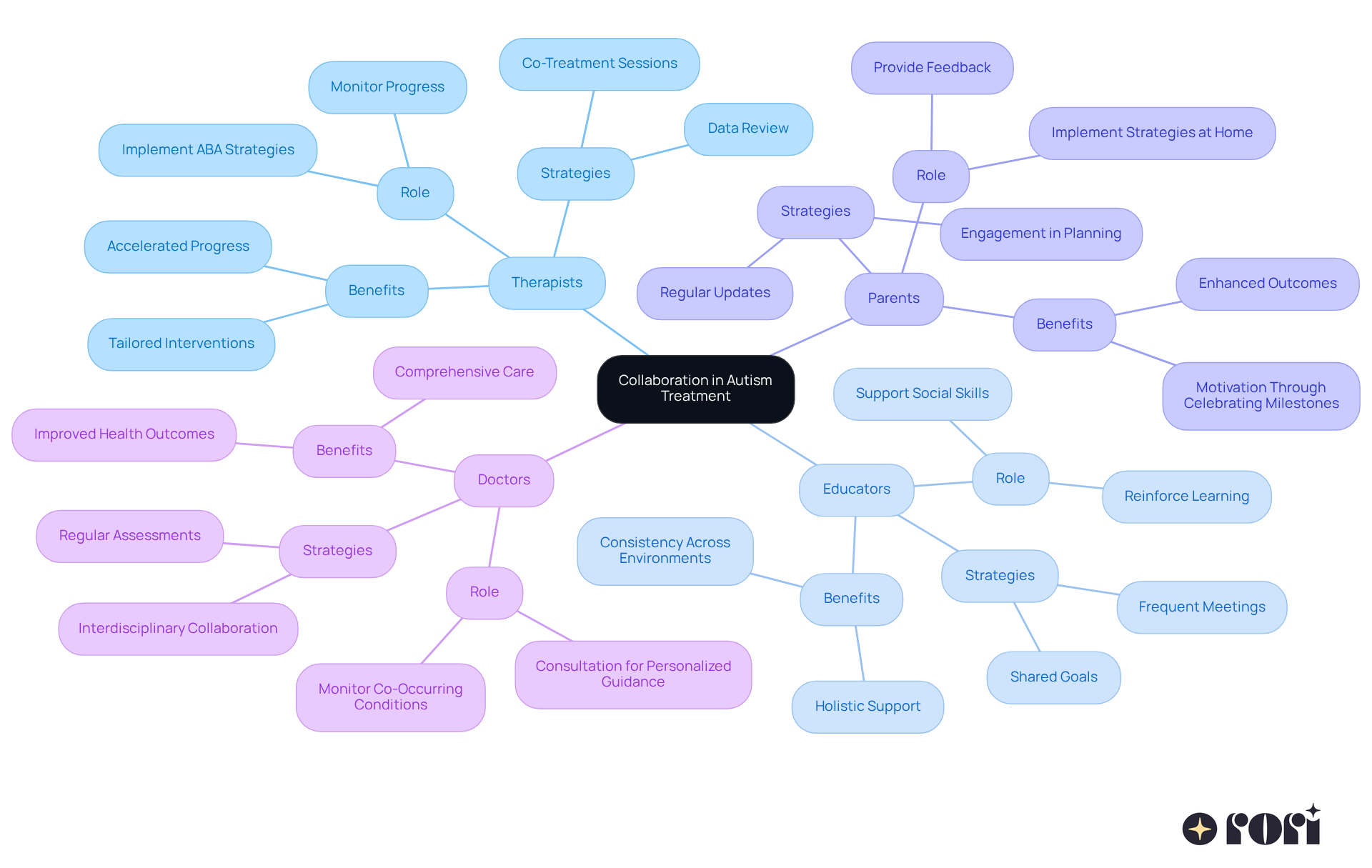
Navigating autism care can feel overwhelming, especially when so many people are involved in your child’s journey. To create a plan that truly fits your child’s unique needs, it is essential to recognize the role of collaboration in personalized autism treatment among therapists, educators, parents, and doctors. At Rori Care, we blend the best of personalized ABA treatment with the latest AI tech, giving your little one 50% more care time! This approach brings together insights from various fields, creating a comprehensive strategy that really helps your child grow and thrive.
When we all communicate openly and share the same goals, it really helps everyone stay on the same page. Effective collaboration underscores the role of collaboration in personalized autism treatment, ensuring that everyone is working toward a common vision, which is essential for making real progress in behavior, social skills, and independence. Studies show that when we work together in co-treatment sessions, kids can improve almost twice as fast compared to traditional therapy!
Frequent team meetings and organized communication tools keep everyone aligned, ensuring that families are actively involved in the process. By engaging parents and caregivers in planning and implementation, we emphasize the role of collaboration in personalized autism treatment, reinforcing strategies across all environments and maximizing the potential for positive outcomes. We make sure to set clear goals and use proven strategies, so we can keep adjusting your child’s care plan as needed!
By working together, we can create a brighter future for your child, one step at a time.
Identify Roles of Stakeholders in Collaborative Care
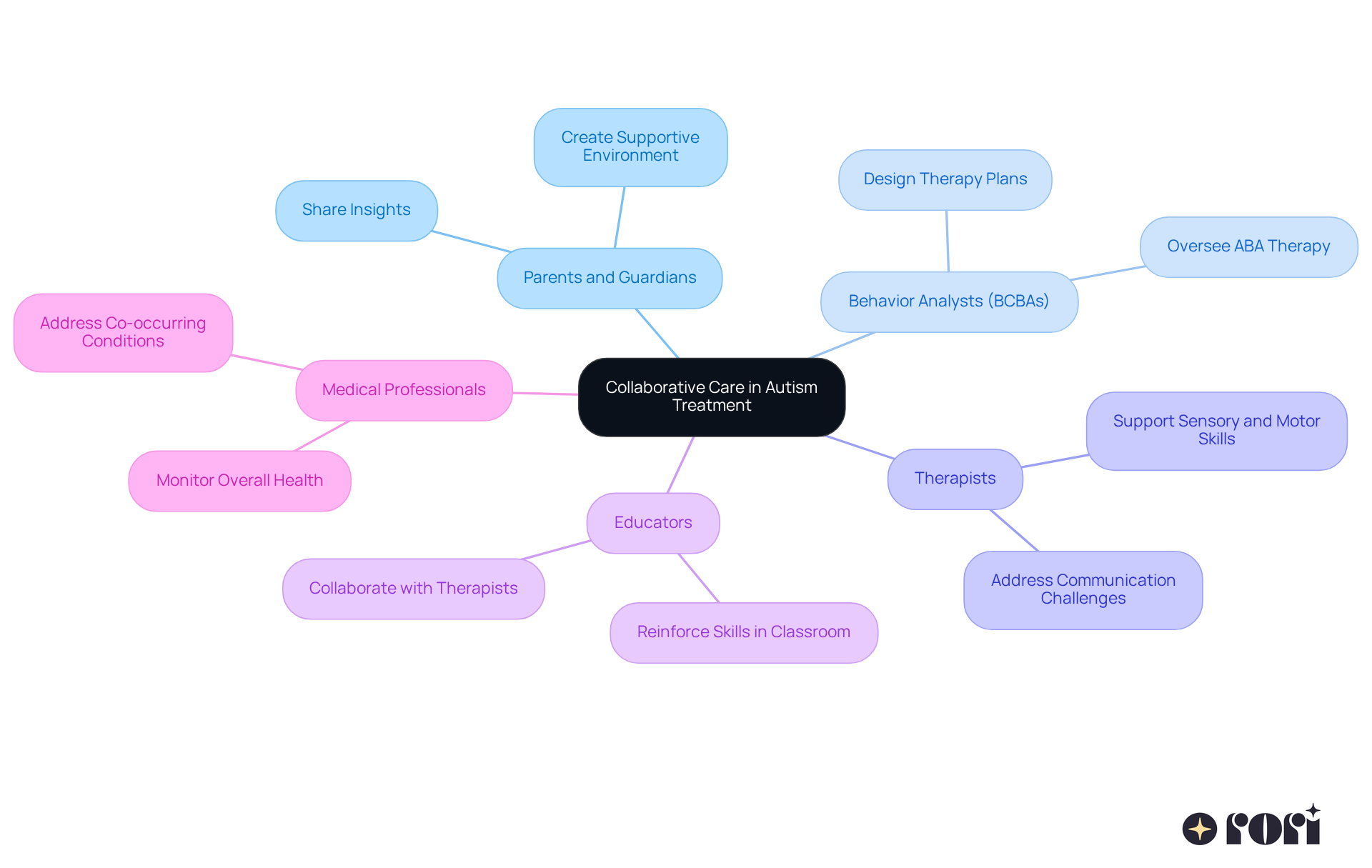
Navigating autism treatment can feel overwhelming for parents, but you’re not alone in this journey! In a collaborative autism treatment framework, several key players come together to support your child:
- Parents and Guardians: You share your unique insights about your child’s behavior and what makes them tick! Your involvement is crucial for creating a supportive environment that aligns with your family’s values and goals.
- Behavior Analysts (BCBAs): Think of BCBAs as the architects of your child’s therapy, crafting plans that fit just right! They design and oversee Applied Behavior Analysis (ABA) therapy, customizing interventions based on what works best for your child. With the demand for certified ABA therapists on the rise, their role in autism care is more important than ever.
- Therapists: Speech, occupational, and physical therapists bring specialized skills to the table, tackling communication, sensory, and motor challenges. Their expertise complements the behavioral strategies used by BCBAs, creating a well-rounded support system.
- Educators: Teachers work hand-in-hand with therapists to reinforce skills in the classroom, ensuring that what your child learns at home carries over to school. This teamwork is vital for helping kids generalize their skills in different settings.
- Medical Professionals: Pediatricians and psychiatrists play a key role in addressing any co-occurring conditions and monitoring overall health. Their involvement ensures that every aspect of your child’s well-being is considered in the treatment plan.
When everyone pitches in, it emphasizes the role of collaboration in personalized autism treatment, fostering a team effort that really helps our kids thrive! Together, we can build a brighter future for our children, and that’s something we can all strive for!
Explore Effective Collaboration Models and Strategies
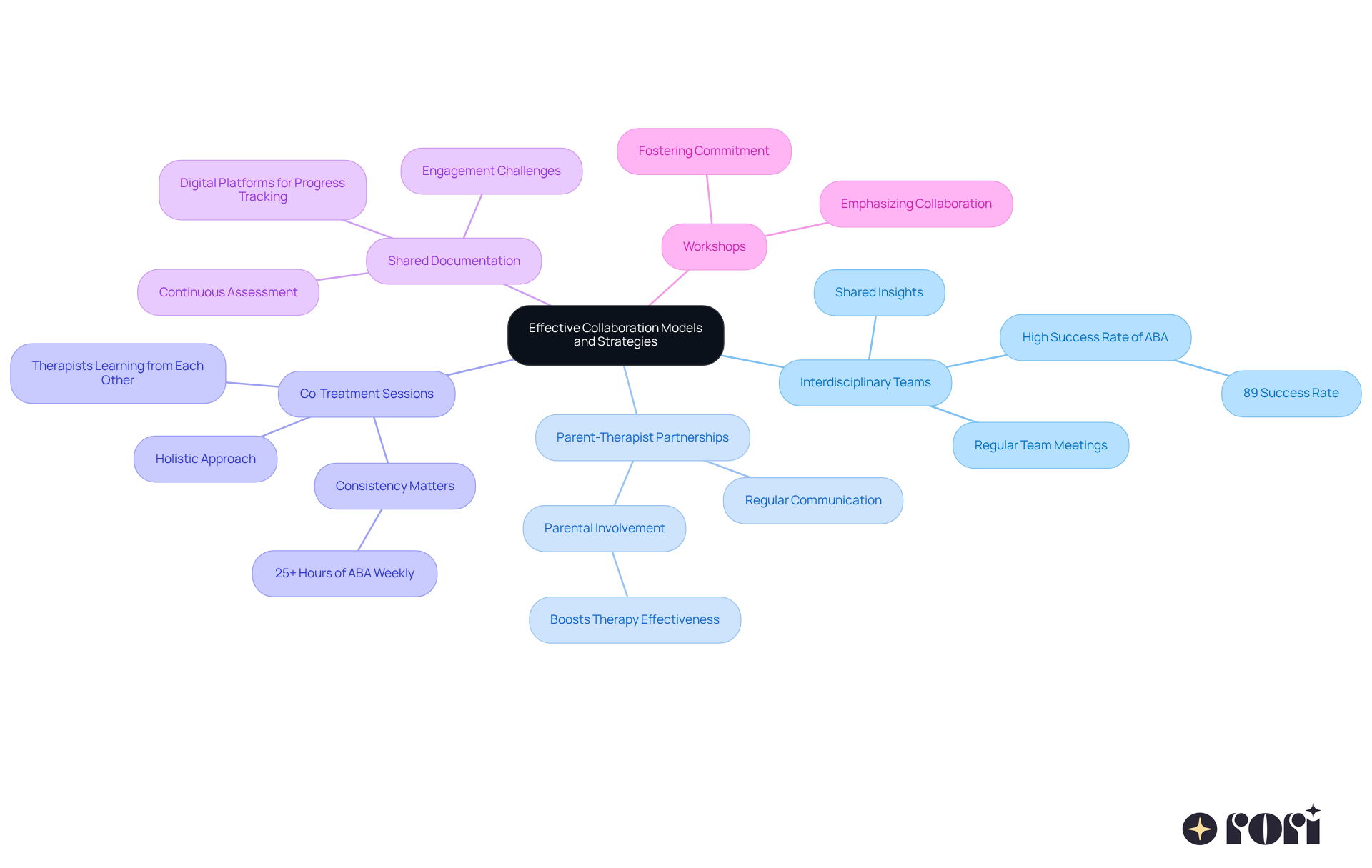
Navigating autism treatment can feel overwhelming, but recognizing the role of collaboration in personalized autism treatment can make a world of difference! Here are some models and strategies that can help:
- Interdisciplinary Teams: Imagine a group of professionals from different fields coming together to share insights and create a treatment plan just for your child. Regular team meetings keep everyone in the loop, making sure everyone’s on the same page. Did you know that ABA treatment has a success rate of over 89%? That’s a testament to the role of collaboration in personalized autism treatment and how powerful teamwork can be in making a difference!
- Parent-Therapist Partnerships: Building a strong relationship with your child’s therapist is key. When parents and therapists communicate regularly, it helps everyone adjust the treatment plan based on what’s happening at home. Your involvement is crucial! You’re the one navigating the complexities of services, and your insights can really boost therapy effectiveness. By learning ABA principles and strategies, you can actively support your child’s goals.
- Co-Treatment Sessions: When therapists from different disciplines work together, they can learn from each other’s techniques. This teamwork demonstrates the role of collaboration in personalized autism treatment, leading to a better understanding of your child’s needs and a more holistic approach to treatment. Kids who get at least 25 hours of ABA therapy each week tend to see better results. Consistency really matters!
- Shared Documentation: Using shared digital platforms to document progress keeps everyone informed and engaged. When everyone is on the same page, it emphasizes the role of collaboration in personalized autism treatment, creating a supportive environment that benefits your child’s growth. However, many parents find it challenging to keep their children engaged in therapy over time, which can be disheartening. Continuous assessment and adjustment of care plans are essential for maximizing results.
- Conducting workshops that emphasize the role of collaboration in personalized autism treatment ensures that everyone is working towards the same objectives. This fosters a sense of ownership and commitment to your child’s success. When we work together, we can create a brighter future for our children, one step at a time!
Recognize Challenges in Collaborative Efforts
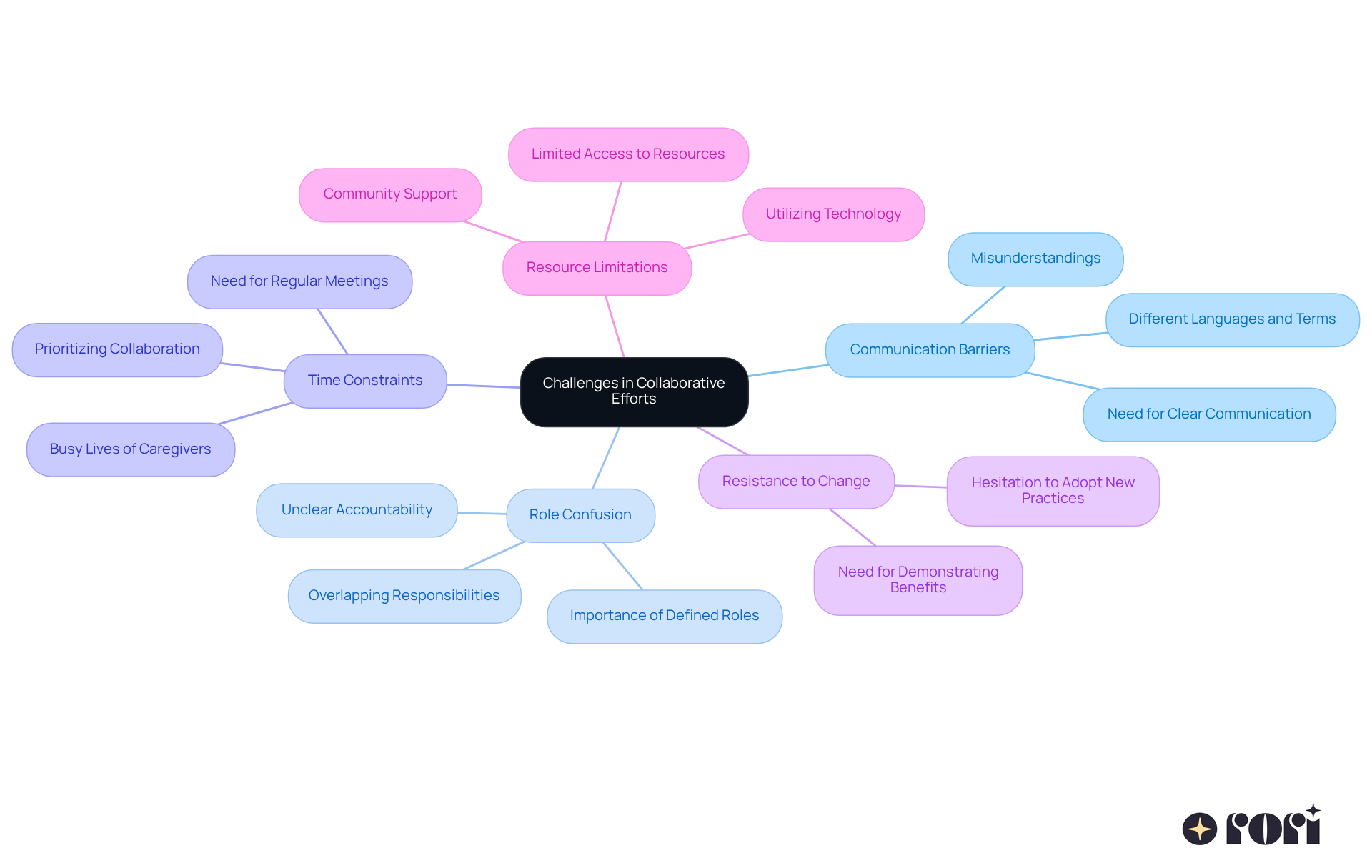
Navigating autism care can feel like a maze, especially when everyone involved has their own way of communicating. Here are some challenges that often pop up:
- Communication Barriers: It can be tough when everyone speaks a different language, right? Misunderstandings can easily arise from the different terms and styles we all use. Setting up clear ways to communicate is super important so everyone knows what’s going on!
- Role Confusion: When we’re not sure who’s doing what, it can feel like a game of tag gone wrong! Overlapping responsibilities can lead to uncertainty about who’s accountable for what. That’s why it’s crucial to define roles from the start.
- Time Constraints: We all lead busy lives, and that can make regular meetings tough. Prioritizing collaboration and scheduling consistent check-ins can help keep everyone engaged and on track.
- Resistance to Change: Change can be hard! Some folks might hesitate to adopt new collaborative practices. Let’s show everyone how working together can really make a difference!
- Resource Limitations: Sometimes, it feels like we’re trying to build a sandcastle with just a bucket and a shovel! Limited access to resources can slow us down. Seeking community support and using technology can help us overcome these hurdles.
Tackling these issues is crucial for improving the overall efficiency of autism care. By working together and sharing knowledge, we can emphasize the role of collaboration in personalized autism treatment to create a brighter future for our kids with autism. Empowering caregivers through education in ABA principles enhances their ability to support their children’s behavioral goals, which underscores the role of collaboration in personalized autism treatment and fosters a more effective collaborative environment.
Assess and Adapt Collaborative Treatment Plans
Navigating treatment plans can feel like a juggling act for parents, can’t it? To make sure everyone’s on the same page, here are some friendly tips to help you along the way:
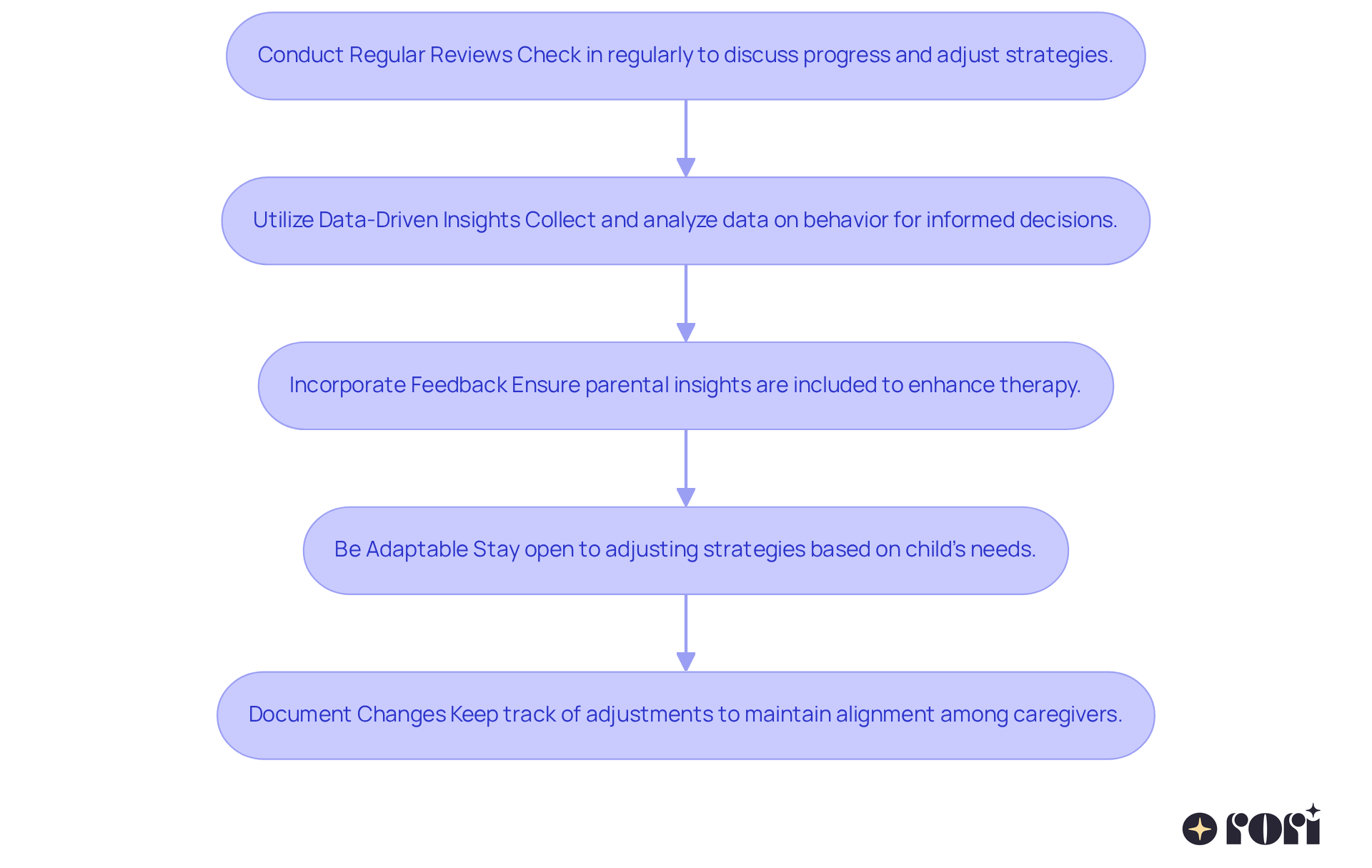
- Conduct Regular Reviews: It’s super important to check in regularly because research shows that getting help early really makes a difference! Schedule some time to chat about your child’s progress and any bumps in the road. This way, you can tweak strategies together and keep things moving in the right direction.
- Utilize Data-Driven Insights: Collecting and looking at data on your child’s behavior can really help in making smart decisions. At Rori Care, we record sessions to ensure our clinical team is always present for your child without interrupting data collection. This way, we can personalize the approach and keep you in the loop, leading to better outcomes for your little one.
- Incorporate Feedback: Let’s make sure everyone’s voice is heard, especially yours as a parent! Your insights are invaluable in understanding your child’s development and any changes you notice. When you’re involved, it really helps reinforce what they learn in therapy and apply those skills at home.
- Be Adaptable: It can be tough to keep up with all the strategies and changes, right? Staying open to adjusting care strategies based on your child’s needs is key. A flexible approach that includes measurable goals can lead to some amazing results!
- Document Changes: Keeping track of any changes made to the care strategy is super helpful. This way, everyone involved knows what’s happening and can stay aligned. It’s all about working together, emphasizing the role of collaboration in personalized autism treatment to provide the best support possible.
By staying engaged and adaptable, you’re not just helping your child; you’re emphasizing the role of collaboration in personalized autism treatment while creating a supportive community around them. Research shows that children receiving personalized ABA therapy demonstrate significant improvements in cognitive, language, and daily living skills. So, let’s explore this together and make a positive impact on your child’s journey!
Conclusion
Collaboration is key when it comes to personalized autism treatment, and it’s something we can all work on together! It’s the backbone of effective care, bringing together therapists, educators, parents, and medical professionals to create a tailored treatment plan for each child. When we work together, we make sure everyone is on the same page, which is so important for our kids!
Throughout this article, we’ve explored various aspects of collaborative care, from the vital input of parents to the expertise of behavior analysts and therapists. Each participant plays a crucial role in fostering an environment where children can thrive. Plus, regular communication and adaptability are essential to stay engaged with each child’s evolving needs.
The journey to effective autism treatment is one we take together, and it’s all about committing to collaborate! By prioritizing teamwork and embracing the collective skills of everyone in the child’s care network, we can make significant strides in improving treatment outcomes. Let’s commit to working together, ensuring every child gets the personalized support they truly deserve!
Frequently Asked Questions
What is the importance of collaboration in autism treatment?
Collaboration is essential in autism treatment as it brings together therapists, educators, parents, and doctors to create a personalized care plan that fits the child’s unique needs. Effective collaboration ensures that everyone is aligned and working towards common goals, which is crucial for making progress in behavior, social skills, and independence.
How does Rori Care enhance autism treatment?
Rori Care enhances autism treatment by blending personalized ABA treatment with the latest AI technology, providing children with 50% more care time. This approach combines insights from various fields to develop a comprehensive strategy that supports the child’s growth and development.
How can collaboration improve treatment outcomes for children with autism?
Studies indicate that children can improve almost twice as fast in co-treatment sessions compared to traditional therapy when collaboration is prioritized. Open communication and shared goals among all stakeholders lead to more effective interventions.
Who are the key stakeholders involved in collaborative autism care?
Key stakeholders include: – Parents and Guardians: They provide insights about their child’s behavior and help create a supportive environment. – Behavior Analysts (BCBAs): They design and oversee ABA therapy, customizing interventions for the child. – Therapists: Speech, occupational, and physical therapists address communication, sensory, and motor challenges. – Educators: Teachers reinforce skills learned at home in the classroom. – Medical Professionals: Pediatricians and psychiatrists monitor overall health and address co-occurring conditions.
What role do parents play in the collaborative care process?
Parents play a crucial role by sharing their unique insights about their child’s behavior and helping create a supportive environment that aligns with the family’s values and goals. Their involvement is vital for the success of the treatment plan.
How do team meetings and communication tools contribute to collaboration?
Frequent team meetings and organized communication tools help keep all stakeholders aligned and ensure that families are actively involved in the treatment process. This organized approach reinforces strategies across different environments, maximizing positive outcomes for the child.
What is the goal of a collaborative autism treatment framework?
The goal of a collaborative autism treatment framework is to foster teamwork among all stakeholders to support the child’s development and well-being, ultimately creating a brighter future for children with autism.
List of Sources
- Define Collaboration in Autism Treatment
- Why team collaboration improves ABA therapy outcomes (https://crossrivertherapy.com/articles/why-team-collaboration-improves-aba-therapy-outcomes)
- The Numbers Don’t Lie: Revealing Autism Therapy Statistics | Above and Beyond Therapy (https://abtaba.com/blog/autism-therapy-statistics)
- Autism Therapy: Key Statistics (https://ambitionsaba.com/resources/autism-therapy-statistics)
- 80 Inspiring Quotes on Autism Awareness and Support – Empower ABA (https://empoweraba.com/80-inspiring-quotes-on-autism-awareness-and-support)
- Autism acceptance: 15 stats on Autism Spectrum Disorder (https://newsroom.cigna.com/autism-spectrum-disorder-stats)
- Identify Roles of Stakeholders in Collaborative Care
- The Numbers Don’t Lie: Revealing Autism Therapy Statistics | Above and Beyond Therapy (https://abtaba.com/blog/autism-therapy-statistics)
- The Rate of Job Growth for BCBAs (https://astroaba.com/blog/the-rate-of-job-growth-for-bcbas)
- 80 Inspiring Quotes on Autism Awareness and Support – Empower ABA (https://empoweraba.com/80-inspiring-quotes-on-autism-awareness-and-support)
- circlecareservices.com (https://circlecareservices.com/blog/20-quotes-about-autism-and-parenting)
- Explore Effective Collaboration Models and Strategies
- Autism Therapy: Key Statistics (https://ambitionsaba.com/resources/autism-therapy-statistics)
- upandupaba.com (https://upandupaba.com/faqs-resources/success-rates-of-aba-therapy)
- Success Rates of ABA Therapy (https://besteveraba.com/blog/success-rates-of-aba-therapy)
- globalrph.com (https://globalrph.com/2025/07/early-intervention-autism-new-research-shows-87-success-rate-at-18-months)
- The Numbers Don’t Lie: Revealing Autism Therapy Statistics | Above and Beyond Therapy (https://abtaba.com/blog/autism-therapy-statistics)
- Recognize Challenges in Collaborative Efforts
- 80 Inspiring Quotes on Autism Awareness and Support – Empower ABA (https://empoweraba.com/80-inspiring-quotes-on-autism-awareness-and-support)
- The Numbers Don’t Lie: Revealing Autism Therapy Statistics | Above and Beyond Therapy (https://abtaba.com/blog/autism-therapy-statistics)
- The Best Autism Awareness Quotes (https://autism360.com/autism-awareness-quotes)
- goldstarrehab.com (https://goldstarrehab.com/parent-resources/autism-therapy-statistics)
- Assess and Adapt Collaborative Treatment Plans
- The Importance of Data-Driven Decision-Making in ABA Therapy (https://ambitionsaba.com/resources/the-importance-of-data-driven-decision-making-in-aba-therapy)
- The Numbers Don’t Lie: Revealing Autism Therapy Statistics | Above and Beyond Therapy (https://abtaba.com/blog/autism-therapy-statistics)
- knrtherapy.com (https://knrtherapy.com/aba-treatment-of-autism-success-rates)
- Quotes About Autism – Blog | Arms Wide Open ABA (https://armswideopenaba.com/blog/quotes-about-autism)
- Success Rates of ABA Therapy (https://besteveraba.com/blog/success-rates-of-aba-therapy)