Understanding the critical role of parents in Applied Behavior Analysis (ABA) therapy reveals a transformative partnership that significantly enhances a child's developmental journey. By actively engaging in their child's treatment, parents not only reinforce therapeutic strategies at home but also cultivate a nurturing environment essential for growth.
But here’s the thing: how can parents effectively collaborate with therapists to maximize their child's potential and ensure long-term success in ABA therapy? Let’s explore this together!
In Applied Behavior Analysis (ABA) intervention, the role of parents in ABA therapy is essential, as they are not just bystanders but key partners in their child’s treatment journey. Their active involvement is vital for putting into practice the strategies learned during therapy sessions, reinforcing positive behaviors at home, and keeping things consistent. Research shows that when caregivers regularly engage-through training, coaching, and daily reinforcement-it can really boost developmental and cognitive progress for kids with autism. This teamwork allows parents to share valuable insights about their child’s unique needs and progress, creating a that encourages growth and learning.
Caregiver education is super important in this process. By deepening their understanding of ABA principles and strategies, caregivers can provide the right support at home, complementing professional interventions and promoting consistency. When caregivers make informed decisions, it often leads to better behavioral outcomes. Active involvement and alignment with therapeutic strategies can result in more effective and lasting improvements. Empowered caregivers, armed with knowledge and skills, gain confidence in their ability to support their children, which helps reduce stress and enhances overall family dynamics.
Let’s look at some case studies that highlight the amazing impact of parental involvement. For instance, caregivers who engage in ongoing training and actively participate in therapy sessions help build emotional resilience in their children. Plus, when caregivers collaborate with therapists, they maximize their child’s learning potential and skill acquisition, leading to significant progress. Overall, the role of parents in ABA therapy is essential for empowering families and achieving the best outcomes for children with autism. The partnership between caregivers and therapists is crucial for successful ABA treatment, emphasizing the role of parents in ABA therapy to create a supportive and effective therapeutic environment.

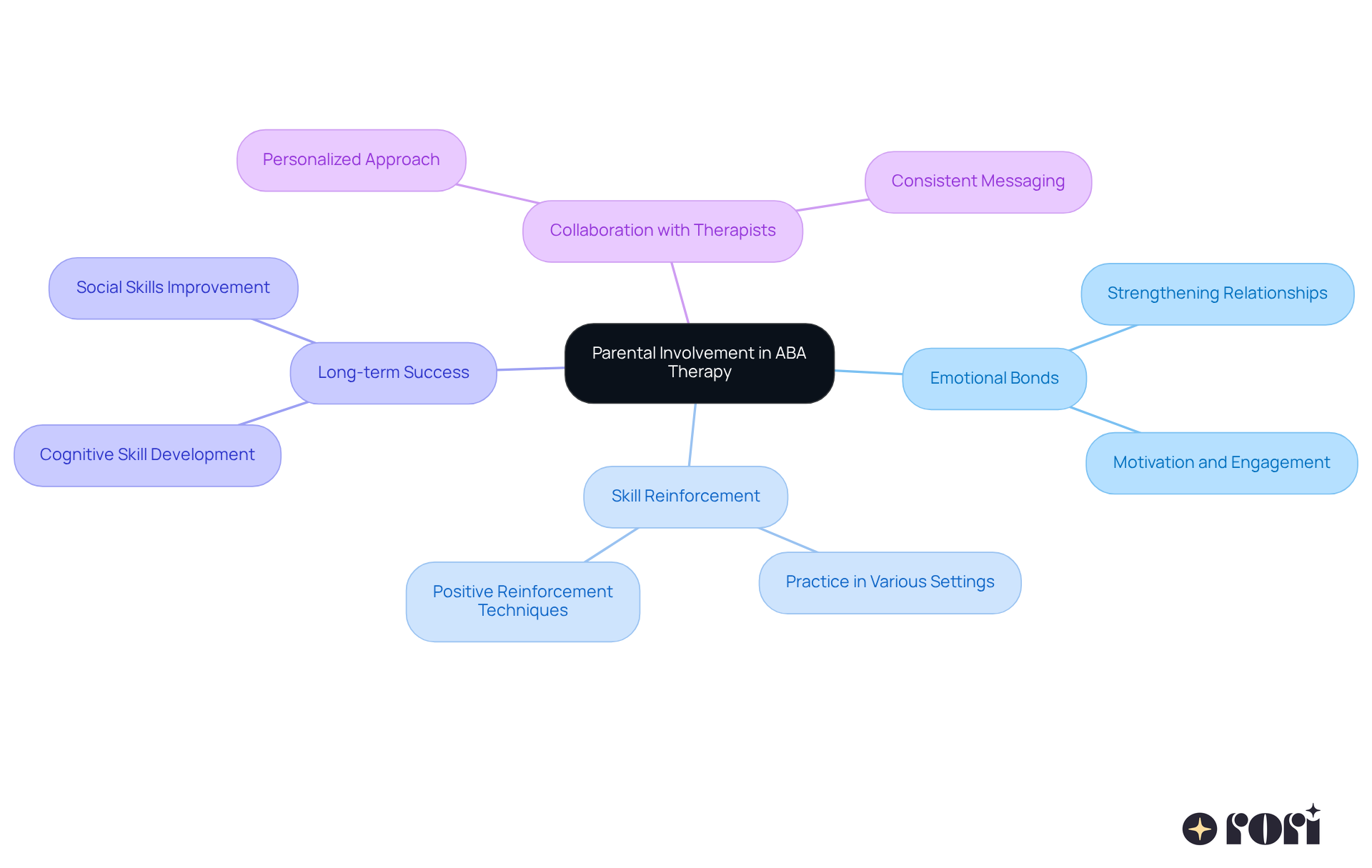
Research shows that the role of parents in ABA therapy greatly enhances the effectiveness of the treatment. When guardians actively participate, kids can practice what they’ve learned in different settings, like at home and school. This not only reinforces the skills they pick up during therapy but also strengthens the emotional bonds between parents and kids, which are so important for keeping them motivated and engaged.
For example, kids whose parents are hands-on in their treatment often show more progress in social skills and behavior improvements. This can lead to long-term success in their development! Studies indicate that children with involved parents tend to develop better cognitive and social skills, highlighting how crucial it is for families and therapists to work together.
Plus, when caregivers learn about ABA methods, they become key partners in reinforcing skills outside of therapy sessions. This helps create a more personalized approach that fits each child’s unique needs. This teamwork not only enhances the effectiveness of ABA interventions but also highlights the role of parents in ABA therapy, empowering them to tackle challenging behaviors proactively while supporting their child’s growth with positive reinforcement techniques.
Let’s explore this together! can make a world of difference!
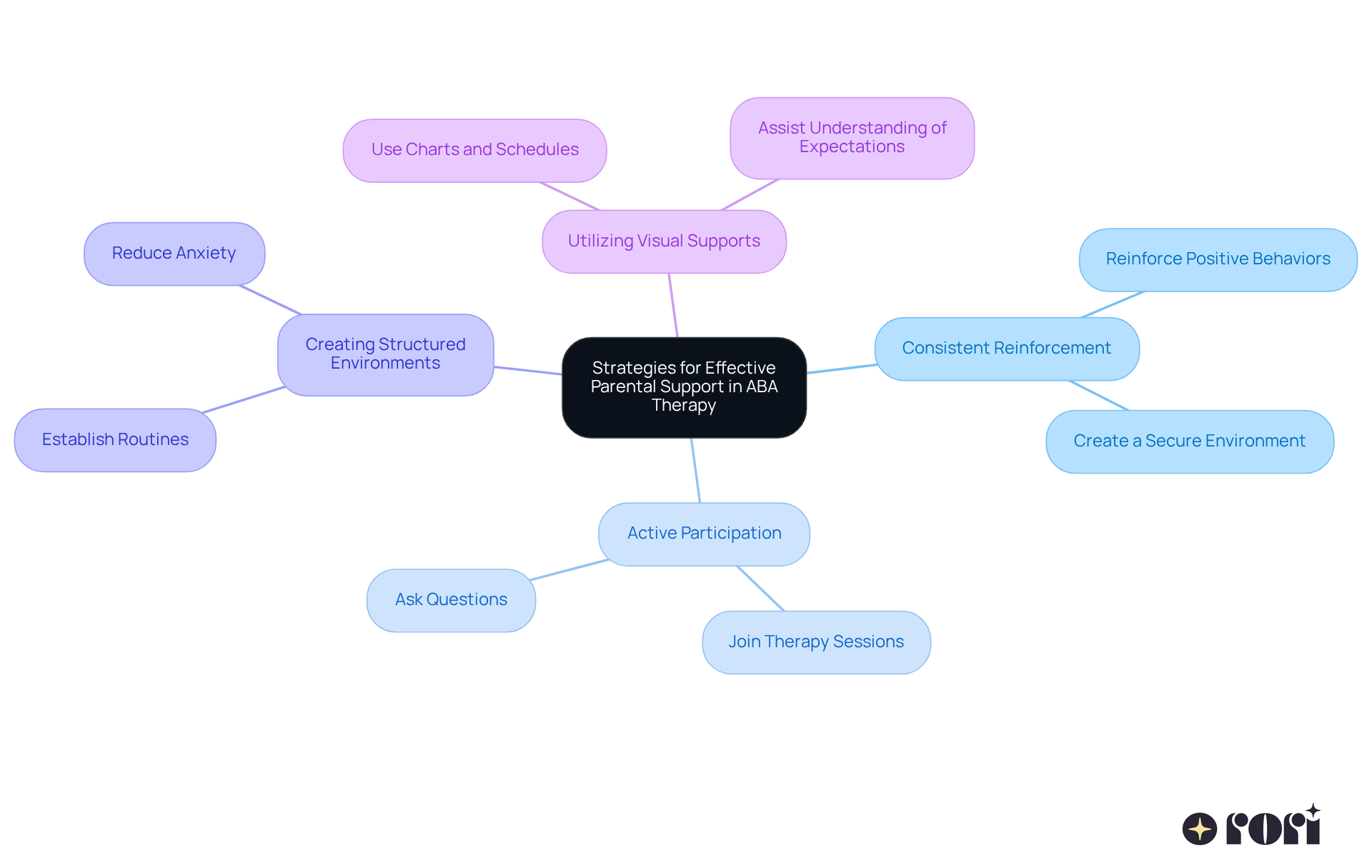
To really help your child with their ABA intervention, there are some great strategies you can try! 😊
And here’s something cool: Rori Care’s behavior care engine updates intervention and skill acquisition plans after each session based on progress. This means treatment plans are flexible and tailored to your child’s unique needs!
By embracing these ABA principles and strategies, you’re not just helping your child; you’re acknowledging the role of parents in ABA therapy to make informed decisions that can really boost their progress. Let’s explore this together! By using these strategies, you can significantly enhance your child’s educational experience and overall success in ABA treatment.
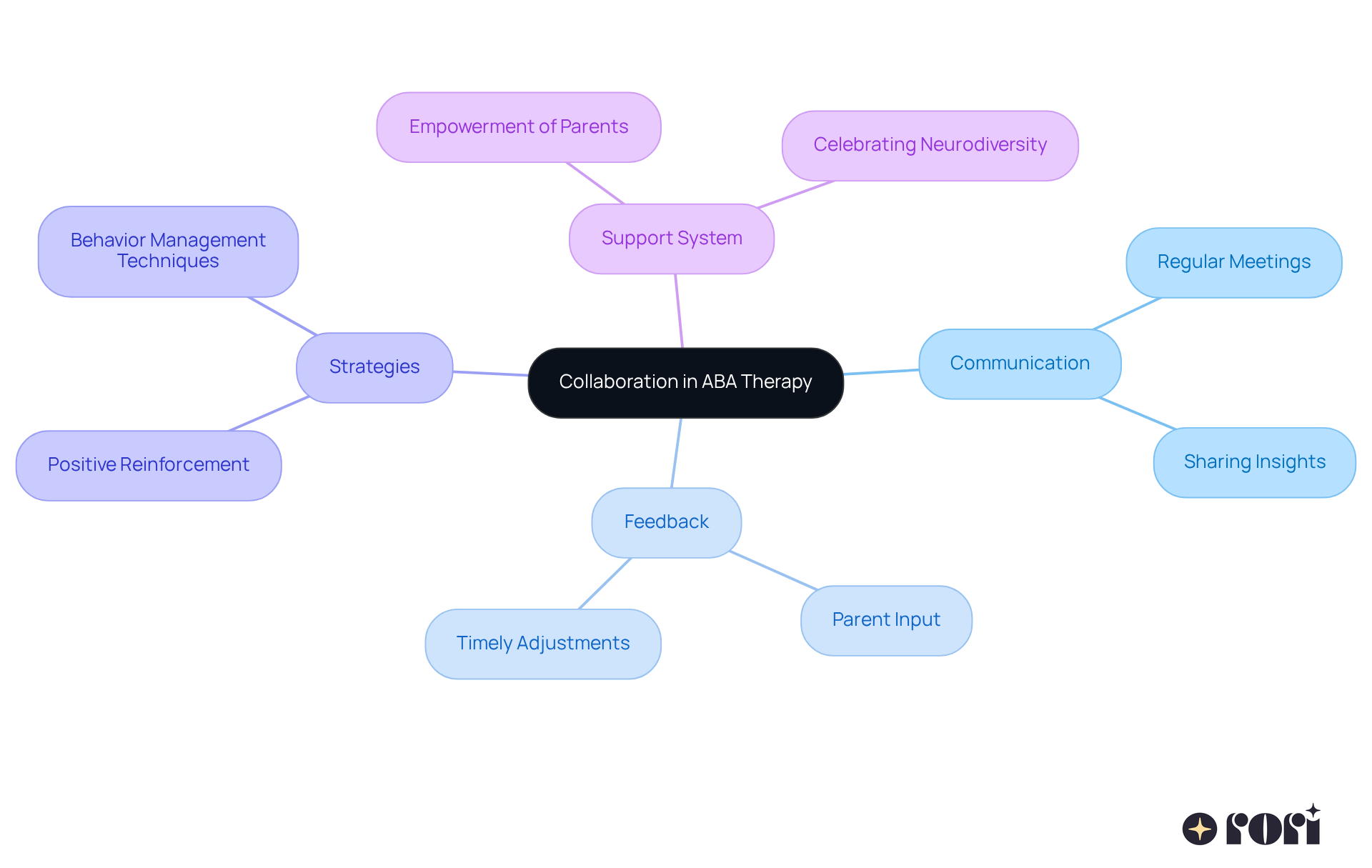
At Rori Care, the [role of parents in ABA therapy](https://rori.care/post/10-effective-aba-soap-notes-examples-you-can-use-today) is vital for the success of treatment, emphasizing the importance of cooperation between parents and therapists. Think of effective communication as the foundation of this partnership. It allows both sides to share insights, updates on progress, and any concerns that might pop up. Regular meetings and check-ins are key to making sure therapy goals align with family priorities. This way, the strategies used at home match up with what’s happening in therapy sessions.
Parents, you should feel empowered to share your thoughts on how your child is responding to interventions. This feedback helps make timely adjustments to the treatment plan. Plus, the role of parents in ABA therapy is a vital part of this collaboration. It boosts your understanding of ABA principles and strategies, which can really help your child thrive.
Proven ABA strategies, like positive reinforcement and behavior management techniques, provide practical frameworks for enhancing communication and collaboration. By working together, parents and therapists can create a strong support system that maximizes your child’s potential for growth and development. And let’s not forget to celebrate the neurodiversity of children with autism!
Let’s explore this journey together! We’re here to !
When it comes to Applied Behavior Analysis (ABA) therapy, parents play a role that’s not just beneficial - it’s absolutely essential for their child’s success. Think of parents as active partners in this journey, using strategies learned in therapy sessions and keeping things consistent at home. This teamwork really boosts developmental outcomes and creates a nurturing space for kids to thrive.
Key takeaways from the article shine a light on how important it is for caregivers to be educated, actively involved, and consistently reinforce positive behaviors. Research shows that kids with engaged parents often make better strides in social skills and overall development. By grasping the principles of ABA, parents can offer tailored support that complements professional help, ultimately unlocking their child’s full learning potential.
Supporting a child with autism through ABA therapy is all about collaboration and open communication between parents and therapists. Embracing this partnership not only empowers parents but also enriches the therapeutic experience for children. When parents actively engage in this process, it can lead to amazing improvements, highlighting just how impactful parental involvement is on ABA therapy outcomes. As families come together with professionals, they’re paving the way for a brighter future, showcasing the power of teamwork in achieving lasting success.
So, let’s explore this journey together! Remember, you’re not alone in this - there’s a whole community ready to support you every step of the way!
What is the role of parents in ABA therapy?
Parents are essential partners in ABA therapy, actively involved in implementing strategies learned during therapy sessions, reinforcing positive behaviors at home, and maintaining consistency in their child's treatment.
How does parental involvement impact a child's progress in ABA therapy?
Research shows that regular engagement from caregivers through training, coaching, and daily reinforcement can significantly enhance developmental and cognitive progress for children with autism.
Why is caregiver education important in ABA therapy?
Caregiver education is crucial as it helps parents understand ABA principles and strategies, enabling them to provide effective support at home and complement professional interventions, which promotes consistency and better behavioral outcomes.
What are the benefits of empowered caregivers in ABA therapy?
Empowered caregivers, equipped with knowledge and skills, gain confidence in their ability to support their children, which helps reduce stress and improves overall family dynamics.
Can you provide an example of the impact of parental involvement in ABA therapy?
One example is caregivers who engage in ongoing training and participate in therapy sessions, which helps build emotional resilience in their children and maximizes their learning potential, leading to significant progress.
How does the partnership between caregivers and therapists affect ABA treatment?
The partnership is crucial for successful ABA treatment, as it emphasizes collaboration that creates a supportive and effective therapeutic environment, ultimately achieving the best outcomes for children with autism.