Have you ever noticed how important friendships are for our kids, especially those with Autism Spectrum Disorder (ASD)? Understanding peer interaction is key to helping them develop social skills. These connections not only help them learn and bond emotionally but also boost their communication and independence. Yet, many children with ASD struggle to make friends, which can leave them feeling lonely and disconnected.
So, how can we, as caregivers and educators, help our kids build those meaningful friendships? Let’s explore this together!
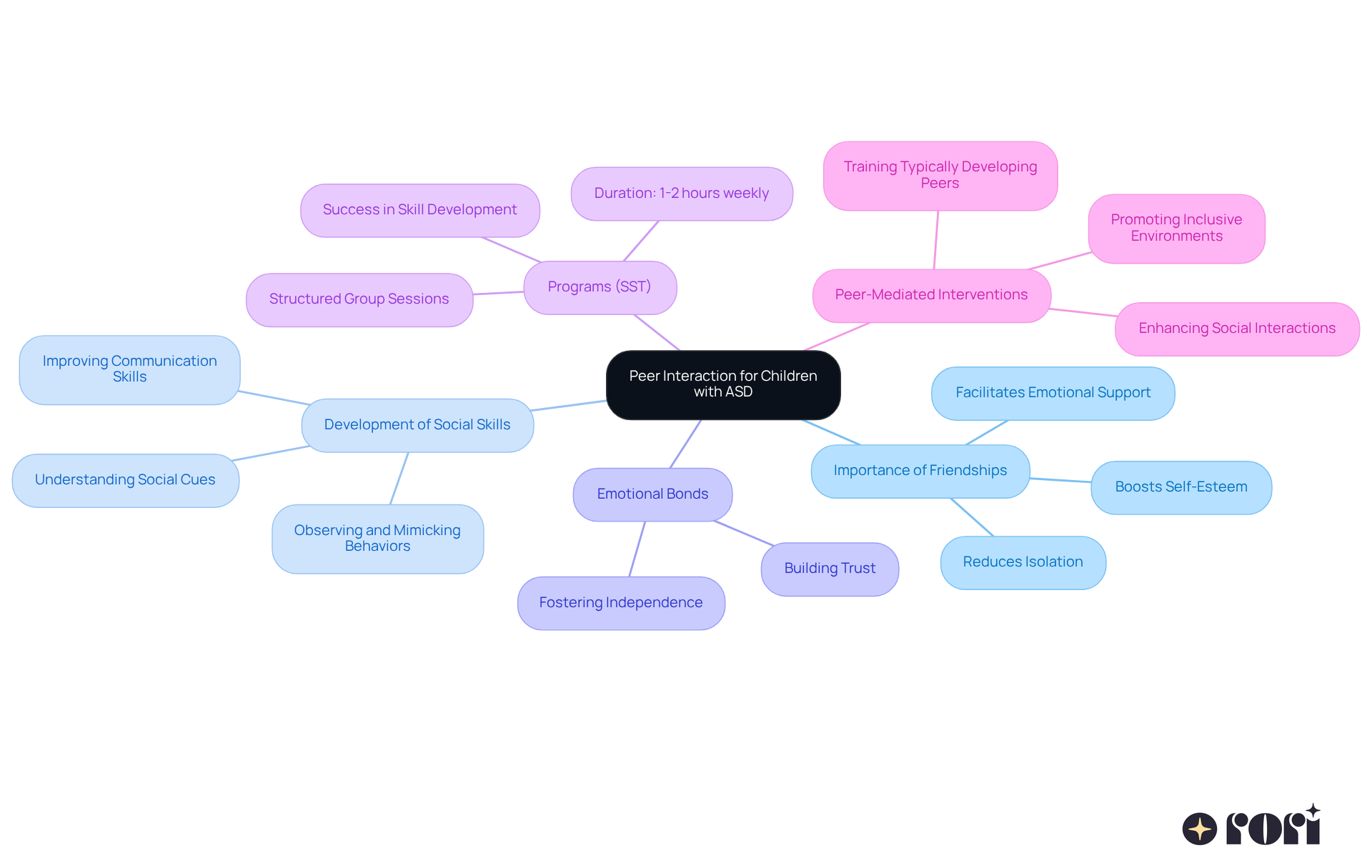
Have you ever noticed how important friendships are for our kids, especially for those with Autism Spectrum Disorder (ASD)? Peer engagement is centered around the connections and exchanges that occur among youngsters during play and learning, emphasizing the role of peer interaction in developing social skills for children with ASD. For children with ASD, the role of peer interaction in developing social skills is crucial. They provide wonderful opportunities that emphasize the role of peer interaction in developing social skills for children with ASD, learn from others, and form emotional bonds.
The role of peer interaction in developing social skills for children with ASD is evident when they interact with their peers, as it allows them to observe and mimic social behaviors, which helps them understand social cues and norms better. This kind of exchange is key for fostering independence, improving communication skills, and building lasting friendships-all essential for emotional well-being and overall development.
Many kids with ASD really want to connect with their classmates, but sometimes they just don’t know how to start a conversation or join in. It can be tough! That’s why understanding the role of peer interaction in developing social skills for children with ASD is so important. They can boost motivation and help reduce feelings of isolation.
Programs like Social Skills Training (SST) can really help kids learn about the role of peer interaction in developing social skills for children with ASD in a fun and supportive way! Typically, these sessions last 1-2 hours a week for 6-12 weeks, and they’ve shown great success. Plus, skills group therapy led by qualified therapists can enhance connections and communication within a group, promoting better relationships.
Peer-mediated interventions (PMIs) have also proven effective in improving interpersonal skills, underscoring the role of peer interaction in developing social skills for children with ASD. As Rori Care reminds us, peer engagement is super important for kids with ASD! By fostering these connections, we can help our children thrive in ways we never thought possible.
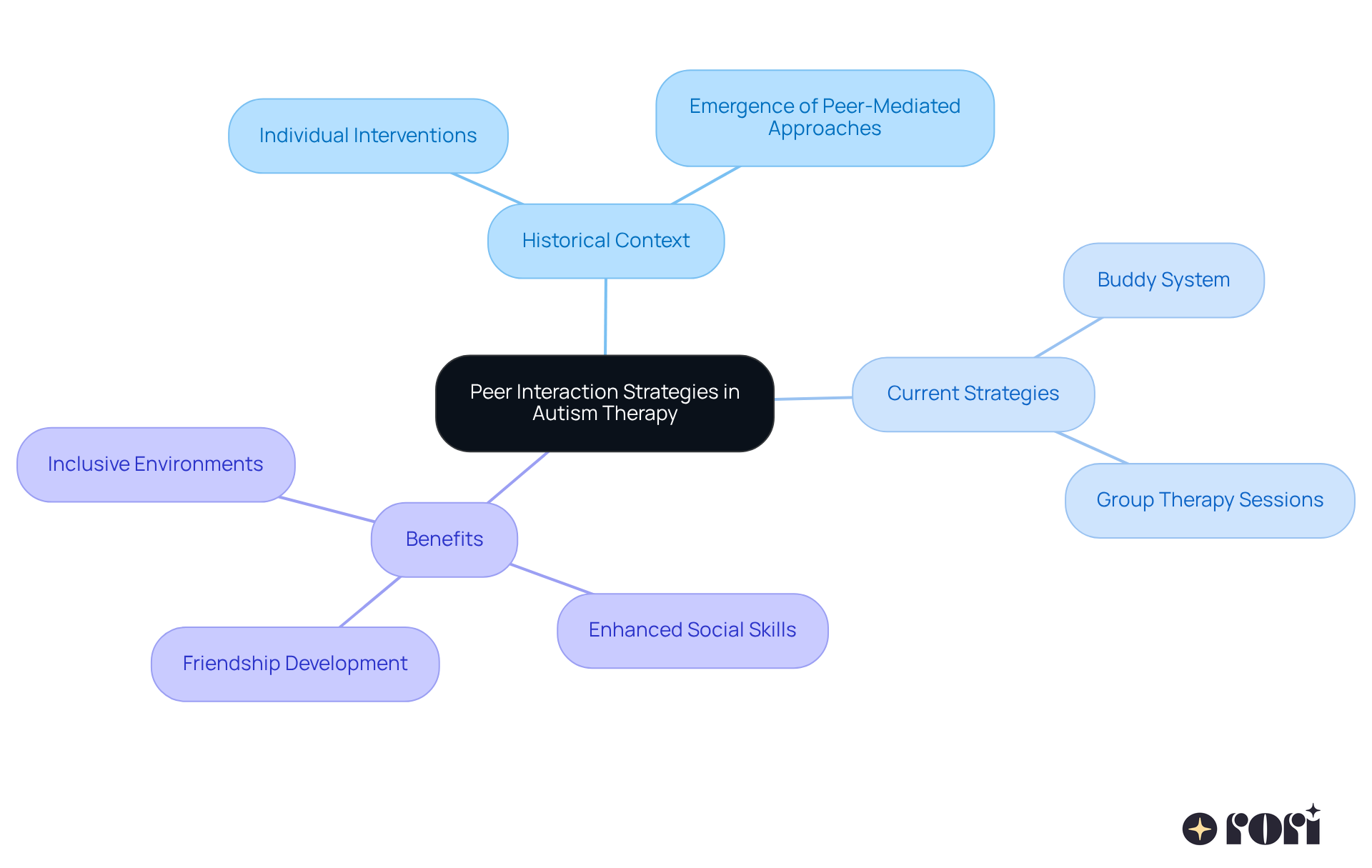
Have you ever felt like your child is missing out on friendships because of their autism? The understanding of social interaction in autism has come a long way in recent years. In the past, many therapies focused mainly on individual interventions, often overlooking the role of peer interaction in developing social skills for children with ASD. But research has shown that kids with autism often face challenges connecting with others, leading us to focus on peer-mediated interventions.
These strategies are grounded in compelling research that emphasizes the role of peer interaction in developing social skills for children with ASD, as organized interactions with typically developing peers can significantly enhance these skills. Programs like the Buddy System have been developed to encourage these connections, highlighting how important it is for kids to learn social skills together.
Today, recognizing the role of peer interaction in developing social skills for children with ASD is considered a cornerstone of effective autism therapy. It creates inclusive environments where young people can learn from and support each other. Here at Rori Care, we’re all about helping caregivers like you with practical ABA strategies, giving you the tools to support your loved one’s behavioral goals through active involvement and data collection.
This shift not only helps kids make friends but also creates a warm, welcoming space where they feel accepted. Plus, Rori Care offers group therapy sessions that foster social connections, enhancing the therapeutic experience for children and their families. Imagine the joy of seeing your child build lasting friendships and thrive in a supportive community!
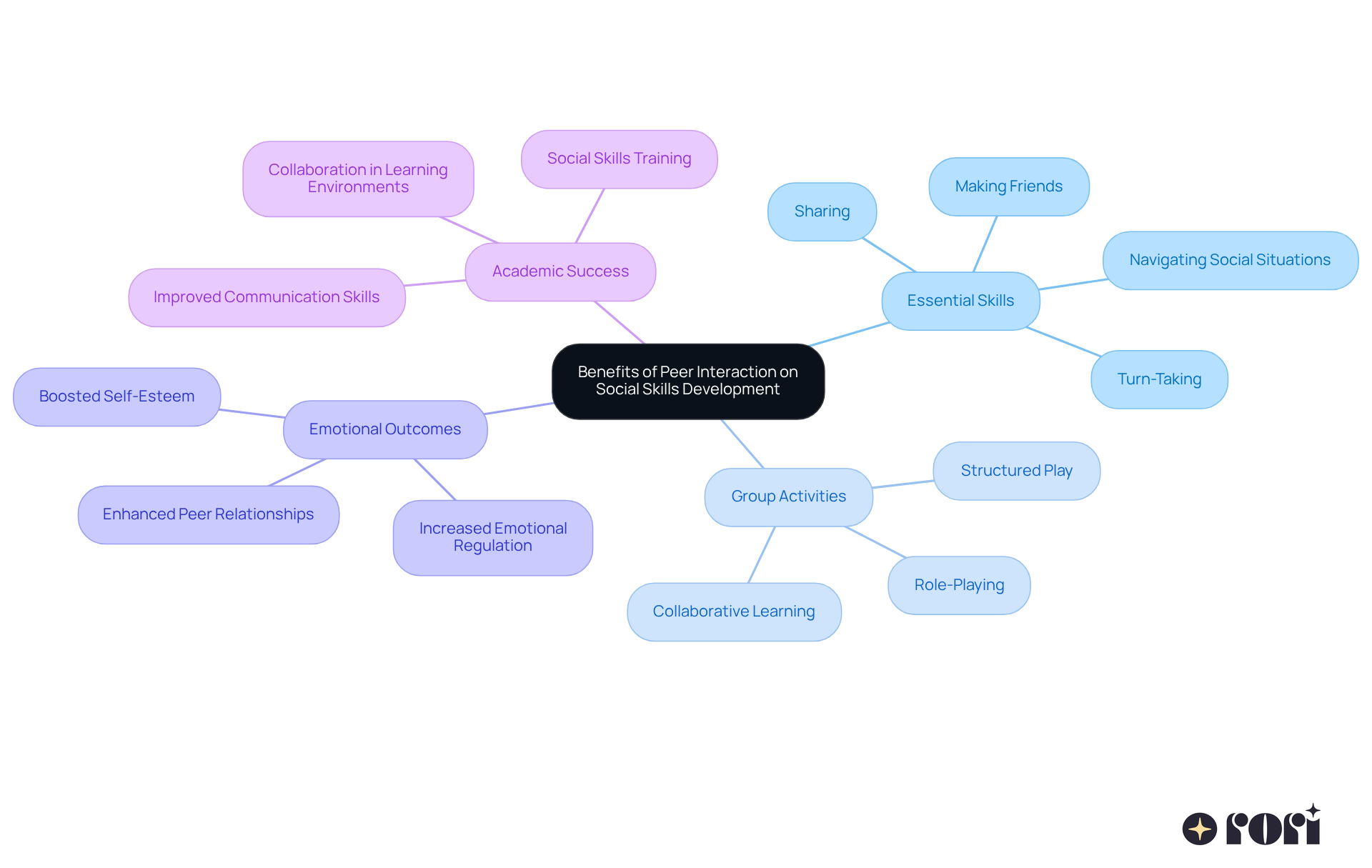
Have you ever noticed how important it is for kids with autism to connect with their peers? The role of peer interaction in developing social skills for children with ASD is vital for helping them learn essential skills like turn-taking, sharing, and starting conversations. When kids with autism interact with their peers, it demonstrates the role of peer interaction in developing social skills for children with ASD, as they often see big improvements in how they communicate and connect with others. For instance, kids who join group activities often show great progress in making friends and playing together, which helps them feel happier and more connected.
At Rori Care, our friendly therapists lead group sessions that help kids engage and communicate better with each other. These group activities create a fun space where kids can learn to read social cues and have meaningful conversations. Positive connections among peers not only boost self-esteem but also help young individuals navigate social situations more effectively. Plus, when kids feel supported by their friends, they’re more likely to thrive emotionally.
The benefits of group engagement extend into school settings, too. Strong interpersonal skills are closely linked to success in collaborative learning environments. Incorporating social interactions into therapy is essential for enhancing the role of peer interaction in developing social skills for children with ASD, along with their emotional and academic outcomes. When we support these connections, we’re not just helping kids; we’re building a brighter future for everyone involved.
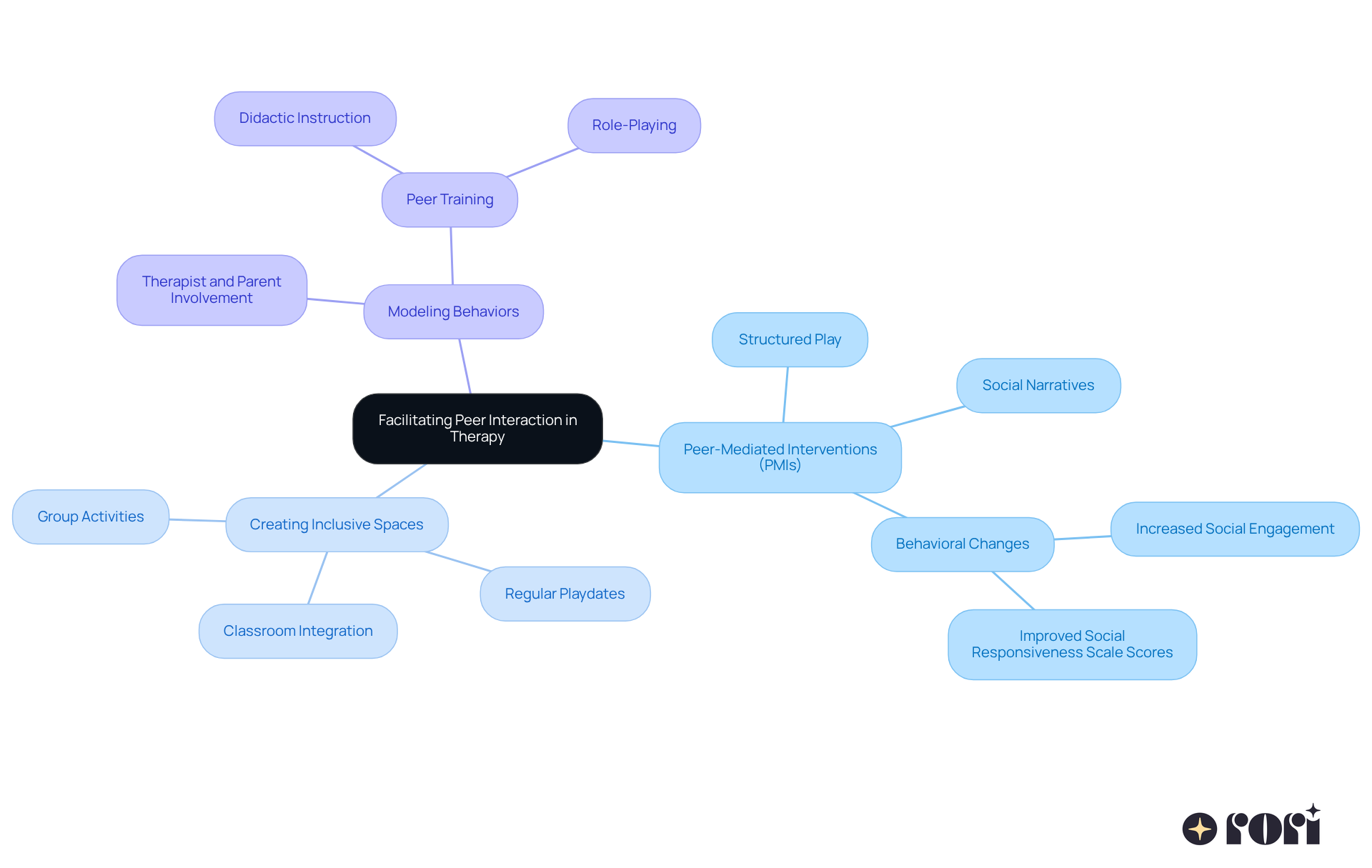
Navigating the world of therapy for children with autism can feel daunting for parents, especially when considering the role of peer interaction in developing social skills for children with ASD. Encouraging colleague engagement in therapy requires thoughtful approaches that create opportunities for meaningful involvement. One effective strategy is using peer-mediated interventions (PMIs), which emphasize the role of peer interaction in developing social skills for children with ASD, where typically developing peers are trained to support and engage with individuals with autism spectrum disorder.
Studies show that kids aged 4-12 who participated in PMIs experienced the role of peer interaction in developing social skills for children with ASD, as they were more likely to start conversations and make friends than those who used traditional methods. Plus, their scores on the Social Responsiveness Scale improved, showing they were better at connecting with others. PMIs can include fun activities like structured play, interpersonal skills groups, and collaborative projects that encourage interaction.
For instance, a study at Shanghai YangZhi Rehabilitation Hospital found that PMI significantly boosted interpersonal skills in youth with ASD, making it a great alternative to conventional therapies. Adding social narratives and role-playing can also help young individuals understand social norms and expectations, further enhancing their ability to interact with others.
Creating inclusive spaces, like classrooms where kids of all abilities learn together, highlights the role of peer interaction in developing social skills for children with ASD, helping them connect with their classmates in a natural way. Regular playdates and group activities can nurture friendships outside of structured settings. It’s important for therapists and parents to model appropriate behaviors and provide feedback to strengthen positive interactions. As specialists note, the success of PMIs is marked by noticeable behavioral changes, like increased participation in group activities and improved connections among peers.
When therapists use these strategies, they can really help kids with ASD grow their skills, leading to stronger friendships and happier lives. Imagine the joy of seeing your child thrive in social settings, building friendships that last a lifetime.
Peer interaction is a game-changer for kids with Autism Spectrum Disorder (ASD) when it comes to building social skills! When kids engage with their peers, they not only grow individually but also help create a space where everyone can thrive together.
The article highlights how programs like Social Skills Training and peer-mediated interventions can really make a difference in improving interpersonal skills. It’s fascinating to see how the focus has shifted from just individual therapies to collaborative strategies that prioritize peer engagement. This shift shows just how powerful social connections can be for emotional and academic success.
So, let’s make peer interaction a priority in therapy - it’s a must for our kids with ASD! By using simple strategies to help these connections happen, we can empower our kids to tackle social situations with confidence. Together, we can help our kids build meaningful friendships and improve their social skills, leading to brighter futures where they feel valued and connected!
What is peer interaction and why is it important for children with ASD?
Peer interaction refers to the connections and exchanges that occur among children during play and learning. For children with Autism Spectrum Disorder (ASD), it is crucial for developing social skills, as it provides opportunities to learn from others and form emotional bonds.
How does peer interaction help children with ASD develop social skills?
Peer interaction allows children with ASD to observe and mimic social behaviors, helping them understand social cues and norms better. This exchange fosters independence, improves communication skills, and builds lasting friendships, all of which are essential for emotional well-being and overall development.
What challenges do children with ASD face in initiating peer interactions?
Many children with ASD want to connect with their classmates but may struggle to start conversations or join in activities, which can lead to feelings of isolation.
How can programs like Social Skills Training (SST) assist children with ASD?
SST can help children learn about peer interaction and develop social skills in a fun and supportive environment. These sessions typically last 1-2 hours a week for 6-12 weeks and have shown great success in enhancing social skills.
What are peer-mediated interventions (PMIs) and how do they benefit children with ASD?
PMIs are strategies that involve peers in teaching social skills to children with ASD. They have proven effective in improving interpersonal skills and emphasize the importance of peer interaction in developing social skills.
Why is fostering peer engagement particularly important for children with ASD?
Fostering peer engagement is important for children with ASD because it helps reduce feelings of isolation and boosts motivation, allowing them to thrive socially and emotionally.