In the realm of Applied Behavior Analysis (ABA) therapy, the concept of 'extinction' plays a vital role in shaping behavior. Extinction occurs when a behavior that was previously reinforced no longer receives the same consequences, leading to a gradual decrease in that behavior. For parents seeking expert advice on behavior modification, understanding the nuances of extinction is crucial.
However, it is important to note that extinction alone is not sufficient for effective behavioral intervention. In fact, relying solely on extinction can intensify unwanted behaviors, giving rise to a phenomenon known as an extinction burst. To navigate this complex terrain, a multi-faceted approach that combines extinction with positive reinforcement strategies is essential.
By integrating these approaches, parents can empower their children with alternative, more appropriate ways of achieving the same function, ultimately leading to long-term behavior change. In this article, we will explore the importance of combining extinction with positive approaches and the significance of teaching replacement behaviors in the context of ABA therapy.
In Applied Behavior Analysis (ABA) therapy, the concept of '' plays a vital role in . Extinction occurs when a behavior that was previously reinforced no longer receives the same consequences, leading to a . For example, if a child's tantrums no longer result in additional attention, the frequency of tantrums is likely to reduce over time. This approach is grounded in the understanding that behaviors are often maintained by what follows them—whether it's attention, access to toys, or other preferred items. The can therefore be a powerful tool in , ultimately aiming for a .

within ABA therapy is complex and should not be the sole tactic employed. This approach can inadvertently intensify the very behavior it aims to diminish, a phenomenon known as an . An extinction burst can manifest as a temporary spike in the frequency, duration, or intensity of the undesired behavior when the reinforcement that previously maintained it is withdrawn.
The occurrence of extinction bursts underscores the importance of a to behavioral intervention. Rather than relying solely on extinction, combining it with other ABA strategies can lead to more stable and . The key is understanding the behavior's function and ensuring that the child develops alternative, more appropriate ways to achieve the same function. The nuanced nature of extinction and its potential side effects, such as extinction bursts, demonstrates why a is essential for the effective treatment of challenging behaviors.
In the nuanced field of behavior analysis, the concept of serves as a critical junction where intervention and understanding coalesce. When a previously reinforced behavior is no longer rewarded, an can manifest, marking a temporary uptick in challenging behavior. To navigate this complex event effectively, it's imperative to integrate extinction with a . This approach focuses on nurturing and strengthening that are more appropriate than the problematic ones.
For instance, if a child's tantrum, previously calmed by giving into their demands, no longer yields the same result, they might initially respond with an increased frequency or intensity of tantrums. Here, positive reinforcement plays a pivotal role in teaching the child alternative ways of communication, such as using words to express needs or feelings, which can effectively replace the undesired behavior.
Crucially, these alternatives must fulfill the same needs as the problematic behavior to encourage the child to adopt them. This method is not only about ceasing reinforcement of the undesired behavior but also about actively guiding towards a more constructive behavior that serves a similar purpose. The effectiveness of this approach is bolstered by evidence suggesting that interventions targeting specific behaviors can significantly improve outcomes.
Research demonstrates that , like invasive species control or habitat restoration, can have a profound impact with large effect sizes, suggesting similar strategies can be applied in behavior analysis to support positive changes. By implementing a positive reinforcement strategy alongside extinction, we can facilitate a smoother transition away from and towards more desirable ones, ultimately enhancing the effectiveness of .
In the realm of , a pivotal strategy involves not only reducing problem behaviors through extinction procedures but also actively teaching individuals . This dual approach is critical because it provides individuals with alternative, more adaptive methods to fulfill their needs. The concept is grounded in the science of human behavior, which posits that all behavior is a function of its environment. By modifying the environment to encourage positive behaviors and teaching these new skills, educators and therapists can foster a culture of care, where individuals learn to express their needs in ways that contribute to their well-being and the well-being of others around them.
The relevance of this approach is underscored by the rising understanding and prevalence of . With an evolving definition of autism that recognizes a broader spectrum of cognitive abilities and behaviors, the need for becomes more apparent. By employing strategies like the , therapists can create individualized care plans that address unique behavioral challenges. This ensures that each person receives tailored support, promoting that enhances overall functioning in various settings.
Furthermore, the has been championed by leading behavior analysts. These solutions facilitate best practices and streamline care processes, ensuring that individuals with ASD receive consistent and effective interventions. As educators and health care professionals collaborate within interprofessional teams, role clarity becomes paramount to deliver comprehensive care that addresses the multifaceted needs of individuals with ASD. In this way, individuals are equipped with the necessary tools to navigate their environments successfully, ultimately leading to improved outcomes and a higher quality of life.
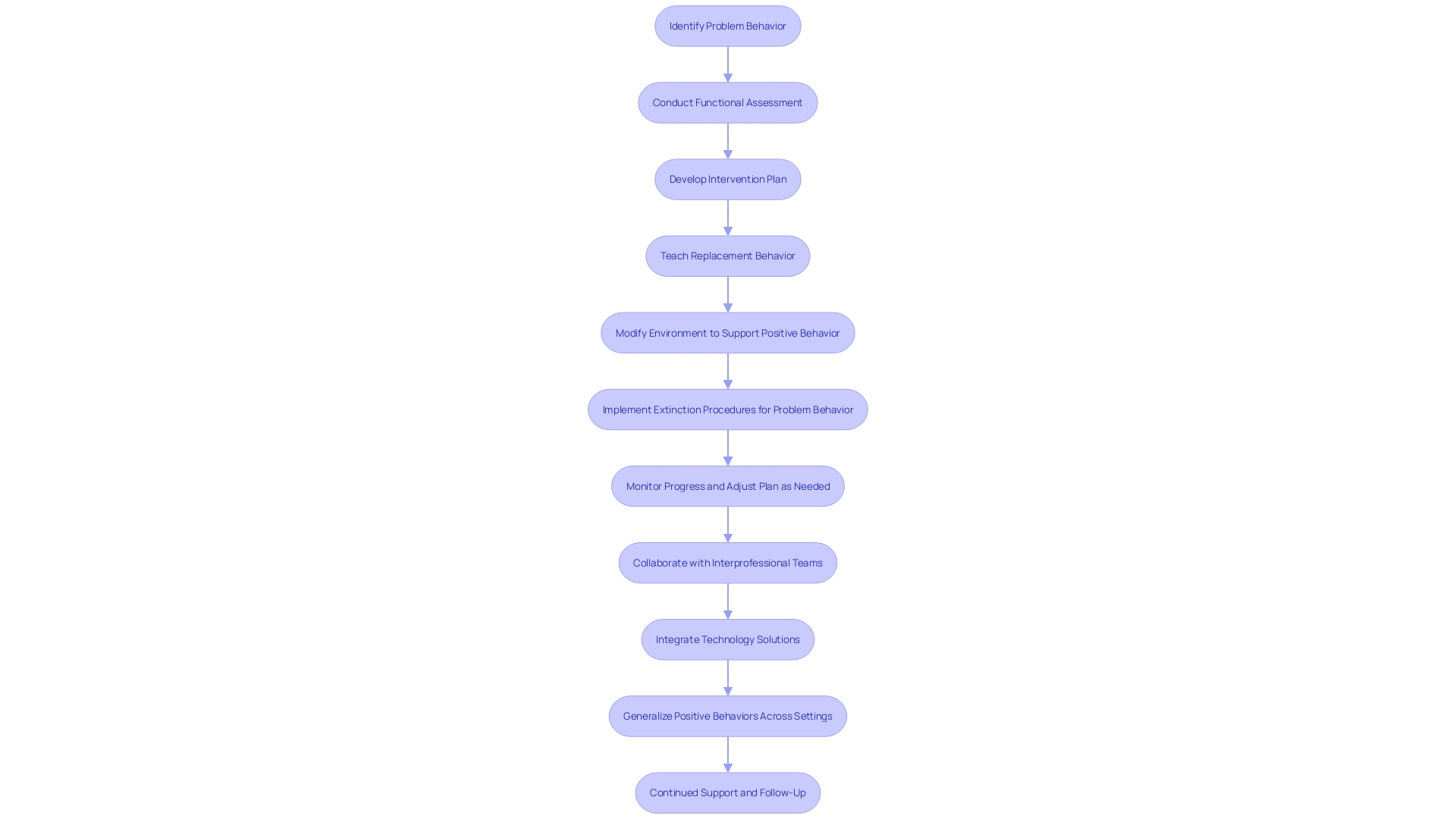
In conclusion, combining extinction with positive reinforcement strategies is essential in Applied Behavior Analysis (ABA) therapy. Extinction alone is not enough and can lead to an extinction burst, intensifying unwanted behaviors. By integrating extinction with positive approaches, parents can empower their children with more appropriate ways of achieving the same function, leading to long-term behavior change.
Teaching replacement behaviors is critical in ABA therapy. By reducing problem behaviors through extinction and teaching functionally equivalent replacement behaviors, educators and therapists foster a culture of care. This dual approach provides individuals with alternative, adaptive methods to fulfill their needs, promoting overall well-being.
Personalized interventions are vital for individuals with autism spectrum disorders (ASD). Individualized care plans and technology solutions ensure consistent and effective interventions, addressing unique behavioral challenges. Collaboration within interprofessional teams enhances comprehensive care, resulting in improved outcomes and a higher quality of life.
In summary, understanding extinction, combining it with positive reinforcement, and teaching replacement behaviors are key in behavior modification. This comprehensive approach empowers parents with valuable insights and expert advice, leading to positive and lasting behavior change in their children.
What is extinction in the context of Applied Behavior Analysis (ABA) therapy?
Extinction in ABA therapy refers to the process where a behavior that was previously reinforced no longer receives the same consequences, which leads to a gradual decrease in that behavior over time.
How does extinction work to modify behavior?
When a behavior that was reinforced (e.g., with attention, access to toys, etc.) no longer receives those reinforcements, the frequency of that behavior is likely to reduce. This is because behaviors are often maintained by their consequences.
What is an extinction burst and when can it occur?
An extinction burst is a temporary increase in the frequency, duration, or intensity of an undesired behavior that can happen when reinforcement is withdrawn. Essentially, it is a potential side effect of the extinction process.
Why should extinction not be used alone in ABA therapy?
Using extinction alone can inadvertently intensify the behavior it's meant to diminish due to the occurrence of extinction bursts. A multi-faceted approach is suggested to ensure more stable and long-term behavior change.
How can extinction be effectively combined with other strategies in ABA therapy?
Extinction should be combined with positive reinforcement strategies to nurture and strengthen alternative, more appropriate behaviors. This combination helps to replace problematic behaviors with those that fulfill the same needs in a more constructive way.
Why is it important to teach replacement behaviors in ABA therapy?
Teaching replacement behaviors is essential because it provides individuals with alternative ways to fulfill their needs that are more adaptive and appropriate. This is especially important for individuals with autism spectrum disorders (ASD) to help them express their needs in beneficial ways.
How does understanding the function of a behavior help in ABA therapy?
Understanding the function of a behavior helps therapists to develop alternative behaviors that fulfill the same needs. This ensures that interventions are tailored to the individual's unique challenges, leading to better outcomes.
What role does technology play in modern ABA therapy?
Technology solutions in ABA therapy facilitate best practices and streamline care processes. They support consistent and effective interventions and help educators and health care professionals to collaborate within interprofessional teams for comprehensive care.
What is the IISCA and how does it relate to ABA therapy?
The Interview Informed Synthesized Functional Analysis (IISCA) is a strategy employed in ABA therapy for creating individualized care plans that address unique behavioral challenges, particularly within the context of autism spectrum disorders (ASD).