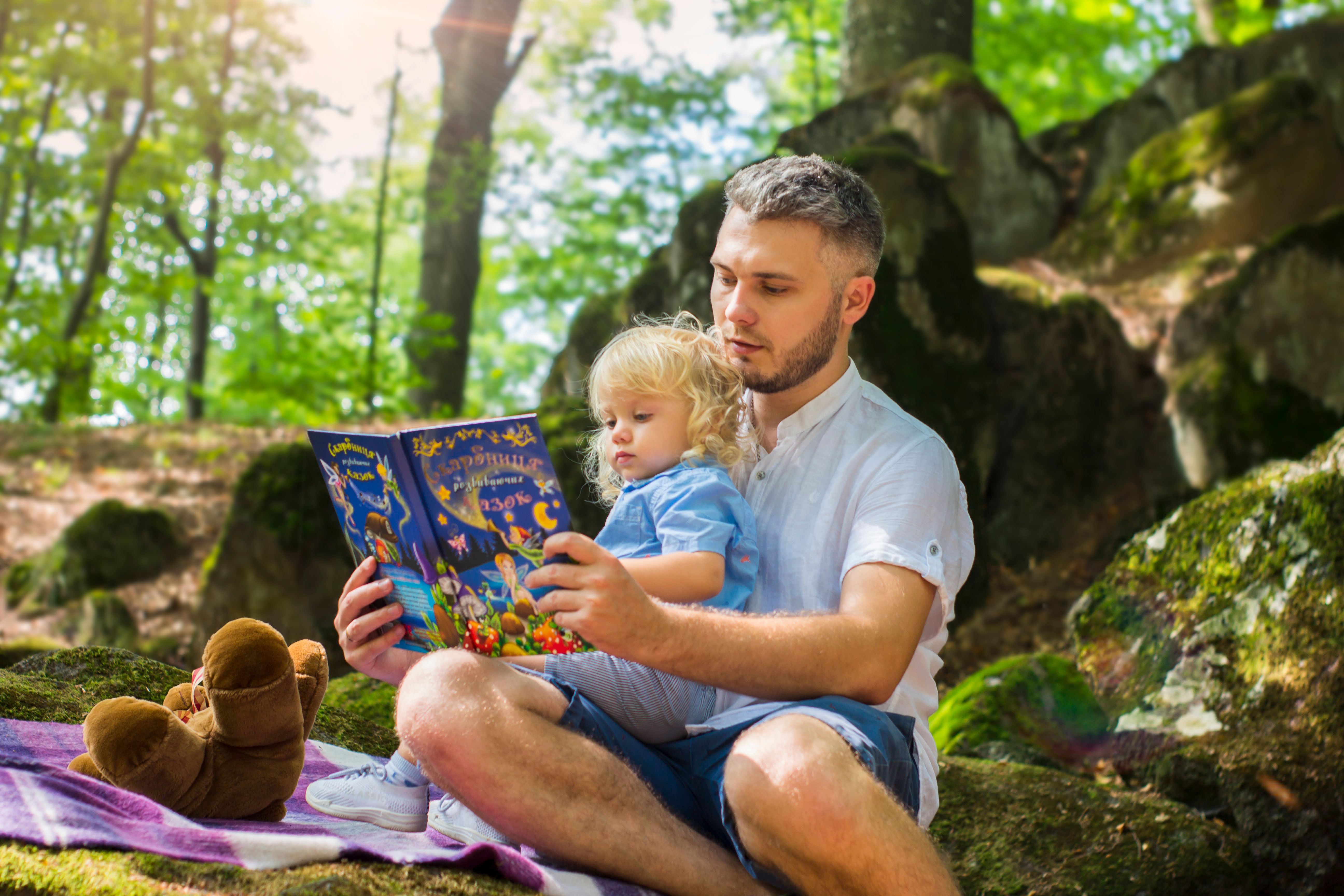
Social skills are super important for children with autism. They really shape how kids connect with their peers and handle everyday interactions. That’s where group therapy comes in! It’s a fantastic way for kids to practice and boost their communication skills in a supportive environment.
But here’s a question many caregivers might have: what are the best strategies to make these sessions truly effective? 🤔 This article dives into some best practices for group therapy in autism. We’ll explore innovative techniques and how technology can play a transformative role in helping kids develop their social skills.
Let’s explore this together!
as they navigate interactions with peers and adults. When these skills are lacking, it can lead to , misunderstandings, and challenges in making friends. Many kids with autism often struggle with both verbal and non-verbal communication, which can make everyday social interactions tough. For instance, they might find it hard to read social cues, grasp the subtleties of conversations, or respond appropriately in chats.
! like that help nurture these abilities, ultimately . At Rori Care, we’re all about empowering caregivers by equipping them with the knowledge and skills needed to using .
By getting actively involved, aligning strategies, and collecting data, caregivers can create a consistent and supportive environment that really maximizes the impact of interventions, particularly in led by trained therapists. For example, a recent study showed that kids who participated in group therapy for social skills in autism made significant strides in their ability to interact with peers, highlighting just how effective these approaches can be.
By fostering a collaborative approach, Rori Care ensures that caregivers are not just informed but also actively engaged in their child’s development. Let’s explore this together! We’re here to help you every step of the way!

can be a game-changer for young individuals with autism, especially in developing their social skills. It creates a friendly space where kids can interact with their peers, which is so important for learning how to connect with others. Activities like role-playing, cooperative games, and storytelling not only make it fun but also help kids engage and learn effectively.
Research shows that kids involved in group therapy often see real , emotional regulation, and friendships. For instance, many participants show better eye contact and turn-taking abilities - both key for meaningful interactions. Plus, the of group therapy helps kids , which can really ease feelings of isolation.
This collaborative approach not only but also nurtures , making a powerful resource in autism care. And let’s not forget about Rori Care! They enhance the therapy experience with additional services like and . These resources are crucial in reinforcing the skills learned during therapy, ensuring that parents feel equipped to support their child’s journey.
So, if you’re a parent looking for ways to help your child thrive, consider exploring [group therapy for social skills in autism](https://pmc.ncbi.nlm.nih.gov/articles/PMC5358101). We’re here to help you every step of the way!

Improving therapy sessions for kids with autism can feel like a big task, but there are some key strategies that can really make a difference! First off, keeping the team small is super important. It allows for that one-on-one attention that helps kids connect better with their therapists and peers. Research shows that . In fact, when caregivers are actively involved and the recommended hours are fully utilized, about . That’s a big deal!
Organized activities, like , are essential components of , giving kids a chance to practice their in a safe and supportive environment. Imagine scenarios that mimic real-life situations - this lets kids try out their responses and get immediate feedback, which is crucial for learning. Plus, using and visual schedules can really help kids understand and engage better, making the whole learning process more accessible.
It’s also essential to regularly . This way, activities can be , keeping motivation high and development on track. is a great tool for this! It updates behavior intervention and skill acquisition plans after each session based on what’s been achieved, ensuring therapy is tailored to each child’s unique needs. And let’s not forget about , which is led by qualified therapists and helps kids improve their interactions and communication in a group setting. This can lead to better relationships and social competence.
Case studies have shown that kids in smaller therapy environments often see significant improvements in social skills, emotional regulation, and overall adaptive behaviors. By embracing these best practices, therapists can create a vibrant and effective group therapy for social skills in autism that enables kids to thrive socially. Let’s explore this together and see how we can support our children every step of the way!

Integrating technology into can truly make a difference for children with autism! 🌟 Think about it: create that help kids build their social skills. For instance, there are apps specifically designed for that offer quick feedback and practice in a safe space, making it easier for kids to learn.
is another fantastic tool! It allows children to watch their peers demonstrate , which can be super effective in helping them understand social cues. Plus, with , kids can participate in from the comfort of home, easing any anxiety about new environments.
By embracing these tech advancements, therapists can create a lively and that resonates with today’s tech-savvy kids. Let’s explore this together and see how these tools can enhance !

Group therapy for social skills in autism is such a vital way to help kids on the spectrum grow emotionally and socially. Imagine a supportive space where children can practice their skills with peers - this not only boosts communication but also helps them feel like they truly belong. Plus, when caregivers get involved and evidence-based strategies are applied, these sessions become even more effective!
Throughout this journey, we’ve seen how important social skills development is. Group therapy offers so many benefits, and the right strategies can lead to amazing outcomes. Smaller group sizes, fun activities, and even tech integration play key roles in maximizing improvement. And let’s not forget the collaborative efforts of caregivers and trained therapists - they’re essential in providing the guidance and support kids need to thrive socially.
As our understanding of autism evolves, embracing innovative practices and using technology in group therapy can really enhance the learning experience for children. This commitment to building social skills not only helps the kids involved but also enriches the communities they’re part of. Exploring group therapy for social skills in autism is a meaningful step toward a brighter future for children and their families. Together, we can pave the way for stronger connections and a more inclusive society. Let’s explore this together!
Why are social skills important for kids with autism?
Social skills are crucial for kids with autism as they help navigate interactions with peers and adults. Lacking these skills can lead to feelings of isolation, misunderstandings, and difficulties in forming friendships.
What challenges do kids with autism face in social interactions?
Kids with autism often struggle with both verbal and non-verbal communication, making everyday social interactions difficult. They may find it hard to read social cues, understand conversation subtleties, or respond appropriately in discussions.
How can caregivers and clinicians support the development of social skills in children with autism?
Caregivers and clinicians can focus on interventions such as group therapy for social skills in autism, which helps nurture these abilities and improves the child’s quality of life and social connections.
What role do caregivers play in supporting social skills development?
Caregivers can support social skills development by actively getting involved, aligning strategies, and collecting data to create a consistent and supportive environment, maximizing the impact of interventions.
What evidence supports the effectiveness of group therapy for social skills in autism?
A recent study indicated that kids who participated in group therapy for social skills in autism made significant progress in their ability to interact with peers, demonstrating the effectiveness of these approaches.
How does Rori Care assist caregivers in supporting their child's development?
Rori Care empowers caregivers by providing them with knowledge and skills to support their child's behavioral goals using ABA principles like reinforcement and modeling, ensuring they are informed and actively engaged in their child's development.