Introduction
Autism Spectrum Disorder (ASD) can be quite a journey for children, especially when it comes to social communication and interaction. But here’s the good news: group therapy can be a fantastic way for these young ones to thrive! In a structured environment, they get to learn from their peers and build those all-important social skills.
What really makes group therapy special, though, is how it helps forge connections that go beyond the therapy room. Imagine your child forming lasting friendships and boosting their self-confidence along the way! 🌟
So, how can parents and caregivers tap into the power of group therapy to create these positive experiences for their children with ASD? Let’s explore this together!
Define Autism Spectrum Disorder and Group Therapy
Autism Spectrum Disorder (ASD) is a complex developmental condition that brings its own set of challenges, especially when it comes to communication, interests, and behaviors. Each child with ASD has a unique blend of strengths and hurdles, making their journey truly individual. Group support can be a wonderful way for young people facing similar challenges to come together in organized sessions led by trained professionals. This environment fosters sharing experiences, learning from one another, and practicing essential social skills.
Recent studies highlight the positive outcomes of group therapy for children with ASD, demonstrating its effectiveness in enhancing communication and social skills. The positive outcomes of group therapy for children with ASD are evident as kids who participate in group counseling often show impressive improvements in connecting with peers and navigating social situations. For instance, one study found that children involved in group therapy experienced positive outcomes of group therapy for children with ASD, reporting greater confidence and less anxiety during social interactions, which led to deeper relationships.
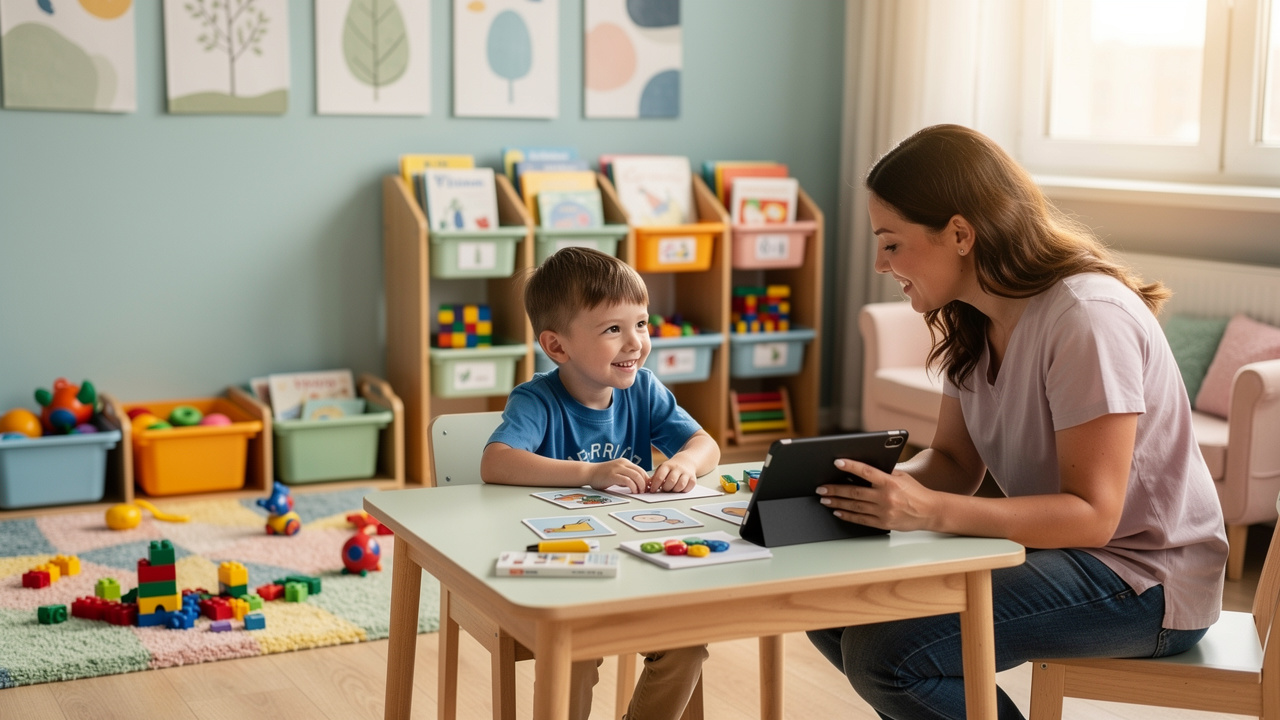
Real-life examples showcase the positive impact of group counseling. Take, for example, a group of kids with ASD who joined a weekly therapy session focused on collaborative games and role-playing. Over time, these children not only improved their social skills but also formed friendships that extended beyond the therapy sessions.
Psychologists emphasize the positive outcomes of group therapy for children with ASD, highlighting that these sessions provide a unique opportunity for kids to learn from each other in a supportive environment. This peer interaction is crucial, as it allows young individuals to observe and mimic appropriate social behaviors. As one psychologist put it, "Group support can be life-changing for kids with ASD, helping them realize they’re not alone and fostering a sense of community."
Understanding the is key to tailoring group support to meet each child's needs. By focusing on the individual strengths and challenges of participants, therapists at Rori Care can create a more effective and personalized therapeutic experience. Plus, Rori Care offers a range of services, including program development and personal support, to help families navigate challenges and promote youth growth.
Let’s explore this together! We’re here to help you every step of the way!

Explore Benefits of Group Therapy for Social Skills Development
Group therapy can provide positive outcomes of group therapy for children with ASD, particularly in enhancing their vital interpersonal skills. Let’s take a look at some of the key benefits:
- Peer Interaction: When kids engage with their peers, they get to practice and refine their social skills in real-time. It’s like a mini training ground for communication! Research shows that structured peer interactions can result in positive outcomes of group therapy for children with ASD, significantly improving how they navigate social cues and dynamics.
- Reduced Social Anxiety: Being part of a group can really help ease those nerves around social interactions. Many kids with ASD feel heightened anxiety in these situations, but the positive outcomes of group therapy for children with ASD can create a supportive atmosphere that helps them feel more at ease, making it easier to connect with others.
- Modeling Behavior: Kids learn a lot by watching others. In group therapy, they can observe and imitate positive interpersonal behaviors from their peers. This is crucial, as it not only strengthens their interactions but also encourages them to adopt these behaviors in their own exchanges.
- Feedback and Support: Group therapy creates a safe space for young individuals to receive constructive feedback from both peers and therapists. This kind of support is vital for building confidence and helping them tackle interpersonal challenges, which can lead to positive outcomes of group therapy for children with ASD with a little extra help from their group.
- Shared Experiences: Connecting with others who face similar challenges can really boost a young person’s sense of belonging and reduce feelings of isolation. Studies show that the positive outcomes of group therapy for children with ASD, such as lower levels of anxiety and depression, highlight the importance of community and peer support.
- Expert Insights: Specialists emphasize that early intervention through peer-mediated strategies can lead to significant improvements in communication and interpersonal skills. These interventions not only enhance social abilities but also contribute to the positive outcomes of group therapy for children with ASD, making them a key part of treatment.
So, if you’re considering group therapy for your child, know that it can offer a wealth of benefits. Let’s explore this together and see how it can make a difference!

Assess Effectiveness of Group Therapy for Autism Treatment
Studies show that collective counseling can result in positive outcomes of group therapy for children with ASD. Let’s take a closer look at some key findings:
- Improved Social Competence: Kids who join group social skills interventions (GSSIs) often see significant boosts in their social skills. Research shows an effect size ranging from g = 0.28 to 0.60, highlighting just how effective these programs can be in helping children connect with others.
- Enhanced Communication Skills: The positive outcomes of group therapy for children with ASD include fantastic opportunities for developing communication abilities. Children get to practice chatting and interacting with their peers through fun activities like role-playing and cooperative games.
- Long-term Advantages: The positive outcomes of group therapy for children with ASD don’t just stop when the sessions end! Improvements in interpersonal skills and emotional control can contribute to the positive outcomes of group therapy for children with ASD, offering lasting advantages for the kids involved.
- Formation of Friendships: The positive outcomes of group therapy for children with ASD include the formation of friendships, as many children develop positive peer relationships during these collective sessions, leading to more social interactions outside of meetings. This is so important for their emotional growth, as these shared experiences contribute to the positive outcomes of group therapy for children with ASD by helping to reduce feelings of isolation.
- Adaptability of Group Sessions: One of the best things about group sessions is their adaptability, which can lead to positive outcomes of group therapy for children with ASD. They can be tailored to meet the unique needs of each child, which is essential for achieving the positive outcomes of group therapy for children with ASD. Plus, when parents get involved and homework activities are assigned to reinforce skills learned, it significantly contributes to the positive outcomes of group therapy for children with ASD.
- Cost-effectiveness: It is important to consider the positive outcomes of group therapy for children with ASD, especially regarding cost-effectiveness. Group sessions are usually more budget-friendly than one-on-one sessions, allowing families to access regular support, which can contribute to the positive outcomes of group therapy for children with ASD, including improved skills in interactions and emotional control.
Alongside collective counseling, Rori Care also offers caregiver education and program development services. These additional resources equip parents with strategies to support their children’s social skills at home, ensuring that treatment goals are reinforced in everyday situations. Supervision services further enhance the effectiveness of collective sessions by providing ongoing support and guidance for both therapists and families, creating a holistic approach to treatment.
So, if you’re considering collective counseling for your child, know that you’re not alone in this journey. We’re here to !

Integrate Technology in Group Therapy for Enhanced Outcomes
Integrating technology into group therapy can really enhance the experience for youth with ASD. Let’s take a look at some effective applications that can make a difference:
- Virtual Reality (VR): Imagine your child stepping into a virtual world where they can practice social interactions in a safe space. This immersive experience helps them build confidence and improve their communication skills.
- Interactive Apps: There are so many fun apps out there that can help kids learn social skills while they play. Making learning engaging is key to boosting their social competence!
- Telehealth: Remote group sessions can be a game-changer for families. Your child can join from home, still benefiting from the group dynamics and .
- Data Tracking: Technology can help therapists keep track of progress and outcomes. This means more personalized treatment plans that adapt based on how your child is doing and what caregivers share.
- Gamification: Adding game-like elements to therapy can really motivate kids to get involved. It makes learning feel like an adventure, helping them develop important skills along the way.
Overall, using these technologies in group therapy not only enhances learning enjoyment but also promotes the positive outcomes of group therapy for children with ASD by supporting essential social skills development. So, let’s explore this together and see how these tools can help your child thrive!

Conclusion
The journey of children with Autism Spectrum Disorder (ASD) can truly be enriched through the positive outcomes of group therapy. Imagine a supportive space where kids can share their experiences and learn from one another! Group therapy not only helps them develop essential social skills but also makes them feel less isolated. This collective approach empowers children to tackle their unique challenges while building meaningful connections with their peers.
Throughout this article, we’ve highlighted various benefits of group therapy. Think enhanced communication skills, reduced social anxiety, and the chance to observe and model appropriate behaviors. Real-life success stories and research findings back up how effective these sessions can be in improving social competence and emotional control. Plus, integrating technology into therapy has shown promise in making sessions more engaging and tailored to individual needs, leading to even better outcomes.
As our understanding of ASD evolves, so does the potential for impactful interventions like group therapy. It’s so important for families to explore these avenues! The support and skills gained in such settings can lead to lasting improvements in their children's lives. Embracing group therapy not only aids in social development but also fosters a sense of community, reminding children with ASD that they’re not alone on their journey. Let’s explore this together!
Frequently Asked Questions
What is Autism Spectrum Disorder (ASD)?
Autism Spectrum Disorder (ASD) is a complex developmental condition characterized by challenges in communication, interests, and behaviors. Each child with ASD has a unique combination of strengths and difficulties.
How can group therapy benefit children with ASD?
Group therapy can enhance communication and social skills for children with ASD. It provides a supportive environment where kids can share experiences, learn from one another, and practice essential social skills.
What positive outcomes have been observed in children with ASD who participate in group therapy?
Children involved in group therapy often show improvements in connecting with peers, navigating social situations, greater confidence, and reduced anxiety during social interactions, leading to deeper relationships.
Can you provide an example of the impact of group therapy on children with ASD?
In a group therapy session focused on collaborative games and role-playing, children not only improved their social skills but also formed friendships that extended beyond the therapy sessions.
Why is peer interaction important in group therapy for children with ASD?
Peer interaction allows young individuals to observe and mimic appropriate social behaviors, which is crucial for their development and social learning.
How does Rori Care tailor group support for children with ASD?
Rori Care focuses on understanding the individual strengths and challenges of each child to create a more effective and personalized therapeutic experience.
What additional services does Rori Care offer to support families?
Rori Care offers a range of services, including program development and personal support, to help families navigate challenges and promote youth growth.
List of Sources
- Define Autism Spectrum Disorder and Group Therapy
- Autism Society of America Responds to New CDC Report on Updated Autism Prevalence Rates | Autism Society (https://autismsociety.org/autism-society-of-america-responds-to-new-cdc-report-on-updated-autism-prevalence-rates)
- 10 inspiring quotes from people with autism | Autism Speaks (https://autismspeaks.org/life-spectrum/autism-quotes)
- Data and Statistics on Autism Spectrum Disorder (https://cdc.gov/autism/data-research)
- ‘Autism Epidemic Runs Rampant,’ New Data Shows 1 in 31 Children Afflicted (https://hhs.gov/press-room/autism-epidemic-runs-rampant-new-data-shows-grants.html)
- Explore Benefits of Group Therapy for Social Skills Development
- Social Skills Through Peer Interaction in Autism (https://scottsdalepbs.com/social-skills-development-through-peer-interaction-for-kids-with-autism)
- The Benefits of Peer Interaction in Therapy for Children with Autism (https://buildingblockstherapy.org/blog/the-benefits-of-peer-interaction-in-therapy-for-children-with-autism)
- A systematic review of peer-mediated interventions for children with autism spectrum disorder - PMC (https://pmc.ncbi.nlm.nih.gov/articles/PMC5087797)
- Success Rate of Early Intervention for Autism | Connect n Care (https://connectncareaba.com/blog/early-intervention-autism-success-rate-statistics)
- Assess Effectiveness of Group Therapy for Autism Treatment
- The Benefits of Group Therapy for Children with Autism and Social Anxiety (https://buildingblockstherapy.org/blog/the-benefits-of-group-therapy-for-children-with-autism-and-social-anxiety)
- The Benefits of Group Therapy for Children with Autism | Advanced Autism Services (https://advancedautism.com/post/the-benefits-of-group-therapy-for-children-with-autism)
- The Benefits of Group Therapy for Social Skills Development in Children with Autism (https://magnetaba.com/blog/the-benefits-of-group-therapy-for-social-skills-development-in-children-with-autism)
- Integrate Technology in Group Therapy for Enhanced Outcomes
- The Role of Virtual Reality in Autism Therapy: Recent Advancements (https://autismspectrumnews.org/the-role-of-virtual-reality-in-autism-therapy-recent-advancements)
- Effectiveness of Virtual Reality Social Skills Training for Students with Autism and Social Difficulties Observed Through Behavior and Brain Waves | MDPI (https://mdpi.com/2076-3417/15/9/4600)
- Effectiveness of Using Mobile Technology to Improve Cognitive and Social Skills Among Individuals With Autism Spectrum Disorder: Systematic Literature Review - PMC (https://pmc.ncbi.nlm.nih.gov/articles/PMC8512196)
- Effectiveness of Virtual Reality Technology Interventions in Improving the Social Skills of Children and Adolescents With Autism: Systematic Review - PMC (https://pmc.ncbi.nlm.nih.gov/articles/PMC11840372)