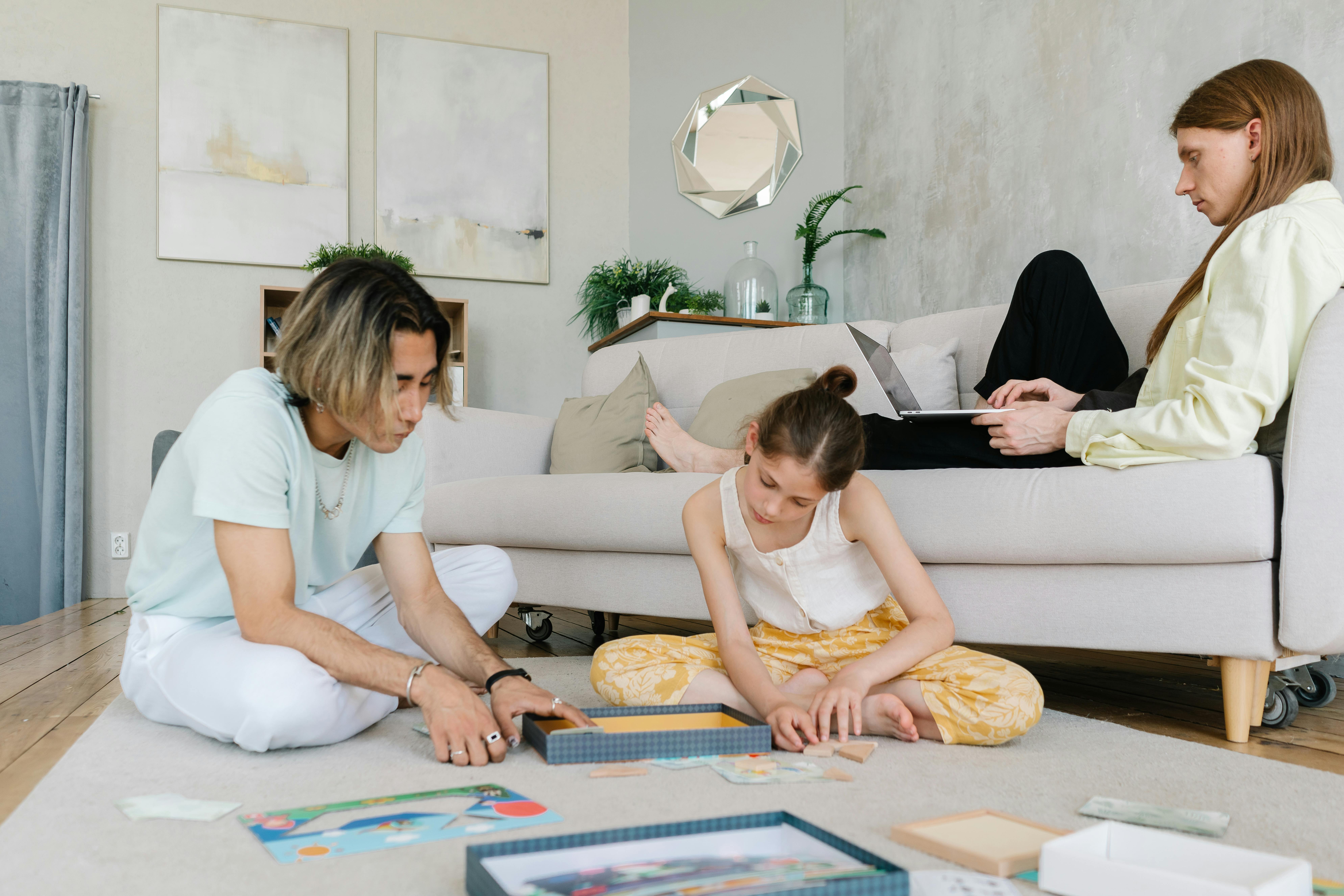
Role-playing has become a fantastic tool in Applied Behavior Analysis (ABA) therapy, giving children with autism a special chance to practice communication in a safe and supportive space. 🌟 By stepping into simulated interactions, these kids can boost their social skills, emotional regulation, and overall confidence. But here’s the thing: the success of this approach really depends on tailoring scenarios to fit each child's unique needs and interests.
So, how can caregivers and therapists tap into the power of role-playing to help children with autism shine in their communication skills? Let’s explore this together! We’re here to help you every step of the way!
Role-playing in Applied Behavior Analysis (ABA) therapy is such a dynamic way to help kids with autism practice real-life interactions! 🌟 It’s all about simulating everyday scenarios, giving youngsters a chance to improve their in a safe and controlled environment. By stepping into different roles, they can explore various social situations, learning to read cues, express their feelings, and build those all-important .
These interactive sessions, often led by therapists, are organized to include prompt feedback and reinforcement. This is key for encouraging positive behaviors and enhancing social responses. Did you know that studies show regular participation in dramatic play can significantly boost social skills? About 70% of kids involved in consistent see real progress in their behavior and communication! This structured practice not only builds confidence but also equips kids with the tools they need to navigate complex social environments effectively.
Alongside personal simulations, at Rori Care, guided by qualified therapists, really enhances social interactions and communication within a group. It’s all about ! Plus, family involvement is crucial for therapy success. It helps therapists understand the unique needs of each child. Embracing neurodiversity, are tailored to fit each individual’s strengths and challenges, which helps to create an inclusive learning environment.
The clinical leadership team at Rori Care is committed to supporting this approach, ensuring caregivers are well-equipped with . Together, we can help your child through active involvement and data collection. Let’s explore this journey together! We’re here to help you every step of the way!

are a fantastic tool in evidence-based , particularly for assisting kids with autism in improving their . It creates a where young ones can practice both verbal and non-verbal communication techniques, taking the pressure off real-life interactions. This practice not only boosts their confidence in social situations but also helps them pick up on those tricky that can be tough for many on the autism spectrum.
Plus, acting out different scenarios really encourages . It gives kids a chance to express their feelings in a structured environment, which is a key part of that helps them manage their emotions better. Did you know that studies show kids who engage in can improve their interaction skills by up to 40%? That’s pretty impressive and highlights just how effective this approach can be within !
By integrating into , clinicians can significantly enhance the of youth with autism. This paves the way for more meaningful interactions and relationships. And let’s not forget about the caregivers! Equipping them with ABA principles and strategies through education allows them to actively support their child’s behavioral goals, leading to better outcomes.
The automatic data collection during sessions keeps caregivers informed and involved without interrupting the therapeutic process. This not only enhances the effectiveness of the interventions but also creates a sense of teamwork. So, let’s explore this together! We’re here to help you every step of the way!

When it comes to implementing effective , it’s all about starting with scenarios that mirror real-life situations your child might face. Using clear scripts and visual aids can really help make things easier to understand and guide your little one through the role-play. Start with simple interactions and gradually increase the complexity as they gain confidence. It’s so important to encourage them to share their thoughts and feelings during the role-play, and don’t forget to provide immediate feedback to reinforce those !
Incorporating can really enhance the experience, allowing young learners to learn from each other. Plus, consistently reviewing and practicing these situations will help reinforce the skills they’ve gained, boosting their confidence in real-life contexts. Did you know that studies suggest up to 70% of kids show progress in their behavior and communication when they regularly engage in ? These activities can even improve interaction skills by as much as 40%! As Jade wisely points out, significantly enhance and communication in .
It’s also crucial for parents to be aware of , like not giving enough feedback or failing to tailor scenarios to their child’s interests. These can really hinder the effectiveness of the practice. By empowering caregivers with ABA principles and strategies, they can actively support their child’s , leading to better outcomes and happier family dynamics. This education not only enhances support and informed decision-making but also helps reduce caregiver stress, creating a more positive atmosphere for your little one.
And hey, incorporating brief examples of successful simulations can really showcase how effective these strategies can be! Let’s explore this together!

Customizing is so important for meeting the unique needs of each child with autism. It all starts with thorough assessments to identify specific , just like Rori Care's . For instance, if a young person struggles with sharing, we can create fun scenarios around taking turns with toys or sharing snacks. Setting , like tracking how many times they successfully share during role-play, can really help too.
And let’s not forget about incorporating their favorite characters or themes! This not only makes the role-play more relatable but also amps up their engagement. Plus, considering sensory preferences is key; some kids might respond better to tactile props or visual aids during these activities. By tailoring scenarios to fit the child’s interests and strengths, therapists can really and create more effective learning experiences.
Continuous assessment of the child’s progress in these interactive exercises ensures that we can adjust our approaches as needed to improve outcomes. Did you know that studies show participating in can enhance interaction abilities in kids with autism by as much as 40%? And up to 70% of youngsters show significant improvement in after regular interactive practice! This personalized approach is supported by Rori Care's , demonstrating that for communication in autism lead to better interaction and communication results for kids with autism.
As expert Jade puts it, 'This structured approach helps children with autism feel secure while exploring new social interactions.' So, let’s explore this together and see how we can make a difference!

Role-playing techniques are a fantastic way to boost communication skills in children with autism, helping to bridge the gap between what they learn and how they apply it in real life. By stepping into different scenarios, kids gain the confidence they need to navigate social situations more effectively. Plus, the structured nature of role-playing helps them manage their emotions and pick up on social cues, making it an essential part of ABA therapy.
Throughout this article, we’ve explored the many benefits of role-playing, highlighting how it enhances both verbal and non-verbal communication. These interactive sessions not only improve social skills but also encourage kids to express and regulate their emotions. It’s so important to tailor these role-playing scenarios to fit each child’s unique needs and interests - this customization really boosts motivation and makes learning more effective.
Ultimately, integrating role-playing techniques into therapy goes beyond just teaching skills; it’s about building meaningful connections and relationships. Caregivers are key players in this journey, and when they’re equipped with the right tools and strategies, it can lead to wonderful outcomes for their children. By embracing this approach, families can come together to create a nurturing environment that fosters growth and understanding, paving the way for a brighter future for children with autism. Let’s explore this together!
What is role-playing in ABA therapy?
Role-playing in Applied Behavior Analysis (ABA) therapy involves simulating everyday scenarios to help kids with autism practice real-life interactions and improve their communication skills in a safe environment.
How does role-playing benefit children with autism?
It allows children to explore various social situations, learn to read cues, express their feelings, and build communication abilities, ultimately enhancing their social skills and confidence.
What role do therapists play in role-playing sessions?
Therapists lead interactive role-playing sessions, providing prompt feedback and reinforcement to encourage positive behaviors and enhance social responses.
Are there any studies supporting the effectiveness of role-playing in improving social skills?
Yes, studies indicate that regular participation in dramatic play can significantly boost social skills, with about 70% of kids involved in consistent imaginative activities showing real progress in their behavior and communication.
How does social skills group therapy complement role-playing?
Social skills group therapy, guided by qualified therapists, enhances social interactions and communication within a group, fostering better relationships and competence among children.
Why is family involvement important in ABA therapy?
Family involvement is crucial for therapy success as it helps therapists understand the unique needs of each child, facilitating a more tailored approach to therapy.
How does Rori Care ensure an inclusive learning environment?
Rori Care tailors role-playing techniques to fit each child's strengths and challenges, embracing neurodiversity to create an inclusive and supportive learning environment.
What is the role of the clinical leadership team at Rori Care?
The clinical leadership team at Rori Care supports the role-playing approach by ensuring caregivers are equipped with ABA principles and strategies to help children achieve their behavioral goals.