Discrete Trial Training (DTT) is a powerful teaching method rooted in Applied Behavior Analysis (ABA) principles, specifically designed to support children with autism. By breaking down complex skills into manageable units, DTT empowers children to master new abilities and behaviors through consistent practice. This approach aligns with the vision of Dr. David (Dan) R. Offord, a renowned child psychiatrist, who advocated for equitable participation of children with disabilities in all aspects of life.
DTT recognizes the unique needs and potential of every child, including those with autism who may face additional emotional and behavioral challenges. With tailored strategies that consider each child's developmental and intellectual capabilities, DTT aims to reduce stress and provide support not only to the child but also to their families.
Contemporary research methodologies, such as randomized controlled trials, have further enhanced our understanding of interventions like DTT. These studies provide a scientific basis for clinicians to determine the most effective treatments, ensuring that children with autism receive the support they need to thrive in various settings. DTT goes beyond being just an intervention; it is a commitment to creating a fair race for every child, enabling meaningful participation in society and the realization of their full potential.
stands as a beacon of effective teaching for children with autism, drawing from the well-established principles of . It meticulously deconstructs complex skills into smaller, digestible units, paving the way for children to master new abilities and behaviors through consistent, structured practice. This method aligns with the vision of the late , a renowned child psychiatrist, who advocated for equitable participation of children with disabilities in all aspects of life, emphasizing the importance of .
The essence of DTT lies in its tailored approach, which resonates with Dr. Offord's emphasis on recognizing the unique needs and potential of every child, including those with autism who may experience additional emotional and behavioral challenges. It is a method designed to reduce stressors and offer support, not only to the child but also to the family, by providing that cater to the child's developmental and intellectual capabilities, with studies indicating that 31-55% of children on the spectrum also face .
Moreover, contemporary research methodologies, such as , have bolstered our understanding of interventions like DTT. They offer a scientific basis for clinicians to determine the most impactful treatments, ensuring that children with autism receive the support they need to thrive in various settings, from the classroom to the community.
In essence, DTT is more than an intervention; it's a commitment to 'make the race fair,' ensuring that every child, regardless of their challenges, has the opportunity to participate meaningfully in society and reach their full potential.

(DTT) is a teaching strategy that forms the backbone of (ABA) therapy, particularly beneficial for . It's meticulously structured into three key components: the instruction or prompt (antecedent), the child's response (behavior), and the subsequent feedback (consequence). This triad is designed to foster a conducive learning atmosphere, allowing for focused, that can significantly enhance .
The antecedent begins the trial with a clear instruction or prompt, which sets the stage for the child's response. The child's behavior, whether it is an attempt or a correct response, is the central focus of the trial. Lastly, the consequence, which could be for a correct response or gentle correction for an attempt, provides essential feedback.
This feedback is pivotal as it reinforces learning and encourages progress.
This systematic approach to learning addresses the unique needs of , who may have co-occurring intellectual disabilities and benefit from . As the research landscape evolves, with randomized-controlled trials paving the way for more definitive intervention outcomes, DTT continues to stand out as a method that can be tailored to each child's individual challenges and strengths.
Notably, the emphasis on a fair and supportive environment for children with disabilities, as highlighted by the esteemed Dr. David (Dan) R. Offord, resonates with the core principles of DTT. It strives to equalize developmental opportunities for autistic children, enabling meaningful participation in daily life and reducing stress for both the children and their caregivers. The ultimate goal of DTT and similar interventions is to equip children with the skills they need to engage peacefully and productively in their home, school, and leisure activities, thus promoting mental health and ensuring equity in society.
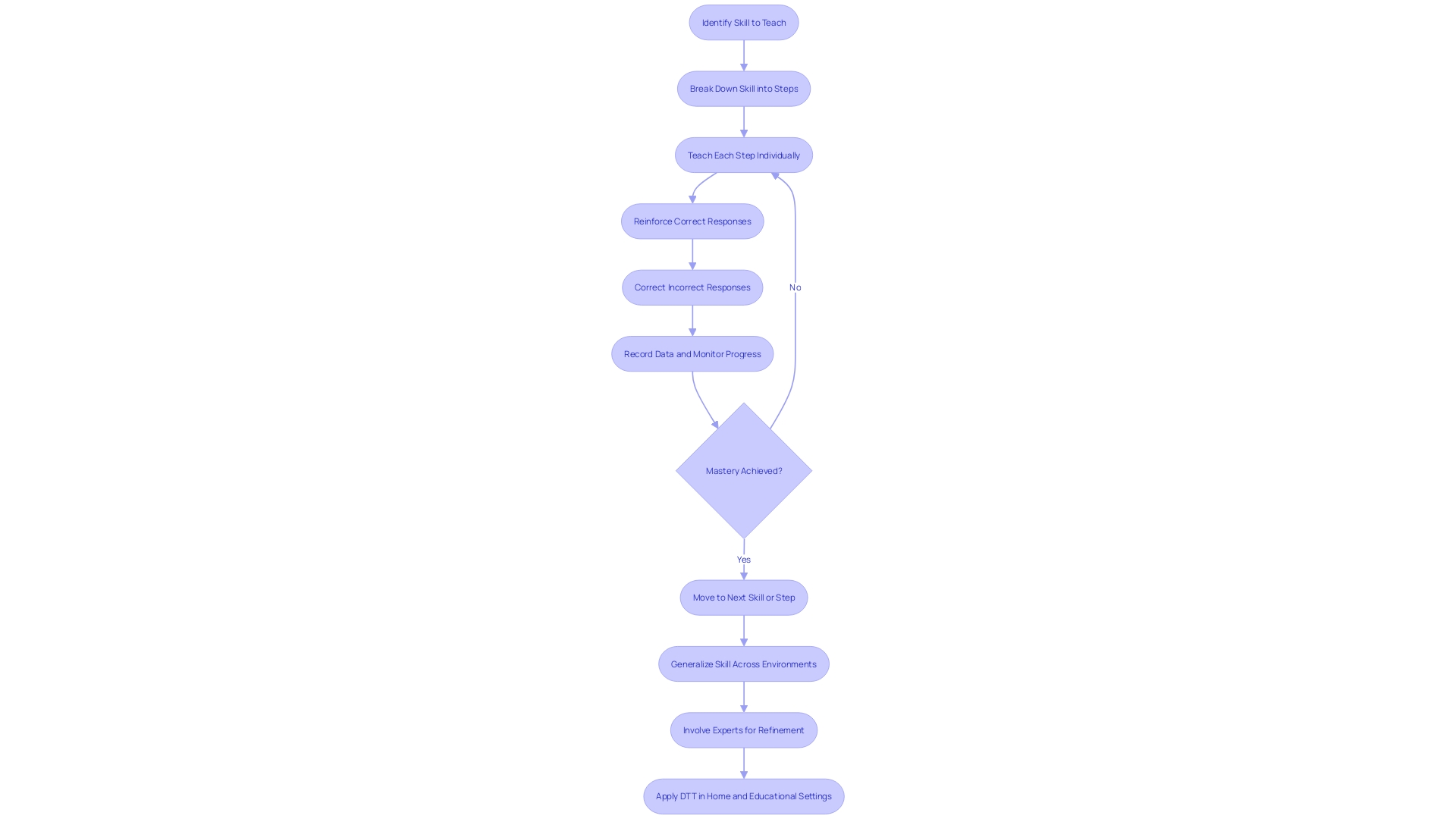
is a transformative tool within , tailored for children with autism to enhance their learning capabilities and adapt behaviors conducive to their growth. allows therapists to meticulously pinpoint and nurture each child's unique skill set, diligently through successive, personalized teaching units. The method's depth extends to their newly acquired skills across various environments, fostering a sense of independence and adaptability.
This approach aligns with the vision of inclusivity and equity in education, as emphasized by , who advocated for a 'fair race' for all children, including those with disabilities, in their life's journey across the domains of school, home, and leisure activities. Recent shifts towards randomized-controlled trials in autism research have solidified DTT's standing as an , setting a precedent for high-quality, impactful studies that address the nuanced needs of the autism community while respecting their inherent dignity and potential.
(DTT) is a pivotal element in autism therapy, but its full potential is realized when amalgamated with (NET). NET creates a more spontaneous and adaptable learning ambiance, which is vital for children to apply the skills acquired through DTT into . For instance, through NET, children can practice during unstructured playtime or while engaging in routine activities at home.
This fusion of facilitates the , meaning children can adeptly transfer what they learn in therapy to multiple contexts and environments, thereby enriching their ability to navigate the real world with greater competence.
is a fundamental component of , designed to cultivate essential skills in children with autism. This emphasizes the , social, and cognitive abilities. Each skill is broken down into manageable parts and taught individually, ensuring that children grasp the basics before moving on to more intricate tasks.
, as it encourages the repetition and consolidation of learned behaviors, laying the groundwork for ongoing learning and adaptation. The ultimate aim of DTT is to help children with autism by mastering skills that can be built upon, fostering their independence and integration into various social contexts. The recent updates in the ABA Practice Guidelines by the Council of Autism Service Providers highlight the importance of like DTT, affirming its value in the lives of children with autism.
The concept of generalization takes on a transformative role in the lives of children with autism, as it fosters the application of skills acquired in therapy to a multitude of new and diverse settings. is instrumental in this process, offering a dynamic platform where children have the chance to hone these skills across different scenarios. This is akin to how once a child masters the action of 'skipping', they can extrapolate this skill to 'skip backwards' or 'skip around a cone twice', showcasing their inherent compositional skills.
In the realm of autism therapy, the discussion around is ongoing. Critics like Fodor and Pylyshyn question the systematic nature of compositional skills, suggesting that neural networks in their simplest form might not support such complex, rule-based learning. Conversely, advancements in neural network architectures have led to a reevaluation of these assumptions, indicating that with sophistication, these networks can indeed exhibit systematicity.
Contemporary neural networks continue to evolve, leading to significant breakthroughs in various fields, including natural language processing. However, they still show limitations when subjected to tests of systematicity, challenges that a minimally algebraic mind would typically overcome. Despite the progress, the systematicity debate remains unresolved.
Furthermore, in the context of autism, the importance of cannot be overstated, as it can mitigate the severity of lifelong symptoms. are being leveraged to analyze diverse data modalities, from behavioral videos to MRI data, to improve rates for Autism Spectrum Disorder (ASD).
In real-world applications, initiatives like Emirates and Dubai International Airport's collaborative effort to create rehearsal flying experiences for neurodivergent passengers highlight the significance of generalization. These experiences allow children to apply their skills in a highly realistic setting, preparing them for actual travel scenarios. This is exemplified by the story of Humza, an 11-year-old Emirates superfan, who, through rehearsal and personal research, familiarized himself with the airline's environment before his first flight.
This overarching narrative ties into the ethos presented by , who emphasized the in all aspects of life for children, particularly those with disabilities. For autistic children, the opportunity to generalize skills is a gateway to more inclusive and engaging experiences in their social environments, ultimately contributing to their mental health and well-being.

To ensure effective for children with autism, it is vital to foster an atmosphere of engagement and motivation. This can be achieved by integrating , such as favorite toys or activities, as well as meaningful rewards. Such tailored reinforcement not only enhances the child's interest but also promotes sustained enthusiasm throughout the learning process.
A child's immersion in a positive educational setting is the bedrock of their mental health and a critical factor in achieving equitable opportunities for , particularly for those with disabilities.
It is essential that every child, including those with autism and associated emotional and behavioral challenges, participates in daily activities within schools and communities. This participation must be supported to foster social integration and mental well-being. By recognizing and utilizing the unique strengths and addressing the specific needs of each child, we contribute to reducing stress and creating an .
This is in line with the vision articulated by Dr. David (Dan) R. Offord, who emphasized the importance of fairness in the 'race' of growth and development for children with disabilities. Ensuring that caregivers have the necessary resources to support their child's development is also paramount to this approach. These strategies underscore the importance of , which is critical for fostering genuine progress and well-being in children with autism.
(DTT) and Training (NET) are complementary approaches within that cater to the diverse needs of . DTT is a structured intervention focused on teaching specific skills in a controlled setting, breaking down complex behaviors into manageable steps. On the other hand, NET takes the foundational skills learned through DTT and applies them to the child's , promoting generalization and practical application.
The integration of DTT and NET is particularly effective in fostering a . It allows children to not only learn new behaviors but to also practice and perfect them within real-world contexts, enhancing their communication, socialization, and adaptive capabilities. This dual approach aligns with the fact that one in 100 children in the UK are diagnosed with autism and face challenges in these fundamental areas.
By addressing the need for , therapists can better assist in overcoming everyday hurdles and achieving meaningful progress.
Statistics reveal that behavior problems worsened for over one-third of individuals with autism during the pandemic, underscoring the importance of effective, function-based interventions. The combination of DTT and NET represents such an intervention, aiming to equip children with the skills necessary to navigate both familiar and novel situations with greater confidence and independence.
Experts in the field, like the New York state-licensed and Board-Certified Behavior Analyst mentioned earlier, endorse the use of technology to enhance learning outcomes for . Similarly, the application of innovative strategies like the AR application designed for dental visits demonstrates the potential of technology in translating learned skills to practical scenarios, further supporting the combination of DTT and NET in therapeutic settings.
In conclusion, the synergy between DTT and NET provides a comprehensive framework for children with autism to not only acquire new skills but also to apply them adaptively across multiple domains, thus supporting their journey towards a more independent and fulfilling life.
In the dynamic landscape of child development, the inclusive participation of children with disabilities in school, home, and leisure activities is not only essential for their mental health but also for societal equity. Dr. David (Dan) R. Offord, a respected child psychiatrist, encapsulated this ideal by stating, "I do not mind if my children are in a race as long as the race is fair." This philosophy extends into therapeutic interventions such as and , where is pivotal.
When parents and caregivers are equipped with the right strategies and techniques, they can effectively reinforce learning and skill generalization outside of formal therapy sessions. In line with the open science movement, which advocates for the early sharing of knowledge, families can benefit from transparent and accessible information that empowers them to support their child's progress. Moreover, , like Canada's Strategy for (SPOR), emphasizes the valuable contribution of those with lived experiences, including parents, in shaping research that directly impacts health outcomes and enhances care.
With this approach, parents become key collaborators in their child's development journey, aligning with the of "nothing about us, without us." Furthermore, staying informed about new findings and therapeutic approaches is crucial. As insights into evolve, understanding its neurodevelopmental nuances and co-occurring conditions, such as , allows caregivers to make informed decisions.
For instance, they must navigate the benefits and risks of medications prescribed to their children, ensuring they are well-versed in any changes in behavior. Continuous education is vital, and while the internet is a rich source of information, validating it with experts is imperative. In conclusion, the collective effort of caregivers, healthcare professionals, and researchers creates a supportive network that ensures equitable educational and developmental opportunities, reflecting Dr. Offord's vision of a fair race for all children.
DTT, or , is a highly structured method that can be effectively utilized both in the home and school environments. When teachers and educational staff join forces with , they create a unified front that significantly enhances the consistency of the learning process for the child. By exchanging insights and methodologies, these professionals synergize to bolster the child's developmental trajectory and encourage the transfer of skills across various settings.
Such collaboration is crucial, particularly in scenarios like the in South Australia, which despite its remote location and small student body, receives essential educational resources to ensure every child's are met. Similarly, the in central Georgia, faced with tracking employee time for thousands across multiple roles, discovered the value of consistency and integration in their systems. These cases underscore the importance of streamlined processes and shared goals in creating a supportive environment for all learners, particularly those with additional needs such as .
In the realm of , meticulous stand as vital components that bolster the effectiveness of this teaching strategy for children with autism. During each , therapists meticulously record the child's responses, enabling them to monitor the child's progress and pinpoint areas requiring further development. This structured approach to data gathering allows for adjustments to be made to the teaching method, ensuring that it remains personalized and responsive to the unique learning needs of each child.
Evidence underscores the importance of such . Recent shifts in clinical research, favoring randomized controlled trials over quasi-experimental studies, have highlighted the need for precise and reliable data to inform therapy outcomes. This rigor ensures that interventions like but also fine-tuned in real-time to the child's evolving capabilities.
The impact of these is profound. As Dr. David (Dan) R. Offord asserted, the equitable participation of children with disabilities in all aspects of life is crucial for their mental health and societal equity. By leveraging detailed data, therapists can create a fair and supportive environment that acknowledges the unique strengths and challenges of children with autism, promoting their full engagement in educational and social settings.
Moreover, the integration of real data into virtual models, akin to the concept of 'digital twins' in industry 4.0, could revolutionize the way we approach DTT. By analyzing data in a virtual space, therapists could gain deeper insights into the child's learning process and predict outcomes more accurately, thereby enhancing the overall effectiveness of the intervention. As the technology of digital twins rapidly advances, it holds the potential to become an essential tool in refining and personalizing educational strategies, including DTT, to meet the diverse needs of children with autism.
(DTT) is a structured method used within to support children with autism. However, implementing DTT can encounter challenges such as , addressing problematic behaviors, and smoothly transitioning between tasks. To navigate these challenges, therapists utilize a range of strategies, backed by research and evolving best practices.
Research has highlighted that some intervention studies for autistic children, including those involving DTT, may have design flaws that obscure the true effectiveness and potential risks of the approaches. This underscores the importance of employing rigorously tested methods and constant evaluation to ensure that interventions like DTT are not only effective but also safe and beneficial in the long term.
In the context of new technologies, such as digital tools and picture boards, there's potential to enhance communication and engagement during DTT sessions. These innovations have been life-changing for some, as seen in the case of Joshua, whose ability to communicate through an electronic tablet inspired initiatives to support non-speaking children globally.
For any therapeutic approach, staying current with the latest findings and understanding the benefits and risks are crucial. As Dr. David (Dan) R. Offord emphasized, ensuring a fair and supportive environment for children with disabilities is key to their mental health and overall well-being. This philosophy aligns with the goals of DTT, which aims to provide to help children with autism participate fully in life's many domains.
To this end, therapists and caregivers must be well-informed and critical of the interventions they choose, relying on and being aware of biases, social validation, outcome design, adverse event monitoring, and potential conflicts of interest. By doing so, they can ensure that DTT and other interventions are implemented effectively and ethically, contributing to a fair and equitable development for all children, including those with autism.
(DTT) stands out as a beacon of hope for families navigating the complex needs of children with autism. This has been instrumental in breaking down learning into manageable chunks, allowing children to thrive in areas that once seemed insurmountable. As Dr. David (Dan) R. Offord eloquently put it, every child deserves a fair race in life.
DTT helps level the playing field, particularly for those with autism, by fostering , social interaction, and daily living.
Children with autism, especially those facing additional challenges such as emotional and behavioral problems, are at risk of being sidelined in their educational and social environments. DTT intervenes by arming these children with the tools to actively participate and engage in the key aspects of their lives, which is a critical component of their .
Research underscores the importance of in supporting the autism community. DTT's meticulous approach aligns with the necessity for interventions that offer meaningful, lasting change. However, it is also crucial to acknowledge that despite the favorable outcomes, there is still a pressing need for rigorous evaluation of such interventions to ensure their effectiveness and to prevent potential harm.
In light of this, it's essential for caregivers and educators to be equipped with the right resources to support the development of children with autism. The heartening are not just anecdotes; they represent the collective triumphs of families, professionals, and children who strive every day to make the race fair, echoing the sentiment of Dr. of ford's vision for equity and mental health.
DTT is a powerful teaching method for children with autism, breaking down complex skills into manageable units. It aligns with Dr. Offord's vision of equitable participation and reduces stress for both the child and their family. Contemporary research supports DTT's effectiveness, ensuring children receive the necessary support to thrive.
Family involvement is vital in DTT, empowering parents to reinforce learning and skill generalization. Personalized stimuli and meaningful rewards enhance engagement and motivation, fostering mental health and social participation. Collaboration between therapists and educational staff enhances consistency and skill transfer across settings.
Meticulous data collection and progress monitoring in DTT allow for personalized adjustments and evidence-based interventions. DTT fosters essential skills in communication, social interaction, and daily living, empowering children with autism to actively participate in their environments.
Success stories in DTT represent the collective triumphs of families, professionals, and children striving for a fair race. Equipping caregivers and educators with resources ensures equitable opportunities for children with autism to reach their full potential.
In conclusion, DTT is a transformative teaching method that empowers children with autism. With tailored strategies, family involvement, and data-driven progress monitoring, DTT creates a fair and supportive environment for children to thrive. By fostering engagement, implementing DTT both at home and school, and utilizing evidence-based practices, we can ensure the success and well-being of children with autism.
What is Discrete Trial Training (DTT)?
Discrete Trial Training (DTT) is a structured teaching strategy based on the principles of Applied Behavior Analysis (ABA). It breaks down complex skills into smaller units, allowing children with autism to master new abilities through consistent, structured practice.
Who was Dr. David (Dan) R. Offord, and what was his connection to DTT?
Dr. David (Dan) R. Offord was a renowned child psychiatrist who advocated for equitable participation of children with disabilities in all aspects of life. His vision aligns with DTT's tailored approach to address the unique needs and potential of every child, including those with autism.
What are the key components of a Discrete Trial?
DTT consists of three key components: the instruction or prompt (antecedent), the child's response (behavior), and the subsequent feedback (consequence). These elements work together to foster a conducive learning atmosphere and enhance skill acquisition.
How does DTT support children with autism?
DTT supports children with autism by providing a structured and repetitive learning environment that addresses their unique needs, including those with co-occurring intellectual disabilities. It helps reduce stressors and supports the child and family with effective strategies.
What are the benefits and effectiveness of DTT?
DTT enhances learning capabilities and adapts behaviors conducive to growth in children with autism. It allows therapists to monitor development through personalized teaching units and helps children apply skills across various environments, fostering independence and adaptability.
How does Natural Environment Training (NET) complement DTT?
NET complements DTT by creating a more spontaneous and adaptable learning environment where children can practice the skills acquired through DTT in everyday scenarios. This helps with the generalization of skills, allowing children to transfer what they learn in therapy to real-world contexts.
What is the importance of generalization in autism therapy?
Generalization is crucial in autism therapy as it enables children to apply the skills learned in therapy to new and diverse settings, thus enhancing their ability to navigate the real world with greater competence.
How are engagement and motivation fostered in DTT and NET?
Engagement and motivation are fostered by incorporating personalized and preferred stimuli, such as favorite toys or activities, and meaningful rewards. This enhances the child's interest and promotes sustained enthusiasm throughout the learning process.
What is the role of family involvement in DTT and NET?
Family involvement is vital in DTT and NET as parents and caregivers can reinforce learning and skill generalization outside of formal therapy sessions. Informed families become key collaborators in their child's development journey.
Can DTT be implemented at home and school?
Yes, DTT can be effectively utilized both at home and in school environments. Collaboration between teachers, educational staff, and therapists enhances consistency in the learning process and encourages skill transfer across various settings.
Why is data collection and progress monitoring important in DTT?
Data collection and progress monitoring are essential in DTT as they allow therapists to record the child's responses, monitor progress, and make adjustments to the teaching method. This ensures the intervention remains personalized and responsive to the child's needs.
What are common challenges in DTT and how are they addressed?
Common challenges in DTT include maintaining the child's engagement, addressing problematic behaviors, and managing transitions between tasks. These are addressed using research-backed strategies, leveraging technology, and ensuring interventions are evidence-based and ethically implemented.
What are the success stories and outcomes of DTT?
Success stories of DTT highlight its effectiveness in developing communication, social interaction, and daily living skills in children with autism. These outcomes represent the positive impact of DTT in helping children with autism participate actively in various aspects of their lives.