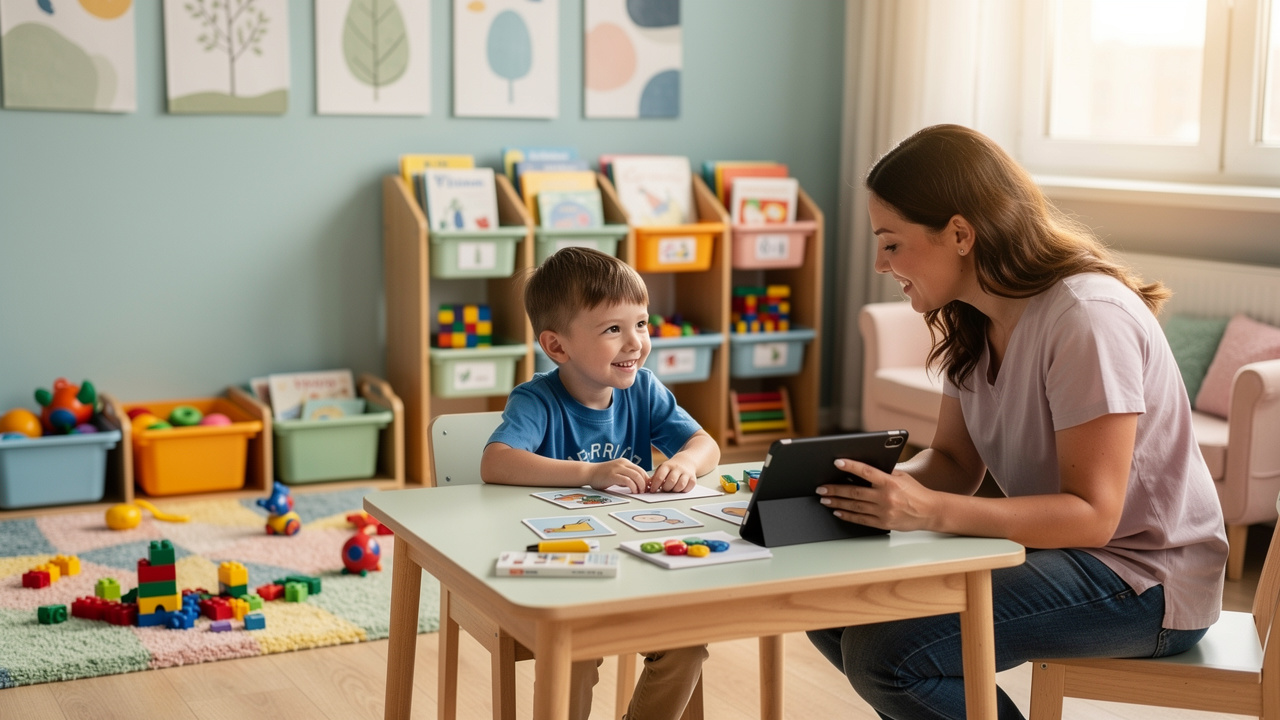
Comprehending non-verbal cues is a pivotal aspect of communication that encompasses gestures, facial expressions, and body language. These silent signals are integral to human interaction, facilitating the expression of emotions and the transmission of messages without uttering a single word. For children with autism, who may find verbal communication particularly challenging, the ability to understand and use non-verbal cues is of even greater importance.
It serves as a bridge to connect with others and express needs and feelings in the absence of spoken language. Autism spectrum disorder (ASD) is a complex condition that affects individuals differently, impacting their social abilities and communication skills throughout their lives. Children on the autism spectrum may excel in certain forms of non-verbal communication while struggling with others.
Understanding these preferences and strengths is crucial for effective interaction. Recent research underscores the significance of context in interpreting the non-verbal communication of children. A study involving computational models demonstrated that understanding a child's non-verbal signals requires considering their previous interactions and the topics they are interested in.
The study found that including this contextual information allowed for a 90% match with human interpretation of the child's non-verbal cues. The societal perception of ASD and the varied ways it can manifest underscore the necessity for heightened understanding and support for individuals with the disorder. It is essential to acknowledge the unique communication methods of each person with autism, whether that involves recognizing pain in a non-verbal teenager through an unexpected request for help or fostering an environment where autistic children do not perceive their diagnosis negatively due to societal misconceptions.
Comprehending is a pivotal aspect of communication that encompasses gestures, facial expressions, and body language. These silent signals are integral to human interaction, facilitating the expression of emotions and the transmission of messages without uttering a single word. For children with autism, who may find verbal communication particularly challenging, the ability to understand and use is of even greater importance.
It serves as a bridge to connect with others and express needs and feelings in the absence of spoken language.
(ASD) is a complex condition that affects individuals differently, impacting their social abilities and communication skills throughout their lives. Children on the autism spectrum may excel in certain forms of while struggling with others. For instance, some may find comfort in using like the Picture Exchange Communication System (PECS) or prefer typing to verbal communication.
Understanding these is crucial for effective interaction.
Recent research underscores the significance of context in interpreting the of children. A study involving computational models demonstrated that understanding a child's non-verbal signals requires considering their previous interactions and the topics they are interested in. The study found that including this allowed for a 90% match with human interpretation of the child's .
The societal perception of ASD and the varied ways it can manifest underscore the necessity for heightened understanding and support for individuals with the disorder. It is essential to acknowledge the unique communication methods of each person with autism, whether that involves recognizing pain in a non-verbal teenager through an unexpected request for help or fostering an environment where autistic children do not perceive their diagnosis negatively due to societal misconceptions.

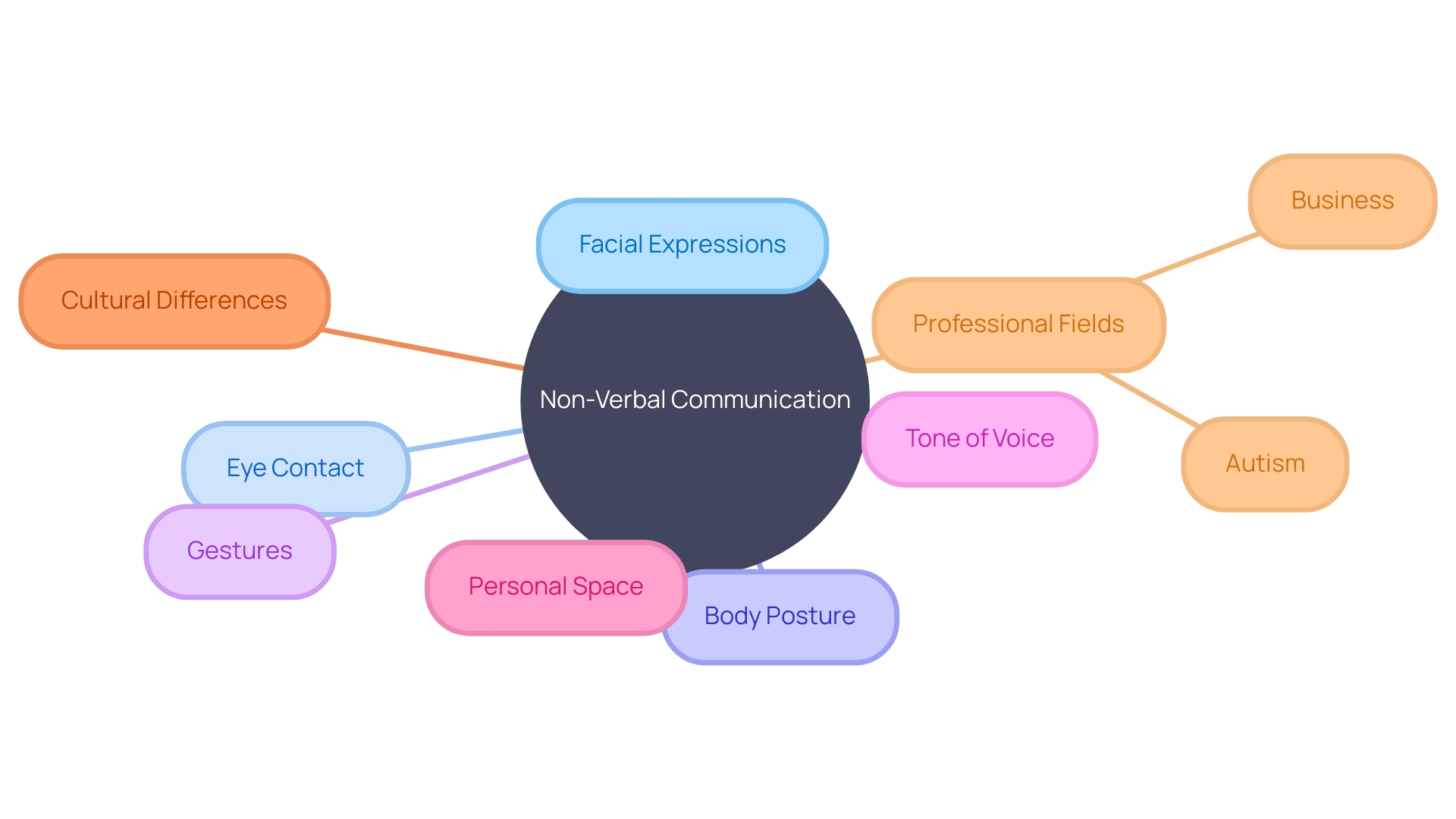
The art of is a multifaceted tapestry of behaviors that silently shape interactions and convey unspoken messages. , for example, can betray a person's true emotions, despite their verbal assurances, offering a glimpse into their genuine feelings. Eye contact plays a critical role in establishing trust and engagement, often considered a hallmark of sincerity.
The way we carry ourselves, through , can signal confidence or uncertainty, impacting how others perceive and respond to us. Gestures, ranging from subtle to emphatic, serve as visual aids to underscore our spoken words or to communicate entirely on their own. The tone of voice, often overlooked, carries an undercurrent of meaning that can alter the message it accompanies, revealing nuances of mood and intent.
Lastly, proximity or can indicate the level of intimacy or formality within a relationship, providing context to the exchange.
Kinesics, a term derived from the Greek word for motion, studies these , particularly focusing on how movements such as hand gestures, , and facilitate communication. This field recognizes various types of gestures, such as adaptors, which are touch-related behaviors that reflect internal emotions like anxiety, emblems that are universally understood symbols, and illustrators that aid in visualizing spoken points.
Cultural differences play a significant role in . In Mediterranean societies, for instance, vibrant and expressive gestures are a staple of interaction, with close enhancing the message's impact. Conversely, Japanese culture favors subtlety in , prioritizing less demonstrative gestures and expressions.
As the study and interpretation of have evolved, they have permeated various professional fields, including business, where understanding these silent signals can be critical. Eye contact, for example, is a vital component of conveying interest and honesty in a business setting. The growing awareness of 's importance is evident in its frequent analysis in the media, from politicians' postures to athletes' expressions during televised events.
In the realm of autism, recognizing and interpreting is particularly poignant. For individuals on the , who may find verbal communication challenging, non-verbal signals can be a crucial avenue for expression and connection. Innovations like augmented reality (AR) applications that translate tactile stimuli into visual and auditory signals are being developed to meet the unique sensory needs of the autistic community, highlighting the significance of in fostering understanding and empathy.
The intricate dance of hand gestures and body language, known as , offers a powerful means for toddlers, particularly those with autism, to express themselves and connect with others. Iconic gestures, which visually convey information about size, shape, motion, or position, are seamlessly integrated with speech to enhance meaning and comprehension. These gestures not only help clarify spoken words but also provide an additional layer of communication when speech is limited or absent.
A striking example of the profound impact of comes from the story of a . When presumed to be unable to understand due to his lack of speech, he stunned everyone by typing out a plea for help using a preschool alphabet toy, revealing his acute awareness and ability to communicate pain.
Recent research underscores the significance of , as even infants as young as four months demonstrate self-awareness, a precursor to effective communication. Furthermore, the remarkable journey of Gregory Tino, who lives with autism and apraxia, illustrates how , like writing, can unlock the intellectual capabilities of those who are nonverbal, providing them with a voice and a means to share their experiences.
Understanding is not just about observing movements; it's about . This understanding is pivotal in fostering stronger bonds and aiding the development of in children with autism, who may experience the world differently from their peers. As the world becomes more attuned to the nuances of , it opens up a realm of possibilities for meaningful interaction and growth for children on the .

Before children master the art of speech, they rely heavily on non-verbal cues to express their inner world and connect with those around them. This silent language of gestures, , and body language is especially critical for children with , who may find verbal communication particularly challenging. As research indicates, social attention and interaction are key to in toddlers, and for those with ASD, engagement in these interactions is often linked to the severity of autism symptoms.
A child's ability to interpret and respond to emotions, often read through , is a cornerstone of their . This skill begins in infancy and evolves as they grow, navigating the complexities of their social environments. Indeed, the sudden necessity for face masks due to the COVID-19 pandemic has underscored the importance of facial cues, as children and adults alike had to adapt to reading emotions without the full visual information usually available.
Understanding the nuances of is not only intuitive for infants but is also a part of a complex cognitive and social learning process. Computational models constructed from extensive audio recordings of children interacting with caregivers reveal that adults with experience in listening to a particular child are adept at deciphering the child's non-verbal and verbal signals. These models show that previous interactions provide crucial context for interpreting a child's communication.
By paying close attention to the non-verbal signals of toddlers, especially those at risk for or diagnosed with ASD, parents and caregivers can gain insights into the child's emotional state and intentions. This attentive approach paves the way for more , fostering both and social connection.
Recognizing the subtleties of , such as , plays an instrumental role in , particularly for toddlers who are just starting to navigate the complexities of human interaction. These include a variety of behaviors like maintaining eye contact, which is seen as a sign of honesty and engagement, as well as gestures that can represent specific semantic information integral to clear speech. For example, iconic gestures which depict size, shape, or motion are seamlessly integrated with speech, enhancing the clarity of the message and aiding in mutual understanding.
The significance of these cues has been underscored by research indicating that adults who are familiar with a child can interpret their early attempts at communication, such as single syllables, by considering the context of previous interactions. Computational models have shown that predicting an adult's response to a child's speech is more accurate when the context of their conversation is taken into account. This emphasizes the importance of context in and the role it plays in fostering effective communication.
Media and popular culture have also highlighted the impact of , with observers often attributing more truth to these non-verbal signals than words themselves. This trend has given rise to a wealth of resources aimed at through .
In the realm of autism, understanding these becomes even more critical. Children with autism may rely heavily on , making it imperative for parents and caregivers to become adept at interpreting and responding to such cues. This heightened awareness can lead to more and support the child's social development.

Toddlers navigate their emotional world not just through words but also through a symphony of . By intuitively tuning into the subtleties of facial expressions, the nuances in body movements, and the inflections in voice tone, young children decipher and mirror the emotions swirling around them. These silent signals serve as a cornerstone for and mastering the art of .
Iconic gestures, such as those that illustrate shape or motion, seamlessly blend with speech to enrich communication, especially in noisy environments where words alone might falter. This integration of gesture and speech provides a powerful framework for children to understand and convey , even before their language skills are fully developed. Research underscores that toddlers' spikes during adult interactions, which is pivotal for language learning and .
Furthermore, the ability to perceive and empathize with others' emotions, a facet of , is not only crucial for personal success but also plays a significant role in leadership abilities later in life. Indeed, the concept of empathy extends beyond immediate social circles, as vicarious emotions emerge from observing the experiences of others, highlighting the profound interconnectedness of our emotional lives. Thus, this intricate dance of non-verbal communication lays the groundwork for young minds to learn, connect, and thrive amidst the complexities of human emotions.

Interpreting a toddler's is a nuanced aspect of early development. Through the integration of hand gestures, which are often iconic representations of shape, size, motion, or position, toddlers can convey semantic information closely tied to their speech, even when it is non-verbal in nature. This integration occurs across various linguistic levels—semantic, syntactic, prosodic, discourse, and pragmatic—playing a critical role in the child's .
Recent research underscores the significance of non-verbal cues in fostering in toddlers. For instance, studies involving small vibrating discs placed on the foreheads and cheeks of young children revealed that these non-verbal stimuli prompted them to reach up and touch the disc, demonstrating early self-recognition behaviors before the typical age of such milestones. Additionally, in the realm of trust-building, groundbreaking work published in Nature Human Behavior illustrates that when children feel trusted through small responsibilities like holding keys for an adult, they are more likely to act honestly, suggesting a deep-rooted understanding of trustworthiness and its implications from a very young age.
Turning to pragmatic aspects of language learning, conversations between mothers and young children exhibit individual differences that may influence language acquisition. Recognizing the importance of , the simple and ordinary moments shared between parent and child are foundational for nurturing a secure attachment and promoting . The American Academy of Pediatricians emphasizes the importance of safe, stable, and nurturing relationships with caregivers, reinforcing the idea that are key to a child's development.
In the context of family dynamics, a case study of music therapy within a family care center in Denmark reveals that despite initial familial stress and anxiety, the therapeutic power of music facilitated relaxation and connection among family members. Similarly, the report by the on loneliness as a public health concern and subsequent research advocate for the need to trust parents and bolster their capacity to support their child's development.
In summary, the integration of with speech, the development of self-awareness, the cultivation of trust, and the significance of everyday parent-child interactions contribute to the secure and emotionally sound upbringing of toddlers.
Understanding and interpreting the of toddlers, particularly those with autism, is invaluable in . Iconic gestures, which represent concrete aspects like shape and motion, are essential for . These non-verbal signals, when recognized by caregivers and peers, facilitate a deeper comprehension of the child's needs and expressions.
This mutual understanding is pivotal in including children with autism in , which enhances their sense of belonging and acceptance within the community. Research, including studies like the Bucharest Early Intervention Project, has shown the positive impact of such inclusive practices on . Moreover, recent computational models have highlighted that considering the context of a child's previous interactions significantly improves the prediction of how adults interpret a child's speech and actions.
These insights underscore the importance of paying attention to , which together with verbal interactions, forms the full spectrum of social exchange and learning.
Cultivating in toddlers on the autism spectrum is a nuanced process that calls for a . Incorporating findings from recent research and tapping into the intrinsic power of gesture-speech integration can provide a robust framework for enhancing these essential skills. Studies have shown that gestures, particularly iconic gestures, can convey semantic information that complements spoken language.
These gestures embody concrete aspects such as shape and motion, and are effectively synthesized with linguistic content across multiple levels of communication.
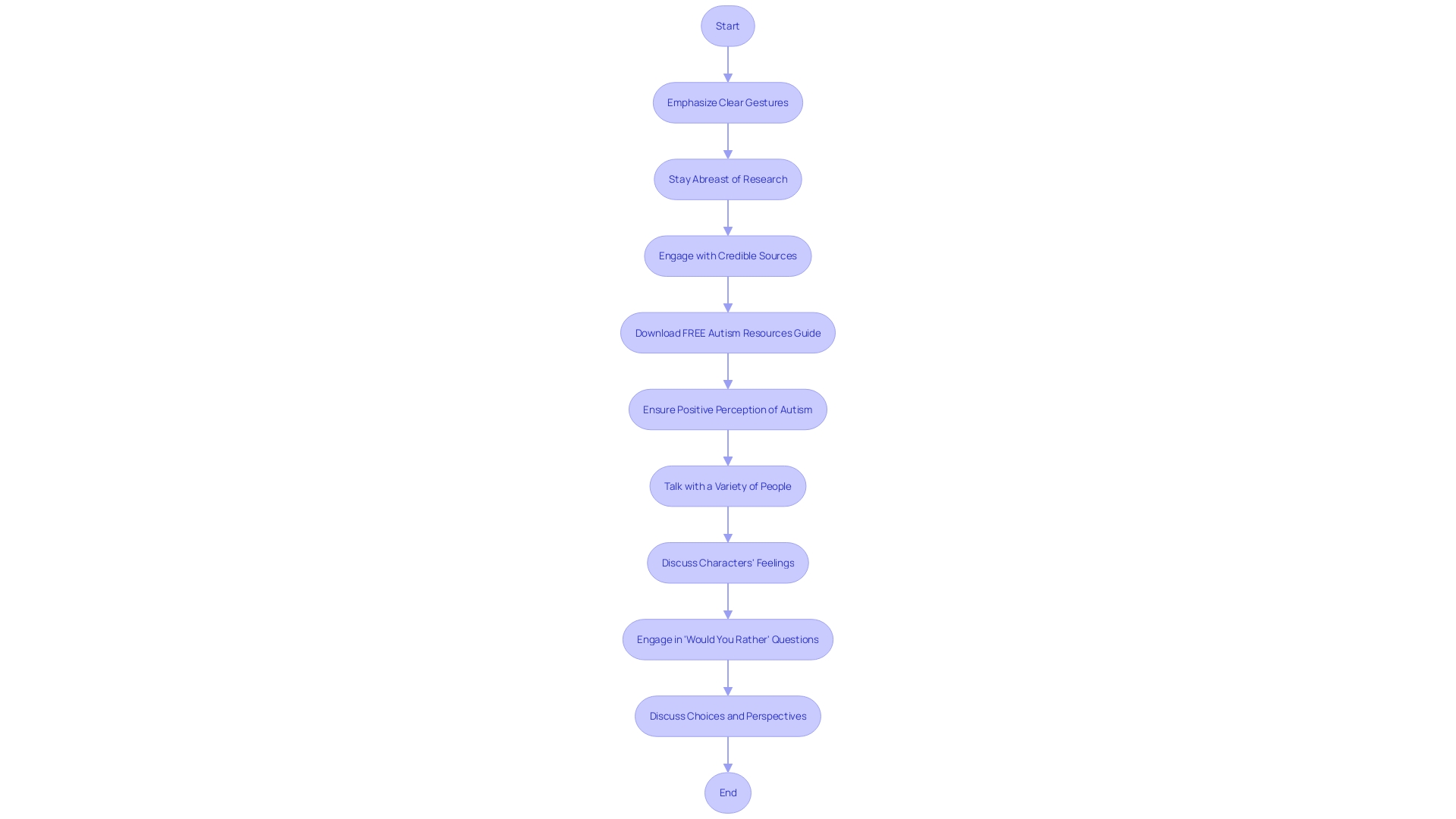
By applying this knowledge, strategies to can include emphasizing and modeling clear and purposeful gestures alongside speech, even in noisy or distracting environments. This method promotes understanding and use of —critical for children with autism who may rely more heavily on such forms of expression. The poignant anecdote of a non-verbal autistic teenager finding his voice through an alphabet toy highlights the profound impact that recognizing and nurturing can have.
Moreover, staying abreast of the is vital for caregivers. As new treatments and educational approaches emerge, evaluating the benefits and risks becomes a continuous responsibility. It's essential to engage with credible sources and expert advice to discern viable options from misleading or potentially harmful online information.
Embracing a mindset of lifelong learning and due diligence in research ensures that caregivers are well-informed and prepared to of their autistic children.
The integration of gesture and speech is a fundamental aspect of communication, particularly significant in the context of . Hand gestures, often referred to as iconic gestures, play a pivotal role in representing semantic information and are deeply intertwined with speech at various levels including semantic, syntactic, and prosodic. These gestures are not arbitrary but iconically represent aspects such as shape, size, and motion, acting as .
In the realm of pediatrics, especially for those with autism, incorporating into communication training is an invaluable strategy. This technique enables individuals to in a controlled, low-risk environment. By mimicking gestures and facial expressions in scenarios, learners are offered a , which can be particularly beneficial for those who may struggle with verbal communication.
Such interactive learning methods provide a dynamic way to apply theoretical knowledge in practical settings, and when it comes to autism, this could mean bridging the gap in communication that verbal limitations often create.
Research has highlighted the effectiveness of in teaching , such as in medical traineeship programs where it's used for practicing history-taking and enhancing doctor-patient interactions. Similarly, for children with autism and their caregivers, this approach can be adapted to focus on , offering a structured yet flexible method for learning and growth.
The implications of such methods are further emphasized by recent studies, where computational models based on caregiver-child interactions have shown the importance of context in understanding and responding to speech. These findings underscore the value of and modeling in creating a responsive learning environment where context is accounted for, ultimately leading to a deeper comprehension of non-verbal cues.
Overall, the deliberate practice of through not only fosters a better understanding of these essential skills but also equips individuals with autism and their caregivers with a powerful tool for enhancing their interactions and forming stronger connections.
In the realm of supporting individuals with autism, , visual schedules, and social stories have emerged as powerful tools. These aids serve as tangible representations of the non-verbal cues that are so pivotal in communication. They can be particularly beneficial for young children on the autism spectrum, helping them to decode and comprehend the significance of these non-verbal signals.
Hand gestures, for instance, are an essential component of communication that can often be overlooked. They provide iconic semantic information, which can be crucial for individuals who find verbal communication challenging. Gestures can represent concrete concepts like shape, size, motion, or spatial relationships, enhancing the clarity and depth of conversations.
Furthermore, studies emphasize that such gestures are not isolated acts but are integrated with speech to enrich the overall communication experience. They accompany the spoken word, adding layers of meaning at semantic, syntactic, prosodic, and pragmatic levels.
Drawing parallels to the application of , innovative solutions like Augmented Reality (AR) applications have been prototyped to address sensory sensitivities. These applications are designed to transform tactile sensations, which can be distressing for some with autism, into visual and auditory stimuli that are more easily processed.
The integration of can be seen as part of a broader movement towards . This perspective focuses on the strengths and interests of the child, advocating for adjustments in the environment and the attitudes of caregivers and educators rather than attempting to change the child's inherent way of being.
With the aim to enhance life quality and embrace neurodiversity, visual aids become tools that not only improve understanding but also empower individuals with autism to express themselves in a world that is progressively acknowledging the value of alternate forms of communication, such as found in comic books.
The relevance of is further underscored by the need for clinical support for families with autistic children. Evidence suggests that while some clinical interventions are available, they may be inadequate in frequency and quality. Visual tools can, therefore, play a critical role in bridging and facilitating better family dynamics.
By recognizing the multifaceted nature of communication and the diverse ways in which individuals with autism perceive the world, emerge as an indispensable element in fostering meaningful interactions and supporting the unique .

Interactive play serves as a cornerstone for early childhood development, offering a playful yet critical avenue for toddlers to refine their . By engaging in playful activities, such as manipulating puppets, toddlers not only delve into the realms of imagination but also practice the art of expression without words. Sensory play, an activity that stimulates the various senses, provides a rich context for children to explore and understand the world around them, fostering communication skills that go beyond verbal language.
, a form of , offer toddlers a framework to learn the give-and-take nature of communication and conversation, even before they can fully articulate their thoughts and feelings.
Recent studies underscore the significance of such . For instance, research published in 'Current Biology' notes that self-awareness, a precursor to effective communication, begins taking shape in infants as they engage in self-directed activities like tapping their fingers or pulling on their toes. Furthermore, insights from 'Molecular Autism' reveal that autistic individuals, who may face challenges in processing social signals, can greatly benefit from and learning environments that are accommodating of their unique .
In the digital age, where toddlers are increasingly exposed to online media, research from the journal 'Acta Paediatrica' shows that caregivers play a pivotal role in mediating their child's engagement with various media, which can have a profound impact on language development. Thus, introducing sensory-rich, can serve as a counterbalance to digital consumption, enriching the non-verbal aspect of children's communicative abilities.
Through such activities, toddlers are not merely playing but are actively participating in what Jean Piaget referred to as the 'work of children.' This work encompasses the critical development of communication, negotiation, and problem-solving skills, all of which are fundamental components of a child's growth as they navigate through the early stages of life.
To optimize the understanding and use of in children with autism, a plays a critical role. It is important to limit distractions, provide clear , and maintain a serene, organized space. Such a setting can anchor a child's attention on non-verbal signals, thereby enhancing their comprehension and application of these essential communication forms.
Children on the autism spectrum often have heightened sensitivity to sensory stimuli. Innovative solutions, like AR applications, have been developed to translate tactile sensations into visual and auditory cues, catering to their preference for these types of stimuli. This approach has been particularly successful during key interactions, such as medical or dental visits, where the environment can be adjusted to suit their unique .
Recent advancements in technology have also paved the way for alternative communication methods. The use of picture boards and electronic devices for pointing at images has proven to be a life-changing development. These tools not only empower non-verbal children to express themselves but also highlight the potential of in unlocking their communication abilities.
Moreover, research underscores the importance of . Studies involving newborns have shown that babies can recognize their mother's voice shortly after birth, and this auditory exposure influences their neural development. Similar principles apply to children with autism, where early and appropriate sensory engagement can support their communication skills.
Consistently staying informed about the , and technological innovations is vital for caregivers and educators. Understanding the impact of each intervention on a child with autism ensures that their developmental journey is supported with the most beneficial and respectful practices.
Interactive play experiences are fundamental in fostering in young children, including those with autism. This is supported by research utilizing LENA technology, which identifies ''—the back-and-forth exchanges between a child and an adult—as a strong indicator of future language and social-emotional development. Through these exchanges, even when they involve simple sounds or gestures, children learn the nuances of communication that go beyond words.
The significance of play in is underscored by behavioral science findings that show play activates critical emotional systems in the brain, especially during the early years. These are not only essential for emotional wellbeing but also support the , contributing to cognitive abilities and social skills. As such, facilitating environments where toddlers can engage in playful interactions with caregivers and peers is vital for their growth.
Despite the challenges faced by early childhood educators, who often work under considerable strain, their role in nurturing these is crucial. Studies have shown that children in , where they are engaged in frequent adult-child interactions, can have rich language experiences that rival those found in the home.
In conclusion, the fostering of skills through play and social interaction is not a mere educational strategy, but a critical component of a child's developmental trajectory. Policymakers and educators alike must recognize the long-term benefits of investing in supportive and interactive environments for our youngest learners.
Modeling and encouraging the imitation of gestures serve as foundational steps in fostering in toddlers. By actively engaging in and emphasizing the pragmatics of everyday interactions, caregivers can nurture the child's ability to use gestures independently. This approach aligns with research highlighting the significance of individual differences in language learning among young children.
Furthermore, the power of non-verbal soothing mechanisms, such as the or cradling a child to the left to perceive the heartbeat, underscores the multifaceted nature of communication. These silent yet impactful gestures often resonate more profoundly with children, as they can feel to their caregivers without the need for spoken words. In essence, the art of non-verbal communication extends beyond mere gestures; it encompasses the entire spectrum of human emotion and connection, paving the way for a deeper understanding between toddlers and adults.

Fostering an environment that encourages toddlers to lead in is more than just a passive approach; it's an active commitment to shaping their . The arrangement of a living space or classroom and the presentation of materials significantly influences a child's interaction with their environment. By consciously crafting these spaces, we provide a for children to express themselves.
The significance of such an environment is backed by research from LENA technology, where conversational turns between adults and children have been linked with . In settings brimming with toys and colors, a simple word like 'ball' can open a world of references, and it's essential that we tune in to the child's response, be it a gesture or a gaze.
Incorporating the Reggio Emilia approach, which emphasizes the 's role, can be transformative. It teaches us that our interactions with children go beyond the materials we provide. It's about creating a responsive relationship, where we acknowledge and respond to even the subtlest of non-verbal cues.
This is essential for building a foundation of .
Elika Bergelson's fascination with language development, stemming from her multilingual upbringing, echoes the curiosity we must foster in our children. By allowing them to initiate dialogue in their own time and manner, we're respecting their internal processes of language and thought synthesis. This respect for a child's agency is a crucial aspect of their development, as outlined in the statutory Early Years Foundation Stage (EYFS) framework, which sets the standards for early childhood education.
Understanding that ['clear speech'](https://news.harvard.edu/gazette/story/2024/01/why-do-some-kids-learn-to-talk-earlier-than-others-childhood-development-linguistics/?utm_source=SilverpopMailing&utm_medium=email&utm_campaign=Daily%20Gazette%2020240122%20(1) is not merely the absence of noise but the presence of intentional, integrated gestures and expressions enhances a child's learning experience. The interplay of clear speech and relevant gestures can enrich , even before a child masters verbal language. By valuing and responding to all forms of , we lay the groundwork for a child's future learning and relationships.

Harnessing a child's innate curiosity and interests is fundamental when facilitating their understanding of . By integrating their favorite activities and subjects into the learning process, can become more engaged and committed. This approach is supported by alike.
For example, a study on found that speakers use hand gestures to convey iconic semantic information, which is intertwined with the speech at various levels, from semantics to pragmatics. These findings emphasize the importance of using gestures and other in clear and meaningful ways to enhance communication.
Furthermore, recent computational models have demonstrated the significance of in interpreting children's speech and non-verbal signals. These models, which are more successful when incorporating interaction history, underline how caregivers' familiarity with a child's interests and communication style is crucial for accurate interpretation. This insight is particularly relevant when considering the communication challenges faced by , as they often rely more heavily on .
In light of these insights, it is clear that teaching to benefits from a that respects and builds upon each child's unique interests. By doing so, we create a learning environment where can be understood and used more effectively, fostering better connections and understanding between and those around them.
Innovative technological advancements have paved the way for enhancing communication in young children with autism, particularly those who are non-verbal. , including specialized apps on tablets, have shown to be instrumental in facilitating a way for toddlers to articulate their needs and feelings without relying on spoken language. These tools harness the power of to bridge the , empowering children to express themselves effectively.
and digital devices can open up new avenues of interaction, offering clear and concrete visuals that align with the known benefits of visual learning often observed in children on the autism spectrum. Furthermore, the integration of , recognized as a powerful combination for conveying semantic information, can be reinforced through AAC, allowing children to pair physical movements with visual representations, thereby enriching their communicative exchanges. Such technology is not only life-changing for the individuals but also serves as a , providing them with more opportunities to engage with their children in meaningful ways.

Supporting in children with autism is a multi-faceted endeavor that requires patience, creativity, and a willingness to embrace technology and alternative methods. As showcased by the profound experience of Mr. Harris, whose son Joshie found his voice through an electronic tablet, . The introduction of picture boards in Peterborough, funded through Mr. Harris's advocacy, highlights how a simple, yet effective can open doors for on a global scale.
Understanding the , such as the articulatory, laryngeal, and respiratory systems, is crucial for parents and caregivers. As these systems intertwine to produce both verbal and non-verbal sounds, recognizing the right timing and coordination can unlock new ways to facilitate communication.
Real-life stories underscore the urgency and importance of recognizing . For example, a non-speaking autistic teenager unexpectedly conveyed his pain through a preschool alphabet toy, revealing a profound understanding that had been previously overlooked. Such incidents emphasize the need for constant vigilance and openness to communication in all its forms.
Moreover, staying informed about the , treatments, and therapeutic approaches is an ongoing process that can significantly impact the welfare of children with autism. Parents and caregivers should actively seek out and verify new information, balancing the potential benefits and risks of interventions and therapies.
In the realm of non-pharmacological interventions, it is paramount to be discerning and to critically evaluate the quality of research. The autism community has been at the forefront of advocating for high standards in research practices, which is intrinsically connected to respecting the rights and needs of individuals with autism.
By combining the power of technology, a deep understanding of communication systems, and a commitment to , parents and caregivers can significantly enhance and overall quality of life for children with autism.
Deciphering the is a profound way to connect with their often unvoiced inner world. As expert Daniel Goleman, Ph.D., underscores, is a pillar of . This skill is particularly vital for parents of children with autism, as these children may rely more heavily on .
Studies, including one published in the Journal of Autism and Developmental Disorders, reveal that individuals on the autism spectrum may exhibit less eye contact, a fact that could be misinterpreted as disinterest or inattention. Yet, as parents like Mr. Harris have discovered, , such as using picture boards or electronic devices, can be transformative, enabling children to express their needs and thoughts.
Incorporating case studies into our understanding, such as the teenage patient who, perceived as non-speaking and unresponsive, surprised his caregivers by typing out a cry for help using an alphabet toy, we realize the urgency of . Such moments not only highlight the potential for misjudging a child's awareness and abilities but also underscore the emotional depth and communicative intent that may be concealed by non-verbal behavior.
To foster a nurturing bond and enhance communication, parents can observe and interpret their child's gestures, facial expressions, and body language. This not only aids in understanding the child's needs and emotions but also supports their development and well-being. As Fred Rogers, renowned for his contributions to children's education, noted, learning to look and listen carefully is fundamental for children's readiness to learn and flourish.
By embracing the , parents can unlock a new dimension of empathy and connection, improving both the child's and their own , as emphasized by Goleman's extensive research. The act of observing and responding to a child's non-verbal signals with sensitivity can indeed be life-changing, as attested by the profound experiences of families and experts alike.
To support children with autism, who often have heightened sensitivity to sensory stimuli, it's crucial to craft environments conducive to . It's not just about minimizing distractions, but about understanding and accommodating individual . For instance, some individuals might find the texture of certain materials distressing, while others might react strongly to auditory or visual stimuli.
A , such as using AR technology to translate uncomfortable tactile sensations into more manageable visual or auditory cues, can significantly enhance communication for those on the autism spectrum.
Incorporating can also play a vital role. provide predictability, which can be calming and help children navigate their interactions more confidently. By adapting spaces in this way, and staying informed about new therapeutic approaches and technologies, we can create an environment that not only acknowledges but also embraces the unique ways in which children with autism communicate.
This and adapting is essential for caregivers and educators alike, as they strive to support the well-being and development of these children.

Incorporating can significantly enhance the way children with autism understand and utilize non-verbal communication. These tools bridge the gap between their unique sensory experiences and the world around them. For instance, serve as tangible representations of actions, emotions, or objects, aiding in the development of their interpretive skills.
, similarly, provide a structured framework for the day, offering predictability and a sense of control, which is often comforting for those on the spectrum. The concept extends beyond static images; have been prototyped to transform tactile sensations into visual and auditory stimuli, catering to the heightened sensory sensitivities common among autistic individuals. This innovative approach underscores the importance of that align with each child's sensory profile and learning preferences.
Evidence suggests that when children with autism are engaged through their strengths, such as visual processing, they can thrive. This is echoed in the successes seen with the installation of picture boards and the use of technology to unlock new avenues of communication. By acknowledging and leveraging the visual strengths of children on the autism spectrum, caregivers and educators can foster more , ultimately supporting their social and educational growth.
To enhance in children with autism, incorporating and fostering with peers and caregivers are instrumental. These interactions offer a rich environment for children to practice and refine their ability to understand and use non-verbal cues such as facial expressions, gestures, and body language. Research indicates that autistic individuals might have distinct challenges in processing social information, making these practice opportunities invaluable.
Engaging with others in a play setting allows for the natural development of , as children learn to interpret the subtle signals that form the basis of social understanding.
Moreover, studies highlight the importance of tailoring interventions to , as attention and social preferences can vary widely among autistic children. Encouraging play in a comfortable social setting can significantly impact developmental trajectories, leading to and interaction skills that are more aligned with those of neurotypical peers. This approach is supported by the success of initiatives that incorporate technology and games, which have been shown to facilitate communication and foster social connections, demonstrating the transformative potential of individualized support and interaction through play.

In conclusion, non-verbal communication is essential for children with autism, serving as a bridge to connect with others and express needs and feelings. Understanding and interpreting non-verbal cues in context is crucial for effective communication. It is important to acknowledge and respect the unique communication methods of each individual with autism, fostering an environment free from societal misconceptions.
Non-verbal communication enhances social interaction skills and promotes inclusion. Strategies like modeling, role-playing, and using visual supports can effectively teach and reinforce non-verbal communication skills. Creating a supportive environment that considers sensory needs optimizes non-verbal communication in children with autism.
Non-verbal communication also supports emotional regulation and builds trust and safety. By paying attention to non-verbal cues, parents and caregivers can better understand a child's emotional state and intentions. Encouraging play and social interaction provides valuable opportunities for children to refine their non-verbal communication skills.
In conclusion, by embracing non-verbal communication, parents and caregivers can foster understanding, empathy, and meaningful interactions with children with autism. Integrating non-verbal cues into communication strategies and creating a supportive environment greatly enhances the overall well-being and development of children on the autism spectrum.
What is non-verbal communication?
Non-verbal communication includes gestures, facial expressions, body language, tone of voice, and proximity or personal space. It conveys emotions and messages without spoken words and is integral to human interaction.
Why is non-verbal communication important for children with autism?
For children with autism, non-verbal communication can serve as a crucial bridge to connect with others and express needs and feelings, especially if they find verbal communication challenging.
How does non-verbal communication vary across cultures?
Cultural differences significantly influence non-verbal communication. For example, Mediterranean societies often use vibrant, expressive gestures and close personal space, while Japanese culture may favor subtlety and less demonstrative gestures.
What is the Picture Exchange Communication System (PECS)?
PECS is a form of augmentative and alternative communication typically used by children with autism. It involves using pictures to communicate with others.
How does context affect the interpretation of non-verbal cues in children with autism?
Context is crucial for interpreting non-verbal cues. Studies using computational models found that including information about a child's previous interactions and interests allowed for a 90% match with human interpretation of non-verbal signals.
What are some non-verbal communication components and their meanings?
Facial expressions can indicate true emotions, eye contact can establish trust, body posture can signal confidence or uncertainty, gestures can emphasize spoken words, tone of voice can reveal mood, and personal space can indicate intimacy or formality.
What role do iconic gestures play in communication for toddlers with autism?
Iconic gestures visually convey information about size, shape, motion, or position and help clarify spoken words, which is particularly beneficial for toddlers with autism when speech is limited or absent.
Can non-verbal communication impact social interaction skills?
Yes, non-verbal cues play a vital role in developing social skills by helping maintain eye contact, conveying honesty, and representing specific semantic information that aids clear communication.
What is the benefit of understanding non-verbal communication for emotional regulation in toddlers?
Understanding non-verbal cues helps toddlers interpret and mirror emotions, building empathy and mastering emotional regulation. It enriches communication, especially in noisy environments or before language skills fully develop.
How can a supportive environment be created for children with autism to enhance non-verbal communication?
Creating a supportive environment involves limiting distractions, using visual supports, and maintaining an organized space that accommodates individual sensory needs, such as using AR applications to translate tactile sensations into visual or auditory stimuli.
How can play and social interaction encourage non-verbal communication in children with autism?
Play and social interaction provide opportunities for children with autism to practice using non-verbal cues in a natural setting, helping them develop social cognition and interpret social signals.
What role do visual aids play in assisting non-verbal communication for children with autism?
Visual aids like picture cards and visual schedules help represent actions, emotions, or objects, providing predictability and aiding in the development of interpretive skills, which is often comforting for children with autism.
What are some strategies for teaching non-verbal communication to children with autism?
Strategies include modeling clear gestures, using visual supports, participating in role-playing activities, optimizing the environment for sensory preferences, and engaging in interactive activities that focus on the child's interests.