Play isn’t just fun; it’s a powerful way to help kids with autism build social skills! By harnessing the magic of play, therapists create engaging spaces where children learn to communicate, share, and connect with others in meaningful ways. But you might be asking yourself: how can I bring play into my child’s therapy to boost their social skills?
Let’s dive into some fun strategies that use play to boost social skills and highlight how teaming up with your child’s therapist can make a big difference! Together, we can explore this journey and discover how play can transform your child’s social development.
Many parents worry about their child's ability to connect with others, especially when it comes to play. Autism therapy relies on using play to promote social skills in autism therapy, providing kids an opportunity to connect and learn essential skills in a fun environment. You know, studies show that play can really boost communication, emotional regulation, and problem-solving skills in children with autism.
For instance, fun play activities help kids learn how to share and take turns, which are super important for building friendships. Therapists can create a fun and engaging space for learning that aligns with what kids love by using play to promote social skills in autism therapy. Imagine the joy of seeing your child thrive in social situations, all thanks to the power of play!
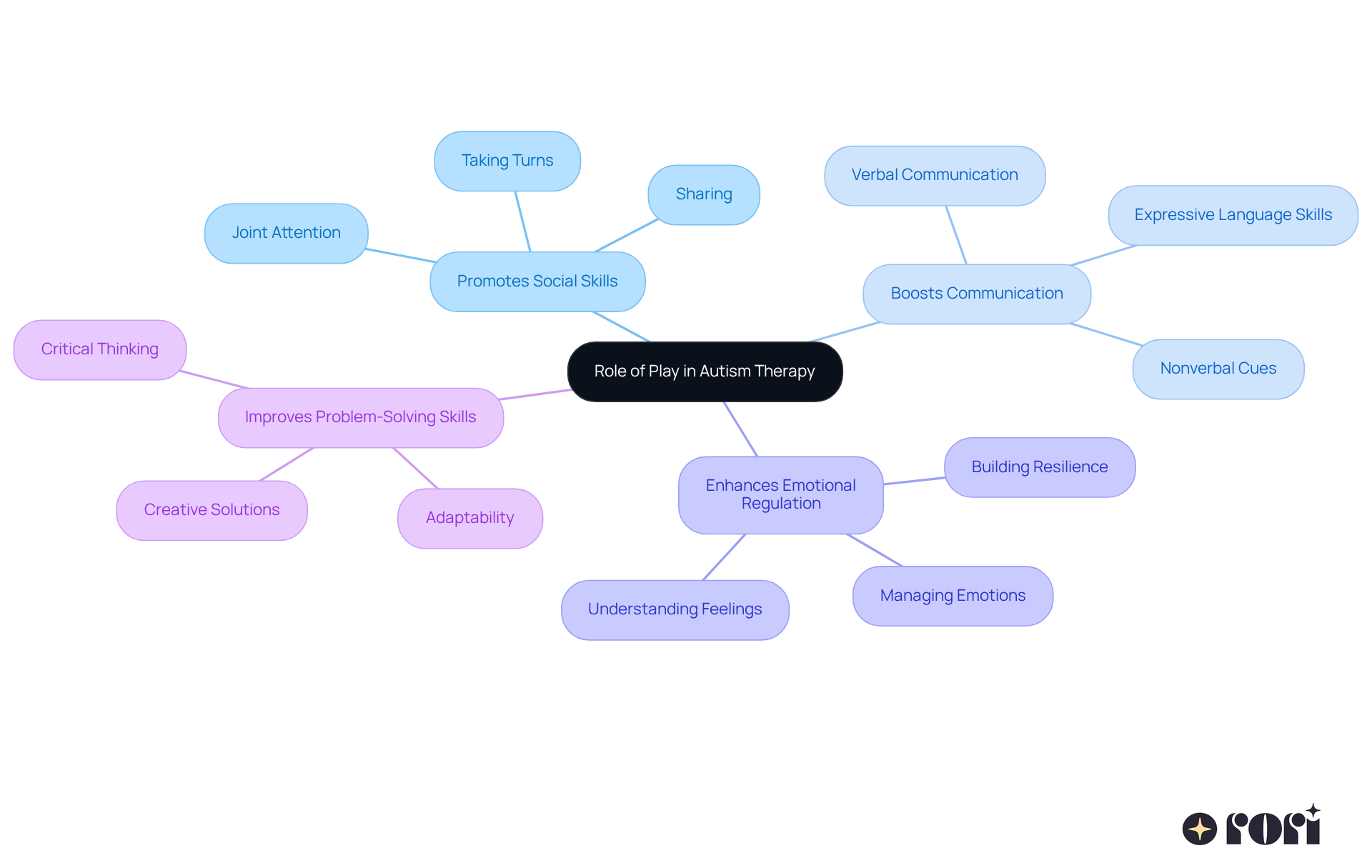
Ever felt like teaching your child social skills is a bit like solving a puzzle? It can be tricky, but play is a fantastic way to help them learn! Here are some friendly strategies to promote social skills through play:
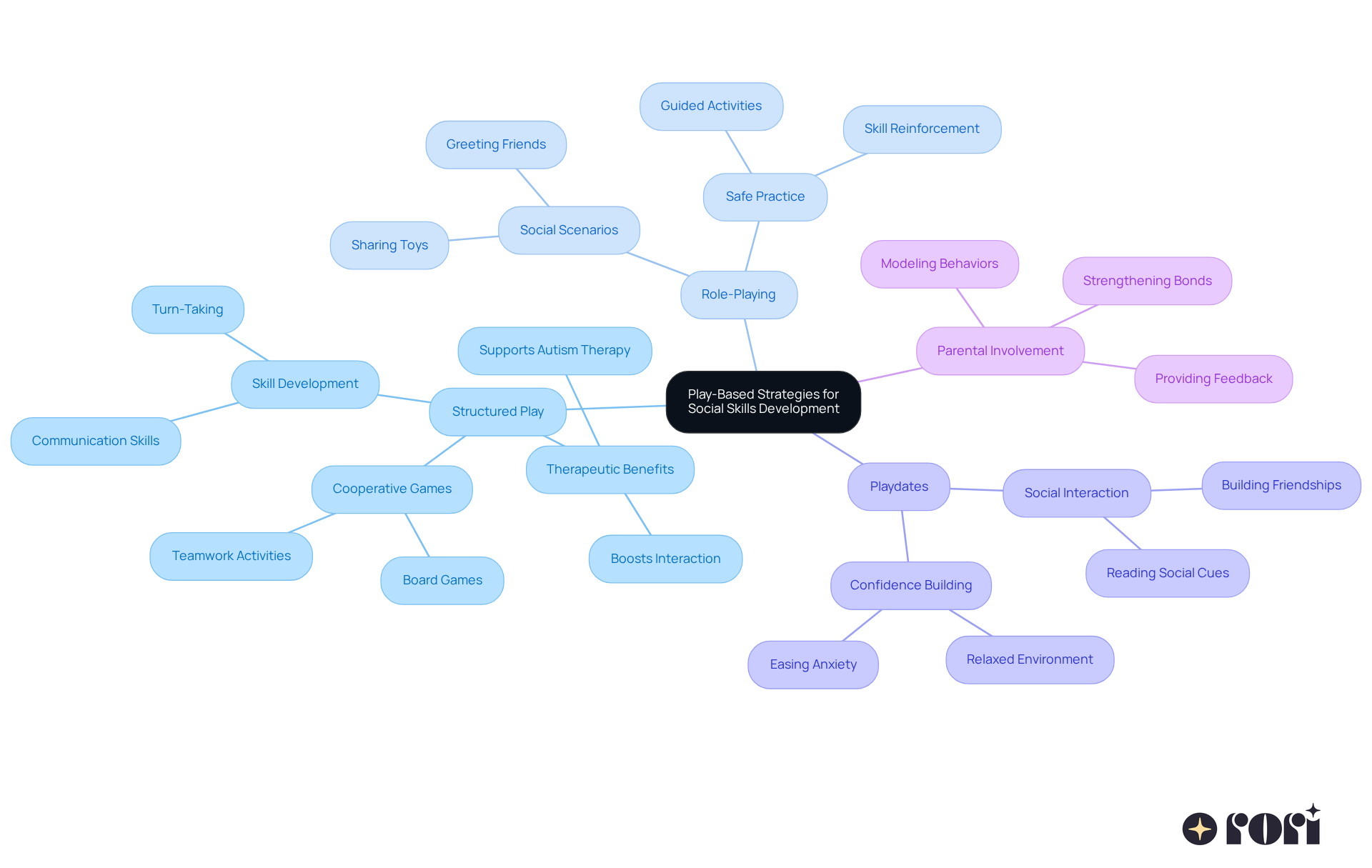
Let’s talk about structured play! Think of activities that have clear goals, like cooperative games that require teamwork and communication. For instance, playing board games can teach kids about taking turns and following rules-skills that are super important for making friends. Plus, studies show that using play to promote social skills in autism therapy can really boost interaction in kids with autism, making it a key part of their development.
How about role-playing? It’s a fun way to practice social situations! You can recreate scenarios like greeting a friend or sharing toys, which helps kids learn the right behaviors in a safe space. Case studies even show that using play to promote social skills in autism therapy, such as through guided activities and role-playing, effectively supports skill development and enhances interactions.
Playdates are a great way for kids to interact! These moments give them a chance to learn how to read social cues and build friendships. Plus, organized play during these sessions creates a relaxed environment, helping to boost their confidence and ease any anxiety they might feel.
Let’s not forget about you, parents! Getting involved in playtime can really make a difference. You can model positive behaviors and provide feedback, which enhances your child’s learning experience. Plus, it strengthens your bond and empowers you to be an active participant in their social growth.
By embracing these playful strategies, you’re not just teaching skills; you’re building a foundation for lasting friendships.
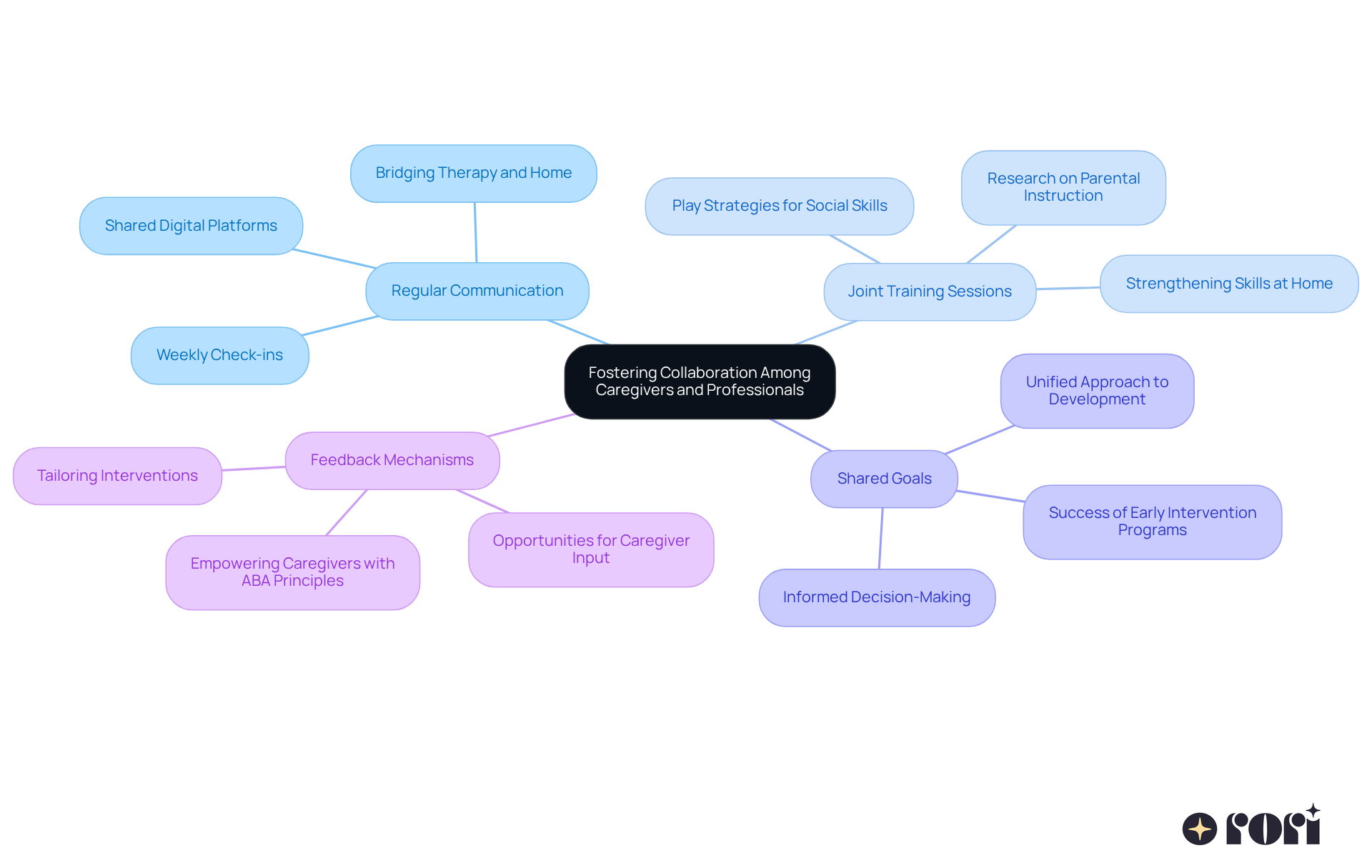
Navigating autism treatment can feel like a daunting journey for parents, but you’re not alone in this! Collaboration between caregivers and professionals is essential for success. Here are some friendly strategies to enhance that teamwork:
Regular Communication: Let’s keep the conversation going! Establishing consistent communication between therapists and parents is key. Think weekly check-ins or shared digital platforms for updates. When parents stay in the loop, it helps bridge the gap between therapy and home. After all, when parents aren’t involved, it can create a gap between what happens in therapy and at home, which is why staying connected is so important!
Joint Training Sessions: How about organizing some fun training sessions? This way, caregivers can learn about strategies for using play to promote social skills in autism therapy and how to implement them at home. It’s a great way to strengthen skills outside of therapy sessions by using play to promote social skills in autism therapy, ensuring that learning continues in a supportive environment. Research shows that kids who get consistent parental instruction at home tend to do better cognitively and developmentally. Plus, when caregivers feel equipped, they can provide the right support at home, making everything work together smoothly.
Shared Goals: Let’s set some shared goals for your child that everyone can agree on! When caregivers and therapists are on the same page, it creates a unified approach to your child’s development. This teamwork is crucial for the success of early intervention programs. Informed decision-making by caregivers can really make a difference in their child’s progress.
Feedback Mechanisms: It’s important to create opportunities for caregivers to share their thoughts on what’s working and what’s not. This feedback is vital for tailoring interventions to meet your child’s needs. Tackling caregiver stress is also important, as it can be a barrier to engagement. When caregivers feel empowered with ABA principles and strategies, it boosts their confidence and leads to better outcomes for the kids. Here at Rori Care, we’re excited to offer Individual and Group Therapy to help make this collaboration even stronger!
By working together, we can create a nurturing environment that truly supports your child's growth and development.
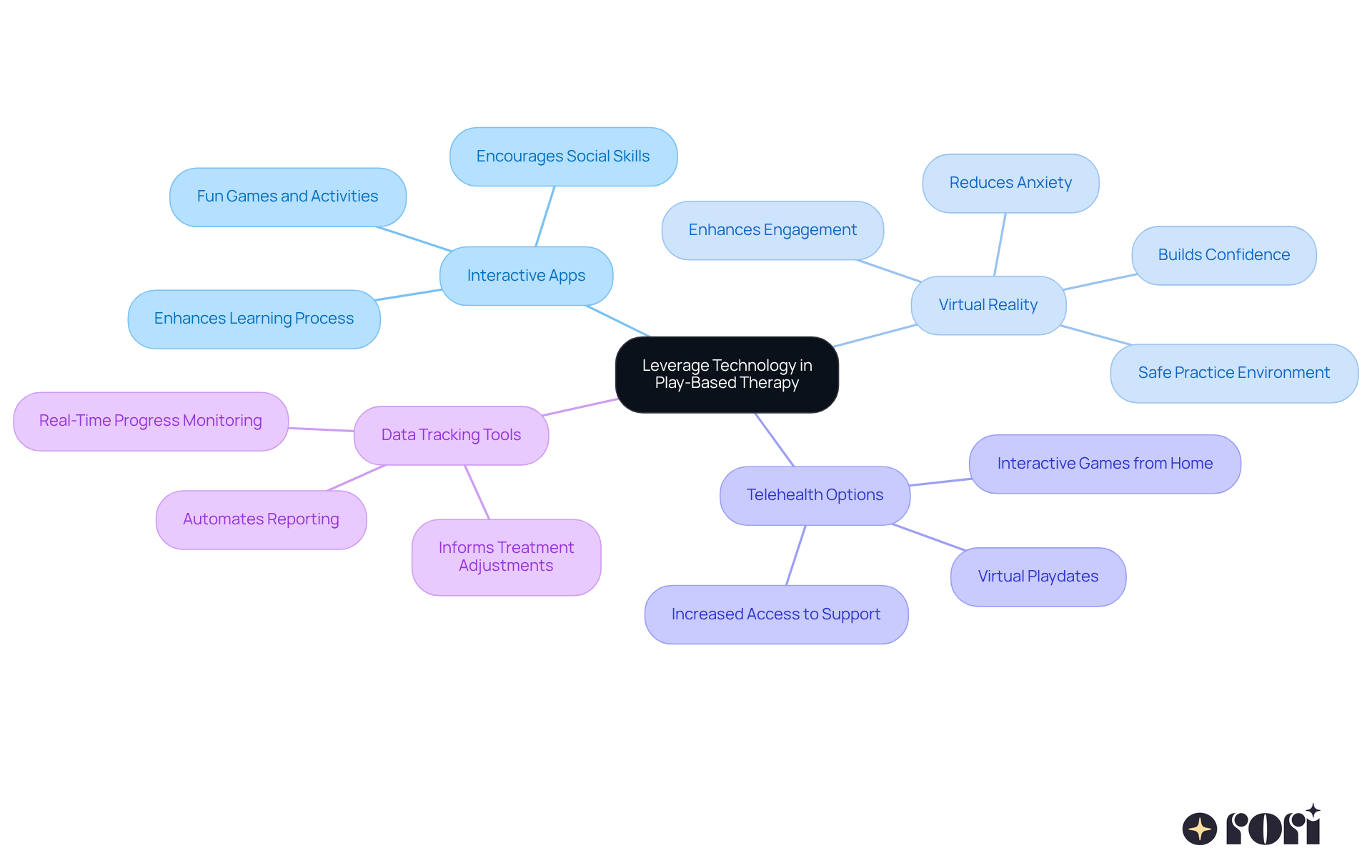
Navigating the world of autism therapy can feel overwhelming, especially when it comes to integrating technology into play-based treatment. But don’t worry! Here are some effective strategies to help you leverage technology in a way that truly benefits your child:
Interactive Apps: Have you tried using educational apps designed specifically for kids with autism? They can be a game-changer! These apps encourage social skills through fun games and activities. For example, apps focusing on turn-taking or recognizing emotions can really enhance what your child learns in therapy. Studies have shown that these interactive tools can significantly boost social skills, making the learning process enjoyable and effective!
Virtual Reality (VR): Imagine your child practicing social interactions in a safe, controlled environment! That’s what VR can do. By simulating real-life situations, kids can build confidence and reduce anxiety. It’s a fantastic way for them to develop social skills without the pressure of real-world interactions. Plus, research indicates that VR technology can enhance engagement and learning outcomes in therapy.
Telehealth Options: With telehealth, support is just a click away! You can set up virtual playdates or interactive games that your child can enjoy from home. This way, they can keep engaging socially, even when they can’t meet friends in person. The demand for certified ABA practitioners is on the rise, showing just how important these tech-enhanced approaches are becoming in autism treatment.
Data Tracking Tools: Keeping track of progress is crucial! Technology can help you monitor your child’s development in real-time. These tools provide insights that can inform adjustments to treatment strategies, ensuring they’re tailored to your child’s unique needs. With Rori Care’s AI integration, clinicians can automate up to 50% of report writing, allowing them to focus more on what really matters-direct treatment. Research shows that ABA interventions have an impressive success rate of over 89% in addressing autism spectrum disorder in youths, highlighting the importance of effective strategies.
By embracing these strategies, you’re not just enhancing therapy; you’re using play to promote social skills in autism therapy, which opens doors for your child’s social growth and connection with others. Remember, supporting a child with autism can be quite an investment, averaging around $60,000 a year! So, let’s explore this together and make the most of these resources!
Navigating the complexities of autism can feel overwhelming for many parents, but there’s a bright side: play can be a powerful tool in therapy! Play isn’t just a fun activity; it’s a fantastic way to help kids with autism grow socially and emotionally!
Let’s look at some fun ways to use play:
Each of these methods not only enhances communication but also strengthens the bond between children and their caregivers. Plus, using technology like interactive apps can make learning even more enjoyable!
Supporting a child with autism is truly a team effort, and it takes dedication from both parents and professionals to make it work! When we embrace play and work together, we create a warm space where kids can grow and make friends! By embracing play, you’re not just helping your child; you’re also creating a joyful path toward meaningful connections and growth. Let’s explore this together!
What is the role of play in autism therapy?
Play is used in autism therapy to promote social skills, providing children with opportunities to connect with others and learn essential skills in a fun environment.
How does play benefit children with autism?
Play can enhance communication, emotional regulation, and problem-solving skills in children with autism.
What social skills can children with autism learn through play?
Through play, children can learn important social skills such as sharing and taking turns, which are crucial for building friendships.
How do therapists utilize play in autism therapy?
Therapists create a fun and engaging space for learning by using play activities that align with what children love, promoting social skills development.
What is the emotional impact of play on children with autism?
Play can lead to joy and improved social interactions, allowing children to thrive in social situations.