Many caregivers feel overwhelmed by the unique behaviors associated with autism, often wondering how to effectively manage them. But with the right rewards and incentives, these challenges can turn into stepping stones for growth and connection! So, how can you find the rewards that really motivate your child and make a difference?
In this article, we’ll explore the basics of reward systems and share some practical tips to keep your child engaged and motivated on their journey to positive behavior. Let’s explore how we can turn these challenges into stepping stones for growth and connection!
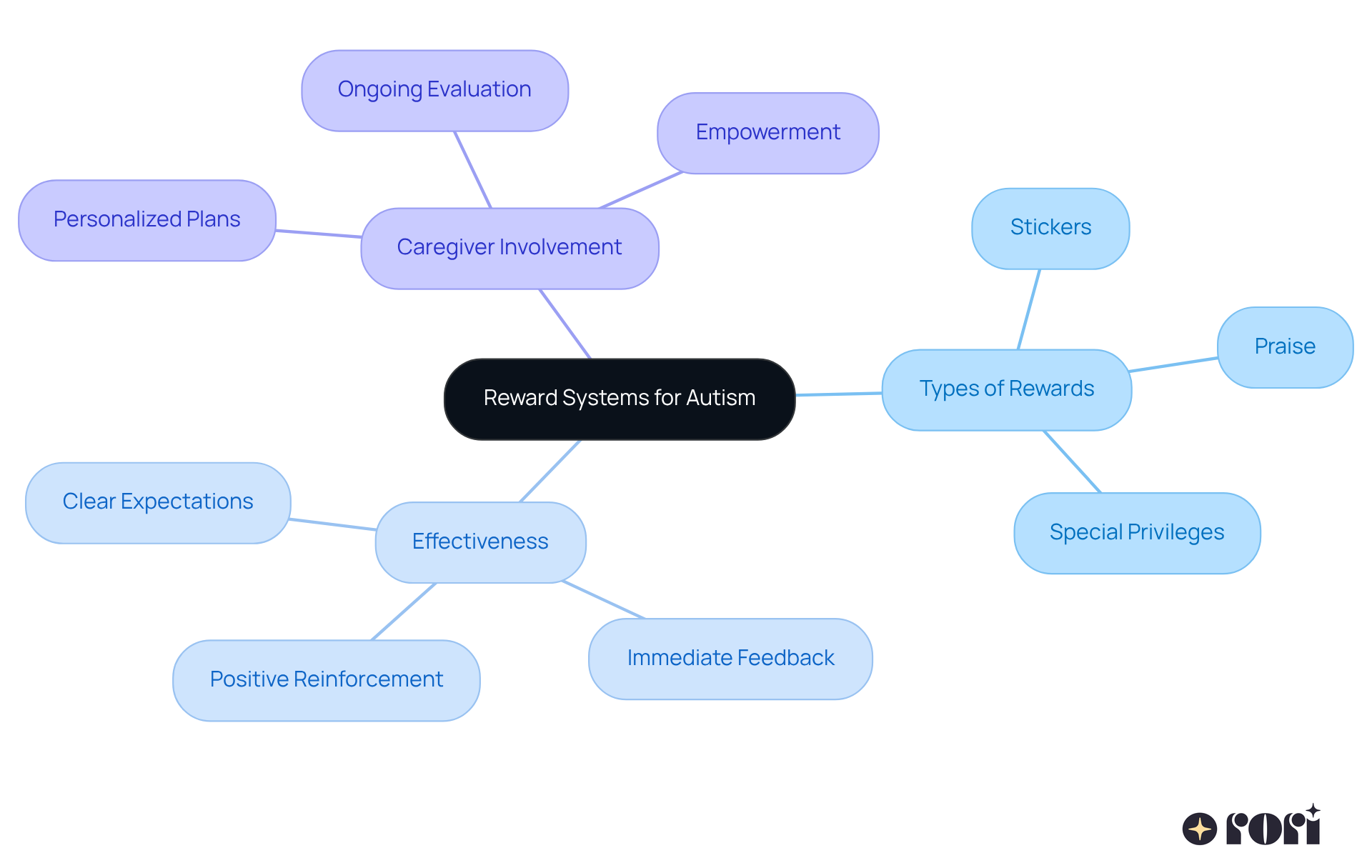
Navigating the world of autism can be challenging, especially when it comes to finding effective ways to encourage positive behavior. Reward frameworks are centered around using rewards and incentives to address challenging behaviors in autism, helping kids take those preferred actions! Understanding the different types of rewards, like stickers, praise, or special privileges, is crucial when using rewards and incentives to address challenging behaviors in autism.
Research shows that having clear expectations and giving immediate feedback really helps these systems work better. It strengthens the link between actions and outcomes! Positive reinforcement helps with learning and boosts communication skills. Plus, it strengthens the bond between caregivers and kids, creating a more supportive environment for everyone!
At Rori Care, our friendly behavior analysts work with you to create personalized plans with clear goals and strategies that fit your child’s unique needs! We keep evaluating and adjusting the reward systems to make sure they fit your child’s growth and development.
Helping caregivers understand ABA principles and strategies is key to using rewards and incentives to address challenging behaviors in autism and effectively support their kids’ behavioral goals! When caregivers actively participate and align with therapeutic strategies, it not only improves outcomes but also boosts their confidence in supporting their kids! When caregivers feel empowered and supported, everyone benefits, creating a nurturing environment for growth and learning.
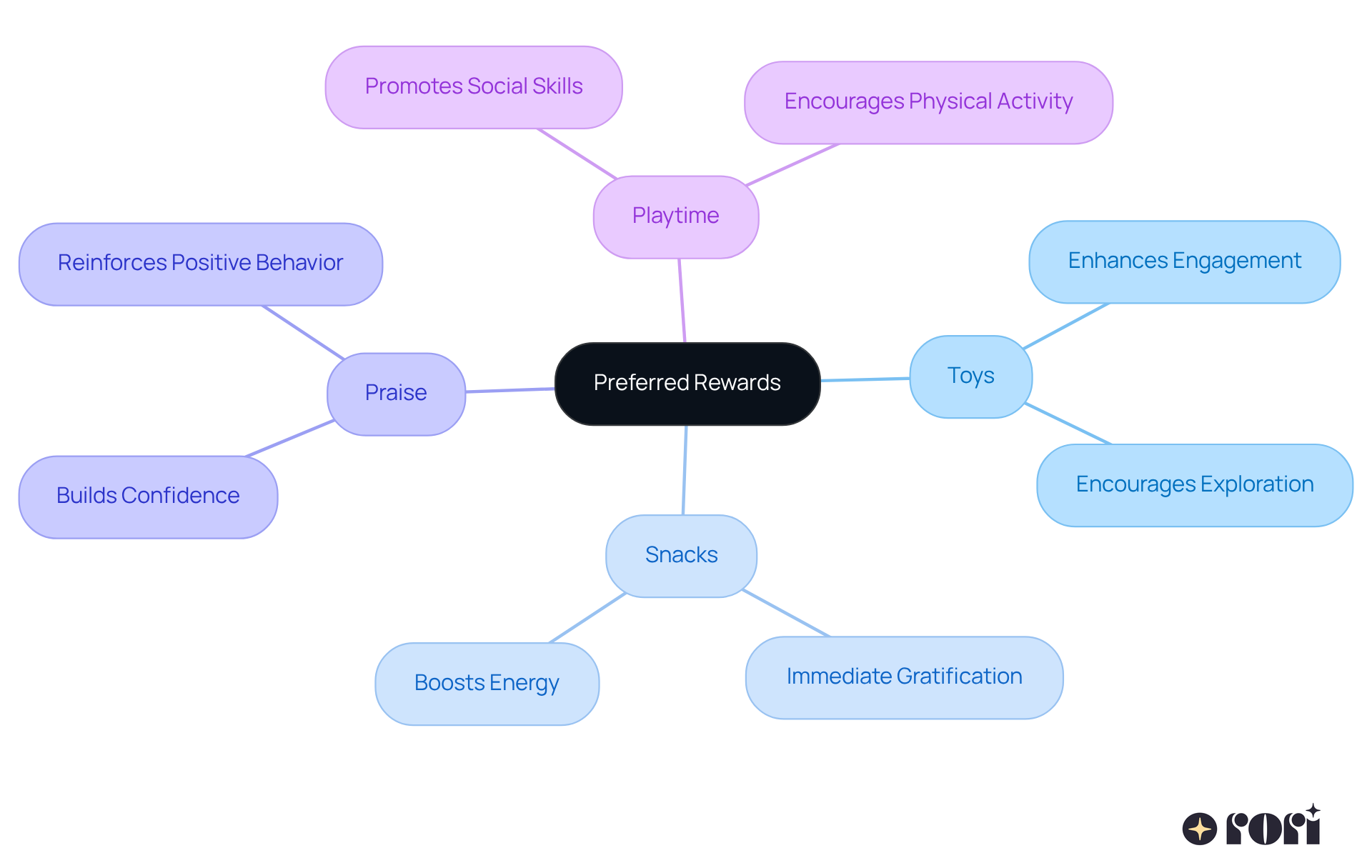
Keeping kids motivated can sometimes feel like a juggling act, right? You can really get to know what makes them tick by just chatting with them and paying attention to their reactions. Some kids might light up at the thought of a new toy or a tasty snack, while others might thrive on praise or extra playtime.
Letting kids pick their own rewards can be an effective method when using rewards and incentives to address challenging behaviors in autism, as it can really spark their excitement and make them feel proud of their choices! Mixing up the rewards keeps things fresh and fun for them!
When kids feel involved in their rewards, they’re more likely to stay excited about learning and growing, particularly when using rewards and incentives to address challenging behaviors in autism.
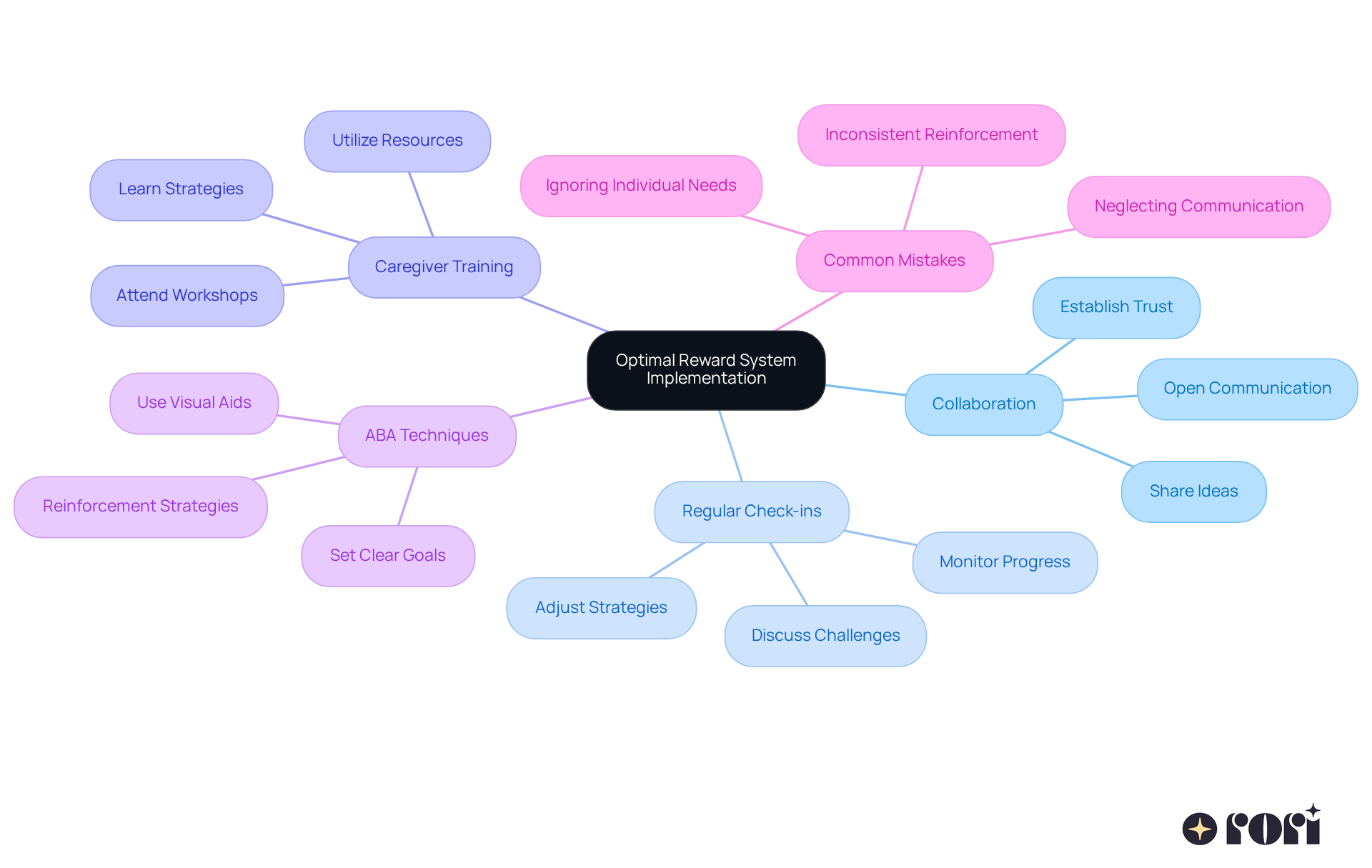
Navigating incentive programs can feel like a puzzle for many parents, especially when trying to work with therapists and educators. Working together with parents, therapists, and educators makes incentive programs more effective and supportive for our kids! When we team up, we can share helpful tips and ideas that really make a difference. Regular check-ins about how our kids are doing can really help us tweak the incentive programs for better results! When we work together, we can make sure the incentive programs fit our kids' needs, no matter where they are! Rori Care also shows how important it is for caregivers to get training to support these programs at home. When caregivers learn ABA strategies, they can make choices that really help their kids grow! Staying in touch and keeping notes can help parents and therapists work together to meet our kids' needs as they change. Plus, when parents learn ABA techniques and use visual aids, it makes understanding and learning so much easier! It's also good to know the common mistakes with incentives so we can create a supportive environment for our kids to grow! By working together, we can create a supportive environment that truly helps our children thrive!
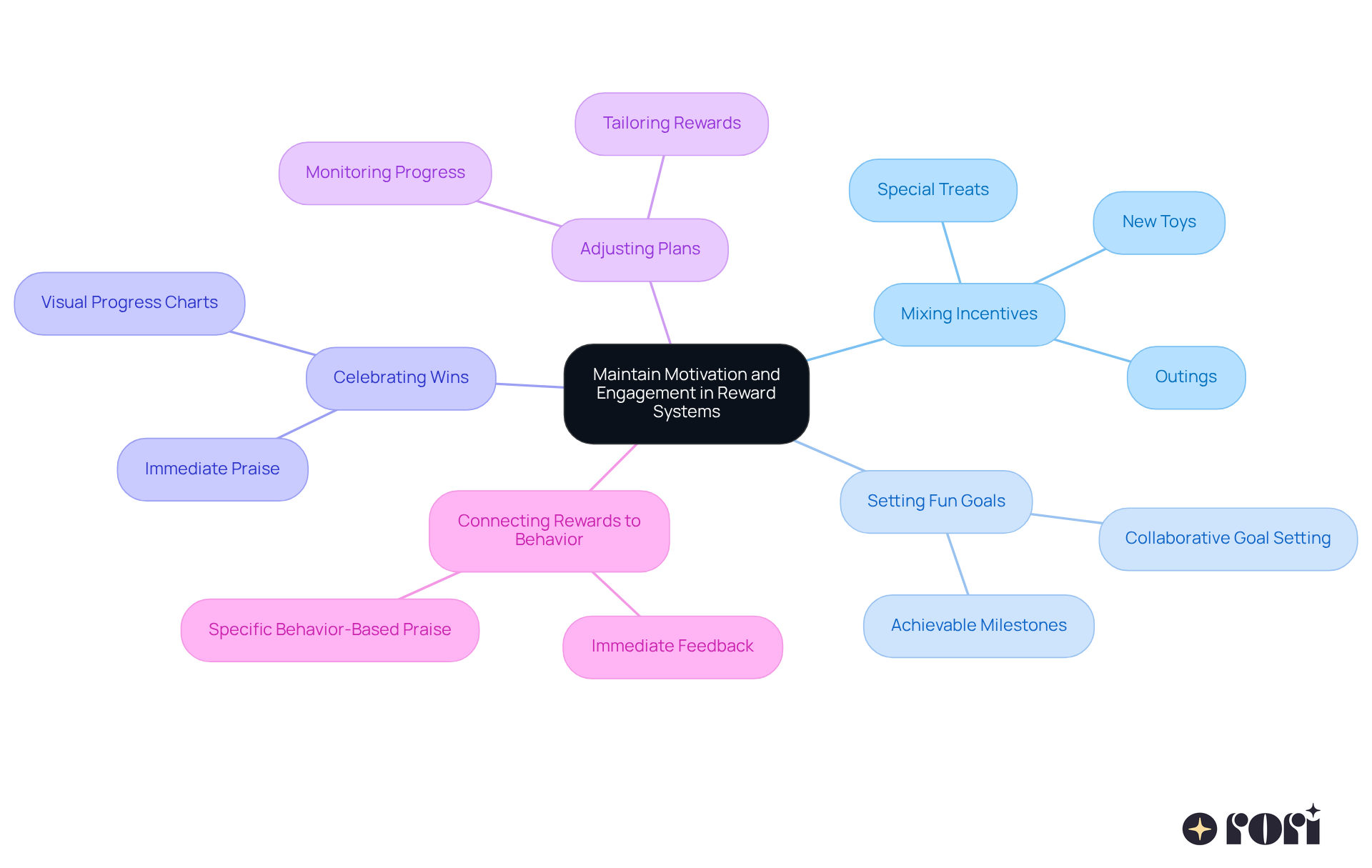
Keeping kids with autism motivated can feel like a juggling act, can’t it? It’s important to mix things up with new incentives, set some fun goals, and celebrate every little win! Think about it: outings, special treats, or even new toys can keep things exciting!
Letting kids grow and learn by using rewards and incentives to address challenging behaviors in autism encourages them to earn rewards through consistent effort! Keeping an eye on how your child is doing helps you see what works best for them. Rori Care makes sure to adjust plans based on how your child is progressing, keeping everything in sync!
Rewards should come right after the good behavior when using rewards and incentives to address challenging behaviors in autism so kids can connect the dots! But be careful not to rely too much on rewards; we want kids to find their own motivation too! When you’re involved, it not only helps your child but also makes family life a lot smoother!
Navigating the world of autism behaviors can feel overwhelming, but you’re not alone in this journey! Finding the right rewards and incentives can really help manage autism behaviors. When caregivers understand how these systems work, they can really encourage positive actions and create a warm, nurturing space for growth!
It’s all about working together - caregivers, therapists, and educators - to support our kids with autism! Some key takeaways are that knowing what rewards your child likes, keeping things fresh with different incentives, and giving quick feedback are super important for managing behaviors. Caregivers are so important in this process - they not only make reward systems work better but also feel more confident in helping their kids grow!
Managing autism behaviors with rewards and incentives takes patience, creativity, and teamwork, but it’s so worth it! When caregivers focus on talking and working together, they create a supportive space that helps kids really thrive. By using these practices, we can help every child grow, learn, and succeed in their own special way! Let’s make sure every child has the chance to shine in their own special way!
What are reward systems for autism?
Reward systems for autism are frameworks that use rewards and incentives to encourage positive behaviors and address challenging behaviors in children with autism.
What types of rewards can be used in these systems?
Different types of rewards include stickers, praise, and special privileges, which can motivate children to take preferred actions.
Why is it important to have clear expectations and immediate feedback in reward systems?
Clear expectations and immediate feedback strengthen the link between actions and outcomes, making the reward systems more effective.
How does positive reinforcement benefit children with autism?
Positive reinforcement helps with learning, boosts communication skills, and strengthens the bond between caregivers and children, creating a supportive environment.
How does Rori Care assist in implementing reward systems?
Rori Care's behavior analysts work with families to create personalized plans with clear goals and strategies that fit the child's unique needs, regularly evaluating and adjusting the reward systems as necessary.
Why is caregiver involvement important in using reward systems?
Caregiver involvement is key to effectively using rewards and incentives, as it improves outcomes and boosts caregivers' confidence in supporting their children's behavioral goals.
What is the overall benefit of empowering caregivers in the context of reward systems?
When caregivers feel empowered and supported, it creates a nurturing environment for growth and learning for both the child and the caregiver.