Introduction
As a parent, managing behaviors in children with autism can sometimes feel overwhelming, can’t it? However, harnessing the power of rewards offers a promising pathway to foster positive behaviors and enhance motivation.
Let’s explore some effective strategies for implementing reward systems that fit your child’s unique needs, ensuring that the incentives resonate with their individual interests.
Ever wondered what to do when the usual methods just aren’t working? Discover how to personalize rewards and adapt strategies to create a supportive environment where your child can truly flourish.
Understand the Role of Rewards in Behavior Management
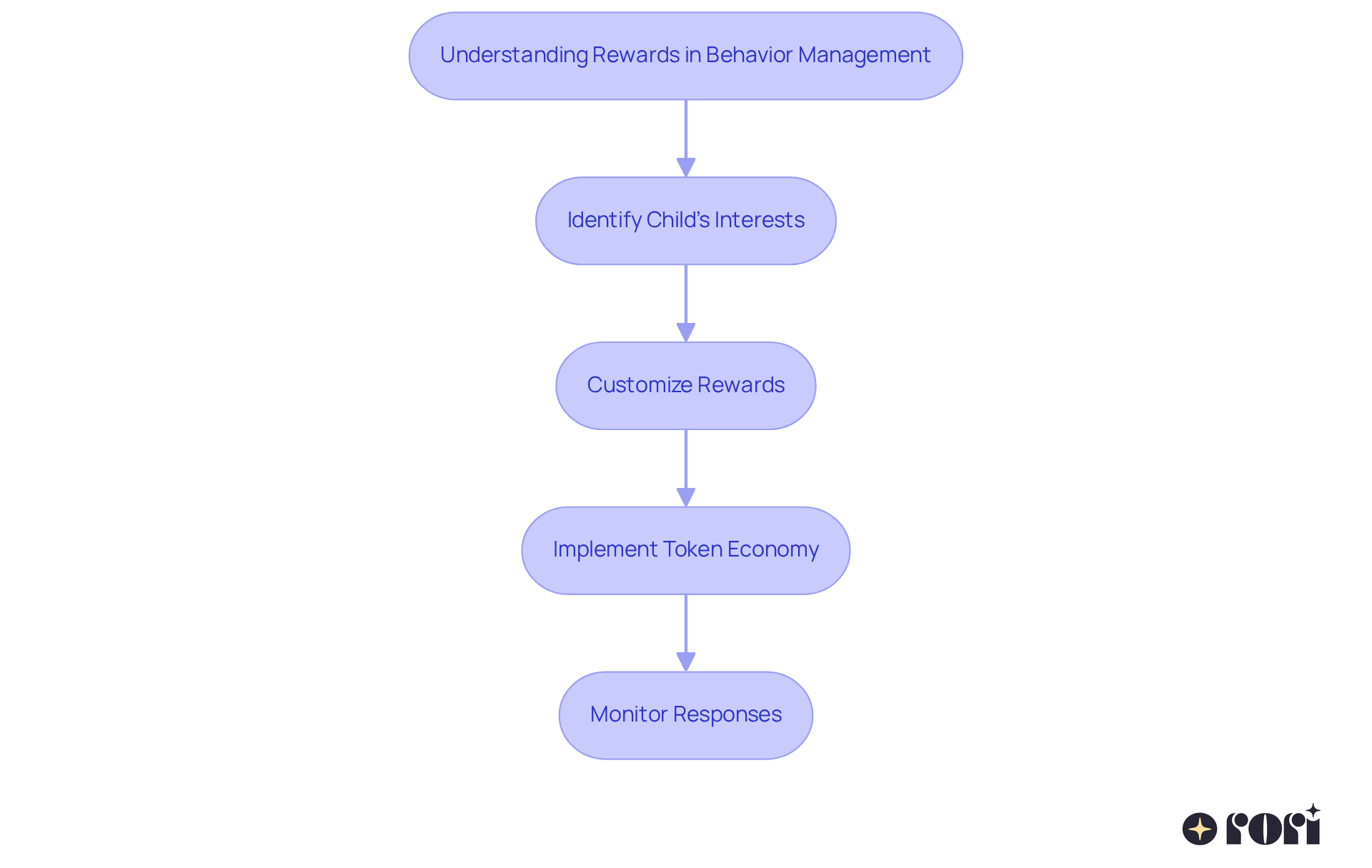
Managing behavior can feel like a tough puzzle for many parents, especially when it comes to our little ones with autism. You know, using rewards to manage autism behaviors can really make a difference for our kids! These incentives can take many forms, like verbal praise, a favorite toy, or even some special privileges. What’s really cool is that the best rewards are the ones that mean something special to your child. Like, a favorite toy might get them more excited than just a regular sticker!
Research shows that when we customize these incentives to match our kids' unique interests, they become way more effective. It’s essential to focus on using rewards to manage autism behaviors by encouraging specific actions, not as bribes. We want to cultivate a genuine motivation for our kids to engage in positive activities. When kids can see how their actions connect to the rewards, using rewards to manage autism behaviors helps them understand what’s expected and motivates them to reach for those goals!
For example, introducing a token economy approach can be a fun way for kids to earn tokens for certain behaviors, which they can then trade for bigger rewards. This not only strengthens their efforts but also makes the process exciting! Consistency is key here, along with keeping an eye on how your child responds. By using rewards to manage autism behaviors, you’re creating a supportive environment that helps your child grow and thrive!
And remember, empowering yourself with [ABA principles and strategies](https://rori.care/post/the-effectiveness-of-positive-punishment-in-aba-therapy) can really enhance your ability to support your child’s behavioral goals. By embracing these strategies, you’re not just guiding your child; you’re also nurturing a brighter future for them. Let’s explore this together!
Implement Effective Reward Techniques
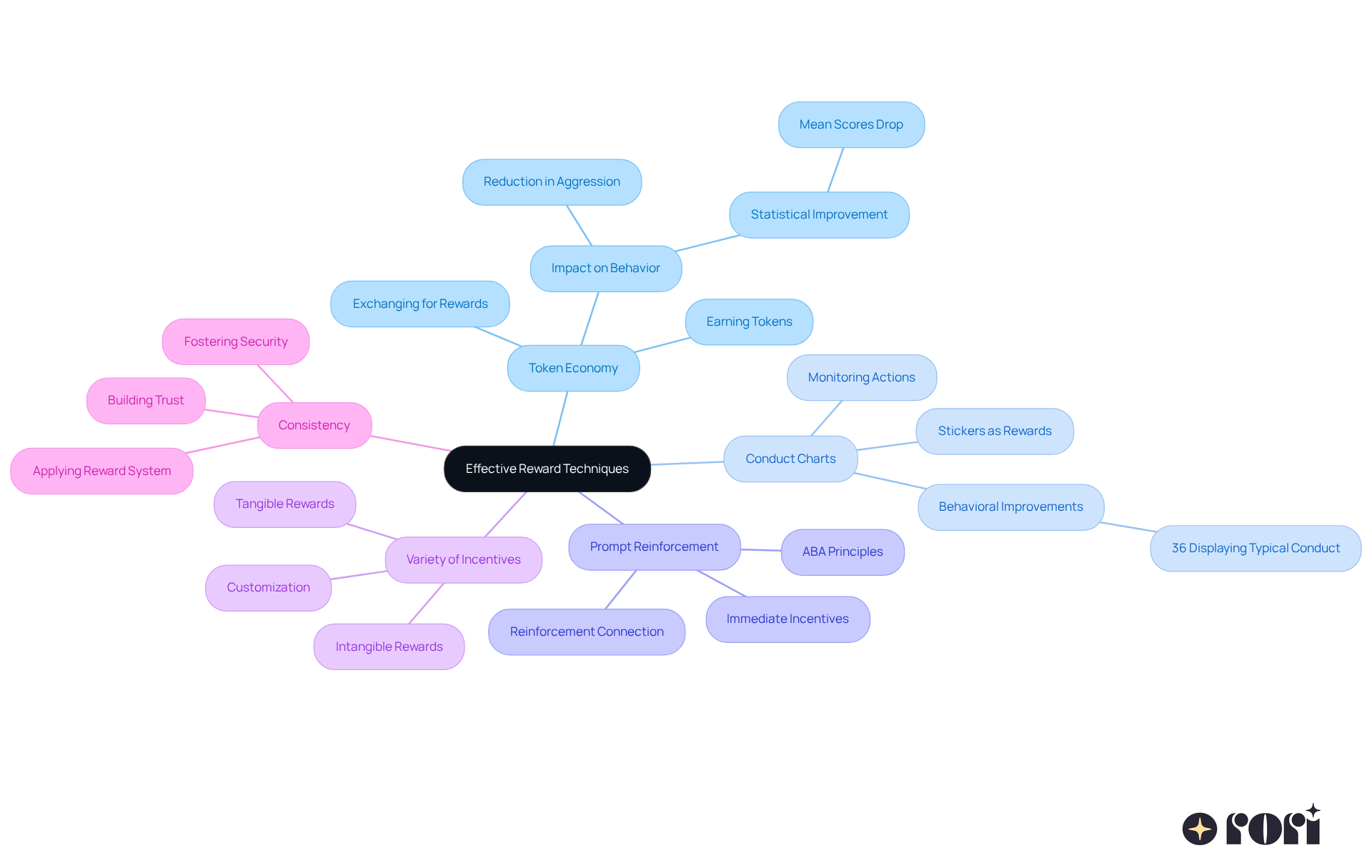
Have you ever felt overwhelmed trying to encourage good behavior in your child? It can be tough, but establishing clear, attainable conduct objectives is a great place to start! For instance, if you want to promote sharing, you might create a fun incentive structure using rewards to manage autism behaviors, where your little one earns a token every time they share. Once they collect a certain number of tokens, they can trade them in for a favorite activity or item. Here are some effective techniques:
- Token Economy: Implement a system where children earn tokens for positive actions. These tokens serve as a visual representation of their progress and can be exchanged for incentives, which is an example of using rewards to manage autism behaviors and reinforcing desired actions. Studies show that using this method can really help reduce aggressive behavior-some kids saw their scores drop from 34 to just 16!
- Conduct Charts: Create a chart to monitor specific actions. Every time your child displays the desired conduct, they get a sticker or mark on the chart, leading to a prize once they reach a certain number. This method has shown significant improvements, with 36% of children displaying typical conduct after intervention. Your involvement in this process can make a big difference!
- Prompt Reinforcement: Offer incentives right after the desired action takes place. This reinforces the connection between the action and the incentive, increasing the likelihood that the action will be repeated. Experts note that immediate reinforcement, particularly using rewards to manage autism behaviors, is crucial for effective behavior modification, and caregivers equipped with ABA principles can make informed decisions to support this.
- Variety of Incentives: Use a mix of tangible incentives (like toys or snacks) and intangible ones (like praise or extra playtime) to keep your child engaged and motivated. Customizing incentives to match their preferences improves the effectiveness of the incentive framework. Understanding what motivates your child best is key!
- Consistency: Maintain consistency in applying the reward system. This helps your child grasp expectations and the consequences of their actions, fostering a sense of security and trust that aids in adopting new behaviors effectively. Imagine the relief of seeing your child thrive with just a little guidance and support!
Customize Reward Systems for Individual Needs
It can be tough to figure out what truly motivates your child, but creating a personalized reward system can make a world of difference! Here are some effective steps to help you craft a system that resonates with your little one:
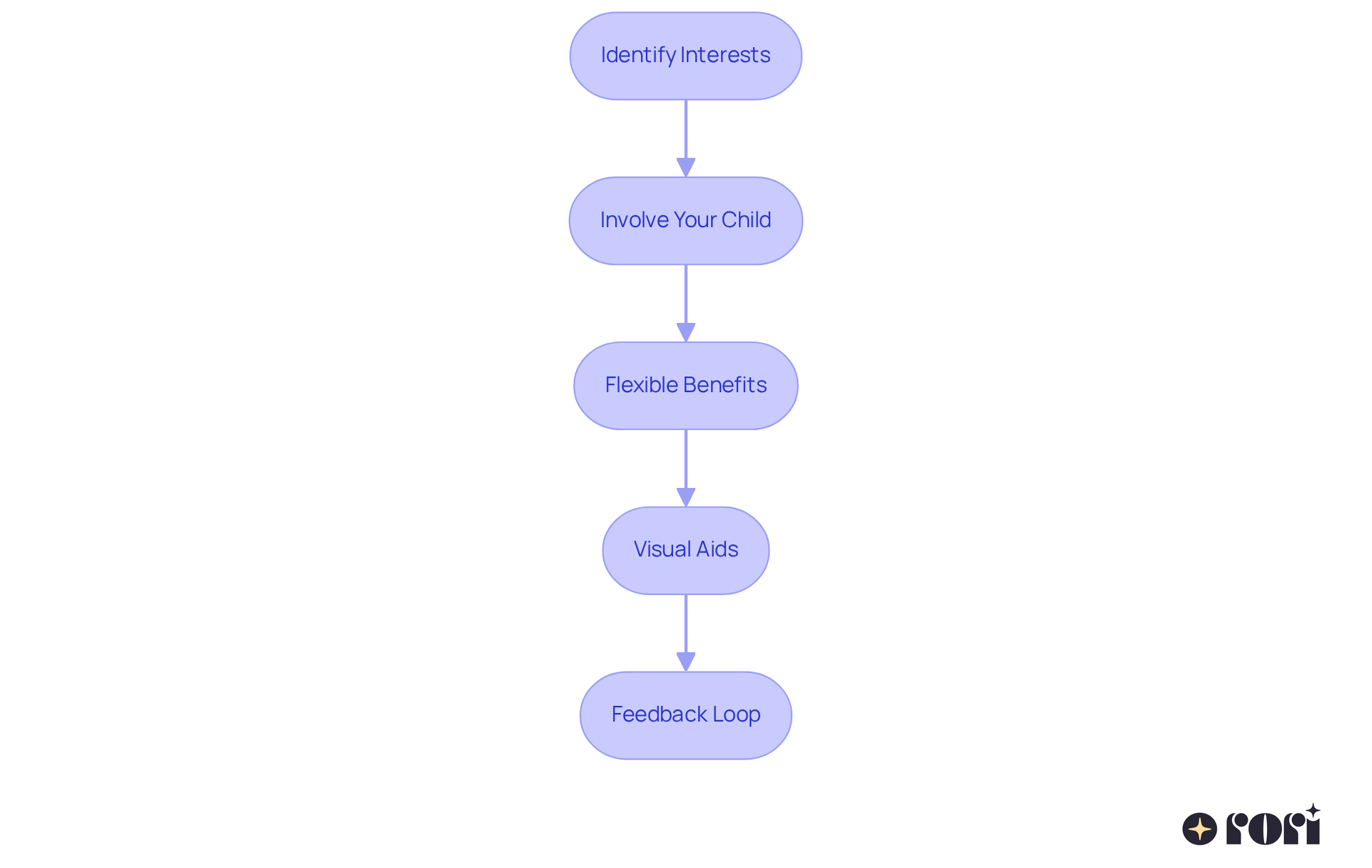
- Identify Interests: Take a moment to observe what captivates your child. Is it dinosaurs, art, or maybe a favorite game? For instance, if they’re all about dinosaurs, think about integrating dinosaur-themed rewards to really spark their motivation!
- Involve Your Child: Chat with your child about what kinds of rewards they’d love. This not only empowers them but also makes them more committed to the system. When they feel included, they’re more likely to engage!
- Flexible Benefits: Stay adaptable! Kids’ interests can change quickly. What excites them today might not hold the same appeal in a few months, so be ready to refresh those incentives regularly.
- Visual Aids: Try using fun pictures or charts to show what they’re working towards! Visual aids can really help kids, especially those with autism, understand their goals and keep their motivation high by using rewards to manage autism behaviors.
- Feedback Loop: Keep the conversation going! Regularly ask your child what they enjoy or what’s not working for them. Being responsive to their feedback can really enhance their involvement and happiness with the system.
By staying engaged and responsive, you’ll not only boost their motivation but also strengthen your bond with them.
Monitor and Adjust Reward Strategies for Success
Keeping your incentive strategies fresh is key to keeping your kids engaged! Here are some steps to ensure your reward system continues to work:
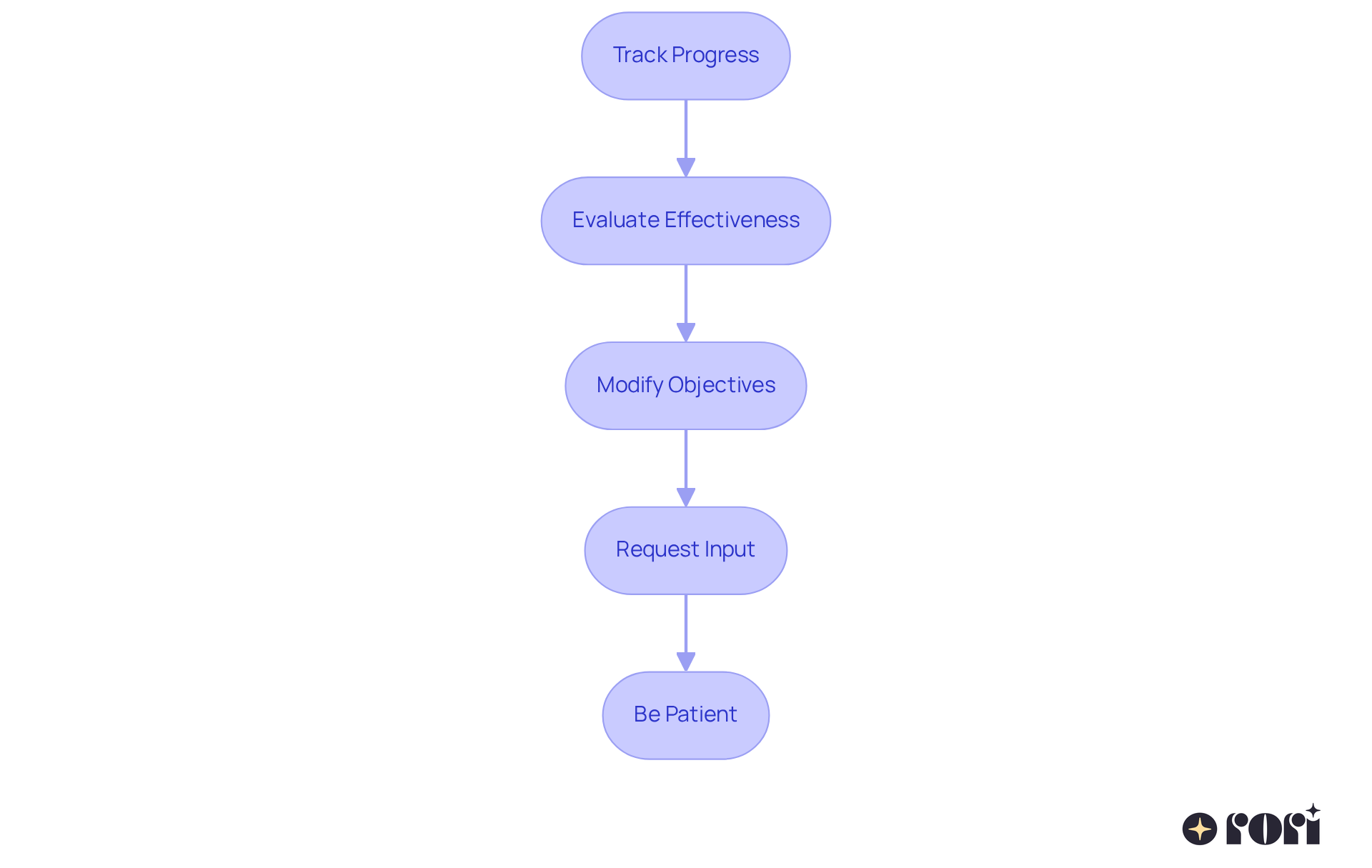
- Track Progress: Keeping a fun chart or journal can really help you see what’s working and where you might need to tweak things! This way, you can understand their behavior patterns and celebrate their successes over time.
- Evaluate Effectiveness: It’s important to pay attention to how your kids respond to the rewards you set up; if they’re not excited, it might be time for a change! Remember, the right incentives can make a big difference in their learning and development.
- Modify Objectives: As your kids grow, it’s important to keep things fun and achievable, which helps keep their motivation high! Adjusting the goals and rewards to fit their development ensures they stay engaged and excited.
- Request Input: Talking with your kids about what they like and don’t like can really help make the rewards work better for everyone! Their feedback is super valuable and can lead to a more effective incentive system.
- Be Patient: Just remember, changing habits takes time, and that’s totally okay! Consistency in delivering rewards right after positive actions is essential when using rewards to manage autism behaviors, as it helps kids connect their behavior with the rewards they receive, thereby building their motivation from within.
Remember, it’s all about nurturing their growth and celebrating those little wins along the way!
Conclusion
Navigating the world of behavior management can feel like a daunting task for many parents. Using rewards effectively can truly transform how we guide our children with autism, creating a supportive environment that encourages positive actions. When parents tap into what their child loves and set up rewards that fit, they can build a strong link between good behavior and fun incentives. This approach not only motivates children but also helps them understand what’s expected, paving the way for personal growth and development.
Throughout this journey, we’ve explored various strategies, like the importance of a token economy, conduct charts, and prompt reinforcement. Each of these techniques highlights the need for consistency, flexibility, and active involvement from parents. By regularly checking in and adjusting these strategies based on feedback and progress, you can make the process both engaging and rewarding.
At the end of the day, managing behaviors is really about helping your child shine and celebrating every little win along the way. By committing to these practices, you empower your child to thrive, creating a brighter future filled with opportunities and achievements. So, let’s embrace the power of rewards together and watch as they transform not just behaviors, but the entire family dynamic!
Frequently Asked Questions
How can rewards be used in managing behaviors for children with autism?
Rewards can be used to manage behaviors by providing incentives such as verbal praise, favorite toys, or special privileges. These incentives should be meaningful to the child to be effective.
What types of rewards are most effective for children with autism?
The most effective rewards are those that resonate with the child's unique interests, such as a favorite toy or activity, rather than generic rewards like stickers.
How should rewards be used to encourage positive behavior?
Rewards should be used to encourage specific actions and not as bribes. This approach helps cultivate genuine motivation for children to engage in positive activities.
What is a token economy approach?
A token economy approach involves children earning tokens for certain behaviors, which they can later trade for larger rewards. This method makes the process more engaging and reinforces positive behavior.
Why is consistency important when using rewards in behavior management?
Consistency is key because it helps children understand the connection between their actions and the rewards, reinforcing their efforts and encouraging them to meet behavioral expectations.
How can parents enhance their ability to support their child's behavioral goals?
Parents can enhance their ability by empowering themselves with Applied Behavior Analysis (ABA) principles and strategies, which provide effective tools for guiding their child's behavior and nurturing their development.
List of Sources
- Understand the Role of Rewards in Behavior Management
- How Reward Systems Help Children with Autism Learn and Grow (https://abajourney.com/reward-systems-for-children-with-autism)
- Effective Reward Systems for Children With Autism (https://handscenter.com/effective-reward-systems-for-children-with-autism)
- Rewarding Your Child Who Has Autism — Autism Specialty Group (https://autismspecialtygroup.com/blog/rewarding-your-child-who-has-autism)
- 59 Inspirational Quotes About Autism - Hidden Talents ABA (https://hiddentalentsaba.com/autism-quotes)
- The effects of reward and frustration on the task performance of autistic children and adolescents (https://sciencedirect.com/science/article/abs/pii/S0891422223001452)
- Implement Effective Reward Techniques
- Effectiveness of Token Economy Therapy in Reducing Aggressive Behaviors Among Orphanage Children: A Pilot Study - PMC (https://pmc.ncbi.nlm.nih.gov/articles/PMC12156682)
- The Key Role of Autism Positive Reinforcement | Above and Beyond Therapy (https://abtaba.com/blog/autism-positive-reinforcement)
- Effective Reward Systems for Children With Autism (https://handscenter.com/effective-reward-systems-for-children-with-autism)
- Autism Quotes - Helping Your Child Climb Higher With ABA Therapy (https://climbingstar.com/blog/autism-quotes)
- Quotes About Autism - Arms Wide Open ABA Therapy (https://armswideopenaba.com/blog/quotes-about-autism)
- Customize Reward Systems for Individual Needs
- Inspiring Quotes on Child Learning and Development (https://vincegowmon.com/inspiring-quotes-on-child-learning-and-development)
- Autism Reward System Ideas That Actually Motivate Your Child - Lighthouse (https://thelighthousech.com/autism-reward-system-ideas-that-actually-motivate-your-child)
- Effective Reward Systems for Children With Autism (https://handscenter.com/effective-reward-systems-for-children-with-autism)
- How Reward Systems Help Children with Autism Learn and Grow (https://abajourney.com/reward-systems-for-children-with-autism)
- 10 Quotes to Inspire Early Childhood Professionals (https://zerotothree.org/quotes-to-inspire-early-childhood-professionals)
- Monitor and Adjust Reward Strategies for Success
- The Numbers Don't Lie: Revealing Autism Therapy Statistics | Above and Beyond Therapy (https://abtaba.com/blog/autism-therapy-statistics)
- Data Collection for ABA Therapy Success: How Progress Is Measured | Grateful Care ABA (https://gratefulcareaba.com/blog/data-collection-for-aba-therapy-success-how-progress-is-measured)
- Effective Reward Systems for Children With Autism (https://handscenter.com/effective-reward-systems-for-children-with-autism)
- Measuring Progress In ABA Therapy: A Guide To Tracking Success (https://kidsclubaba.com/how-to-measure-progress-in-aba-therapy-tracking-success-guide)
- Tracking Progress: How To Measure ABA Therapy Success - Willow Reach (https://willowreachaba.com/tracking-progress-how-to-measure-aba-therapy-success-willow-reach-aba)