Introduction
Navigating the world of autism therapy can feel like a maze for parents, can’t it? It’s tough to figure out how to effectively use analytics to track your child's progress. But here’s the good news: by harnessing the power of data, you can gain valuable insights into your child's development. This knowledge helps you make informed decisions about treatment strategies. But how do parents find their way through all the tools and metrics to give their child the best care possible? Finding the right tools can make all the difference in your child's journey, so let’s explore this together!
Understand the Role of Analytics in Autism Therapy
Navigating the world of autism treatment can feel overwhelming, especially when it comes to understanding analytics and data. But don’t worry, we’re here to help you every step of the way! Utilizing analytics to track progress in autism therapy plays a crucial role in autism treatment by providing a structured method to comprehend a child's development and behavior patterns. Here’s how to effectively utilize analytics:
- Recognize the Importance of Data: Collecting data is super important in ABA therapy! By utilizing analytics to track progress in autism therapy, it helps us spot trends, see how things are improving, and make smart choices about treatment plans. Precise information enables clinicians to assess significant advancements and adjust strategies promptly if required.
- Understand Key Metrics: Get to know key metrics like how often certain behaviors happen, how long they last, and how quickly your child is picking up new skills. These metrics offer important insights into your child’s development over time, utilizing analytics to track progress in autism therapy by assisting in monitoring advancements in communication, social skills, and adaptive behaviors.
- Utilize Technology: Use handy tech tools that can help you gather and analyze all that important info! Numerous applications and programs are specifically created for utilizing analytics to track progress in autism therapy, thereby improving precision and efficiency in monitoring your development. Integrating technology into information gathering not only enhances accuracy but also enables real-time modifications to interventions based on continuous evaluations.
- Engage with Your Therapist: Make it a point to chat with your child’s therapist about the analytics regularly! This collaboration fosters a deeper understanding of the data, providing insights into effective strategies and areas needing adjustment. Clear communication with the ABA team is crucial for effective treatment, ensuring that everyone is aligned on goals and progress.
- Set Goals Based on Data: Use what you learn from the analytics to set realistic goals for your child’s treatment! This data-driven approach, which involves utilizing analytics to track progress in autism therapy, ensures that treatment remains focused and tailored to their unique needs, ultimately leading to better outcomes. Regular data review assists practitioners in determining if goals are being achieved and if interventions are effective, emphasizing the significance of a personalized treatment plan.
By embracing these insights, you can empower your child’s journey and make informed decisions that truly matter.

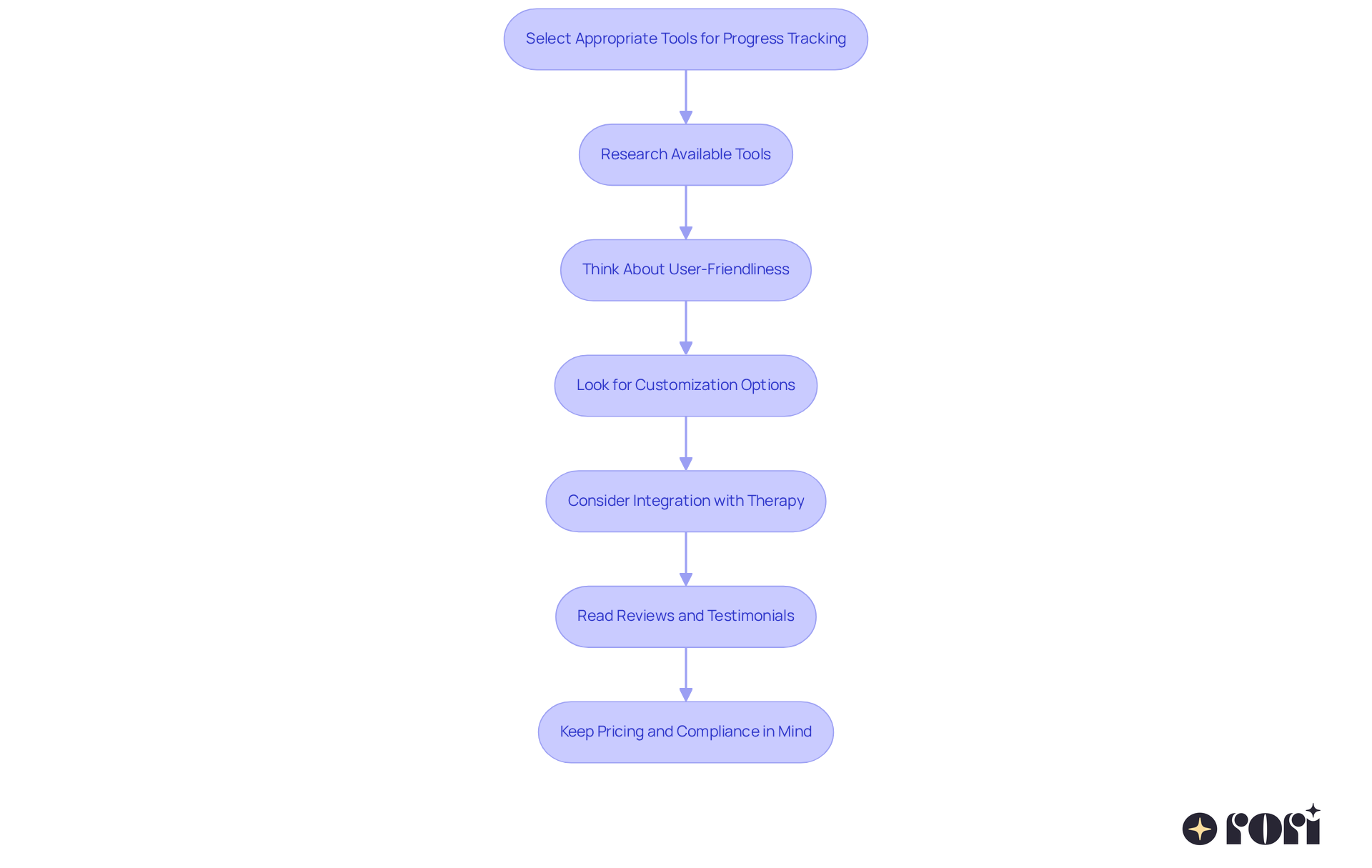
Navigating the world of autism treatment tools can feel overwhelming, but you’re not alone in this journey! Choosing the right tools is essential for utilizing analytics to track progress in autism therapy and keeping an eye on your child's development. Here are some friendly steps to guide your choice:
- Research Available Tools: Explore apps and software specifically designed for ABA therapy. You might come across options like Rethink, which offers a library of over 1,500 customizable treatment objectives, or Motivity, known for its real-time collaborative features.
- Think About User-Friendliness: Consider how easy the tools are to use-after all, you want something that won’t add to your stress! For instance, Raven Health is praised for its clinician-friendly design, allowing new users to learn the basics in under 15 minutes.
- Look for Customization Options: Choose tools that let you personalize how you collect information to fit your child’s unique needs. This flexibility makes the data you gather more relevant and actionable for therapy adjustments.
- Consider Integration with Therapy: It’s helpful to select tools that can easily integrate with your therapist's systems. This way, the information you collect can be shared and reviewed together, creating a more unified approach to your child’s care.
- Read Reviews and Testimonials: Don’t forget to check out feedback from other parents and professionals who have used these tools. Their insights can really help you understand what works best. For example, users of Theralytics appreciate its user-friendliness and responsive customer support.
- Keep Pricing and Compliance in Mind: Be aware that ABA software pricing usually ranges from $20 to $100 per learner per month, depending on features. Plus, make sure the tools you choose comply with HIPAA regulations to protect your child’s data privacy.
By keeping these tips in mind, you’ll find the right tools for utilizing analytics to track progress in autism therapy and collaborate effectively with their therapists. And don’t forget about Rori Care, which uses advanced AI technology to automate progress report creation, giving you more time to focus on what really matters-your child’s care!
Collect and Analyze Data Effectively
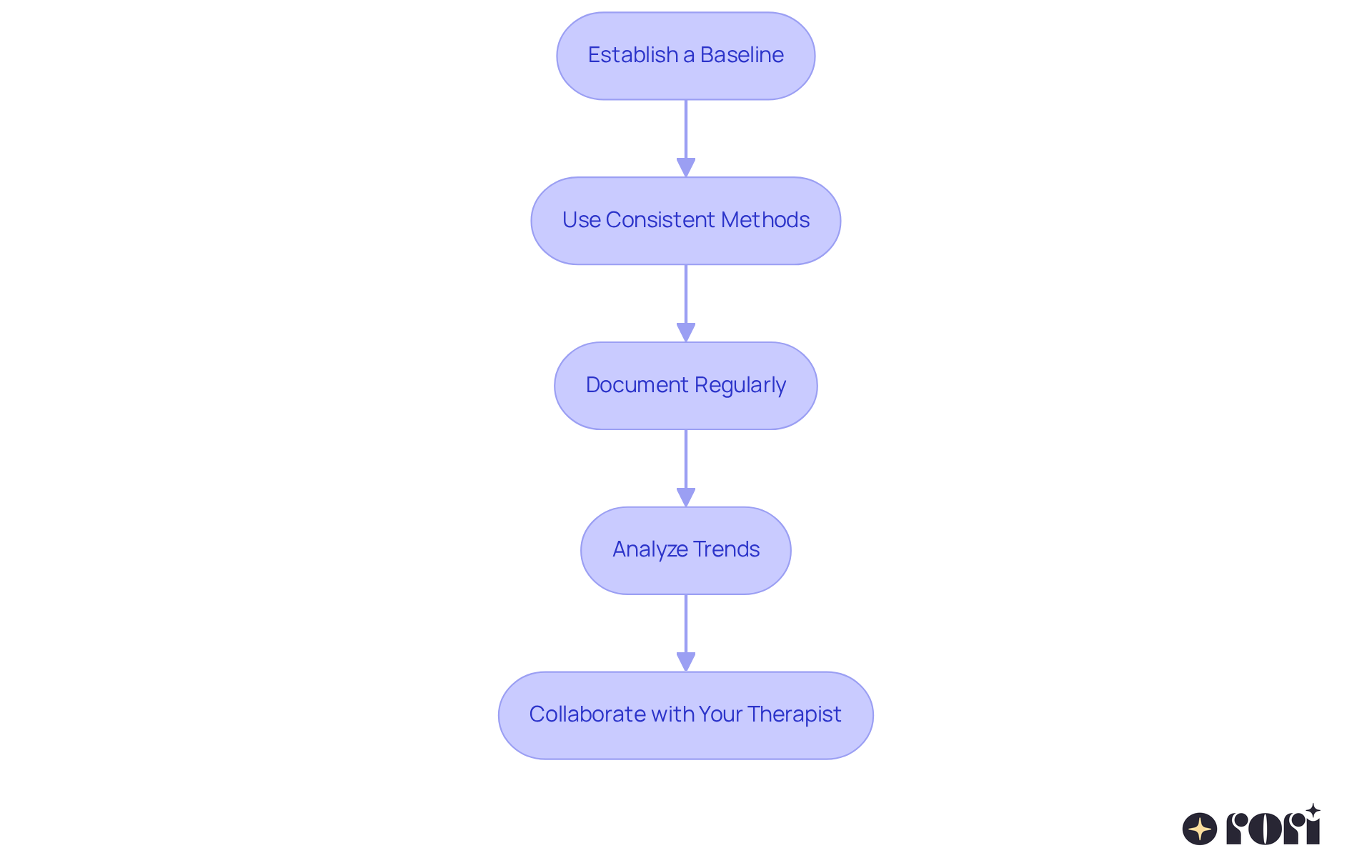
Tracking your child's progress in autism therapy can feel like a daunting task, but it doesn’t have to be! Here are some friendly steps to help you along the way:
- Establish a Baseline: Starting with a baseline helps you see where your child is at, making it easier to track their progress and adjust as needed. This initial assessment is your reference point for measuring growth.
- Use Consistent Methods: Pick a method that works for you, like frequency counts or ABC charts, and stick with it. Consistency is key! This way, you’ll gather reliable information that truly reflects your child’s behavior patterns.
- Document Regularly: Make it a routine to jot down notes after each therapy session. Keeping track of changes and trends over time helps you understand your child’s progress better. It can be overwhelming to keep track of everything, right?
- Analyze Trends: Take some time to look over what you’ve collected and see if you can spot any patterns. It’s like piecing together a puzzle! Look for improvements in specific areas and note any behaviors that might need a little extra attention.
- Collaborate with Your Therapist: Don’t forget to chat with your child’s therapist about what you’ve noticed. Teamwork makes the dream work! Sharing your findings can lead to valuable insights and adjustments in the treatment plan, ensuring that everything stays effective and responsive to your child’s needs.
With these steps, you’ll be better equipped to support your child’s journey, and that’s something to feel good about!
Review and Adjust Therapy Plans Regularly
Navigating your child's treatment can feel like a juggling act, can’t it? Regularly reviewing and adjusting the treatment plan is key to success, especially when utilizing analytics to track progress in autism therapy. Here’s how to approach this process:
- Let’s make it a point to catch up regularly with your child’s therapist! Setting specific times to meet helps everyone stay aligned on therapy goals and fosters effective collaboration.
- Take some time to chat with your therapist about your child’s progress together. Discuss what the information reveals about their development, particularly by utilizing analytics to track progress in autism therapy and identifying areas that may need a little extra focus. Did you know that kids receiving at least 25 hours of ABA treatment each week tend to achieve better outcomes? It really highlights how important it is to assess information thoroughly.
- Stay flexible and open to changes as you learn more about what works best for your child. Being ready to modify the treatment plan based on insights from utilizing analytics to track progress in autism therapy can make a big difference. Research shows that personalized treatment plans significantly improve results, so don’t hesitate to adjust strategies as needed.
- As your child grows, let’s celebrate their progress by setting new, exciting goals together! This keeps treatment engaging and helps maintain their motivation.
- Keep a little notebook of any changes you make; it’ll help you see how far your child has come! Remember, staying engaged in this process can make all the difference for your child's growth.

Conclusion
Navigating autism therapy can feel like a daunting journey for many parents, but there’s a way to make it more manageable and effective. When you use data, it helps you see how your child is doing and what they might need next. By taking an active role in your child's treatment journey, you can truly make a difference.
Throughout this guide, we’ve shared key insights on why collecting data is so important. Understanding key metrics and choosing the right tools can really help you track your child’s progress. Plus, staying in touch with therapists and being flexible with therapy plans means you can adjust things as needed, leading to more personalized and effective outcomes.
Incorporating analytics into autism therapy not only enhances your ability to monitor progress but also fosters a proactive mindset among parents and caregivers. By embracing these strategies, you’re not just helping your child; you’re also becoming an empowered advocate in their journey. The road may have its bumps, but with the right tools and insights, you’re not alone in this! Let’s explore this together!
Frequently Asked Questions
Why is data collection important in autism therapy?
Data collection is crucial in ABA therapy as it helps identify trends, assess improvements, and make informed decisions about treatment plans. It enables clinicians to evaluate significant advancements and adjust strategies promptly if needed.
What are key metrics to understand in autism therapy?
Key metrics include the frequency of certain behaviors, the duration of those behaviors, and the speed at which a child acquires new skills. These metrics provide valuable insights into a child's development in areas such as communication, social skills, and adaptive behaviors.
How can technology assist in tracking progress in autism therapy?
Technology can help gather and analyze important information through various applications and programs designed for this purpose. Utilizing technology enhances accuracy and efficiency in monitoring progress and allows for real-time adjustments to interventions based on ongoing evaluations.
Why is it important to engage with your child's therapist about analytics?
Regular communication with your child's therapist about analytics fosters a better understanding of the data, provides insights into effective strategies, and identifies areas that may need adjustment. Clear communication is essential for effective treatment and alignment on goals and progress.
How should data be used to set goals in autism therapy?
Data should be used to set realistic and tailored goals for a child's treatment. This data-driven approach ensures that therapy remains focused on the child's unique needs and helps practitioners determine if goals are being met and if interventions are effective, leading to better outcomes.
List of Sources
- Understand the Role of Analytics in Autism Therapy
- The Importance of Data Collection in ABA Therapy (https://handscenter.com/the-importance-of-data-collection-in-aba-therapy)
- Applied Behavior Analysis (ABA) Statistics: Data, Effectiveness, and Evidence-Based Practices (https://nexoaba.com/applied-behavior-analysis-statistics)
- The Role of Data Collection in ABA Therapy for Autism | Grateful Care ABA (https://gratefulcareaba.com/blog/the-role-of-data-collection-in-aba-therapy-for-autism)
- The Importance of Data Collection in ABA Therapy (https://crossrivertherapy.com/articles/the-importance-of-data-collection-in-aba-therapy)
- The Importance of Data Collection in ABA Therapy/Aim Higher ABA (https://aimhigheraba.com/the-importance-of-data-collection-in-aba-therapy)
- Select Appropriate Tools for Progress Tracking
- Best Apps to Track ABA Therapy Progress for Parents (https://alightaba.com/blog/what-apps-can-help-parents-track-aba-therapy-progress)
- 7 Best ABA Data Collection Software for Clinics in 2026 (https://passagehealth.com/blog/aba-data-collection-software)
- Top 5 ABA Data Collection Softwares in 2026 (https://ravenhealth.com/blog/top-aba-data-collection-softwares)
- 5 Best ABA Data Collection Software 2026 - Theralytics (https://theralytics.net/blogs/best-aba-data-collection-software)
- The Best Top 10 ABA Data Collection Apps Review (https://attentiveautismcare.com/blog/the-best-top-10-aba-data-collection-apps-review)
- Collect and Analyze Data Effectively
- ABA Data Collection Methods: Types, Techniques, and Examples - Pops ABA Therapy (https://popstherapy.com/aba-data-collection-methods)
- Autism Data Collection: Methods, Tips & Strategies | BrightBridge ABA (https://brightbridgeaba.com/blog/autism-data-collection-methods-tips-strategies)
- ABA Frequency Data 101: Examples & Data Sheets (https://artemisaba.com/blog/frequency-data-aba)
- ABA Therapy Guide: 15 Most Common ABA Data Collection Methods (https://passagehealth.com/blog/aba-data-collection)
- How to collect baseline data at the start of therapy (https://crossrivertherapy.com/articles/how-to-collect-baseline-data-at-the-start-of-therapy)
- Review and Adjust Therapy Plans Regularly
- The Numbers Don't Lie: Revealing Autism Therapy Statistics | Above and Beyond Therapy (https://abtaba.com/blog/autism-therapy-statistics)
- Success Rates of ABA Therapy - Up & Up ABA (https://upandupaba.com/faqs-resources/success-rates-of-aba-therapy)
- goldstarrehab.com (https://goldstarrehab.com/parent-resources/autism-therapy-statistics)
- Autism Therapy Statistics | Advanced Autism Services (https://advancedautism.com/post/autism-therapy-statistics)