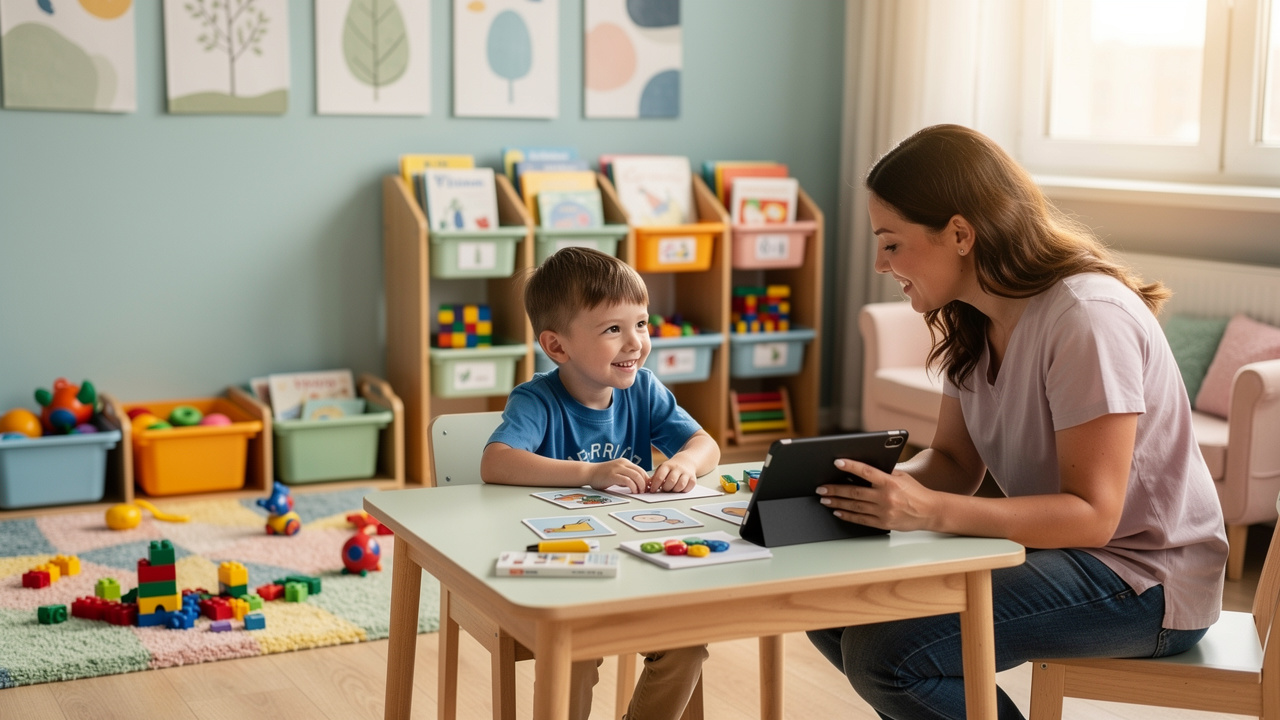
In a world where effective communication is so important, developing communication skills in children is a crucial foundation for their social interactions, emotional expression, and cognitive growth. This journey starts in infancy and moves through significant milestones, shaping how children express their thoughts and understand the feelings of others.
With recent studies pointing out concerning trends in communication challenges—especially after the pandemic—it's essential for parents and caregivers to recognize the importance of nurturing these skills from an early age. By exploring the different types of communication skills, common obstacles, and the impact of technology and collaboration, we can gain a comprehensive understanding of how to support children in this vital area. Ultimately, this empowers them to thrive both socially and academically. Let’s explore this together!
Enhancing in young individuals is such an important journey! It’s all about how they learn to express their thoughts and understand what others are saying. This growth includes both verbal skills, like speaking and building vocabulary, and non-verbal skills, which involve body language and facial expressions. Mastering these abilities is essential because when kids can express themselves well, they can share their feelings, ideas, and needs. This not only fosters social interactions but also helps them build connections, which are vital for their independence and future career paths.
The adventure of developing starts right from infancy and carries on through early childhood, marked by exciting milestones. For instance, by the age of two, many kids can use simple sentences and have a vocabulary of about 200 words. By age five, they often engage in conversations, ask questions, and grasp basic grammar rules. These of a child's social and cognitive growth.
Recent studies have shed light on the in early childhood development. Did you know that there was a notable increase in speech disorder diagnoses during the pandemic? It jumped from 9 to 21 per 100 assessments, showing how reduced socialization opportunities can impact language growth. Plus, statistics reveal that lasting a week or more last year, highlighting how common speaking issues can be among young ones.
This trend emphasizes the need for parents and caregivers to pay close attention to developmental milestones and to encourage interaction skills from a young age.
, like those offered by Rori Care, often include that nurture through both verbal and non-verbal expression. These programs not only help kids express themselves better but also lay a solid foundation for their future independence and career development. Group therapy sessions led by skilled therapists can further enhance social interactions and communication, equipping young individuals with the tools they need to navigate social situations with confidence.
Moreover, empowering caregivers with is key to supporting their children’s behavioral goals. Through at Rori Care, parents can gain valuable insights, make informed decisions, and see improved behavioral outcomes, creating a more nurturing environment for their little ones. This education also helps reduce caregiver stress and boosts family dynamics.
As Richard Newman, a well-known speaker and writer, wisely says, "Encouraging effective dialogue can shift the world towards a more favorable path." This makes it so vital for parents to prioritize these skills in their children’s growth. With concerns about due to potential government policy changes, focusing on enhancing becomes even more essential. Let’s explore this together!

Developing is essential for . It serves as the foundation for social interactions, emotional expression, and cognitive growth. When children enhance their , they’re better equipped to form friendships, navigate social situations, and express their needs and feelings. This skill not only fosters personal relationships but also plays a vital role in classroom engagement; students who articulate their ideas clearly are more likely to participate actively in discussions and collaborative learning.
At Rori Care, our clinical leadership team is committed to valuing neurodiversity and . We understand that , a key component of development, is crucial for this success. Research shows that developing these skills is closely linked to academic achievement.
For instance, a study on preschoolers found that those with had a better chance of achieving . This connection highlights how foundational can significantly impact educational outcomes. In fact, our community includes participants from 5,166 organizations, which underscores the widespread recognition of the importance of interpersonal skills in youth growth.
Additionally, children with strong verbal abilities often exhibit higher self-esteem and improved emotional regulation—both of which are essential for development and overall well-being. As Mary Hartshorne, Director of Impact at ICAN, wisely asks, "What was the most exciting thing you did today?" This simple question captures the essence of communication—engaging with others and sharing experiences.
As we move through 2025, the importance of these abilities continues to grow, emphasizing the need for to foster communication skills in young people. By equipping youth with these vital skills, we empower them to thrive socially and academically, ensuring they have the tools necessary for a successful future. Moreover, findings from the case study titled 'Social Communication Skills and School Functioning' reveal that children with are more likely to excel academically and adapt well to classroom demands.
Furthermore, providing can boost their ability to support through active involvement and data gathering. This approach not only promotes informed decision-making but also leads to better behavioral outcomes, ultimately benefiting the individual’s overall development. The advantages of caregiver education—like improved support, informed choices, and enhanced behavioral results—are vital in this process.
Our clinical leadership team, made up of qualified professionals, is devoted to equipping caregivers with the knowledge and skills they need to effectively promote their children’s growth. Let’s explore this together and ensure our youth have the best opportunities for success!
Essential communication skills for children can be grouped into several key types, each playing a vital role in their overall development:
Research indicates that a stable and supportive family environment significantly impacts language development. Greater paternal engagement and the presence of supportive adults can help mitigate potential language delays. The case study titled "" underscores that stable and supportive family settings are crucial for healthy language growth. By nurturing , parents can empower their children to thrive both socially and academically.
Moreover, the understanding and skills gained through caregiver training boost caregivers' confidence in their ability to assist their children, leading to better behavioral outcomes and family relationships.
As part of Rori Care’s initiatives, caregivers receive specific to implement at home, ensuring alignment with therapeutic goals. This comprehensive approach not only supports the child’s growth but also reinforces the caregiver's role in the process. Let’s explore this together!

Many children face significant hurdles in developing their , influenced by various factors. Let’s take a look at some key obstacles:
Understanding these challenges is crucial for both parents and professionals. At Rori Care, our clinical leadership team is dedicated to neurodiversity and the success of children. We emphasize the importance of in supporting youth growth through . For example, a case study titled "Risk Factors Analysis" looks into various risk factors that contribute to , categorizing them into medical, familial, and environmental influences.
Recognizing these factors is essential for guiding the right interventions and support strategies. As points out, understanding these risk factors can significantly enhance interaction skills in affected children. Additionally, family-related elements like multilingual environments and lower parental education levels can also influence language development.
By addressing these challenges early on and equipping caregivers with the right information and strategies, we can foster better interaction skills and overall emotional well-being.
Let’s explore this together! We’re here to help you every step of the way!
Technology plays a crucial role in helping our kids develop . It offers a variety of tools and applications that make learning fun and engaging. Let’s take a look at some of these key technologies!
In addition to these technologies, Rori Care’s therapeutic services, like and , are vital for developing and . Through , Rori Care tailors interventions to meet each child’s unique needs, emphasizing the importance of for improving learning, verbal, and social skills in children with autism.
The ongoing research into Brain-Computer Interface (BCI) technologies also highlights the exciting potential of technology in development. BCIs are being explored to enable users to control devices using brain signals, showing promise in assisting communication for individuals with severe motor impairments. As these technologies evolve, they could truly transform how children with expressive difficulties communicate and connect with the world around them.
Moreover, a recent survey evaluating educator and classroom traits underscores the importance of understanding the educational environment where these technologies are used. At Time 1, the Number of Different Words (NDW) was 4.6 (SD = 7.5), and at Time 2, it jumped to 21.9 (SD = 31.4). This illustrates can have on enhancing our children’s abilities.
Let’s explore this together and see how we can support our kids in their communication journey!
is so important for helping children develop . When these groups work together, several key benefits emerge:
Research shows that kids with highly involved parents tend to have better social skills and fewer behavioral issues. As noted by researchers, "youths with highly involved parents had improved social functioning and fewer behavior issues." A recent case study on distance education during COVID-19 highlighted that while it fostered connections between parents and educators, it also revealed challenges in meeting students' social needs.
This underscores the need for a balanced approach in future strategies to ensure effective communication skills development.
Moreover, aims to ensure every child has the chance to thrive, and that families have the resources they need to . is crucial, especially for students with special educational needs. Clear communication and respect for are vital in creating a strong support system that significantly influences a child's communication skills and overall growth.
Let’s explore this together! Your involvement can make a world of difference!
Effective communication skills are so important for our children's growth! They influence how kids interact socially, express their feelings, and succeed academically. In this article, we’ve looked at key elements like verbal and non-verbal communication, listening skills, and the use of social language. It’s crucial for parents and caregivers to understand just how vital these skills are and to be aware of challenges that might come up, such as developmental delays and social anxiety.
Early intervention and educating caregivers can make a world of difference in overcoming these hurdles. By doing so, we can help our children communicate better, which in turn boosts their emotional well-being and academic performance. Plus, technology—like AAC devices and interactive apps—offers exciting new ways to support language development and social skills.
Collaboration is key! When parents, educators, and therapists work together, they can reinforce communication strategies and ensure a united approach to child development. By sharing resources and setting common goals, we can create a nurturing environment that meets each child’s unique needs.
In summary, let’s prioritize developing communication skills from an early age. This is essential for raising socially adept and academically successful individuals. By equipping our children with these skills, we’re laying a strong foundation for their future, helping them navigate social situations and express themselves confidently. With commitment and teamwork, we can embark on this journey toward effective communication, ensuring every child has the opportunity to shine!
Why are communication skills important for young individuals?
Communication skills are essential for youth development as they serve as the foundation for social interactions, emotional expression, and cognitive growth. Enhanced communication skills enable children to form friendships, navigate social situations, and express their needs and feelings effectively.
What are some milestones in communication skill development for children?
Key milestones include using simple sentences by age two, having a vocabulary of about 200 words, and engaging in conversations and asking questions by age five. These milestones are indicators of a child's social and cognitive growth.
How has the pandemic affected speech and communication skills in children?
Recent studies indicate a notable increase in speech disorder diagnoses during the pandemic, rising from 9 to 21 per 100 assessments. This trend highlights how reduced socialization opportunities can negatively impact language growth among children.
What role do programs like those offered by Rori Care play in developing communication skills?
Programs at Rori Care include fun, interactive activities that nurture both verbal and non-verbal communication skills. They help children express themselves better and lay a solid foundation for future independence and career development through group therapy sessions and skilled therapists.
How can caregivers support their children's communication skills development?
Caregivers can support their children's communication skills by being educated on ABA principles and strategies, which can help them promote their children's behavioral goals, make informed decisions, and create a nurturing environment.
What is the connection between communication skills and academic success?
Research shows that children with strong social interaction abilities are more likely to achieve academic success and adapt well to classroom environments, indicating that foundational communication skills significantly impact educational outcomes.
What benefits do children gain from having strong verbal abilities?
Children with strong verbal abilities often exhibit higher self-esteem and improved emotional regulation, both of which are essential for effective communication skills development and overall well-being.
How does Rori Care assist caregivers in promoting their children's growth?
Rori Care's clinical leadership team provides caregivers with knowledge and skills to effectively support their children's growth, ensuring they have the tools necessary for success in communication and beyond.