Task Analysis: A Powerful Tool for Enhancing Learning in Autism
Task analysis is a method that breaks down complex behaviors into simpler, teachable components, making it a cornerstone of Discrete Trial Training (DTT) in Applied Behavior Analysis (ABA) therapy. By deconstructing challenging tasks into attainable steps, task analysis empowers children with autism to learn and develop new skills. This systematic approach not only facilitates learning but also provides therapists with a clear framework to track progress and maintain consistency in instruction.
In this article, we will explore the definition, importance, and benefits of task analysis in ABA therapy, as well as its role in enhancing communication skills and daily living skills. We will also discuss strategies for implementing task analysis effectively and using data sheets for progress tracking. Join us as we delve into the world of task analysis and discover how it can significantly enhance the learning experiences and outcomes for children with autism.
Discrete Trial Training (DTT) is enhanced by task analysis, a method that deconstructs complex behaviors into simpler, teachable components. This technique is pivotal for children with autism, as it translates into attainable steps. Each step is then taught in sequence, building towards the complete skill.
This structured process not only facilitates learning but also provides a clear framework for therapists to track progress and maintain consistency in instruction.
Task analysis is grounded in evidence-based practices and has been shaped by experts in the field. For instance, a seasoned Board-Certified Behavior Analyst from New York emphasizes the value of technology in streamlining these processes, ensuring that high-quality, coordinated care is delivered. This approach aligns with the larger goal of ABA therapy—to enable individuals with autism to navigate their environments more effectively.
Real-world success stories, such as the establishment of a trade school for young adults with autism in Colorado, exemplify the tangible impact of structured skill-building. Graduates from the school are securing employment in various trades, showcasing the practical benefits of breaking down tasks into manageable steps.
Research continues to scrutinize intervention strategies, highlighting the importance of quality in studies and their implications for individuals with autism. A critical examination of intervention research sheds light on the effectiveness, potential risks, and the breadth of change these interventions can induce. It further underscores the necessity of respecting the unique needs and experiences of the autism community.
Statistics illustrate the challenges that autistic individuals face in social learning and interaction, reinforcing the need for therapeutic approaches like DTT that cater to their specific learning styles. By applying task analysis within DTT sessions, therapists can create a learning environment that promotes engagement and the attainment of flow—a state where students are fully immersed and focused, leading to a sense of accomplishment and control.
In conclusion, task analysis is a cornerstone of DTT, providing a systematic method for teaching and reinforcing new skills in a supportive, incremental fashion. It is a tool that, when used effectively, can significantly enhance the learning experiences and outcomes for children with autism.
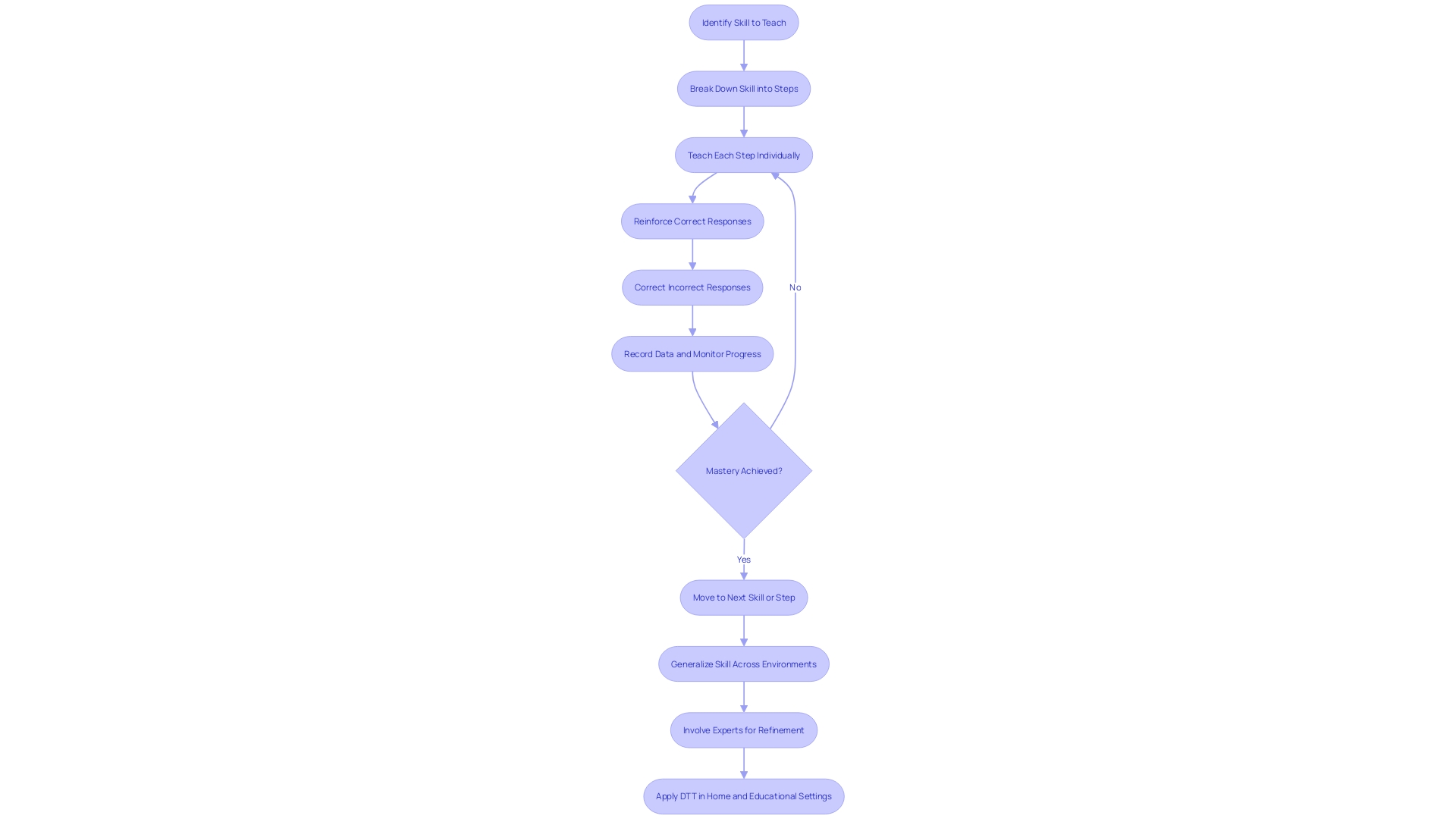
Discrete Trial Training (DTT) is a cornerstone of Applied Behavior Analysis (ABA) therapy that is utilized to impart a variety of skills, ranging from the fundamental act of brushing teeth to the more intricate process of engaging in social interactions. The methodology involves a meticulous breakdown of the desired skill into its constituent elements. Each element is then taught in an incremental manner, building upon the foundation of the previously mastered elements.
This ensures that learning is both structured and digestible, thereby enhancing the likelihood of success for individuals on the autism spectrum.
In practice, a case that illuminates the effectiveness of this approach involved a French child in 2008, who, through ABA therapy, was taught to replace harmful behaviors such as head-banging with safer responses. While some argue that the ultimate objective of ABA therapy is to make individuals with autism appear more 'neurotypical', which could lead to misconceptions about their mental health, others believe that such are acts of kindness aimed at fostering social acceptance.
Dr. Mary Barbera, a seasoned expert in the field of autism who combines her personal experience as an autism mom with her professional expertise as a Board-Certified Behavior Analyst (BCBA-D) and Registered Nurse (RN), offers a multifaceted perspective on autism. She emphasizes the significance of early diagnosis and intervention, particularly through methods like ABA and the Verbal Behavior Approach, which can lead to substantial improvements in the lives of individuals with autism, from toddlers to teenagers. Addressing problem behaviors, understanding medical aspects of autism, and navigating the financial and political landscapes are part of her comprehensive approach to autism care.
Technological advancements in ABA therapy have also played a pivotal role in enhancing the quality of care. Professionals in the field are now leveraging technology to create and improve systems that facilitate best practices and high-quality, coordinated care. These systems streamline the review process for providers and health plans, ensuring that individuals with autism receive the most effective interventions possible.
Statistics from research syntheses reveal that there are still challenges in the field of non pharmacological intervention research for autism. Studies often have design flaws that obscure the true impact of interventions, such as their effectiveness and potential risks. This underscores the importance of critically evaluating research to ensure interventions are both beneficial and respectful of individuals with autism.
As researchers and members of the autism community continue to advocate for higher quality in intervention research, it's clear that such scrutiny is not just about scientific rigor, but also about upholding the dignity of those on the autism spectrum.

In the realm of , task analysis stands out as a valuable tool for structuring learning. It serves as a detailed guide for therapists to provide consistent, effective instruction by deconstructing complex skills into manageable steps. This ensures that each component is fully understood and mastered before progressing, paving the way for a solid learning foundation.
Crucially, task analysis is adaptive, allowing therapists to customize the learning steps to fit the unique needs and abilities of each child. This personalization is vital, as it caters to the learner’s pace and style, fostering a more inclusive learning environment.
Moreover, task analysis is instrumental in nurturing independence and the transfer of skills to various situations. By comprehending the individual elements of a skill, learners are equipped to apply their knowledge in different contexts, thus broadening their functional capabilities.
Drawing on over ten years of clinical expertise, a Board-Certified Behavior Analyst from New York emphasizes the significance of employing best practices and high-quality care in therapy. This includes leveraging technology to coordinate care and streamline processes, ensuring that interventions like task analysis are implemented effectively.
However, it is important to be critical of intervention research, as studies often contain design flaws that obscure the impact and safety of interventions. With a growing spotlight on the quality of research, especially by members of the autism community, there is an increasing demand for interventions that are not only effective but also respectful of the individuals they serve. Task analysis, when applied thoughtfully, meets these demands by providing a structured yet flexible approach to skill acquisition.
Discrete Trial Training (DTT) is a structured approach within Applied Behavior Analysis, particularly effective for teaching various daily living skills to individuals with autism. For instance, when introducing tooth brushing, the process involves breaking down the activity into manageable steps: first wetting the toothbrush, then applying toothpaste, followed by brushing the front and back teeth, rinsing the mouth, and finally spitting out the toothpaste. Similarly, the task of is deconstructed into a sequence of actions starting with selecting appropriate clothes, putting on underwear and pants, followed by a shirt, and concluding with the intricate task of tying shoelaces.
This meticulous breakdown is essential because individuals with autism often experience heightened sensitivity to environmental stimuli, such as the texture of a toothbrush or the steps involved in navigating a hallway. Innovative solutions, like the development of an AR application, have been proposed to translate these tactile experiences into visual and auditory stimuli, which can be more comfortably processed by some individuals on the autism spectrum. Such technological advancements underscore the importance of individualized learning strategies that cater to the unique sensory profiles of each person.
Research within the field of autism, including extensive data sets from institutes like The Center for Discovery, has made it clear that a one-size-fits-all approach is not viable. Instead, educational programs must be tailored to meet the diverse and individual needs of the autism community. Educational entities, such as The University of Adelaide, are recognizing this necessity by providing specialized training that enriches community support and intervention strategies.
Direct Instruction, or Explicit Instruction, aligns well with the principles of DTT, emphasizing short, structured learning steps with immediate practice and feedback. This method has been proven effective in addressing the educational needs of individuals with autism, helping them to develop essential life skills and increase their independence. The ongoing development and testing of structured teaching methods like DTT are crucial in enhancing the quality of life for those on the autism spectrum, offering them the tools to navigate their world with greater confidence and autonomy.

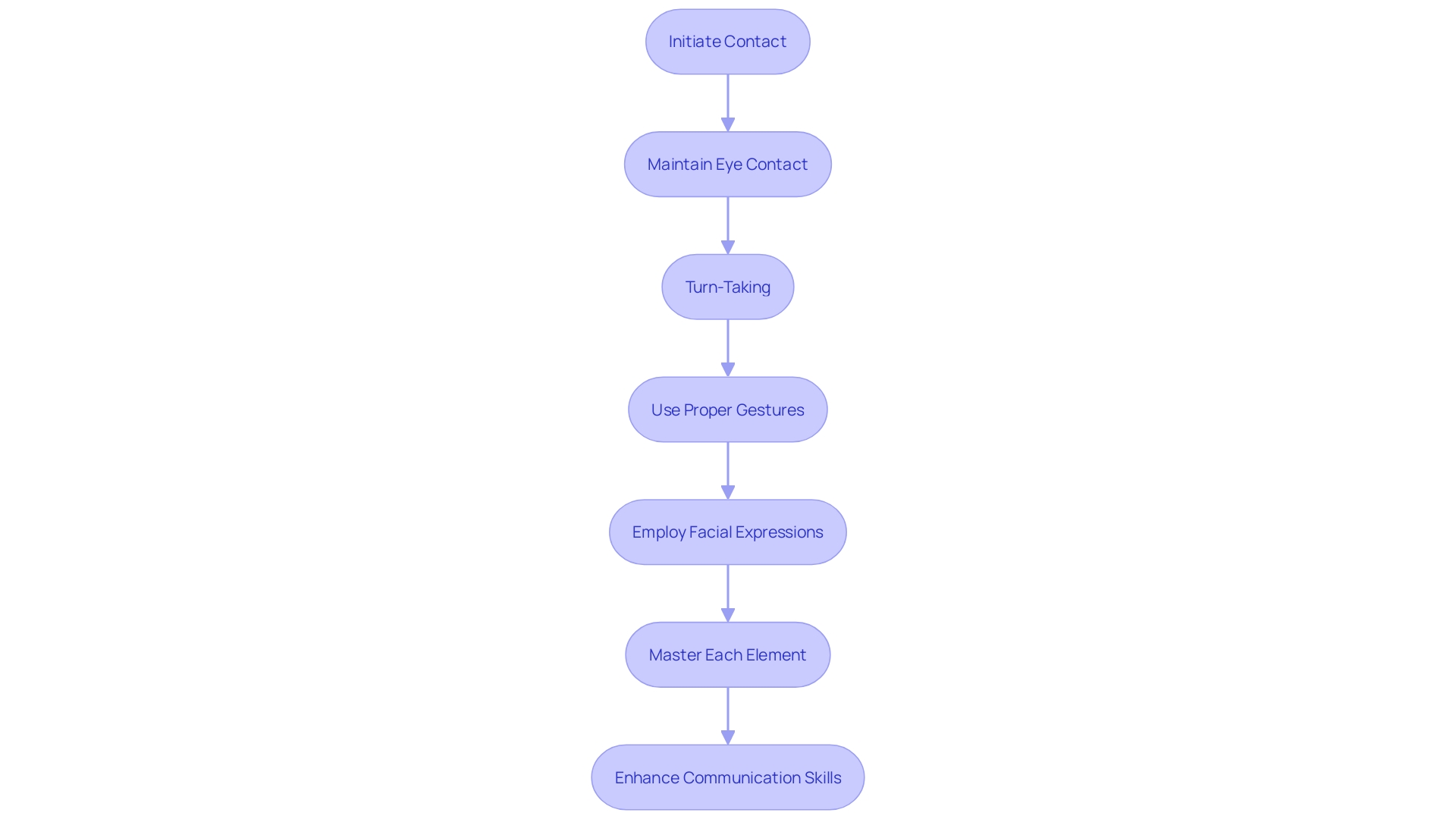
Enhancing communication abilities for individuals with autism is a pivotal aspect of their development, and this is where task analysis makes a significant impact. This method meticulously into smaller, actionable components. For example, it simplifies the complexity of a conversation by breaking it down into initiating contact, maintaining eye contact, turn-taking, and employing proper gestures and facial expressions.
By doing so, it provides a structured framework that allows individuals with autism to progressively master each of these elements.
Task analysis not only guides therapists to pinpoint and focus on specific communication skills but also enables a tailored approach to reinforcement. Each step mastered is a building block towards a more profound ability to communicate effectively. This approach is backed by research indicating that autistic individuals, regardless of their age, can significantly benefit from socially interactive and engaging learning experiences.
They possess the capacity for language and, with the right support, can convey complex thoughts and emotions.
In fact, studies highlight that challenges in social communication are a two-way street, commonly known as the 'double empathy problem.' This suggests that breakdowns in understanding are not exclusive to individuals with autism, but also occur when neurotypical people interact with them. Acknowledging this, task analysis in communication training becomes a tool for mutual understanding, fostering a more inclusive social environment.
Moreover, this method is in line with the discovery that autistic adults experience language and social interactions similarly to neurotypical adults, valuing and deriving joy from the process of socializing and learning. Therefore, task analysis not only empowers individuals with autism to navigate social landscapes with greater ease but also encourages neurotypical individuals to adapt and improve their communication methods for a more inclusive dialogue.
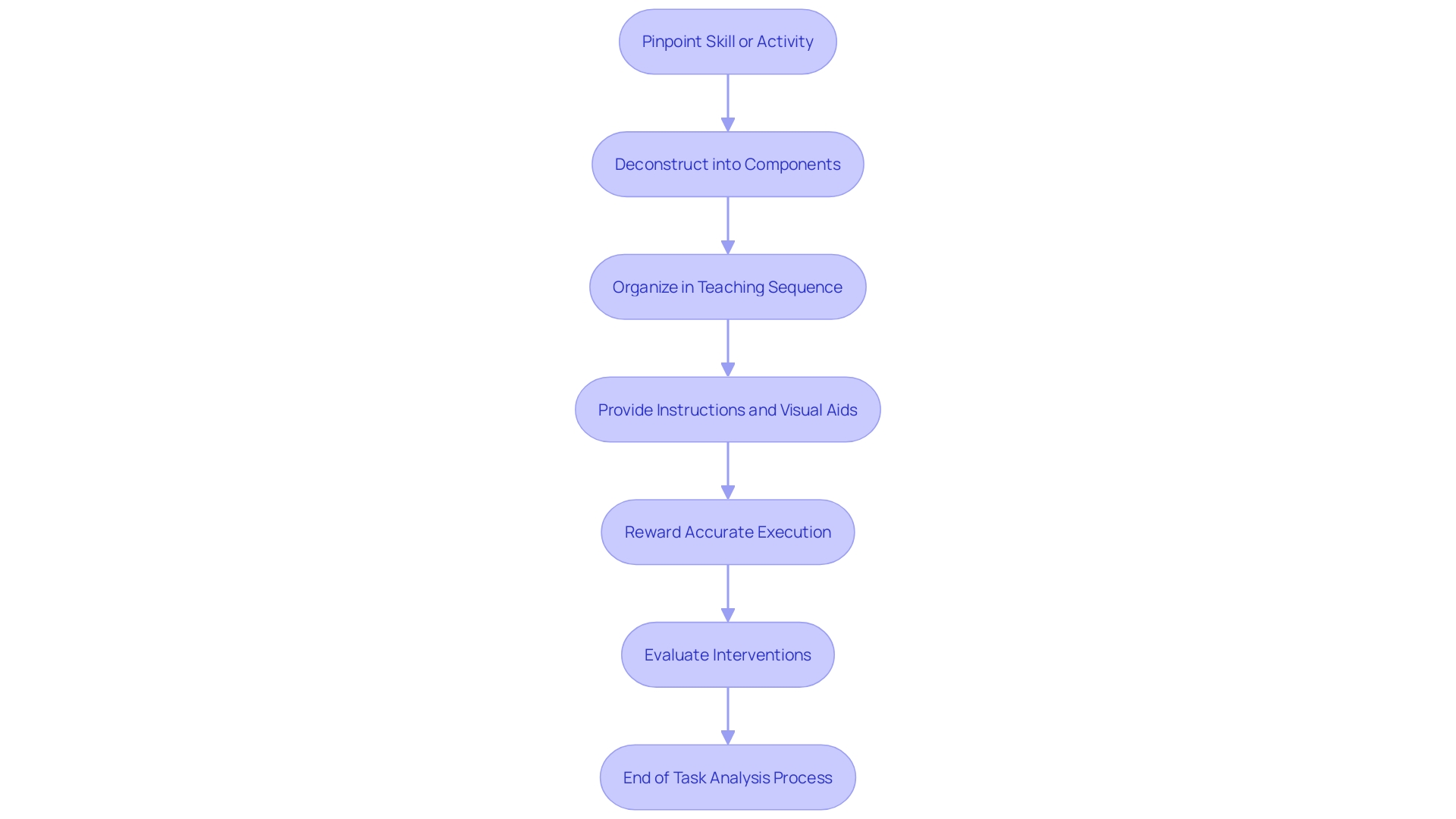
To carry out task analysis with efficacy, it's essential to follow a meticulous approach. Commence by pinpointing the exact skill or activity that requires instruction. Subsequently, deconstruct this skill into its individual components, making sure each is straightforward and easy to grasp.
Once the steps are identified, organize them into a logical teaching sequence, initiating with the simplest and escalating to the more intricate. For each stage, provide lucid instructions and cues, supplemented by visual aids such as schedules or data sheets to foster comprehension. In the final phase, consistently reward and positively reinforce each accurate execution of the task, tapering off the guidance and supports as the individual attains mastery.
This systematic approach is echoed in the field of , which necessitates skills akin to semantic analysis and commonsense reasoning. Such refined strategies, as per a Board-Certified Behavior Analyst with extensive clinical experience, are invaluable in ensuring best practices and high-quality care in various treatment settings. These strategies are not only critical in direct patient care but also pivotal in designing technology solutions that streamline care coordination and review processes.
Moreover, current research underscores the importance of meticulously evaluating nonpharmacological interventions for children with autism. It reveals that most studies suffer from design limitations, impacting our ability to assess their effectiveness comprehensively. This insight is crucial for honing task analysis methodologies, ensuring interventions are both effective and respectful of individuals with autism.
As we continue to advance in the realm of behavioral intervention, the synthesis of clinical expertise and rigorous research evaluation will remain central to enhancing the quality and delivery of care.
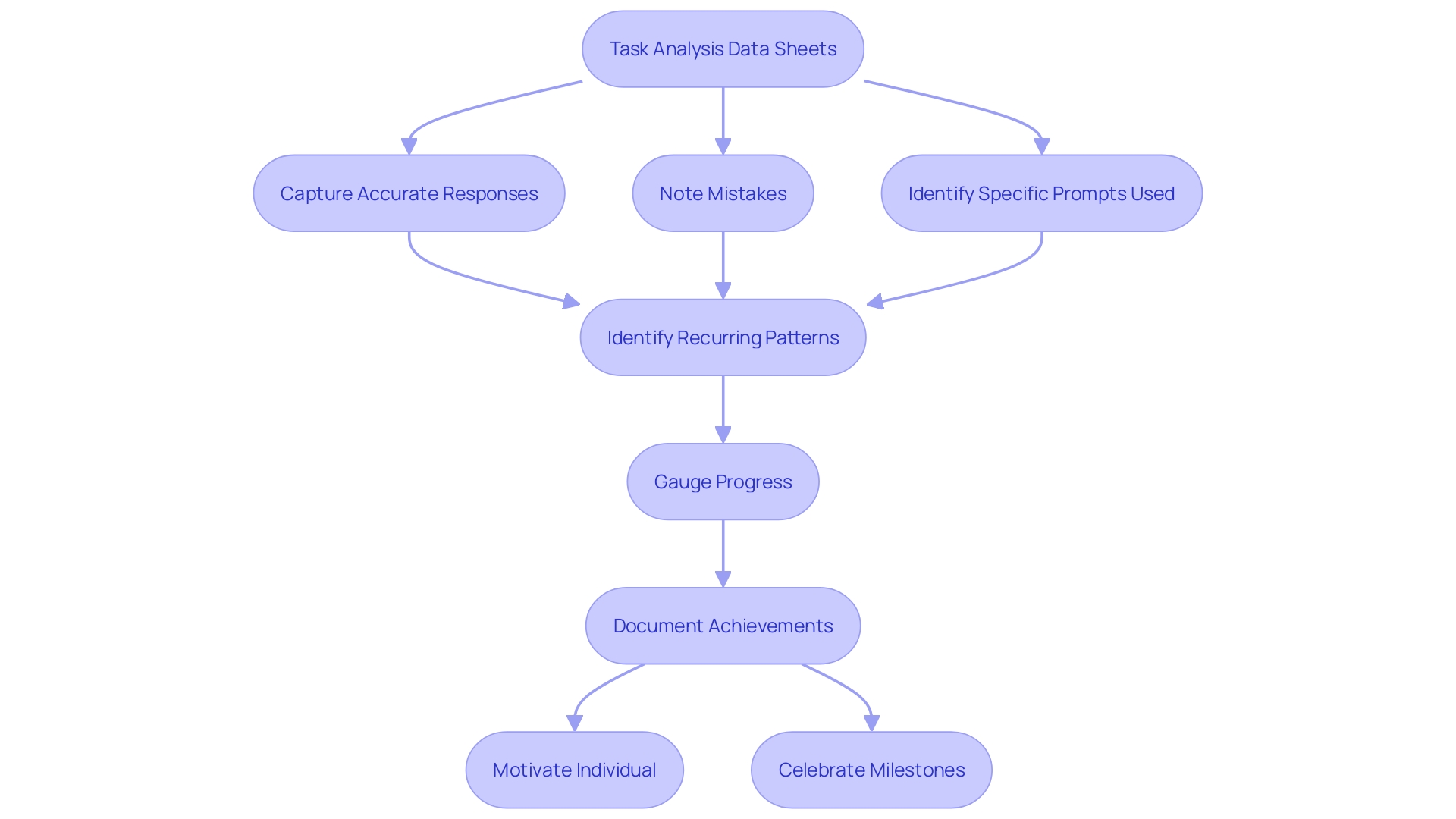
Task analysis data sheets are integral to monitoring the strides made by individuals in ABA therapy. These meticulously crafted records enable therapists to meticulously capture each phase of task analysis, chronicling accurate responses, mistakes, and the specific prompts utilized. This wealth of data paves the way for therapists to unearth recurring patterns and meticulously gauge progress, which is pivotal in strategizing future .
Moreover, these sheets act as a tangible testament to the individual's accomplishments, fostering a sense of motivation and a celebration of milestones achieved.
Optimizing Discrete Trial Training (DTT) in Applied Behavior Analysis (ABA) therapy necessitates an individualized approach, especially when addressing behaviors that pose danger or significant challenges for children with autism and their caregivers. By customizing task analysis to the learner’s abilities and employing best practices, therapists can improve the quality of care. For instance, breaking down skills into small, achievable steps tailored to the learner ensures that each task is developmentally suitable.
Clarity and consistency in instructions are paramount, as they provide a stable framework for learning. Incorporating visual aids, such as schedules or data sheets, can significantly bolster comprehension and organization.
A key strategy lies in the personalization of task analysis, which involves adjusting the level and type of prompts based on the child’s unique needs. This allows for a more supportive and effective learning environment. Moreover, it’s essential to provide ample opportunities for practice coupled with reinforcement, reinforcing skill mastery.
Dr. Mary Barbera emphasizes the importance of addressing problem behaviors and improving life quality through tailored autism treatment, including ABA and the Verbal Behavior Approach.
In the realm of ABA, technology solutions are increasingly playing a crucial role. Specialists are developing systems to ensure best practices and high-quality coordinated care, as noted by a Board-Certified Behavior Analyst with extensive experience in both clinical settings and care management. By leveraging such advancements, therapists can streamline processes and enhance the efficacy of interventions.
Research underscores the importance of intervention studies’ design quality and the need for critical evaluation. Studies have highlighted that many interventions for autistic children are conducted with design flaws, making it challenging to assess their effectiveness and potential harm. As the autism community, including researchers, continues to spotlight these concerns, it becomes evident that respecting individuals with autism is intrinsically linked to research conduct in ABA therapy.

In conclusion, task analysis is a powerful tool in ABA therapy that breaks down complex behaviors into simpler, teachable components. It empowers children with autism to learn and develop new skills by deconstructing challenging tasks into attainable steps. This systematic approach facilitates learning, tracks progress, and maintains consistency in instruction.
Task analysis is grounded in evidence-based practices and shaped by experts in the field. It is a cornerstone of DTT in ABA therapy, aiming to enhance individuals' ability to navigate their environments effectively. Real-world success stories highlight the practical benefits of structured skill-building.
By breaking down desired skills into incremental elements, task analysis makes learning structured and digestible for individuals on the autism spectrum. Technological advancements in ABA therapy have further improved the quality of care by streamlining processes and facilitating best practices.
Task analysis is a valuable tool for structuring learning, providing a detailed guide for therapists to deliver consistent and effective instruction. It can be customized to fit the unique needs of each child, fostering inclusivity in the learning environment. Additionally, task analysis promotes independence and the transfer of skills to different situations, broadening functional capabilities.
In communication skills, task analysis plays a significant role in the development of individuals with autism. It breaks down communication into smaller components, providing a structured framework for progressive mastery. This approach fosters mutual understanding and inclusivity in social interactions.
To implement task analysis effectively, a meticulous approach is necessary, including pinpointing the skill, breaking it down into manageable steps, and organizing them in a logical sequence. Visual aids and consistent reinforcement are crucial for comprehension and skill mastery. Task analysis data sheets are integral for progress tracking and celebrating achievements.
Optimizing task analysis in ABA therapy requires an individualized approach, incorporating best practices, and leveraging technology solutions. It is important to critically evaluate intervention research to ensure effectiveness and respect for individuals with autism. The synthesis of clinical expertise and rigorous research evaluation is central to enhancing the quality of care in ABA therapy.
What is task analysis in the context of Discrete Trial Training (DTT)?
Task analysis is a method used in DTT to break down complex behaviors into simpler, teachable components. It allows for the teaching of each step in sequence, building towards the complete skill, and is particularly beneficial for children with autism.
How does task analysis benefit children with autism?
Task analysis translates challenging tasks into attainable steps, making learning more accessible for children with autism. It provides a structured process that facilitates learning, allows for progress tracking, and maintains consistency in instruction.
Can technology enhance the implementation of task analysis in DTT?
Yes, technology plays a significant role in streamlining task analysis processes, ensuring high-quality, coordinated care and supporting therapists in delivering effective interventions.
What are some real-world successes of task analysis in ABA therapy?
One example is the establishment of a trade school for young adults with autism in Colorado, where graduates secure employment in various trades, demonstrating the practical benefits of task analysis.
Why is the quality of intervention research important in the context of task analysis and autism?
High-quality research is crucial for understanding the effectiveness, potential risks, and overall impact of interventions on individuals with autism. It ensures that therapies are beneficial and respect the unique needs of the autism community.
How does task analysis contribute to the learning environment in DTT sessions?
Task analysis helps create a learning environment that promotes engagement and the attainment of flow—a state of full immersion and focus that leads to a sense of accomplishment and control.
What is the overall goal of ABA therapy and how does task analysis fit into it?
The larger goal of ABA therapy is to enable individuals with autism to navigate their environments more effectively. Task analysis is a cornerstone of DTT within ABA therapy, providing a systematic method for teaching and reinforcing new skills in a supportive, incremental fashion.
How does task analysis work in ABA therapy?
In ABA therapy, task analysis involves breaking down a desired skill into its constituent elements and teaching each element incrementally, building upon the foundation of previously mastered elements.
What are some examples of daily living skills that can be taught using task analysis?
Skills such as brushing teeth and getting dressed can be taught using task analysis by deconstructing these activities into a sequence of manageable steps.
How does task analysis enhance communication skills in individuals with autism?
Task analysis deconstructs communication into smaller, actionable components, allowing individuals with autism to progressively master elements of communication, such as initiating contact and maintaining eye contact.
What are the steps and strategies for implementing task analysis?
To implement task analysis effectively, identify the skill to be taught, break it down into individual components, organize the components into a logical sequence, provide clear instructions and cues, and reinforce each successful step, gradually reducing guidance as mastery is achieved.
What role do task analysis data sheets play in ABA therapy?
Task analysis data sheets are used to track progress by recording each phase of task analysis, capturing accurate responses, mistakes, and the specific prompts used. They help therapists identify patterns and measure progress.
What are some tips for effective task analysis implementation?
Customize task analysis to the learner's abilities, ensure clarity and consistency in instructions, use visual aids, adjust prompts to the child's needs, provide practice opportunities with reinforcement, and leverage technology to streamline processes and interventions.