Art therapy has become a wonderful way for children with autism to express themselves and communicate better. It opens up a unique path for self-expression that goes beyond words. Through creative activities tailored just for them, these kids can tap into their emotions and connect with others in meaningful ways.
But here’s the big question: how can parents and caregivers make the most of art therapy to help their children improve their communication skills and express their feelings? In this article, we’ll dive into ten impactful art therapy interventions that can help bridge that communication gap. Together, we’ll empower children with autism to share their feelings and experiences like never before! Let’s explore this journey together!
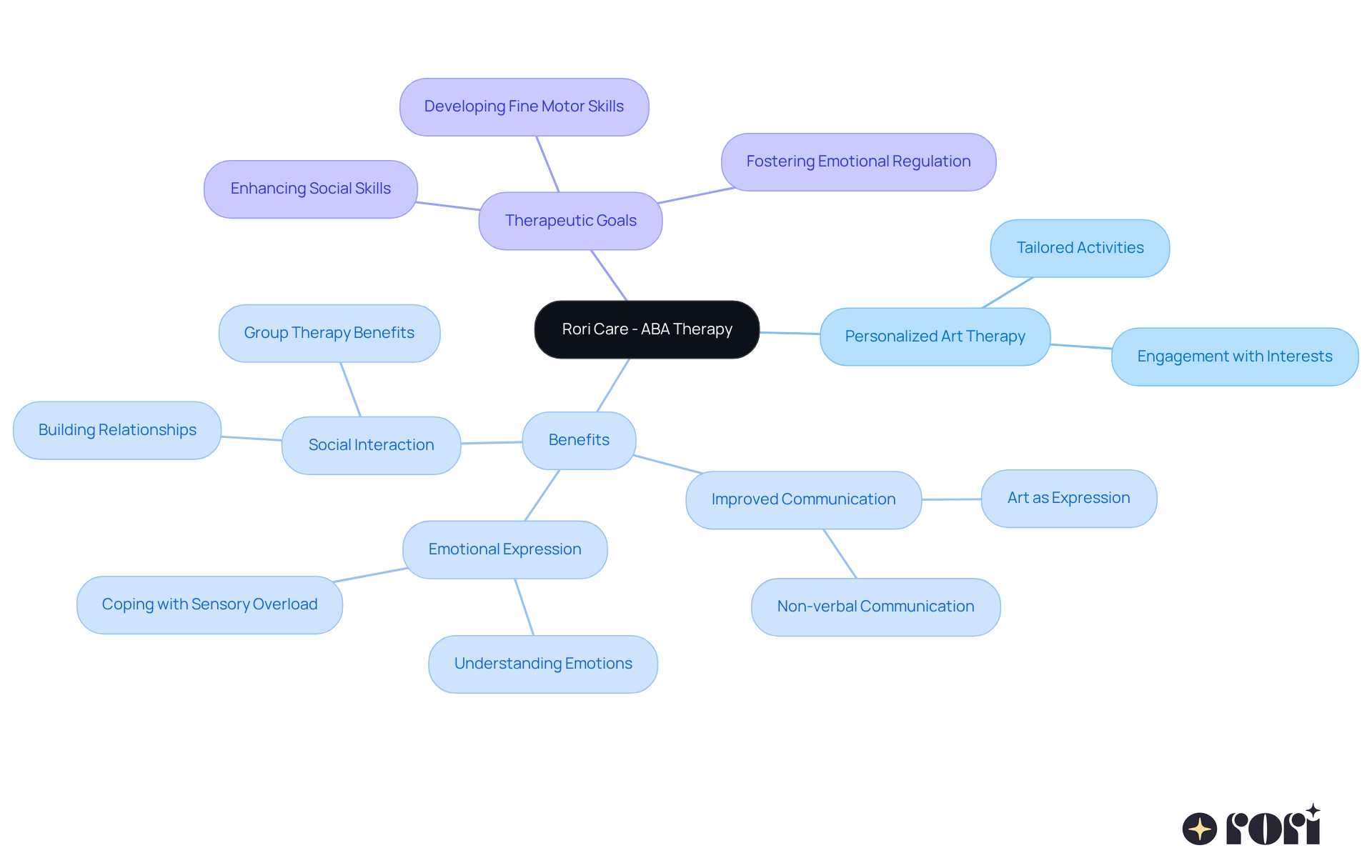
At Rori Behavioral Innovations Inc., we understand the unique challenges that parents face when it comes to supporting their children with autism. That’s why we’ve created a special blend of , specifically designed for them! 🎨
Imagine your child engaging in . Our clinicians take the time to evaluate each child’s needs, tailoring these activities to create a more engaging . This not only makes therapy fun but also helps .
Research shows that can lead to and emotional management. Isn’t that wonderful? 🌟 It’s not just about therapy; it’s about giving your child the and connect with others in meaningful ways.
As our clinicians often say, these for communication in autism can be life-changing. They empower young individuals to articulate their thoughts and feelings, fostering connections that matter. So, let’s explore this journey together! We’re here to help you every step of the way!
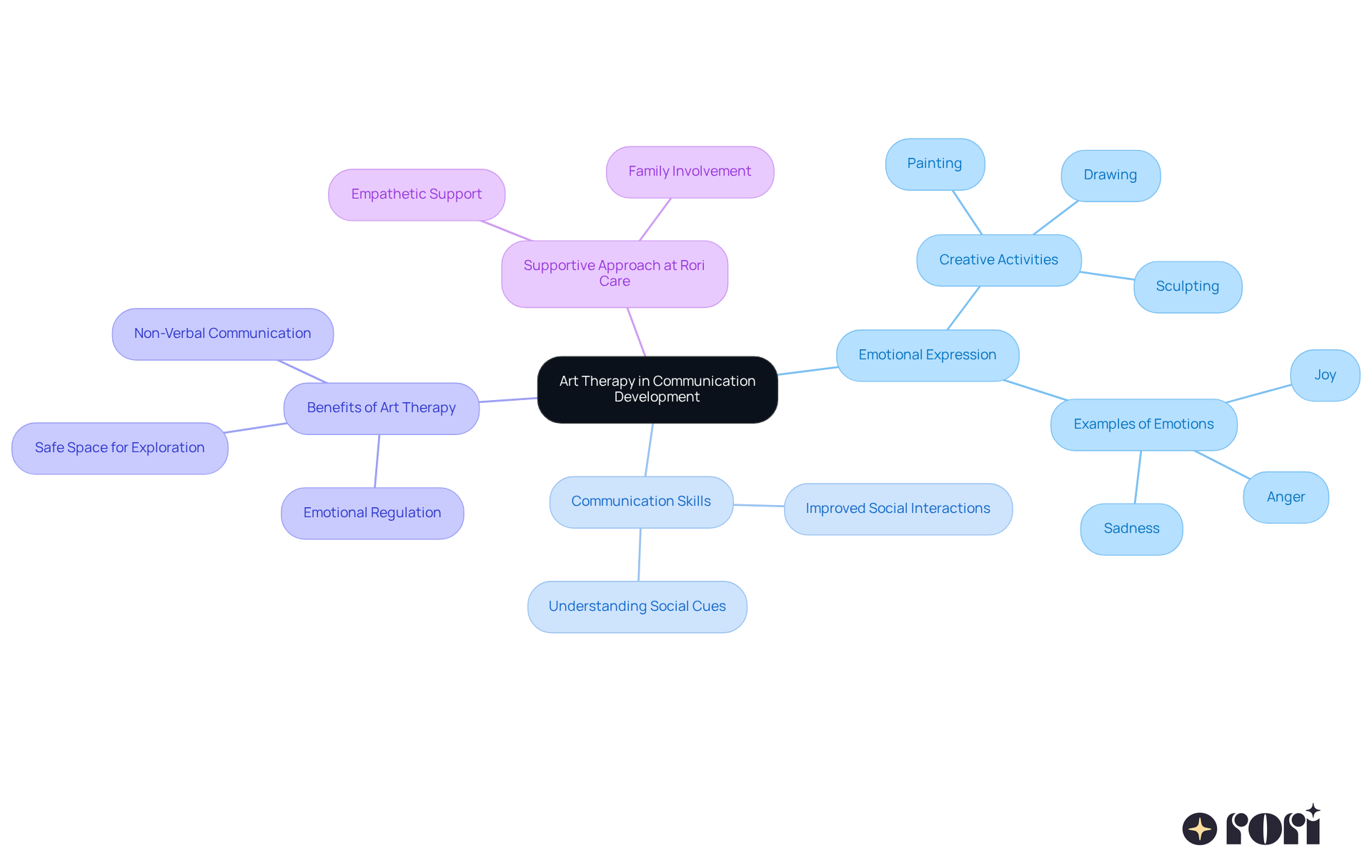
are a fantastic way for kids with autism to express themselves without words. Through like drawing, painting, and sculpting, they can communicate feelings that might be hard to put into words. Just think about how colors and shapes can show joy, sadness, or even anxiety! It’s a beautiful way to help them understand their emotions better.
Research shows that can significantly enhance . A systematic review of various studies found that resulted in and . For instance, one case study highlighted a 6-year-old boy who became more eager to engage in activities and showed better eye contact after several months of art sessions. Isn’t that amazing? It really demonstrates how can assist kids in as they learn to share their feelings through creativity.
Art therapists often talk about how important drawing and painting are in this journey. They’ve noticed that create a safe space for kids to explore their emotions while also helping them develop crucial communication skills. One therapist put it perfectly: 'Art enables young individuals to convey emotions that they may not yet have the words for, acting as a bridge to comprehending their feelings.' This idea is echoed in many studies, highlighting how can in young people.
Plus, when you combine art therapy with other services from Rori Care, like and , you create a well-rounded approach to helping kids with autism. Group sessions can provide opportunities for , which can enhance the personal expression found in art activities. Meanwhile, equips parents with strategies to reinforce these skills at home. Overall, the use of provides a wonderful way to enhance communication and emotional expression for kids with autism, paving the way for greater self-discovery and connection with others.
Let’s explore this together! If you’re looking for ways to support your child, remember that you’re not alone. We’re here to help you every step of the way!

are an invaluable resource for assisting young people in expressing their emotions! At Rori Care, our dedicated clinical leadership team is all about and helping each individual thrive. Through , kids can dive into their feelings-whether it’s joy, anger, or sadness. For example, a child might use dark colors to show frustration or bright hues to express happiness.
This creative journey not only aids in but also utilizes to . Kids learn to connect their feelings with what they create, making it easier to share their emotions. Research shows that can , eye contact, and the understanding of social cues in children with ASD. This means they can express themselves more effectively!
What’s really exciting is that engaging in art has been found to be even more than some other psychological treatments. It allows kids to communicate in a non-verbal yet meaningful way. , helping young individuals share their feelings and experiences, ultimately .
At Rori Care, we take an empathetic approach, ensuring families get the support they need to . Let’s explore this together! We’re here to help you every step of the way!
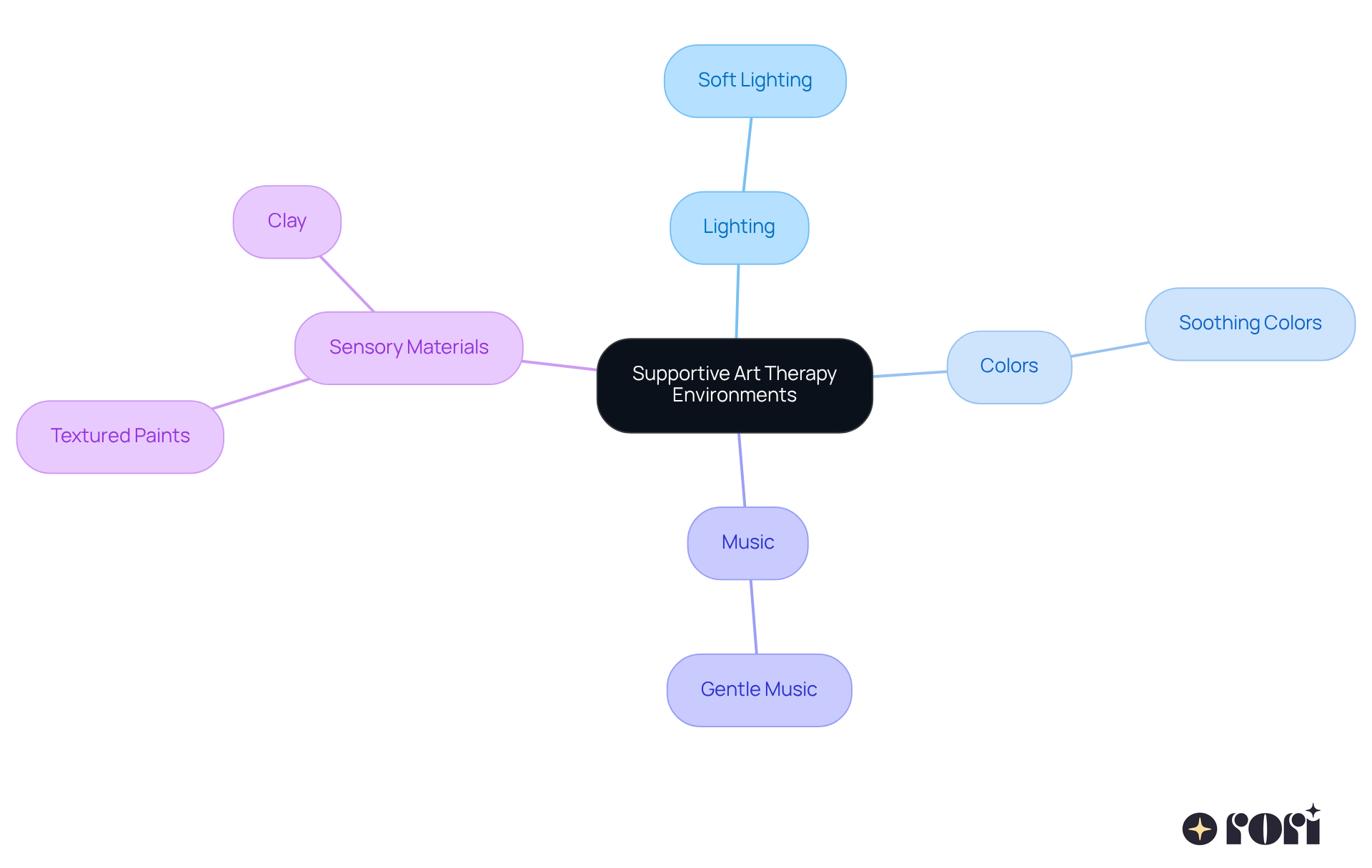
Creating a is so important for kids with autism, especially those who struggle with . Imagine a place designed to minimize distractions and promote ! Soft lighting, soothing colors, and gentle music can really set a peaceful vibe, helping young ones feel safe while they .
Think about incorporating like textured paints and clay. Not only do these engage their senses, but they also spark creativity! Research shows that interventions for , involving , can significantly improve , boosting their interaction and self-awareness.
By addressing sensory needs, we empower kids to explore their creativity and share their feelings in a safe, . Let’s explore this together! If you’re a parent looking for ways to support your child, remember, we’re here to help you every step of the way!
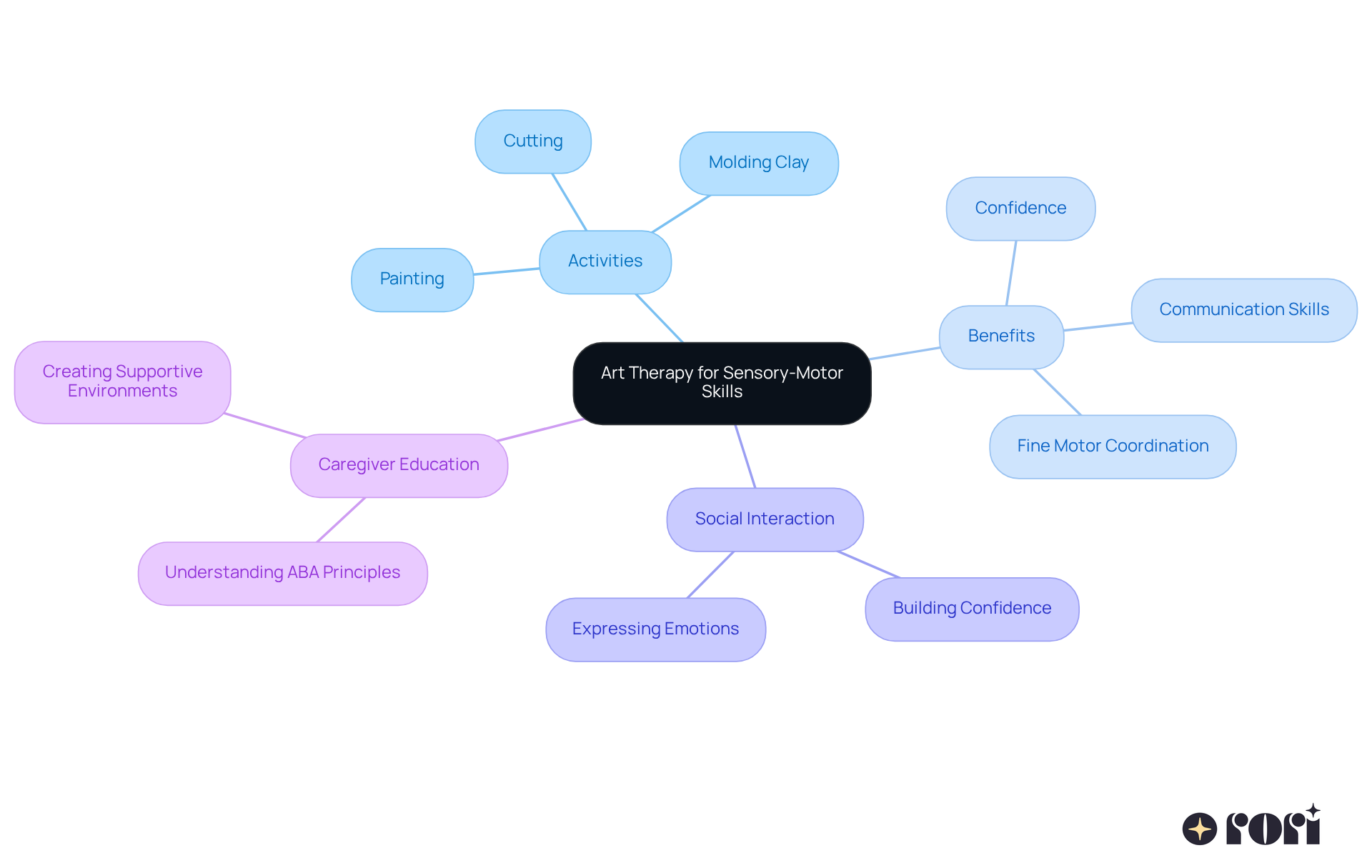
Art therapy is such a wonderful way to help improve , especially for kids with autism. Activities like painting, cutting, and molding clay not only but also support overall growth. For example, when kids use scissors to cut paper, they’re actually working on their hand-eye coordination. And painting? It’s a fantastic way to enhance grip strength and dexterity! These creative activities give young learners a chance to practice and improve their motor skills in a fun way.
Research shows that fine motor skills are closely linked to in autistic youth. As they engage in art, these young individuals build confidence in expressing themselves, which can lead to better . Occupational therapists often highlight how can sharpen - key ingredients for effective interaction.
And let’s not forget about the role of ! When caregivers understand and strategies, they can make informed choices that really help their kids progress. This active involvement not only empowers caregivers but also creates a supportive environment that enhances the effectiveness of art activities. By incorporating into their daily routines, kids with autism can experience a remarkable boost in their expressive abilities, leading to and emotional expression. Plus, the knowledge gained through can ease stress and strengthen family bonds, further supporting the child’s development.
Let’s explore this together! We’re here to help you every step of the way!
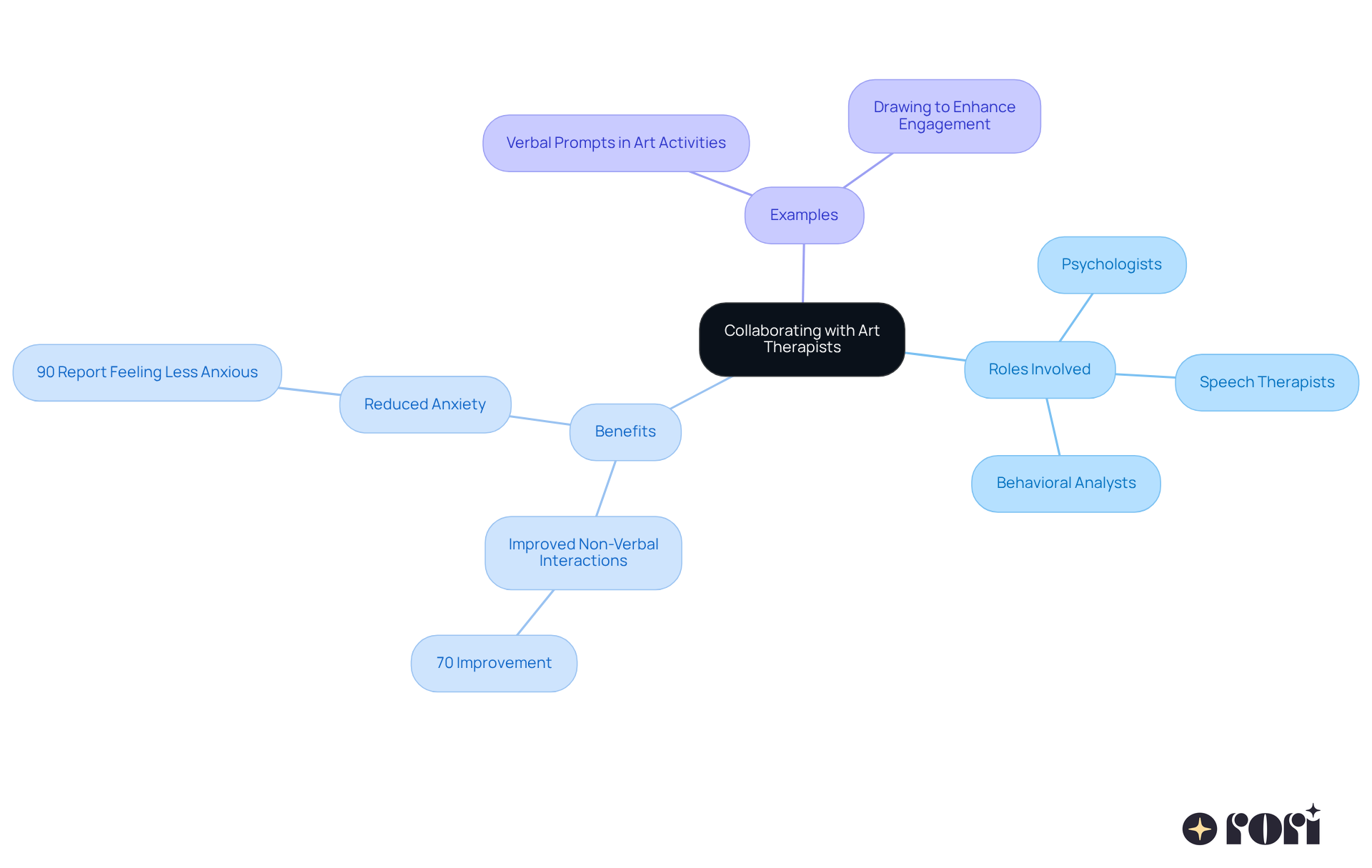
Collaborating with art therapists is essential for creating effective . When art therapists , they can formulate for communication in autism that are specifically tailored to each child's unique needs. This ensures that every aspect of a child's growth is taken into account, which supports the effectiveness of , leading to better interaction strategies.
For example, imagine an art therapist using while working alongside a speech therapist to include . This not only boosts verbal skills but also enhances ! Research shows that these collaborative efforts can lead to a 70% improvement in non-verbal interactions among participants, as noted by Perrin et al. Plus, according to the American Art Therapy Association, . This really highlights how effective these integrated strategies can be.
At Rori Care, our clinical leadership team is all about neurodiversity and . We make sure that are crafted by qualified analysts to encourage positive behavior changes and skill acquisition. And let’s not forget the real-world impact of these interventions! For instance, there’s a young person with autism who found that drawing helped them engage more with their therapist. This truly emphasizes the concrete benefits of .
So, let’s explore this together! If you’re a parent navigating these challenges, remember that you’re not alone. We’re here to help you every step of the way!
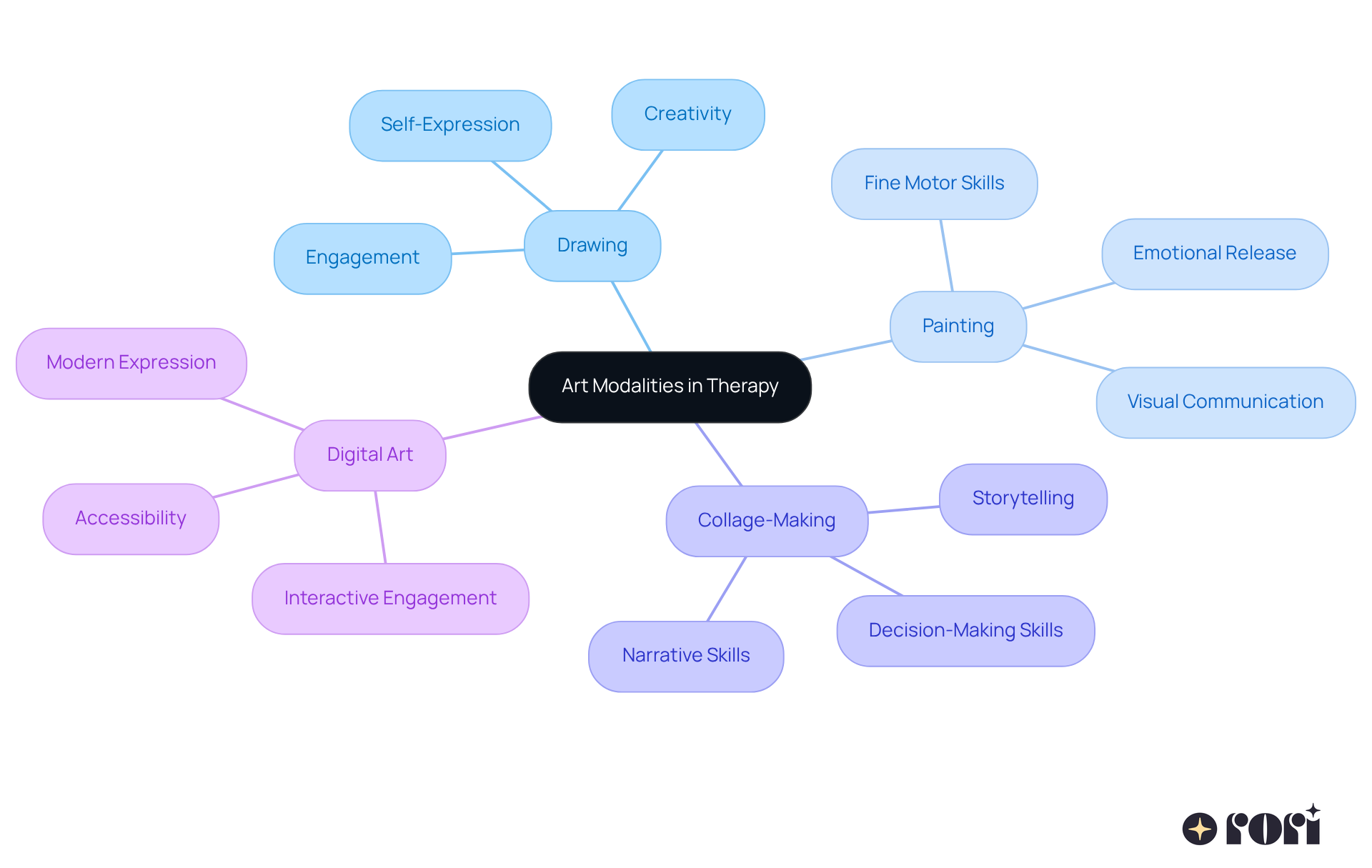
Incorporating different art forms into therapy can significantly improve for children. Think about it: drawing, painting, collage-making, and even ! 🎨 Some kids might shine with , while others could be drawn to the excitement of digital art.
By providing a variety of , therapists can tap into each child's . This not only helps them but also makes communication a lot more enjoyable by utilizing art therapy interventions for . Let’s explore this together! If you’re a parent, consider how these artistic avenues might resonate with your child.
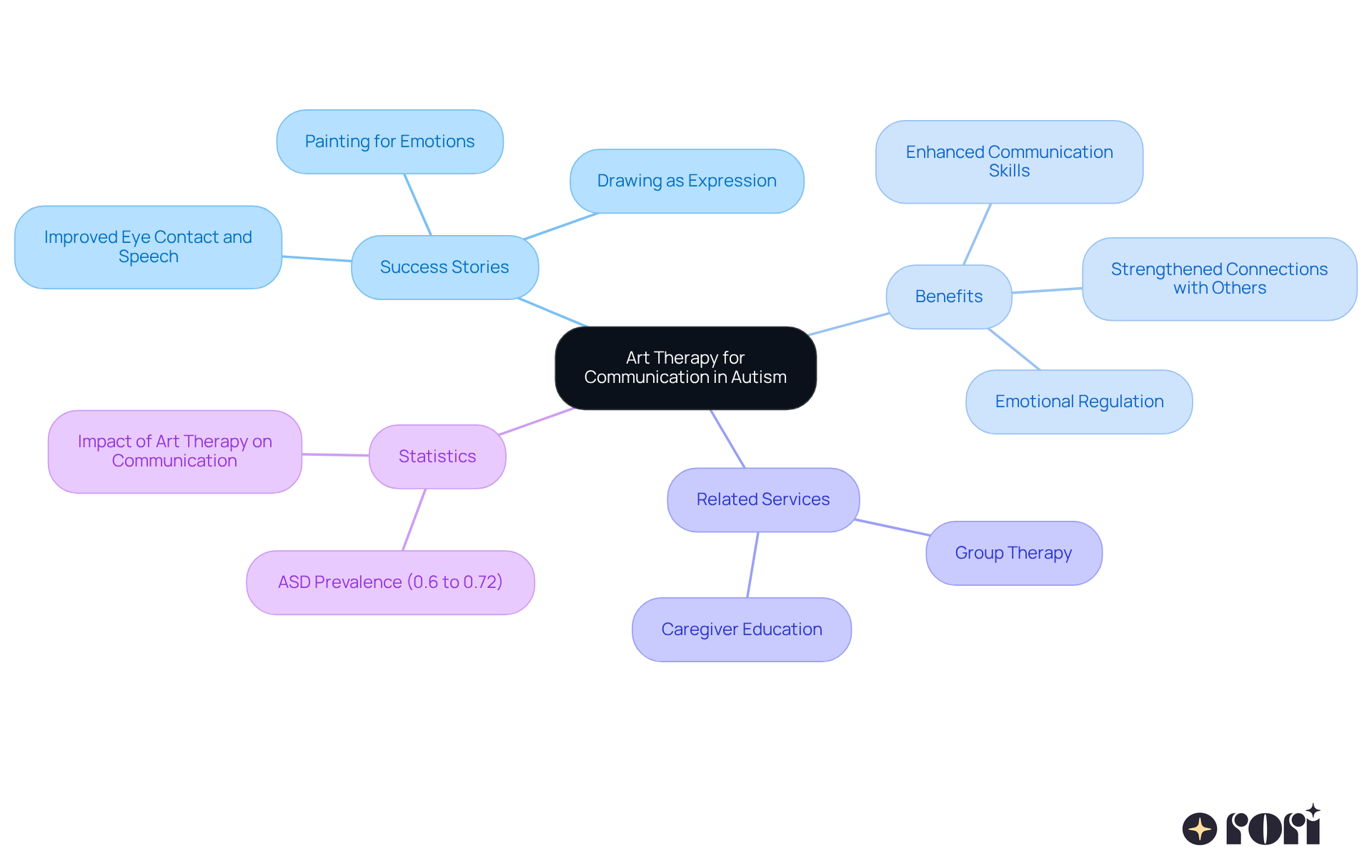
have proven to be a wonderful tool for helping young people improve their . There are so many success stories that show just how impactful it can be! For example, one young person who had a tough time expressing themselves verbally found a new voice through drawing. By creating , they could share their feelings and experiences in a way that felt right for them.
Similarly, another child who was initially non-verbal discovered the joy of painting as a way to express their emotions. This led to with friends and family. These stories really highlight the potential of to foster meaningful expression, showcasing their effectiveness in enhancing both spoken and unspoken communication.
In a study by Durrani (2014), a 12-year-old boy showed remarkable improvements in eye contact and speech after engaging in various art forms for a year. This really underscores the powerful impact can have on . Families have shared that not only help their children articulate themselves better but also . It’s truly inspiring to see the .
At Rori Care, we offer a range of , like and Caregiver Education, which complement art therapy by providing additional avenues for expression and emotional support. Together, these services create a holistic approach to youth development, helping families navigate challenges more effectively.
Did you know that ASD affects about 0.6% to 0.72% of young people and teens worldwide? This highlights just how important effective communication strategies are for this community. One parent beautifully expressed, 'The have opened up a new realm for my child, allowing them to share feelings they couldn’t express before.' This personal touch really emphasizes the real-life impact of , making it a valuable resource for families aiming to enhance their children's .
Let’s explore this together! We’re here to help you every step of the way!
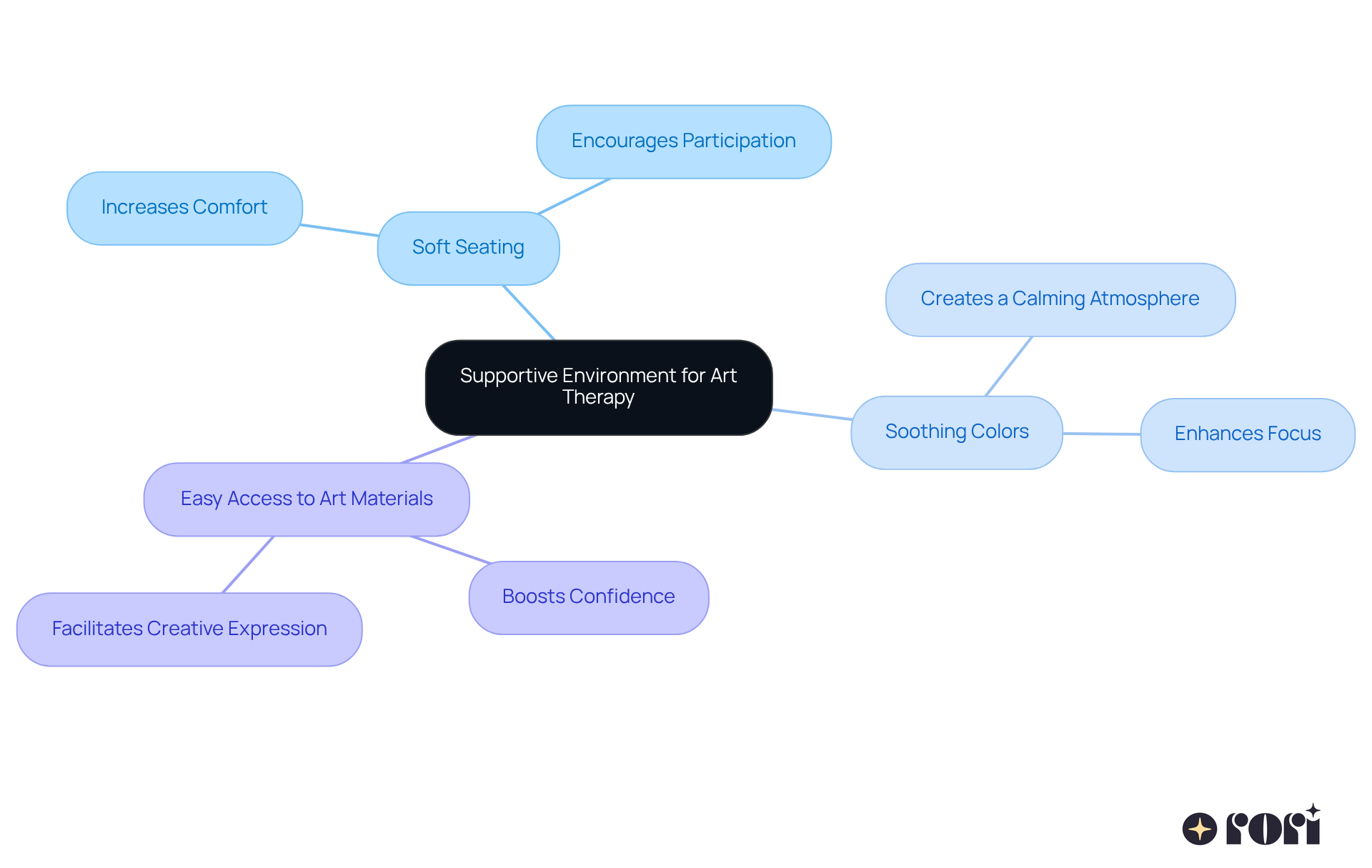
is crucial for facilitating and encouraging . Therapists can really make a difference by minimizing distractions and adding . Think about:
These can make a young person feel more at ease and excited to participate!
Studies show that can . When young individuals feel comfortable, they’re more likely to . Plus, offering regular during can significantly boost their confidence, helping them express their thoughts and feelings more effectively. As one therapist noted, allow youngsters to flourish, turning their artistic efforts into powerful means of expression.
Let’s explore this together! By creating a welcoming space, we can and share their unique voices.
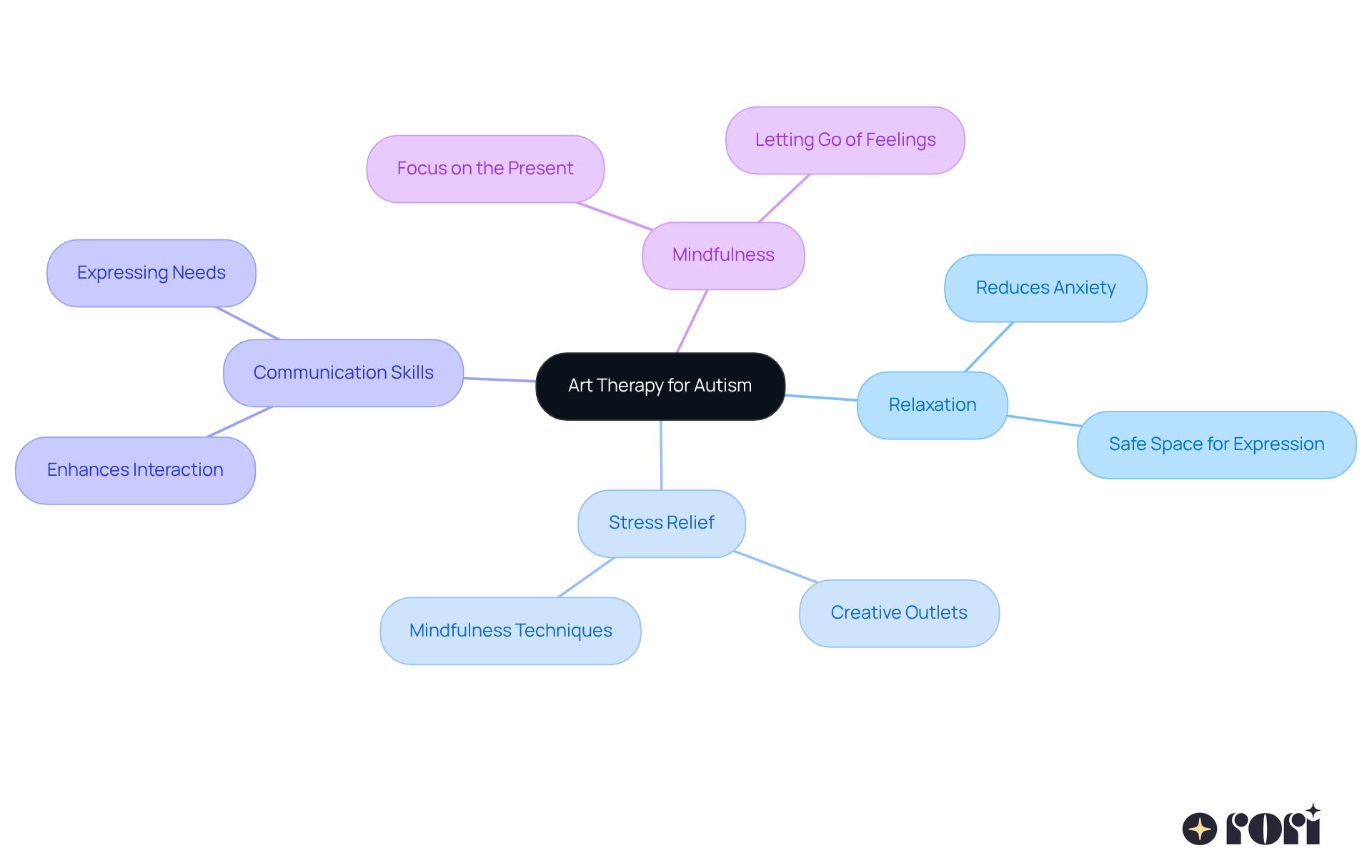
Art intervention is such a wonderful resource for helping kids relax and ease stress, which is super important for connecting with individuals on the autism spectrum. When children dive into like painting or sculpting, they find a safe space to express their emotions, and this can really help lower anxiety levels. Did you know that research shows by up to 73% in kids diagnosed with Autism Spectrum Disorder (ASD)?
These creative outlets also promote mindfulness, allowing youngsters to focus on the here and now while letting go of pent-up feelings. As they unwind through art, they become more open to interacting with others, making it easier for them to share their thoughts and feelings. Therapists have noticed that these activities not only help but also boost overall , helping kids connect with others and express their needs.
This holistic approach really highlights how powerful can be in of youth on the autism spectrum. Rori Care’s , like group sessions, caregiver education, program development, and supervision, play a vital role in enhancing these positive outcomes.
Parents can also bring art therapy techniques into their homes! Just by providing a variety of art supplies and encouraging their children to express themselves creatively, they can . Let’s explore this together and see how art can make a difference!
Art therapy interventions offer a wonderful way to enhance communication for children with autism. By tapping into creative expression, these techniques create a bridge for emotional and social interaction, allowing young individuals to share their thoughts and feelings in a unique way. This approach not only encourages self-expression but also helps build connections with others, making it a valuable resource for families looking to support their children's growth.
Throughout this article, we’ve explored various aspects of art therapy, like the importance of personalized interventions and the role of sensory-friendly environments. We’ve also looked at how collaboration among therapists can make a difference. Each section highlights how engaging in art can significantly boost emotional expression, ease anxiety, and improve communication skills. Plus, the success stories we’ve shared illustrate the amazing transformations that can happen as children learn to communicate in ways that truly resonate with them.
Ultimately, we can’t overlook the significance of art therapy in communication for children with autism. It’s a powerful tool for self-discovery and connection, empowering young individuals to share their unique voices. For parents and caregivers, embracing these interventions and creating supportive environments can lead to meaningful progress in their child's communicative abilities. Let’s champion the integration of art therapy into autism support strategies together, ensuring that every child has the chance to express themselves fully and authentically. We’re here to help you every step of the way!
What is Rori Care's approach to therapy for children with autism?
Rori Care combines ABA therapy with art therapy interventions to create personalized therapeutic experiences that enhance communication, emotional expression, and social interaction for children with autism.
How do art therapy interventions help children with autism?
Art therapy interventions allow children to express their emotions through creative activities like drawing and painting, which can be difficult to articulate with words. This helps improve emotional expression, social communication, and emotional regulation.
What improvements have been observed from art therapy interventions?
Research indicates that art therapy can lead to significant improvements in social skills, emotional management, and communication abilities in children with autism, including better eye contact and increased engagement in activities.
How does Rori Care tailor art therapy for each child?
Rori Care clinicians evaluate each child's unique needs and interests, customizing art activities to create a more engaging and effective therapeutic experience.
What role does emotional expression play in art therapy for autism?
Art therapy provides a safe space for children to explore and express their emotions, helping them connect their feelings to their creative outputs, which enhances their overall emotional well-being.
Can art therapy be combined with other services?
Yes, Rori Care offers additional services such as Group Support and Caregiver Education, which complement art therapy by providing social interaction opportunities and equipping parents with strategies to reinforce skills at home.
What types of creative activities are used in art therapy?
Activities in art therapy can include drawing, painting, and sculpting, which allow children to convey their feelings and emotions through various forms of artistic expression.
How does Rori Care support families in the therapy process?
Rori Care provides empathetic support to families, helping them navigate challenges and encouraging their children's growth through tailored interventions and educational resources.