Understanding autism can feel like a winding road for parents, especially when it comes to figuring out the best intervention strategies. The right early autism intervention can truly make a difference, shaping a child's development and opening doors to better communication, social skills, and independence. But with so many options out there, how do parents know which strategies will really connect with their child's unique needs?
Let’s explore this together! In this article, we’ll dive into ten of the best early autism intervention strategies. We aim to provide insights that empower you, the caregiver, to make informed decisions and foster meaningful progress in your child's life. We’re here to help you every step of the way!
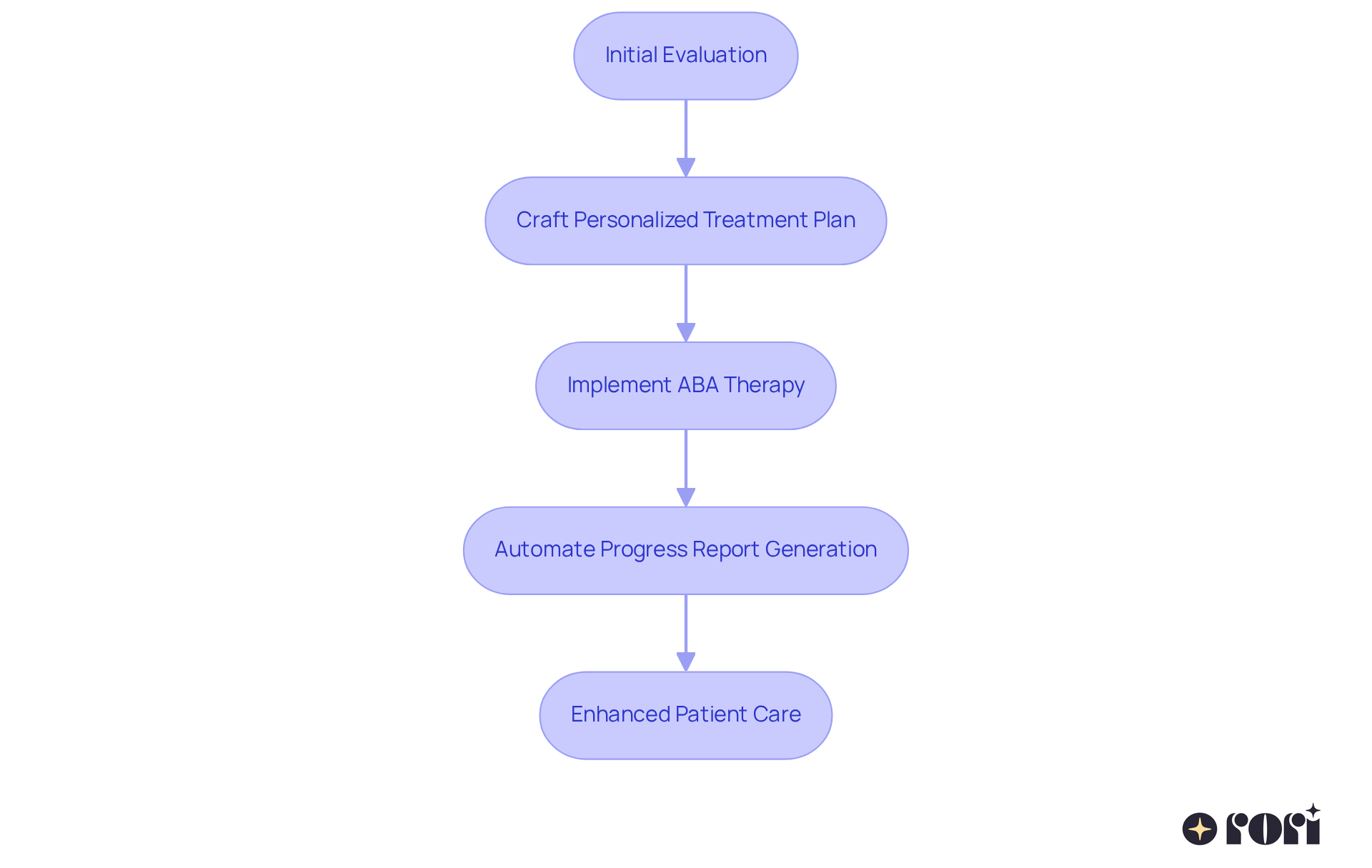
At Rori Care, we believe that is one of the in our early support strategies. This approach is centered on the best early autism intervention strategies, meeting the unique needs of each individual and ensuring that our interventions are not just .
By taking the time to conduct thorough evaluations, we craft that utilize the best early autism intervention strategies to . And here’s something exciting: with the help of , we’ve automated progress report generation! This means our clinicians can dedicate 50% more time to direct patient treatment.
How great is that? This innovative method not only simplifies the therapy process but also employs the best early autism intervention strategies to to gain independence through essential skill enhancement. Rori Care truly stands out as a vital resource for caregivers navigating the best early autism intervention strategies. Let’s explore this together!
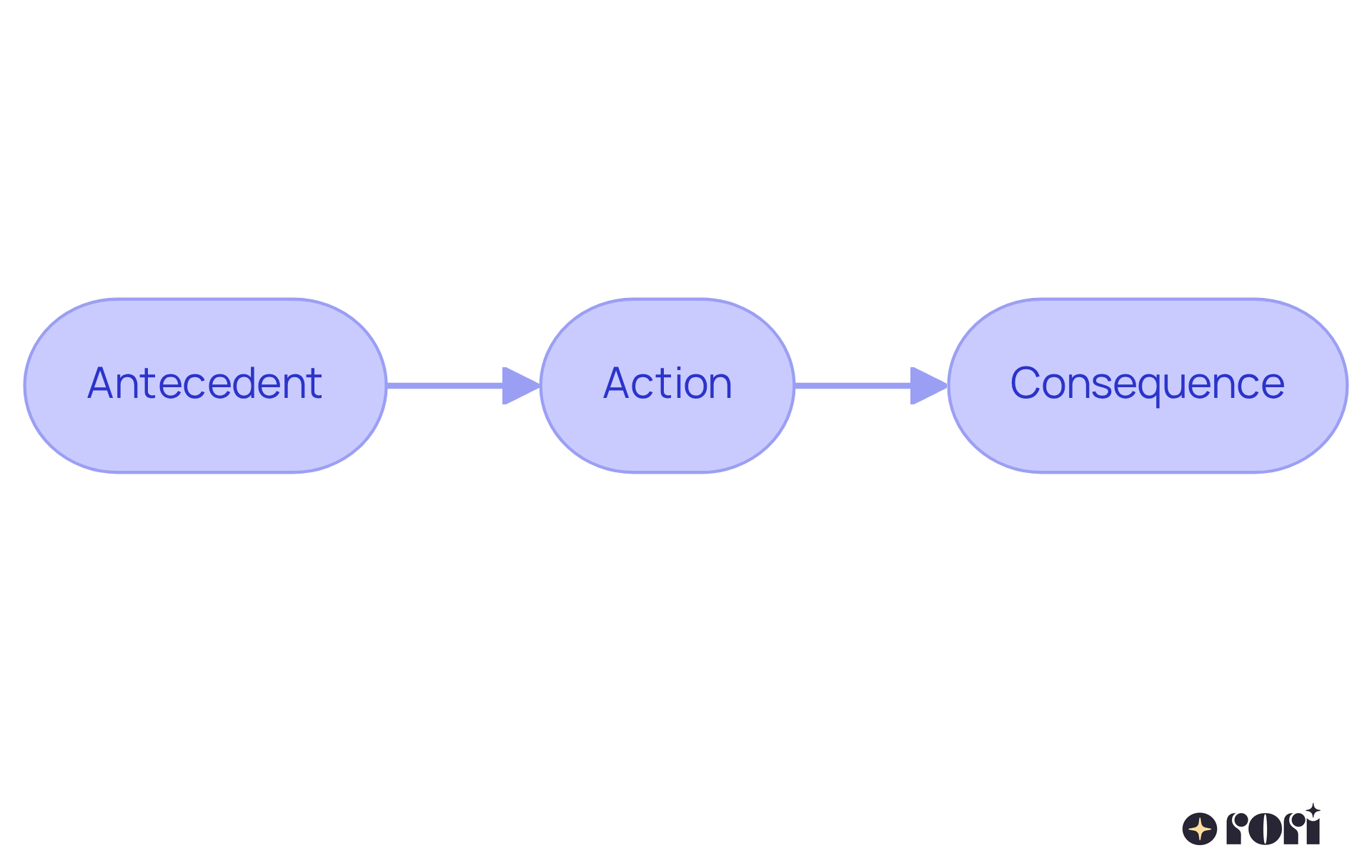
The ABC model stands for Antecedent, Action, and Consequence. It’s a handy framework that helps us understand how behaviors can change. By spotting triggers (the Antecedent), watching what happens next (the Action), and noting the outcomes (the Consequence), parents can really get a grasp on their child's behavior. This insight is invaluable! It allows you to craft , such as the , that encourage and help reduce the negative ones. It’s like having a powerful tool in your parenting toolkit!
And here’s where Rori Care’s conduct care engine comes into play. It takes this process a step further by performing for target actions and skills. Plus, it generates for clinicians to review. This gives parents actionable insights, empowering you to utilize the best early autism intervention strategies to support your child’s behavioral goals through active involvement and informed choices.
Let’s explore this together! With the and understanding, you can make a real difference in your child’s life.
is all about giving a little reward right after a desired action happens. This simple act can really of that action being repeated! Think of it like this: when a child effectively expresses their needs, a guardian can jump in with some praise or a small treat. It’s a great way to , and it also and drive.
Now, when we talk about the , using positive reinforcement within is all about to fit each child’s unique needs. This approach not only enhances learning but also . So, let’s explore this together! By understanding how to apply the best early autism intervention strategies, we can create that encourages our little ones to thrive.

(FBA) is a helpful way to uncover the reasons behind certain behaviors in individuals with autism. By carefully gathering information about when and where these behaviors happen, caregivers can spot patterns and triggers that might lead to challenges. For instance, if a little one often has meltdowns during transitions, recognizing this pattern allows caregivers to implement for smoother changes.
Research shows that the best , including those provided by FBA, can lead to , especially when tailored to each child's . This approach not only enhances understanding but also to implement the that nurture their child's growth and well-being.
Let’s explore this together! By understanding these behaviors, we can work towards fostering a for our children.

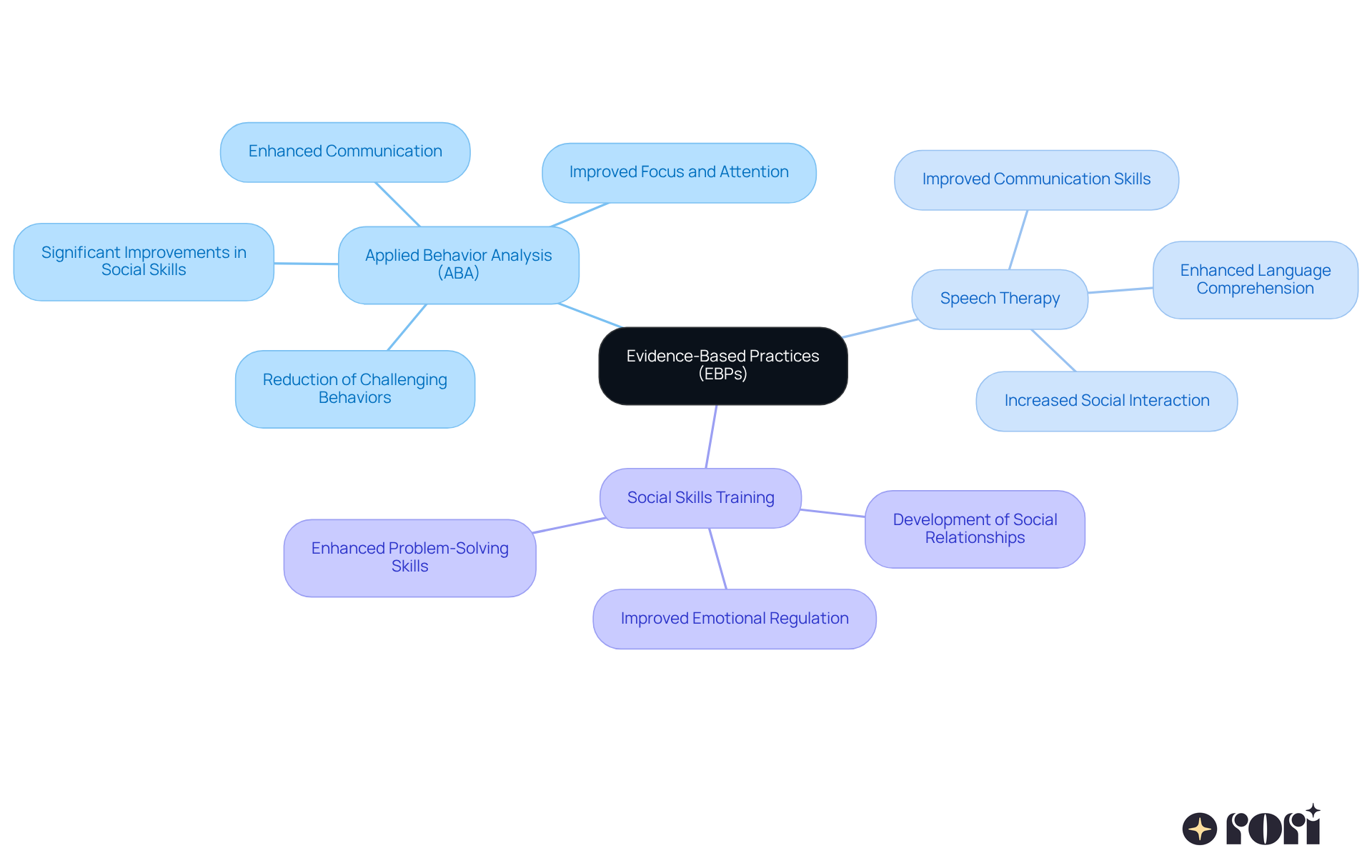
Evidence-Based Practices (EBPs) are considered some of the best that have been thoroughly tested and shown to work for individuals with autism. Techniques such as , speech therapy, and social skills training are considered some of the . You might find it encouraging to know that studies suggest kids who start early and receive the best early autism intervention strategies, such as , often show . In fact, around 50% of them make remarkable progress!
By using the best early autism intervention strategies, caregivers can feel confident that the methods they select are backed by research, which can significantly enhance the chances of positive outcomes for their child. Plus, staying updated on the is super important for anyone wanting to provide the . Recent studies have even pinpointed 28 that meet , emphasizing the necessity of utilizing the best early autism intervention strategies in autism care.
As the world of autism support keeps changing, it’s a great idea for parents to chat with professionals and explore available resources. Let’s explore this together! Your child’s can be enhanced with the right support, and we’re here to help you every step of the way!
Tailored approaches for autism emphasize the to personalize support and meet the unique needs of each individual. This might mean changing up , using specific interests to spark motivation, or adjusting environments to help reduce . For example, kids who respond well to benefit from more visuals in their learning, which boosts both engagement and understanding.
Studies show that the best early autism intervention strategies lead to better outcomes, with young individuals making . It’s essential to take a when applying the best early autism intervention strategies, ensuring that support is not just personalized but also meaningful. Plus, implementing the best early autism intervention strategies can save around $1.3 million for each individual over their lifetime by .
As Fayge Orzel points out, while can’t reverse autism, it can greatly enhance communication, behavior, and independence. And let’s not forget about ! Educating them on ABA principles and strategies boosts their ability to support their child’s development, leading to more informed decisions and better behavioral outcomes. This really highlights how crucial the best early autism intervention strategies are in autism therapy, where active caregiver participation is key to fostering growth.
Let’s explore this together! Your involvement can !

When it comes to children with autism, like tantrums, aggression, or withdrawal often have specific reasons behind them. They might be seeking attention or trying to avoid tough situations. Understanding these motivations is super important for caregivers, as it helps them respond in a way that truly meets their child's needs. For instance, did you know that about 59% of individuals with autism might engage in at some point in their lives? This really highlights the need for the to effectively support them.
By pinpointing triggers and utilizing the best early autism intervention strategies, such as breaking tasks into smaller, manageable steps, parents can help . Plus, Rori Care’s conduct care engine is a fantastic tool that performs for . It even generates automatic progress reports for clinicians to review! This empowers caregivers with , enhancing their ability to support their child's behavioral goals through active involvement and informed decision-making.
are considered some of the best early autism intervention strategies, focusing on teaching alternative actions and reinforcing good behavior, which can lead to more positive outcomes. Taking a closer look at your child's environment and circumstances can also shed light on why they might be acting out. This way, you can implement specific measures that create a .
To make the most of these strategies, it’s a great idea for parents to regularly chat with their child's clinicians about progress and adjust approaches as needed. Let’s explore this together! We’re here to help you every step of the way!

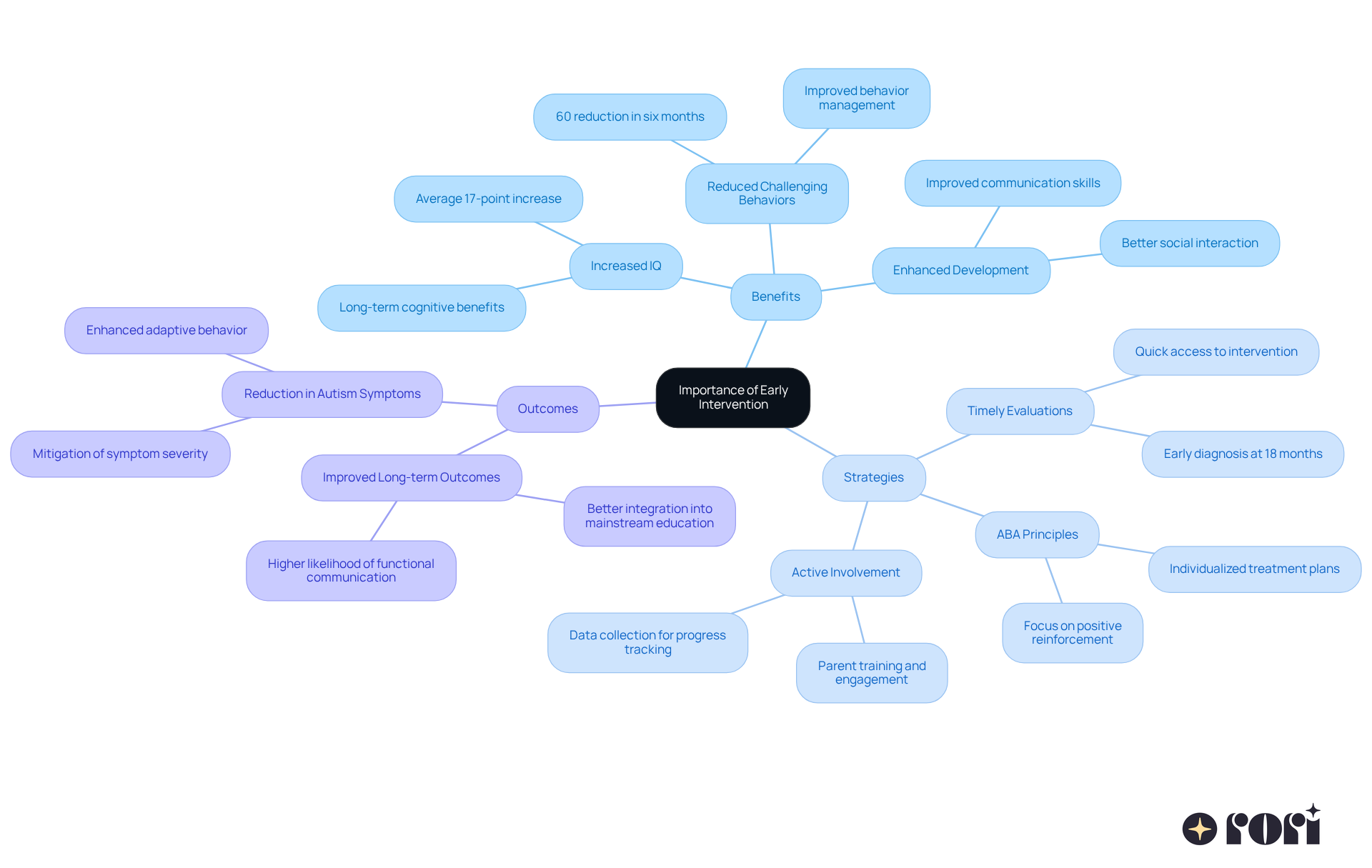
Studies consistently show that implementing the is crucial for . Starting treatment as soon as possible is one of the best early autism intervention strategies to help young individuals develop . For instance, research indicates that children who receive see an average increase of 17 IQ points compared to those who start later. Isn’t that amazing? Plus, early support programs can lead to a within just six months of therapy!
As parents, it’s crucial to seek evaluations and the best early autism intervention strategies quickly if you suspect your child might be on the autism spectrum. and significantly enhance their developmental journey through the best early autism intervention strategies. At Rori Care, our and helping young individuals thrive. We emphasize the importance of acting swiftly!
We empower caregivers with to through active involvement and data collection. Let’s explore this together! We’re here to help you every step of the way!
Parent training in is a game changer for caregivers, giving them the they need to reinforce therapeutic strategies right at home. This training isn’t just about theory; it’s packed with practical applications of ABA principles. Caregivers learn how to implement techniques that promote positive behaviors and help reduce those challenging ones. For instance, guardians discover how to effectively use , ensuring that there’s consistency between therapy sessions and home life.
Studies show that kids whose parents actively participate in therapy often reach their goals faster. In fact, research indicates that:
Plus, young individuals who receive consistent parental guidance at home show improved .
At Rori Care, our behavior care engine is always on the move, enhancing treatment plans based on progress report data. After each session, we update and skill acquisition plans to keep things fresh and effective. This adaptive approach really highlights how important active caregiver participation is. When suggested hours are fully carried out, we see significant improvement in 90% of youth!
By empowering caregivers through training, we not only boost the overall effectiveness of programs but also create a supportive atmosphere that greatly enhances outcomes for individuals with autism by utilizing the best . As the demand for effective autism treatments continues to grow, the in implementing the best early autism intervention strategies is increasingly recognized as essential for achieving successful results.
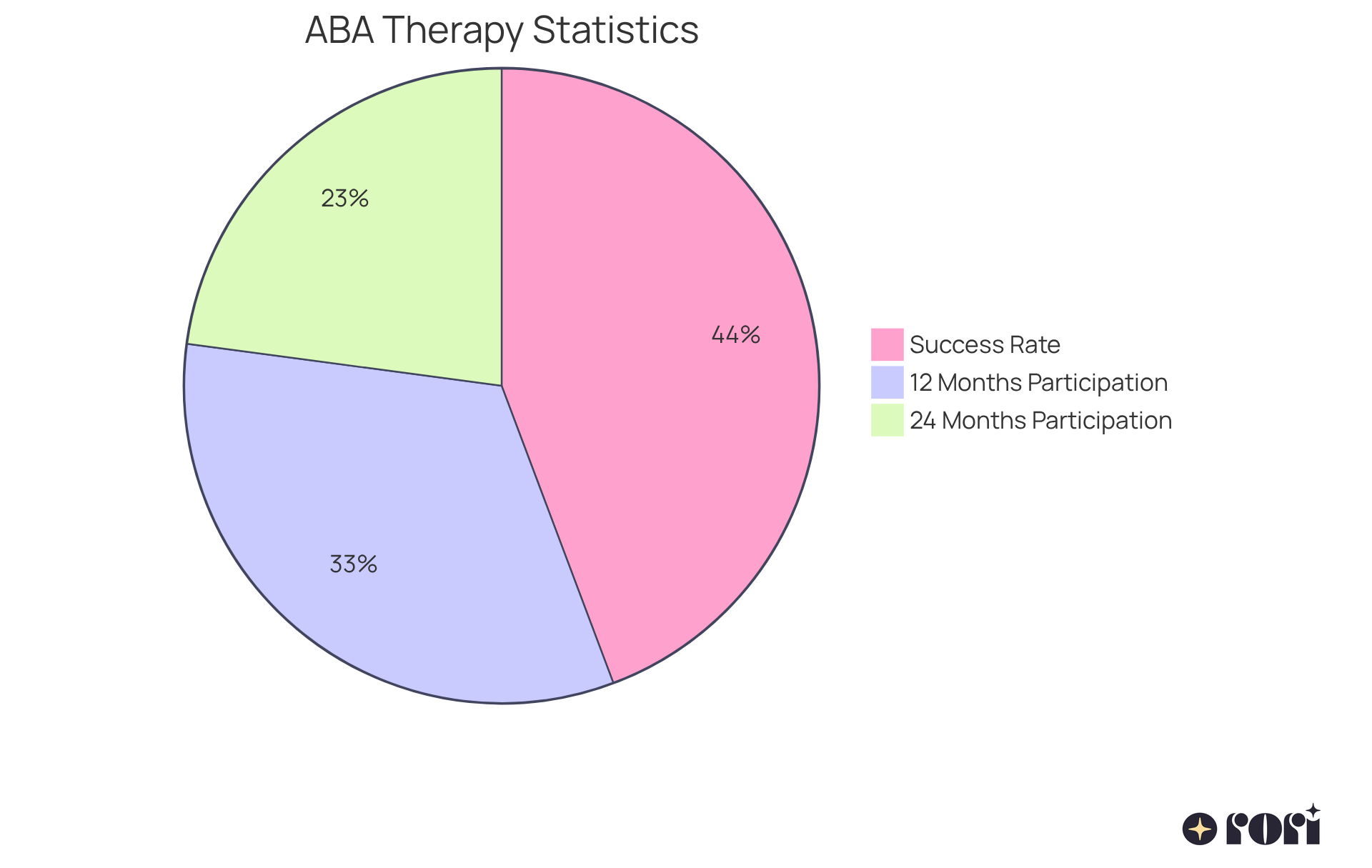
And here’s something to celebrate: ABA therapy boasts an impressive over 89% ! This underscores the , particularly before the age of 5, to truly optimize those benefits. Let’s explore this together!
Communication is so important for helping individuals with autism develop their social skills. When parents and therapists understand that communication can do many things - like help kids request, protest, or share - they can . For instance, (FCT) teaches kids how to express their needs clearly, which can really cut down on frustration and make social interactions smoother.
And let’s not forget about ! Led by trained therapists, these sessions help individuals practice their communication and social skills in a group setting. It’s a fantastic way to build confidence and improve relationships with peers. By focusing on these , children can form and with greater ease.
So, if you’re a parent looking to support your child, remember that you’re not alone in this journey. Let’s explore this together! We’re here to help you every step of the way!

The significance of early autism intervention strategies is truly immense. These approaches can make a world of difference in the lives of children on the autism spectrum. By tailoring strategies to meet individual needs, parents can nurture vital communication, social skills, and independence in their little ones. It all starts with understanding the best strategies out there, ensuring that each child's unique strengths and challenges are recognized and supported.
Throughout this article, we've explored various effective techniques, like the ABC model for behavior modification, positive reinforcement, functional behavior analysis, and evidence-based practices. These strategies empower caregivers to actively engage in their child's growth, leading to wonderful improvements in behavior and communication. Plus, early intervention has shown to bring significant long-term benefits, both in developmental progress and financial savings. This really highlights the importance of taking action when concerns arise.
In closing, supporting children with autism is a journey enriched by informed parental involvement and the right intervention strategies. By embracing these best practices, parents not only boost their child's potential but also help create a more inclusive and understanding society. Engaging with professionals and continuously seeking knowledge about autism interventions can lead to amazing outcomes. So, let’s take those proactive steps together in your child's therapeutic journey!
What is Rori Care's approach to ABA therapy for autism?
Rori Care utilizes Applied Behavior Analysis (ABA) therapy as a personalized early intervention strategy, focusing on the unique needs of each individual to enhance communication, social skills, and independence.
How does Rori Care create personalized treatment plans?
Rori Care conducts thorough evaluations to craft personalized treatment plans that utilize effective early autism intervention strategies tailored to each child's strengths and challenges.
What technology does Rori Care use to improve therapy efficiency?
Rori Care employs advanced AI technology to automate progress report generation, allowing clinicians to spend 50% more time on direct patient treatment.
What is the ABC model for behavior modification?
The ABC model stands for Antecedent, Action, and Consequence, and it helps in understanding behavior dynamics by identifying triggers, observing actions, and noting outcomes.
How can parents use the ABC model to support their child's behavior?
By recognizing the antecedents and consequences of behaviors, parents can craft specific strategies that encourage positive actions and reduce negative ones.
What role does Rori Care's conduct care engine play in behavior analysis?
Rori Care's conduct care engine performs functional conduct analysis for target actions and skills, generating automatic progress reports to provide parents with actionable insights.
What is positive reinforcement and how is it used in ABA therapy?
Positive reinforcement involves providing a reward immediately after a desired action to increase the likelihood of that action being repeated, and it is tailored to fit each child's unique needs within ABA therapy.
How does positive reinforcement impact children's learning and behavior?
By using positive reinforcement, children are motivated to express their needs and behaviors effectively, which enhances learning and improves overall behavioral outcomes.