Understanding the unique needs of children on the autism spectrum is so important for their development and well-being. Effective reinforcement methods can really enhance their learning experiences, helping to foster positive behaviors and encourage growth. But with so many techniques out there, how can caregivers figure out which strategies will truly resonate with each individual child?
Let’s explore this together! In this article, we’ll dive into the ten best reinforcement methods tailored specifically for children with autism. We’ll share insights that empower parents and educators alike, helping you create supportive environments that nurture and inspire. We’re here to help you every step of the way!
At Rori Behavioral Innovations Inc., we believe in a unique approach to that truly puts your child first. Our method focuses on tailored to meet each young person's specific needs. By conducting , our clinicians can identify the for children on the autism spectrum that are most effective for your child.
This individualized approach not only boosts engagement but also helps build a between your child and the therapeutic process. And you know what? That connection can lead to better !
We understand that navigating these challenges can feel overwhelming at times. But remember, you’re not alone in this journey. Let’s explore this together! We’re here to !
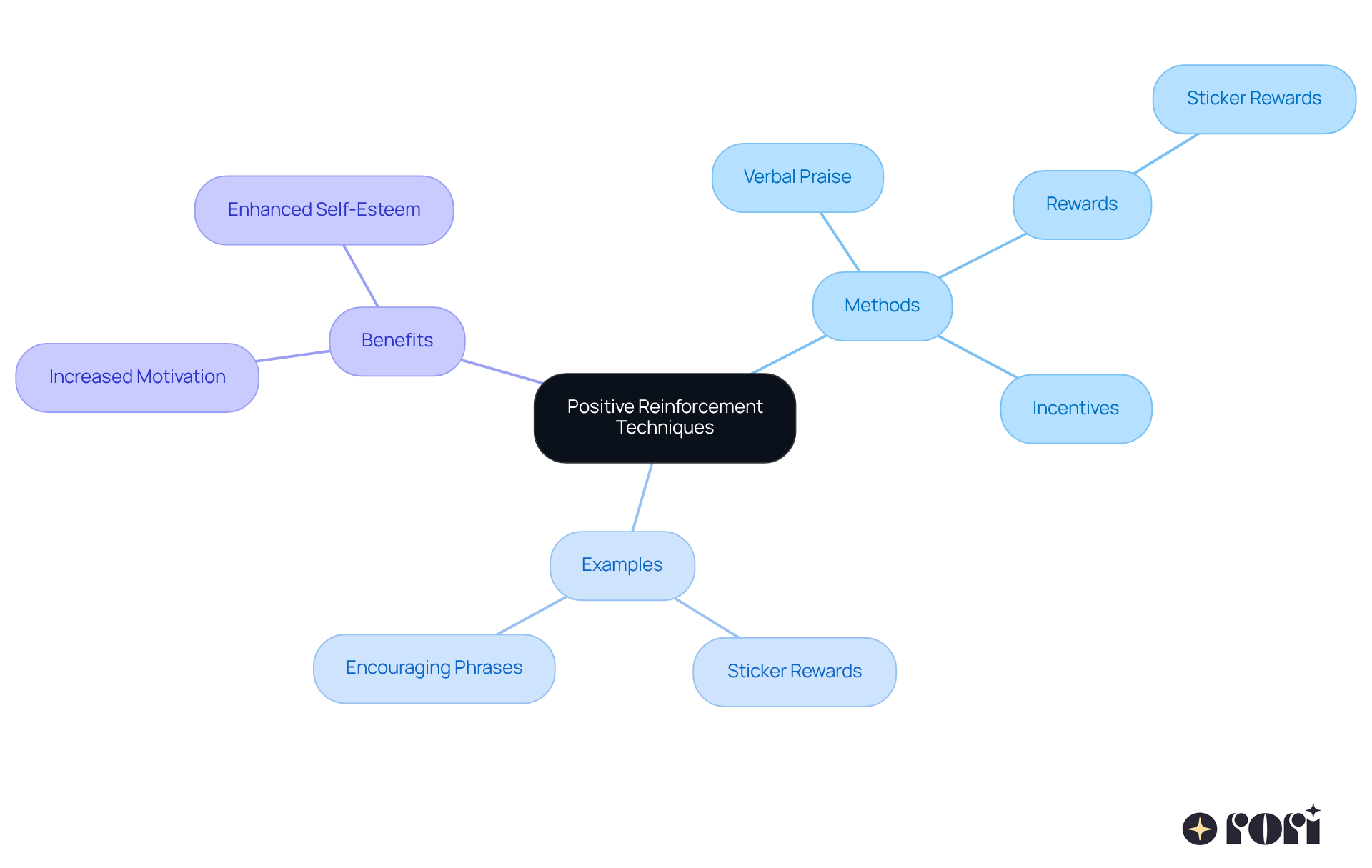
are considered some of the in their treatment. They involve giving rewards or incentives right after a desired action, which are considered some of the to enhance the likelihood of that action occurring again. Think about it: when a young person successfully completes a task, offering prompt or a small reward can significantly enhance their motivation and engagement.
For example, imagine a child who just finished a challenging puzzle. A simple, enthusiastic "Great job!" or a sticker can make all the difference! Research shows that the best reinforcement methods for children on the autism spectrum not only but also enhance a young person's confidence and self-esteem. , in particular, is a powerful tool. It helps kids connect their actions with , which is so important for their growth.
By consistently using the best reinforcement methods for children on the autism spectrum, a that encourages learning and development. This not only improves the child's quality of life but also empowers caregivers to make informed choices that positively influence their child's progress. As B.F. Skinner wisely noted, "This principle indicates that ." This really highlights how important are in behavioral therapy.
So, let’s explore this together! By embracing these , we can make a real difference in our children's lives.
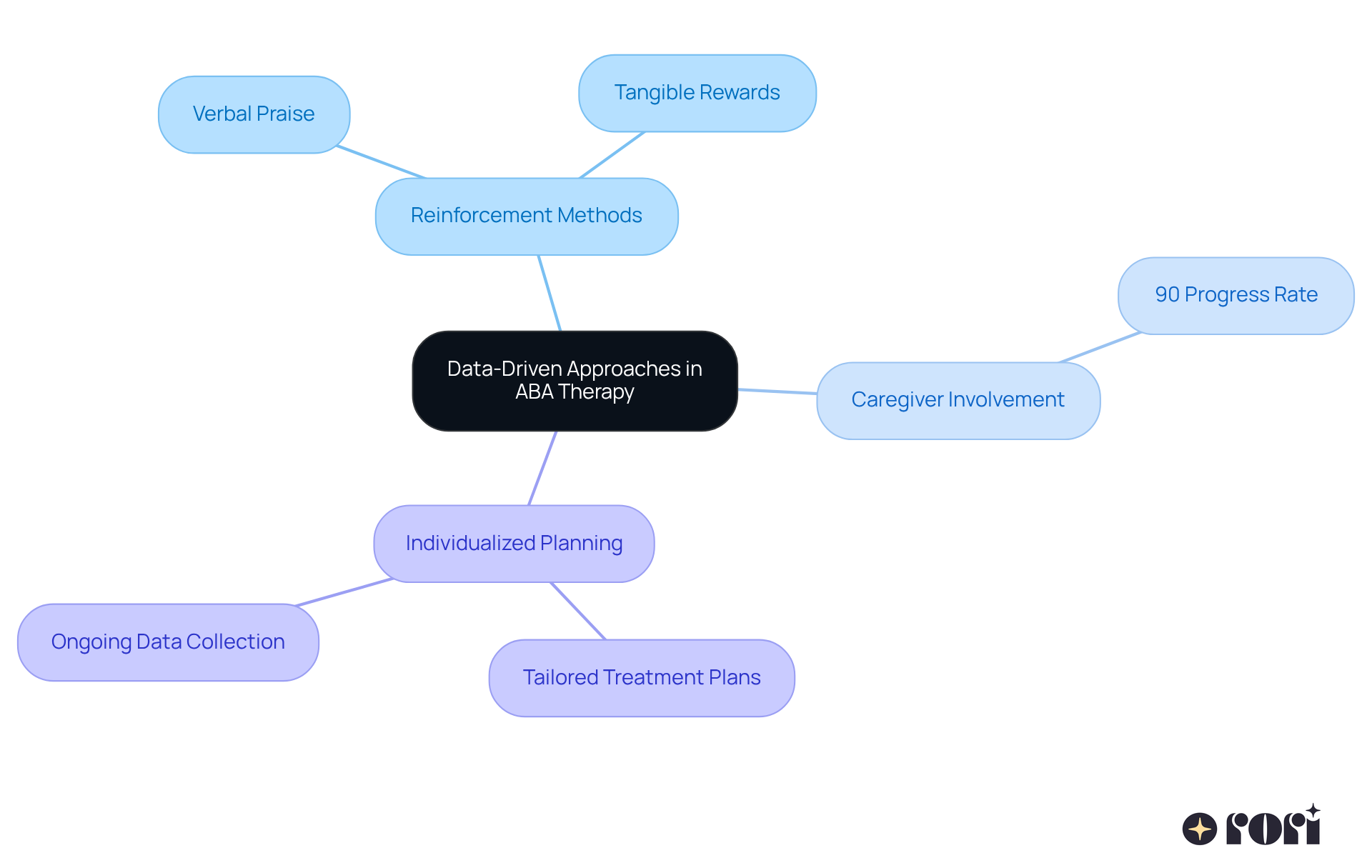
When it comes to ABA therapy, play a crucial role in helping our kids thrive. By systematically gathering and examining , clinicians can tailor the that truly resonate with each child. For example, if a young person lights up with but seems indifferent to , it’s a clear sign to focus on what works best for them.
Research shows that when caregivers , about 90% of youngsters make significant progress. Isn’t that encouraging? This ensure that the are used to meet every child’s unique needs.
At Rori Care, we believe in the power of and . We’re here to empower caregivers with ABA principles and strategies, enhancing the effectiveness of behavioral support. Let’s explore this together! Your journey in is important, and we’re here to help you every step of the way!
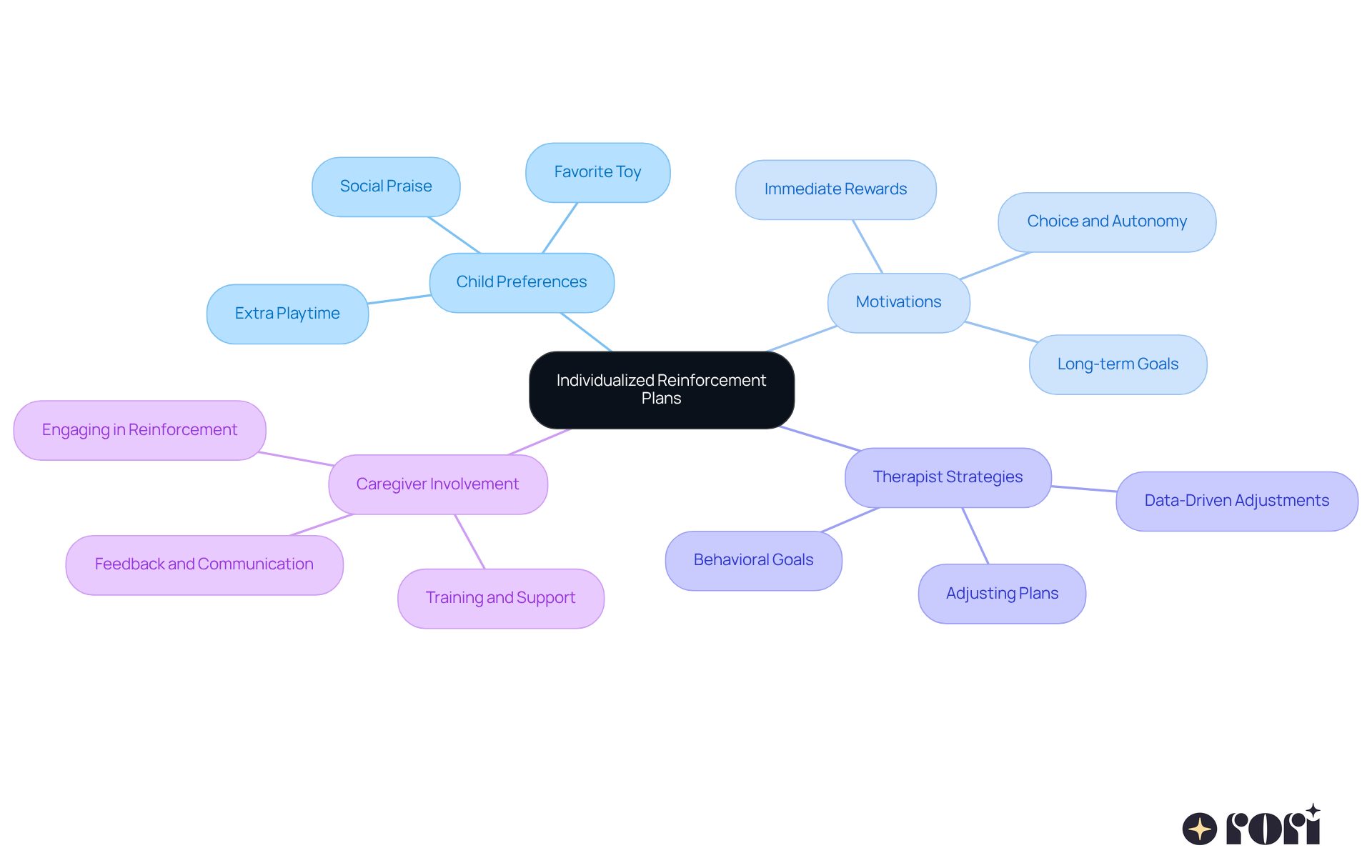
Creating is all about of each young person. It’s like discovering what truly resonates with them-whether it’s social praise, a favorite toy, or some extra time doing what they love. For instance, think about a child who adores playing with blocks; they might be motivated to earn some extra playtime with those blocks after completing a task. By tailoring the , therapists can significantly .
Each by skilled analysts, ensuring it meets the specific needs, strengths, and goals of the individual. This not only provides support but also sets clear, that help everyone track progress. As therapists keep an eye on how the young person responds, they can adjust the plans accordingly. This with , making it easier for them to actively participate in their child’s behavioral goals.
Let’s explore this together! By understanding these personalized plans, you can feel more connected and supported in your journey.
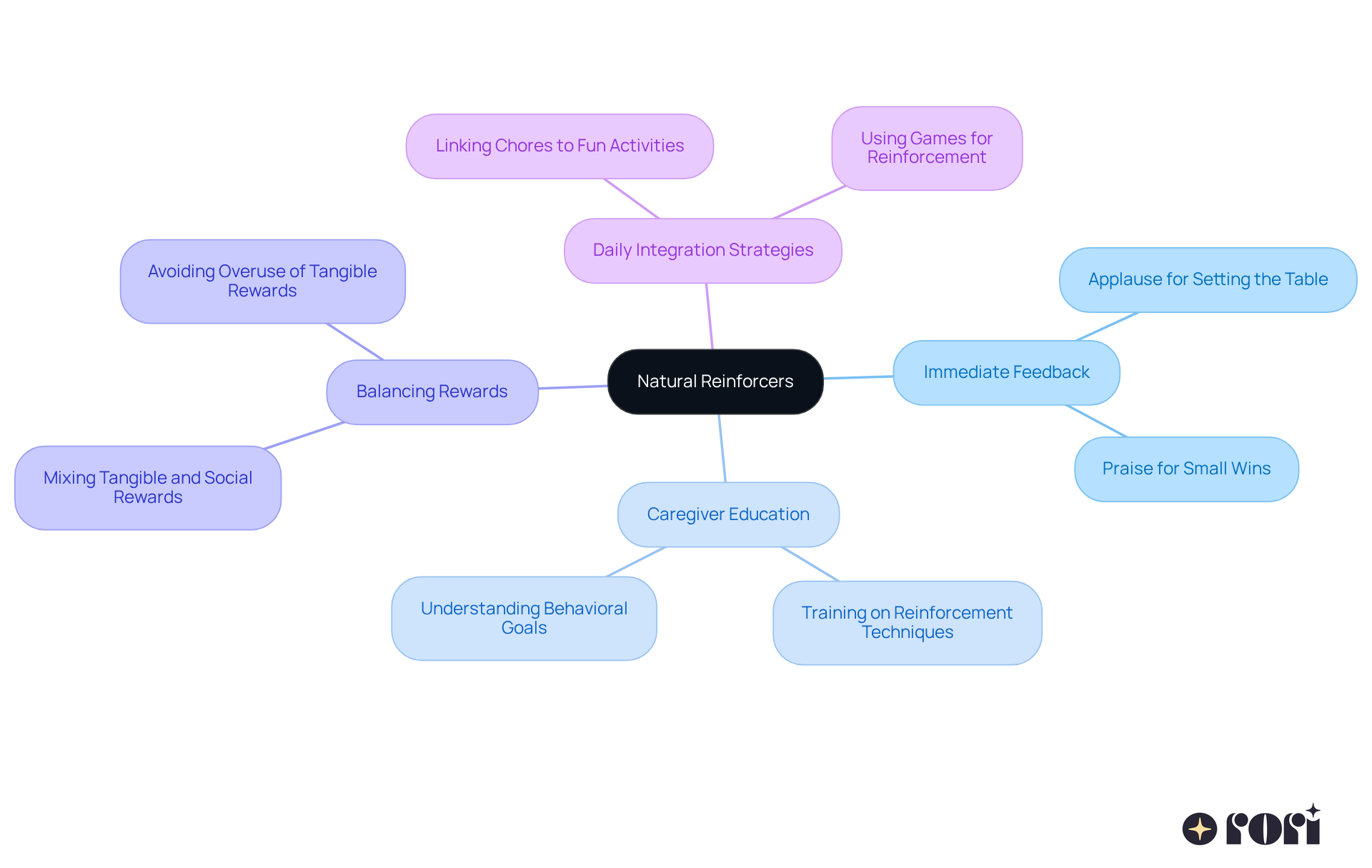
Natural reinforcers are among the , as they are those lovely rewards that pop up in our everyday lives, making them super effective for encouraging . For example, when a little one helps set the table, they might get a round of applause from family members or even get to pick the next family activity. This not only boosts their good behavior but also helps them see the direct benefits of what they do.
By weaving in encouragement during daily routines - like linking chores to fun activities or praising small wins - kids can really see the rewards of their . Research shows that the in their daily lives lead to a higher likelihood of repeating those actions, resulting in better learning outcomes and greater independence. This approach creates a where kids can thrive, as they learn to connect their efforts with positive results, ultimately enhancing their overall growth.
And let’s not forget about the role of ! It’s crucial because it gives caregivers the tools and knowledge they need to support their child’s effectively. By understanding the best reinforcement methods for children on the autism spectrum, caregivers can make informed choices that lead to better behavioral outcomes.
At Rori Care, our behavior care engine updates intervention and skill acquisition plans after each session based on the progress made, ensuring that treatment plans are flexible and responsive to each child’s needs. However, it’s important to be aware of the potential downsides of , like overusing , which can sometimes lessen intrinsic motivation. So, parents should aim to balance with to create a more effective support system.
Let’s explore this together! We’re here to help you every step of the way!
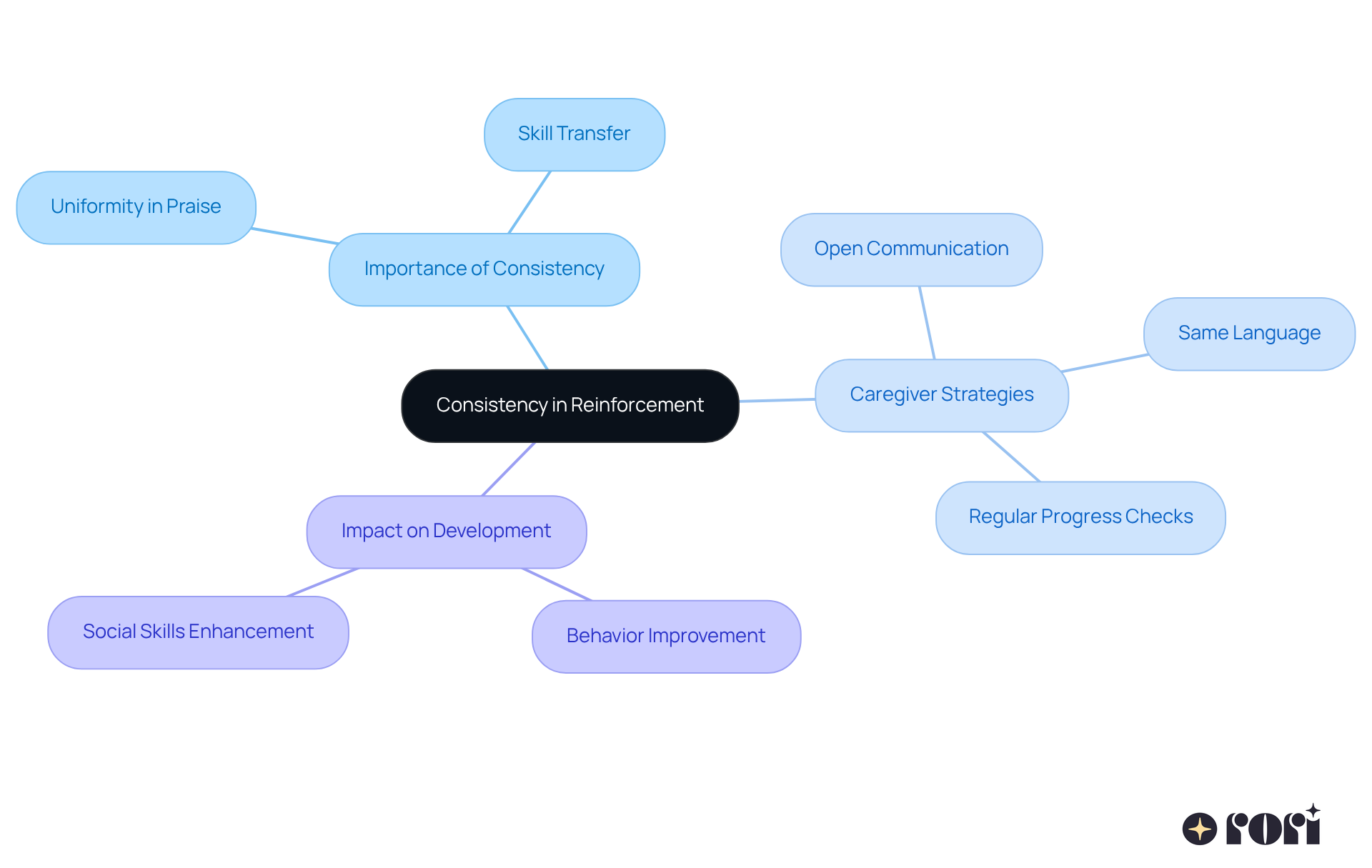
is vital for helping kids with autism understand how their actions are connected to the . Think about it: when reinforcement strategies are applied consistently at home, school, and during therapy sessions, it makes a world of difference. For example, if a young student gets praised for finishing homework at school, they should hear similar encouragement at home. This kind of uniformity not only reinforces the desired behaviors but also boosts the chances of those behaviors happening again in the future.
Studies show that regular encouragement leads to better behavior and skill transfer. Kids learn to use their abilities in various situations, which is fantastic! highlight that when caregivers collaborate and adhere to the , children experience .
To make these strategies work, caregivers should:
here, as it gives caregivers a deeper understanding of . This knowledge helps them make informed decisions that while also reducing stress for themselves.
As Kyle Coddington wisely points out, "Consistency is essential in ABA therapy, aiding youth in generalizing skills across environments and attaining lasting success." By fostering a unified support atmosphere, backed by caregiver education, kids are better equipped to thrive and apply their skills in real-life situations. Let’s explore this together!
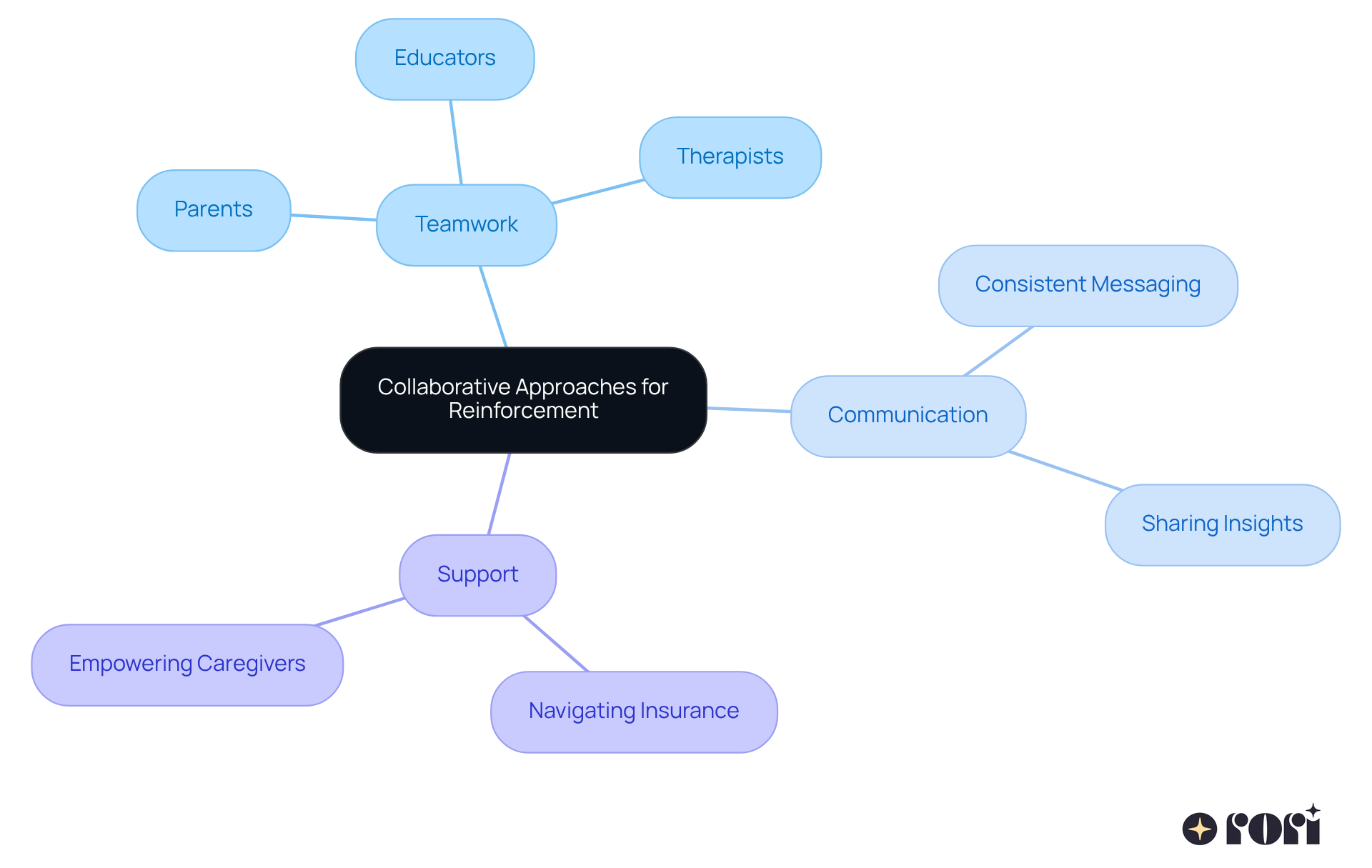
Collaborative approaches are crucial for successfully implementing the ! When parents, educators, and therapists collaborate, they form a that implements the to send consistent messages about the behaviors that are encouraged for our little ones. For instance, if a child is praised for sharing toys at school, it’s crucial for parents to back that up at home too. This kind of teamwork not only helps kids understand positive behaviors better but also builds a for their growth.
is key to for children on the autism spectrum. It allows everyone to share insights and strategies that can significantly enhance the effectiveness of the . When we work together, kids thrive! They benefit from a unified approach that brings in different perspectives and expertise.
At Rori Care, we’re here to in , making sure that financial hurdles don’t stand in the way of accessing essential therapy. By empowering caregivers with knowledge about ABA concepts and techniques, we enhance their ability to support their children’s . This leads to more informed decisions and better outcomes. Let’s explore this together! We’re here to help you every step of the way!
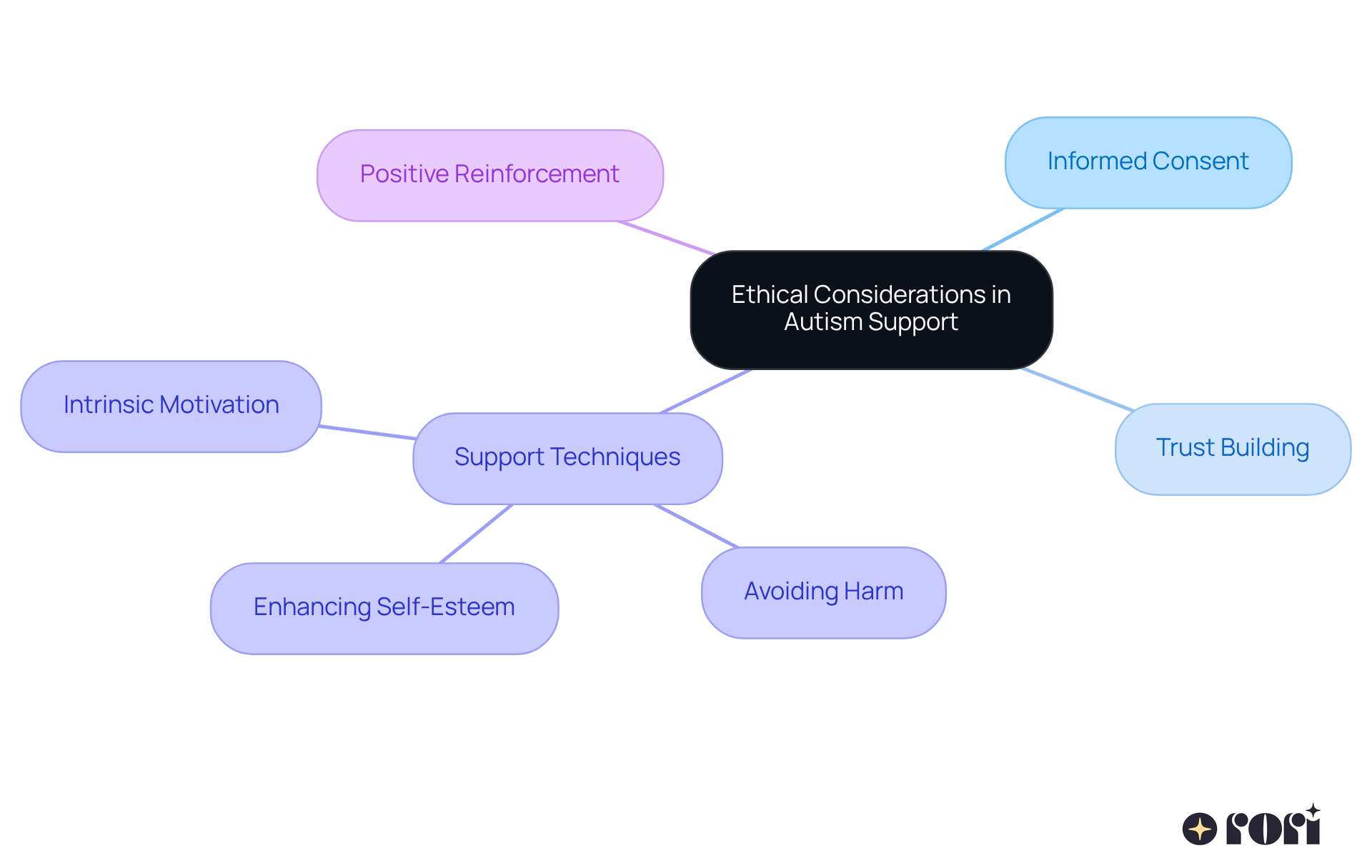
When it comes to , play a crucial role in ensuring that our interventions truly honor their dignity and enhance their well-being. It all starts with something as simple yet vital as obtaining . This step is key to in the therapeutic journey.
Support techniques should be crafted with care to avoid causing any harm or distress. For example, think about how the , such as , can really and , rather than just relying on external rewards. By sticking to , we can where children feel empowered to thrive and showcase their unique strengths.
Let’s explore this together! By understanding these , we can work hand-in-hand to support our children by applying the .
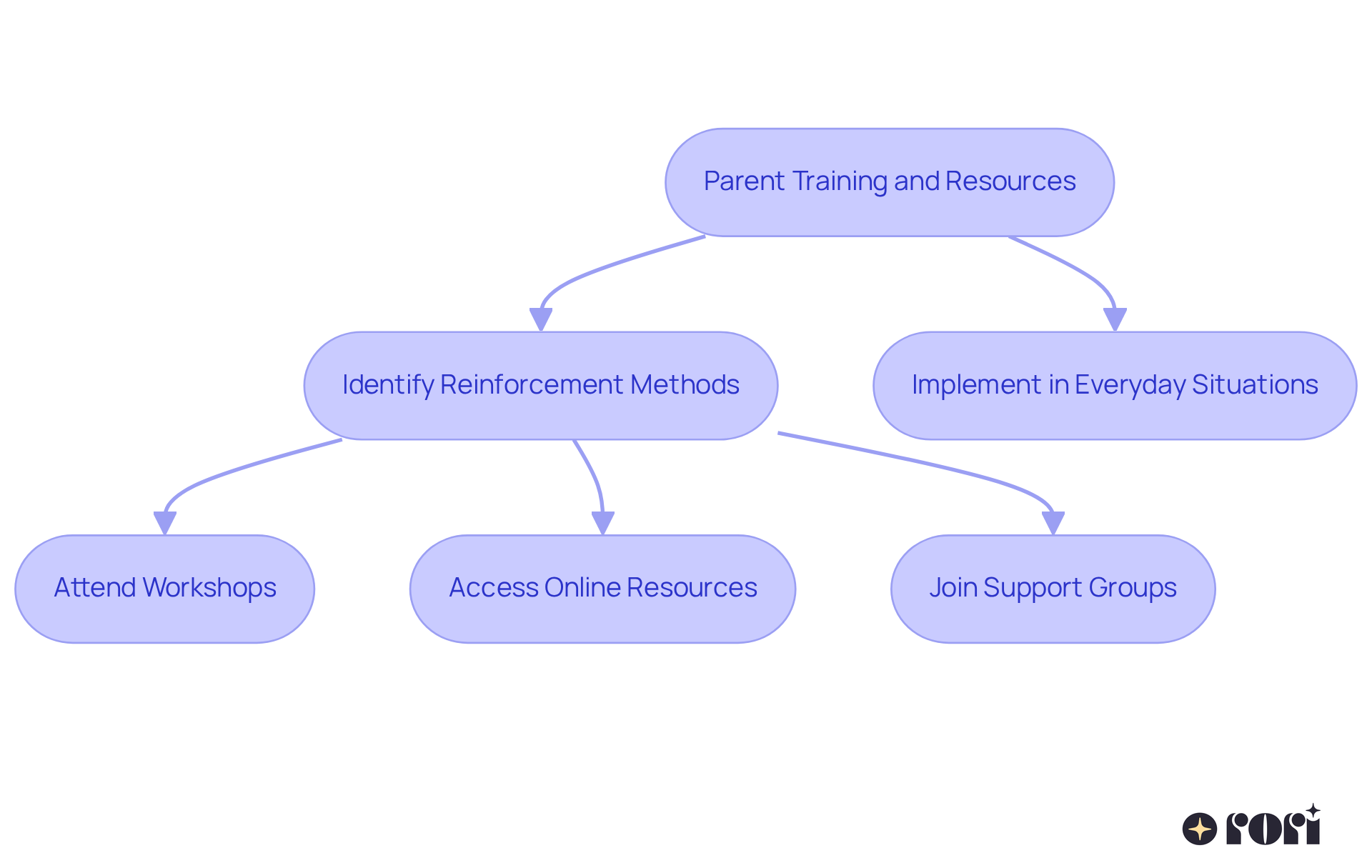
are essential for helping families utilize the at home. At Rori Care, our amazing clinicians are here to provide comprehensive and compassionate support, guiding families through the journey of .
Workshops, online resources, and can truly equip parents with the knowledge and skills they need to apply the consistently. For example, parents can learn how to:
By deepening their understanding of ABA concepts and methods, caregivers can make informed choices that positively impact their children's development.
This active involvement not only reinforces the skills learned in therapy but also empowers caregivers, helping to reduce stress and improve overall family dynamics. To make the most of these approaches, parents are encouraged to practice supportive methods daily. This consistency is key to fostering their child's growth. Let’s explore this together!
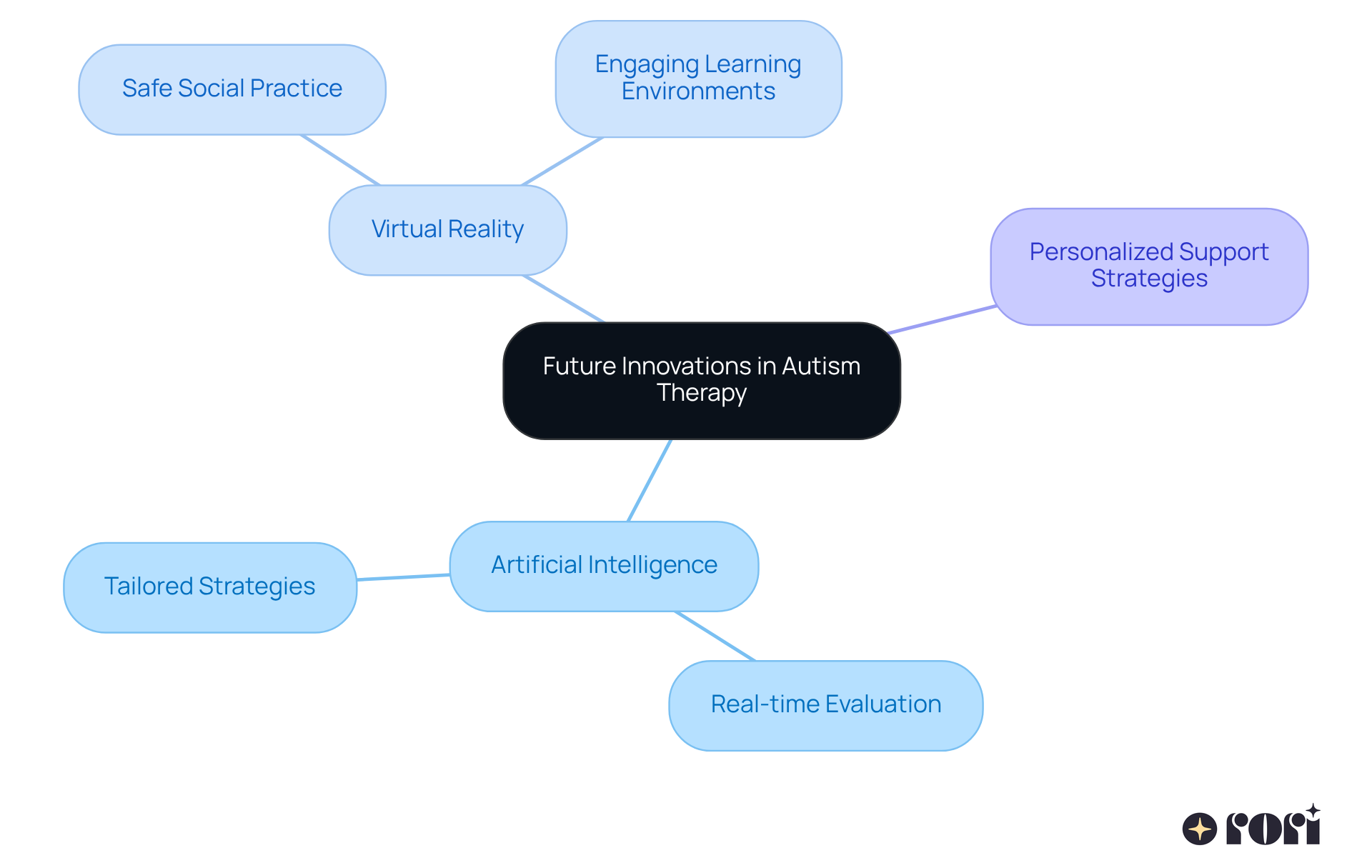
Future advancements in support techniques are really exciting for autism therapy! With and research insights, we’re seeing some amazing changes. For instance, is stepping in to help tailor that fit individual preferences. This means that the support can be more .
Imagine this: AI-driven applications can actually evaluate how a young person reacts to different stimuli. This allows therapists to adjust the in real-time, making learning more engaging and effective. Isn’t that incredible?
And let’s not forget about ! These immersive environments offer a safe space for young individuals to practice without the pressures of real-world situations. It’s like a playground for their social interactions, where they can learn and grow at their own pace.
As these technologies keep evolving, it’s super important for both practitioners and families to stay in the loop. By doing so, we can ensure that children receive the most effective and possible. Let’s explore this journey together and make the best choices for our kids!
Exploring reinforcement methods for children on the autism spectrum really shows how powerful personalized and data-driven approaches can be in encouraging positive behavior and engagement. When caregivers and therapists tailor strategies to fit individual needs, they create a nurturing environment that not only boosts learning but also strengthens the bond between children and their support systems.
It’s clear that positive reinforcement techniques, integrating natural reinforcers into daily life, and maintaining consistency across different environments are key. When parents, educators, and therapists work together, it amplifies the effectiveness of these strategies. This teamwork ensures that children receive coherent and supportive guidance that truly promotes their development.
As technology and research continue to evolve in autism therapy, it’s so important for families and practitioners to stay informed and adaptable. Embracing innovative tools and methods can empower caregivers to provide the best support possible, leading to improved outcomes for children on the autism spectrum. Remember, the journey toward fostering positive behaviors is a collective one. With the right strategies, every child can thrive! Let’s explore this together!
What is Rori Care's approach to ABA therapy?
Rori Care focuses on a unique, personalized approach to ABA therapy that tailors support techniques to meet each child's specific needs through thorough assessments conducted by clinicians.
How does personalized ABA therapy benefit children on the autism spectrum?
This individualized approach boosts engagement and helps build a stronger connection between the child and the therapeutic process, leading to better behavioral outcomes.
What are positive reinforcement techniques in ABA therapy?
Positive reinforcement techniques involve providing rewards or incentives immediately after a desired behavior to increase the likelihood of that behavior occurring again, such as offering verbal praise or small rewards.
Why is verbal praise important in reinforcing behaviors?
Verbal praise helps children associate their actions with positive reinforcement, enhancing their motivation, engagement, confidence, and self-esteem.
How can caregivers create a supportive atmosphere for children undergoing ABA therapy?
By consistently using positive reinforcement methods, caregivers can encourage learning and development, improving the child's quality of life and empowering themselves to influence their child's progress positively.
What role does data play in enhancing reinforcement effectiveness in ABA therapy?
Data-driven methods allow clinicians to systematically gather and analyze behavioral data to tailor reinforcement strategies that resonate best with each child.
What is the significance of caregiver participation in ABA therapy?
Active participation from caregivers, following suggested treatment hours, can lead to significant progress in about 90% of children, highlighting the importance of collaboration in the therapeutic process.
What is Rori Care's philosophy regarding individualized planning?
Rori Care believes in the power of individualized planning and measurable goals, aiming to empower caregivers with ABA principles and strategies to enhance behavioral support effectiveness.