10 Collaborative Methods to Improve Joint Attention in Autism

Explore effective collaborative methods for improving joint attention in children with autism.

Introduction

Understanding and enhancing joint attention in children with autism is so important for helping them develop communication and social skills. By exploring different collaborative methods, caregivers and educators can find effective strategies that promote shared focus and engagement.

But let’s be honest - navigating the complexities of autism interventions can be overwhelming. You might wonder, what are the best approaches to take? What techniques can truly make a difference in your child's development?

In this article, we’ll dive into ten innovative methods that not only aim to improve joint attention but also empower families like yours to support their children's growth effectively. Let’s explore this together!

Rori Care - ABA Therapy: Personalized Strategies for Enhancing Joint Attention

At Rori Behavioral Innovations, we take a friendly, data-driven approach to Applied Behavior Analysis (ABA) therapy. Our focus is on creating personalized strategies that cater to each child's unique needs. Through thorough assessments, our clinicians pinpoint specific areas for improvement, ensuring that everyone is on the same page. We seamlessly integrate techniques like modeling, prompting, and reinforcement into our therapy sessions, which utilize collaborative methods for improving joint attention in children with autism to foster shared focus and engagement. For example, interactive play activities that encourage turn-taking are effective collaborative methods for improving joint attention in children with autism.

But that’s not all! Our commitment to incorporating AI technology means we can make real-time adjustments to treatment plans. This ensures that our strategies remain effective as your child progresses. Research shows that early and intensive ABA therapy can lead to remarkable improvements in communication and social skills, especially when tailored to individual needs. By leveraging data-informed insights, Rori Behavioral Innovations is paving the way for better outcomes for kids with autism through collaborative methods for improving joint attention in children with autism, while also emphasizing shared focus in our therapeutic interventions.

Let’s explore this together! If you’re looking for support or resources, we’re here to help you every step of the way!
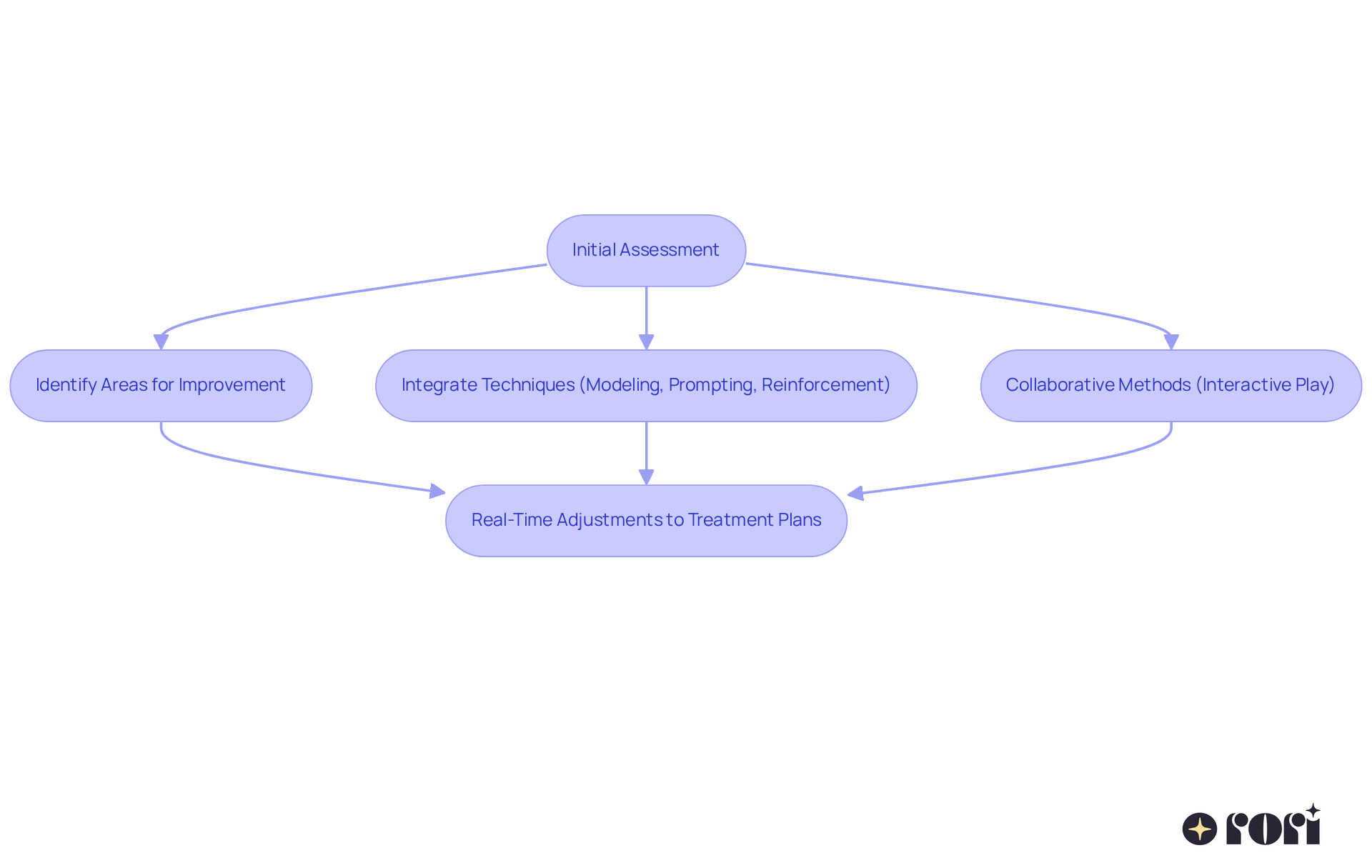
Each box represents a step in the therapy process. Follow the arrows to see how we move from assessment to implementing strategies and making adjustments based on your child's progress.

Applied Behavior Analysis (ABA): Effective Techniques for Joint Attention Development

Applied Behavior Analysis (ABA) offers a variety of methods that can really help individuals of all ages who are facing behavioral challenges, including those with Autism Spectrum Disorders and ADHD. Let’s dive into some key strategies that can make a difference:

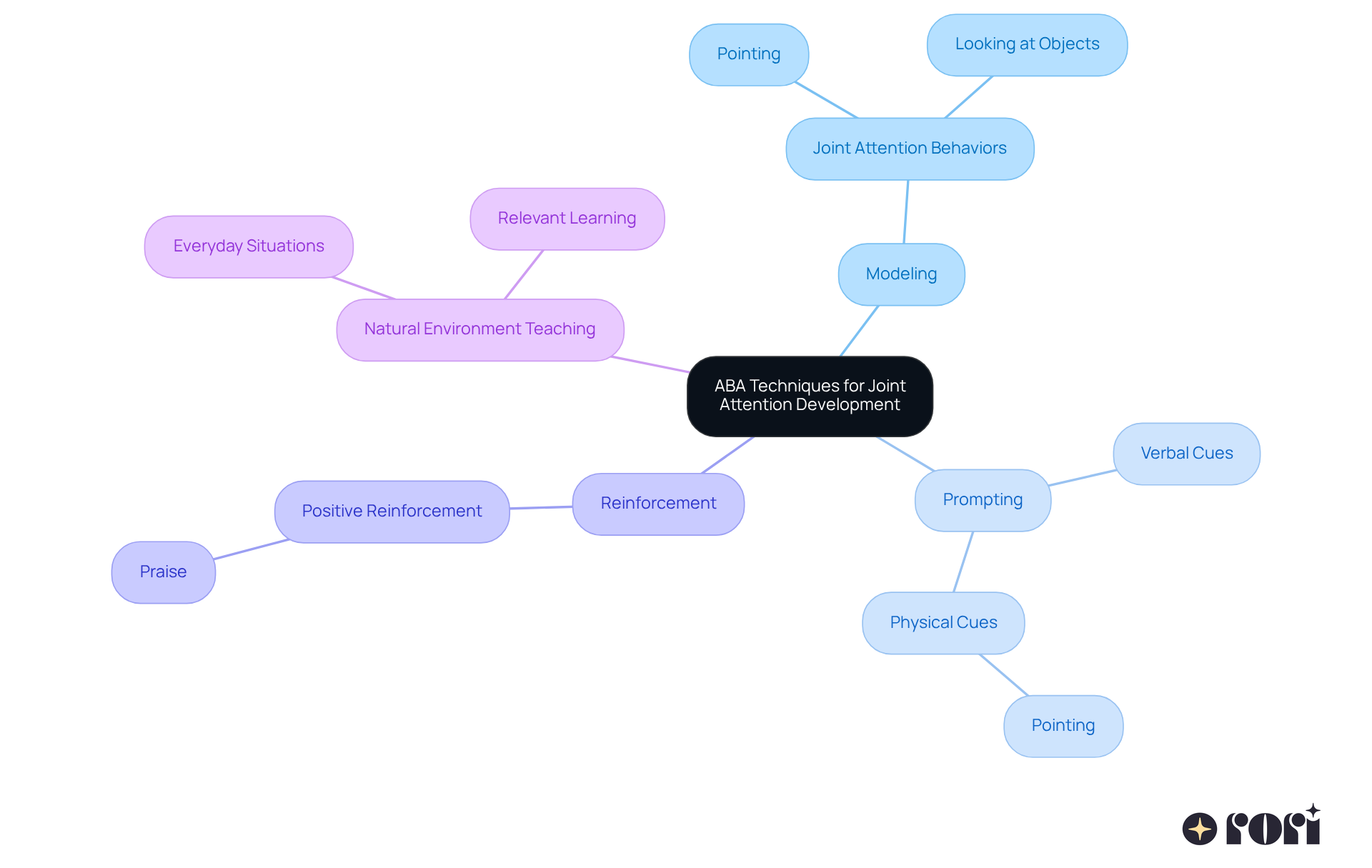
  • Modeling: By demonstrating joint attention behaviors-like pointing and looking at objects-you can encourage children to imitate these actions. It’s all about showing them the way!
  • Prompting: Using verbal or physical cues, such as saying, 'Look at that!' while pointing, can help kids get started with shared focus. It’s a gentle nudge in the right direction.
  • Reinforcement: When a child successfully participates in shared focus, offering positive reinforcement can really boost their confidence and encourage them to repeat the behavior. Who doesn’t love a little praise?
  • Natural Environment Teaching: Integrating shared focus activities into everyday situations makes learning feel relevant and engaging for young learners. It’s all about making those connections in real life!

These strategies, which include collaborative methods for improving joint attention in children with autism, not only help develop shared focus but also empower caregivers with ABA principles. By aligning strategies and collecting data, you can ensure effective behavioral support.

So, let’s explore this together! If you’re looking for ways to support your child, remember that you’re not alone in this journey. We’re here to help you every step of the way!

The center represents the main focus on ABA techniques, while the branches show different strategies. Each strategy has its own description, helping you understand how they contribute to developing joint attention.

Peer Interaction Games: Engaging Activities to Foster Joint Attention Skills

Peer interaction games are not just fun; they’re a fantastic way to help improve shared focus abilities in kids with autism! At Rori Care, we’re all about supporting caregivers with ABA principles, and these activities really showcase that commitment.

Let’s dive into some engaging activities:

  • Turn-Taking Games: Think of classics like 'Simon Says' and 'Duck, Duck, Goose.' These games encourage kids to focus on each other, which helps build collaborative methods for improving joint attention in children with autism as well as communication skills.
  • Collaborative Play: Activities that require teamwork, like building a tower together or playing catch, are great for promoting shared focus and enhancing social interaction.
  • Interactive Storytelling: Reading books together and asking questions about the story helps kids practice shifting their focus between the narrative and their friends.

These activities do more than just improve focus; they also strengthen social bonds among kids, creating a supportive environment for their growth. Research shows that turn-taking games are among the collaborative methods for improving joint attention in children with autism, making them a valuable tool in autism interventions. Developmental psychologists emphasize that cooperative play, which can be seen as one of the collaborative methods for improving joint attention in children with autism, is key for developing social skills and allowing kids to interact meaningfully with their peers, enriching their social experiences.

At Rori Care, our clinical leadership team is dedicated to nurturing these abilities through tailored strategies and methods. We believe every child deserves the chance to thrive! So, let’s explore this together and see how we can support your child’s journey!
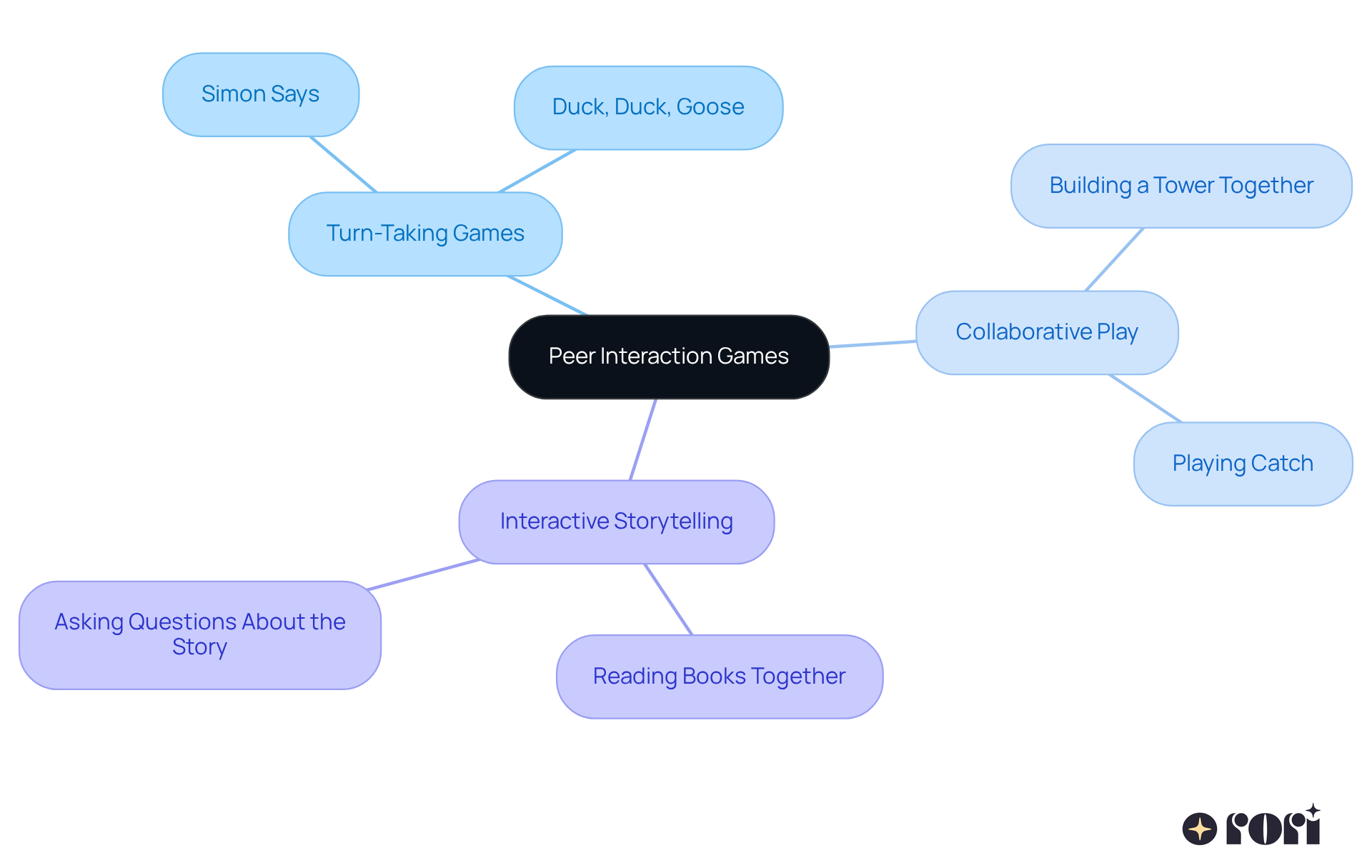
The central node represents the main theme of peer interaction games, while the branches show specific activities that help improve focus and social skills. Each color-coded branch highlights different types of games, making it easy to see how they contribute to joint attention.

Parent-Led Initiatives: Empowering Families to Enhance Joint Attention at Home

Parents play a crucial role in nurturing joint attention skills at home, and there are some fun and effective strategies to help!

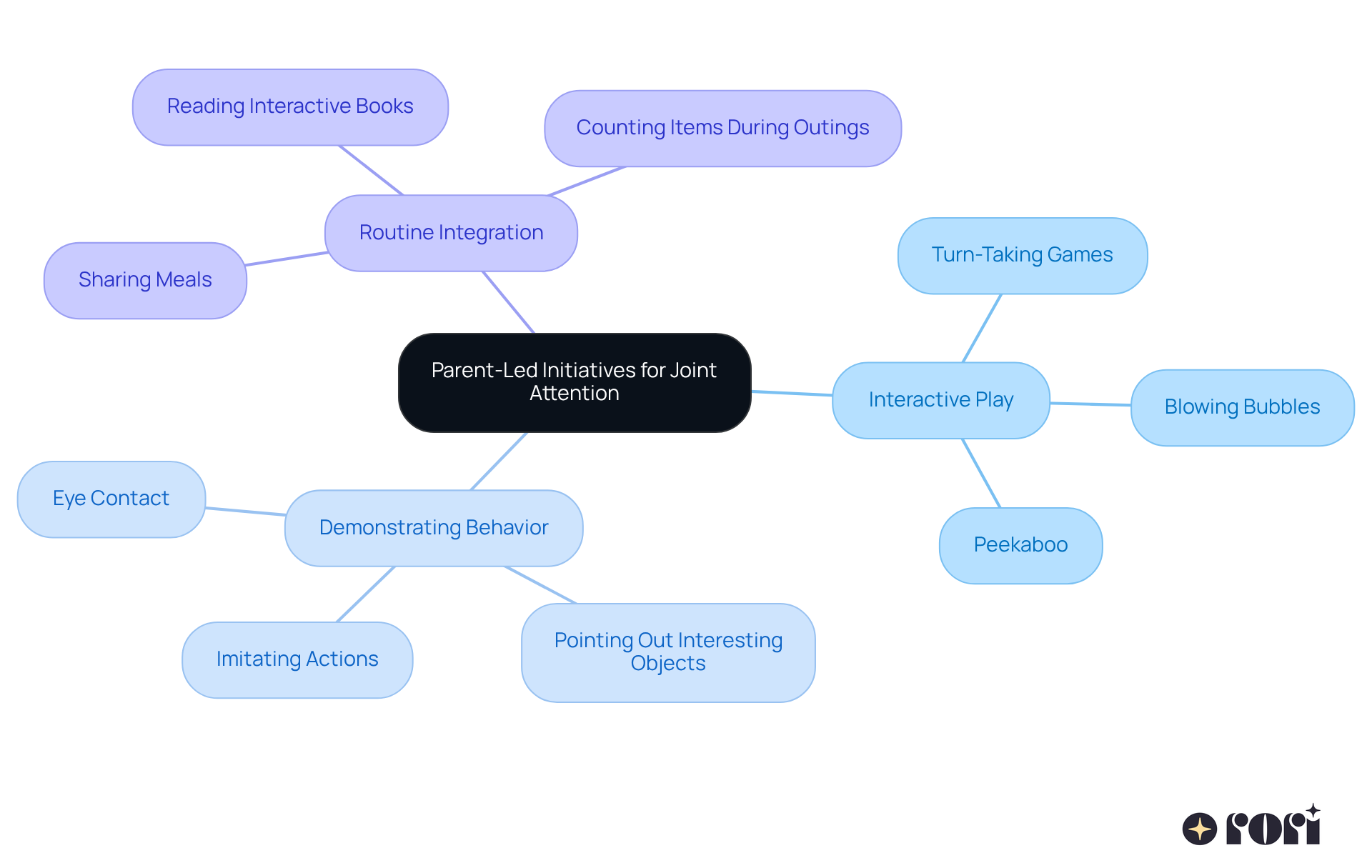
  • Interactive Play: Think about those moments when you’re blowing bubbles or playing peekaboo. Engaging in activities that require shared focus, like turn-taking games or cooperative play with toys, can significantly enhance collaborative methods for improving joint attention in children with autism. These playful interactions not only get kids involved but also spark their social engagement!

  • Demonstrating Behavior: Have you ever pointed out something interesting while maintaining eye contact? This simple act can motivate your child to imitate your actions. By using collaborative methods for improving joint attention in children with autism to model shared focus, you’re helping them learn how to start and respond to shared signals, which lays the groundwork for effective communication.

  • Routine Integration: Incorporating shared focus activities into your daily routines - like sharing meals, reading interactive books, or counting items during outings - can reinforce these skills naturally. Predictable routines create a sense of safety, making it easier for your little ones to concentrate and engage in collaborative methods for improving joint attention in children with autism.

Research shows that when parents actively participate in their child's learning through collaborative methods for improving joint attention in children with autism, kids can make significant progress. By being involved in your child’s development, you can truly make a difference in enhancing their shared focus abilities, ultimately supporting their social and communication growth.

Let’s explore this together! Your involvement can be the key to unlocking your child’s potential!

The central node represents the main theme of parent-led initiatives. Each branch shows a strategy that parents can use, with further details provided in the sub-branches. This layout helps you see how different approaches connect to the overall goal of improving joint attention.

Technology-Enhanced Interventions: Innovative Tools for Joint Attention Improvement

Technology is becoming a game-changer for kids with Autism Spectrum Disorders, ADHD, and other behavioral challenges. Let’s take a look at some tools that can really make a difference:

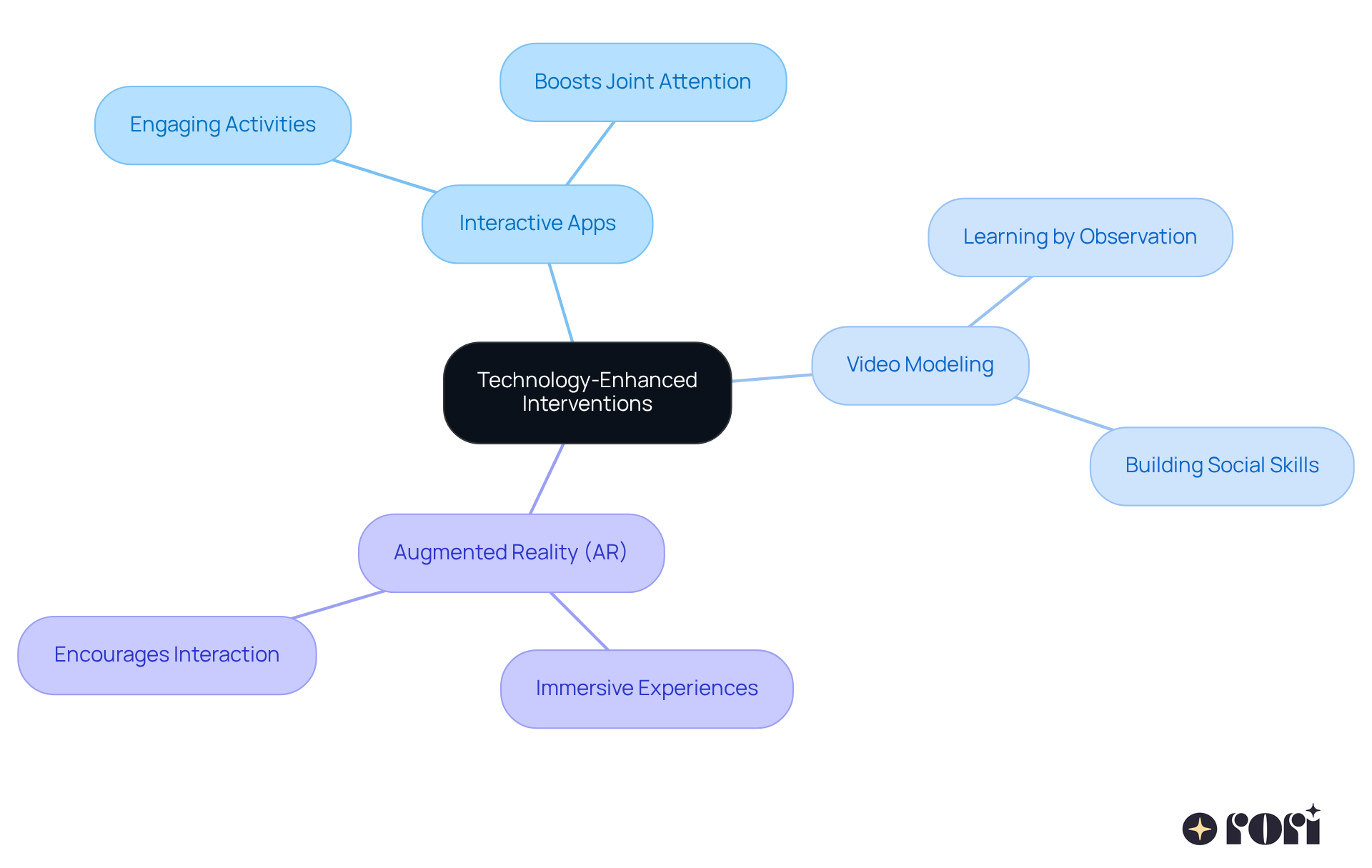
  • Interactive Apps: These fun applications are designed to boost joint attention through engaging activities and games. They can motivate children to join in, especially those who might be struggling with certain skills.
  • Video Modeling: Watching videos that showcase shared focus behaviors can help kids learn by observing their peers or adults. This is so important for building social skills and communication.
  • Augmented Reality (AR): Imagine immersive experiences that encourage kids to interact with others in a playful way! AR tools can foster better relationships and communication, making learning feel like an adventure.

These tech-savvy interventions can be integrated with collaborative methods for improving joint attention in children with autism, complementing the traditional therapy approaches offered by Rori Care. They provide extra avenues for skill development and assist caregivers in learning collaborative methods for improving joint attention in children with autism.

Let’s explore this together! We’re here to help you every step of the way!

The central node represents the overall theme of technology-enhanced interventions, while the branches show specific tools and their benefits. Each color-coded branch helps you quickly identify different types of interventions and how they contribute to improving joint attention.

Evidence-Based Practices: Research-Backed Strategies for Joint Attention Enhancement

When it comes to helping our kids with collaborative methods for improving joint attention in children with autism, evidence-based methods really make a difference! Here are some key strategies that can help:

  • Natural Language Acquisition: Encouraging children to use language during joint attention activities can significantly boost their communication skills. You might notice that kids who engage in language-rich interactions during these moments show real improvements in their expressive language over time. It’s amazing to see how much they can grow!

  • Peer-Mediated Interventions (PMIs): Have you ever thought about how peers can play a role in supporting kids with autism? Training peers to interact with them has shown great results in promoting shared focus. Research shows that PMIs can lead to substantial improvements in collaborative focus abilities. For instance, one study found that youths with mild to moderate autism in the PMI group made greater strides in social skills compared to those receiving traditional behavioral therapy. It’s all about those positive peer interactions!

  • Parent-Mediated Strategies: Engaging parents in the intervention process is another game-changer. When parents are trained to implement joint attention strategies, their kids often show improved social responsiveness and engagement. This teamwork not only empowers parents but also reinforces the skills learned during therapy sessions. By equipping caregivers with ABA principles and strategies, they can provide better support at home and contribute to their children’s progress.

Research consistently backs these strategies, showing their effectiveness in enhancing collaborative methods for improving joint attention in children with autism and overall social communication skills. For example, a systematic review suggested that PMIs can boost social motivation and reduce challenging behaviors in young individuals with autism. It really highlights how important peer interactions are in fostering collaborative focus abilities.

So, let’s explore this together! If you’re looking for ways to support your child, these strategies could be just what you need. We’re here to help you every step of the way!
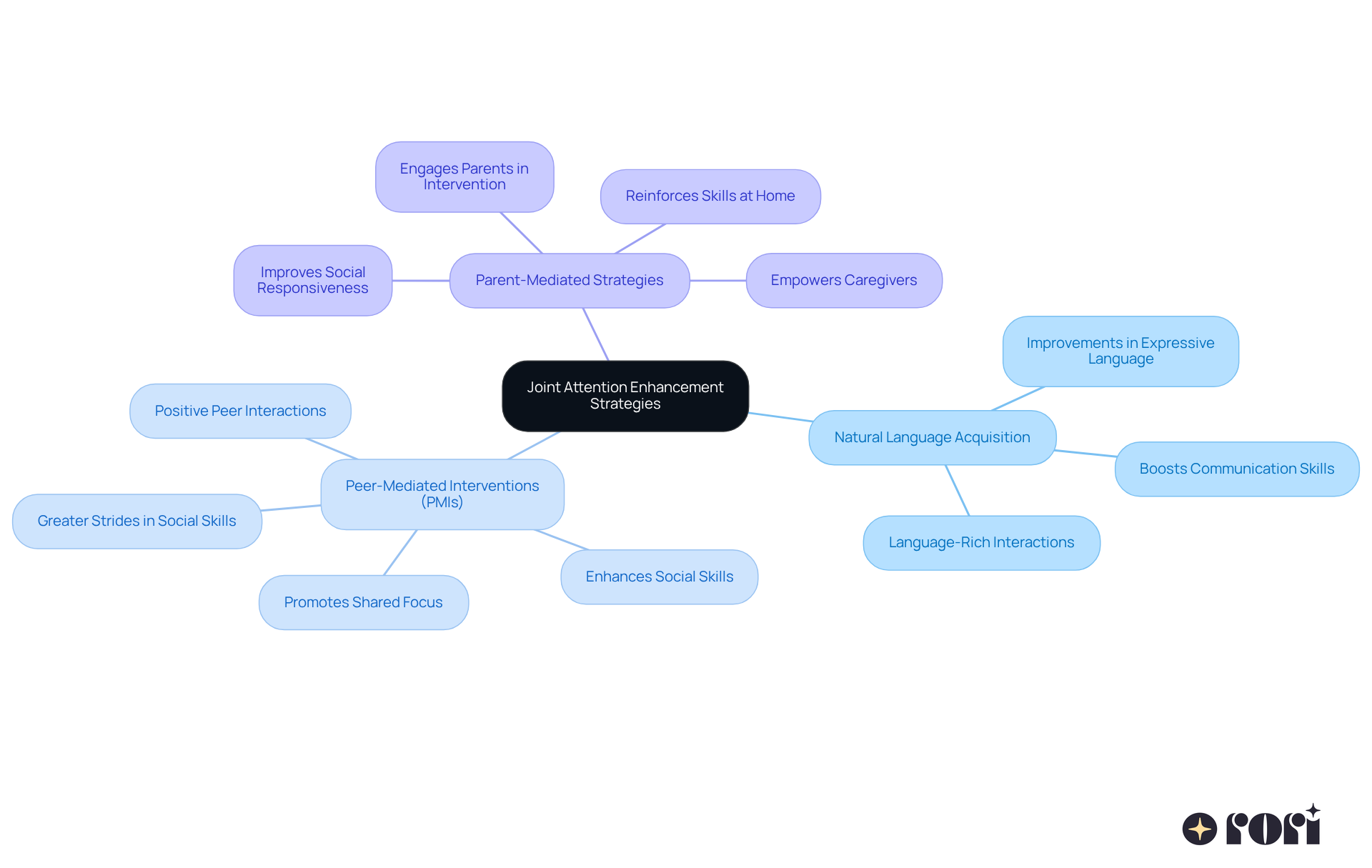
The central node represents the main goal of enhancing joint attention, while each branch shows a specific strategy. Follow the branches to learn about the benefits and key points of each method.

Interdisciplinary Collaboration: Team Approaches to Strengthen Joint Attention Skills

Interdisciplinary teamwork among specialists can really make a difference in how we support our kids, especially when it’s guided by the caring and thorough Applied Behavior Analysis therapy at Rori Care. Here’s how we do it:

  • Team Meetings: We hold regular get-togethers with therapists, educators, and parents to chat about progress and strategies. This way, families feel supported every step of the way.
  • Shared Goals: By setting mutual objectives, we ensure everyone is on the same page, working together to boost collaborative focus. This empowers caregivers with ABA principles to help their kids reach their behavioral goals.
  • Resource Sharing: When we collaborate, we can share resources and methods that benefit everyone involved, all guided by BCBA strategies for positive behavior change and growth.

By coming together, our experts develop collaborative methods for improving joint attention in children with autism to create a more holistic approach to nurturing shared focus skills. It’s all part of Rori Care’s commitment to supporting families.

Let’s explore this journey together!

Start at the center with the main theme of collaboration, then follow the branches to see the specific strategies and how they connect to improving joint attention skills.

Developmental Milestones: Tracking Joint Attention Progress in Children with Autism

Tracking developmental milestones related to joint attention is so important for understanding how your little one is progressing! Let’s break down some key milestones:

  • Initiating Joint Attention: Around 12 months, your child will likely start pointing or showing objects to share their interest. Isn’t that exciting?
  • Responding to Joint Attention: By 18 months, they should begin following pointing gestures and looking at objects that catch their eye. It’s a wonderful way to see their curiosity grow!
  • Coordinating Attention: By age 2, you’ll notice them shifting their gaze between you and an object, showing that they can share focus. What a big step!

Regular assessments can really help you identify where your child shines and how collaborative methods for improving joint attention in children with autism can provide the extra support they might need. This way, you can make timely adjustments to any collaborative methods for improving joint attention in children with autism. Remember, you’re not alone in this journey! We’re here to help you every step of the way!
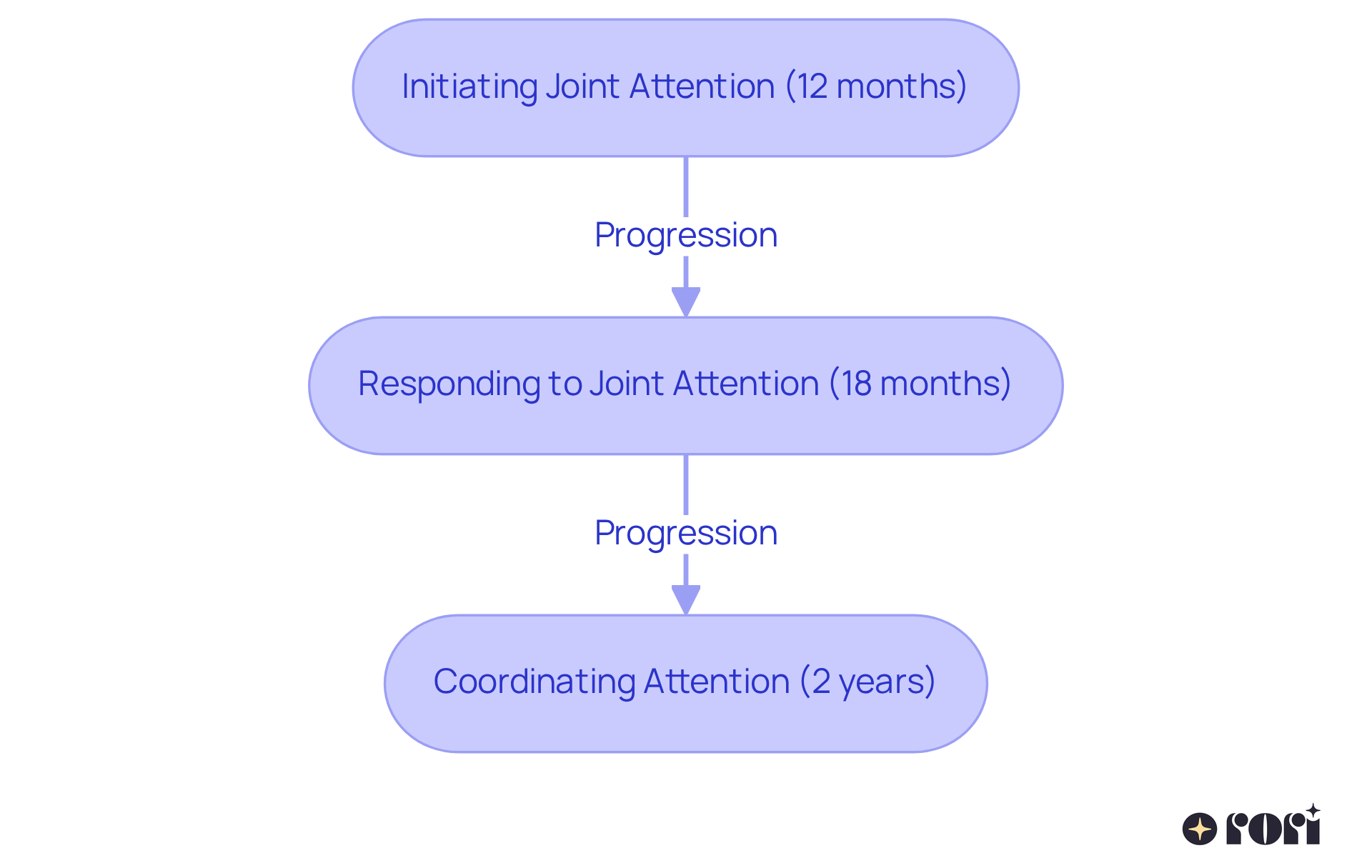
Each box represents a key milestone in joint attention development. Follow the arrows to see how these milestones build on each other as your child grows.

Overcoming Barriers: Strategies to Address Joint Attention Challenges

Children with autism often encounter unique challenges when it comes to developing shared focus skills. But don’t worry - there are several strategies that can really help!

  • Creating Engaging Environments: Think about how a lively and interactive play space can grab a child’s attention. When kids are in engaging environments, they’re more likely to focus and participate, which can lead to better communication and interaction. It’s all about making the space inviting!

  • Using Visual Supports: Have you ever noticed how images or symbols can guide a child’s focus? Incorporating visual aids can be a game-changer! Research shows that these supports not only enhance understanding but also promote shared engagement. They’re truly valuable tools in autism interventions.

  • Gradual Ability Development: Breaking tasks into smaller, manageable steps can make a world of difference. This approach helps kids build their skills gradually, reducing feelings of overwhelm. Plus, as they master each step, their confidence grows!

By embracing collaborative methods for improving joint attention in children with autism, caregivers and educators can create a nurturing atmosphere that encourages the development of shared focus skills. This, in turn, can lead to improved communication and social interaction for children with autism. Let’s explore this together and see how we can support our little ones on their journey!
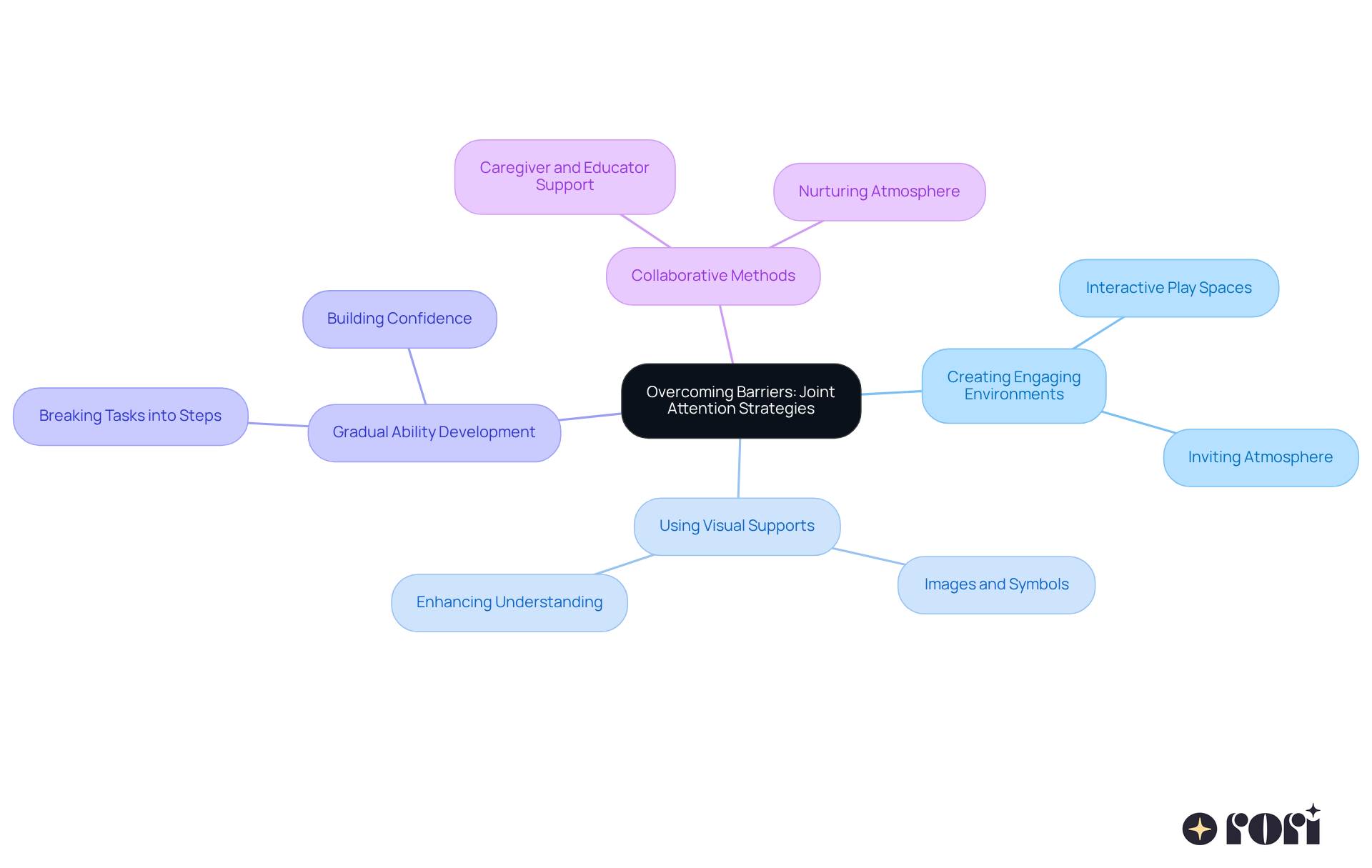
The central node represents the main topic, while the branches show different strategies. Each strategy can have further details, helping you understand how to support children with autism in developing shared focus skills.

Long-Term Impact: How Joint Attention Skills Enhance Social and Communication Development

Cultivating shared focus abilities can really make a difference in your child's social and communication growth! 🌟 Here are some key benefits:

  • Improved Social Skills: When children master joint attention, they’re more likely to engage in reciprocal interactions. This helps them build friendships and social connections that last.
  • Improved Communication: Shared focus is crucial for language development. It encourages young ones to share experiences and express their needs more clearly.
  • Improved Learning Results: Kids with strong shared focus skills often shine in academics. They can participate more effectively in classroom settings, which boosts their learning.

By prioritizing collaborative methods for improving joint attention in children with autism in therapy and empowering caregivers with specific ABA principles and strategies, such as prompting and reinforcement techniques, families can significantly enhance their ability to support their loved ones' behavioral goals. Educating caregivers not only gives them the knowledge to make informed decisions but also encourages active involvement, leading to better behavioral outcomes. This collaborative approach truly sets the stage for a child's future success in social and communication areas by utilizing collaborative methods for improving joint attention in children with autism.

Let’s explore this together! We’re here to help you every step of the way!

The central node represents joint attention skills, while the branches show how these skills enhance social skills, communication, and learning. Each benefit is connected to the main idea, illustrating the positive impact of shared focus.

Conclusion

Enhancing joint attention in children with autism can feel like a big task, right? It’s a journey that blends personalized strategies, teamwork, and some creative tools. By using techniques like modeling, prompting, and reinforcement, caregivers and therapists can help kids share focus and engage more. This shared attention is so important for their social and communication growth!

Throughout this article, we’ve explored some effective strategies, like peer interaction games and parent-led initiatives. Each of these approaches plays a role in boosting joint attention skills. It’s all about empowering families and professionals to create nurturing environments where kids can thrive. And let’s not forget the importance of tracking developmental milestones and using engaging activities and visual supports. These elements are key to making progress!

When we prioritize joint attention skills, we open the door to some amazing long-term benefits. Not only do social skills and communication improve, but academic success can also follow. By embracing collaborative methods to enhance joint attention in children with autism, families can truly make a difference in their children’s lives. So, let’s stay committed to this journey together! Remember, there are resources and support systems out there to help unlock the full potential of every child. We’re here to help you every step of the way!

Frequently Asked Questions

What is Rori Care's approach to ABA therapy?

Rori Care uses a friendly, data-driven approach to Applied Behavior Analysis (ABA) therapy, focusing on personalized strategies tailored to each child's unique needs.

How does Rori Care assess children's needs for ABA therapy?

Clinicians at Rori Care conduct thorough assessments to pinpoint specific areas for improvement, ensuring a clear understanding of each child's needs.

What techniques are integrated into Rori Care's therapy sessions?

Techniques such as modeling, prompting, and reinforcement are integrated into therapy sessions to enhance joint attention and engagement in children with autism.

Can you give an example of a collaborative method used to improve joint attention?

Interactive play activities that encourage turn-taking, such as games, are effective collaborative methods for improving joint attention in children with autism.

How does Rori Care utilize AI technology in therapy?

Rori Care incorporates AI technology to make real-time adjustments to treatment plans, ensuring strategies remain effective as the child progresses.

What benefits does early and intensive ABA therapy provide?

Research indicates that early and intensive ABA therapy can lead to significant improvements in communication and social skills, especially when tailored to individual needs.

What are some effective techniques for developing joint attention in children?

Key techniques include modeling joint attention behaviors, prompting with verbal or physical cues, reinforcement for participation, and integrating activities into natural environments.

What are peer interaction games, and how do they help children with autism?

Peer interaction games, such as turn-taking games and collaborative play, are engaging activities that improve shared focus abilities and enhance social interaction among kids with autism.

How do turn-taking games contribute to joint attention skills?

Turn-taking games encourage kids to focus on each other, helping to build collaborative methods for improving joint attention and communication skills.

What is the goal of Rori Care's clinical leadership team?

The clinical leadership team at Rori Care is dedicated to nurturing children's abilities through tailored strategies and methods, believing that every child deserves the chance to thrive.