Navigating the complexities of parenting an autistic child can feel like a daunting journey, can’t it? It’s filled with unique challenges and emotional hurdles that can leave parents feeling overwhelmed. But here’s the good news: effective behavioral strategies can shine a light on this path, helping parents foster positive growth and development in their children.
In this article, we’ll explore ten impactful strategies that not only enhance communication and social skills but also empower you to create a nurturing environment. So, how can you effectively implement these strategies amidst the daily challenges? Let’s dive into this together and discover how these approaches can lead to meaningful change in both your child’s behavior and your family dynamic. We’re here to help you every step of the way!
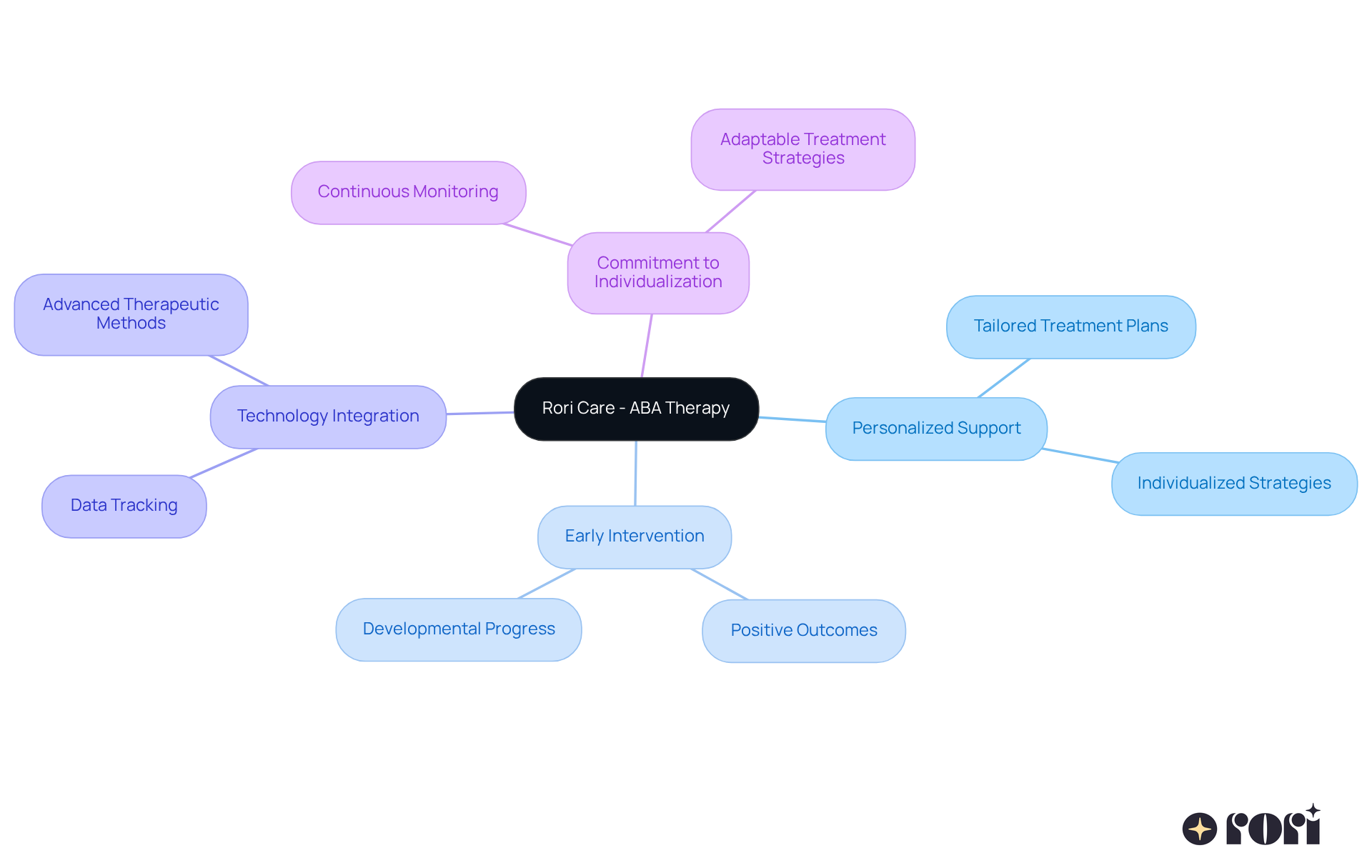
At Rori Behavioral Innovations, we understand that navigating the world of ABA therapy can feel overwhelming for parents. That’s why we take a to ensure that each treatment plan is tailored just for your child’s unique needs. This not only tackles specific but also fosters .
Research shows that can lead to more positive outcomes. Kids who receive intensive therapy often make . By blending advanced technology with proven therapeutic methods, Rori Care empowers families and clinicians to achieve the best possible results in .
We gather data and track activities meticulously, allowing us to observe progress continuously. This means that treatment strategies can adapt as your child’s needs change. Our commitment to places Rori Behavioral Innovations at the forefront of , helping young individuals gain independence and enhancing the quality of life for families.
Let’s explore this journey together! We’re here to every step of the way!
The stands for Antecedent, Behavior, and Consequence. By looking at these elements, parents can gain a clearer understanding of what triggers certain actions and how to utilize to respond effectively. For instance, if a child tends to act out after a specific request (the antecedent), recognizing this pattern can help parents apply , potentially reducing those unwanted behaviors in the future.
This model is a key part of within the framework of . Rori Care’s conduct care engine takes this understanding a step further by conducting for target actions and skills. It even generates automatic for clinicians to review! This connection allows caregivers to actively engage in their child’s by employing through informed data collection and the application of ABA principles.
Let’s explore this together! By understanding the , you’re already on the right path to supporting your child’s growth.

is one of the , focusing on rewarding the actions we want to see more of in Applied Behavior Analysis (ABA) therapy. Think of it as a way to celebrate those little victories! Techniques can vary from simple verbal praise to tangible rewards or even special privileges. For instance, when a child follows a direction, a quick compliment or a small treat can really boost their motivation and self-esteem. This structured approach not only creates a supportive learning environment but also increases the likelihood that kids will engage in in the future.
Recent studies highlight how effective can be. When , it can make a world of difference in their engagement and behavior.
Key Benefits of :
By getting family members involved in recognizing and rewarding , parents can utilize to create a consistent atmosphere that reinforces the skills learned in therapy. This ultimately leads to better social interactions and improved daily living skills. Let’s explore this together!

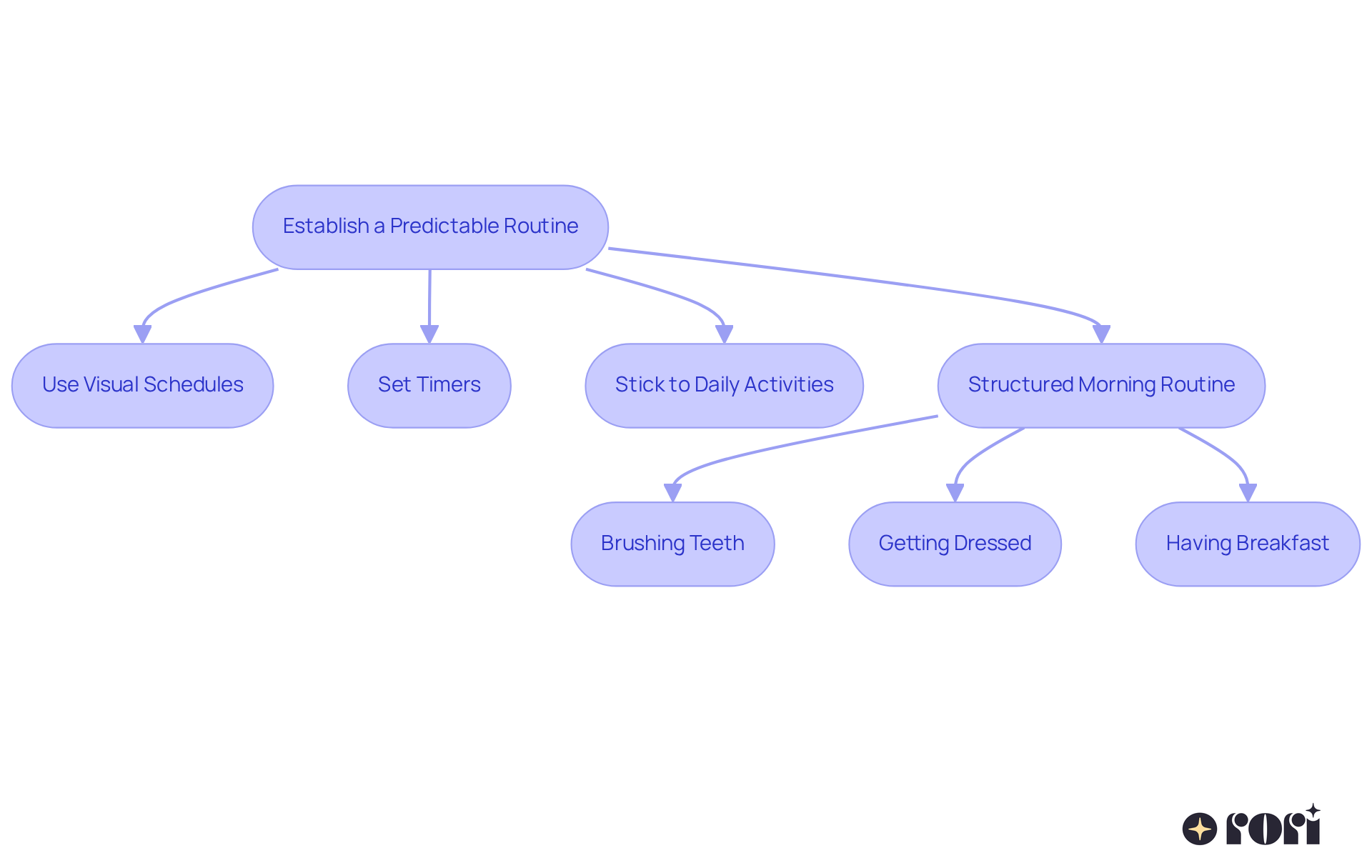
Creating is one of the . It helps them know what to expect, which can really ease anxiety and make tasks feel less daunting. Think about using , timers, and sticking to to boost that predictability. For instance, a that lays out specific steps - like brushing teeth, getting dressed, and having breakfast - can make those transitions into the day much smoother.
This approach not only but also builds confidence in young ones as they tackle their . Research shows that can significantly help , offering clear expectations and a comforting sense of security. By implementing , parents can that supports their child's emotional well-being and encourages .
Let’s explore this together! What have you found helpful? We’re here to help you every step of the way!
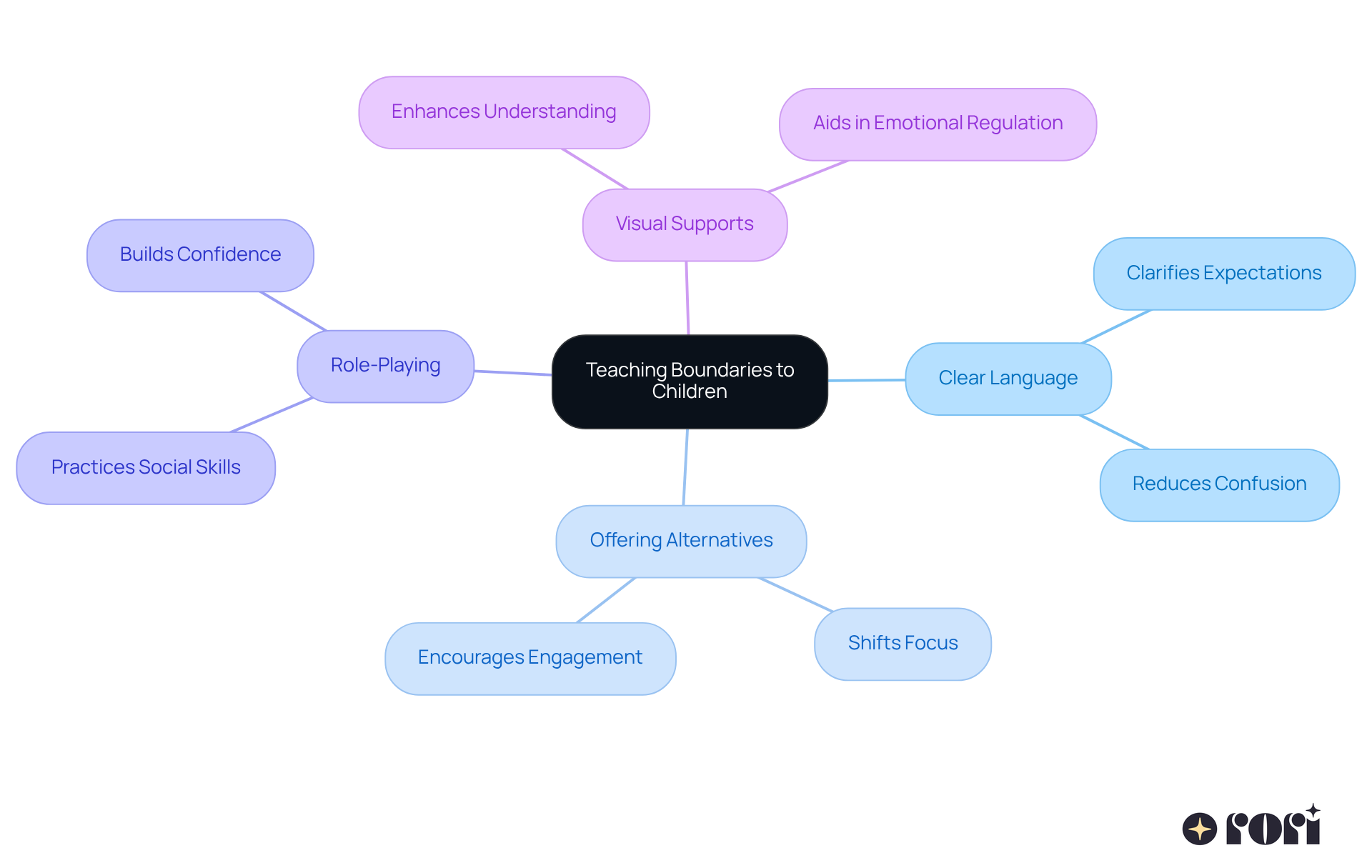
Teaching our little ones to accept 'no' can be a bit tricky, right? It’s all about using clear and simple language. We want to help them , so offering alternatives or distractions is key. For example, if your child is eyeing a toy that’s out of reach, why not suggest a fun activity or another toy to shift their focus? This approach not only helps them but also builds those important they’ll need as they grow.
Did you know that kids with autism often find emotional regulation challenging, highlighting the need for ? That’s why it’s super important to equip them with to help them bounce back when things don’t go their way. Techniques like role-playing or using are that can significantly boost their understanding of boundaries, making social interactions a bit easier.
Creating a where kids can practice is extremely beneficial. As parents, we can help them and , leading to healthier relationships and better . Let’s explore this together! We’re here to help you every step of the way!
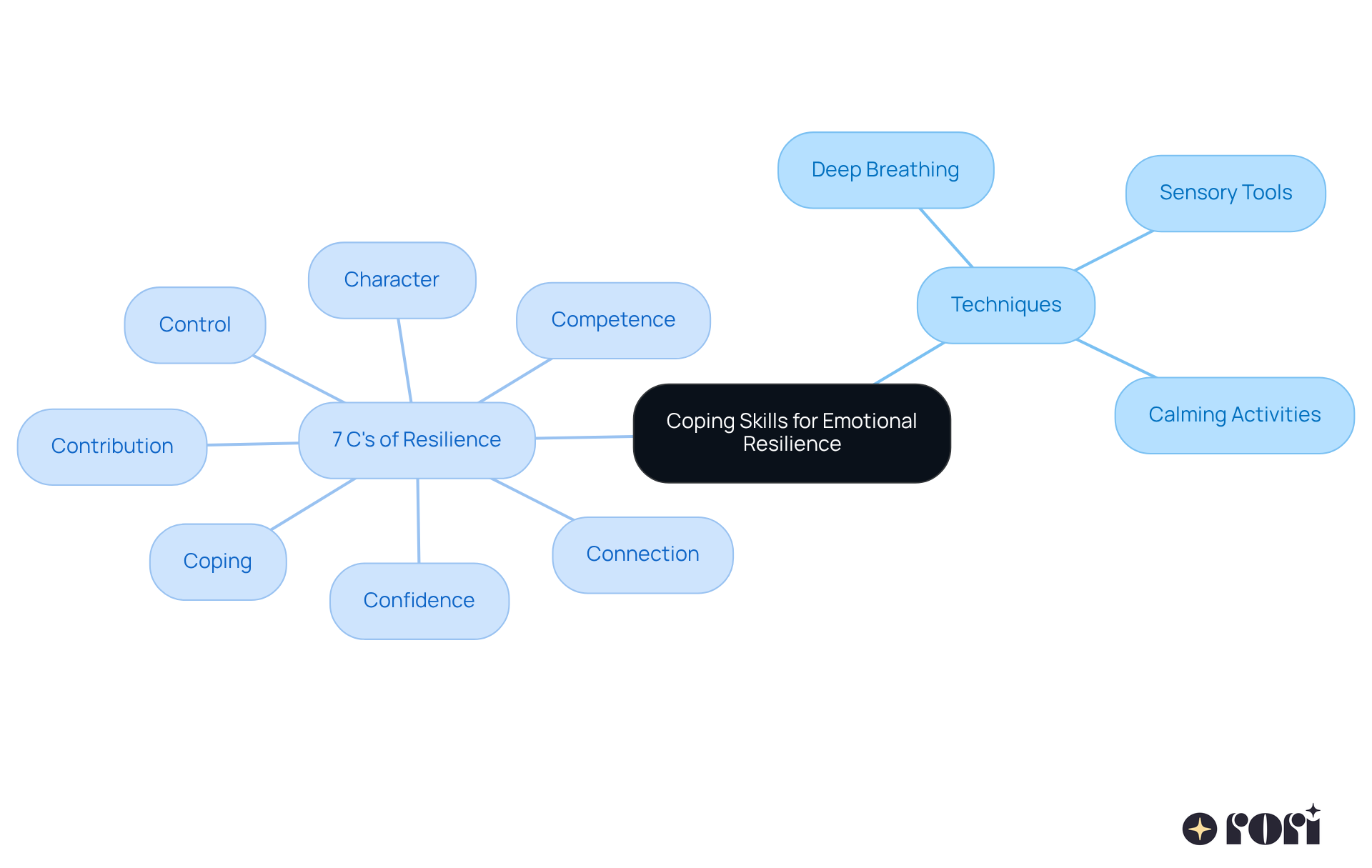
Helping young people develop coping skills is so important for managing their emotions and dealing with stress. Simple techniques like deep breathing, sensory tools, and can really boost their . For instance, when a young person feels overwhelmed, or use a fidget toy can help them regain control and ease their anxiety. These strategies not only help them tackle tough situations but also encourage independence and self-regulation.
As Ralph Waldo Emerson wisely said, true strength comes from overcoming difficulties. Understanding the - Competence, Confidence, Connection, Character, Contribution, Coping, and Control - can equip parents with to support their child's . At Rori Care, we emphasize the importance of equipping caregivers with the knowledge and skills they need to implement , helping their loved ones achieve their behavioral goals through active involvement and .
Research shows that can be quite effective in enhancing social abilities for individuals with ASD. This highlights just how vital these are for their development. Our clinical leadership team is passionate about neurodiversity and is dedicated to helping young individuals thrive, ensuring families get the support they need to overcome challenges and foster their child's growth. Let’s explore this together!
Understanding why our sometimes struggle with certain actions can feel like a puzzle. It takes a bit of careful observation and evaluation. One helpful tip for parents is to keep a diary of these actions. Jot down when and where , along with any potential triggers. For instance, if your child tends to have a tough time during transitions, it might be a sign that they’re finding it hard to adjust to change.
By addressing these , you can really enhance your . Behavior analysts emphasize that is key. As one expert wisely noted, "Establishing a timeline for each action enables providers to evaluate causes and possible support strategies." This proactive approach not only helps in spotting patterns but also allows you to that are tailored to your child’s unique needs.
Let’s explore this together! By sharing our experiences and insights, we can create a .

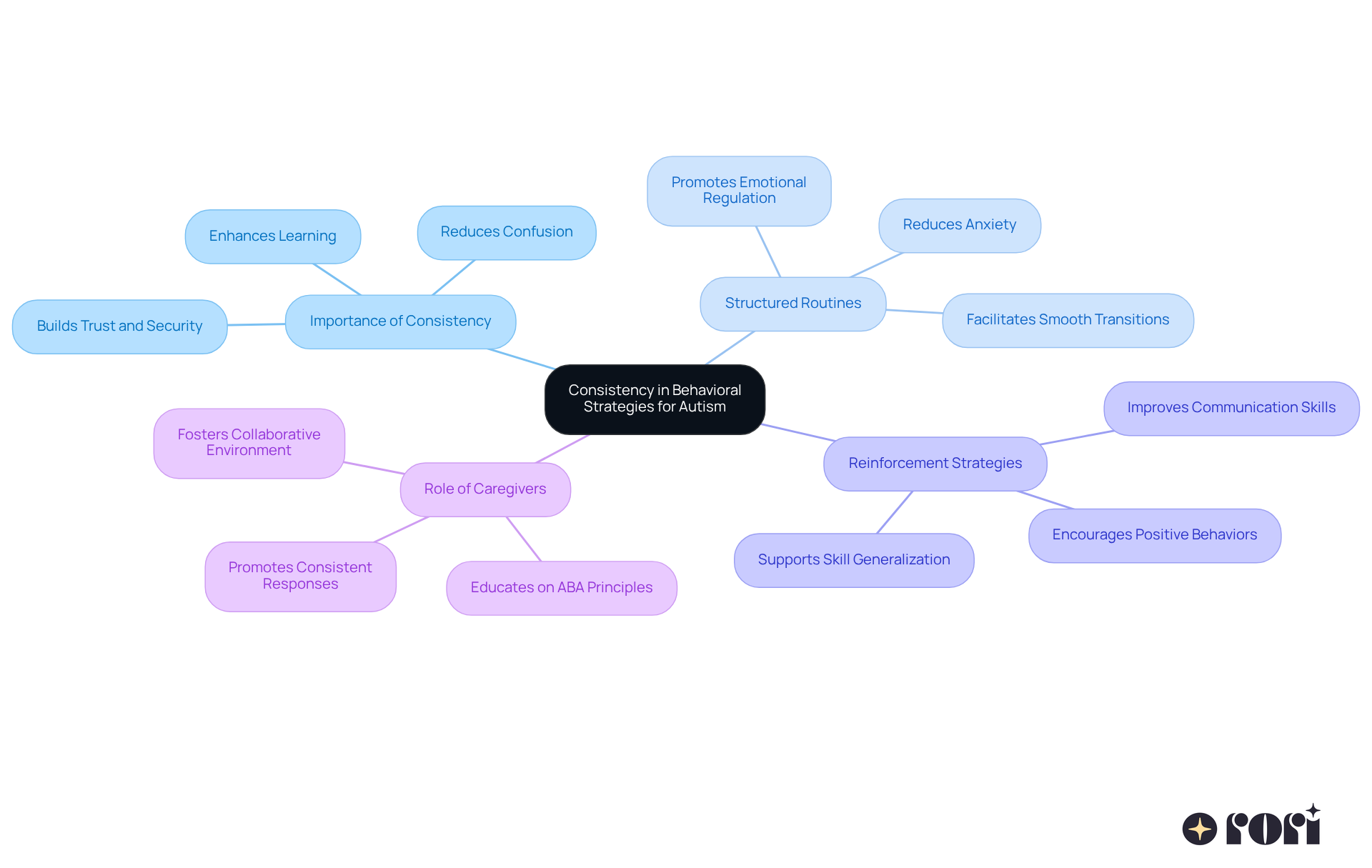
When managing behaviors in individuals with autism, highlight that consistency is key! Keeping rules, expectations, and reinforcement strategies uniform can make a world of difference. Imagine this: if a young person gets a reward for completing a task one day but not the next, it can really throw them off and hinder their learning. Research backs this up- not only strengthens learning but also motivates young individuals to repeat those . In fact, a study found that improved communication skills in 72% of youngsters with autism, showing just how beneficial a can be.
also play a vital role in creating a predictable environment. This predictability can help reduce anxiety and make transitions smoother for young individuals. Think about familiar routines, like morning or bedtime schedules; they provide a sense of control that’s so important for emotional regulation. By using , parents can really by responding the same way to behaviors across different settings, like home and school. This kind of consistency not only helps with skill generalization but also builds trust and security, allowing young individuals to truly thrive.
For instance, a young person who consistently receives praise for using appropriate language in therapy is more likely to carry that behavior over to home and social situations. Current research shows that reinforcement-based interventions are effective, with 85% of published case studies highlighting their success. By focusing on , parents can significantly enhance their child’s learning and behavioral growth. Plus, is crucial in this journey. It equips them with ABA principles and strategies that empower informed decision-making and active participation in their child’s development. This support not only improves behavioral outcomes but also creates a collaborative environment where caregivers feel confident and ready to contribute to their child’s success.
Let’s explore this together! We’re here to help you every step of the way!
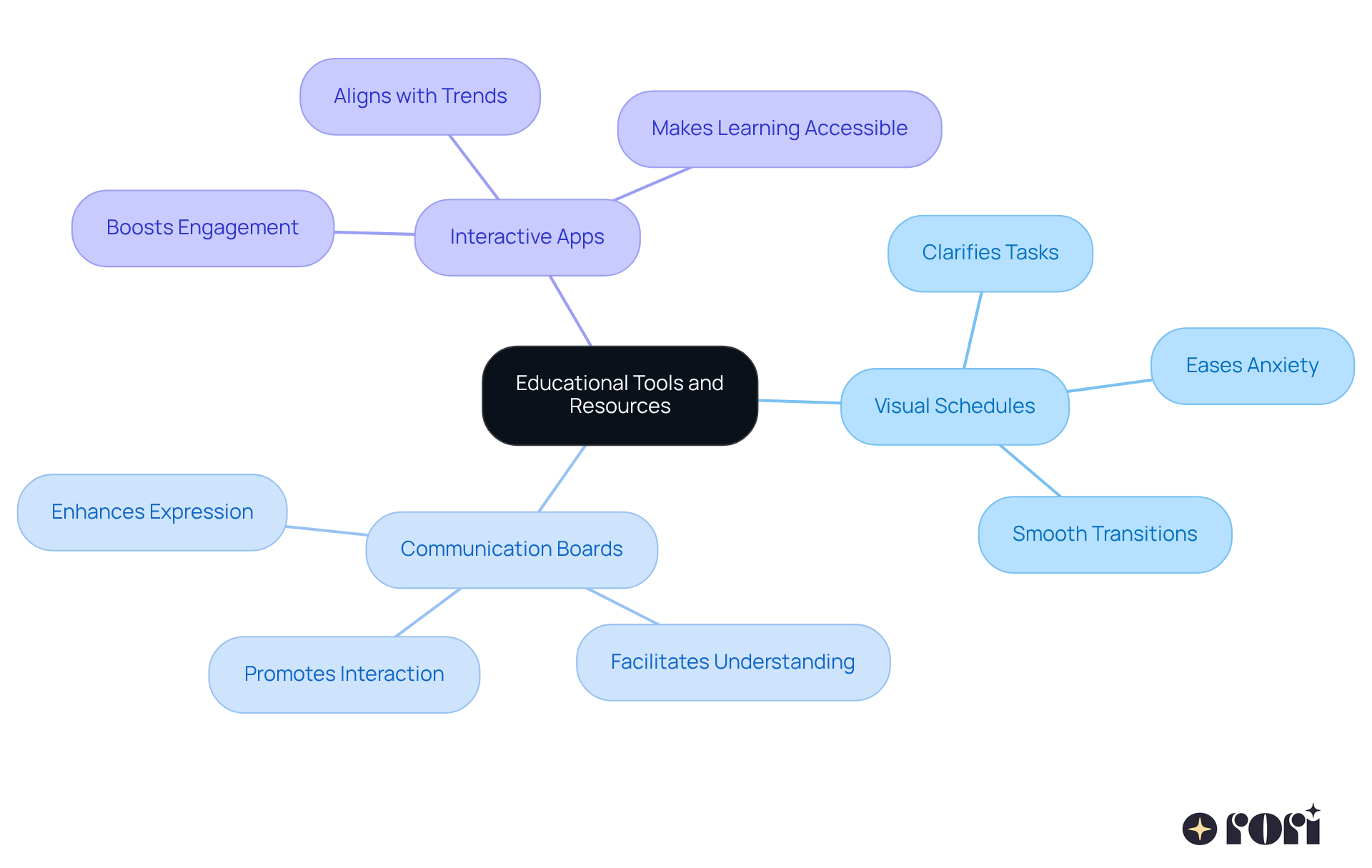
Using educational tools like visual schedules, communication boards, and interactive apps can really make a difference for individuals on the autism spectrum. These resources help clarify tasks and expectations, creating a more . For example, , making transitions smoother and easing anxiety.
Research shows that consistently using , helping students thrive in their educational settings. Plus, , aligns perfectly with today’s trends in autism education, making learning more accessible and enjoyable.
By embracing these innovative tools, parents and educators can develop to build a to reach their full potential. At Rori Care, our clinical leadership team is passionate about neurodiversity and the success of youth. We ensure caregivers are equipped with to support their children’s behavioral goals.
Through our , we enhance support, promote informed decision-making, and improve . We’re all about fostering a that provides navigating the challenges of autism. Let’s explore this together!
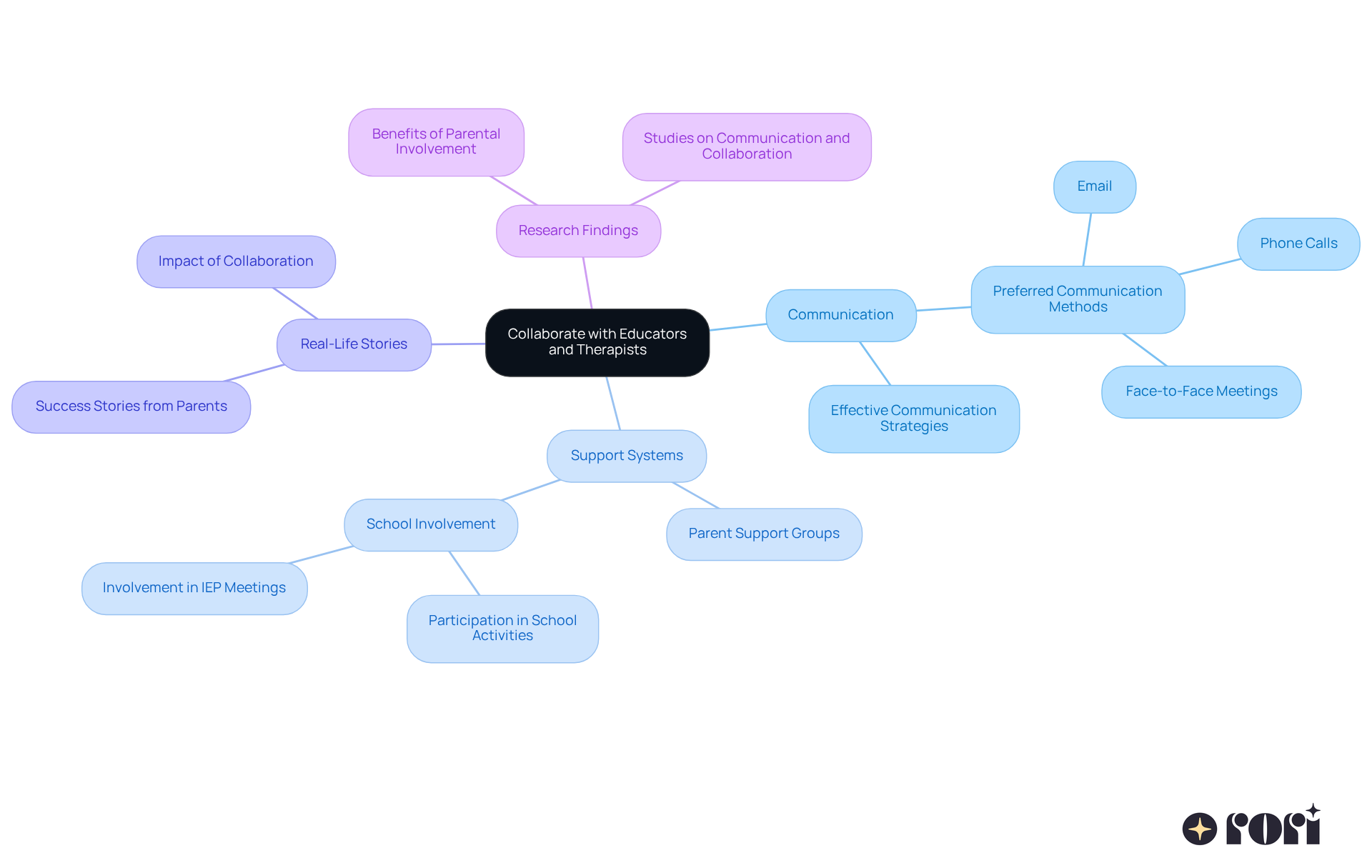
Building a is crucial for parents of to implement effective behavioral strategies. When parents, teachers, and therapists communicate consistently about a young person’s progress and challenges, it can greatly improve the implementation of , thereby boosting intervention results. Parents should jump into meetings to share their insights and advocate for their child’s unique needs by utilizing . This proactive participation not only but also empowers parents to , positively influencing educational approaches.
Real-life stories show just how . For instance, parents who join often report , leading to a smoother alignment of home and school strategies. One advocate beautifully said, "When we work together effectively, we create environments where all students can thrive, learn, and reach their full potential."
Research backs this up, highlighting the benefits of in educational settings. Studies reveal that when parents , it correlates with improved academic performance and emotional well-being for students with autism. By forming strong partnerships with educators and therapists, parents can employ effective behavioral strategies for parents of to ensure their children receive the .
Let’s explore this together! Your involvement can !
Parenting an autistic child can feel like a rollercoaster ride, filled with its own set of challenges. But guess what? It also opens up incredible opportunities for growth and connection! By using effective behavioral strategies, you can create a nurturing environment that promotes learning, emotional resilience, and independence for your child.
Throughout this article, we’ve highlighted the importance of personalized support, consistency, and teamwork with educators and therapists. These elements are key to achieving positive outcomes for children on the autism spectrum. Think of strategies like the ABC model for understanding behavior, positive reinforcement techniques, and establishing predictable routines as essential tools in your parenting toolkit. They not only help manage behaviors but also empower your child to thrive socially and emotionally.
By getting to the root of behaviors and using educational tools, you can provide tailored support that meets your child’s unique needs. And let’s not forget about the power of a strong support network! Collaborating with educators and therapists can really boost the effectiveness of your strategies, creating a unified approach to intervention.
This teamwork is crucial in guiding autistic children toward their full potential. It ensures they receive the comprehensive support they need for their development. Embracing these strategies and keeping the lines of communication open can truly make a difference in the lives of both you and your child. So, let’s explore this journey together! We’re here to help you every step of the way!
What is Rori Care's approach to ABA therapy?
Rori Care utilizes a data-driven approach to create personalized treatment plans tailored to each child's unique needs, addressing specific behavioral challenges while promoting overall growth and development.
Why is early intervention in ABA therapy important?
Research indicates that early intervention in ABA therapy can lead to more positive outcomes, with children often making significant improvements in language, communication, and social skills.
How does Rori Care track progress in ABA therapy?
Rori Care meticulously gathers data and tracks activities to continuously observe progress, allowing treatment strategies to adapt as the child's needs change.
What is the ABC model in behavior modification?
The ABC model stands for Antecedent, Behavior, and Consequence. It helps parents understand what triggers certain actions and how to respond effectively to reduce unwanted behaviors.
How does Rori Care utilize the ABC model in their services?
Rori Care's conduct care engine conducts functional behavior analysis for target actions and skills, generating automatic progress reports for clinicians, which helps caregivers engage in their child's behavioral goals.
What are positive reinforcement techniques in ABA therapy?
Positive reinforcement techniques involve rewarding desired behaviors to encourage their recurrence. This can include verbal praise, tangible rewards, or special privileges.
What are the key benefits of using positive reinforcement techniques?
Key benefits include clear progress tracking, adaptive strategies that adjust to the child's changing needs, and empowering caregivers to provide better support at home.
How can family members get involved in the reinforcement process?
Family members can recognize and reward positive behaviors, creating a consistent atmosphere that reinforces skills learned in therapy, ultimately leading to improved social interactions and daily living skills.