Understanding emotions can feel like a tough hill to climb for children with autism, right? Many parents find themselves on the lookout for effective strategies to help bridge that gap. In this article, we’ll dive into ten impactful interventions that can enhance emotional understanding, giving you a handy toolkit of personalized approaches to try out.
But what if the usual methods just don’t cut it? Exploring innovative techniques like visual aids, mindfulness, and role-playing might just be the key to building deeper emotional connections and fostering resilience in our kids on the autism spectrum. Let’s explore this together!
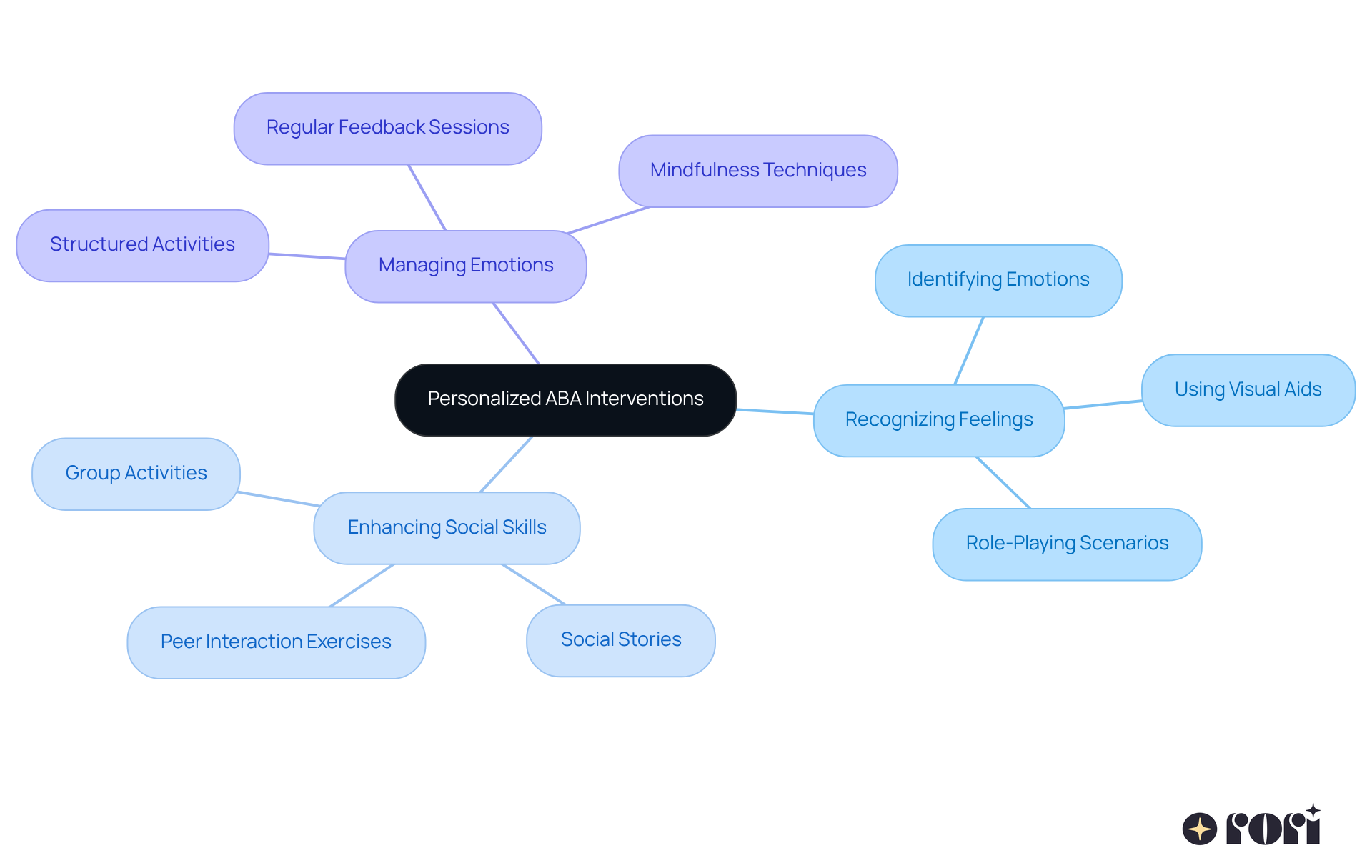
At Rori Behavioral Innovations Inc., we understand the unique challenges parents face when it comes to supporting their children with autism. That’s why we use a , focusing on tailored interventions that meet each child’s specific needs.
Through thorough evaluations, our clinicians identify the your child may encounter. This helps us create that truly resonate with them. For instance, we often implement by working on:
Research shows that these serve as , which can significantly enhance their social interactions and overall well-being. Our clinicians emphasize that are not only data-driven methods that support personal growth but also empower kids to more successfully.
By incorporating these tailored strategies, Rori Care ensures that each child’s therapy journey is uniquely adapted to their emotional landscape. We’re here to help you every step of the way! Let’s explore this together!
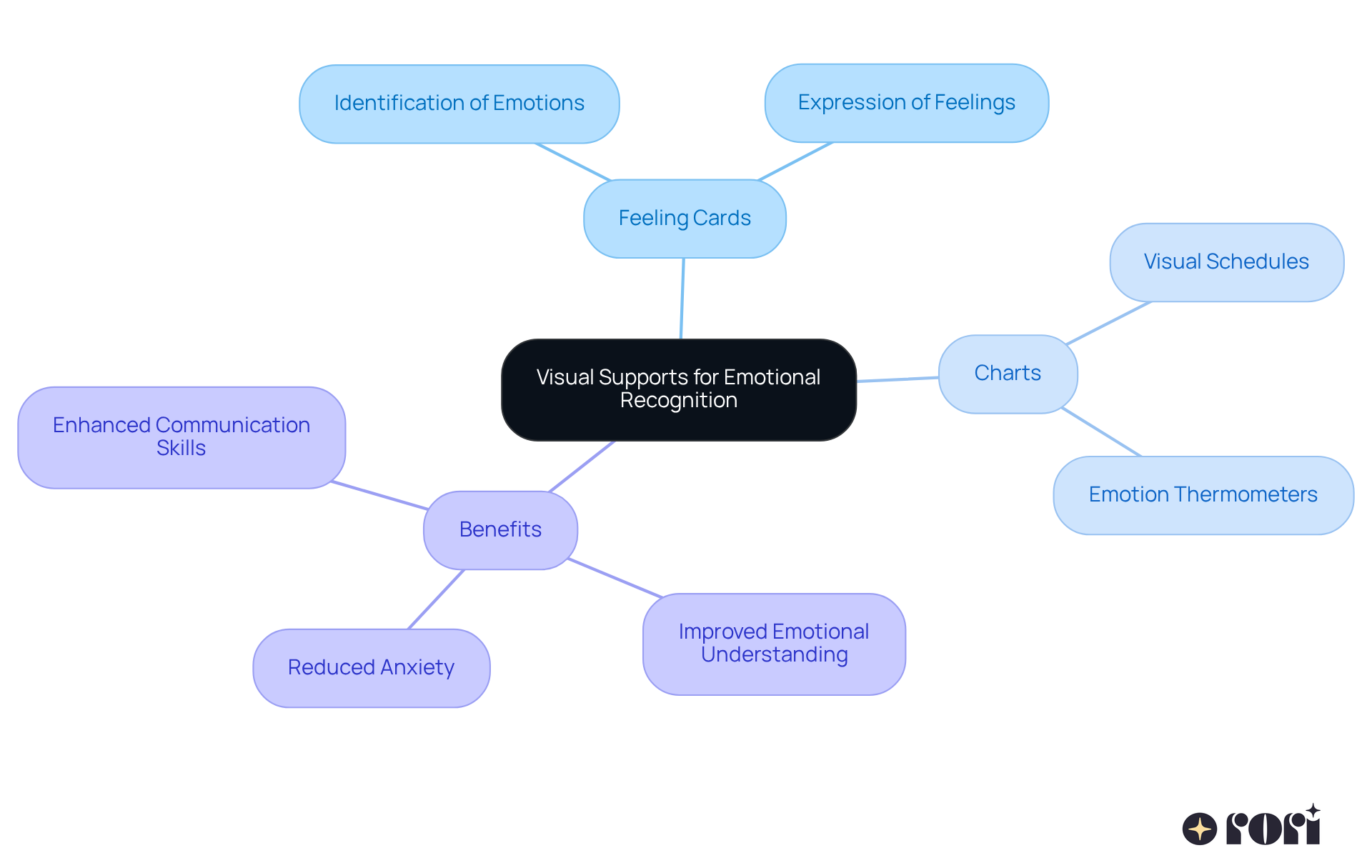
, serve as by helping them . These tools serve as by offering , which make those tricky psychological concepts a bit easier to grasp. You know, studies show that kids who use benefit from , which significantly helps them share their sentiments more effectively.
By incorporating these visual aids into daily routines, parents and caregivers can for improving emotional understanding in children with autism. It’s a great way to for improving emotional understanding in children with autism and . Plus, it ultimately and acts as effective interventions for improving emotional understanding in children with autism, . Let’s ! 😊
, including deep breathing exercises and guided imagery, serve as effective interventions for . At Rori Care, our clinical leadership team is all about and . Encouraging children to focus on their current emotions and physical sensations can serve as in children with autism, helping them learn to recognize and manage their feelings more effectively.
When practiced consistently, for , leading to better self-regulation, reduced anxiety, and a greater ability to handle tough situations. Our caring experts are here to guide them every step of the way! Let’s explore this together and see how these techniques can make a difference in their lives.
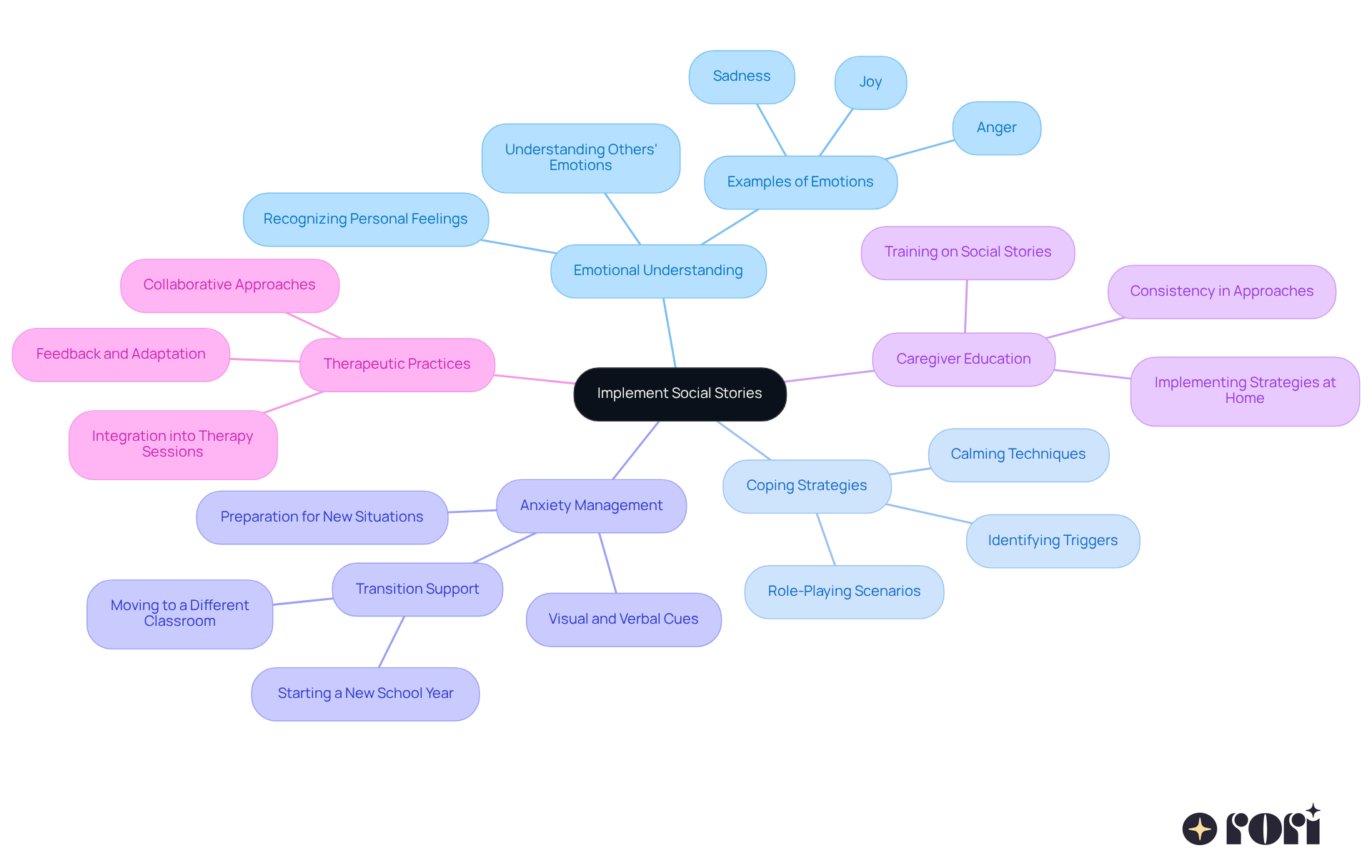
Personalized narratives serve as , aiding them in . By illustrating specific scenarios, these stories make it easier to recognize personal feelings and those of others. For example, a story about sadness can highlight situations that might trigger this emotion and offer . This not only but also , serving as and allowing them to connect more deeply with their peers.
Moreover, personal narratives can ease anxiety by clarifying what to expect and how to behave in new situations. This is especially useful during transitions, like starting a new school year or moving to a different classroom. Therapists often emphasize the importance of reading these narratives before the situation arises and pairing them with .
Recent studies show that narrative techniques serve as , proving their value in autism treatment. These narratives serve as invaluable tools for fostering interpersonal awareness, providing clear frameworks for . By weaving , caregivers can utilize effective interventions for improving emotional understanding in children with autism, paving the way for better social interactions and emotional resilience.
Additionally, in this process. By equipping them with the knowledge and skills to implement these strategies at home, we can achieve more consistent and effective outcomes for our youth. Let’s explore this together and see how we can make a difference!
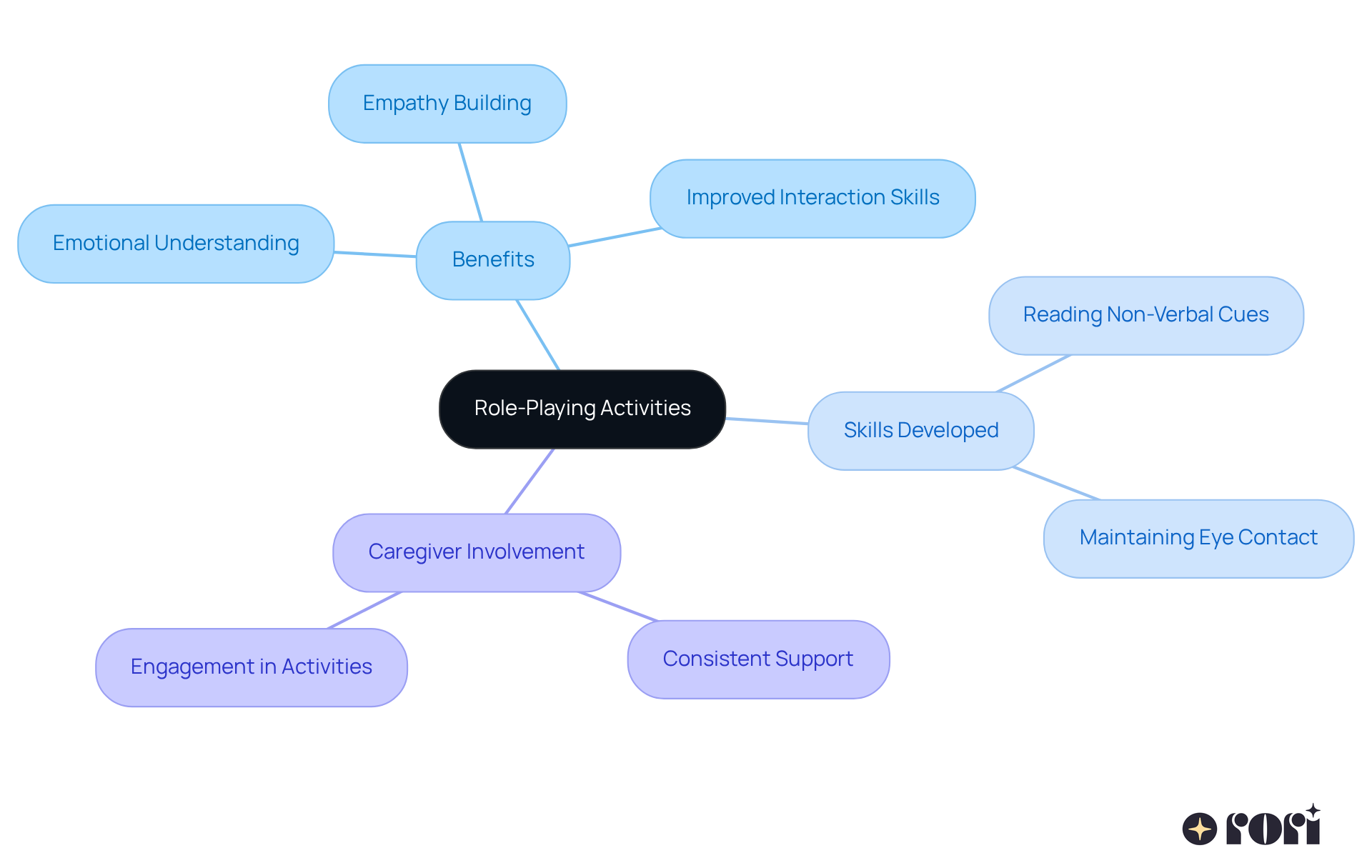
can be an enjoyable method for kids and serve as by helping them in various situations! By diving into various scenarios, young ones get to explore feelings and build empathy. For instance, when they , they learn how to comfort others and express their own feelings in a meaningful way. This interactive approach serves as one of the in children with autism while also deepening their understanding and sharpening those all-important .
Did you know that studies show role-playing can by up to 40%? That’s pretty impressive! Child psychologists emphasize that are vital for developing and maintaining eye contact, which are essential for forming genuine connections with peers. Plus, it’s super important for caregivers to get involved in this process at home, ensuring that kids receive consistent support in their social and personal growth.
Overall, the benefits of role-playing extend far beyond just practicing responses. It plays a significant role in the . So, let’s explore this together! If you’re curious about , we’re here to help you every step of the way!
Sensory techniques like fidget tools, weighted blankets, and sensory bins play a vital role in helping individuals with autism manage their feelings. These tools provide soothing sensory input, making it easier for them to self-regulate during overwhelming moments. For instance, using a stress ball can significantly ease anxiety during tough times, helping a young person better handle their emotions. Occupational therapists emphasize that incorporating not only calms kids during distress but also fosters independence as they learn to navigate their feelings effectively.
Now, let’s talk about the . When caregivers are actively involved in the , they can make informed choices that positively impact their child’s progress. Understanding each child’s unique preferences for sensory tools can really boost their effectiveness - after all, tailored approaches often yield the best results. , offer instant relief and can be especially helpful for children as they navigate challenging mental landscapes. Similarly, , which has been shown to reduce anxiety and enhance overall emotional stability. Plus, creating a calming environment with gentle LED lights can further support emotional regulation.
By weaving these and empowering caregivers with the right knowledge and skills, parents can implement in children with autism and help them develop . This teamwork not only boosts the effectiveness of sensory tools but also paves the way for a more balanced and fulfilling life. Did you know that over 90% of individuals with ASD report various sensory sensitivities or hyposensitivities? This highlights just how crucial these tools are in therapy. is key to implementing these strategies effectively. Let’s explore this together!

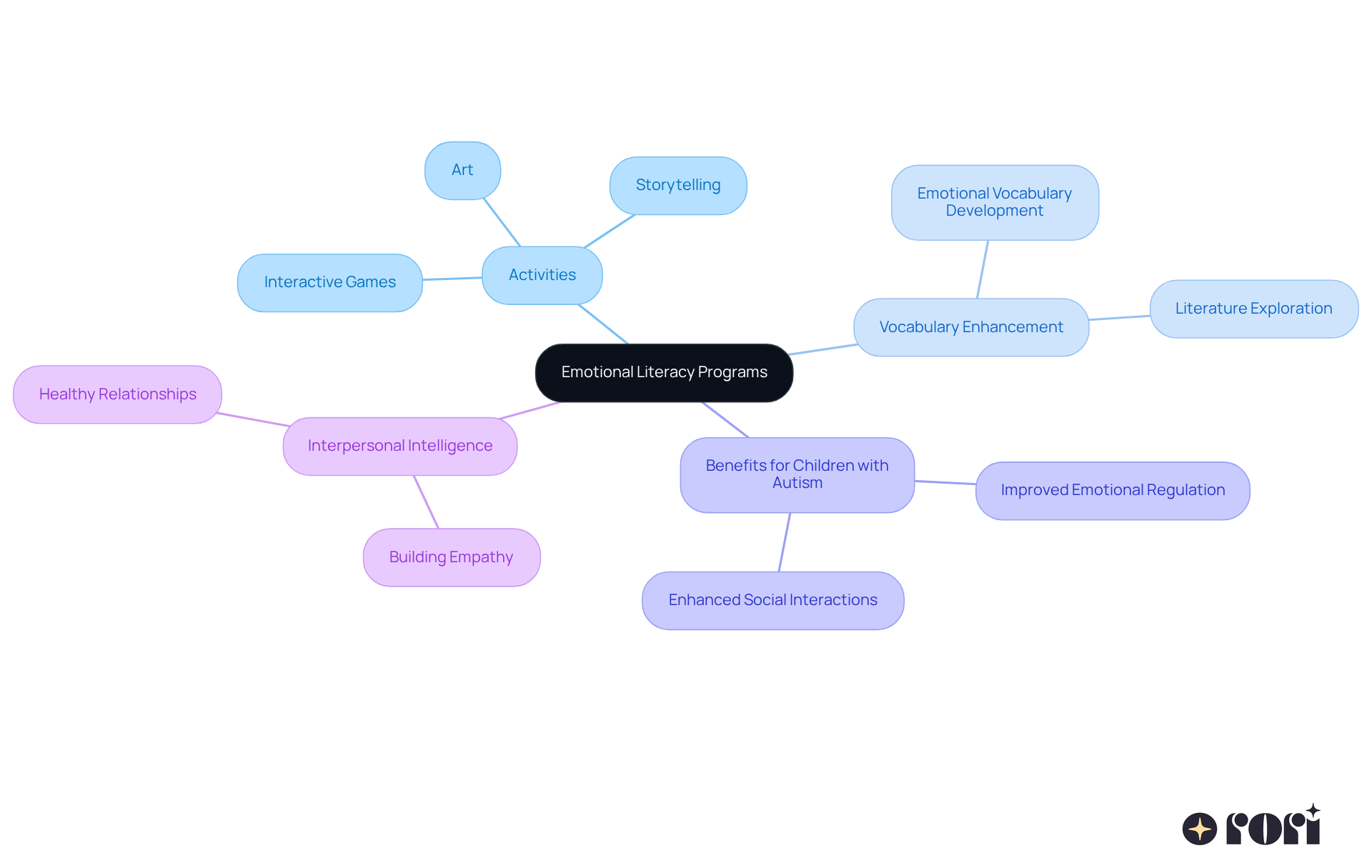
are all about helping kids in a healthy way. These programs often feature fun activities that - think identifying feelings through art, storytelling, and interactive games. Research shows that when kids engage in these activities, their really takes off, which is key for building .
Teachers emphasize that having a rich vocabulary for feelings not only helps kids and understanding in social situations. For instance, diving into can make experiences feel more normal and give kids the tools they need to articulate their feelings. This ultimately leads to with others.
By focusing on , we’re empowering youth with autism to navigate their social environments more effectively. This paves the way for . Let’s explore this together and see how we can support our kids in their emotional journeys!
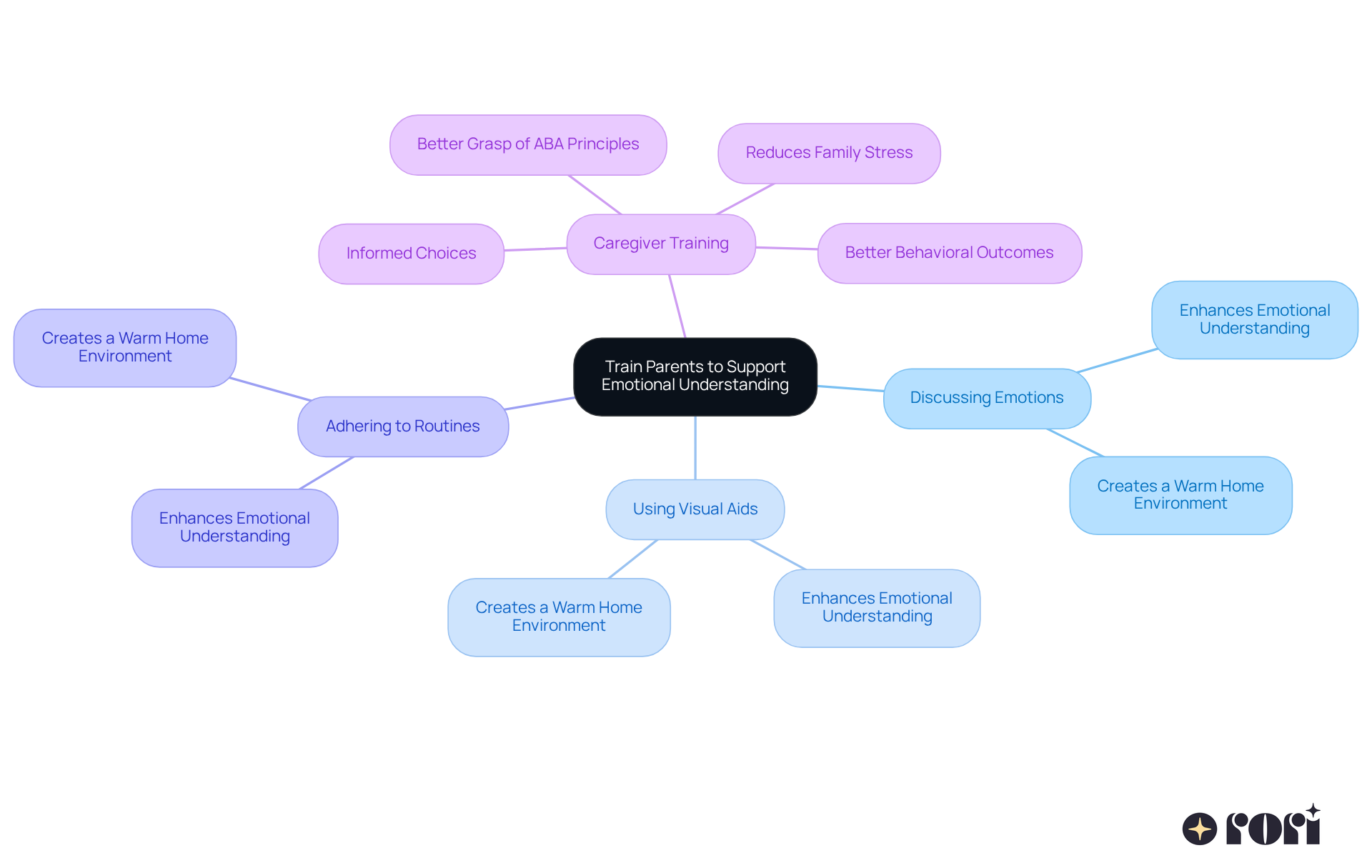
It is crucial to help parents understand their child's feelings to reinforce . Consider this: when parents utilize , such as:
it greatly enhances their child's emotional understanding. By giving parents these tools, they can create a that facilitates .
Plus, when caregivers get training, they gain a better grasp of . This knowledge empowers them to make that positively impact their child's progress. It’s amazing how this active involvement not only enhances the support at home but also leads to . It can really lighten the load for families, reducing stress and creating a more harmonious dynamic.
Let’s explore this together! By working hand-in-hand, we can make a real difference in our children's emotional journeys.
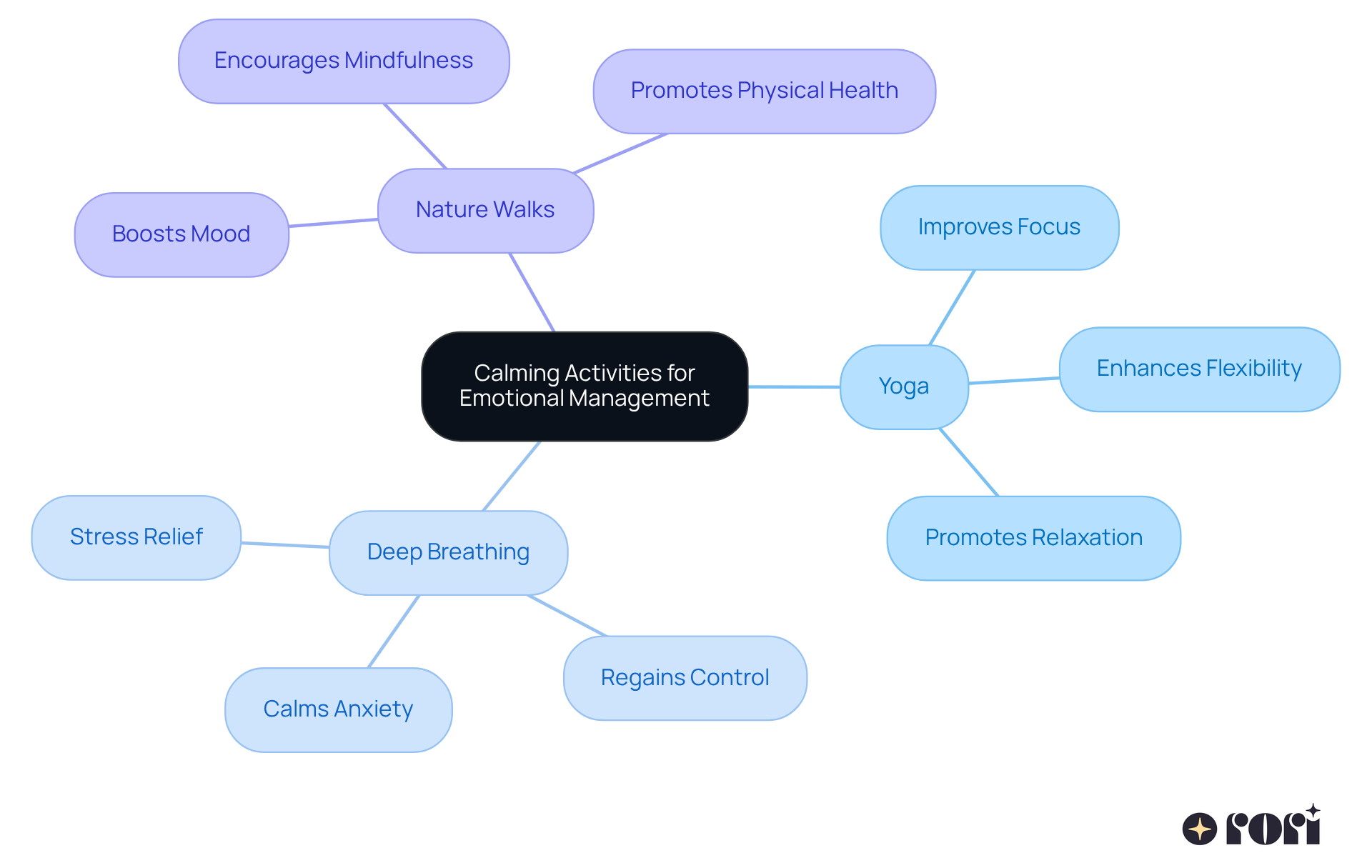
Soothing activities like yoga, , or nature walks can really help young people . These activities give kids practical ways to , promoting . For example, teaching a child to take deep breaths when they feel overwhelmed can help them regain control over their emotions right then and there.
Imagine your child feeling anxious before a big test. You might suggest they take a moment to , focusing on each breath. This simple technique can empower them to and face their challenges with confidence.
Let’s explore this together! By incorporating these calming practices into your child’s routine, you’re not just helping them cope; you’re also that will serve them well in life.
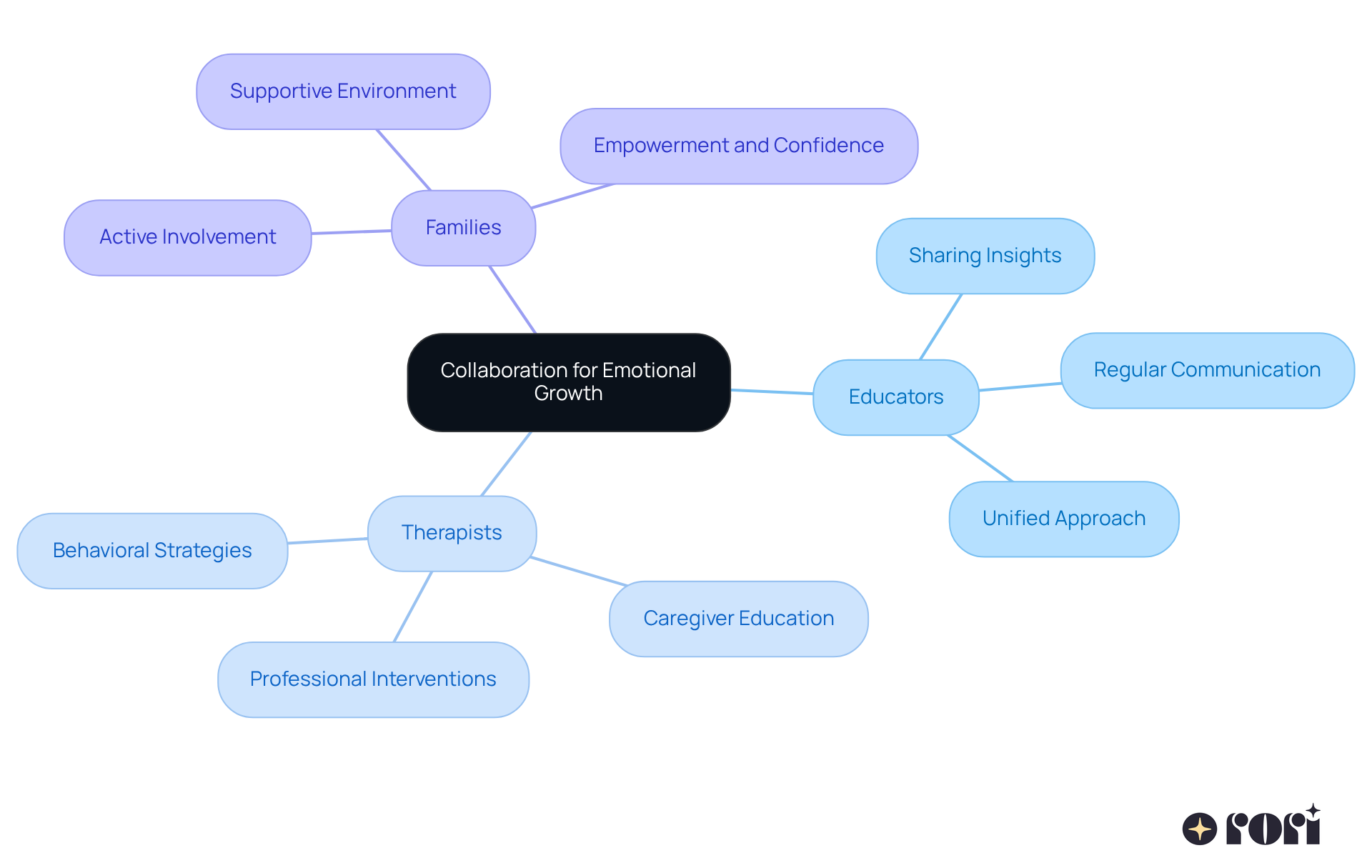
is so important for in individuals with autism. When these key players come together, they can that really help young ones understand the world around them.
! It equips caregivers with knowledge of , allowing them to provide consistent support at home. This support complements the professional interventions that kids receive.
Regular communication and can lead to a more unified approach. This way, the young one gets . And guess what? This active involvement not only empowers caregivers, boosting their confidence and reducing stress, but it also contributes to . Ultimately, it helps create a that supports in children with autism.
Let’s explore this together! We’re here to help you every step of the way!
Enhancing emotional understanding in children with autism is not just vital; it’s absolutely achievable with the right interventions! By using personalized strategies like ABA therapy, visual supports, mindfulness techniques, and emotional literacy programs, caregivers and educators can make a real difference in the emotional skills of autistic individuals. These approaches help children recognize and regulate their emotions, empowering them to navigate social situations more effectively.
Throughout this journey, we’ve explored various effective interventions. For instance, visual aids can be a game-changer for emotional recognition, while mindfulness practices boost emotional awareness. And let’s not forget the power of role-playing in developing empathy! Each of these strategies creates a supportive framework that nurtures emotional growth and resilience in our children. Plus, collaboration among therapists, educators, and families is key-when we work together, we can achieve more consistent and impactful outcomes.
Ultimately, committing to improve emotional understanding in children with autism can open doors to success in their social interactions and personal relationships. By actively engaging in these interventions and fostering a collaborative environment, we can help our children thrive emotionally and socially. Embracing these strategies not only enriches the lives of autistic individuals but also helps build a more inclusive and understanding society for everyone. Let’s explore this together!
What is Rori Care's approach to ABA therapy for children with autism?
Rori Care uses a data-driven approach to Applied Behavior Analysis (ABA) therapy, focusing on personalized interventions that address each child's specific needs through thorough evaluations and tailored treatment plans.
What specific areas does Rori Care focus on to improve emotional understanding in children with autism?
Rori Care focuses on recognizing feelings, enhancing social skills, and helping children manage their emotions through structured activities and regular feedback.
How do personalized treatment plans benefit children with autism?
Personalized treatment plans serve as effective interventions for improving emotional understanding, enhancing social interactions, and promoting overall well-being in children with autism.
What role do visual supports play in improving emotional recognition skills?
Visual aids, such as feeling cards and charts, help children identify and express their feelings by providing clear representations of emotions, making it easier for them to understand psychological concepts.
How can parents and caregivers incorporate visual aids into daily routines?
Parents and caregivers can utilize visual aids to enhance emotional understanding by integrating them into daily routines, which helps reduce anxiety and improves communication skills.
What mindfulness techniques does Rori Care recommend for improving emotional awareness?
Rori Care recommends mindfulness techniques such as deep breathing exercises and guided imagery to help children focus on their current emotions and physical sensations, enhancing their ability to recognize and manage feelings.
What are the benefits of practicing mindfulness consistently for children with autism?
Consistent practice of mindfulness can lead to better self-regulation, reduced anxiety, and improved ability to handle challenging situations for children with autism.