Understanding the unique challenges that come with raising a child with autism spectrum disorder (ASD) is so important for parents and caregivers. It’s a journey filled with ups and downs, and knowing how to support your child’s development can make all the difference. 🌟
One powerful way to help is through effective positive reinforcement techniques. These strategies can be tailored to fit each child’s individual needs and preferences, making them feel more personal and impactful. But here’s a question for you: how can you ensure these techniques are not just used but also adapted over time to create lasting change?
In this article, we’ll explore ten positive reinforcement methods that can empower you as a parent. These approaches not only enhance engagement but also promote significant progress in your child’s life. Let’s dive in together and discover how we can make a positive impact!
At Rori Behavioral Innovations Inc., we truly believe in the power of . It’s all about tailoring to suit each child’s unique needs. Imagine a world where clinicians take the time to understand specific behaviors that need a little boost - this is what we do! By focusing on what works best for each individual, we create .
This customized approach makes a real difference. It enhances engagement and creates a . Research shows that when children receive early and , they often see . Isn’t that amazing?
By concentrating on , Rori Behavioral Innovations Inc. . So, let’s explore this journey together! We’re here to !
To really help kids with autism, it’s essential to customize to fit their personal likes and needs. Consider what motivates each child, whether it’s a kind word of praise, a small reward, or a fun activity, and incorporate into their therapy. By tailoring these to match each child’s unique strengths and challenges, parents and therapists can utilize effective positive reinforcement techniques for asd to that show real progress.
Utilizing effective positive reinforcement techniques for asd ensures that we’re employing the . Plus, regularly checking in and adjusting these plans based on progress updates and active participation from caregivers makes the support system even more effective by utilizing effective positive reinforcement techniques for asd. This approach not only creates a more engaging and efficient support system that resonates with the child but also for asd to empower parents and caregivers. Ultimately, using effective positive reinforcement techniques for asd leads to better behavior and .
Let’s explore this together! Your journey in supporting your child can be filled with hope and progress.
When it comes to helping our little ones with autism, implementing is key! 🌟 When a child shows , offering a helps them connect their action with a great outcome. This quick feedback utilizes , reinforcing their good behavior and increasing the chances they'll repeat it.
Research shows that - like a cheerful "Great job!", , or even a - can really make a difference. These little incentives are examples of effective positive reinforcement techniques for ASD, and making them more likely to happen in the future. By consistently using effective positive reinforcement techniques for ASD, parents can cultivate a . Let’s explore this together!
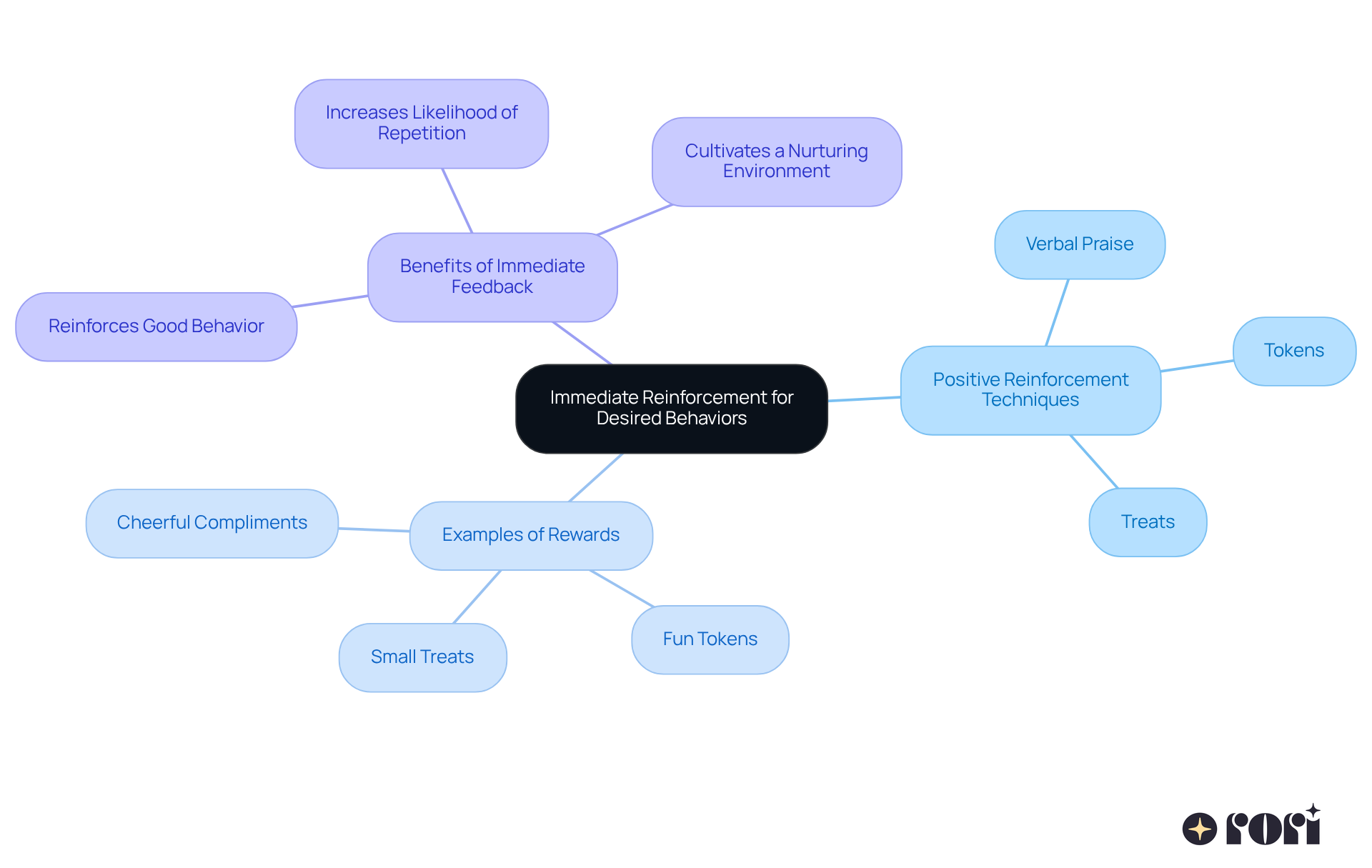
When it comes to keeping kids with autism engaged in their education, employing effective can really make a difference. Think about:
By switching up the types of rewards regularly, parents and therapists can , which keeps their .
Research shows that effective not only but also significantly enhance motivation. This leads to ! So, let’s explore this together and see how these strategies can work for your child. Remember, you’re not alone in this journey, and we’re here to help you every step of the way!

Positive reinforcement, particularly , plays a crucial role in boosting . When parents , it helps instill a sense of worth and ability in their kids. This little boost in self-esteem not only encourages them to repeat but also builds their confidence to tackle .
Research shows that young people who receive experience . Simple gestures, like a kind word of praise or a small reward, can really change how a young person views themselves. It’s all about , which is so important for their overall development.
In fact, studies indicate that kids with autism who benefit from effective positive reinforcement techniques for ASD are more likely to engage in activities they enjoy. This leads to . So, let’s explore this together! Using effective positive reinforcement techniques for ASD to .

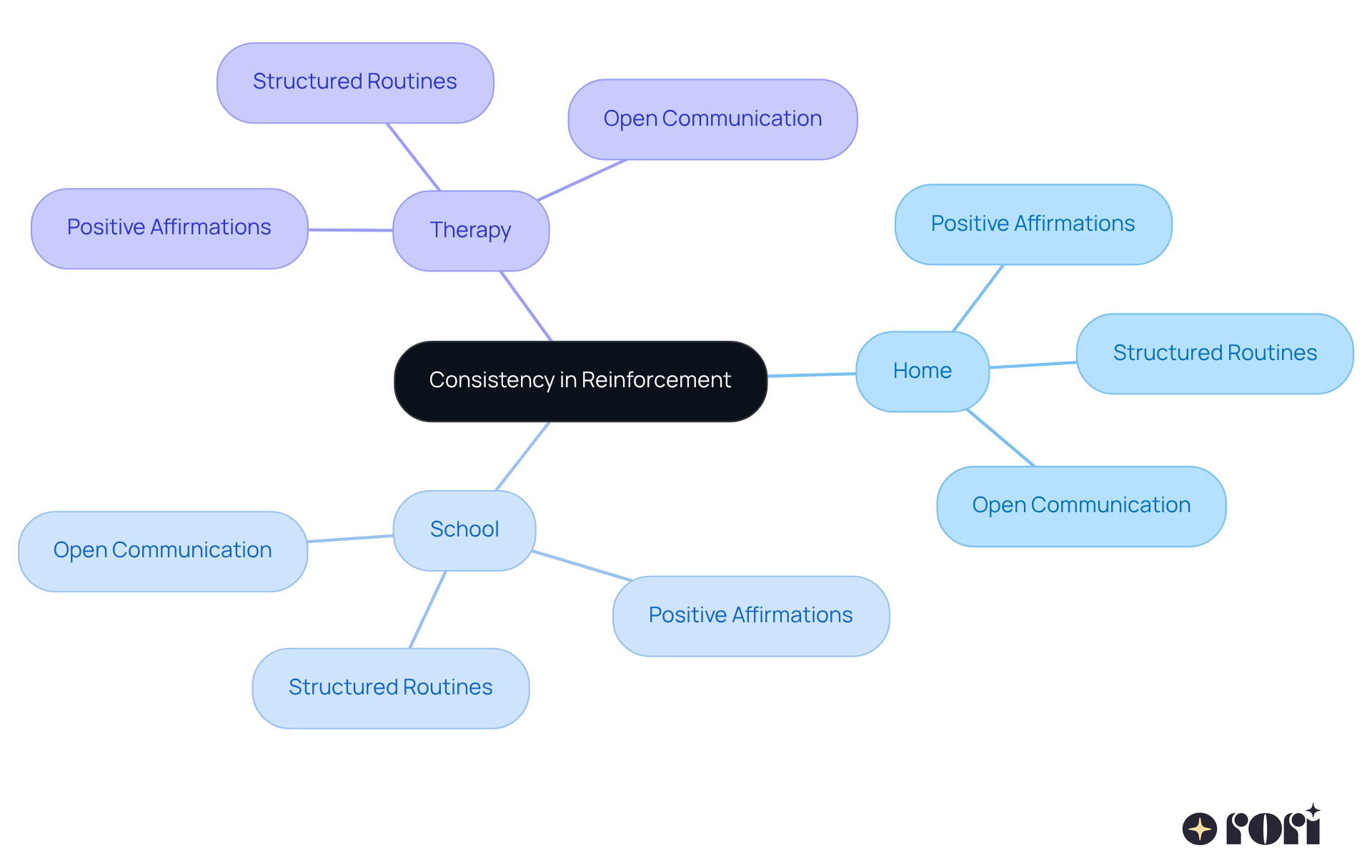
Ensuring uniformity in support across different settings - home, school, and therapy - is so important for individuals with autism. When are in place, young learners can better grasp expected behaviors, which really boosts their learning journey. Research shows that , allowing kids to apply what they’ve learned in various situations. For example, if a child learns to ask for a break during therapy, they can use that same skill at home and school when caregivers consistently use the same . This approach not only strengthens their learning but also builds independence and confidence in these young individuals.
Effective support strategies for ASD encompass , including:
When all caregivers apply consistently, kids are more likely to internalize and use their skills in real-life situations. This leads to ! Plus, when caregivers are equipped with ABA principles, they can support their child’s behavioral goals more effectively, making informed decisions and reducing stress within the family. It’s heartening to know that studies indicate 90% of individuals with autism make significant progress when caregivers are actively involved in the therapeutic process.
At Rori Care, we offer services like , group sessions, and to enhance this collaborative approach. Let’s explore this together and see how we can support your journey!
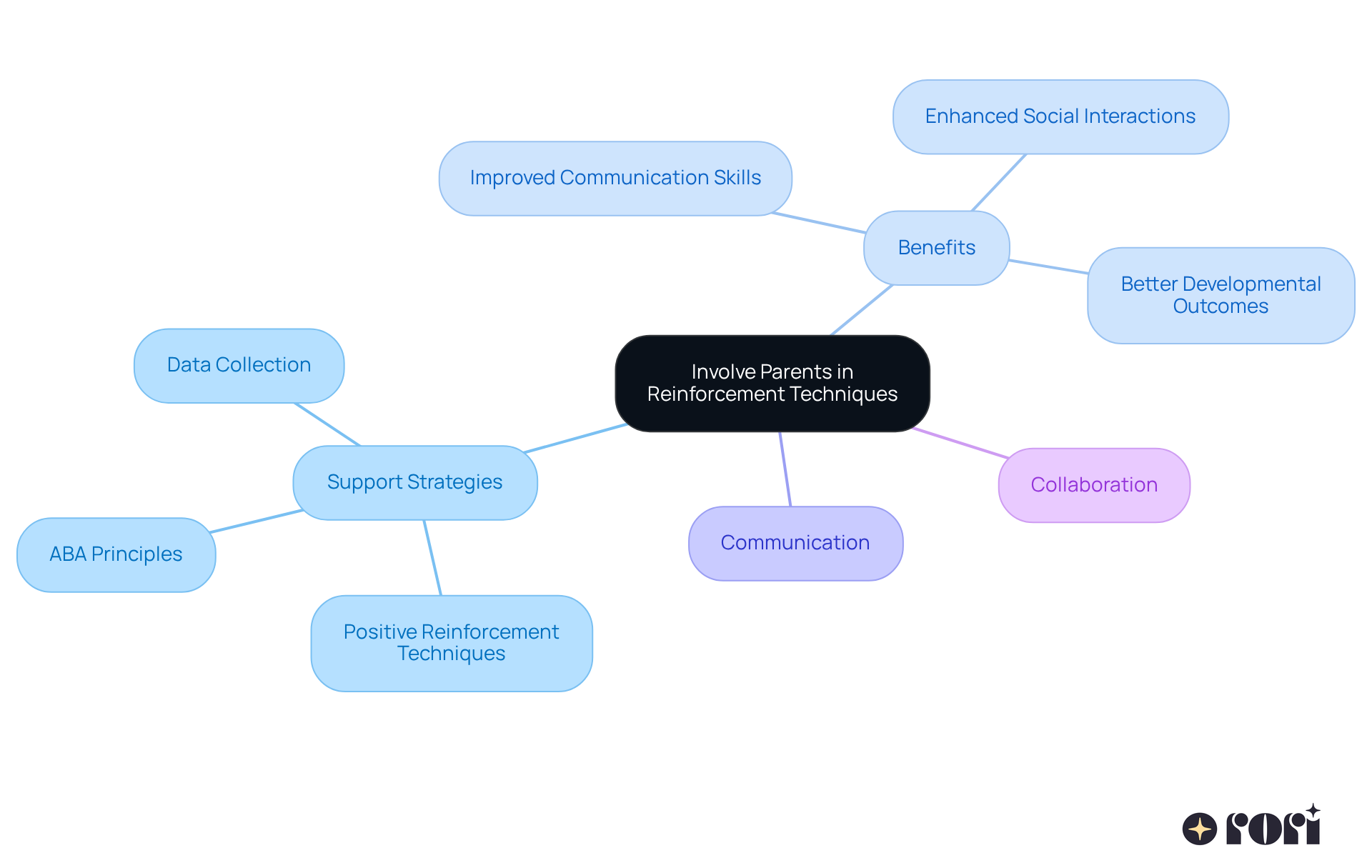
Getting parents involved in supportive strategies is so important for building a strong support network for individuals with autism. When parents implement effective for ASD at home, they can help reinforce the same behaviors that are targeted during therapy sessions. This creates a for everyone involved!
Not only does this teamwork enhance the learner's education, but it also empowers parents to take an active role in their child's development. they need to support their child's behavioral goals by focusing on effective , along with ABA principles, strategy alignment, and .
Research shows that , social interactions, and adaptive behaviors. In fact, studies indicate that ABA therapy has a success rate of over 90% when parents are part of the therapeutic process. By working together, parents and therapists can ensure that , leading to better developmental outcomes.
is key! It allows for tailored interventions that meet each child's unique needs. So, let’s explore this journey together and make a positive impact on our children's lives!
Using technology to track how well can really boost the outcomes of ! 🌟 and software give therapists and parents the tools they need to see progress and make smart adjustments to reinforcement plans. Imagine being able to analyze to different strategies - this helps caregivers fine-tune their approaches, ensuring that interventions are not just effective but also fit the child’s evolving needs.
Research shows that can enhance the accuracy of progress assessments. This leads to more . Plus, these tools allow for , which means prompt feedback and adjustments are possible. And let’s be honest, that’s essential for of ABA!
So, let’s explore this together! If you’re a parent navigating this journey, know that you’re not alone. We’re here to !

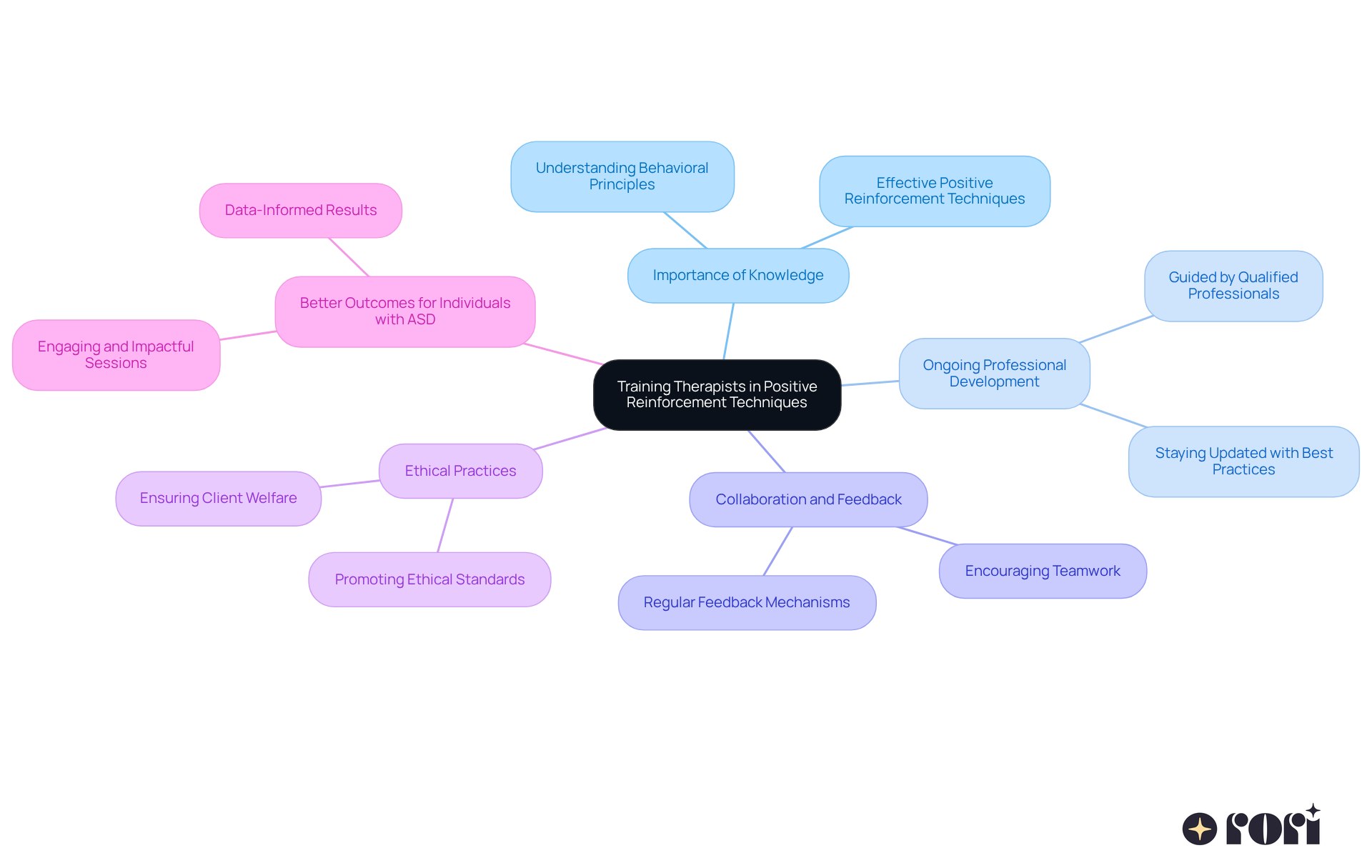
Training therapists in is crucial for making ABA practices work well! , guided by qualified professionals, ensures that therapists are knowledgeable about , as well as the latest strategies and best practices for reinforcing positive behaviors. This kind of support encourages , which not only sharpens practitioners' skills but also promotes .
When therapists truly understand , they can create more engaging and . This ultimately leads to through the use of [effective positive reinforcement techniques for ASD](https://rori.care/post/10-effective-examples-of-positive-punishment-in-aba-therapy). At Rori Care, our friendly and skilled , like Monica James, focus on providing tailored ABA interventions. They concentrate on to help youth achieve their behavioral goals.
Let’s explore this together! We’re here to help you every step of the way!
Encouraging through is a crucial aspect of ABA treatment! When caregivers consistently implement , they can really help kids develop new skills and behaviors that go beyond just the treatment sessions. This approach not only promotes immediate compliance but also nurtures over time.
Did you know that research shows kids who receive consistent positive reinforcement can see a 25-40% improvement in within the first six months of treatment? That’s pretty impressive! Plus, studies indicate that 80-90% of youth undergoing intensive ABA therapy make .
Active involvement from caregivers, especially when they’re educated about , really boosts their ability to make informed decisions that positively impact their child’s progress. By focusing on and incorporating into daily routines, parents and therapists can create a sustainable framework for ongoing growth and development. This way, the skills learned are not just temporary but are retained and generalized across different settings.
This approach aligns beautifully with modern ABA practices that prioritize each child’s unique strengths and interests. It fosters an environment where children can truly thrive and navigate their world with confidence. Let’s explore this together and see how we can support your child’s journey!
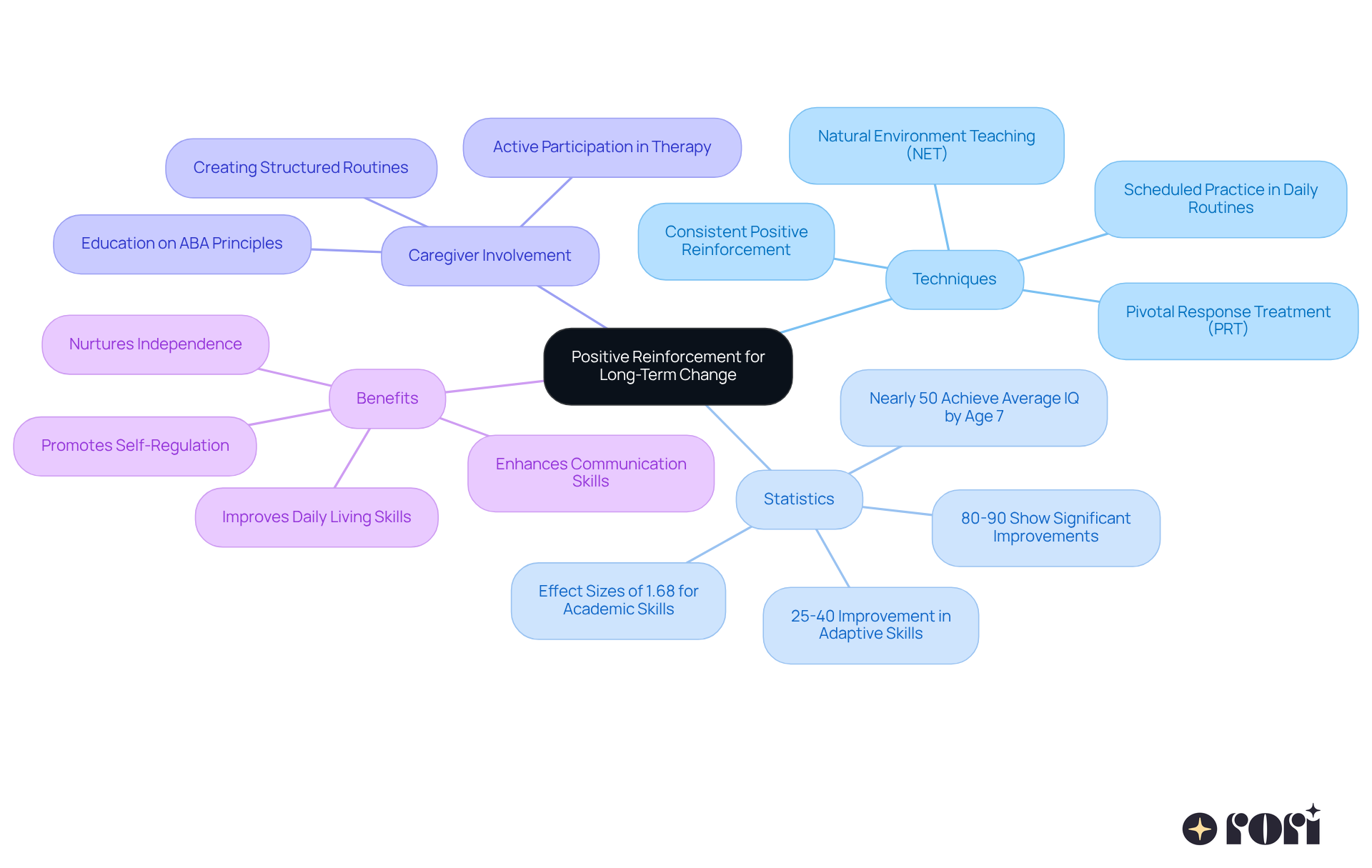
Positive reinforcement techniques can be game-changers for children with Autism Spectrum Disorder (ASD). When we tailor these strategies to fit each child's unique needs, we create a nurturing space that not only boosts learning but also encourages positive behaviors. This personalized approach makes reinforcement meaningful and sets the stage for lasting change.
Throughout this article, we’ve explored some key techniques, like:
Engaging parents in this process and using technology to track progress can really enhance the effectiveness of these strategies. Each of these elements is vital in helping children with ASD thrive, build self-esteem, and reach their full potential.
In closing, embracing effective positive reinforcement techniques is crucial for anyone supporting children with autism. By fostering collaboration among caregivers, therapists, and educators, and staying adaptable to the child's changing needs, we can create a more impactful and sustainable approach to development. Remember, this journey isn’t just about quick wins; it’s about empowering our children with the skills and confidence they need to navigate their world successfully. Let’s explore this together!
What is Rori Behavioral Innovations Inc. focused on in their ABA therapy?
Rori Behavioral Innovations Inc. focuses on personalized ABA therapy, tailoring effective positive reinforcement techniques for children with Autism Spectrum Disorder (ASD) to suit their unique needs.
How does personalized ABA therapy benefit children with ASD?
Personalized ABA therapy enhances engagement, creates a supportive atmosphere, and leads to significant improvements in communication, social skills, and overall development for children with ASD.
Why is it important to customize reinforcement plans for individual needs?
Customizing reinforcement plans is essential because it helps match effective positive reinforcement techniques to each child's personal likes and needs, allowing for clear, measurable goals and real progress.
What role do parents and caregivers play in the reinforcement process?
Parents and caregivers are encouraged to actively participate by providing feedback and updates on their child's progress, which makes the support system more effective and empowers them in the reinforcement process.
What is the significance of immediate reinforcement in ABA therapy?
Immediate reinforcement helps children connect their positive behaviors with rewards, increasing the likelihood that they will repeat those behaviors in the future.
What types of immediate rewards can be used in ABA therapy?
Immediate rewards can include verbal praise like 'Great job!', fun tokens, or small treats, all of which encourage positive actions and contribute to a nurturing environment for the child's growth.