Understanding and managing emotions can be quite a journey for children with autism, often leading to emotional outbursts and anxiety. 😟 This article dives into ten effective strategies designed to help these young individuals enhance their emotional regulation. We’re here to offer parents and caregivers essential tools to support their emotional growth!
But with so many approaches out there, how do you figure out which strategies will work best for your child's unique needs? Let’s explore this together! Each child is different, and finding the right fit can make all the difference.
At Rori Behavioral Innovations, we understand that managing feelings can be a challenge, especially for youth with autism, and we provide . That’s why we use Applied Behavior Analysis (ABA) therapy to create that really resonate with each individual. Our clinicians take the time to conduct , identifying unique psychological triggers and reactions.
This tailored approach not only boosts the effectiveness of our strategies but also ensures they meet each person's specific needs. It’s all about creating a . Research shows that getting involved in early and consistently can lead to for emotional regulation in children with autism. Many individuals find themselves developing better along the way.
By focusing on these customized interventions, we ensure that every individual receives to thrive emotionally. Ultimately, this helps promote a greater sense of independence and well-being. Let’s explore this journey together! We’re here to !
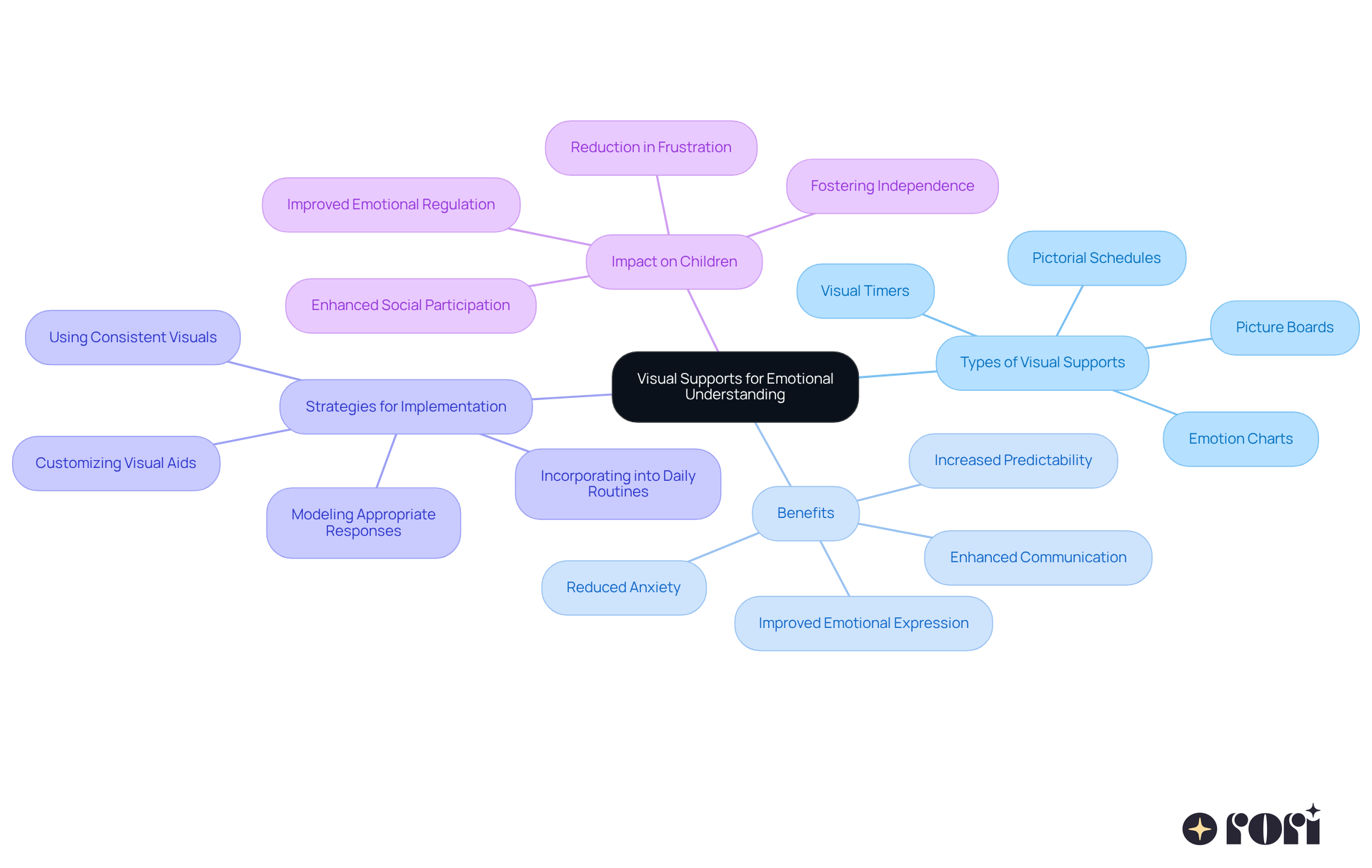
Visual supports, like emotion charts and pictorial schedules, are such helpful ! They make it easier for these young ones to . You see, these clearly show different emotions, which can really simplify things.
Did you know that autistic children are four times more likely to struggle with managing their feelings than their neurotypical peers? That’s why it’s so important to implement . By incorporating , caregivers can apply , significantly improving their understanding of emotions and enhancing regulation skills.
Research shows that these tools not only help but also encourage . This means kids can express their emotions more effectively! Incorporating has proven to be a game-changer in .
Let’s explore this together! If you’re a parent, consider how these resources might fit into your daily life. We’re here to help you every step of the way!
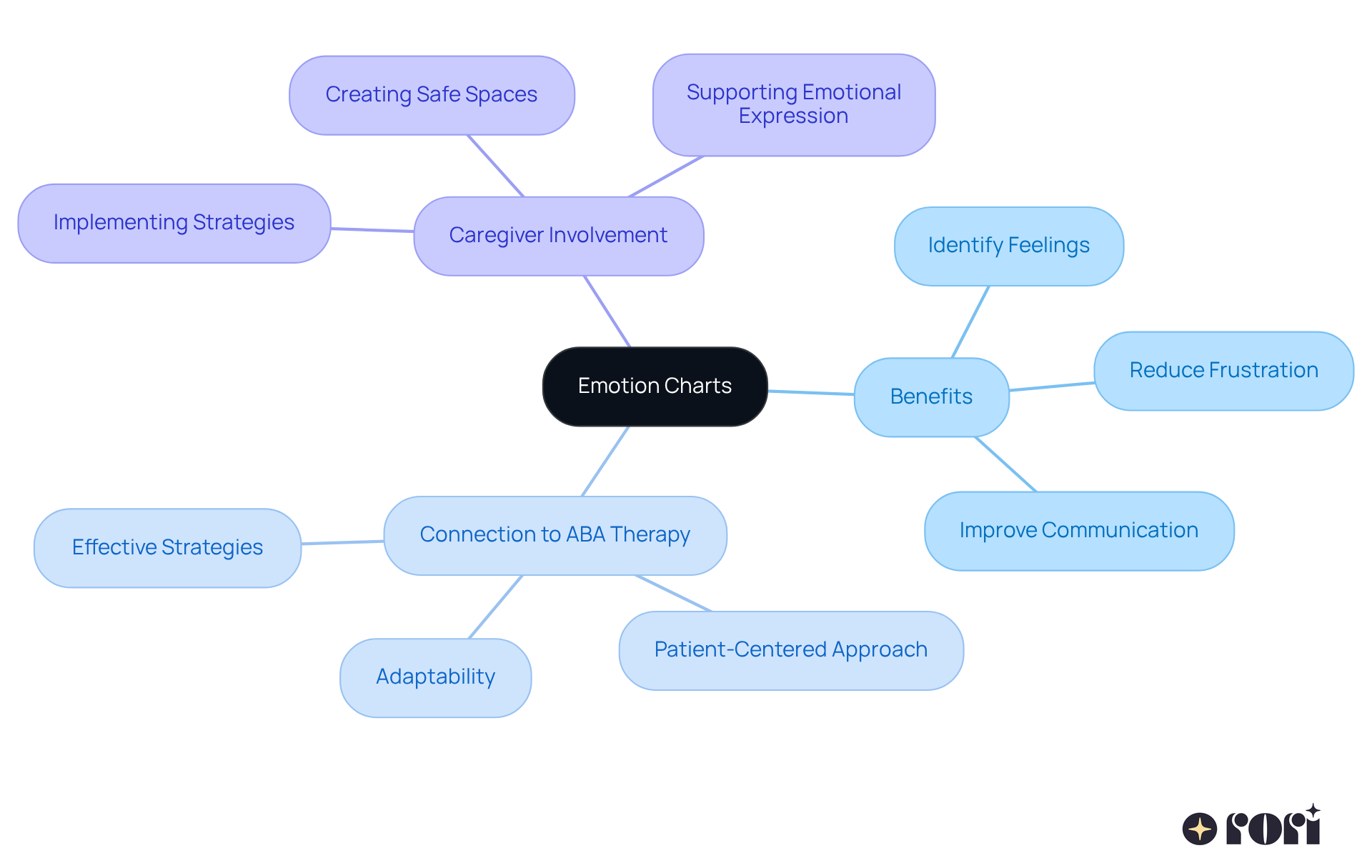
are such helpful tools for kids with autism! They make it easier for young ones to identify and express their feelings. These charts can serve as in children with autism by providing a visual representation of different emotions, helping kids articulate what’s going on inside, , and improving their ability to manage their feelings.
This approach ties in beautifully with , which is all about being . It’s been shown to be effective for autism treatment. When caregivers get involved in this process, as emphasized in ABA, they can help implement for emotional regulation in children with autism, allowing kids to make amazing strides in regulating their emotions and .
Let’s explore this together! By using regularly, you can support your child in expressing themselves more freely. It’s all about creating a safe space for them to share their feelings, and you’ll be amazed at the progress they can make!
It is essential to use to help our kids for their mental health. Simple coping strategies, including:
are part of . These techniques serve as , enabling kids to . Research shows that practicing deep breathing can significantly lower anxiety levels, creating a sense of calm. Plus, when kids regularly use these exercises, they learn to better recognize their feelings and respond to their triggers.
Therapists often highlight how vital it is to weave these techniques into daily routines. One specialist points out that when kids learn to , they tend to . And let’s not forget about ! These brief moments where kids engage in calming activities can help reset their mental state, making it easier to handle stress.
By consistently practicing , our young ones not only . This paves the way for more and experiences in their everyday lives. Let’s explore this together and see how we can support our kids every step of the way!

Incorporating effective strategies for in children with autism, such as into daily routines, can really help individuals find calmness and focus. Techniques like , guided imagery, and body scans encourage young people to notice their thoughts and feelings without any judgment. At Rori Care, our clinical leadership team is all about promoting these ! We offer , making sure they’re ready to in managing their feelings.
When practiced consistently, mindfulness is among the in children with autism, leading to better , less anxiety, and an overall boost in well-being. We encourage parents to try out simple mindfulness exercises at home. It’s a great way to create a supportive environment for your child’s growth. Let’s explore this together!

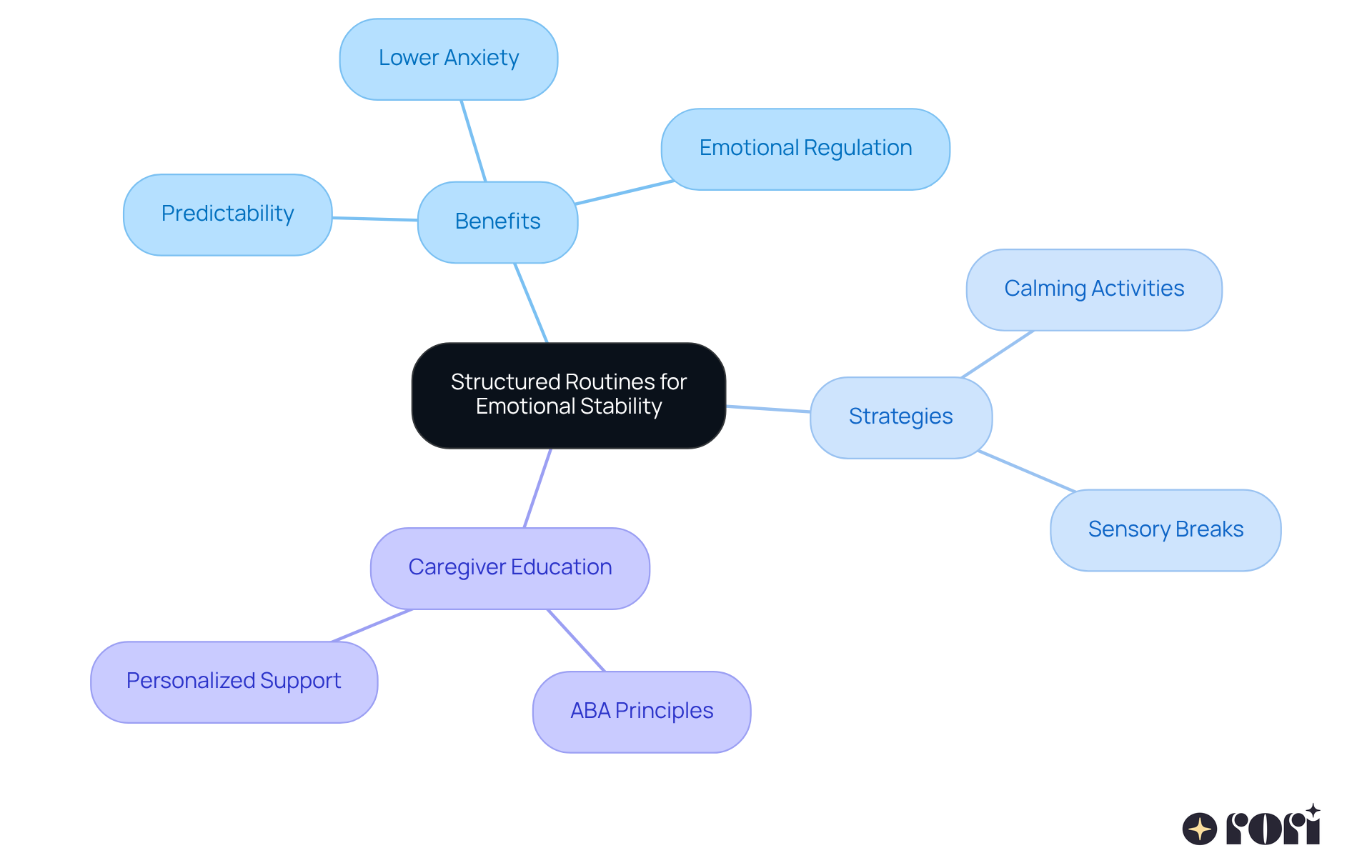
Creating organized routines is so important for kids with autism! It helps create a consistent environment that really boosts their stability. When young ones have a , they can better anticipate transitions, which can ease the anxiety that often comes with unexpected changes. Research shows that having these routines can lead to better self-control and a deeper understanding of their feelings. Many studies highlight the positive link between predictability and lower anxiety levels in children.
By incorporating into these routines, caregivers can utilize effective strategies for in children with autism and significantly enhance their resilience. And let’s not forget about ! It’s crucial because it equips caregivers with , making it easier for them to support their child’s behavioral goals. This education also emphasizes the importance of , which are key for adapting strategies to meet each child’s changing needs.
Educators often point out that for managing anxiety in autistic individuals. They say that help kids navigate daily life with more comfort and confidence. This approach not only supports mental well-being but also encourages independence, allowing young individuals to engage more fully in their activities and reach important developmental milestones.
Let’s explore this together! We’re here to help you every step of the way!
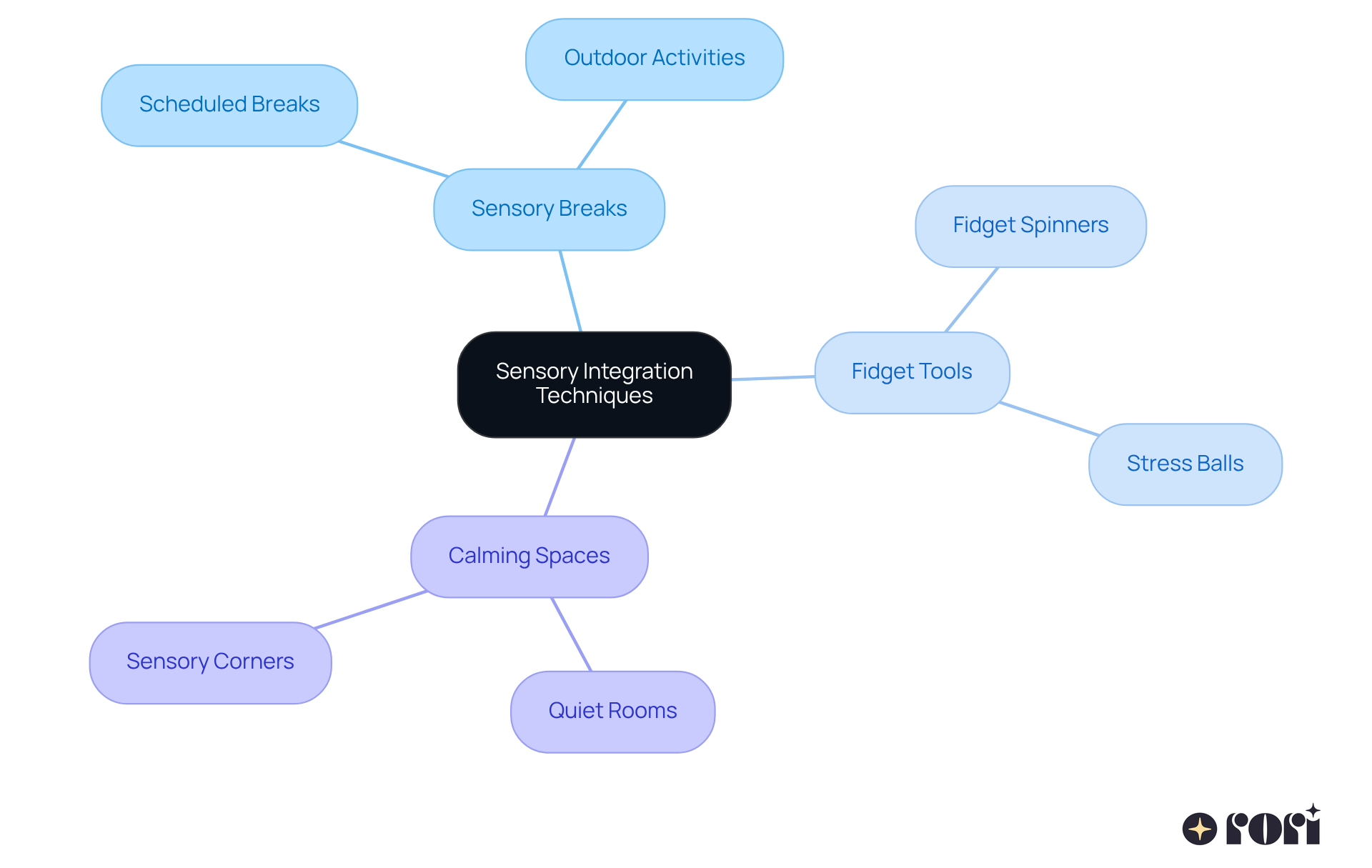
Managing overstimulation can be quite a challenge for parents of children with autism, but utilizing , like , can really make a difference! 🌟 , such as:
can help young ones navigate their sensory needs more effectively. Did you know that research shows ? This highlights just how important it is to have in place.
By identifying specific sensory triggers, caregivers can utilize to help kids manage their feelings and reduce the chances of meltdowns. Occupational therapists often recommend , like , to track progress in handling sensory challenges. Plus, ! They allow kids to channel their energy in a constructive way, making it easier for them to cope with their emotions.
These not only address immediate psychological needs but also pave the way for long-term developmental success. ! So, let’s explore this together and see how we can make a positive impact on our children’s lives. We’re here to !
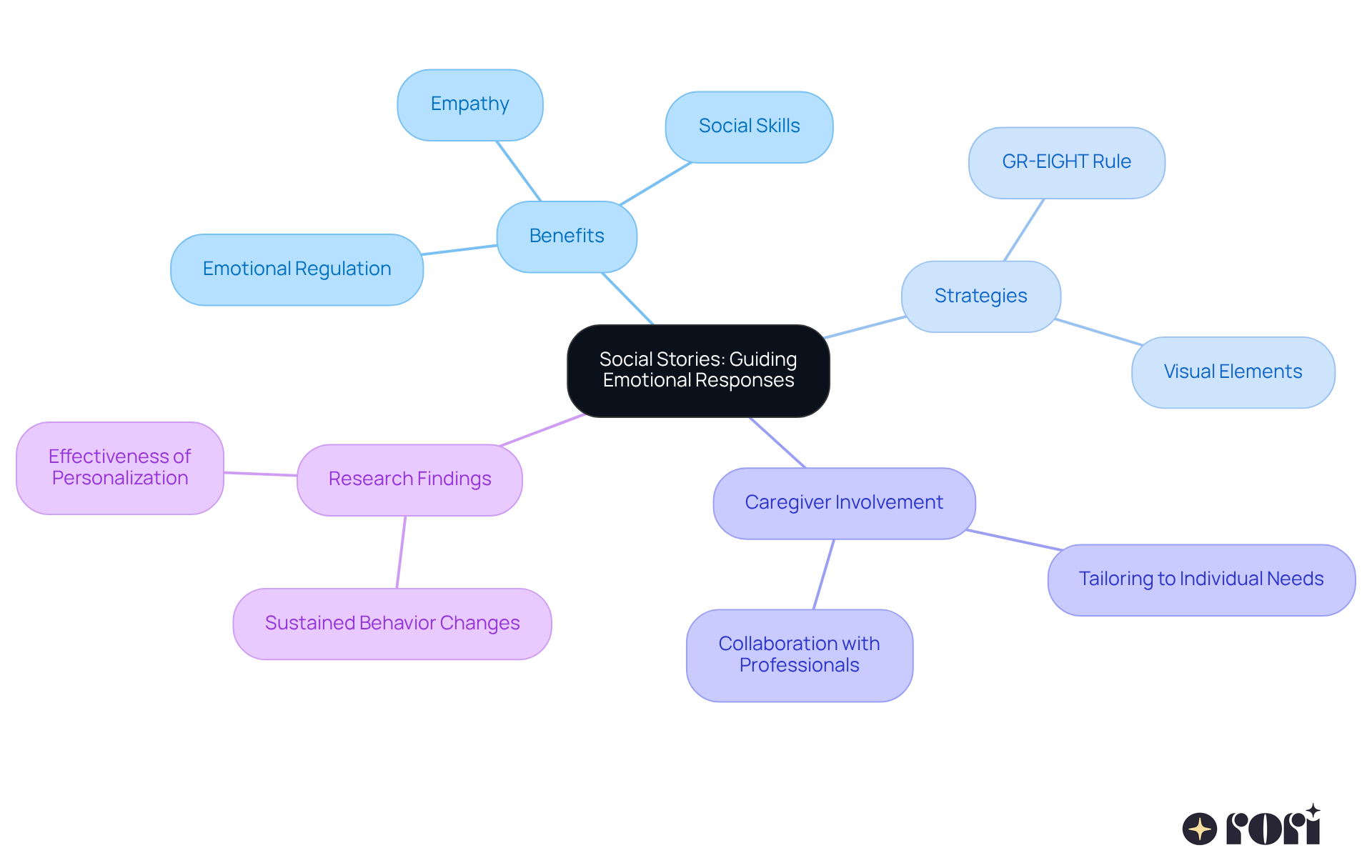
Social narratives can be such a helpful tool for kids with autism, especially when it comes to understanding and responding to different feelings. By sharing relatable stories that clearly outline expected behaviors and emotions, these narratives empower young individuals to navigate . This approach not only helps with but also utilizes , boosting , particularly for those with Autism Spectrum Disorders, ADHD, and Social Communication Disorders.
Research shows that kids who engage with , with positive behavior changes lasting up to ten months! Plus, adding visual elements to these stories makes it easier for kids to grasp complex social cues. As psychologists who specialize in children often point out, for in children with autism. They help young ones understand the nuances of social dynamics and develop .
Working together with caregivers and professionals, like , can really , ensuring they meet individual needs. The 'GR-EIGHT' rule, which balances descriptive sentences with coaching and positive prompts, further supports the effectiveness of these narratives in easing anxiety and preparing kids for challenging situations.
Rori Care is dedicated to boosting social competence and confidence through these programs, highlighting the importance of in supporting child development. This collaboration leads to better behavioral outcomes and empowered caregivers. Let’s explore this together and see how we can support our kids in their journey!
Getting is so important for boosting strategies at home! When parents join therapy sessions and practice in children with autism, they can really and offer steady support. This teamwork not only strengthens the bond between parents and kids but also offers , helping everyone manage their emotions better.
At Rori Care, we’re here to guide your family with compassionate . We make sure caregivers have the tools and knowledge they need to support their loved ones in reaching their . When caregivers actively participate and align with therapeutic approaches, they can implement , which can significantly impact their child’s progress, resulting in better behavioral outcomes and a happier family dynamic.
To help your child grow, why not start at home? It’s a great way to chat about emotions and together explore . Let’s explore this together! 😊

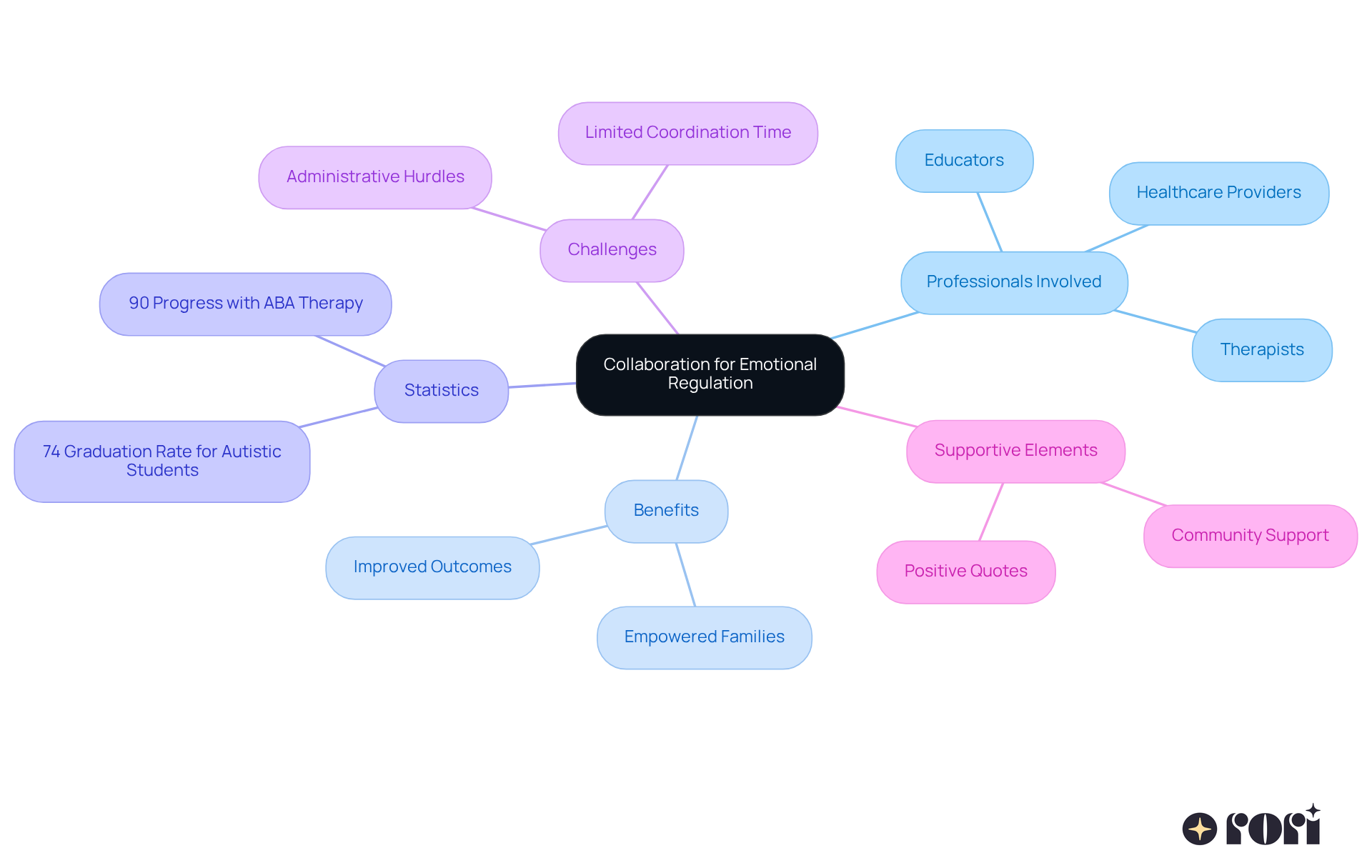
is essential for developing . When families and professionals join forces, they can create a that truly meets each child's in different settings. This teamwork ensures the application of , leading to better outcomes for the little ones.
Did you know that research shows can really boost treatment results? For example, 90% of individuals make significant progress when they fully engage in recommended hours of , especially with active . At Rori Care, we’re here to with . We empower caregivers with the knowledge and strategies they need to help their loved ones reach their behavioral goals.
This collaboration not only improves outcomes for children but also empowers families by actively involving them in during their therapy journey. However, it’s not always smooth sailing. There can be challenges like administrative hurdles and limited time for coordination among providers.
Incorporating positive quotes into this collaborative framework can really uplift caregivers and create a supportive environment. It’s a gentle reminder that they’re not alone on this journey. Let’s explore this together! We’re here to help you every step of the way!
Effective emotional regulation is so important for children with autism. It really shapes how they handle daily challenges and connect with others. In this article, we explore some helpful strategies, like personalized approaches through ABA therapy, using visual supports like emotion charts, and even mindfulness practices. Each of these methods plays a role in building resilience and boosting emotional understanding, which ultimately helps kids become more independent and feel better overall.
One key insight is the value of structured routines. They offer predictability and stability, which can be a game-changer! Plus, sensory integration techniques can really help with overstimulation and emotional outbursts. And let’s not forget about the power of teamwork - engaging parents and collaborating with professionals makes these strategies even more effective. When caregivers feel empowered, children receive the tailored support they truly need.
As we wrap up, it’s clear that the journey toward emotional regulation for children with autism is a multifaceted one. It takes commitment from families, caregivers, and professionals. By embracing these effective strategies and creating a supportive environment, we can make significant strides in helping children manage their emotions. So, let’s take those proactive steps together - whether it’s through daily check-ins, using visual aids, or reaching out for professional guidance. Together, we can create a nurturing atmosphere that promotes emotional growth and resilience. 🌟 Let’s work toward a brighter, more empowered future for our children!
What is Rori Care's approach to helping children with autism manage their emotions?
Rori Care utilizes Applied Behavior Analysis (ABA) therapy to create personalized emotional regulation strategies for children with autism. Clinicians conduct thorough assessments to identify unique psychological triggers and reactions, ensuring that the strategies meet each child's specific needs.
How does early involvement in ABA therapy benefit children with autism?
Research indicates that early and consistent involvement in ABA therapy can lead to significant improvements in emotional regulation strategies for children with autism, helping them develop better coping strategies and resilience.
What are visual supports and how do they help children with autism?
Visual supports, such as emotion charts and pictorial schedules, help children with autism identify and express their feelings. These tools simplify the process of recognizing different emotions, which can enhance emotional understanding and regulation skills.
Why is it important to implement effective strategies for emotional regulation in children with autism?
Autistic children are four times more likely to struggle with managing their feelings than their neurotypical peers. Implementing effective strategies is crucial for improving their emotional regulation and communication skills.
How do emotion charts assist children with autism in managing their feelings?
Emotion charts provide a visual representation of different emotions, helping children articulate their feelings and reducing frustration. This approach aligns with ABA therapy principles, allowing caregivers to support children in regulating their emotions and improving communication.
What role do caregivers play in the emotional regulation process for children with autism?
Caregivers are encouraged to get involved in the emotional regulation process, as their support can help implement effective strategies that allow children to make significant progress in managing their emotions and expressing themselves.