In a world where social interactions play a key role in both personal and professional success, helping children with autism develop their social skills is more important than ever for therapists and parents. The journey toward better communication and connection can truly be life-changing, giving kids the chance to form meaningful relationships and navigate their surroundings with confidence.
But with so many techniques and approaches out there, how can caregivers and professionals pinpoint the most effective strategies to support social skill development? 🤔 This article dives into ten impactful techniques that not only boost social skills in autism therapy but also empower children to thrive in their social interactions. Let’s explore this together!
At Rori Behavioral Innovations, we take a data-driven approach to ABA therapy, focusing on that truly cater to each individual's unique needs. Our clinicians conduct to identify specific , which informs our use of . This kind of personalized care not only boosts the effectiveness of therapy but also empowers young individuals to forge .
We seamlessly weave in into our . These , making the learning process enjoyable! Healthcare professionals have noticed that these are , significantly to navigate interpersonal situations and leading to better interactions and connections with their peers.
Let’s explore this together! If you’re a parent looking for ways to support your child’s growth, know that we’re here to help you every step of the way!
Getting a jumpstart on is crucial for helping kids with autism improve their social skills. At Rori Care, our amazing clinicians are here to support families with compassionate Applied Behavior Analysis (ABA) treatment. Research shows that kids who get early and intensive often see , with !
Consider this: , including , focused social training, and , truly assist kids in connecting better with their peers. Plus, our , led by skilled therapists, implement , which not only boost communication and relationships among young people but also equip caregivers with essential ABA strategies. This hands-on approach tackles immediate challenges while laying a strong foundation for long-term success in the community.
It’s heartening to know that kids who receive often make significant strides in their social skills, with many forming meaningful friendships as they grow. And here’s something to consider: by cutting down on the need for long-term special education and intensive care. This proactive approach allows families to nurture their child’s development in a supportive environment where can be effectively implemented.
Let’s explore this together! We’re here to !

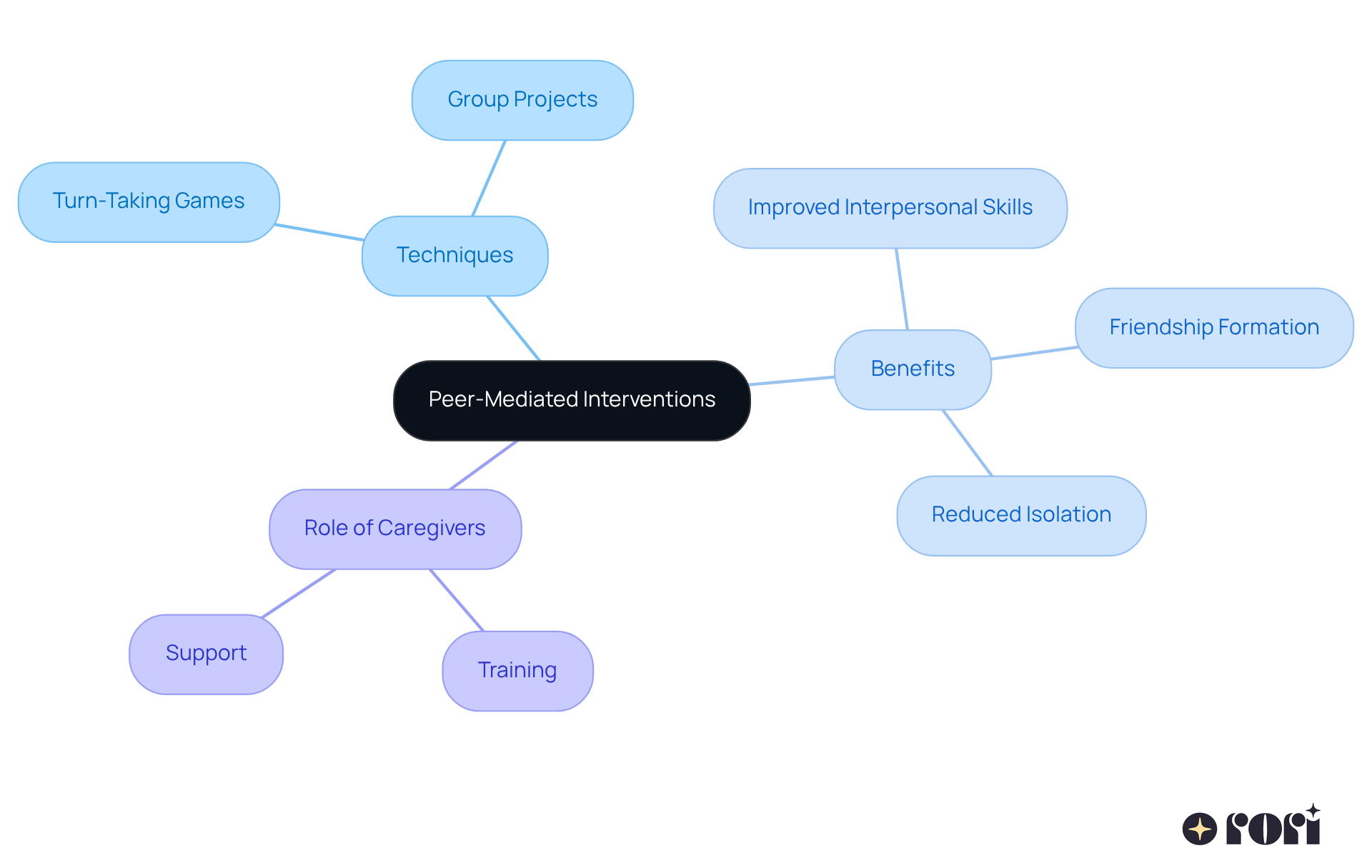
(PMIs) are considered by incorporating to assist youth with autism in making better connections. Imagine kids learning and behaviors through fun activities! Whether it’s , these youngsters get to practice sharing and chatting in a relaxed setting.
Research shows that can really boost interpersonal skills, help forge friendships, and reduce feelings of isolation. Educators often share how can be. It’s not just about improving skills; it’s about creating a sense of belonging for youth with autism. When model positive interactions, they contribute significantly to the .
At Rori Care, we focus on that employs , all under the guidance of . This approach really helps . Plus, is a key part of the process! It equips parents with the knowledge and skills they need to support their kids’ development effectively.
This comprehensive approach ensures that caregivers can make informed decisions, leading to better behavioral outcomes and empowered family dynamics. Let’s explore this together! We’re here to help you every step of the way!
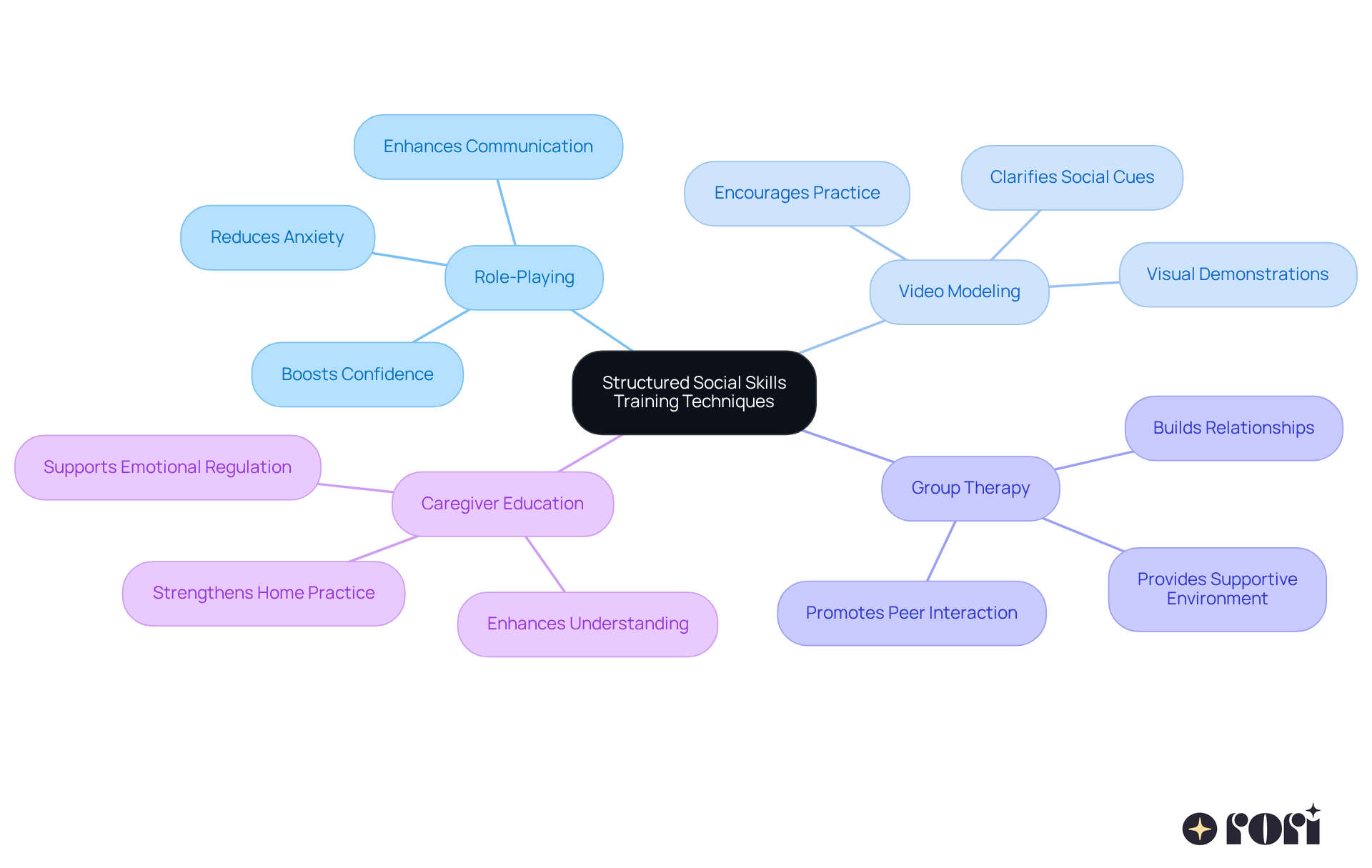
Teaching youth with autism how to navigate interactions can be a challenge, but employing , such as like and , can make a world of difference! 🌟 These techniques not only provide clear examples and practice opportunities but also help create a , reducing anxiety for young individuals. By breaking down complex interactions into manageable steps, therapists can really boost confidence and competence in social skills.
is a fantastic way for kids to engage in simulated interactions, helping them grasp cues and responses better. On the other hand, offers visual demonstrations of desired behaviors, making those tricky interpersonal concepts much more tangible. At Rori Care, we focus on , guided by qualified therapists who enhance relationships and communication in a supportive environment. This approach among peers.
Research indicates that , such as , significantly improve communication and interaction, catering to the unique learning styles of children with autism. Therapists emphasize that not only enhance social skills but also , resulting in deeper social connections. For parents, integrating at home can really strengthen these abilities and provide extra practice in a . Plus, caregiver education programs can further enhance this journey. Let’s explore this together! 💖
, like speech-generating devices and , is a game-changer for individuals with autism. These amazing tools offer new ways to express themselves, helping young people and connect better with friends. Imagine a child confidently using an app to say what they want - how empowering is that?
When therapists use in autism therapy, such as incorporating into their sessions, it creates a welcoming space where everyone can interact more freely. It’s not just about communication; it’s about too! It is such a joy to see kids with more confidence and ease through .
So, if you’re a parent wondering how to support your child’s , consider exploring these tools. They could make a world of difference! Let’s explore this together and find the right !
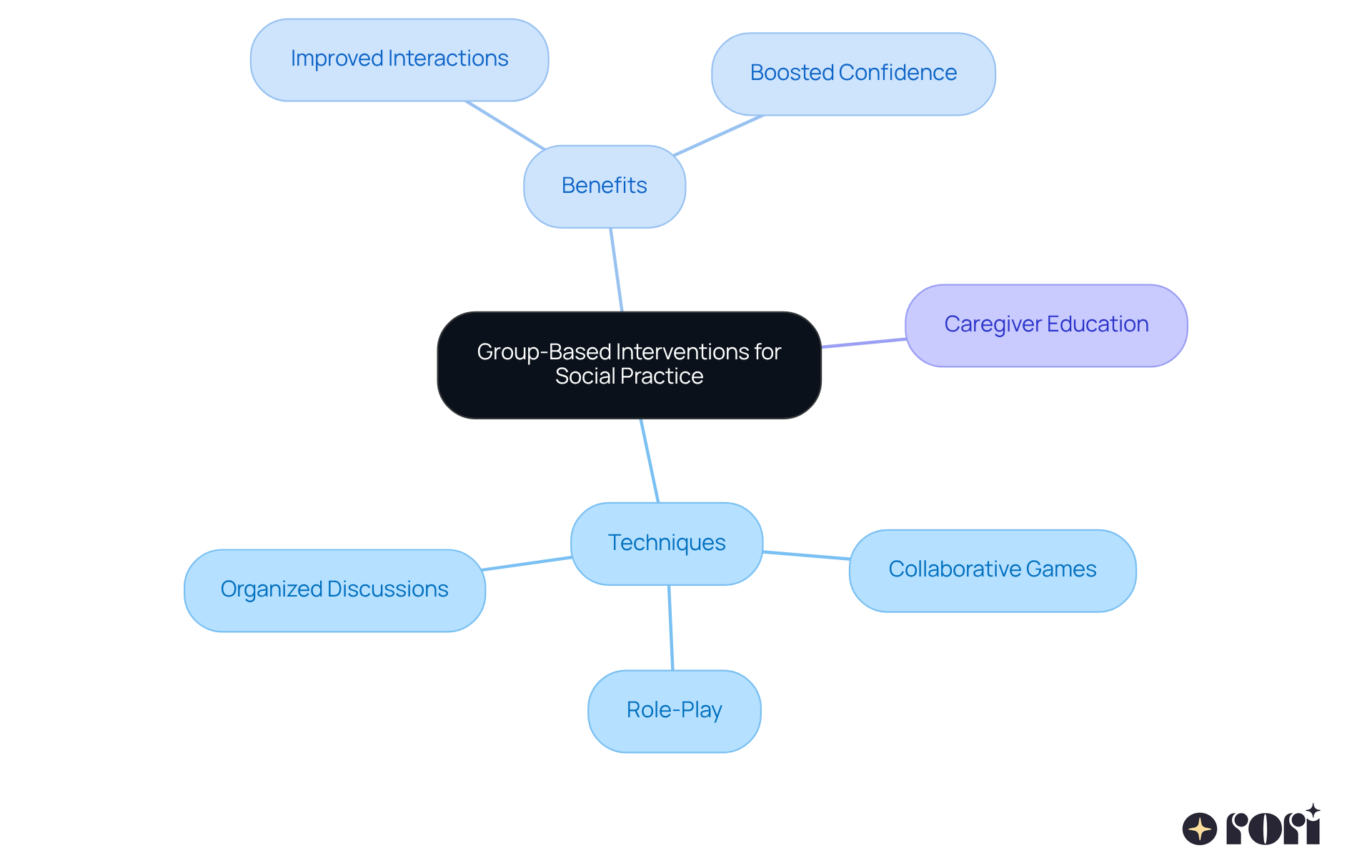
Group-based programs utilize , providing a fantastic opportunity for kids with autism to practice their social skills in a friendly and supportive environment. At Rori Care, we create spaces that encourage , allowing children to use their skills in real-life situations. Through fun activities like , role-play, and organized discussions, kids not only engage with one another but also utilize .
Research shows that children participating in Rori Care's benefit from , resulting in and a boost in confidence. Our trained therapists highlight the amazing benefits of these group settings, emphasizing how they employ , which nurture a supportive atmosphere that encourages . Plus, we believe that is key to . By empowering parents with knowledge, they can make informed decisions that lead to better behavioral outcomes.
Let’s explore this together! We’re here to !
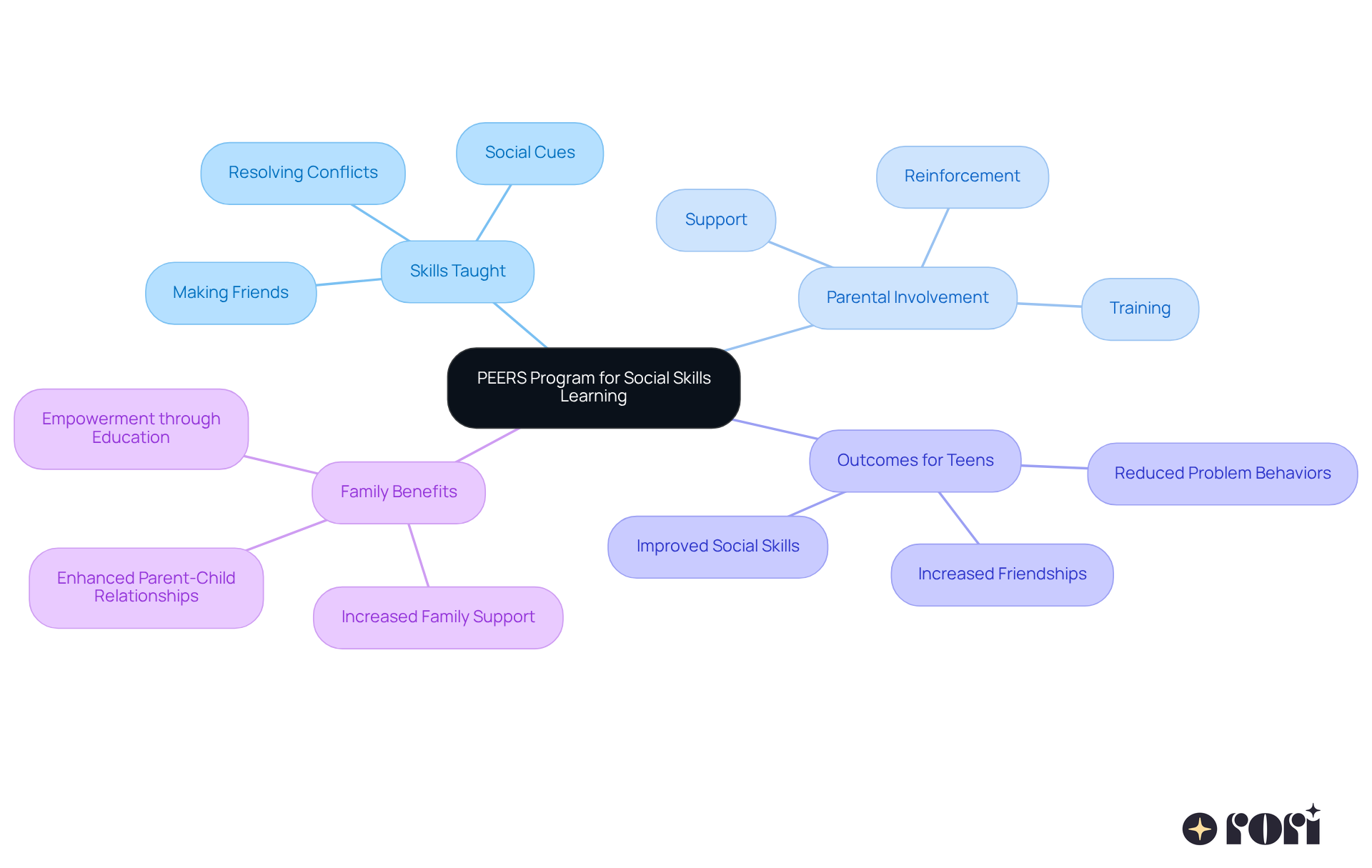
The is one of the effective techniques for , specifically designed to help teenagers navigate social interactions. This engaging program offers interactive sessions that utilize in autism therapy, teaching vital skills like , , and . Research shows that and a drop in challenging behaviors. Many even share how they feel more connected with their peers and enjoy more friendships after completing the program.
One of the standout features of PEERS is how it actively involves parents. They’re trained to reinforce what their teens learn during therapy at home, which really enhances the program's effectiveness. With , teens can practice their new skills in everyday situations. Plus, arms parents with ABA principles and strategies, helping them make informed choices that positively impact their child’s growth. In fact, data shows that 89% of parents noticed improvements in their child’s social skills, highlighting how PEERS benefits not just the teens but their families too. This education also boosts caregiver support, improves behavioral outcomes, and empowers parents, creating a more unified approach to child development.
Overall, PEERS utilizes effective techniques for , creating a nurturing environment where teens can practice and apply what they’ve learned. This ultimately leads to better interactions and an improved quality of life. So, if you’re looking for ways to support your teen, let’s explore this together! We’re here to !
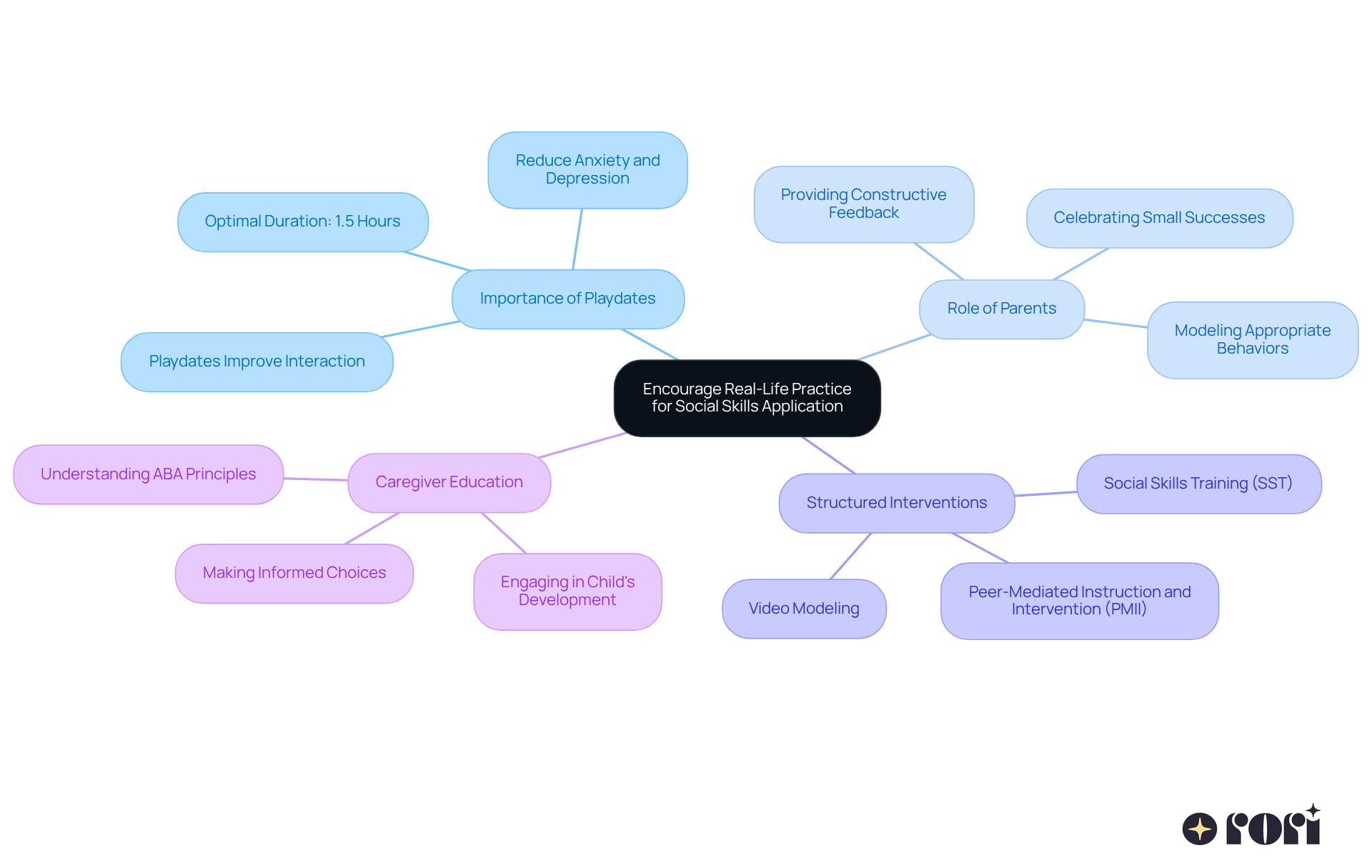
Promoting real-life practice is crucial for implementing effective techniques for . Families can really enhance socialization by organizing . These fun opportunities let kids apply their skills in natural settings, which is super helpful!
Did you know that regular playdates can lead to ? Kids often feel less anxious and depressed when they’re in inclusive environments. Just a heads up, it’s best to keep to avoid overwhelming them.
Parents, you play a vital role in this journey! By modeling appropriate behaviors, giving constructive feedback, and celebrating those little successes, you’re helping your child grow. Plus, (PMII) is among the in autism therapy, as it can really boost social exchanges for kids with autism, ADHD, and communication disorders. This supportive approach not only builds confidence but also utilizes effective techniques for , paving the way for .
And let’s not forget about ! It equips you with the knowledge and strategies to support your child’s behavioral goals effectively. By actively engaging in your child’s development, you can make informed choices that lead to better behavioral outcomes, helping your little ones thrive socially.
Let’s explore this together! We’re here to !
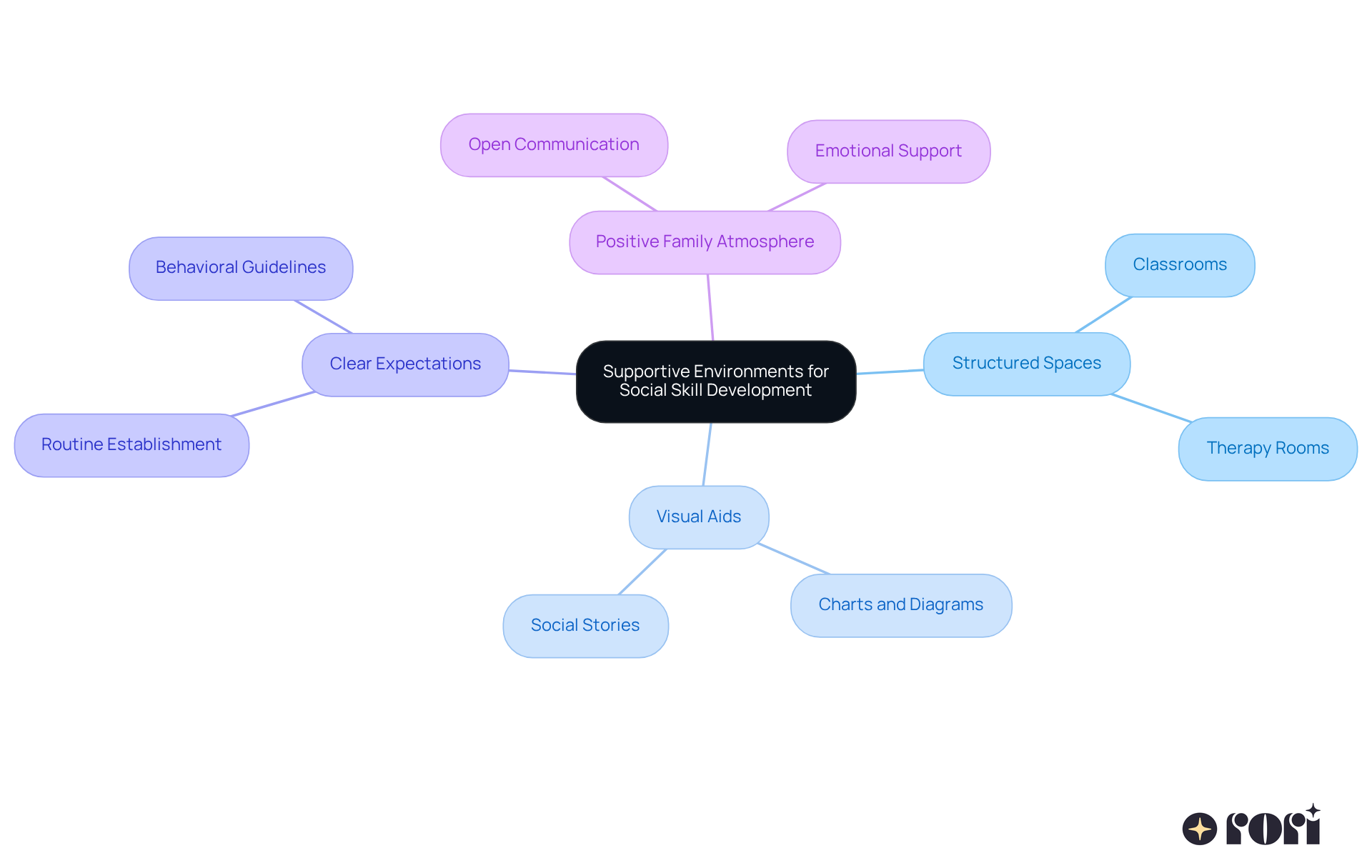
Creating is essential for applying to help young people develop their . Think about environments that feel . really make a difference! By using visual aids and setting clear expectations, we can apply , enabling our young learners to grasp societal norms more easily.
Research shows that to significantly boost interpersonal engagement. Kids thrive on regular routines and . Plus, can really enhance a young person’s social skills by fostering a and emotional support. Teachers often share that organized environments not only make learning easier but also provide , empowering young individuals to navigate with greater confidence and skill.
Let’s explore this together! By creating these , we can truly make a difference in their lives.
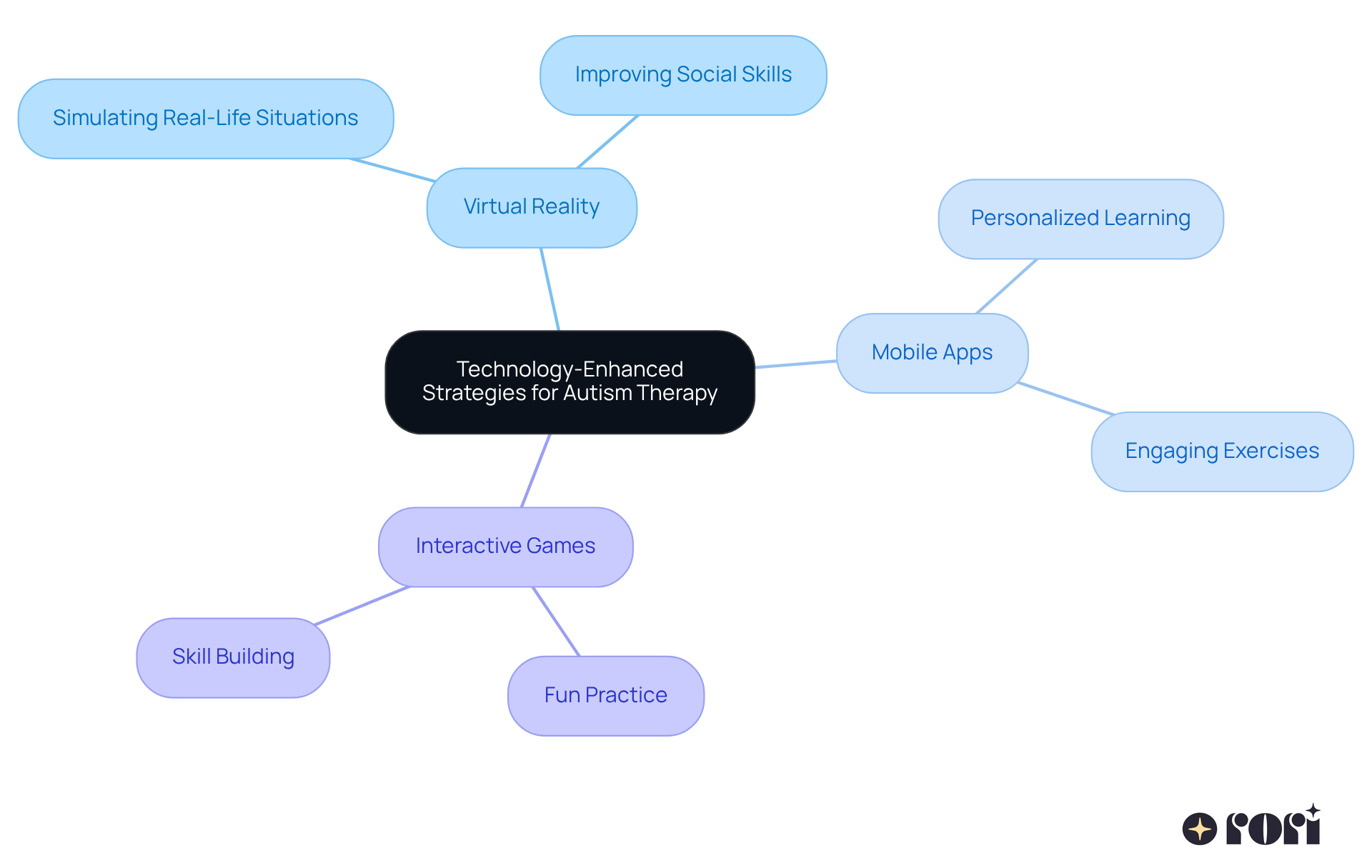
Incorporating into autism therapy is among the . Think about tools like , , and interactive games - they offer fun ways for young people to practice their interactions! VR, in particular, has shown great promise by simulating real-life situations, allowing kids to hone their interaction skills in a safe environment. Research even suggests that work wonders for youngsters with high-functioning autism, leading to noticeable improvements in their social skills and .
Mobile applications are also key players in this journey. They provide that cater to each child's unique needs. These apps can help kids build skills through engaging exercises and stories, making it easier for them to understand and navigate social situations. By embracing these technologies, therapists can create therapy sessions that incorporate , making them not only engaging but also tailored to boost confidence and enhance interpersonal abilities.
Experts in the field are excited about the potential of VR and to transform autism therapy. One expert noted that the immersive nature of VR creates a sense of presence that traditional methods just can’t match, significantly enhancing skills training. The combination of these innovative tools offers , enriching the therapeutic experience and empowering children to thrive in their social environments.
Let’s explore this together! With the , we can help our kids shine in their interactions.
Fostering social skills in individuals with autism is so important for their growth! The techniques we’ve discussed really highlight how personalized and structured approaches can make a difference. By using effective strategies like:
Caregivers and therapists can create supportive spaces. This empowers young individuals to build meaningful connections and navigate social situations with confidence.
Let’s think about some key insights here. Tailored therapy is crucial, and structured social skills training plays a big role too. Engaging kids in group-based interventions not only boosts their communication skills but also helps them feel a sense of belonging among their peers. Plus, programs like PEERS show us how structured learning can lead to real improvements in social interactions and emotional well-being.
Ultimately, improving social skills for children with autism is a journey we take together. It involves therapists, caregivers, and the community all working hand in hand. By embracing these effective techniques and staying committed to each child's unique path, we can create an environment where they truly thrive socially and emotionally. Let’s explore this together! We’re here to help you every step of the way!
What is the focus of Rori Care's ABA therapy?
Rori Care focuses on personalized approaches to ABA therapy that cater to each individual's unique needs, using data-driven strategies to enhance social skills development in children with autism.
How does Rori Care assess the needs of children receiving therapy?
Clinicians at Rori Care conduct thorough evaluations to identify specific interpersonal skills deficits and strengths, which inform the personalized treatment plans for fostering social skills.
What techniques are used in Rori Care's therapy sessions?
Rori Care utilizes methods such as narratives, role-playing, direct instruction, structured play, and focused social training to promote interpersonal competence and engagement in therapy.
What are the benefits of early intervention in ABA therapy?
Early intervention in ABA therapy can lead to significant improvements in communication and social interactions, with success rates often exceeding 89%. It helps children with autism connect better with their peers and can save families around $1.3 million per child over their lifetime by reducing the need for long-term special education.
What role do peer-mediated interventions play in social skills development?
Peer-mediated interventions (PMIs) involve neurotypical peers assisting youth with autism in making connections, helping them learn essential social cues and behaviors through fun activities, which can boost interpersonal skills and reduce feelings of isolation.
How does Rori Care incorporate group therapy in its approach?
Rori Care employs group therapy sessions led by skilled therapists to enhance communication and relationships among young people, while also providing caregiver training to equip parents with essential ABA strategies.
What is the overall goal of Rori Care's therapy programs?
The overall goal of Rori Care's therapy programs is to support children's growth in social skills, foster meaningful friendships, and empower families to nurture their child's development in a supportive environment.